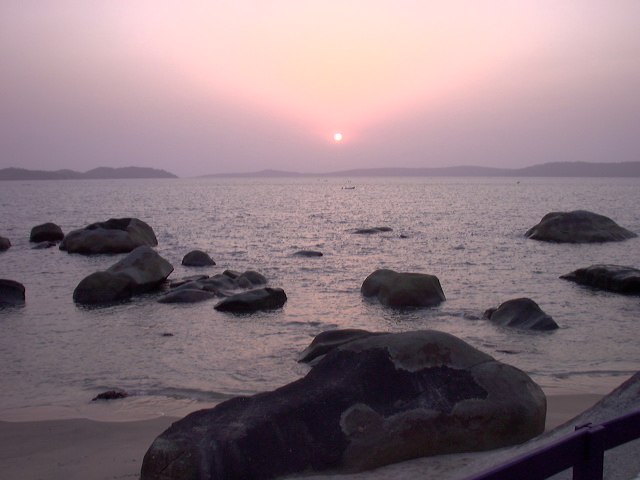
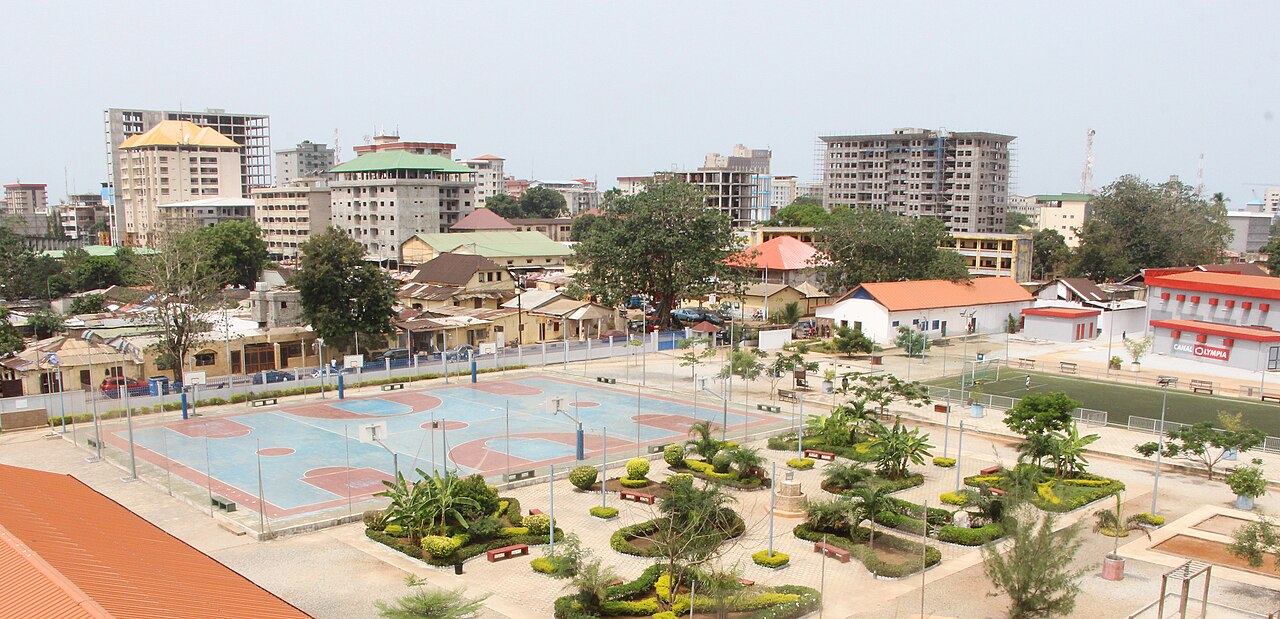
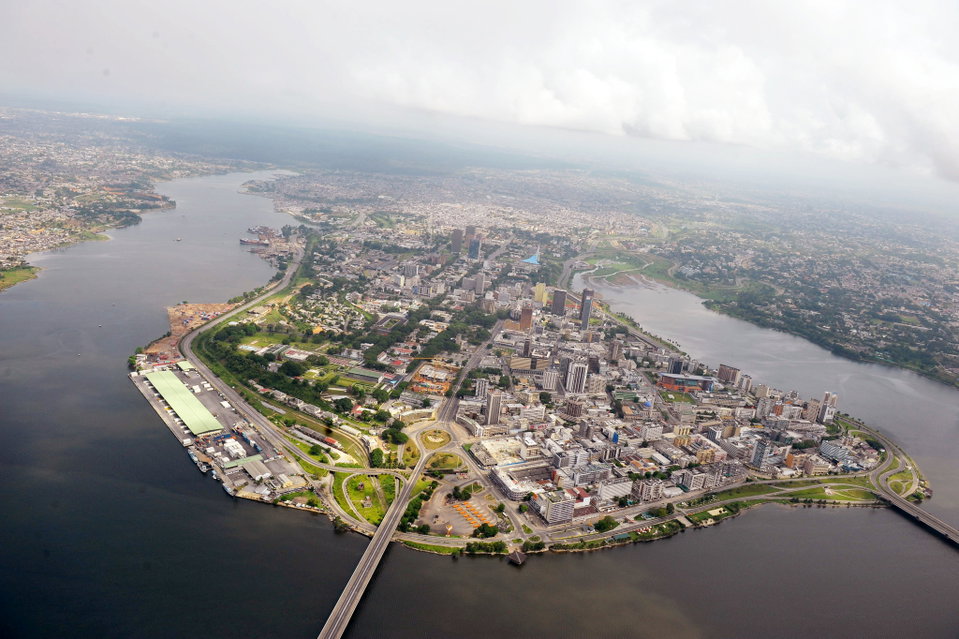
Aerial view of Conakry's Kaloum Peninsula stretching into the Atlantic Ocean at sunset

Destination guide

Conakry

West Africa · Guinea

West Africa's ocean-edged capital — raw, vibrant, and rarely visited

Best season

November to April (dry season) — lower humidity, no heavy rains, and clearer skies for island day-trips.

From Nairobi

Approximately 7–8 hours with one stop (no direct service; common connections via Addis Ababa or Casablanca).

Why visit Conakry?

Conakry is one of West Africa's best-kept secrets — a city where griots still perform at ceremonies, where the nightly rumble of djembe and the electric buzz of cora fill open-air maquis bars, and where seafood hauled straight from the Atlantic arrives on your plate still tasting of the ocean.

Guinea gave the world Mory Kanté and Sékouba Bambino, and Conakry's live-music culture runs deep: the city's neighbourhood clubs and Hotel Camayenne terrace sessions attract musicians from across the Mande world. Beyond the music, the Grand Marché de Madina is one of West Africa's most atmospheric markets — a sensory overload of tie-dye fabric, kola nuts, and carved masks. Day-trips to the Îles de Los offer white-sand beaches within 20 minutes by pirogue, making Conakry a surprisingly easy base for both urban and coastal exploration.

  • Birthplace of legends — Conakry's griots and musicians shaped the sound of West Africa.
  • Îles de Los: white-sand islands a 20-minute pirogue ride from the city centre.
  • Grand Marché de Madina — one of the region's most vivid and expansive markets.
  • Fresh Atlantic seafood barbecued on the waterfront every evening.
  • Rarely crowded by tourists — an authentic urban West Africa experience.
  • Gateway to Guinea's stunning interior: Fouta Djallon highlands just hours away.

Best for

Music lovers, market wanderers, adventurous first-time West Africa travellers, and anyone curious about Guinean culture

Trip style

Cultural immersion, city exploration, weekend island escapes

Known for

Mande live-music scene, djembe and cora traditions, Îles de Los beaches, Grand Marché de Madina, Atlantic seafood

Quick facts

Best time to visit

November to April (dry season) — lower humidity, no heavy rains, and clearer skies for island day-trips.

Currency

Guinean Franc (GNF). USD and EUR can be exchanged at banks and registered bureaux de change.

Languages

French (official); Pular, Malinké, and Susu widely spoken.

Visa summary

Visa required for most nationalities. E-visas are available online before arrival; on-arrival visas also offered at Conakry International Airport. Check your country's current requirements.

Flight time from Nairobi

Approximately 7–8 hours with one stop (no direct service; common connections via Addis Ababa or Casablanca).

Airport / arrival

Conakry International Airport (CKY) is on the Kaloum Peninsula, about 15 km from the city centre. Taxis and ride-hailing apps serve arrivals.

Safety note

Exercise normal caution. Petty theft in crowded markets and traffic bottlenecks on the peninsula are the main concerns. Political demonstrations can occur — monitor local news.

Visa and entry

Look up entry rules by passport for travel to Guinea on the Tsavaro visa checker.

Check visa requirements for Guinea

Things to do

Explore the Grand Marché de MadinaCulture & Markets

Explore the Grand Marché de Madina

2–3 hours

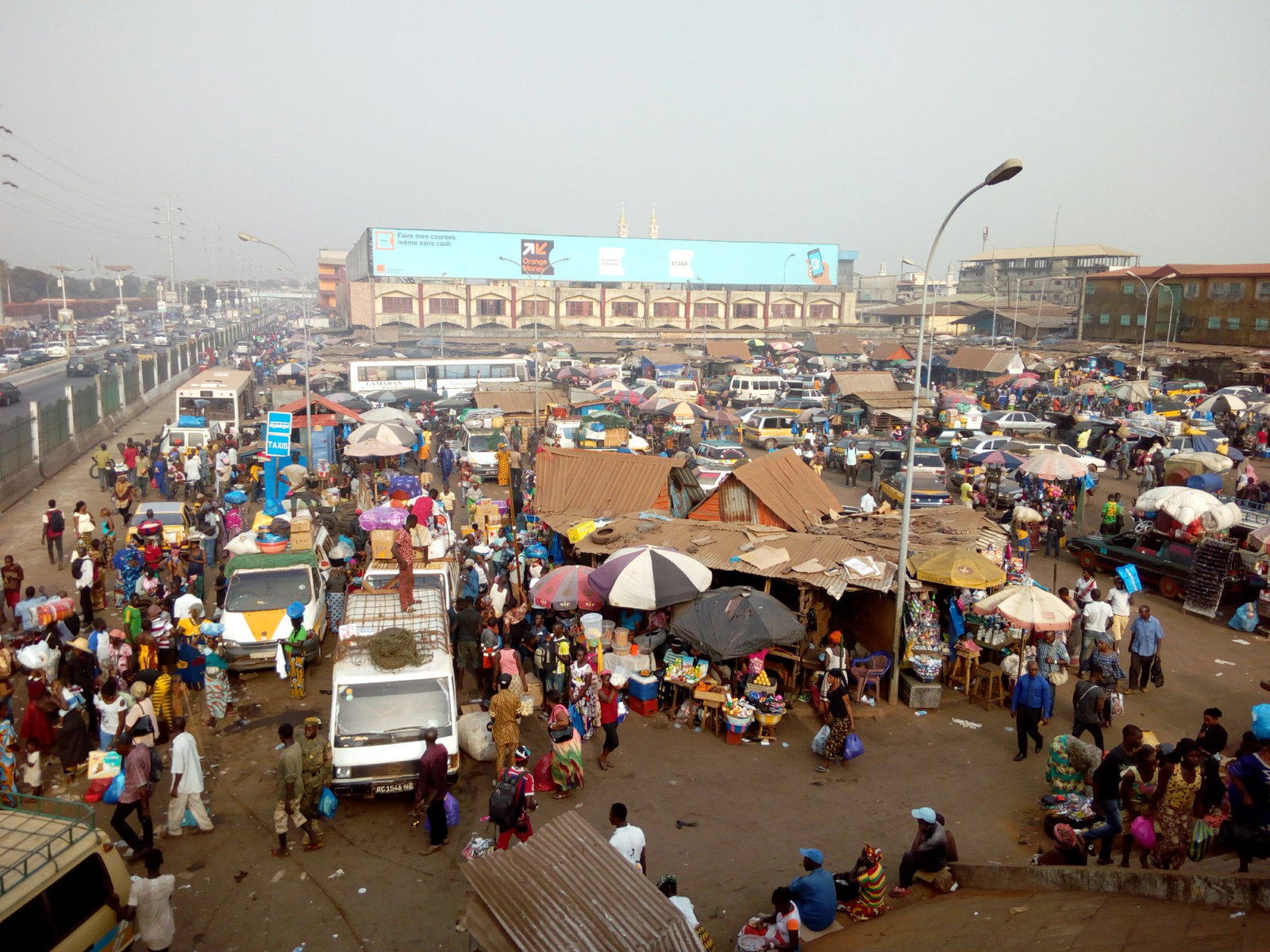
Conakry's largest market is a maze of stalls selling hand-dyed kente and bazin fabric, spices, fresh produce, traditional medicines, and wooden crafts. Go early for the best energy and light. Bargaining is expected and good-natured.

Day-trip to the Îles de LosBeach & Nature

Day-trip to the Îles de Los

Full day

A cluster of islands — Room, Kassa, and Fotoba — lie just off the Conakry coast. Catch a pirogue from the Boulbinet wharf to reach sandy beaches, coral reefs, and rustic beach bars. Kassa has the most reliable facilities; Room offers solitude.

Stroll the Kaloum Peninsula waterfrontSightseeing

Stroll the Kaloum Peninsula waterfront

1–2 hours

The historic Kaloum district — Conakry's original colonial quarter — has a breezy seafront promenade lined with old administrative buildings, fishing pirogues, and vendors selling grilled fish. Sunset here is spectacular.

Taste Guinean cuisineFood & Drink

Taste Guinean cuisine

Any time

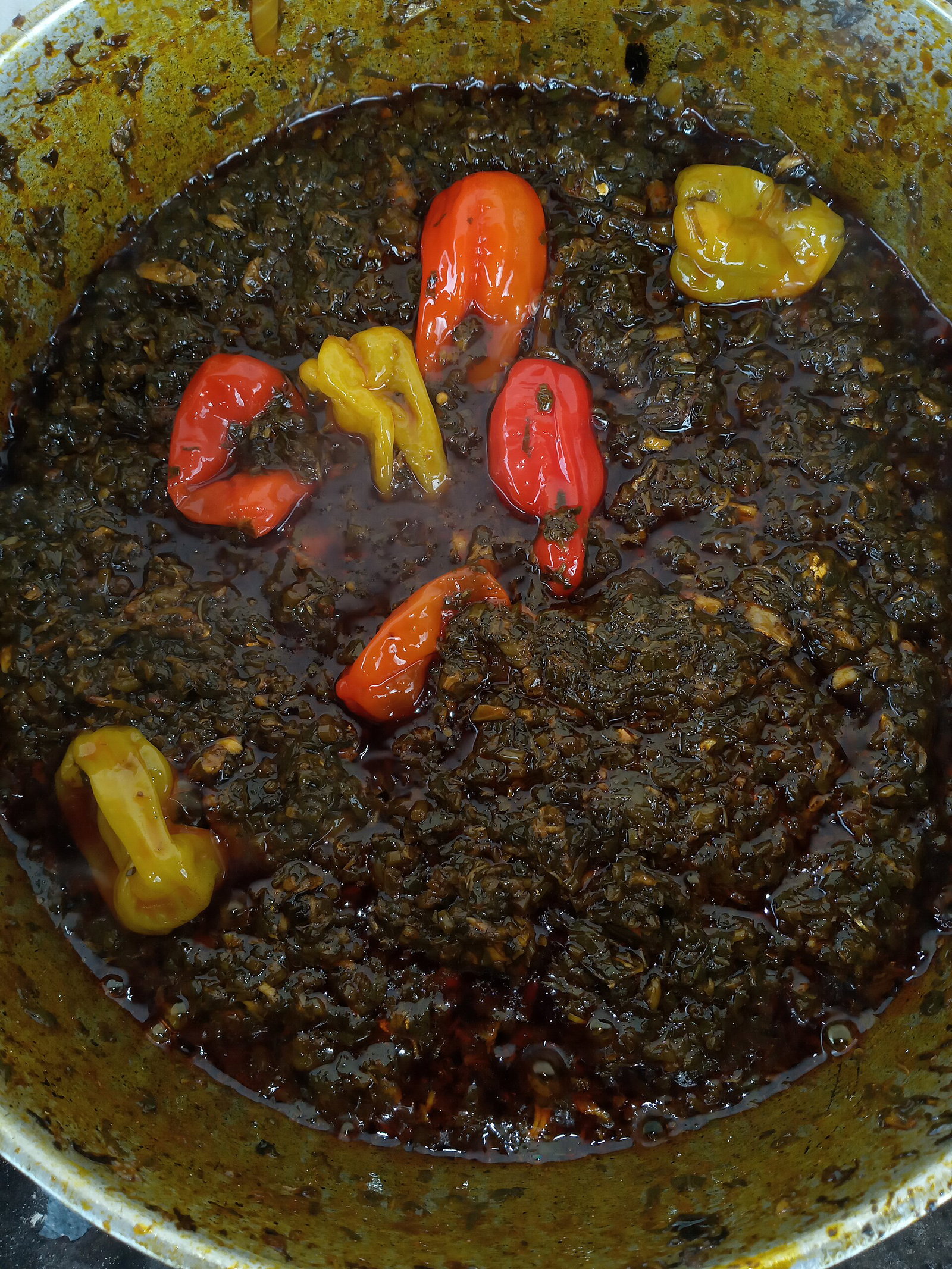
Don't leave without trying tiga dèguè (peanut stew with rice), sauce feuilles (leaf sauce with smoked fish), and the roadside brochettes of grilled beef. The waterfront restaurants near the port serve excellent fresh barracuda and thiéboudienne.

Visit the Cathedral of Saint Mary of GuineaHeritage

Visit the Cathedral of Saint Mary of Guinea

30 minutes

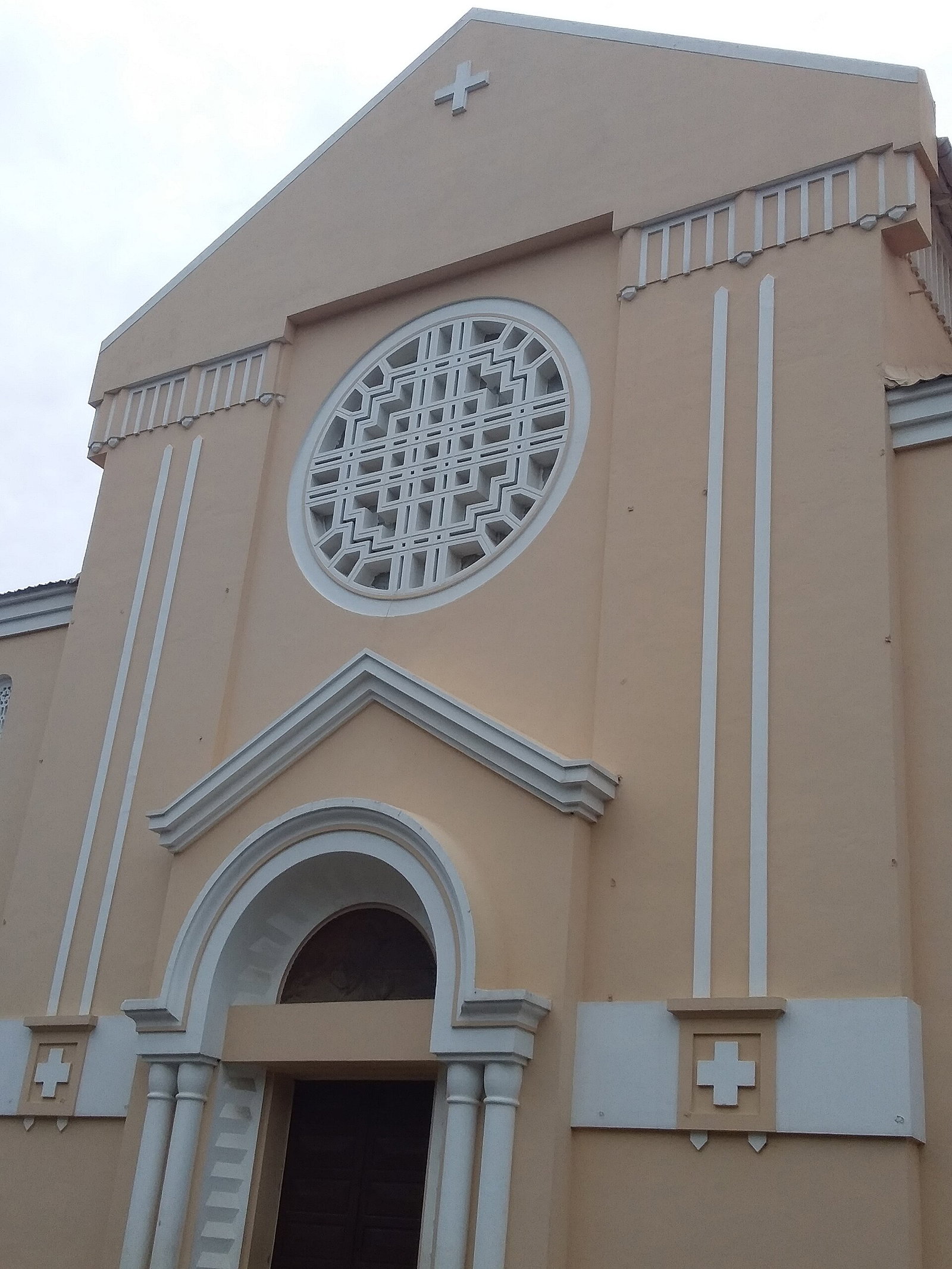
Conakry's Catholic cathedral in the Kaloum district is a striking colonial-era landmark with a peaceful courtyard — a rare quiet corner in the otherwise hectic capital.

Plan a trip to Fouta DjallonAdventure & Nature

Plan a trip to Fouta Djallon

2–4 days from Conakry

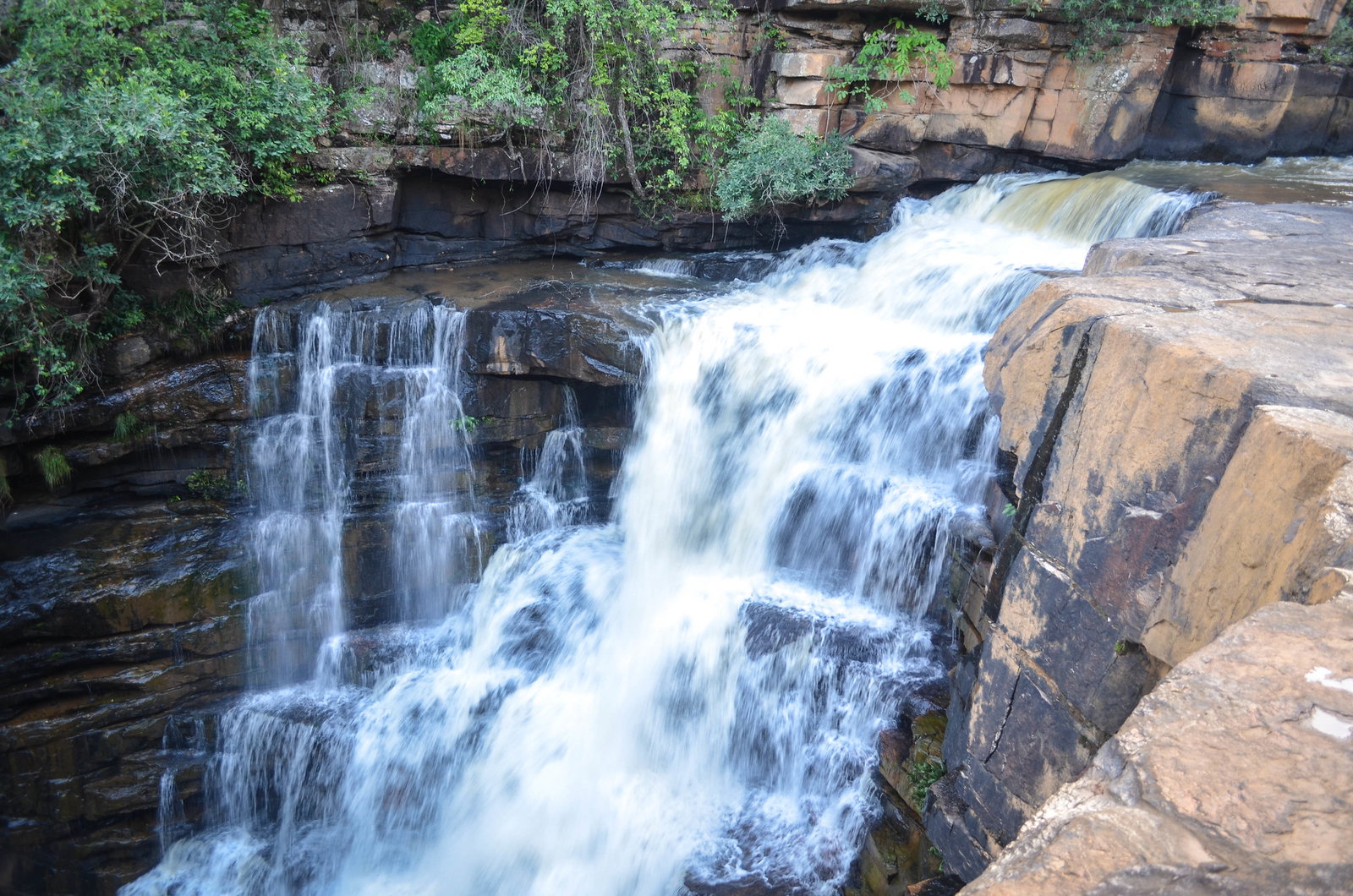
Use Conakry as a base to arrange a highlands excursion. The Fouta Djallon plateau — about 4–5 hours by road — offers dramatic waterfalls, Fulani villages, and trekking trails that few international visitors have walked.

Best time to visit Conakry

The best time to visit Conakry is November to April, during Guinea's dry season, when humidity is lower, rainfall minimal, and the Îles de Los beaches are at their finest.

November–January is the coolest and driest stretch — ideal for walking the city and taking day-trips. The Harmattan wind from the Sahara can reduce visibility in December and January, but temperatures are pleasant (24–30 °C).

February–April brings rising heat but still very little rain, and the ocean is calm and clear — perfect for island excursions.

May–October is the wet season. The city receives heavy rainfall, particularly June to September, with short but intense downpours most afternoons. Roads can flood and some beach facilities on the Îles de Los close. However, the city is green, festival activity increases, and hotels offer lower rates — adventurous travellers who don't mind the rain will find a more local, unhurried Conakry.

Is Conakry safe to visit?

Yes — Conakry is generally safe for tourists who take standard urban precautions and stay informed about the political situation. Most visits pass without incident.

Petty theft is the most common concern: keep phones and valuables out of sight in crowded markets like Madina, and avoid displaying expensive cameras or jewellery in busy areas. Use registered taxis or a reliable ride-hailing app rather than unmarked vehicles, especially after dark.

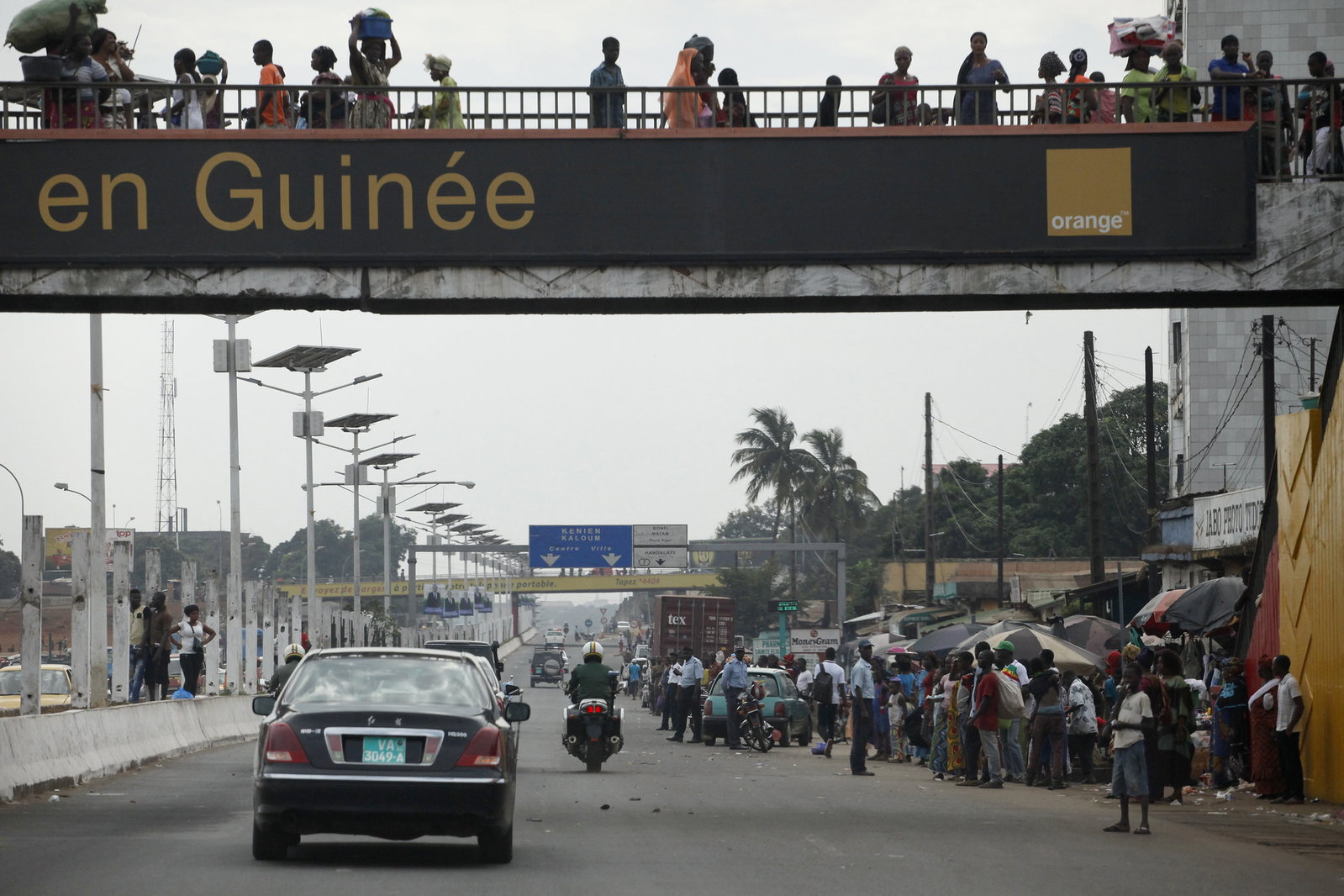
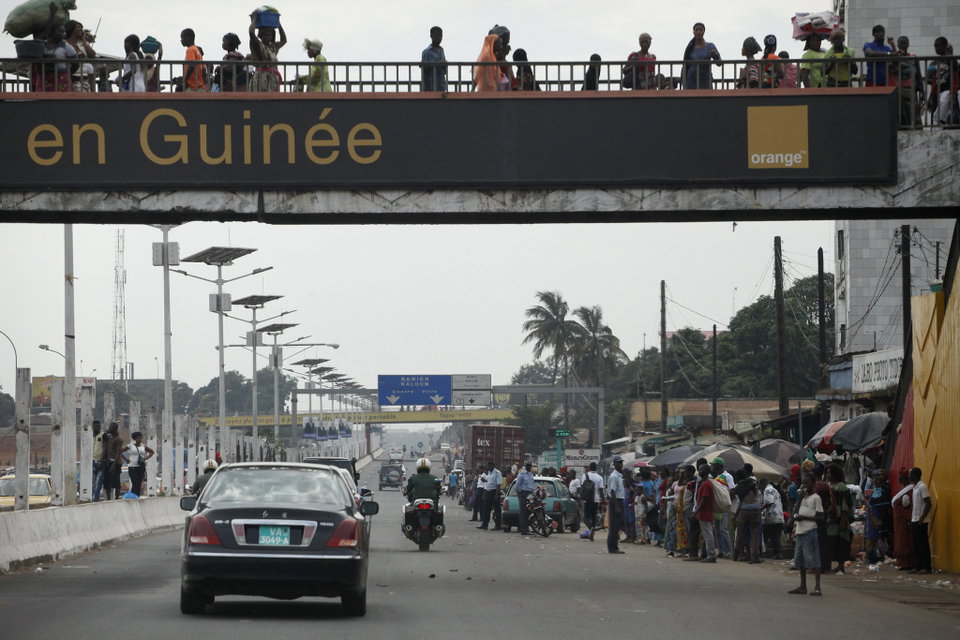
The Kaloum Peninsula's single access road creates severe traffic congestion — build extra time into any journey to or from the airport, particularly in the mornings. This is an inconvenience rather than a safety issue, but it catches first-time visitors off guard.

Political demonstrations have occurred periodically in recent years. Guinea has experienced political instability, and protests can turn unpredictable. Monitor local news sources and your government's travel advisory before and during your trip, and avoid large gatherings.

Health precautions are important: ensure your yellow fever vaccination is up to date (required for entry), take malaria prophylaxis, and drink only bottled or filtered water. Medical facilities in Conakry are limited — comprehensive travel insurance with medical evacuation cover is strongly recommended.
Suggested itinerary

4 days in Conakry & the Îles de Los

This plan is built for a traveller based in a mid-range hotel in the Kaloum or Dixinn district. It runs at a relaxed pace — mornings of culture, afternoons of exploration, evenings of music and seafood. No internal flights are needed.

Day 1

Kaloum Peninsula & the waterfront

Start at the Cathedral of Saint Mary of Guinea, then walk the colonial Kaloum waterfront to take in the fishing pirogues and old French administrative buildings. Head to a local restaurant for a lunch of tiga dèguè. Afternoon: visit the National Museum of Guinea. Evening: sunset drinks on the Hotel Camayenne terrace overlooking the Atlantic, followed by dinner at a waterfront grill.

Conakry — Kaloum Peninsula & the waterfront

Travel essentials

Getting around

Within Conakry, shared minibuses (gbaka) and motorcycle taxis (moto-taxis) are the main local transport. Private taxis are widely available and recommended for longer journeys or after dark — agree the fare before you set off. Traffic on the Kaloum Peninsula can be extreme at peak hours; plan accordingly. For the Îles de Los, shared pirogues depart from Boulbinet wharf.

Typical costs

Conakry is affordable by international standards. A street-food lunch costs under 2 USD; a meal at a decent restaurant 5–15 USD. Mid-range hotel rooms run 60–120 USD per night. A pirogue return to the Îles de Los is roughly 5–10 USD on a shared boat. Negotiate taxi fares before boarding — typical city ride 1–3 USD.

Culture and etiquette

Guinea is predominantly Muslim; dress modestly when visiting mosques or traditional ceremonies (cover shoulders and knees). Greetings are important — a handshake and brief exchange of pleasantries before any transaction is expected. Ask permission before photographing people, especially women and elders. Friday afternoons are sacred — many businesses close for prayers.

Safety and planning

Register with your embassy on arrival for longer stays. Carry a photocopy of your passport rather than the original when out in the city. Keep a small amount of local currency for markets and street vendors. Carry the number of a reliable local taxi driver. Drink only bottled water and ensure yellow fever vaccination is current — it is checked on entry.

Connectivity

SIM cards from Orange Guinea and MTN Guinea are available at the airport and in markets — bring your unlocked phone. 4G coverage is reasonable in central Conakry and the main districts. Wi-Fi is available in most mid-range and upmarket hotels. Power outages are common; bring a portable power bank.

Payments

The economy is largely cash-based. Guinean Francs (GNF) are used everywhere; USD and EUR are accepted at some upmarket hotels. ATMs exist at major banks in Kaloum (Société Générale, Ecobank) but can be unreliable — carry sufficient cash, especially before weekends and public holidays. Credit cards are rarely accepted outside the largest hotels.

Conakry travel FAQs

More destinations to explore