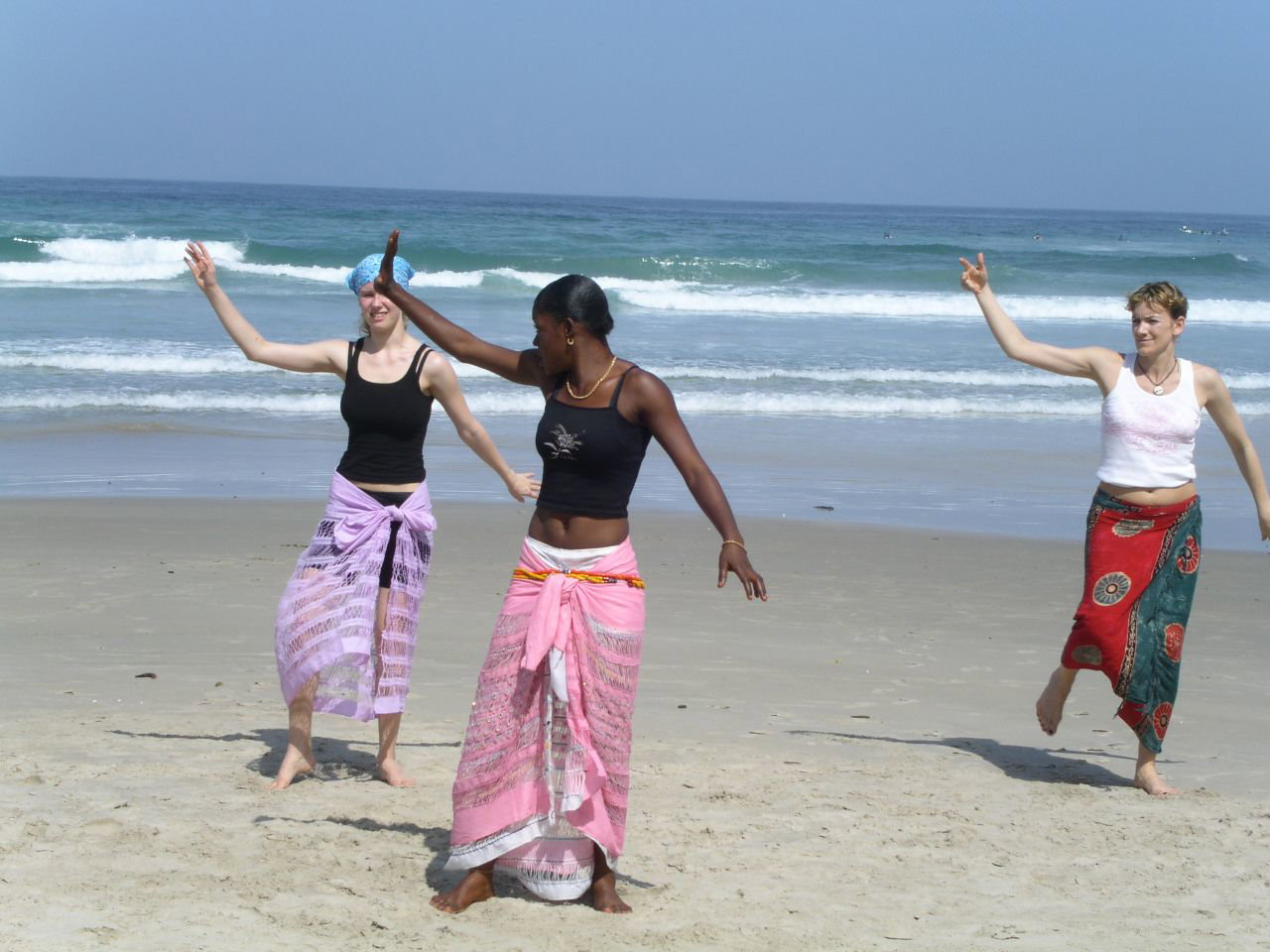
The best time to visit Dakar is November to April, during the dry season, when skies are clear, humidity is low, and a refreshing harmattan breeze keeps temperatures between 18 °C and 28 °C. This is peak season for a reason — conditions are near-perfect for sightseeing, beach days, and outdoor markets.
December to February is the coolest and driest stretch: ideal for first-time visitors and anyone sensitive to heat. Nights can feel surprisingly cool (18–20 °C) so pack a light layer.
March to April: still dry and very pleasant, though temperatures begin to climb toward 30 °C. Seas remain calm and the city is less crowded than the December holiday rush.
May to June: the shoulder season. Humidity rises and occasional rain showers arrive. If visiting in an even-numbered year, the Dak'Art Biennale (May–June) makes this period compelling despite the mugginess.
July to September is the rainy (hivernage) season. Dakar receives most of its annual rainfall (around 450 mm) concentrated in these months, often as heavy afternoon downpours. Heat and humidity peak. Many local Dakarois actually enjoy this vivid, green season — hotel rates are lowest and the city has an authentic, uncrowded feel — but it is not ideal for beach travel.
October: rain tapers off and the city feels fresh and lush. A decent shoulder-season option for budget travellers.
 History & Culture