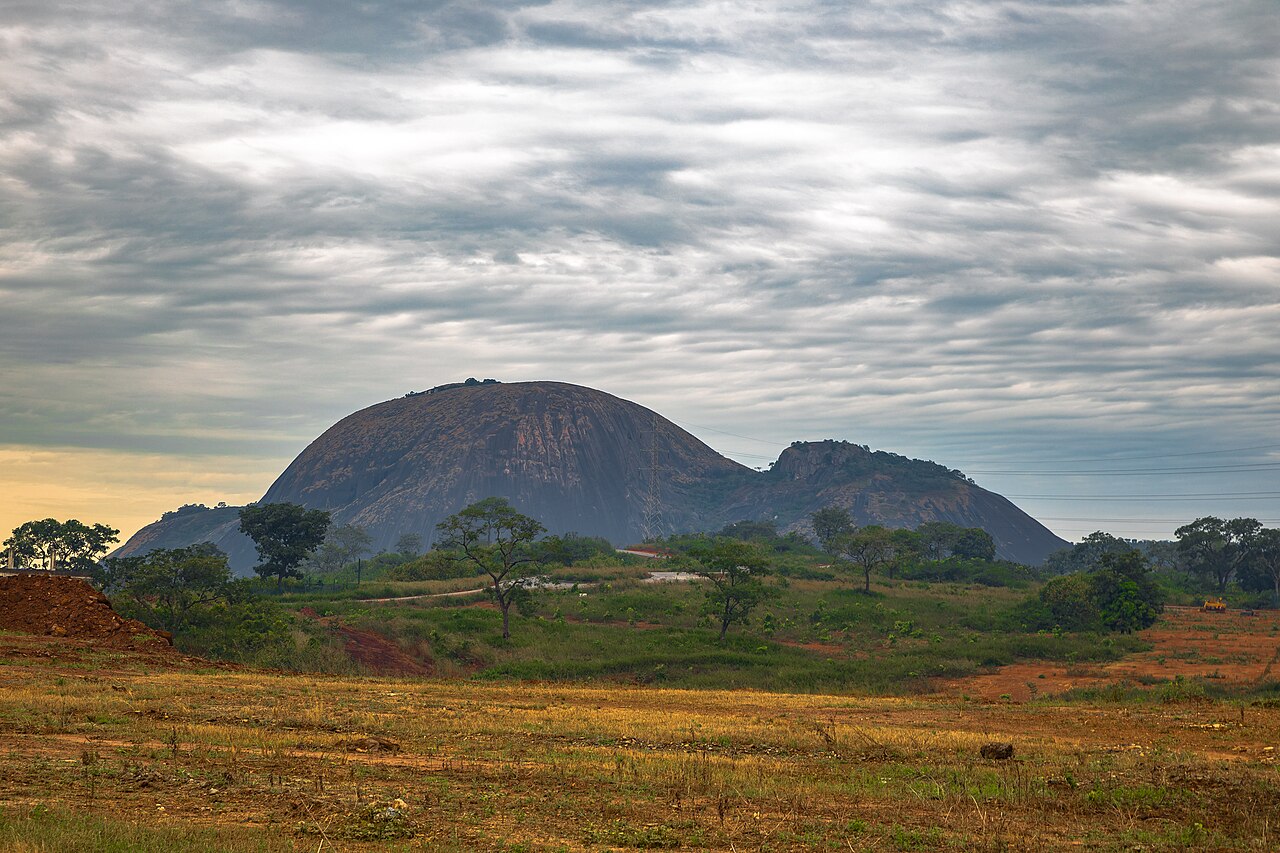
 Sightseeing
Aso Rock
2-3 hours
Visit Nigeria's most iconic landmark, a massive monolithic rock formation that dominates Abuja's skyline

Destination guide
West Africa · Nigeria
Nigeria's Modern Capital and Gateway to West Africa
Best season
November to February (dry season)
From Nairobi
4-5 hours direct
Abuja offers a unique perspective on modern Nigeria, combining impressive architecture with rich cultural experiences. As the seat of government, it showcases Nigeria's ambitions and achievements while providing access to the country's diverse cultures.
The city's planned layout makes it easy to navigate, with distinct districts each offering different experiences. From the government quarter's grand buildings to Wuse Market's bustling commerce, Abuja tells the story of contemporary Nigeria.
Best for
Culture enthusiasts, business travelers, architecture lovers
Trip style
City breaks, cultural immersion, business trips
Known for
Modern architecture, cultural diversity, Aso Rock, government buildings
Best time to visit
November to February (dry season)
Currency
Nigerian Naira (NGN)
Languages
English (official), Hausa, Yoruba, Igbo
Visa summary
Visa required for most nationalities; visa on arrival available for some countries
Flight time from Nairobi
4-5 hours direct
Airport / arrival
Nnamdi Azikiwe International Airport (ABV), 45km from city center
Safety note
Generally safe in main areas; use registered taxis and avoid isolated areas at night
Visa and entry
Look up entry rules by passport for travel to Nigeria on the Tsavaro visa checker.
Check visa requirements for NigeriaSightseeing2-3 hours
Visit Nigeria's most iconic landmark, a massive monolithic rock formation that dominates Abuja's skyline
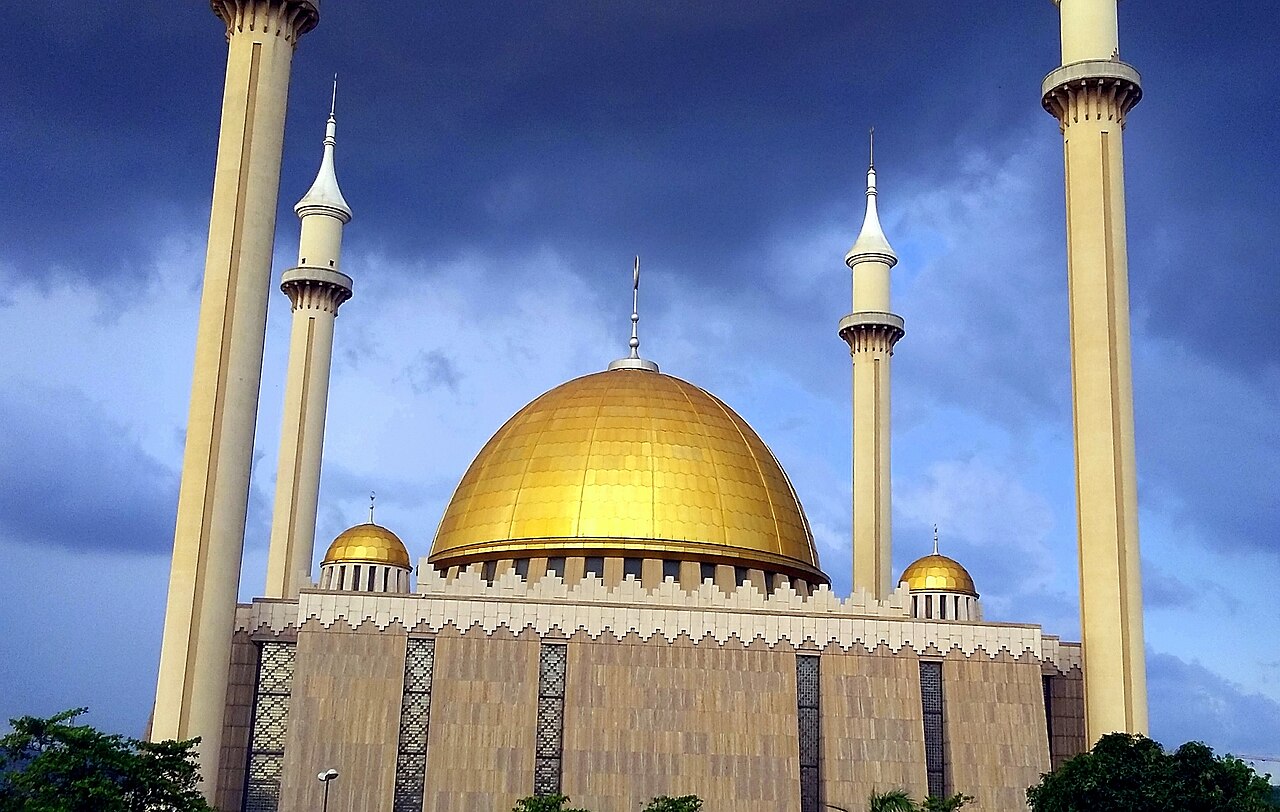 Culture
1-2 hours
Explore one of Africa's largest mosques, featuring stunning Islamic architecture and golden domes
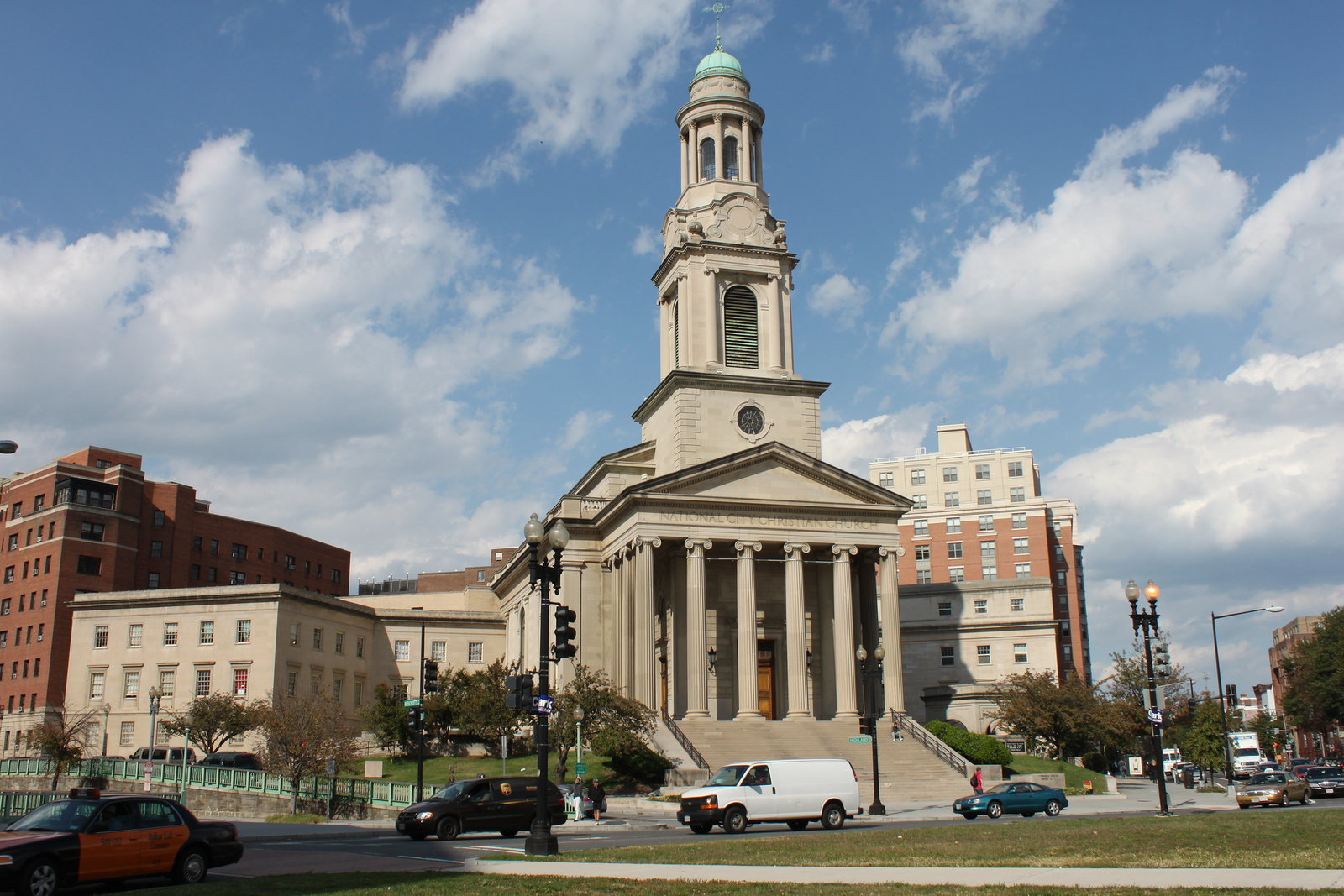 Culture
1 hour
Marvel at this architectural wonder representing Nigeria's Christian heritage
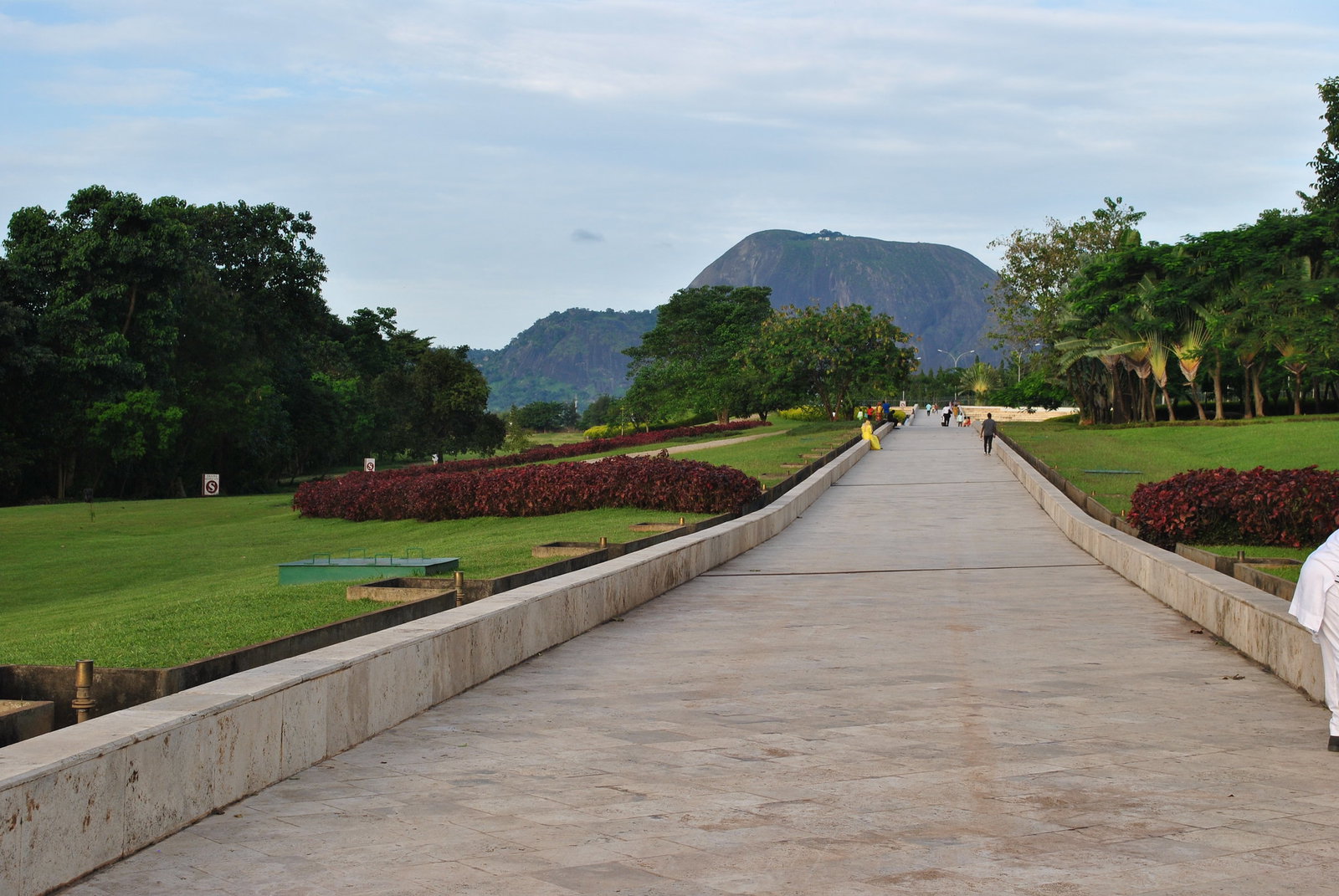 Nature
2-4 hours
Relax in Africa's largest public park, perfect for picnics and outdoor activities
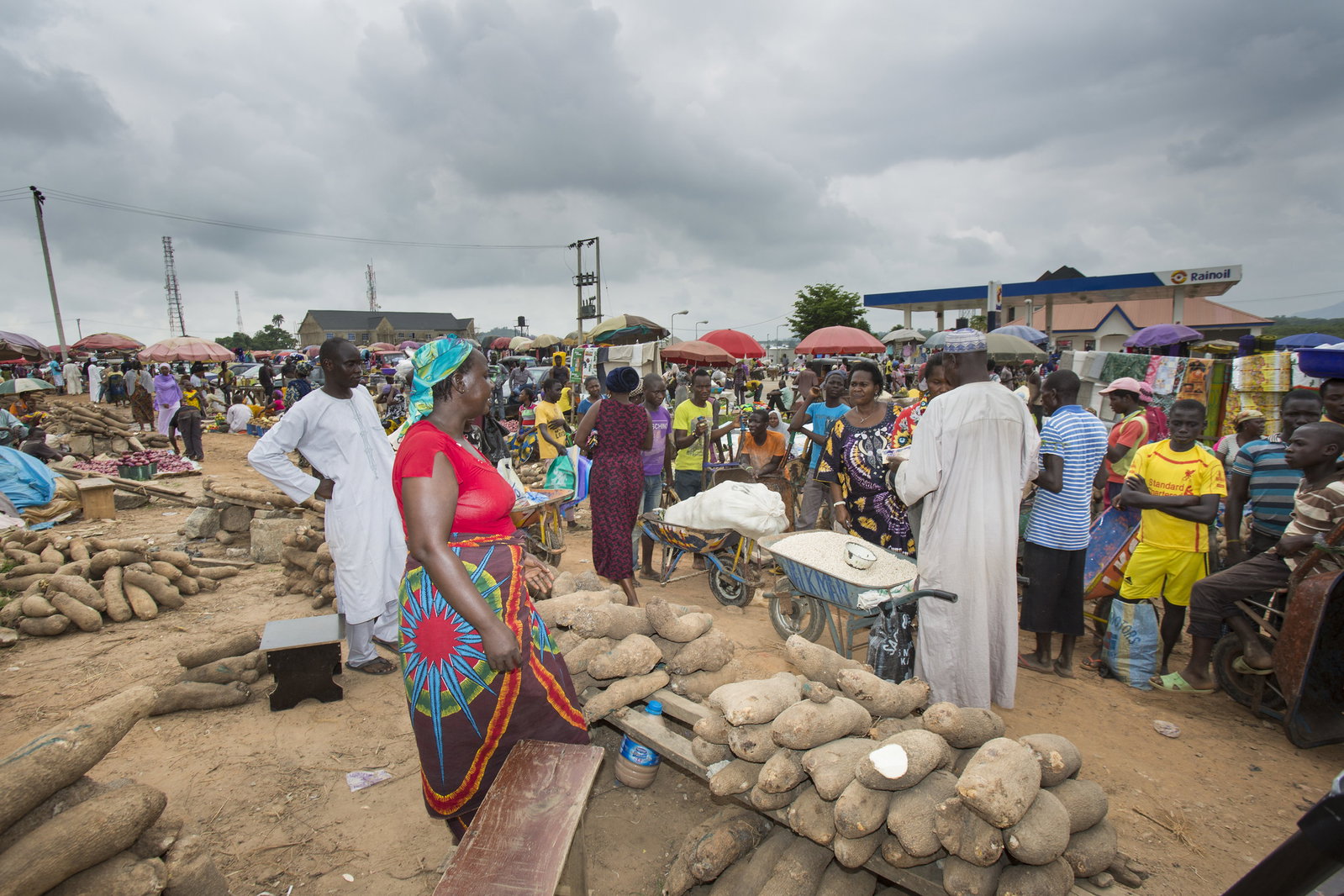 Shopping
2-3 hours
Experience authentic Nigerian commerce at this bustling traditional market
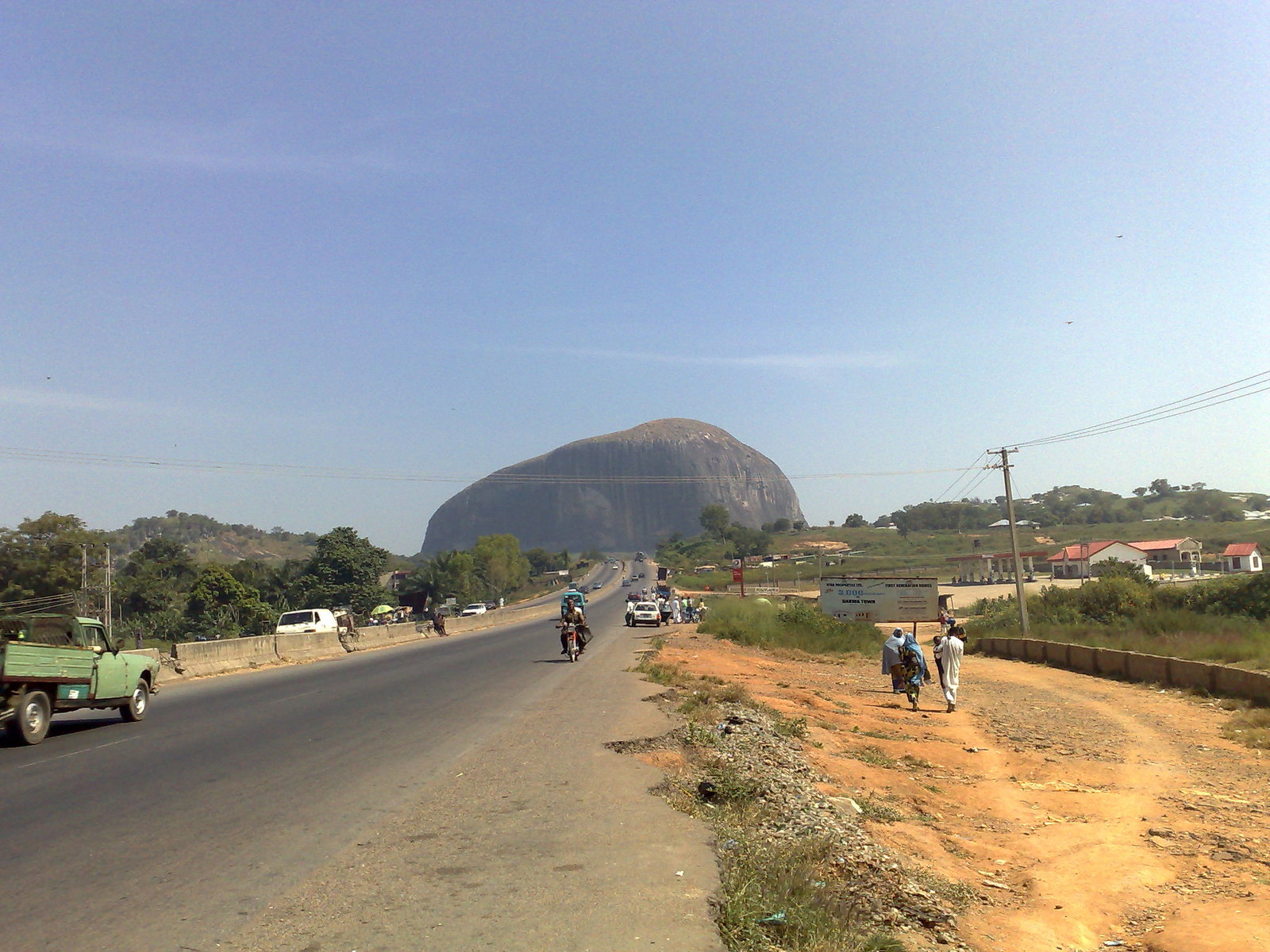 Nature
Half day
Day trip to this massive monolith located just outside Abuja, known as the 'Gateway to Abuja'
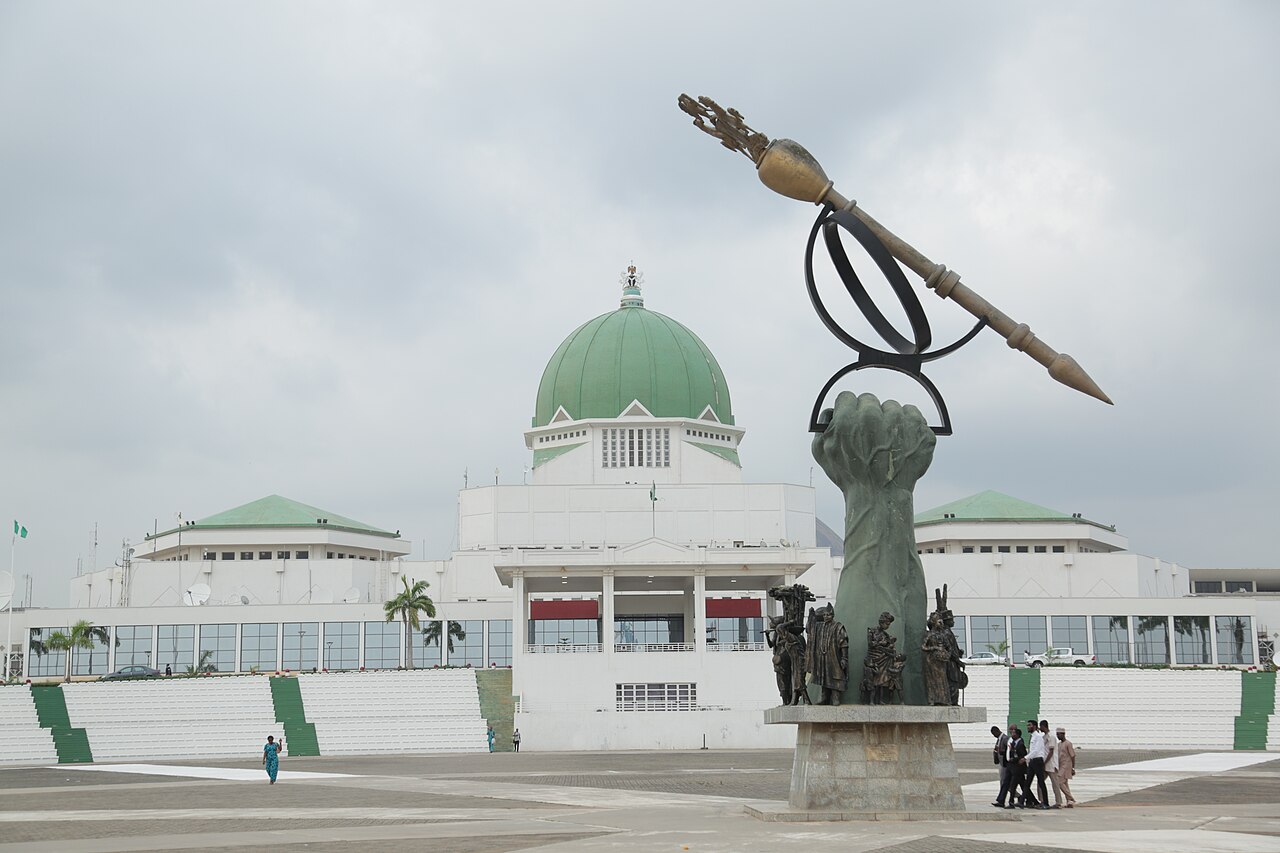 Sightseeing
2 hours
Take a guided tour of Nigeria's parliament buildings (advance booking required)
Suggested itinerary
Experience Nigeria's capital city from iconic landmarks to cultural treasures and modern attractions.
Day 1
Start your Abuja adventure with the city's most iconic sights. Begin at Aso Rock for photos and orientation, then visit the Nigerian National Mosque to admire its stunning architecture. Take a guided tour of the National Assembly Complex (book in advance). End the day at the National Christian Centre.
Evening: Dine at one of Abuja's excellent restaurants in Wuse 2 district, sampling Nigerian specialties from different regions.
Taxis and ride-hailing apps (Uber, Bolt) are widely available. Car rentals recommended for day trips. The city is well-planned with clear districts and good road infrastructure.
Budget: $30-50/day, Mid-range: $80-150/day, Luxury: $200+/day. Accommodation ranges from budget hotels ($25-40) to luxury hotels ($150-300+)
Nigeria is diverse - respect for elders is important. Dress modestly when visiting religious sites. Friday prayers and Sunday services are significant. Tipping 10% is standard in restaurants.
Stick to main areas and districts like Maitama, Wuse, and Central Area. Use registered taxis or ride-hailing apps. Avoid displaying expensive items. The Federal Capital Territory is generally safer than other Nigerian regions.
Good mobile coverage with 4G networks. Wi-Fi available in hotels and restaurants. Local SIM cards available at the airport. International roaming can be expensive.
Cash (Naira) is king, though cards accepted at upscale establishments. ATMs widely available. US dollars accepted at some hotels. Mobile money (Paga, OPay) increasingly popular.
Abuja, Nigeria