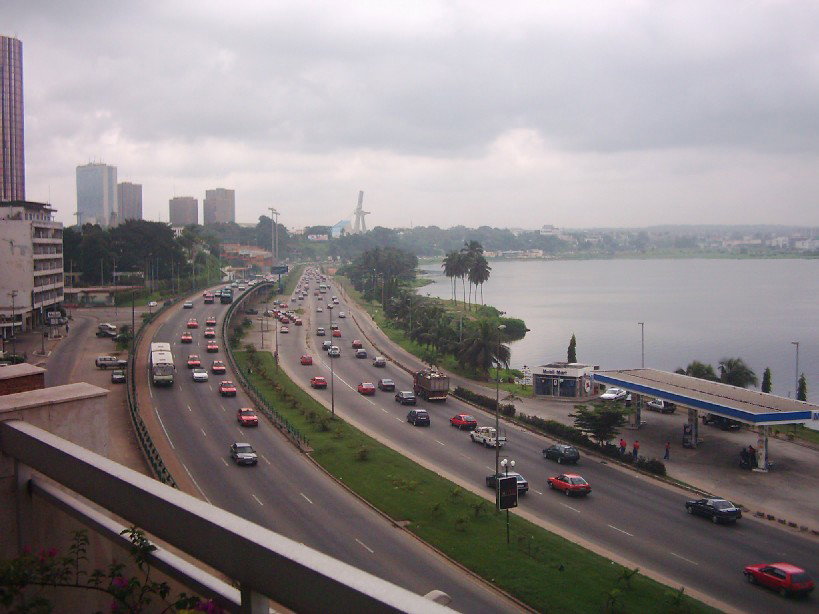
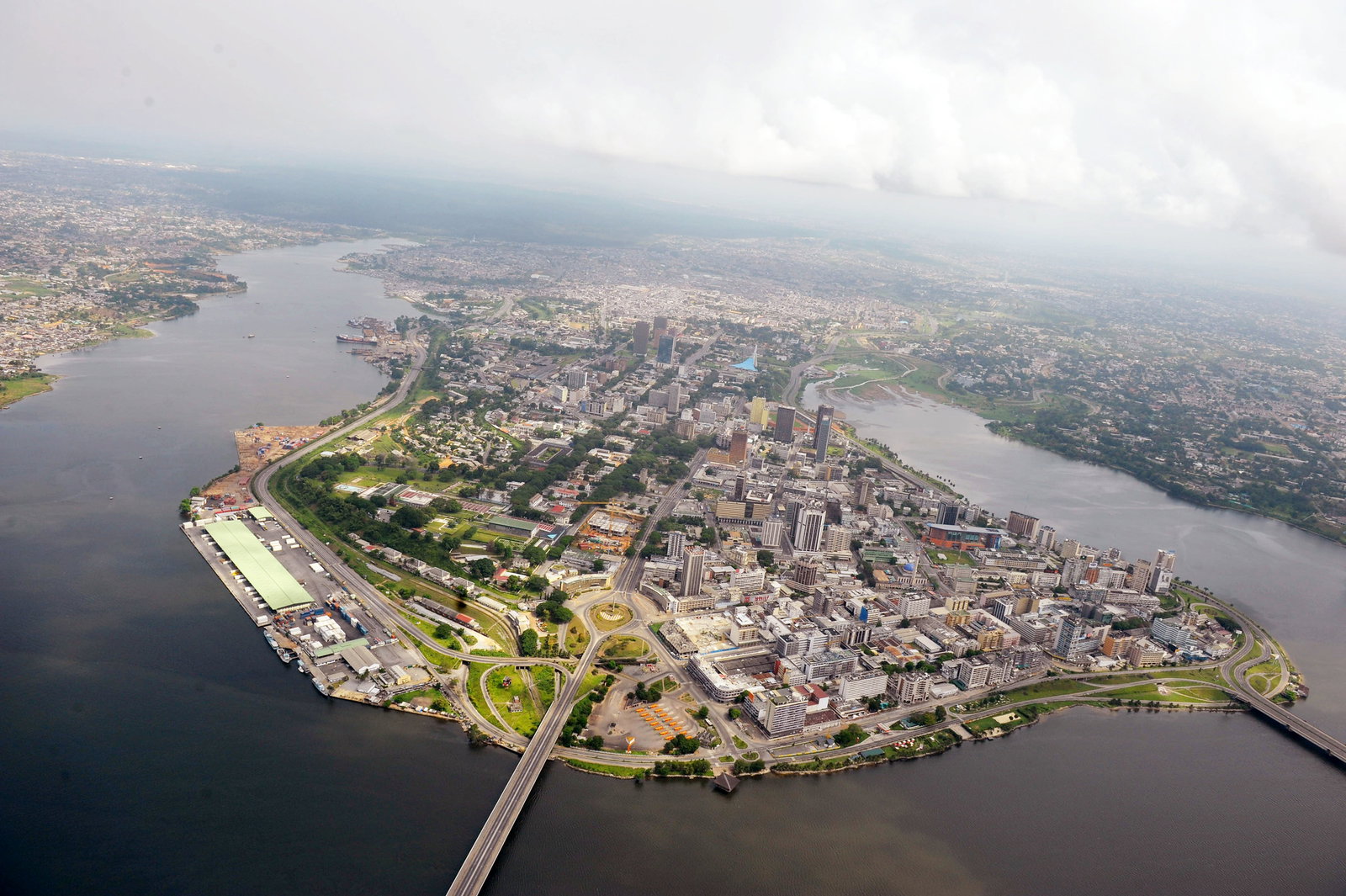
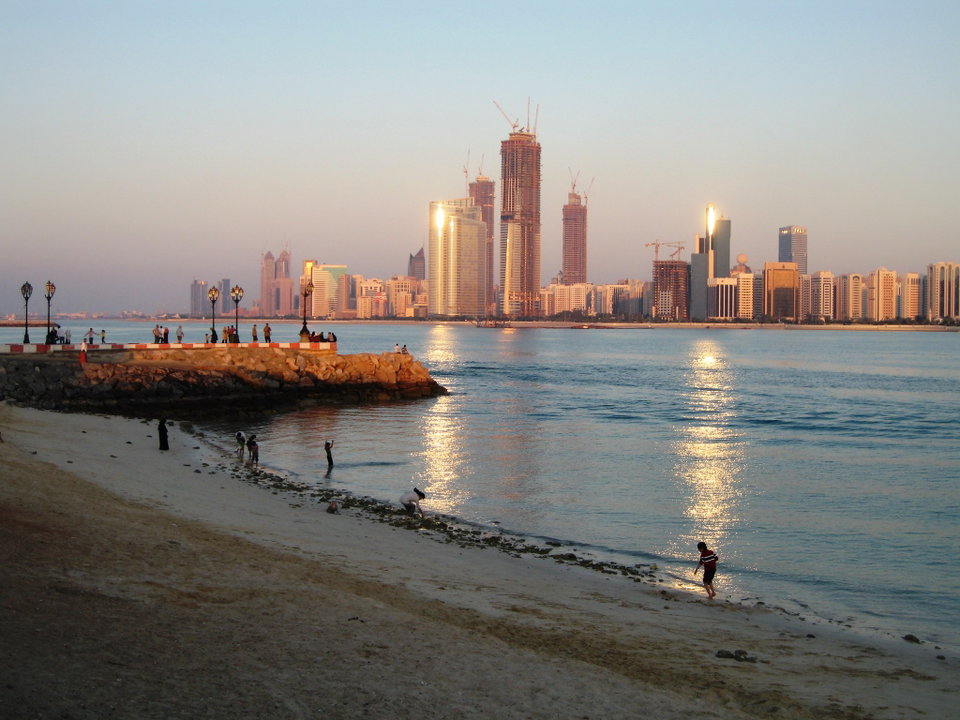
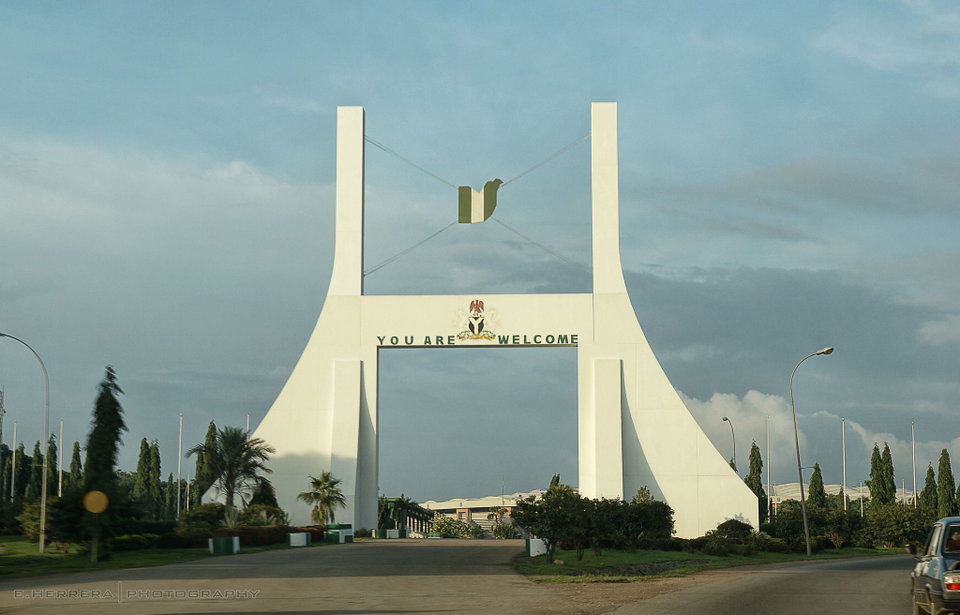
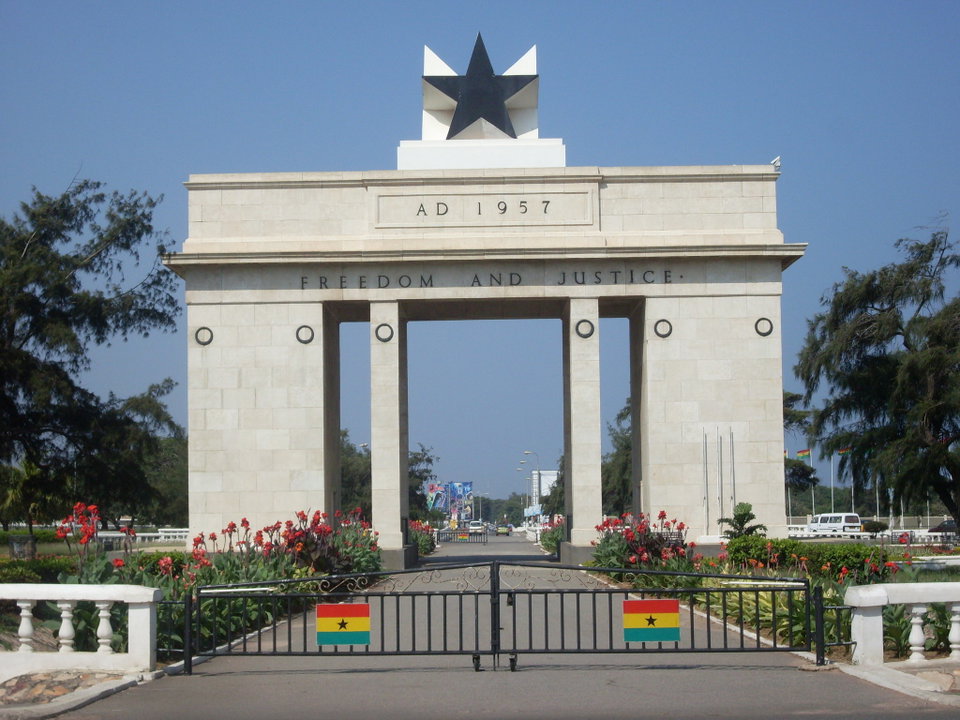
Abidjan skyline at dusk reflected in the Ébrié Lagoon, with the Plateau business district towers lit up against an orange sky

Destination guide

Abidjan

Lagunes District, West Africa · Côte d'Ivoire

West Africa's most dynamic metropolis — lagoon-laced, cosmopolitan, and gloriously alive

Best season

Nov–Feb (dry season, cooler and less humid)

From Nairobi

Approximately 6 hours non-stop (Kenya Airways operates Nairobi–Abidjan direct)

Why visit Abidjan?

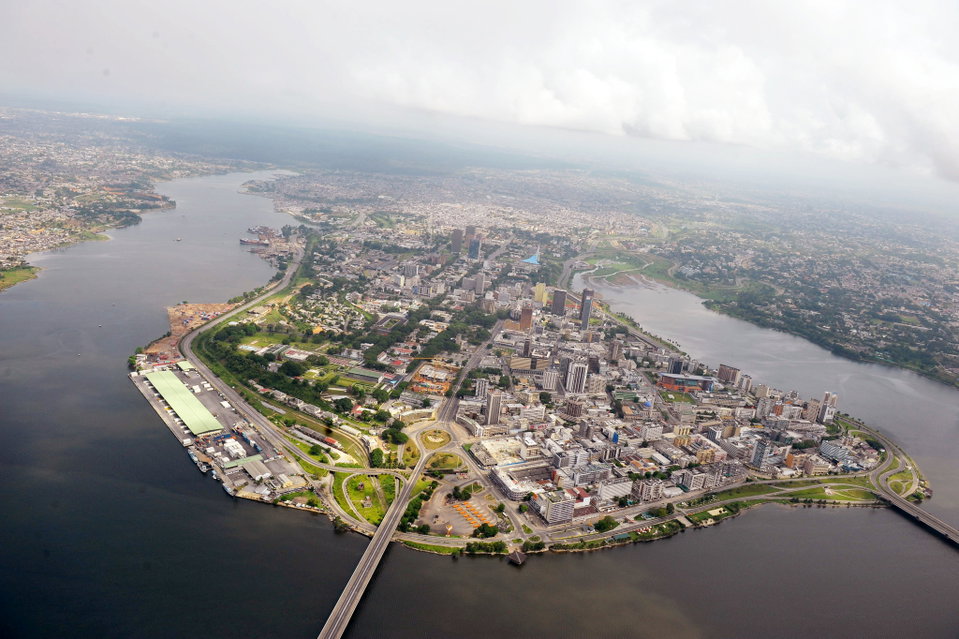
Few African cities match Abidjan's kinetic energy. The Plateau district rises like a miniature Manhattan from the lagoon's edge — a legacy of Côte d'Ivoire's post-independence boom — while just a short water-taxi ride away, Treichville and Adjamé pulse with street food, Nouchi slang, and Coupé-Décalé music spilling from open doorways.

Abidjan is also a genuine food capital. The city's Lebanese, French, and Ivorian cooking traditions have fused into one of West Africa's most exciting dining scenes, from whole grilled fish (poisson braisé) served on the lagoon shore to refined Franco-Ivorian tasting menus in Cocody. Coffee lovers should not leave without tasting locally grown Ivorian arabica — the country is the world's leading cocoa exporter and coffee culture runs deep.

Beyond the table, the city punches well above its weight in contemporary art and fashion. The Fondation Donwahi and Galerie Cécile Fakhoury both exhibit some of the most exciting painting and sculpture on the continent. After dark, Zone 4's terrace bars and the clubs of Marcory make Abidjan a bucket-list stop for anyone who loves African music.

  • Cruise the Ébrié Lagoon by pinasse and watch the Plateau skyline dissolve into a golden sunset
  • Eat the best poisson braisé of your life at a lagoon-side grill in Vridi or Port-Bouët
  • Discover world-class contemporary African art at Galerie Cécile Fakhoury in Cocody
  • Dance to Coupé-Décalé and Afrobeats until dawn in Zone 4's legendary open-air clubs
  • Haggle for batik, kente cloth, and handcrafted masks at the Marché de Cocody artisan market
  • Sip single-origin Ivorian coffee at a Plateau café and watch francophone West Africa's business elite at work

Best for

City explorers, foodies, music and nightlife lovers, business travellers, and art enthusiasts

Trip style

Urban immersion, culinary travel, cultural city break

Known for

Ébrié Lagoon, Coupé-Décalé music, cocoa and coffee culture, Plateau skyline, street food, contemporary art scene

Quick facts

Best time to visit

Nov–Feb (dry season, cooler and less humid)

Currency

West African CFA franc (XOF). 1 USD ≈ 610 XOF (2024).

Languages

French (official); Dioula widely spoken; 60+ local languages

Visa summary

Visa on arrival or e-visa available for most nationalities. Apply online at snedai.com before travel for a smoother arrival.

Flight time from Nairobi

Approximately 6 hours non-stop (Kenya Airways operates Nairobi–Abidjan direct)

Airport / arrival

Félix Houphouët-Boigny International Airport (ABJ) is 15 km south of Plateau. Taxis and ride-hailing apps (Yango) connect the airport to the city in 20–40 minutes.

Safety note

Generally safe in tourist and business districts; Plateau, Cocody, and Zone 4 are low-risk. Stay aware of petty theft in crowded markets and avoid deserted streets after midnight.

Visa and entry

Look up entry rules by passport for travel to Côte d'Ivoire on the Tsavaro visa checker.

Check visa requirements for Côte d'Ivoire

Things to do

Explore the Plateau Business DistrictCulture & Architecture

Explore the Plateau Business District

2–3 hours

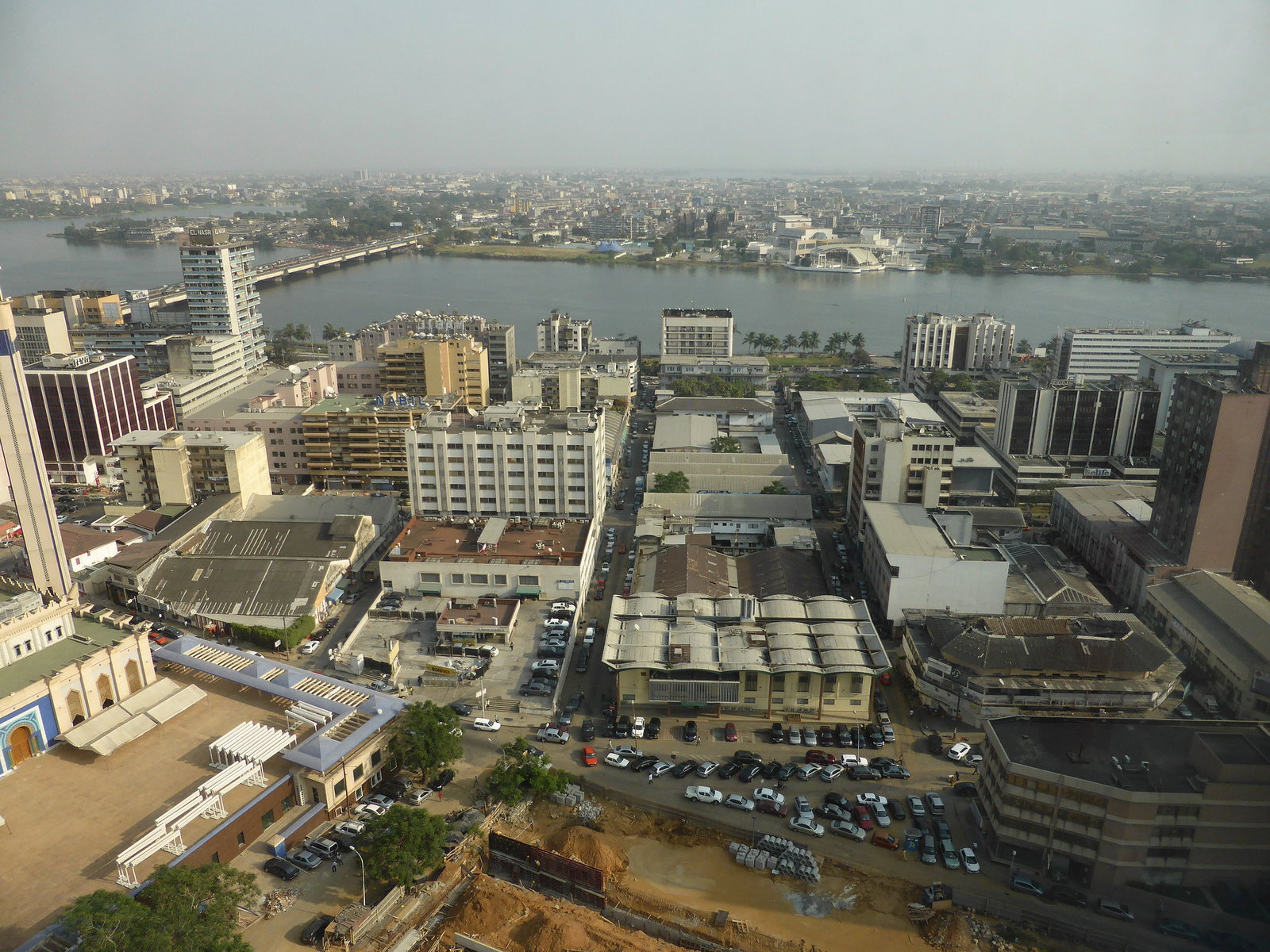
Wander through Abidjan's high-rise downtown, home to the imposing Hôtel Ivoire tower, the Cathédrale Saint-Paul with its swooping concrete sail, and lagoon-view promenades. The Plateau is at its best in the early morning before heat builds.

Lagoon Cruise by PinasseNature & Outdoors

Lagoon Cruise by Pinasse

1.5–3 hours

Hire a traditional wooden pinasse from the Treichville waterfront for a self-guided tour of the lagoon. Pass fishing villages, spot wading birds, and take in the city skyline from the water — one of Abidjan's most memorable experiences.

Marché de TreichvilleShopping & Markets

Marché de Treichville

1–2 hours

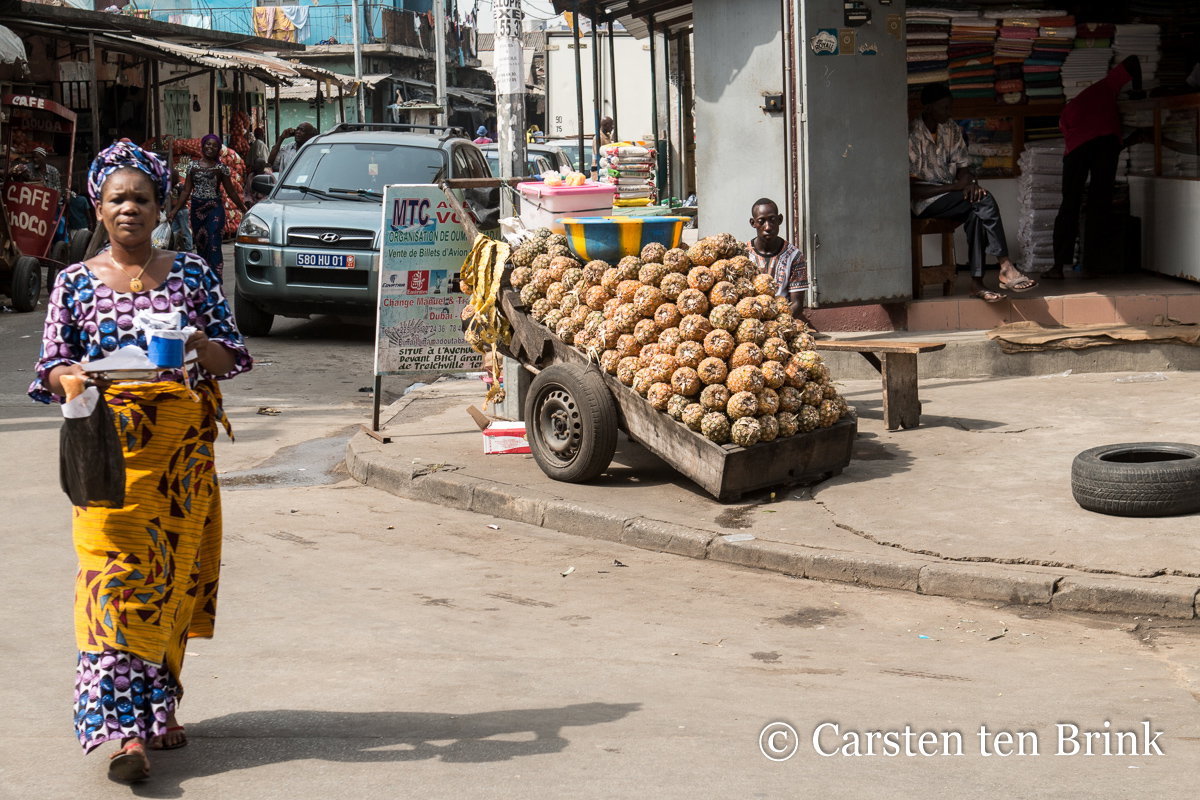
Abidjan's most atmospheric market sprawls across several city blocks in the working-class Treichville district. Stalls sell everything from smoked fish and exotic spices to handmade sandals and second-hand French textbooks.

Banco National ParkNature & Outdoors

Banco National Park

Half day

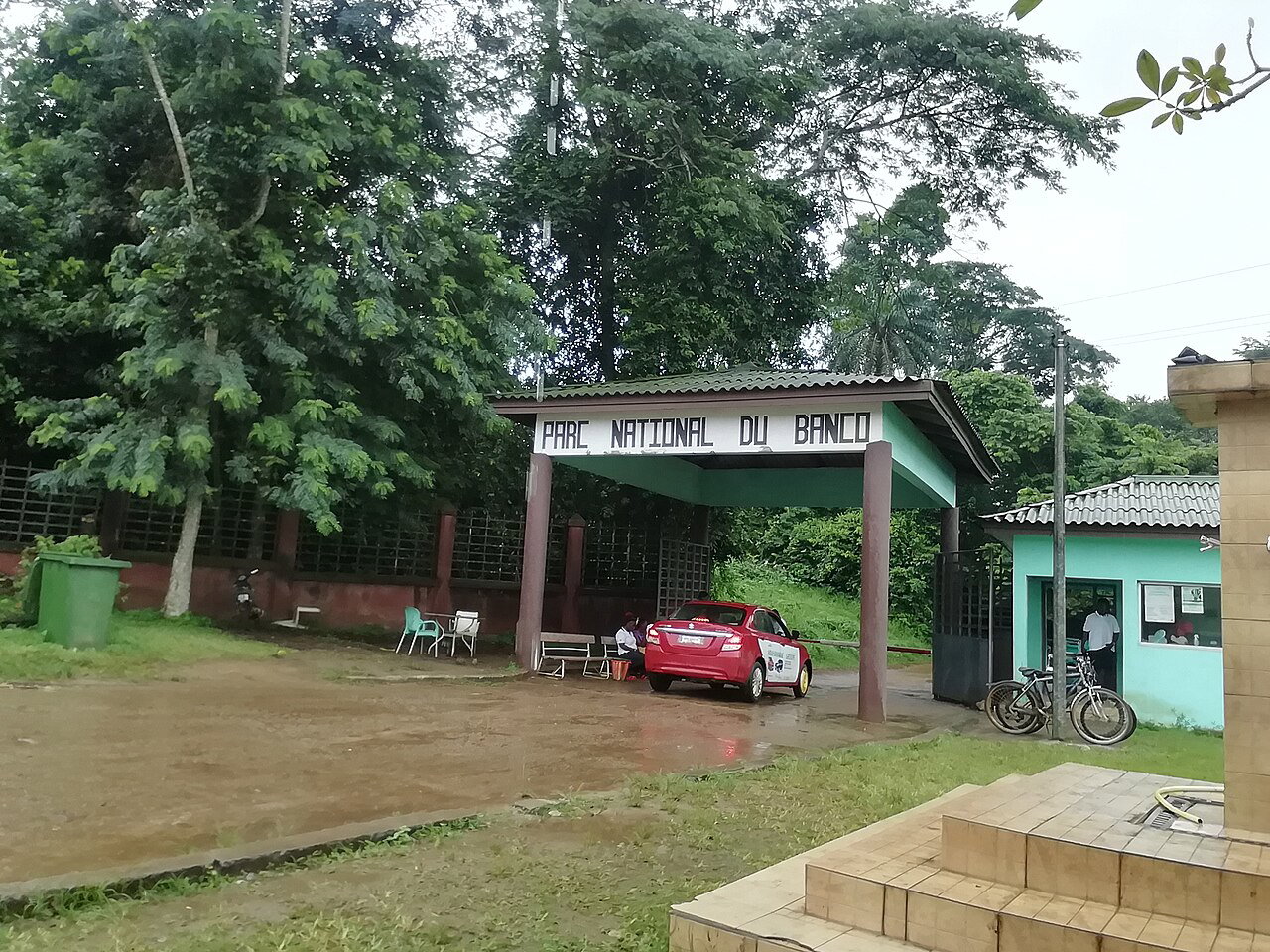
A 3,000-hectare primary rainforest sitting improbably within the city limits. Well-marked trails pass towering hardwoods, troops of Diana monkeys, and 200+ bird species. Go early on a weekday to beat the crowds.

Poisson Braisé at a Lagoon GrillFood & Drink

Poisson Braisé at a Lagoon Grill

1–2 hours

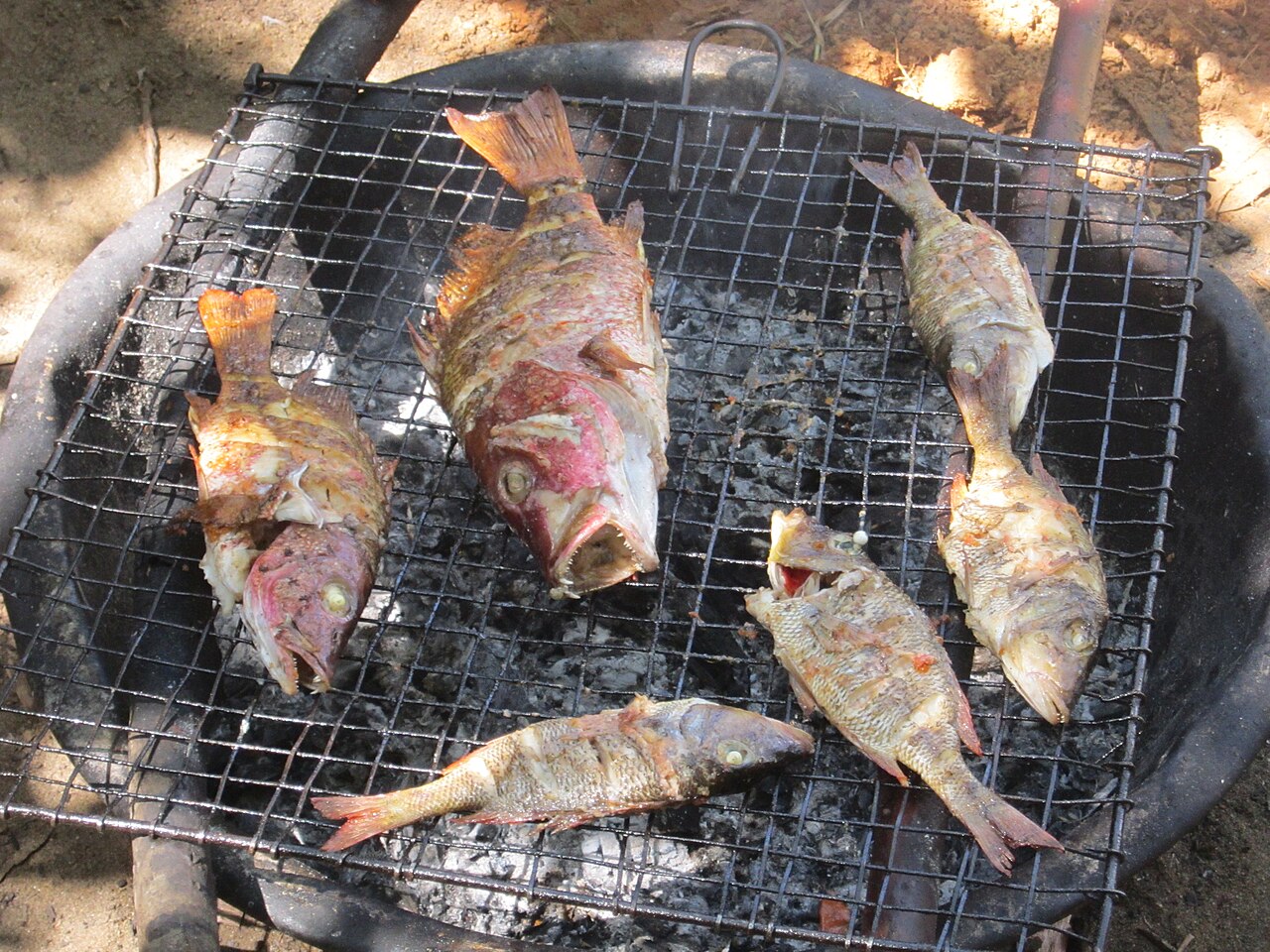
Join locals at informal open-air grills (called maquis) along the lagoon shore in Vridi or Port-Bouët. Order whole tilapia or barracuda charcoal-grilled with attiéké (fermented cassava couscous) and a cold Flag beer — the quintessential Abidjan meal.

Musée des Civilisations de Côte d'IvoireArt & Culture

Musée des Civilisations de Côte d'Ivoire

1.5 hours

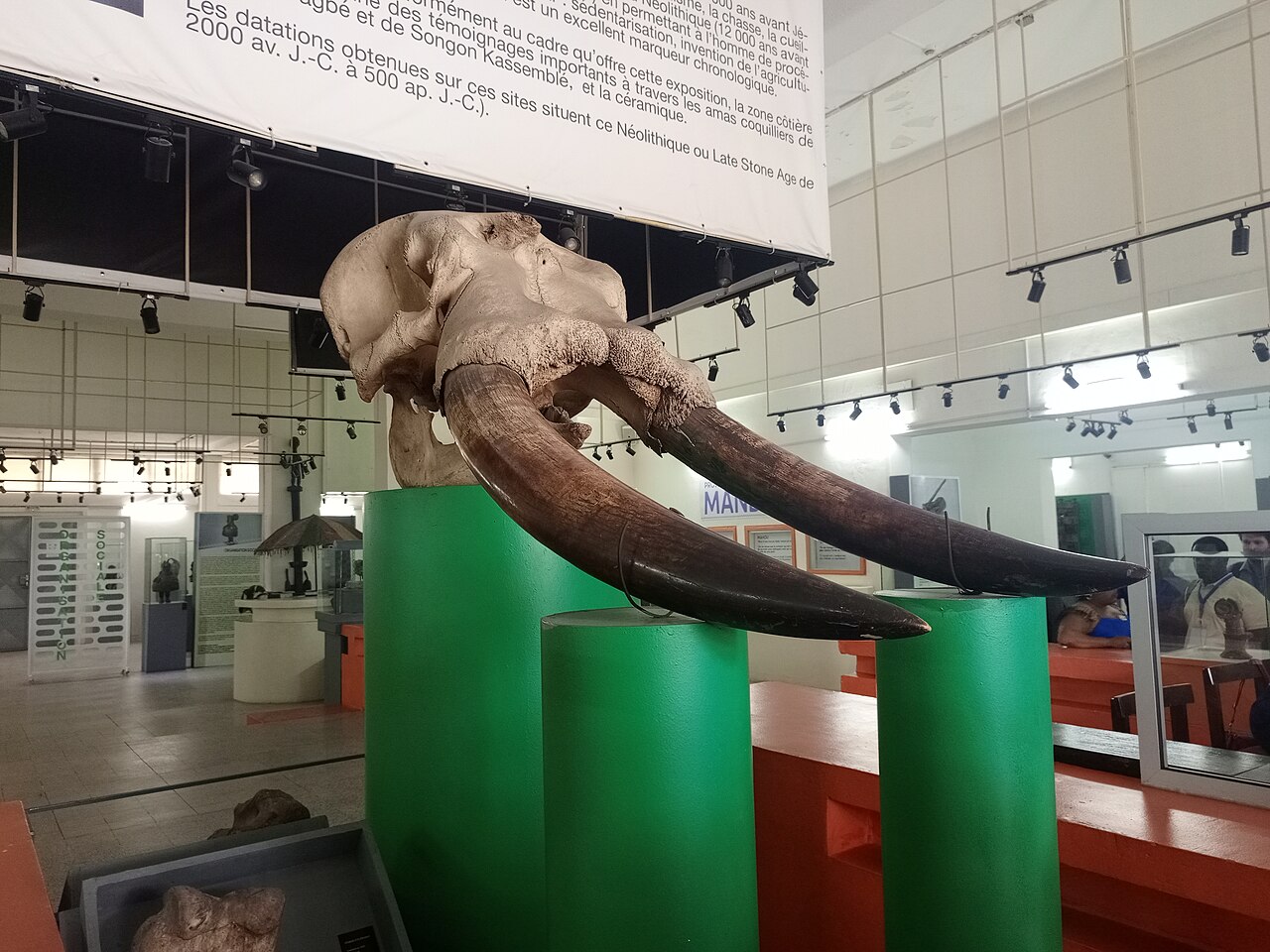
The national museum holds an impressive collection of traditional masks, ceremonial objects, and textiles from Côte d'Ivoire's 60+ ethnic groups — essential context before heading upcountry. Located in Plateau near the presidential palace.

Best time to visit Abidjan

The best time to visit Abidjan is November to February, during the main dry season, when temperatures hover around 27–31°C, humidity is lower, and there is little to no rain. This is also the period of the Harmattan wind, which occasionally blows haze down from the Sahara — skies can look milky, but the cooler air is welcome.

March to May brings the long rains — expect afternoon downpours, high humidity, and lush green vegetation. Travel is perfectly possible but pack a light waterproof and budget for more taxi use. June to September is a shorter dry spell (the 'little dry season'), cooler than you might expect on the equator, with sea breezes and manageable conditions.

October is the wettest month and sees the heaviest rainfall — flash flooding in low-lying quartiers like Abobo is common. If your dates are flexible, avoid October.

Abidjan hosts MASA (Marché des Arts du Spectacle Africain), a major performing-arts festival, in even-numbered years in March/April — an excellent reason to brave the early rains.

Is Abidjan safe to visit?

Yes — Abidjan is generally safe for tourists and business travellers who take sensible precautions. The city emerged from a period of political instability in the early 2010s and has since seen sustained economic growth and improving security. The districts most visited by travellers — Plateau, Cocody, Deux Plateaux, and Zone 4 — are considered low-risk during daylight hours and in the evening at busy venues.

Petty theft (phone snatching, pickpocketing) is the most common risk, particularly in crowded markets like Adjamé and Treichville. Keep your phone out of sight in busy areas, use a money belt for cash and cards, and avoid displaying expensive cameras or jewellery unnecessarily.

At night, use Yango (the local ride-hailing app) rather than hailing street taxis after dark — this reduces the risk of overcharging and improves safety. Avoid deserted streets and beaches after midnight.

The Banco National Park is safe on marked trails; do not stray off-path alone. Lagoon boat trips are generally safe — use established pinasse operators from the Treichville waterfront rather than strangers who approach you.

Check your government's travel advisory before departure, ensure your yellow fever vaccination is current (required for entry), and register with your embassy if staying longer than two weeks.
Suggested itinerary

3 Days in Abidjan: Lagoon, Table & Dance Floor

This plan assumes a moderate pace and mid-range to upscale budget, based in Cocody or Plateau where most hotels cluster. Day-trips use taxis or Yango. Evenings lean into Abidjan's food and nightlife — the city's biggest draws.

Day 1

Plateau, the Lagoon & Treichville

Start the morning at the Cathédrale Saint-Paul in Plateau — the sweeping concrete architecture is unlike any church you've seen. Walk down to the lagoon promenade for views of the water, then take a ferry (gbaka boat) across to Treichville. Spend the late morning in the Marché de Treichville, then hire a pinasse for a 90-minute lagoon cruise back toward Cocody.

For dinner, head to a maquis grill near Bietry for charcoal-grilled fish and cold beer. End the evening with cocktails at a rooftop bar in Plateau — try L'Eden for views of the lit-up skyline.

Abidjan — Plateau, the Lagoon & Treichville

Travel essentials

Getting around

Abidjan's traffic is legendary — allow ample time between destinations, especially during morning (7–9 am) and evening (5–8 pm) rush hours. Yango (ride-hailing) is reliable, safe, and affordable; download the app before arrival. Gbeli (shared minibus taxis) are cheap and local but confusing for first-timers. Lagoon ferries (SOTRA vedettes) cross between Plateau, Treichville, and Locodjro — scenic and traffic-free.

Typical costs

Mid-range traveller budget: 60,000–100,000 XOF/day (approx. USD 100–165). A maquis meal costs 3,000–8,000 XOF; a restaurant dinner 15,000–35,000 XOF. Yango rides within districts average 2,000–6,000 XOF. Decent 3-star hotels start around 40,000 XOF/night; 5-star international hotels (Sofitel, Pullman) run 120,000–200,000 XOF/night.

Culture and etiquette

French is the language of business and educated exchange — a few phrases go a long way. Greetings are important: always greet before asking a question or entering a shop. Handshakes are the norm; among friends, cheek-kisses (French-style) are common. Dress is generally relaxed but smart-casual in restaurants and offices. Friday prayers are observed widely; avoid scheduling business meetings for Friday afternoons.

Safety and planning

Yellow fever vaccination certificate is mandatory for entry. Malaria prophylaxis is strongly recommended — consult your doctor 4–6 weeks before travel. Carry a copy of your passport and keep the original in your hotel safe. The emergency number in Côte d'Ivoire is 170 (police) and 185 (fire/ambulance). Travel insurance with medical evacuation cover is advisable.

Connectivity

Mobile coverage is excellent across the city. SIM cards from MTN Côte d'Ivoire or Orange CI are available at the airport and kiosks throughout the city — bring your unlocked phone. Data bundles are cheap: 10 GB costs roughly 5,000 XOF. Most hotels, cafés, and restaurants in Cocody and Plateau offer free Wi-Fi.

Payments

Cash is king in Abidjan's markets and maquis. CFA francs are the only accepted currency in local transactions — exchange USD or EUR at the airport or licensed bureaux de change (avoid street changers). Cards are accepted at major hotels and upscale restaurants. Mobile money (MTN Mobile Money, Orange Money) is ubiquitous for local peer-to-peer payments.

Abidjan travel FAQs

More destinations to explore

Abidjan, Côte d'Ivoire