The Basilica of Our Lady of Peace at sunset, Yamoussoukro, Côte d'Ivoire

Destination guide

Yamoussoukro

Central Côte d'Ivoire · Côte d'Ivoire

Home to the world's largest basilica — a surreal city of wide avenues, sacred crocodiles, and political grandeur in the heart of Côte d'Ivoire.

Best season

November to March (dry season); the harmattan brings haze in Jan–Feb but temperatures are comfortable

From Nairobi

Approx. 6–7 hours via Abidjan (no direct service; connect at ABJ)

Why visit Yamoussoukro?

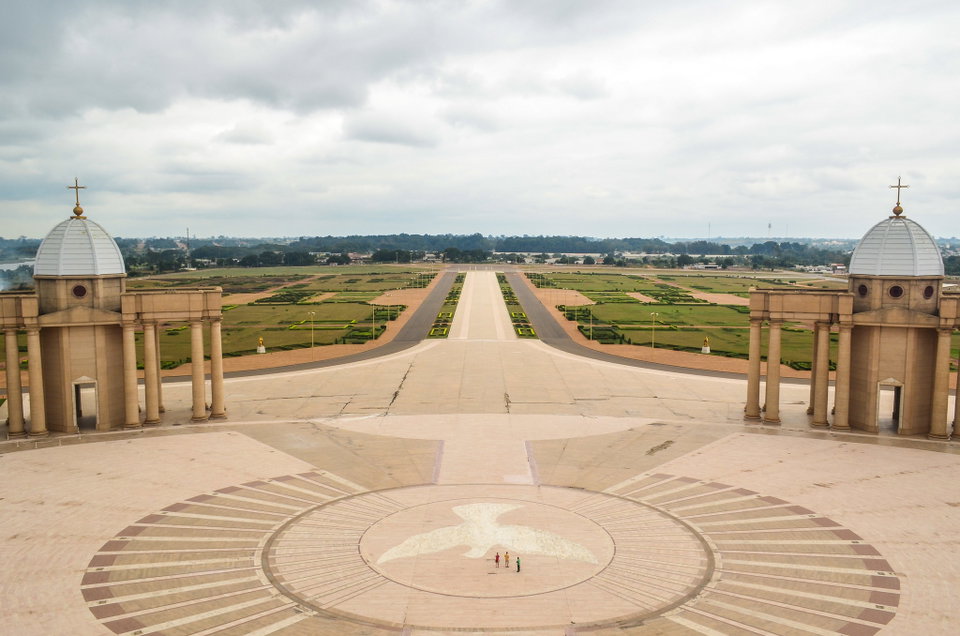
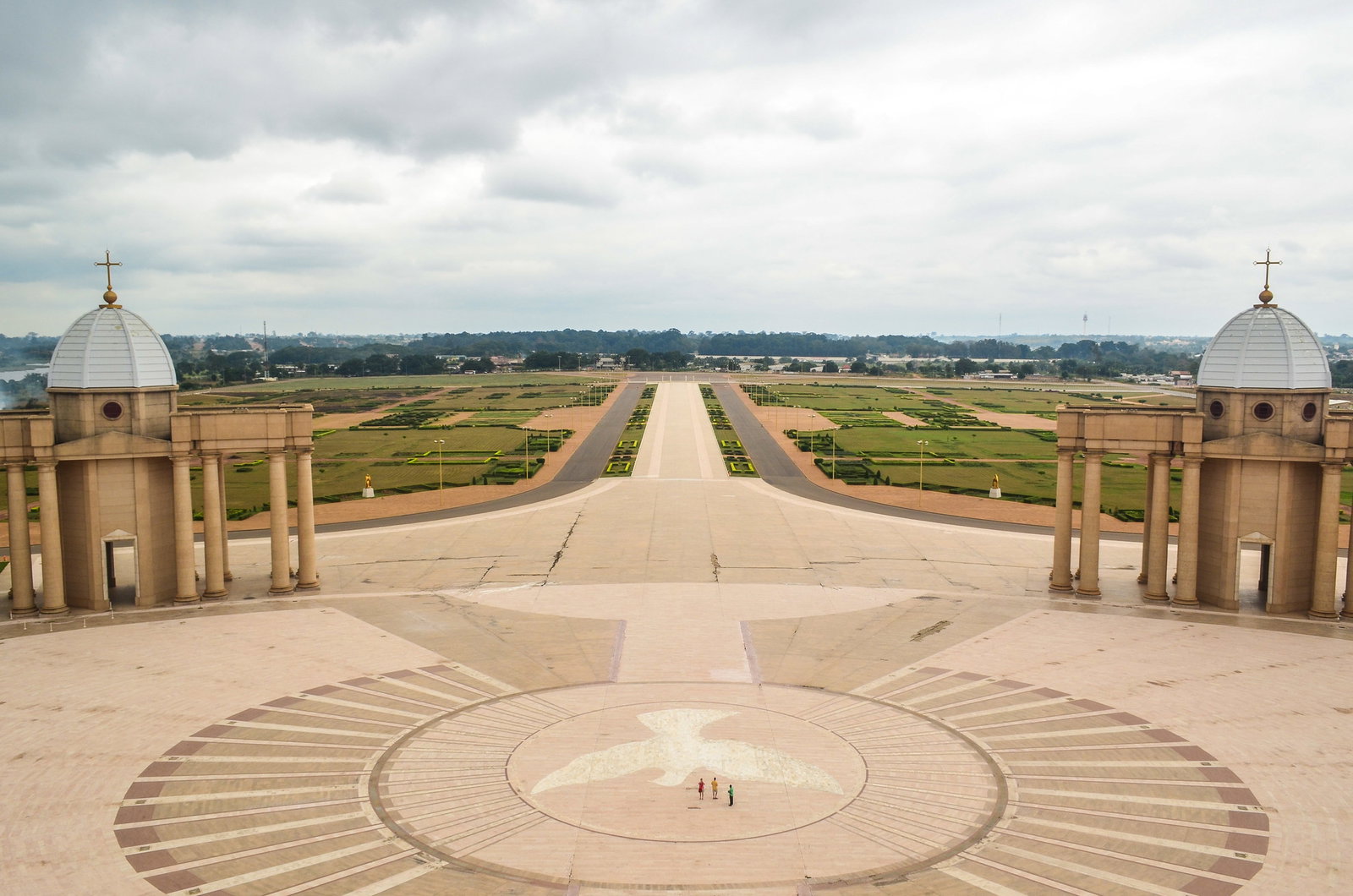
Yamoussoukro is one of West Africa's most unexpectedly rewarding cities — a place where political ambition on an almost pharaonic scale produced a skyline unlike anything else on the continent. The Basilica of Our Lady of Peace alone justifies the detour: its gold-leaf dome, free-hanging stained-glass panels, and open-air plaza that can hold 300,000 people leave even seasoned travellers slack-jawed.

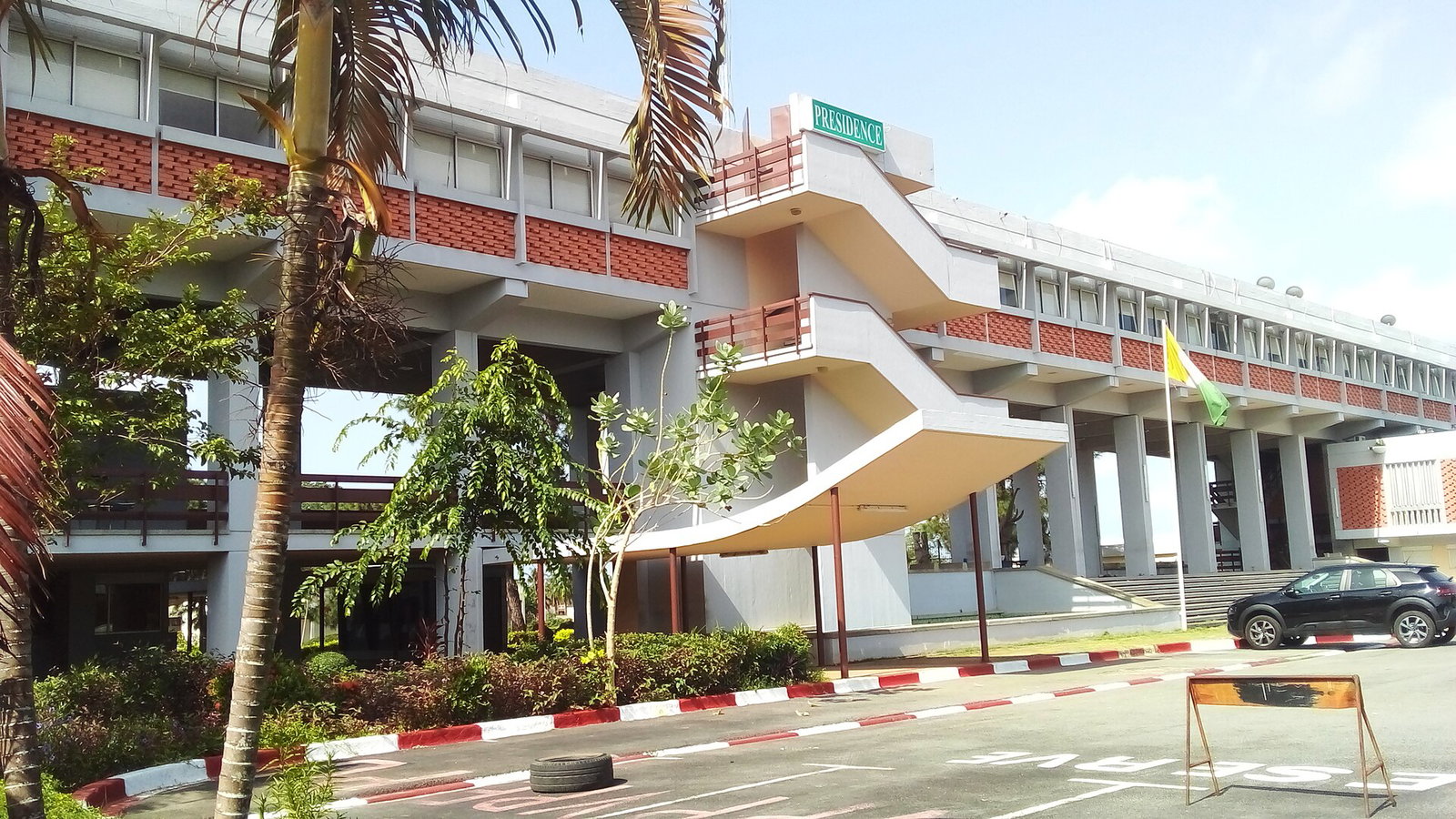
Beyond the architecture, the city offers genuine curiosities: the presidential palace moat where sacred Nile crocodiles are fed whole chickens every Thursday, the futuristic Houphouët-Boigny Foundation building, and a network of artificial lakes that turn the evening light into something painterly. Because the tourist trail largely bypasses Yamoussoukro in favour of Abidjan and the beaches of Grand-Bassam, you will find uncrowded sites, unhurried guides, and a sense that you are discovering somewhere few outsiders have bothered to look.

  • Marvel at the Basilica of Our Lady of Peace — consecrated by Pope John Paul II and larger than St Peter's Basilica in Rome.
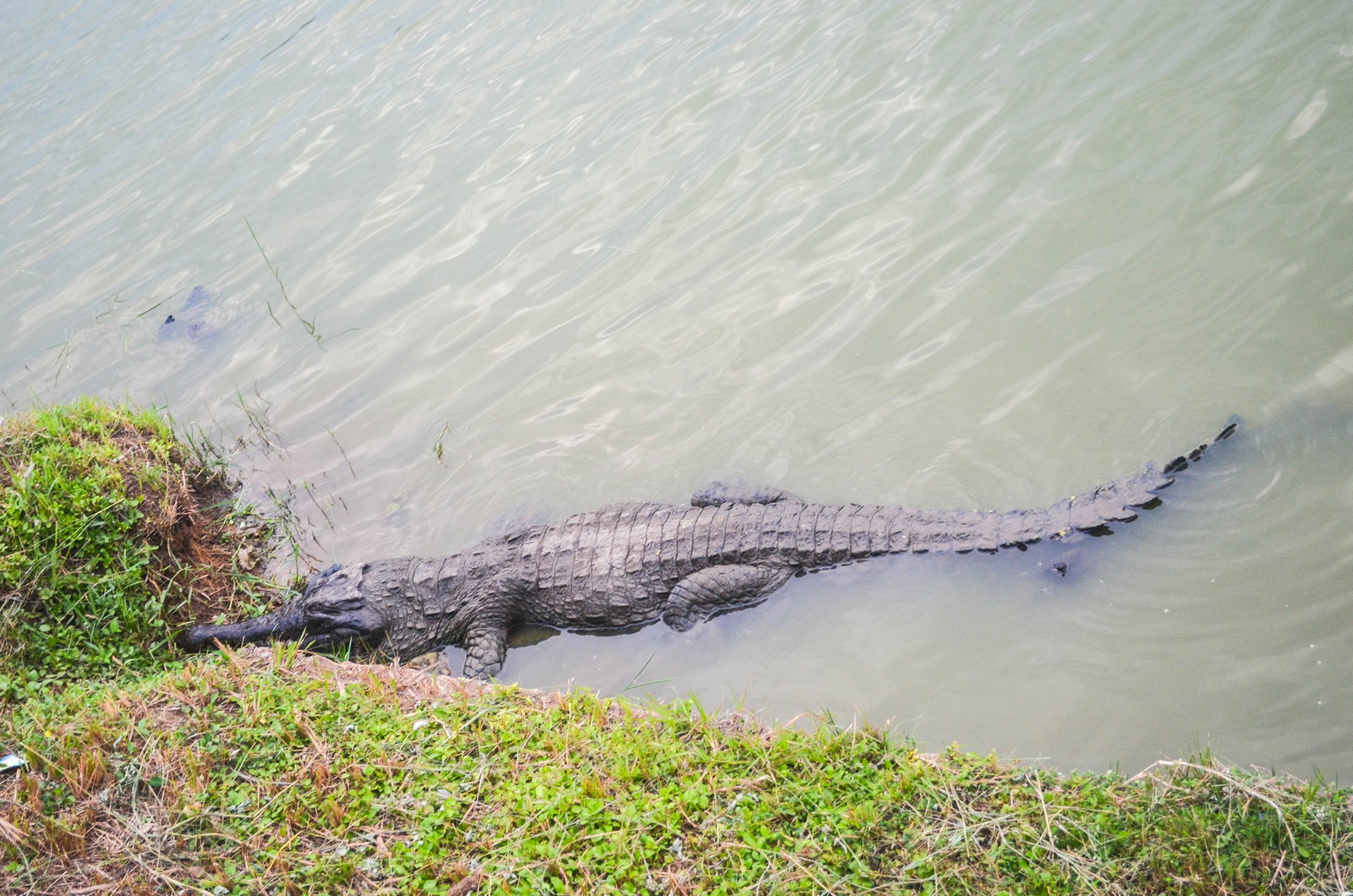
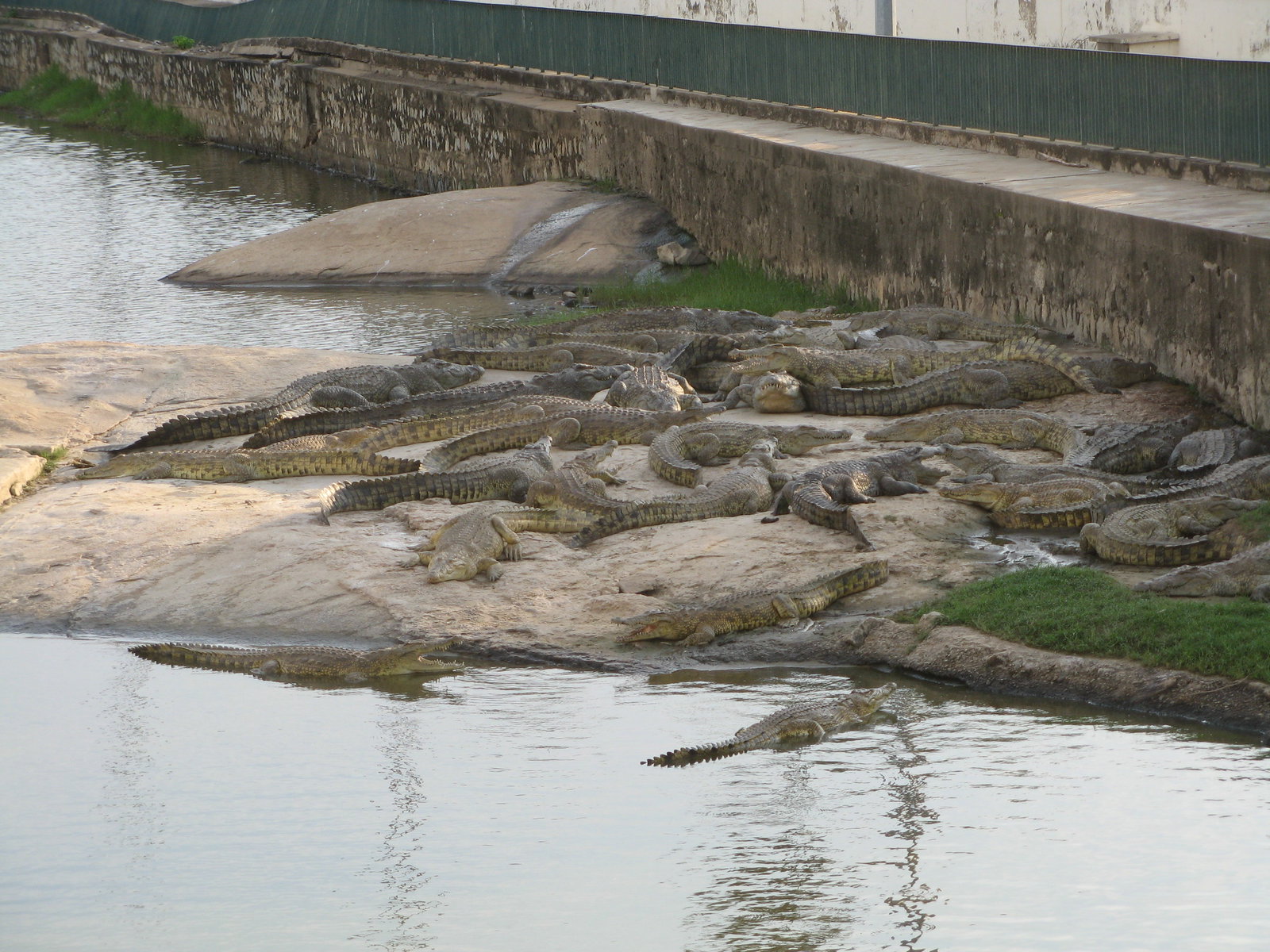
  • Watch sacred Nile crocodiles fed at the Presidential Palace moat, a ritual that dates to Houphouët-Boigny's reign.
  • Stroll boulevards so wide and empty they feel like a stage set — Yamoussoukro's ghost-capital atmosphere is unlike any African city.
  • Explore the stained-glass masterwork inside the basilica, designed with a portrait of the president kneeling before Christ.
  • Catch the city's lakeside sunsets on Lac de Yamoussoukro — serene, flamingo-tinged, and completely crowd-free.
  • Use the city as a hub for day trips to Toumodi, the Bouaflé forests, and traditional Baoulé villages in the surrounding region.

Best for

Architecture lovers, history buffs, off-the-beaten-path West Africa seekers, group tours combining with Abidjan

Trip style

Cultural, historical, city break, add-on to a wider Côte d'Ivoire itinerary

Known for

Basilica of Our Lady of Peace (world's largest church by area), sacred presidential crocodiles, wide boulevard city planning, Félix Houphouët-Boigny's legacy

Quick facts

Best time to visit

November to March (dry season); the harmattan brings haze in Jan–Feb but temperatures are comfortable

Currency

West African CFA franc (XOF). 1 USD ≈ 600–620 XOF

Languages

French (official); Baoulé spoken locally

Visa summary

Most nationalities require a visa; e-visa available at snedai.com before travel. ECOWAS nationals enter visa-free.

Flight time from Nairobi

Approx. 6–7 hours via Abidjan (no direct service; connect at ABJ)

Airport / arrival

Félix Houphouët-Boigny International Airport (ABJ) in Abidjan is the main entry point. Yamoussoukro is 240 km north by road or bus (3–4 hrs); UTB and CTM buses run daily.

Safety note

Generally calm; standard urban precautions apply. Avoid political gatherings and travel outside the city after dark.

Visa and entry

Look up entry rules by passport for travel to Côte d'Ivoire on the Tsavaro visa checker.

Check visa requirements for Côte d'Ivoire

Things to do

Visit the Basilica of Our Lady of PeaceCulture & Architecture

Visit the Basilica of Our Lady of Peace

2–3 hours

The world's largest Christian church by area — modelled on St Peter's in Rome with a higher dome. Guided tours take you through the nave, the extraordinary stained-glass windows, and the crypt. Entry to the grounds is free; interior tours require a small fee and modest dress.

Crocodile feeding at the Presidential PalaceWildlife & Culture

Crocodile feeding at the Presidential Palace

1 hour

Sacred Nile crocodiles inhabit the ornamental moat of the Presidential Palace complex — believed to embody the spirits of Houphouët-Boigny's ancestors. Feedings (whole chickens) happen on a schedule; guides arrange access and explain the spiritual significance.

Tour the Houphouët-Boigny FoundationHistory & Museums

Tour the Houphouët-Boigny Foundation

1–2 hours

This striking modernist building houses archives, a small museum, and exhibition halls dedicated to the first president's life, philosophy, and pan-African vision. A thoughtful stop for those interested in post-colonial West African history.

Walk or cycle around Lac de YamoussoukroNature & Leisure

Walk or cycle around Lac de Yamoussoukro

Half day

The artificial lake that fringes the city centre is a gentle, photogenic escape. Hire a bike from a local vendor, watch herons and waders, and pause at the lake-view cafés for a cold Bock beer or attieke at sunset.

Best time to visit Yamoussoukro

The best time to visit Yamoussoukro is November to March, during the dry season, when skies are mostly clear and daily temperatures sit between 25 °C and 33 °C. This window offers the most comfortable sightseeing conditions for exploring the basilica's open plaza and walking the lakeside.

January and February bring the harmattan — a dry, dusty wind blowing south from the Sahara — which can reduce visibility and leave a haze over the city, but temperatures remain bearable and rain is essentially absent.

April to June marks the long rainy season: afternoon downpours are common, the city turns dramatically green, and crowds (already small) thin even further. The basilica interior can be visited year-round regardless of rain. July to September is a shorter dry period, followed by the short rains in October.

Yamoussoukro has no major annual festival calendar that forces a particular travel window, so the dry-season months of November–March remain the sweet spot for most visitors combining it with the rest of Côte d'Ivoire.
Is Yamoussoukro safe to visit?

Yes — Yamoussoukro is generally safe for tourists and is considered one of the more tranquil cities in Côte d'Ivoire. The city's small size, low population density, and limited nightlife mean petty crime levels are lower than in Abidjan.

Practical tips for a safe visit:

- Keep valuables out of sight when walking; phone-snatching by motorbike (zem) is the most common risk. - Use licensed taxis or app-based transport (Yango operates in Côte d'Ivoire) rather than unmarked vehicles. - Avoid photographing the Presidential Palace exterior or uniformed personnel without explicit permission — penalties can be enforced. - Do not travel between cities at night; road safety standards on the Abidjan–Yamoussoukro corridor vary, and visibility is poor after dark. - Political demonstrations in 2010–2011 caused widespread unrest; the situation has been stable since, but monitor FCDO or your government's travel advice before travel. - The basilica area is well-lit and regularly patrolled; the lakeside is safe in daylight hours.

Suggested itinerary

Yamoussoukro in 2 Days

A compact two-day itinerary based in Yamoussoukro itself, combining the headline sights with quieter lakeside time. Assumes a mid-range budget, travelling from Abidjan by road. Pace is relaxed — this is not a city you rush.

Day 1

The Basilica, the Boulevards, and the Sacred Crocodiles

Begin the morning at the Basilica of Our Lady of Peace before the heat builds. Arrive early (opens around 08:00) to join a guided interior tour — the stained-glass panels glow most brilliantly with the morning sun behind them. Spend at least 90 minutes inside, then walk the vast outdoor plaza to appreciate the scale from ground level.

After lunch at a local maquis (try poisson braisé with attieke), take a taxi to the Presidential Palace area for the afternoon crocodile feeding. Confirm timing with your guide or hotel, as feeding schedules can vary. The spectacle lasts around 45 minutes and is genuinely extraordinary.

End the day with a sunset walk along Lac de Yamoussoukro. The wide, unhurried boulevards between the lake and the basilica are at their most cinematic in the late-afternoon light — bring a camera.

Yamoussoukro — The Basilica, the Boulevards, and the Sacred Crocodiles

Travel essentials

Getting around

Yamoussoukro is flat and relatively compact — the main sites (basilica, presidential palace, lake) are spread over several kilometres but reachable by taxi or rented motorbike. Shared taxis (woro-woro) run fixed routes cheaply. Bicycle hire is available near the lake. Walking is feasible in the early morning before heat peaks.

Typical costs

Budget traveller: 15,000–25,000 XOF/day (~USD 25–40). Mid-range: 40,000–70,000 XOF/day (~USD 65–115) including a decent hotel, meals at sit-down restaurants, and taxi hops. Basilica guided tour: ~2,000–5,000 XOF. Local maquis meal: 1,500–3,000 XOF.

Culture and etiquette

Dress modestly at the basilica — shoulders and knees covered; no shorts for men. Greetings matter in Ivorian culture: take time to greet before transacting. Always ask permission before photographing people, especially in villages. Respect the sacred status of the presidential crocodiles — joking about harming them is taken seriously.

Safety and planning

Register with your embassy on arrival if staying more than a few days. Carry a photocopy of your passport. The nearest hospital with reasonable facilities is the CHU de Yamoussoukro; serious medical situations require evacuation to Abidjan.

Connectivity

MTN and Orange Côte d'Ivoire offer reliable 4G coverage in the city. SIM cards are available at the bus stations in Abidjan or at telecom shops in Yamoussoukro with a passport. Hotel Wi-Fi is inconsistent — download offline maps (Maps.me or Google Maps offline) before leaving Abidjan.

Payments

Cash is essential — CFA francs only. ATMs (SGBCI, BIAO, Ecobank) are available in the city centre but can be unreliable; withdraw cash in Abidjan before travelling. Card acceptance is limited to a handful of mid-range hotels.

Yamoussoukro travel FAQs

More destinations to explore

Yamoussoukro, Côte d'Ivoire