Destination guide

Accra

Ghana Β· West Africa

Where West African energy, history, and culture collide

Overview

Accra is one of West Africa's most vibrant and welcoming capitals β€” a city that pulses with Afrobeats, street food aromas, and a deep pride in its history. From the sobering halls of Cape Coast's slave castles (a short drive away) to the neon-lit nights of Osu, Ghana's capital rewards curious travellers with warm hospitality, world-class contemporary art, and some of the best jollof rice on the continent. Built along the Gulf of Guinea, Accra blends colonial-era architecture with fast-rising modern neighbourhoods, bustling markets, and a beach scene that comes alive on weekends. Whether you're tracing the roots of the African diaspora, hunting for kente cloth and Ghanaian crafts, or simply soaking in the city's infectious optimism, Accra leaves a lasting impression.

Quick facts

Best time to visit

November to March (dry season) β€” lower humidity, easier travel

Currency

Ghanaian Cedi (GHS); USD widely accepted in hotels and larger businesses

Languages

English (official); Twi, Ga, and Hausa widely spoken

Visa summary

Most African Union passports enjoy visa-on-arrival or visa-free entry. Many other nationalities can obtain an e-visa before travel.

Flight time from Nairobi

Approximately 5–6 hours (non-stop or one-stop via Addis Ababa or Lagos)

Airport / arrival

Kotoka International Airport (ACC) is located about 10 km from the city centre. Taxis and ride-hailing apps (Bolt, Uber) are available.

Why Visit Accra?

Accra punches well above its weight as a travel destination. It's the cultural heartbeat of a country nicknamed the 'Gateway to Africa' β€” and for good reason. Ghana was the first sub-Saharan African nation to gain independence, and that spirit of pride and possibility is felt everywhere you go.

The city's arts scene is booming: the Nubuke Foundation, Gallery 1957, and countless pop-up exhibitions showcase homegrown talent gaining global recognition. The food scene is equally compelling β€” from kelewele street stalls to upscale restaurants reimagining West African cuisine. And the music? Highlife and Afrobeats pour from every corner, from beachside bars to rooftop clubs in Cantonments.

For diaspora travellers, Accra holds a unique emotional resonance. Ghana's 'Year of Return' campaign in 2019 sparked a wave of reconnection that hasn't slowed β€” the city welcomes those tracing their roots with open arms and a growing infrastructure of heritage tourism.
Best for

History buffs, culture seekers, diaspora travellers, foodies, nightlife lovers

Trip style

City break, cultural immersion, heritage travel

Known for

Afrobeats nightlife, Makola Market, Independence Square, contemporary art galleries, jollof rice, warm hospitality

Things to do

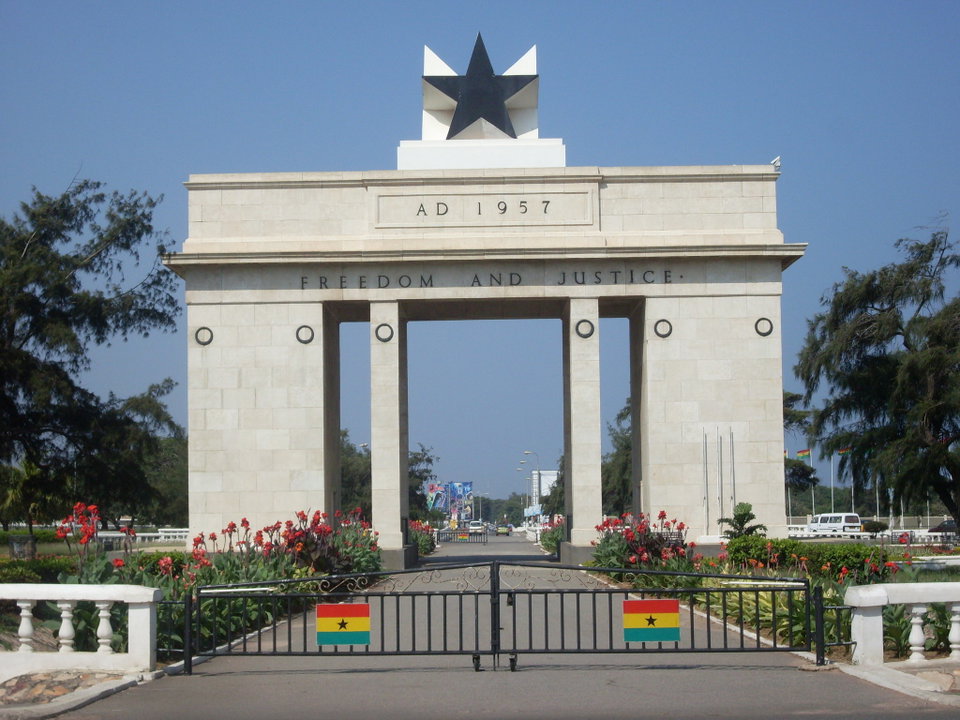
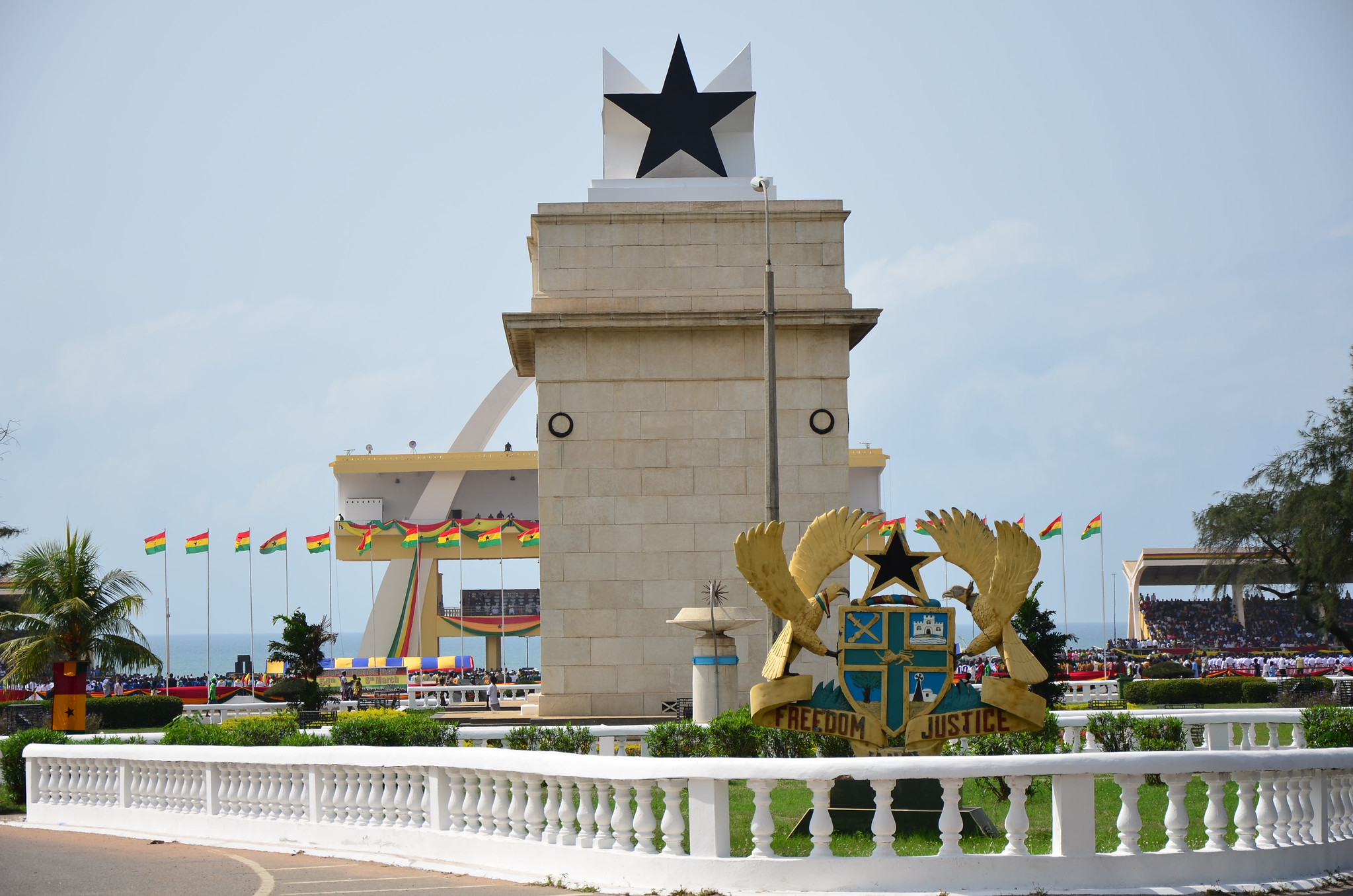
Visit Independence Square & the Black Star Gate

Visit Independence Square & the Black Star Gate

History & Culture Β· 1–2 hours

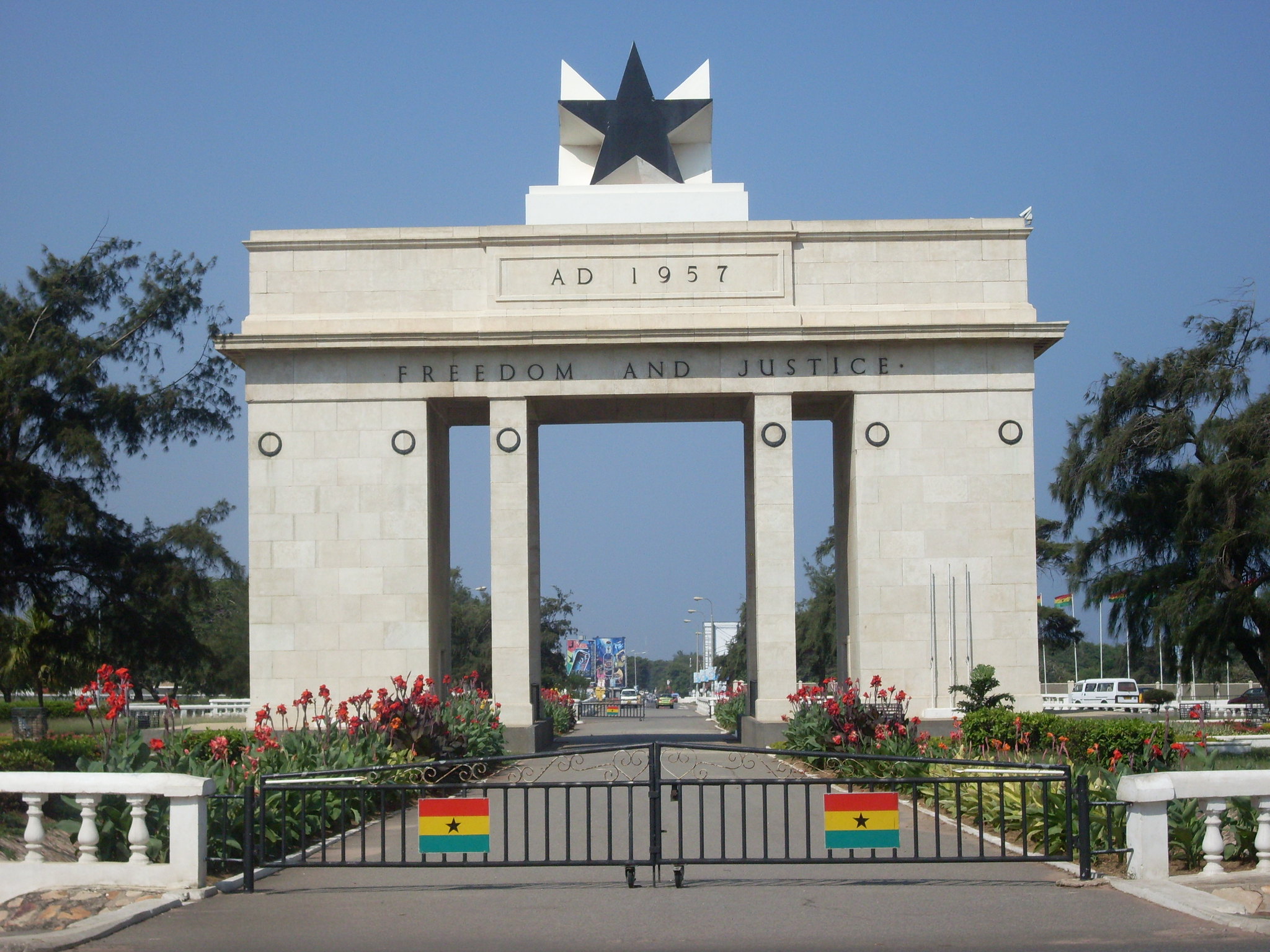
One of Africa's most iconic landmarks, Independence Square commemorates Ghana's 1957 independence. The Black Star Gate and surrounding monuments make for striking photos and a moving historical experience.

Explore Makola Market

Explore Makola Market

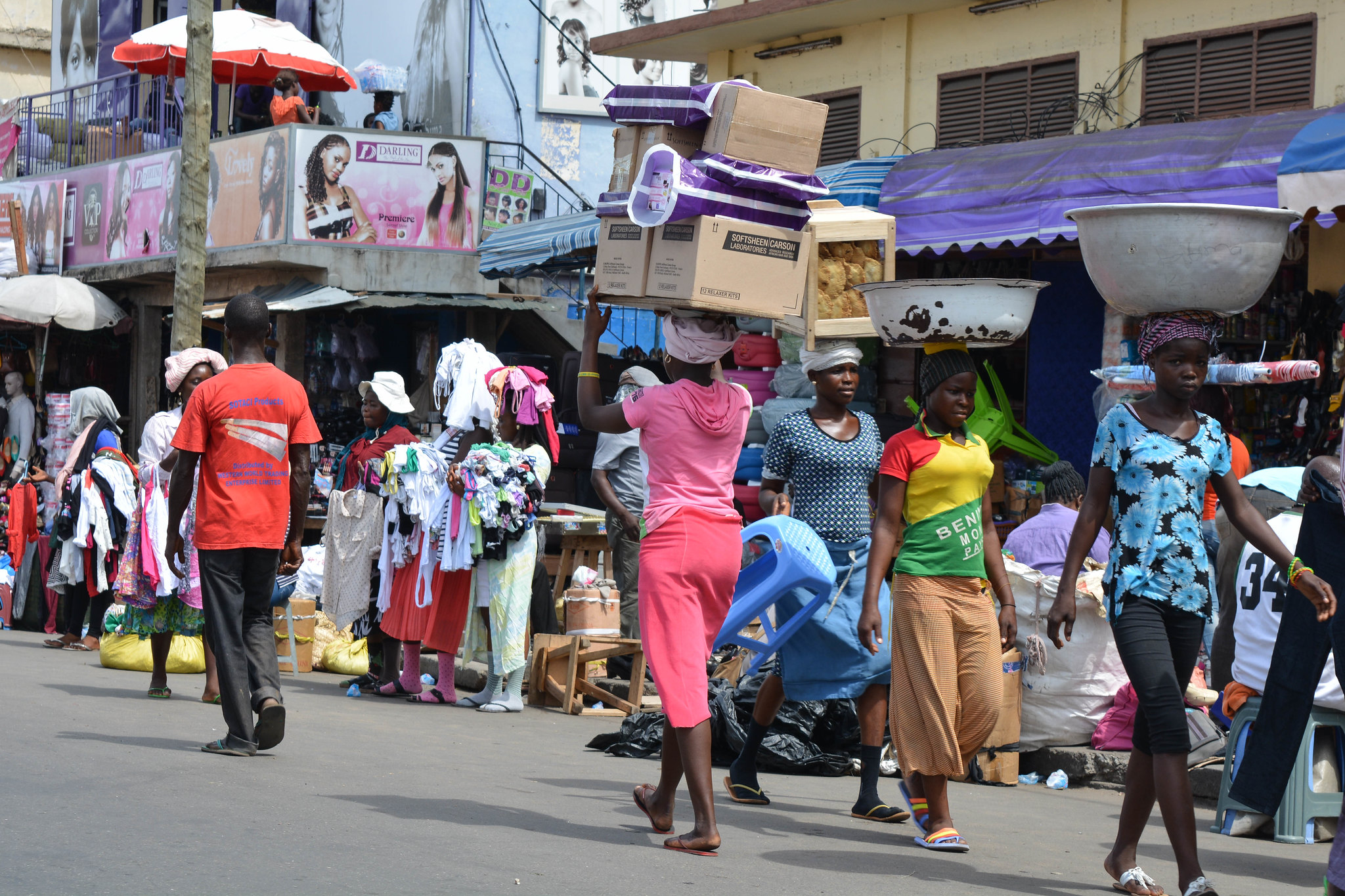
Shopping & Local Life Β· 2–3 hours

Accra's largest open-air market is a sensory feast. Weave through stalls selling kente cloth, spices, electronics, and fresh produce. Arrive early and bring your bargaining skills.

Tour the National Museum of Ghana

History & Culture Β· 1–2 hours

A compact but rewarding museum covering Ghana's archaeology, ethnography, and colonial history. The collections of traditional regalia, musical instruments, and crafts are particularly impressive.

Day Trip to Cape Coast Castle

Day Trip to Cape Coast Castle

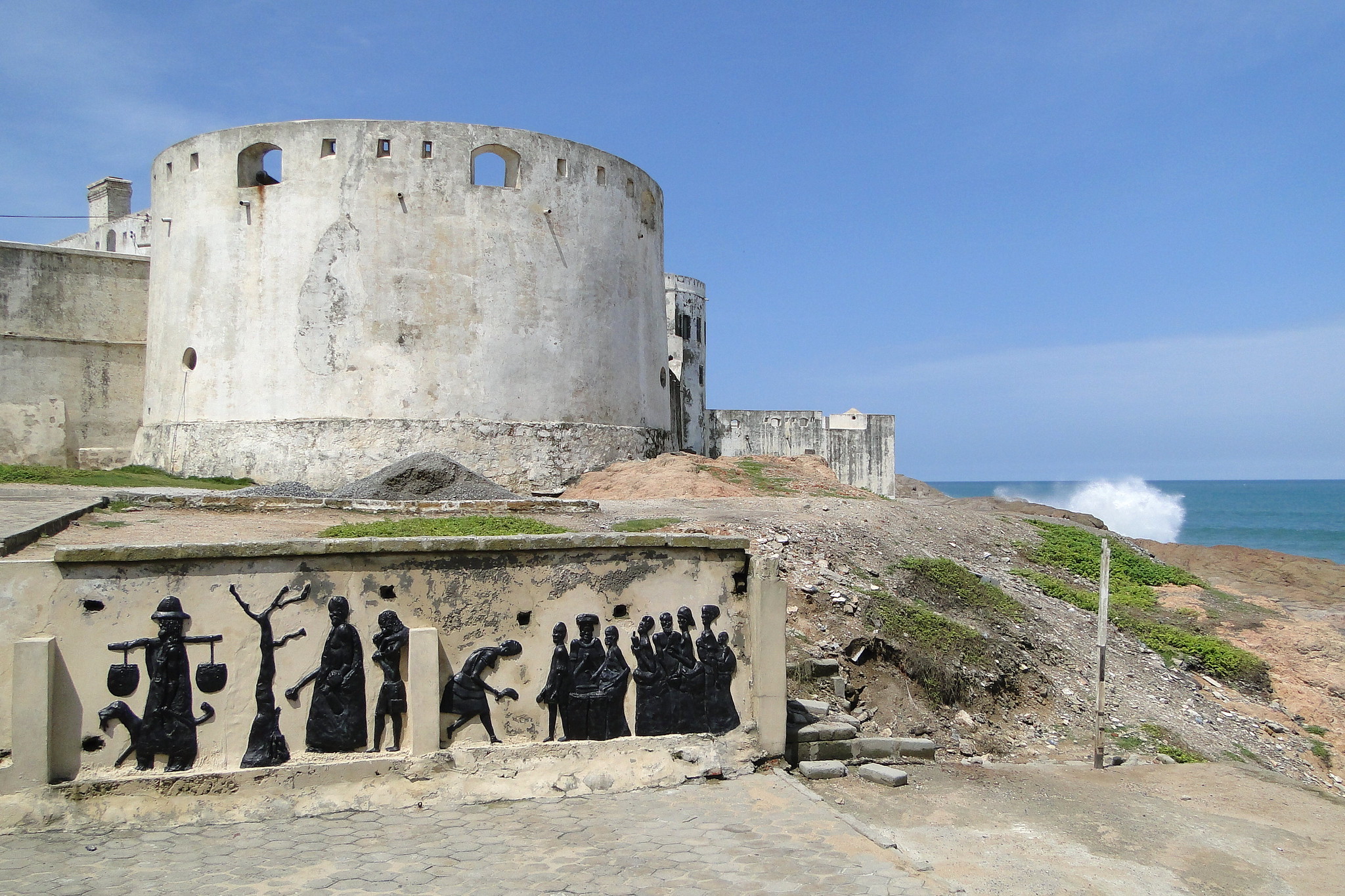
Heritage & History Β· Full day (approx. 3-hour drive each way)

A UNESCO World Heritage Site and one of the most significant sites of the transatlantic slave trade. The guided tour through the dungeons and the Door of No Return is sobering, essential, and deeply moving.

Gallery-hop in Osu & Cantonments

Arts & Culture Β· Half day

Accra's gallery scene is thriving. Visit Gallery 1957 and the Nubuke Foundation to discover contemporary Ghanaian and Pan-African art, then stay for the neighbourhood's restaurants and bars.

Relax at Labadi Beach

Relax at Labadi Beach

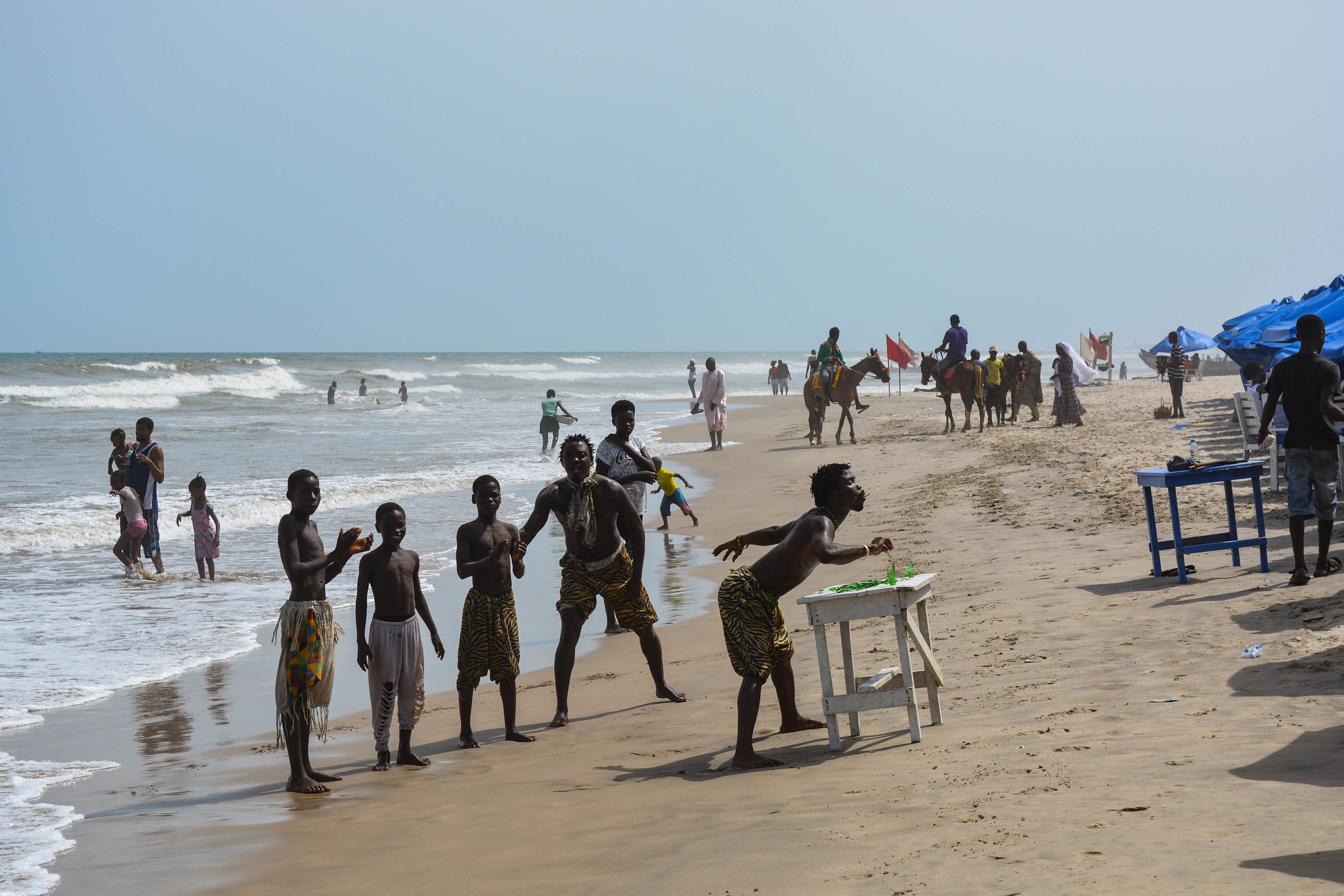
Beach & Leisure Β· 2–4 hours

Accra's most popular public beach is lively on weekends with music, food vendors, and beach volleyball. Arrive on a Friday or Saturday evening for the full atmosphere.

Experience Accra's Nightlife

Nightlife & Entertainment Β· Evening

From Highlife legends to the latest Afrobeats drops, Accra nights are legendary. Head to Osu, Airport Residential, or Cantonments for rooftop bars, live music venues, and clubs that don't get going until midnight.

Flights from Accra

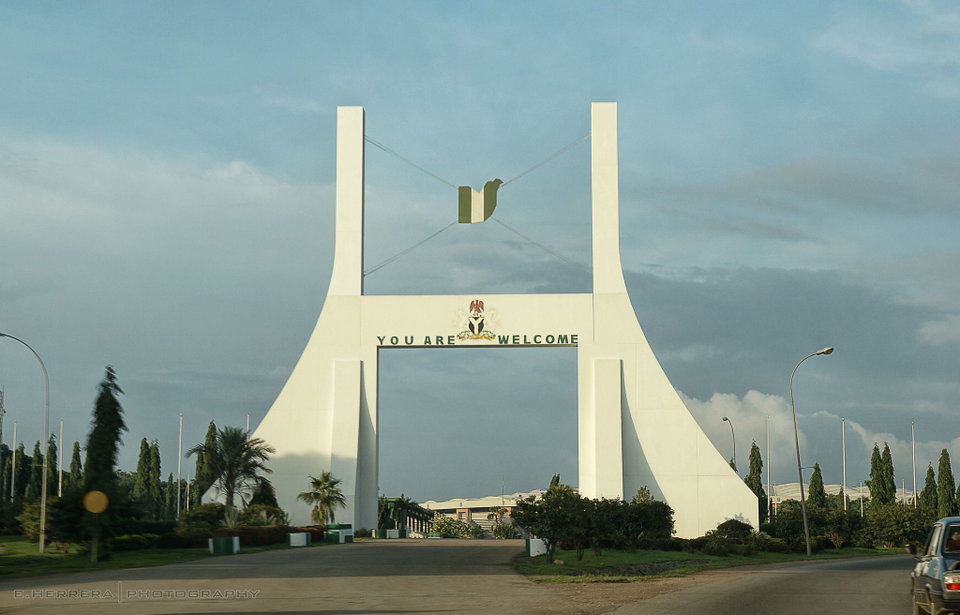
Independence Arch in Accra, Ghana. Photo by George Appiah.

Accra

Sun, Jun 28 – Wed, Jul 1 Β· 3 nights

5h 30m – 7h (via Addis Ababa or direct) Β· Several weekly departures

Independence Arch in Accra, Ghana. Photo by George Appiah.

Accra

Sun, Jun 28 – Wed, Jul 1 Β· 3 nights

1h 15m Β· Daily

Independence Arch in Accra, Ghana. Photo by George Appiah.

Accra

Sun, Jun 28 – Wed, Jul 1 Β· 3 nights

6h 30m Β· Daily

Travel essentials

Getting around

Uber and Bolt are reliable and affordable within the city. Shared minibuses (tro-tros) are the local option and very cheap, though crowded. Taxis are widely available β€” always agree on a fare before you get in, or use the meter.

Typical costs

Accra is moderately priced by African capital standards. Budget travellers can get by on USD 40–60/day; mid-range travellers should expect USD 80–150/day including a comfortable hotel, meals, and activities. High-end hotels and restaurants can push costs significantly higher.

Culture and etiquette

Ghanaians are famously warm and hospitable β€” greetings are important. Always greet people before diving into a transaction or question. Dress modestly when visiting religious sites or traditional palaces. Ask before photographing people or markets.

Safety and planning

Accra is one of West Africa's safer capitals. Use ride-hailing apps rather than flagging taxis after dark. Keep valuables secured in your hotel safe. The city centre and tourist areas are generally safe during the day; exercise more caution after midnight in busy nightlife districts.

Connectivity

4G coverage is good across the city. Local SIM cards (MTN, Vodafone Ghana, AirtelTigo) are available at the airport and throughout the city. Data is affordable β€” a 10GB bundle costs around GHS 50–80.

Payments

Cash (Ghanaian Cedi) is king outside hotels and upscale restaurants. ATMs are widely available. USD and GBP can be exchanged at Forex bureaus (better rates than hotels). Visa/Mastercard accepted at major establishments.

Related links

Frequently asked questions