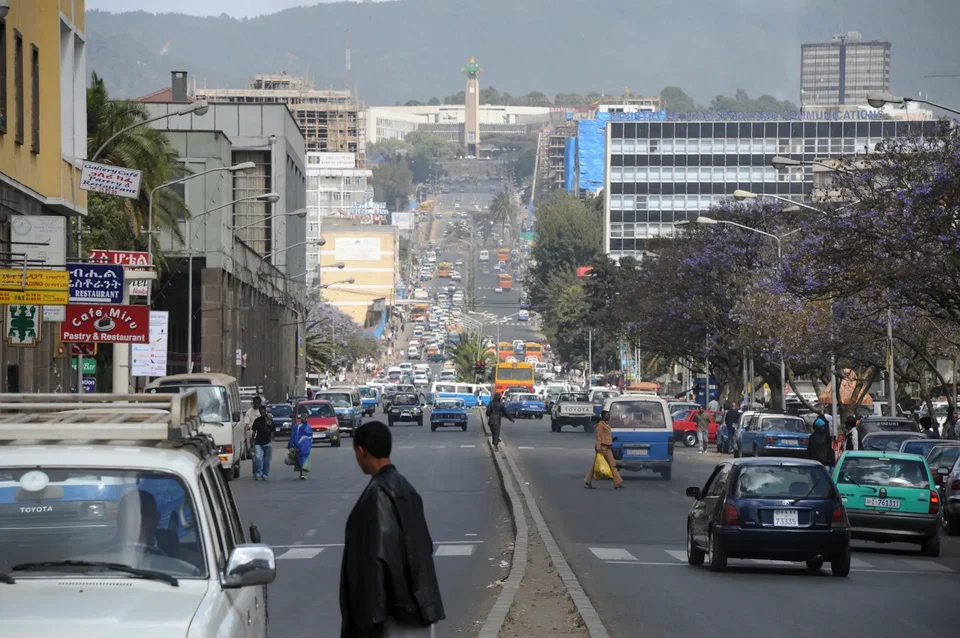
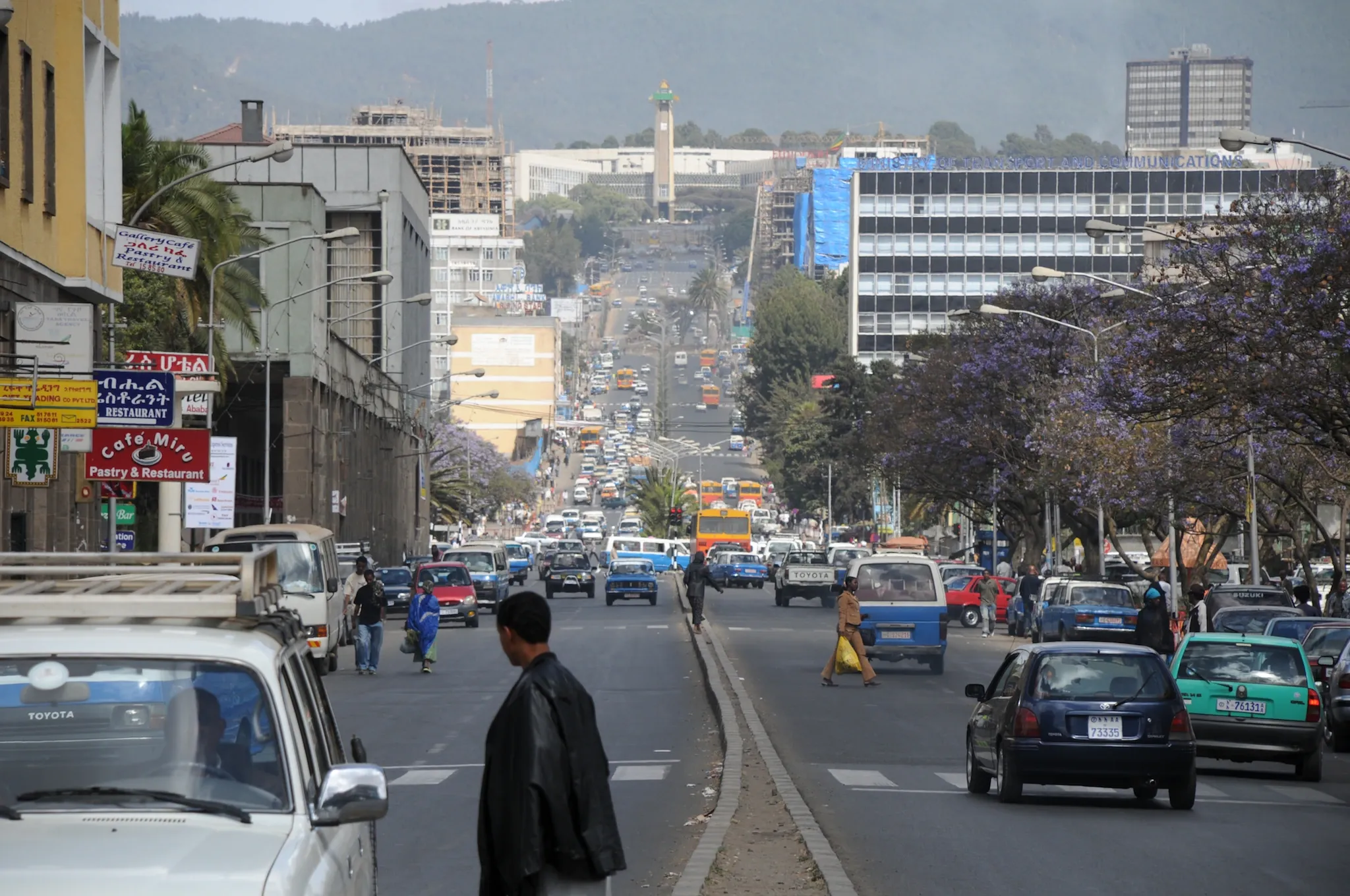
Panoramic view of Addis Ababa city skyline

Destination guide

Addis Ababa

East Africa · Ethiopia

Africa's Political Capital — Where Ancient Culture Meets Modern Ambition

Best season

October to February (dry season, cooler temperatures and clear skies)

From Nairobi

Approximately 1 hour 30 minutes

Why Visit Addis Ababa?

Addis Ababa is unlike any other African capital. As the seat of the African Union and headquarters of the United Nations Economic Commission for Africa, it carries genuine continental weight — yet it remains deeply rooted in Ethiopian tradition.

The city is a living museum. Lucy, one of the oldest hominid fossils ever discovered, resides here at the National Museum. The Holy Trinity Cathedral stands as a monument to Ethiopia's Orthodox Christian heritage, while the colourful Merkato pulses with the commerce of millions. Addis is also the undisputed world capital of Ethiopian cuisine — a city where injera and tibs are served with pride at every corner.

For travellers using Addis as a stopover via Ethiopian Airlines — one of Africa's premier carriers — the city more than justifies an extended stay. It is a gateway to the rock-hewn churches of Lalibela, the tribes of the Omo Valley, and the highlands of the Simien Mountains.

  • Home to Lucy — one of the world's oldest hominid fossils — at the National Museum of Ethiopia
  • Experience an authentic Ethiopian coffee ceremony, the birthplace of the world's favourite beverage
  • Explore Mercato, Africa's largest open-air market, a sensory maze of spices, textiles, and crafts
  • Visit the African Union headquarters and understand Addis Ababa's role as Africa's political heart
  • Dine on world-class injera, tibs, and kitfo in restaurants ranging from humble locals to rooftop fine dining
  • Day-trip to the cool forested heights of Entoto Hill for panoramic views over the city

Best for

History lovers, culture seekers, foodies, and travellers using Ethiopia as a hub for East African adventures

Trip style

City break, cultural immersion, stopover extension, heritage travel

Known for

Lucy fossil, African Union HQ, Ethiopian coffee ceremony, Mercato market, injera cuisine, Ethiopian Orthodox churches

Quick facts

Best time to visit

October to February (dry season, cooler temperatures and clear skies)

Currency

Ethiopian Birr (ETB)

Languages

Amharic (official); English widely spoken in hotels, restaurants, and business

Visa summary

Most nationalities can obtain an e-Visa or visa-on-arrival at Bole International Airport

Flight time from Nairobi

Approximately 1 hour 30 minutes

Airport / arrival

Addis Ababa Bole International Airport (ADD) is located about 5 km from the city centre

Safety note

Generally safe for tourists in the city centre; exercise normal caution, avoid large public gatherings, and check current travel advisories before visiting

Visa and entry

Look up entry rules by passport for travel to Ethiopia on the Tsavaro visa checker.

Check visa requirements for Ethiopia

Things to do

National Museum of EthiopiaCulture & History

National Museum of Ethiopia

2–3 hours

Marvel at the fossilised remains of 'Lucy' (Australopithecus afarensis), ancient artefacts, and rotating exhibitions tracing Ethiopia's extraordinary history from prehistory to the modern era.

Merkato (Addis Mercato)

Half day

Wander Africa's largest open-air market — a sprawling labyrinth of stalls selling spices, coffee, textiles, electronics, and traditional crafts. Best explored in the morning with a local guide.

Ethiopian Coffee CeremonyFood & Drink

Ethiopian Coffee Ceremony

1–2 hours

Participate in a traditional coffee ceremony — a cornerstone of Ethiopian social life. Green beans are roasted, ground, and brewed in a jebena clay pot, served in three rounds with popcorn or bread.

Holy Trinity Cathedral (Kidist Selassie)Religious & Heritage

Holy Trinity Cathedral (Kidist Selassie)

1–2 hours

Visit one of Ethiopia's most important Orthodox Christian churches, the burial site of Emperor Haile Selassie I and Empress Menen. The cathedral's stained-glass windows and ornate interior are stunning.

Entoto Hill & Maryam ChurchNature & Viewpoints

Entoto Hill & Maryam Church

Half day

Ascend to the cool, eucalyptus-forested highlands above the city for sweeping panoramic views of Addis Ababa. Visit the hilltop Maryam Church, where Menelik II was crowned Emperor of Ethiopia.

Ethnological Museum (Haile Selassie Palace)Culture & History

Ethnological Museum (Haile Selassie Palace)

2 hours

Explore the former palace of Emperor Haile Selassie I, now housing the Institute of Ethiopian Studies. Exhibits cover Ethiopia's diverse cultures, traditional dress, musical instruments, and royal artefacts.

Suggested itinerary

3 Days in Addis Ababa: History, Culture & Coffee

A compact but immersive three-day itinerary covering Addis Ababa's most iconic cultural and historical landmarks, its famous food scene, and its lively markets — perfect for a stopover or a dedicated city break.

Day 1

History, Heritage & the Holy Trinity

Begin your Addis Ababa journey at the National Museum of Ethiopia to come face-to-face with Lucy, the 3.2-million-year-old hominid fossil that changed our understanding of human origins. Spend the morning exploring the museum's artefacts and prehistoric collections.

After lunch at a nearby local restaurant — try a traditional beyaynetu (mixed vegetarian platter) — head to the Holy Trinity Cathedral. Marvel at its grand architecture, ornate interior, and the tombs of Emperor Haile Selassie I and Empress Menen.

End the day with a sunset coffee ceremony at a local café or guesthouse, your first taste of Ethiopia's most beloved ritual.

Addis Ababa — History, Heritage & the Holy Trinity

Travel essentials

Getting around

Addis Ababa has a growing light rail (LRT) system connecting key areas, plus ride-hailing apps (Ride and ZayRide are popular), blue minibuses (shared taxis), and metered taxis. Negotiate taxi fares in advance. Uber is not available; ride-hailing apps are the safest and most transparent option for visitors.

Typical costs

Addis Ababa is very affordable by international standards. Budget travellers can get by on USD 30–50/day. Mid-range travellers spending on comfortable hotels and restaurant meals should budget USD 80–150/day. A traditional restaurant meal costs USD 3–8; a coffee ceremony USD 2–5; museum entry USD 1–3.

Culture and etiquette

Ethiopians are warm and hospitable. Dress modestly when visiting churches and religious sites (cover shoulders and knees; women may need a headscarf). Always accept coffee or tea when offered — refusing is considered impolite. Ask permission before photographing people. Tipping is appreciated but not always expected; 10% at restaurants is standard.

Safety and planning

The city centre, Bole, and tourist areas are generally safe during the day. Avoid displaying expensive items, travel in groups at night, and check current political situation before visiting, as protests can occur. Altitude sickness is possible — take it easy on your first day as the city sits at 2,355 m above sea level.

Connectivity

SIM cards from Ethio Telecom are available at the airport and city shops. Data is relatively affordable. Most hotels and cafés in the Bole and Kazanchis areas offer reliable Wi-Fi. VPN usage is advisable as some services may be restricted.

Payments

Cash (Ethiopian Birr) is king for markets and local eateries. ATMs are available in Bole and major shopping centres. Credit cards are accepted at upmarket hotels and some restaurants but not universally reliable — always carry local cash as a backup.

Addis Ababa travel FAQs

More destinations to explore

Addis Ababa, Ethiopia