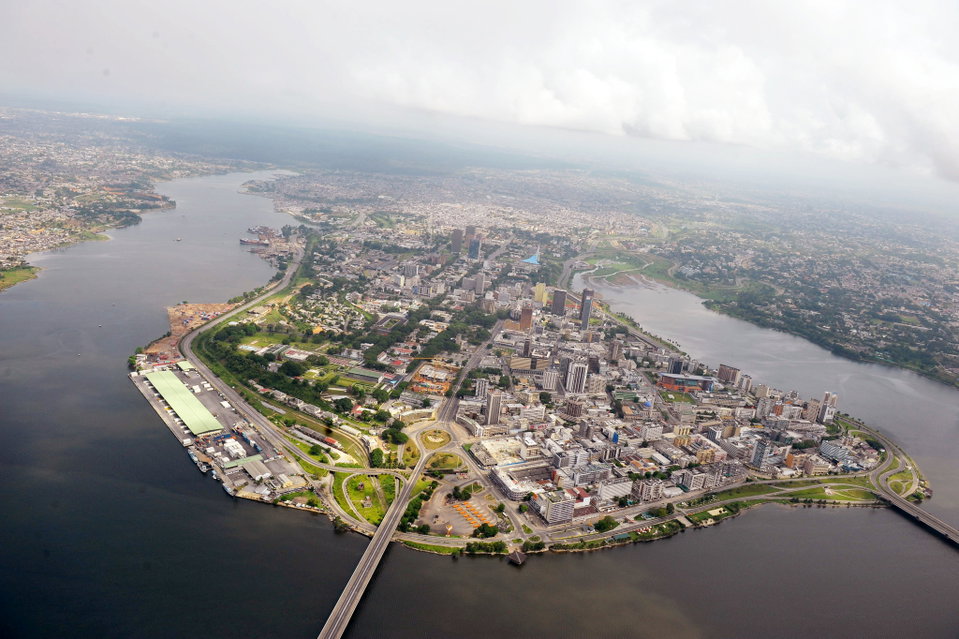
Aerial view of Banjul's waterfront and Albert Market with the Gambia River estuary beyond

Destination guide

Banjul

Greater Banjul Area, West Africa · The Gambia

West Africa's smallest capital — big on history, markets, and river life

Best season

November to February (dry season, cooler temperatures, best birding)

From Nairobi

Approximately 8–9 hours (usually via Addis Ababa or Casablanca; no direct service)

Why visit Banjul?

Banjul punches well above its size. As one of Africa's smallest capitals it is genuinely walkable, genuinely friendly, and genuinely off the tourist trail compared with its beach-resort neighbours along the Senegambia strip. The Albert Market is one of West Africa's most atmospheric trading hubs, piled high with tie-dye, kora instruments, and groundnut paste. The Gambia River ferry crossing to Barra offers a slice of daily Gambian life, while upstream excursions reach chimpanzee sanctuaries, slave-history sites on James Island (Kunta Kinteh Island), and some of the world's best-value birdwatching — over 600 species recorded in a country smaller than Yorkshire.

Banjul also makes a practical base. Resorts along the adjacent Atlantic coast offer comfortable accommodation, and the city's modest size means you can do a thorough market visit, a colonial-quarter walk, and a Gambia River sunset cruise all in a single day.

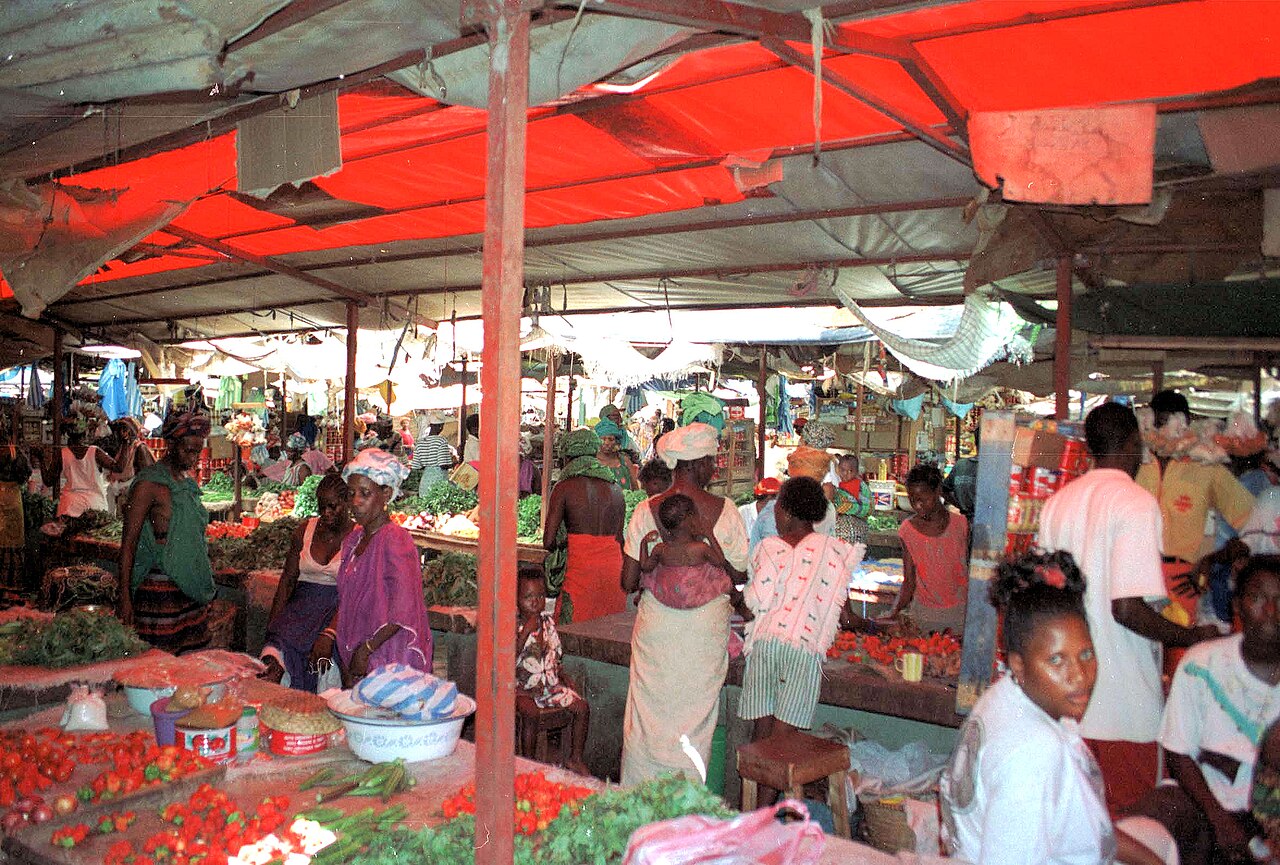
  • Explore one of West Africa's most vibrant markets at the Albert Market in the city centre
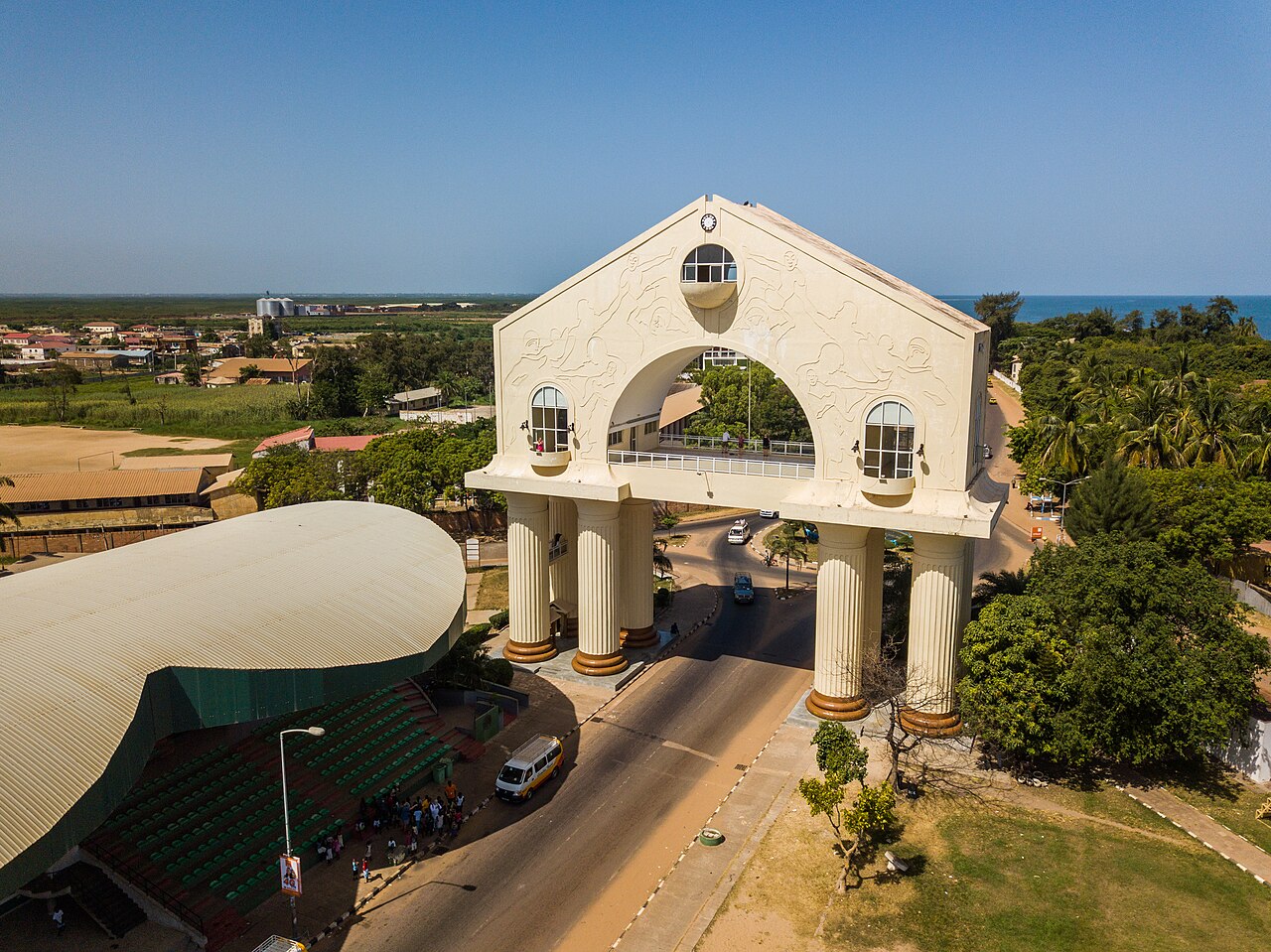
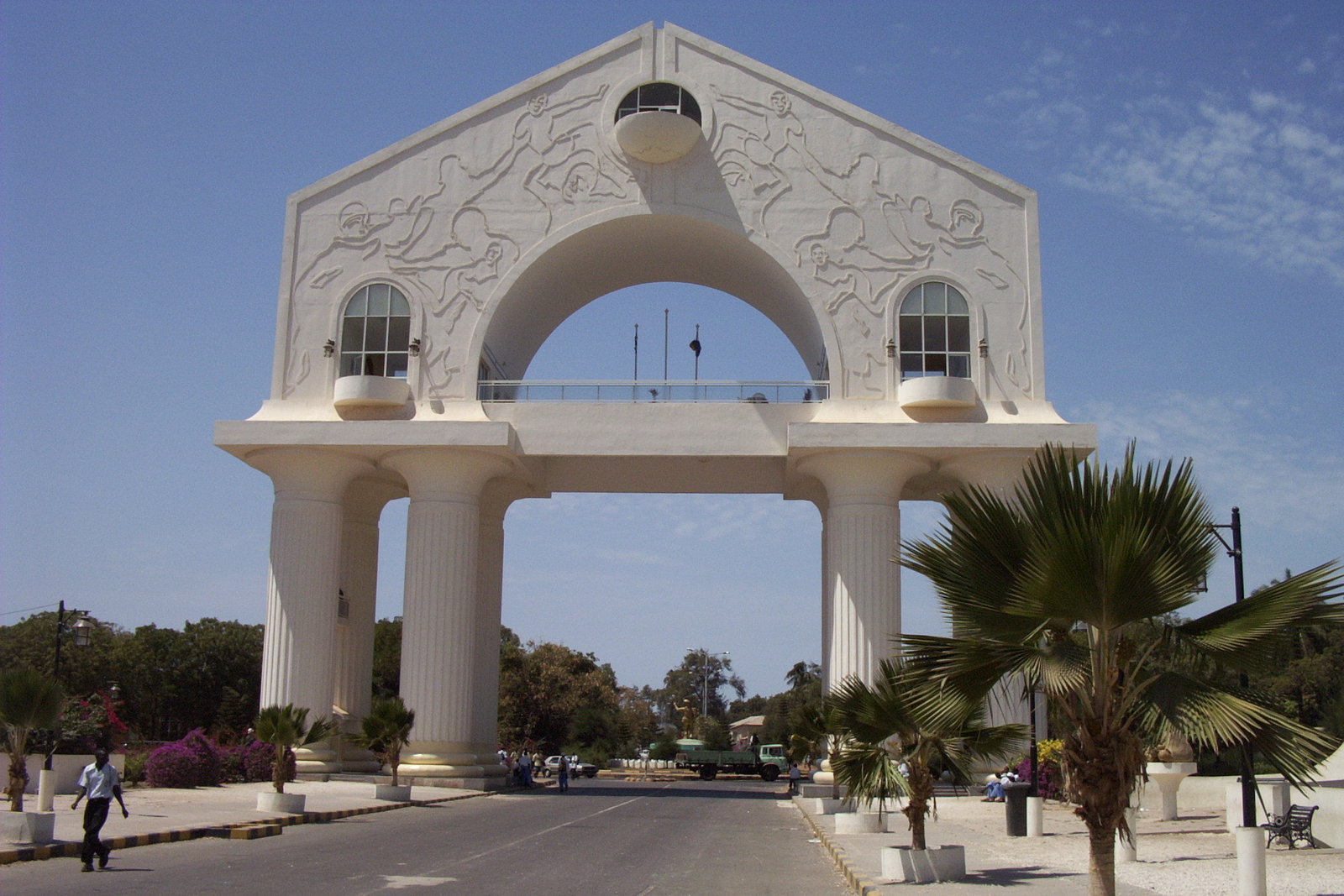
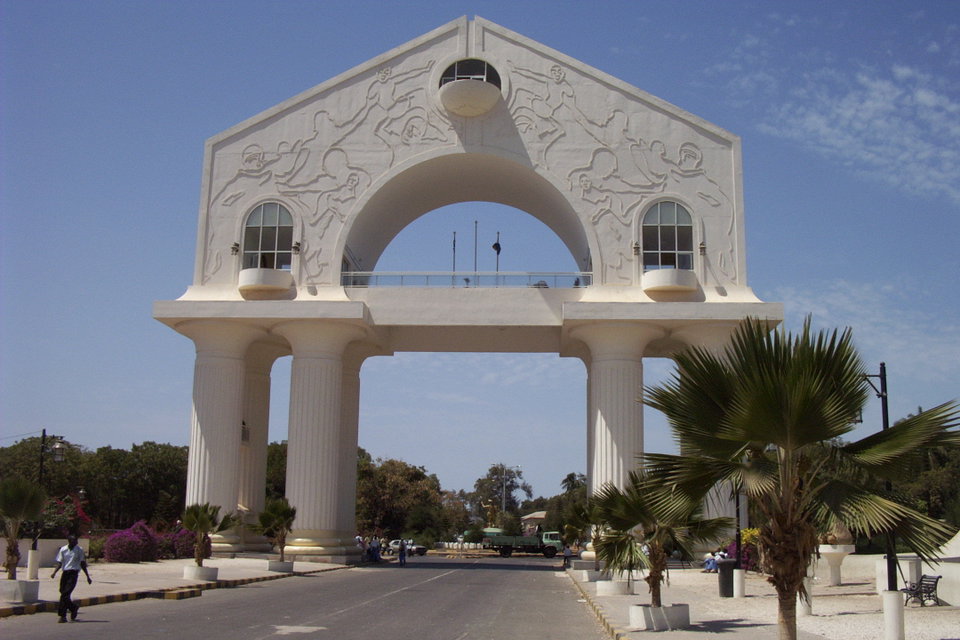
  • Climb Arch 22 for panoramic views over Banjul's rooftops and the Gambia River estuary
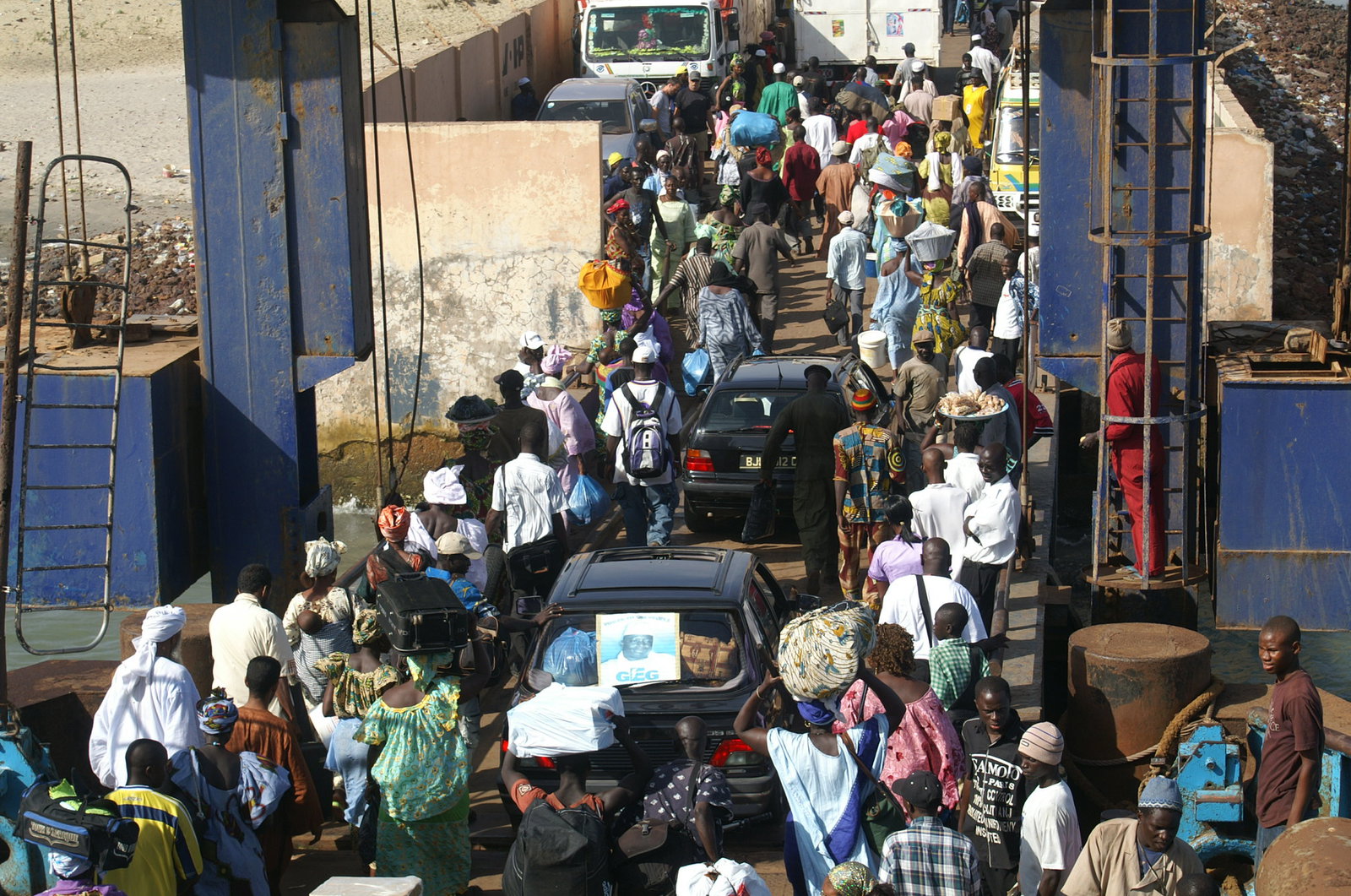
  • Take a river ferry to Barra — a 40-minute crossing that feels like a portal to rural Gambia
  • Visit UNESCO-listed Kunta Kinteh Island, a powerful Atlantic slave-trade heritage site
  • Spot over 300 bird species in a half-day visit to Abuko Nature Reserve, 15 km from the city
  • Watch the sun sink into the Atlantic from the beach resorts of Kololi and Senegambia, 25 km away

Best for

History lovers, birdwatchers, market hunters, West Africa first-timers, budget travellers

Trip style

Cultural city break, eco and birding, river adventure, heritage

Known for

Albert Market, Arch 22 monument, Gambia River ferry, Kunta Kinteh Island (James Island), exceptional birdwatching

Quick facts

Best time to visit

November to February (dry season, cooler temperatures, best birding)

Currency

Gambian Dalasi (GMD). USD and GBP are widely accepted at hotels and exchange bureaux.

Languages

English (official); Wolof, Mandinka, Fula widely spoken

Visa summary

Visa on arrival available for most Western passport holders (currently free for UK, EU, US citizens — verify before travel). Passport must be valid for 6+ months.

Flight time from Nairobi

Approximately 8–9 hours (usually via Addis Ababa or Casablanca; no direct service)

Airport / arrival

Banjul International Airport (BJL) is 25 km south of the city centre in Yundum. Taxis and shared minibuses connect the airport to Atlantic Road hotels in around 30–45 minutes.

Safety note

Generally safe for tourists. Petty theft in crowded markets warrants caution. The 'bumster' guide culture is active near beaches — polite firmness works well.

Visa and entry

Look up entry rules by passport for travel to The Gambia on the Tsavaro visa checker.

Check visa requirements for The Gambia

Things to do

Explore Albert MarketCulture & Markets

Explore Albert Market

1–2 hours

Banjul's bustling central market spreads across several city blocks and sells everything from fresh produce and spices to batik cloth, silver jewellery, and handmade kora instruments. Arrive early for the best atmosphere and least heat.

Climb Arch 22Landmarks & Heritage

Climb Arch 22

30–45 minutes

The dramatic gateway arch built to commemorate the 1994 military coup stands 35 metres high at the entrance to the city. A small museum inside covers Gambian history, and the rooftop terrace delivers the best panoramic view in Banjul.

Gambia River Ferry to BarraRiver & Boat

Gambia River Ferry to Barra

Half day (return crossing)

The public vehicle ferry linking Banjul to Barra on the north bank is a local institution. The crossing takes around 45 minutes and passes fishing pirogues, mangrove islands, and the occasional pelican. Buy a foot-passenger ticket and ride for a few dalasi.

Day trip to Kunta Kinteh Island (James Island)Heritage & History

Day trip to Kunta Kinteh Island (James Island)

Full day

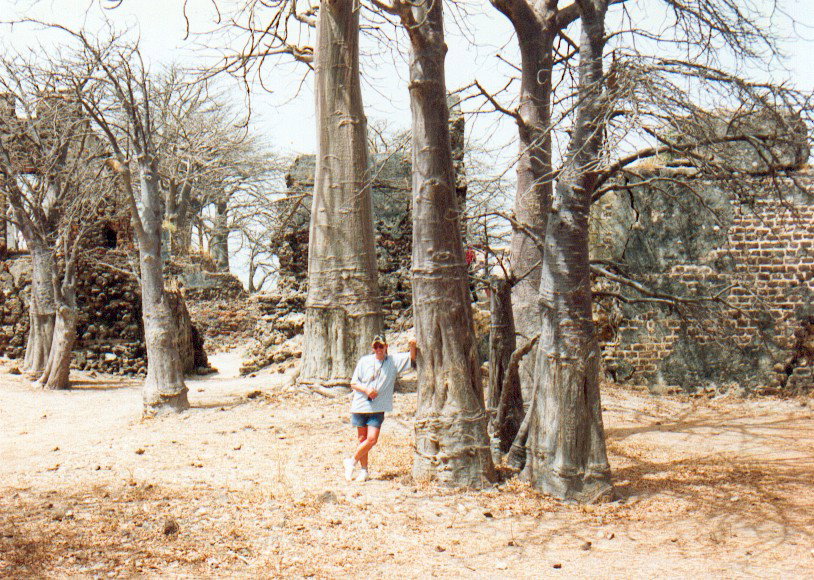
A UNESCO World Heritage Site, this tiny island in the Gambia River held one of the earliest European slave-trading posts in West Africa. Boats leave from Juffureh and Albreda village, which also have their own heritage significance as the setting for Alex Haley's 'Roots'.

Birdwatching at Abuko Nature ReserveWildlife & Nature

Birdwatching at Abuko Nature Reserve

2–4 hours

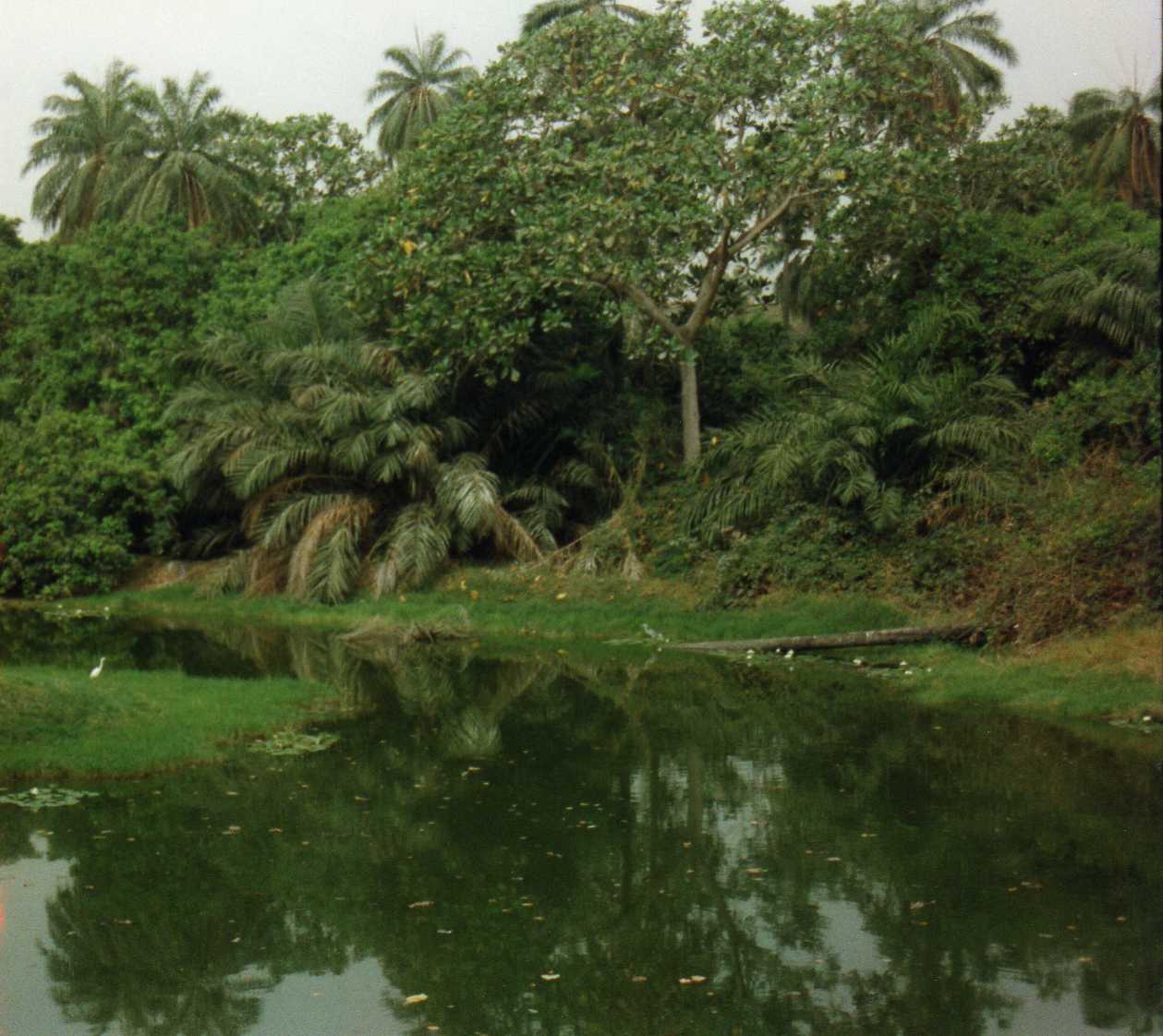
Just 15 km from central Banjul, Abuko is The Gambia's oldest and smallest nature reserve — and one of its best. Hornbills, sunbirds, kingfishers, and warthogs are commonly seen along the 2 km forest trail. An excellent half-day trip from the city.

Sunset river cruiseRiver & Boat

Sunset river cruise

2 hours

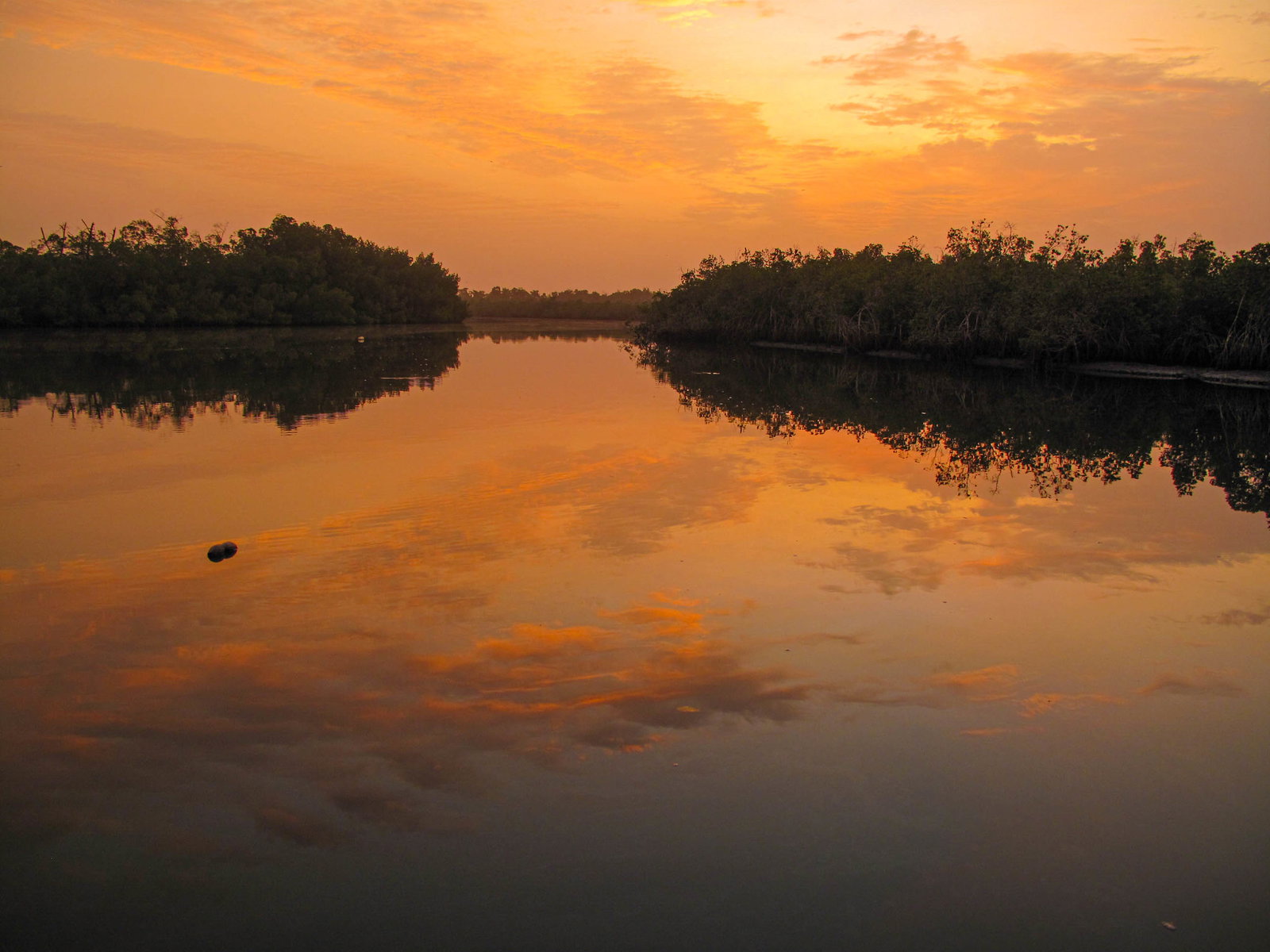
Several operators along the Atlantic coast offer two-hour Gambia River sunset cruises with live kora music, grilled fish, and views of mangroves glowing orange at dusk. One of the most romantic and relaxing experiences the country offers.

National Museum of the GambiaCulture & History

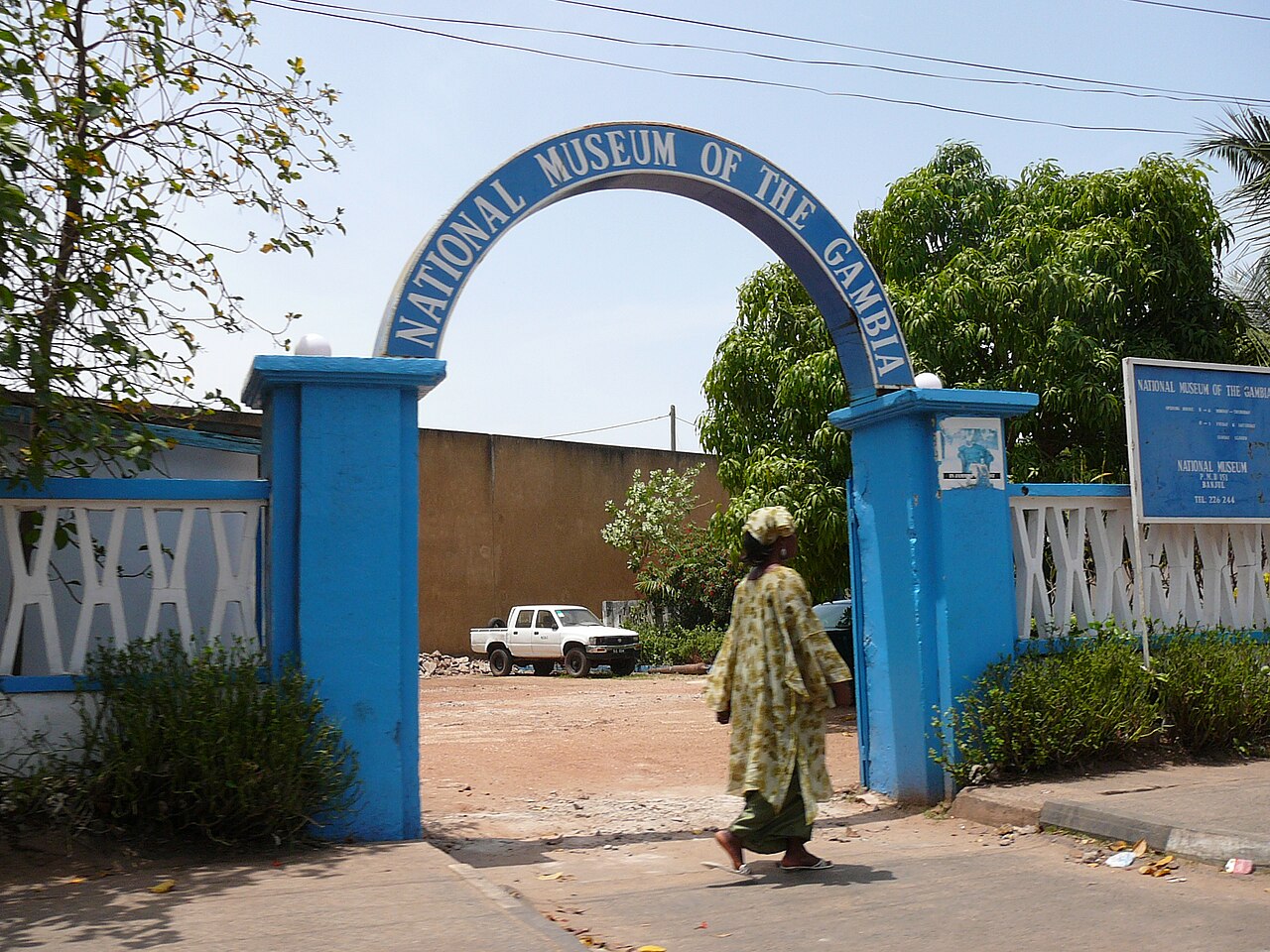
National Museum of the Gambia

45 minutes

Located on Independence Drive in central Banjul, the small national museum covers Gambian prehistory, colonial history, traditional crafts, and the diverse ethnic cultures of the country. A worthwhile 45-minute visit before or after a market walk.

Tanji Fish Market & VillageCulture & Wildlife

Tanji Fish Market & Village

Half day

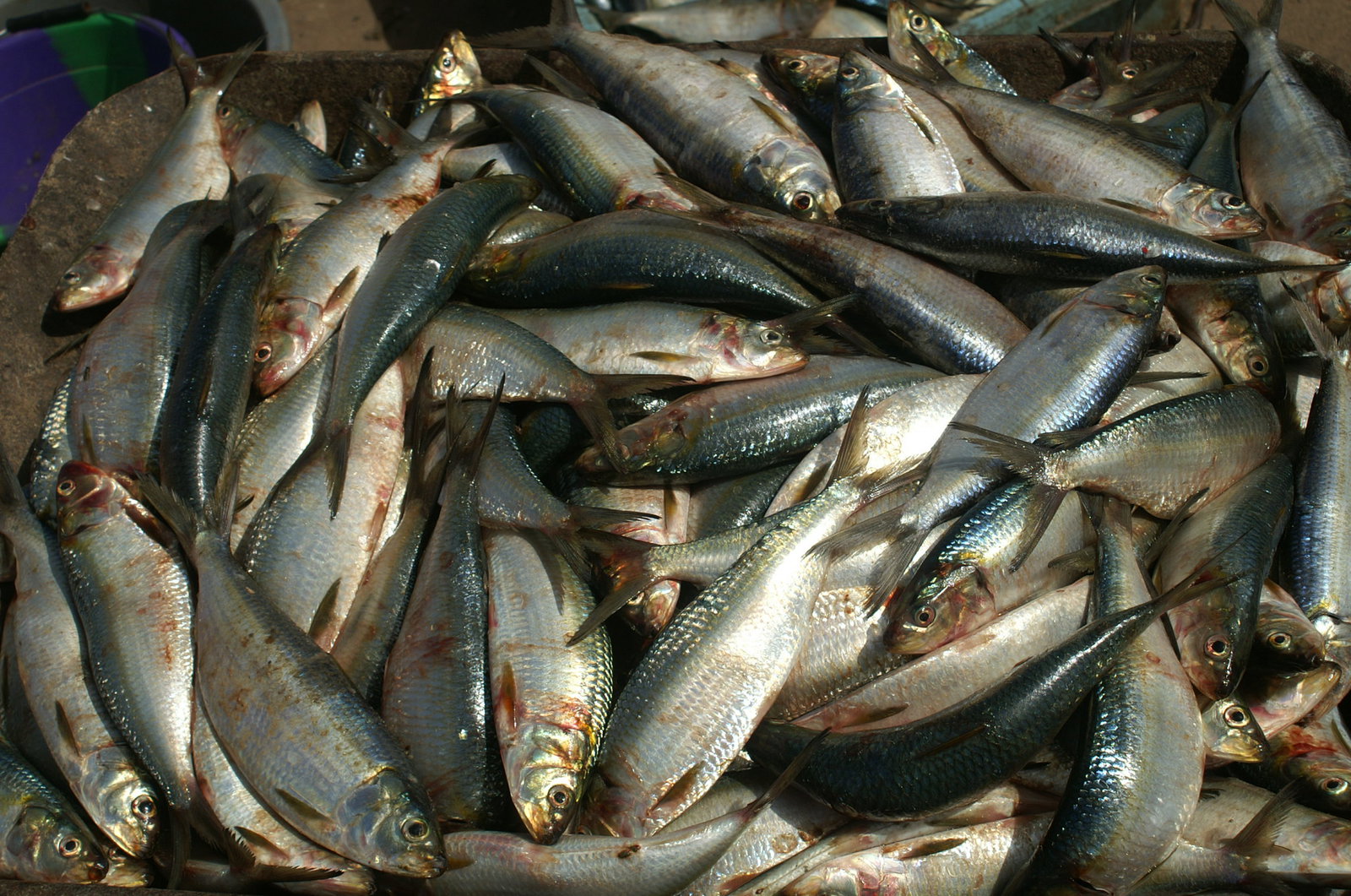
A 45-minute drive south of Banjul, Tanji is home to one of West Africa's most photogenic fishing beaches, where hundreds of colourfully painted pirogues land their catch daily. The adjacent bird reserve adds an easy ornithological bonus.

Best time to visit Banjul

The best time to visit Banjul is November to February, when the dry harmattan season delivers warm, sunny days (around 27–30 °C), low humidity, and the best conditions for birdwatching and river excursions. This is peak tourist season, particularly for European charter flights, so book accommodation in advance.

March to May is still dry but grows hotter and hazier as the harmattan dust thickens. Temperatures regularly exceed 35 °C by April and May, which can make city sightseeing uncomfortable.

June to October is the wet season. Heavy afternoon downpours are common, humidity is high, and some beach-focused hotels close or reduce services. However, this is also when The Gambia turns lush and green, birdlife is at its most active (breeding season brings rare species), and prices drop significantly. Malaria risk is higher during the wet months, so prophylactics and mosquito precautions are essential year-round but especially from June onwards.
Is Banjul safe to visit?

Yes — Banjul and The Gambia are generally considered one of West Africa's safer destinations for tourists, with a low rate of violent crime against visitors. The Gambia's small size, English-speaking population, and tourism-dependent economy all contribute to a broadly welcoming environment.

Practical precautions worth taking: leave passports and excess cash in your hotel safe; be alert in crowded areas like Albert Market and the ferry terminal where pickpocketing can occur; and be aware of the local 'bumster' culture — young men who offer unsolicited guide services near beaches and tourist areas. A polite but firm response is usually enough to disengage.

Road safety is the most significant risk for most visitors: drive carefully after dark and use reputable taxis or hotel transfers rather than unmarked vehicles at night. Health precautions — malaria prophylaxis, up-to-date vaccinations including yellow fever (required for entry) — are more important than security concerns for most travellers. Check your government's travel advisory before departure.

Suggested itinerary

4 Days in Banjul & The Gambia

This itinerary uses the Atlantic coast resort strip (Kololi/Senegambia) as a comfortable base and pairs city exploration with short excursions along the river and coast. Paced for a relaxed mid-range traveller arriving on a direct charter or scheduled flight from Europe.

Day 1

Arrive & settle into the Atlantic coast

Land at Banjul International Airport and transfer to your hotel on the Atlantic coast — the Senegambia strip in Kololi is the most convenient base, about 20 minutes from the airport. Spend the afternoon acclimatising with a walk along the beach and a sundowner at one of the oceanfront bars. In the evening, try a local chophouse for benachin (Gambian one-pot rice) or fresh barracuda.

Banjul — Arrive & settle into the Atlantic coast

Travel essentials

Getting around

Within Banjul city, walking is practical for the compact centre. Green tourist taxis (yellow bumper stickers) are the safest and most reliable option for longer journeys; agree the fare before you get in. Shared minibuses (gelleh-gelleh) cover routes between the city, airport, and coastal resort areas very cheaply. Car hire with a driver is available through most hotels and is the best option for day excursions to Abuko, Tanji, or upriver sites.

Typical costs

The Gambia is excellent value. A local restaurant meal costs 150–300 GMD (roughly USD 2–4); a tourist-oriented dinner with fish and a beer runs 600–1,200 GMD (USD 8–16). A green taxi from Banjul city to Senegambia costs around 300–500 GMD. Mid-range Atlantic coast hotels start from USD 50–80 per night including breakfast. Full-day guided river excursions typically run USD 30–60 per person.

Culture and etiquette

The Gambia is a predominantly Muslim country (around 90% of the population). Dress modestly when visiting Banjul city — shoulders and knees covered is respectful, especially away from the beach. Greetings are very important in Gambian culture; take time to exchange pleasantries before any transaction or request. Photography of people always merits permission first. Friday is the main day of prayer and some businesses close midday.

Safety and planning

A yellow fever vaccination certificate is required for entry — carry the original card. Malaria prophylaxis is strongly recommended year-round; consult your GP at least 4 weeks before travel. Tap water is not reliably safe to drink; bottled water is cheap and widely available. Travel insurance with medical evacuation cover is advisable given limited hospital facilities in Banjul.

Connectivity

SIM cards from Africell and Gamcel are available at the airport and in the Albert Market area. Data bundles are affordable. 4G coverage is reliable along the Atlantic coast and in central Banjul; more rural river areas may drop to 3G or lower. Most hotels and resorts offer free Wi-Fi.

Payments

Cash (Gambian Dalasi) is king for markets, street food, local taxis, and smaller guesthouses. ATMs are found in Banjul city (around Liberation Avenue) and along the Senegambia tourist strip; Visa is more widely accepted than Mastercard. Euros, British pounds, and US dollars can be exchanged at banks and licensed forex bureaux — rates are generally better than airport kiosks. Credit cards are accepted at larger hotels and some restaurants.

Banjul travel FAQs

More destinations to explore