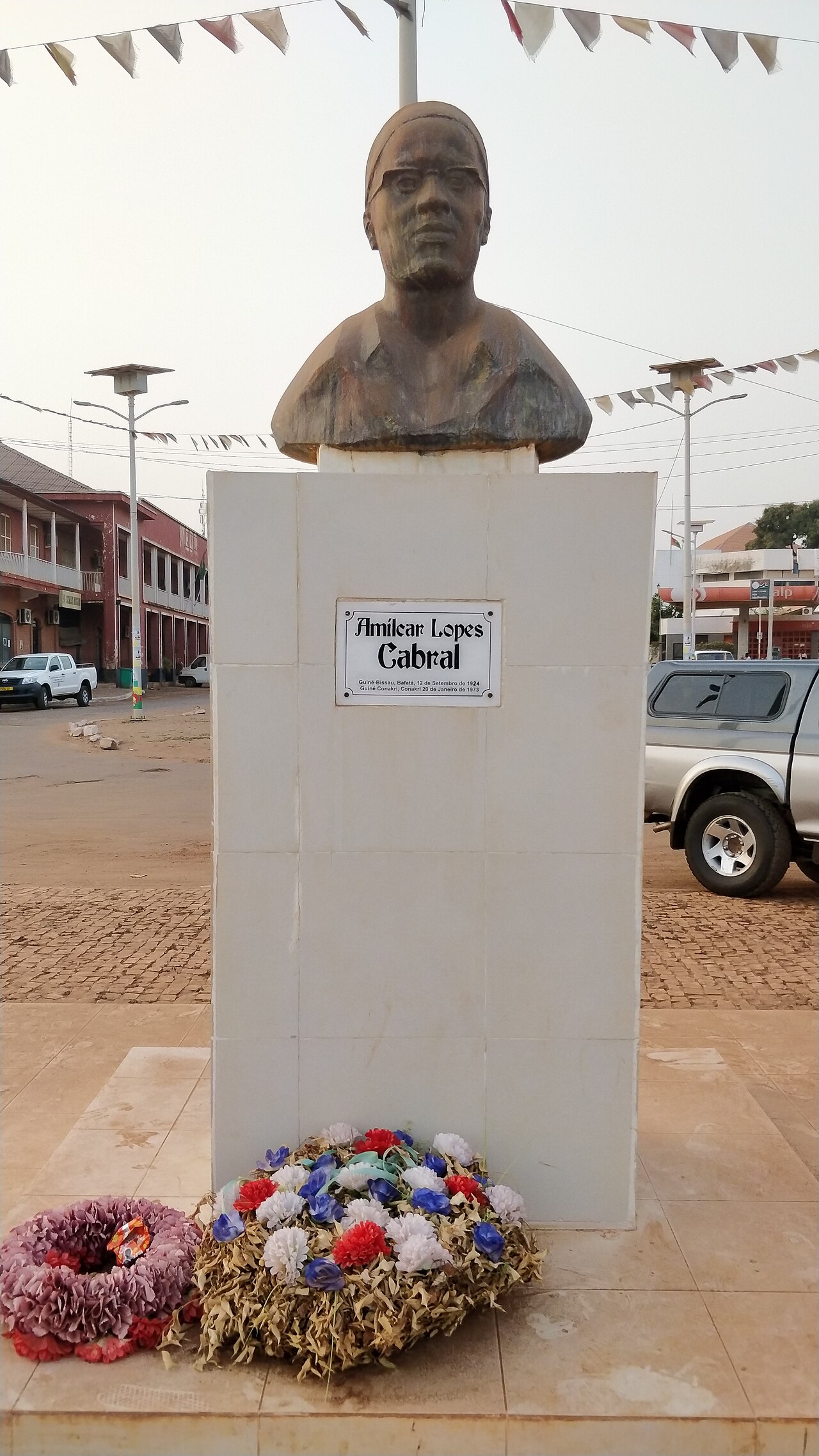
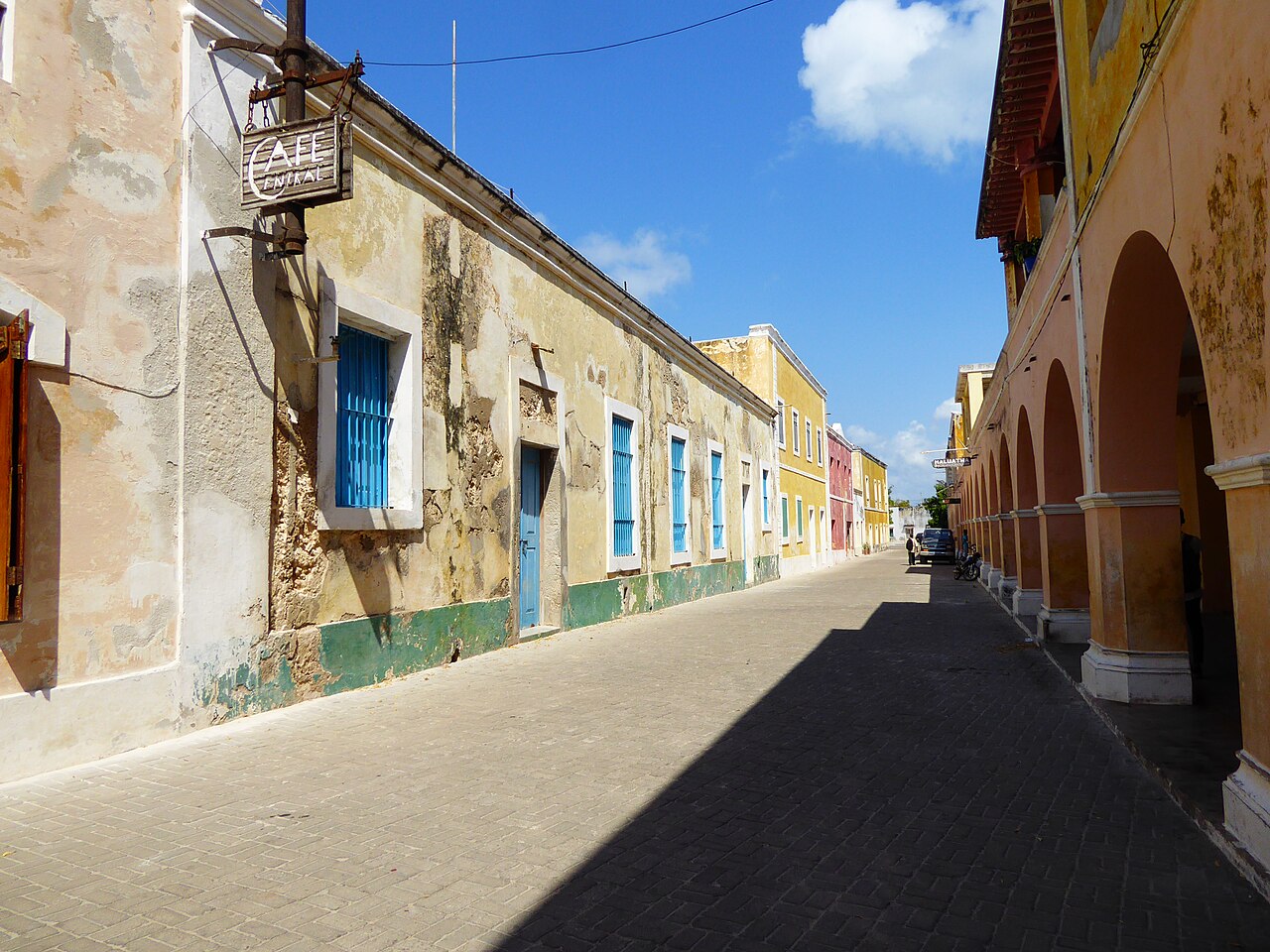
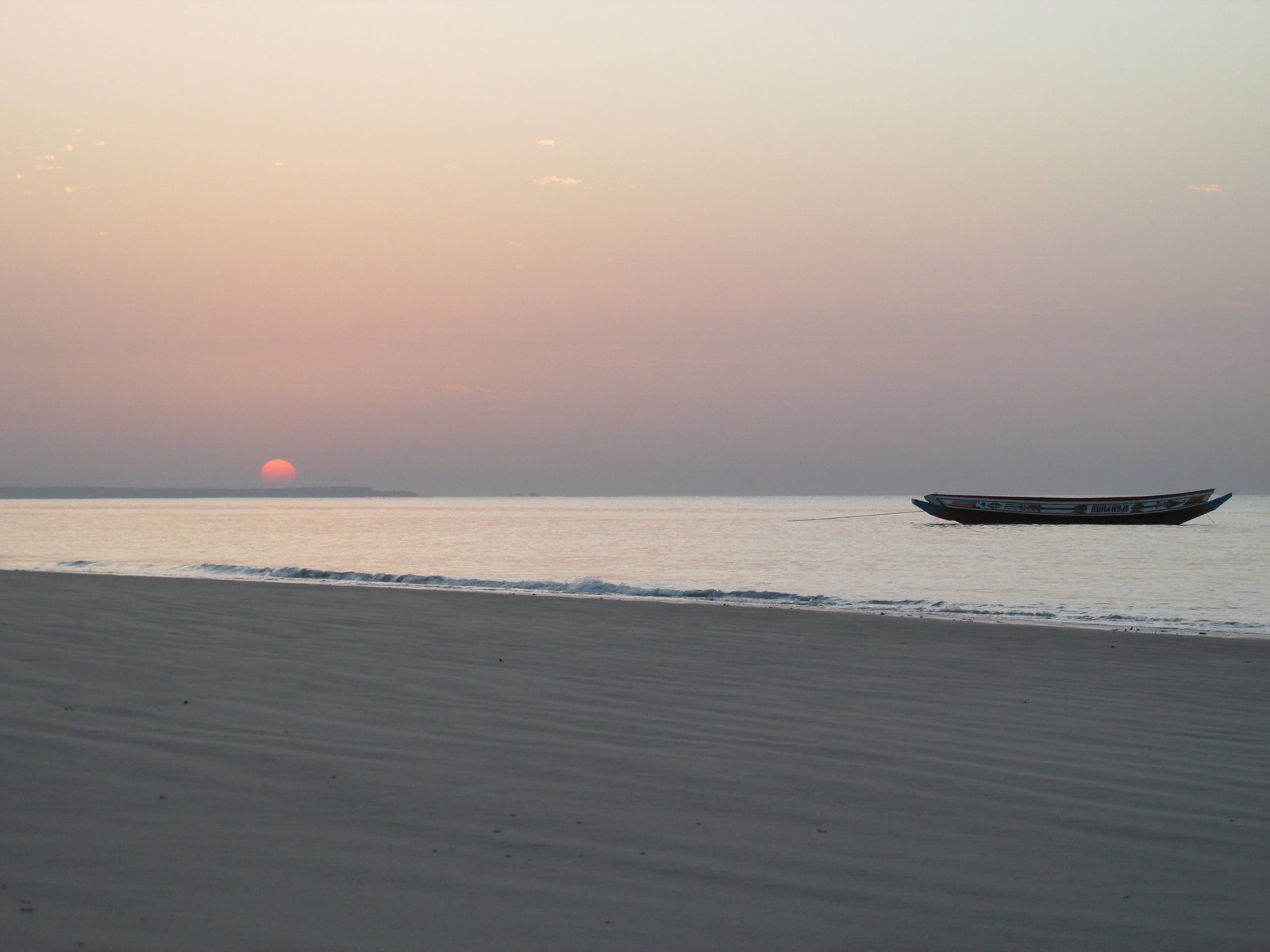
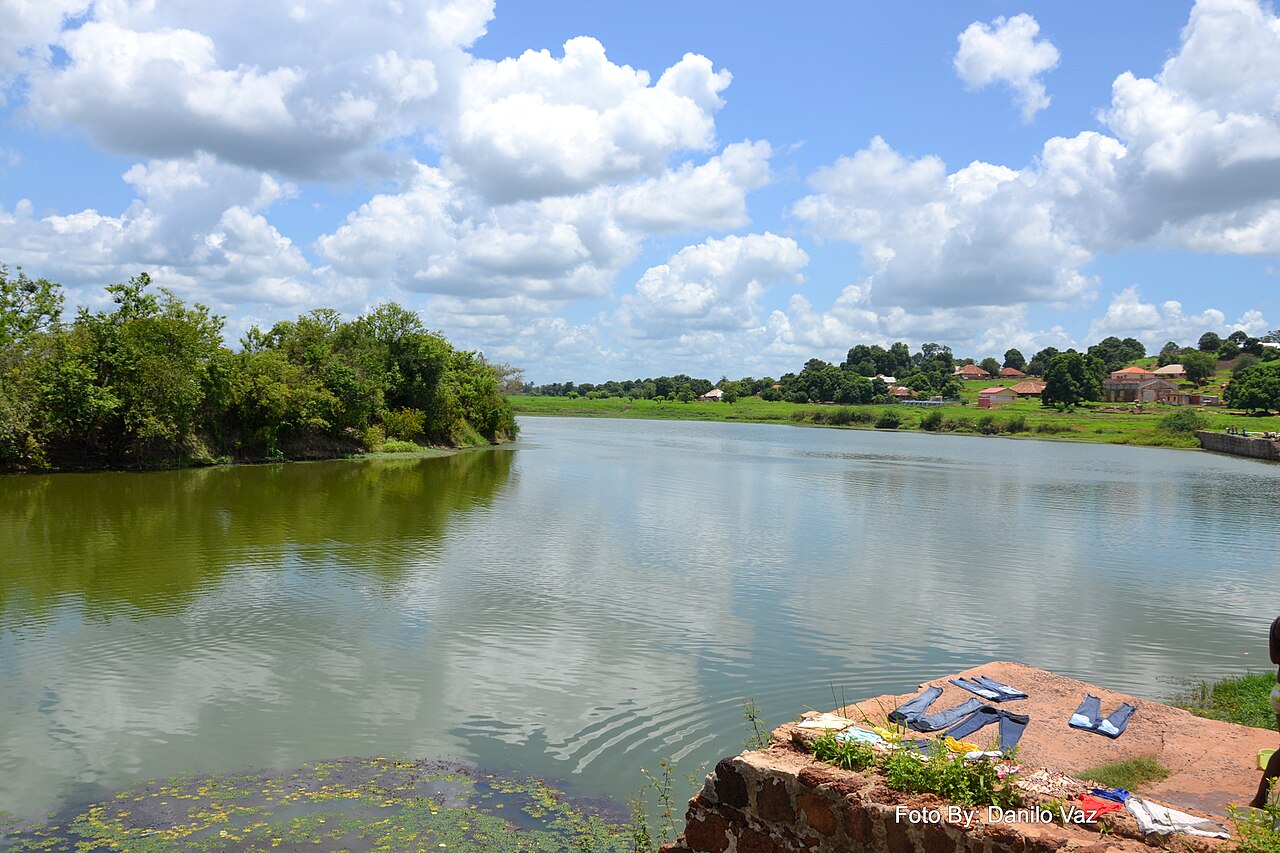
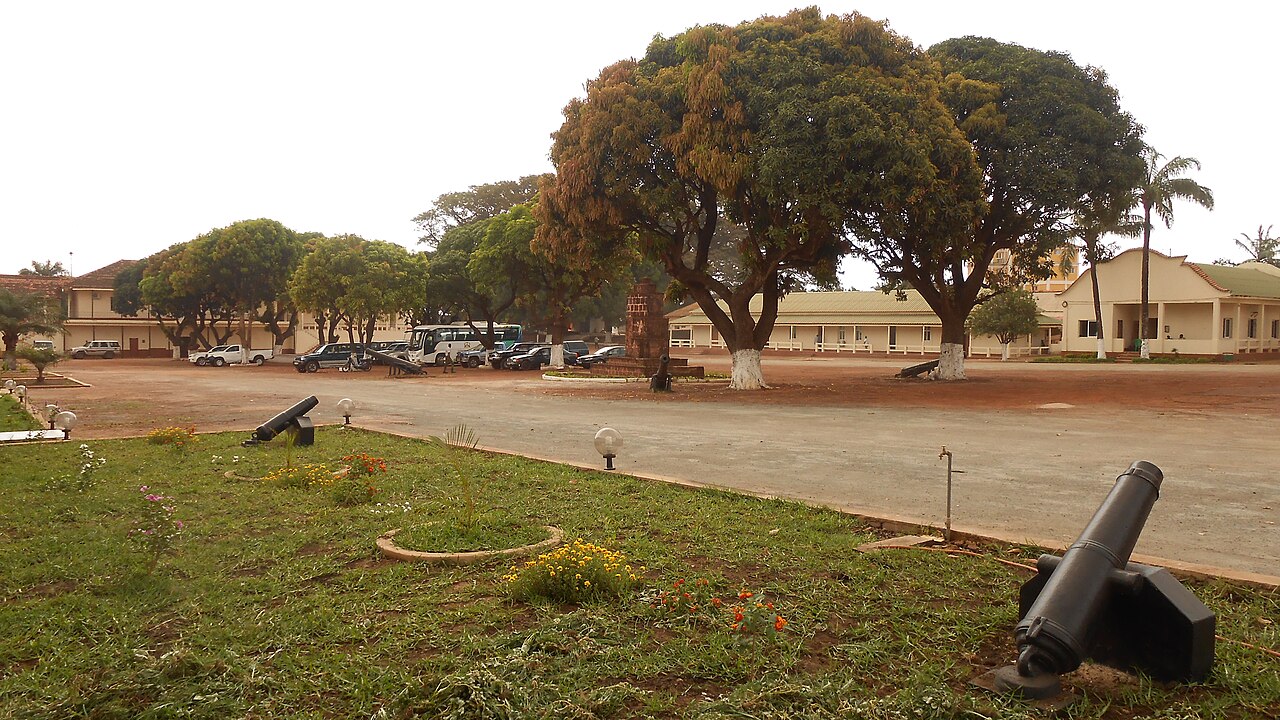
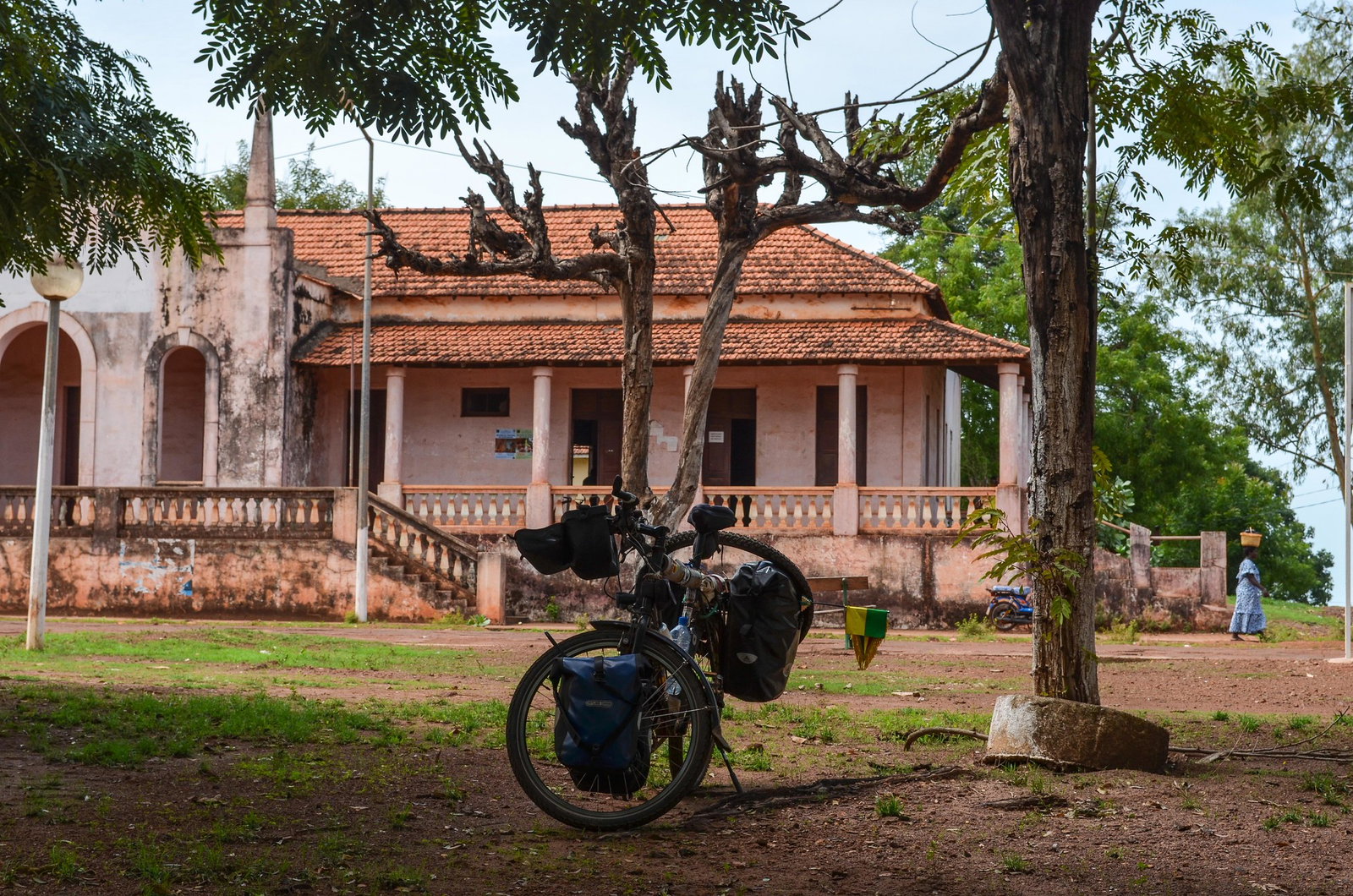
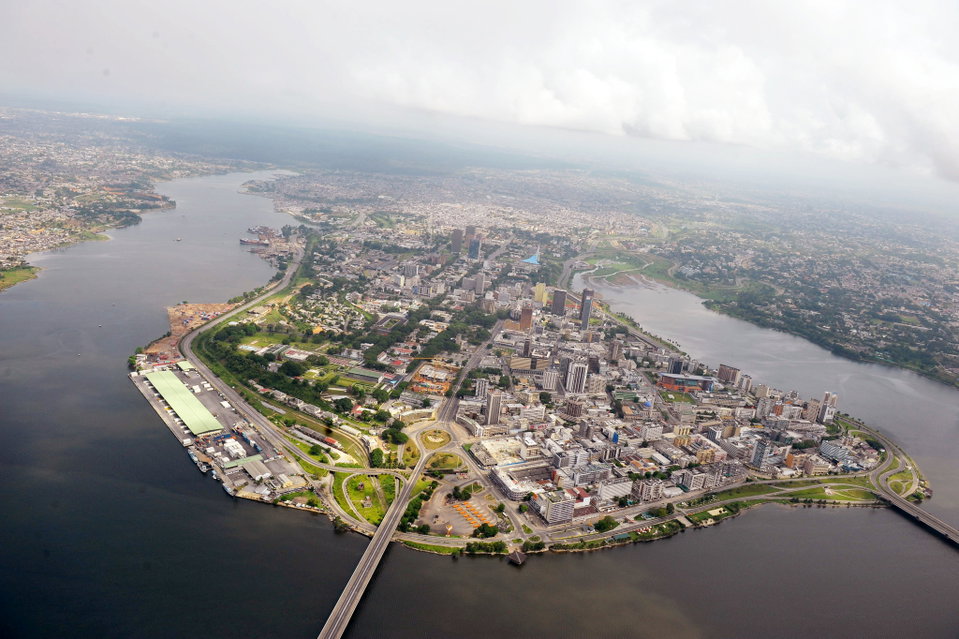
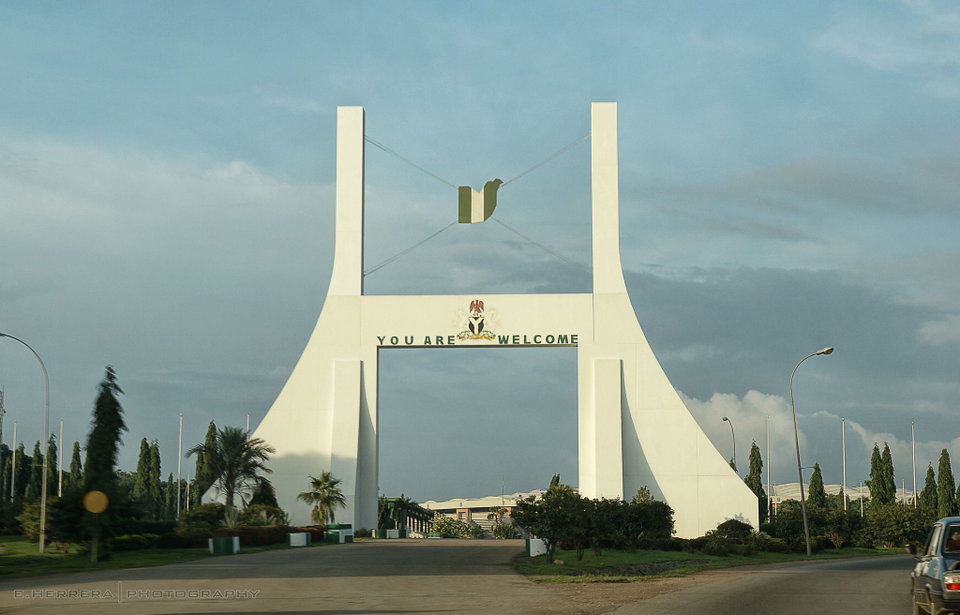
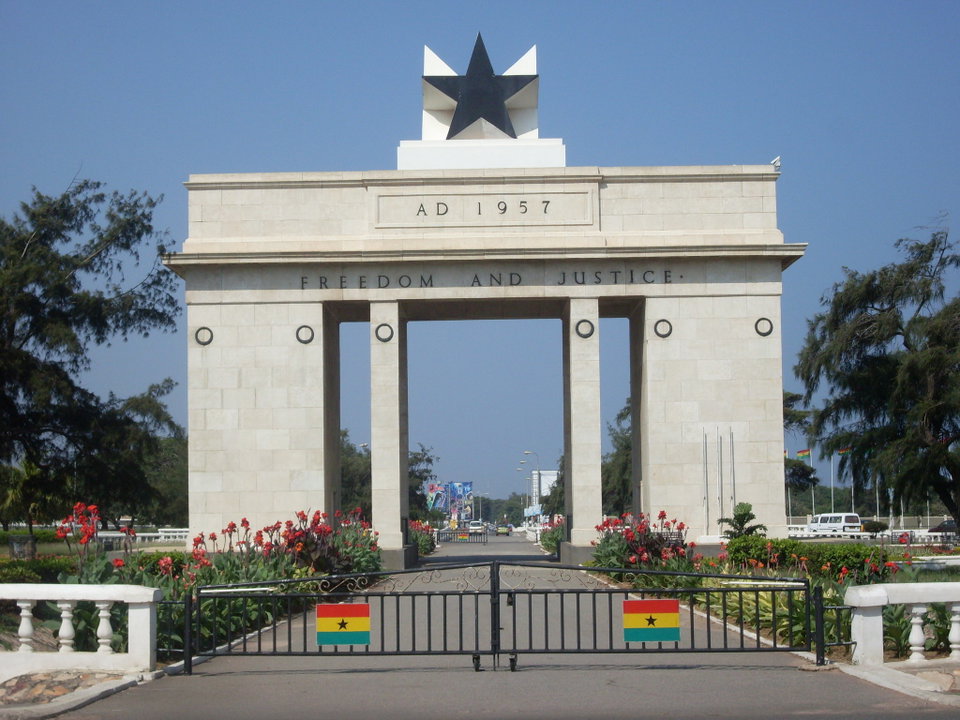
Colorful colonial buildings and fishing boats along the Geba River waterfront in Bissau, Guinea-Bissau

Destination guide

Bissau

West Africa · Guinea-Bissau

West Africa's forgotten capital — raw, real, and quietly captivating

Best season

November to May (dry season); peak comfort December–February

From Nairobi

Approx. 8–10 hrs (one stop, typically via Dakar, Casablanca, or Lisbon)

Why visit Bissau?

Bissau offers something genuinely rare in modern travel: a capital city almost entirely off the tourist trail. The Bandim Market pulses with everyday Guinean life — fabric traders, mango sellers, griot musicians — without the performance for cameras that busier cities inevitably develop. The Pidjiguiti Docks are steeped in anti-colonial history, marking the 1959 massacre that galvanised the independence movement. Crumbling pastel facades along Avenida Amílcar Cabral frame perfect street-photography compositions at every turn.

Beyond the city, Bissau is the primary gateway to the Bijagós Archipelago, a UNESCO Biosphere Reserve of 88 islands where hippos wade in saltwater and sea turtles nest on deserted beaches. Boat connections to Bubaque and beyond depart from the capital's port. For travellers with a sense of adventure and patience for genuine off-the-beaten-path experiences, Bissau punches well above its weight.

  • Gateway to the Bijagós Archipelago — a UNESCO Biosphere Reserve of 88 islands virtually unknown to international tourism
  • One of West Africa's least-visited capitals, where local life unfolds completely unfiltered
  • Bandim Market: the commercial and social heart of the city, alive with colour, sound, and trade
  • Pidjiguiti Docks — a landmark of African anti-colonial history and the birth of Guinean independence
  • Crumbling Portuguese colonial streetscapes that feel frozen in the 1970s
  • Extraordinary birding: Guinea-Bissau hosts over 400 species, many accessible from the capital

Best for

Off-the-beaten-path travellers, cultural explorers, birdwatchers, photographers

Trip style

Cultural immersion, adventure, island-hopping base

Known for

Bijagós Archipelago gateway, colonial architecture, Bandim Market, Amílcar Cabral history

Quick facts

Best time to visit

November to May (dry season); peak comfort December–February

Currency

West African CFA franc (XOF)

Languages

Portuguese (official); Kriol (lingua franca); Fula, Mandinka, Balanta and other local languages

Visa summary

Visa required for most nationalities; e-visa available online or on arrival at Osvaldo Vieira International Airport. Check requirements well in advance.

Flight time from Nairobi

Approx. 8–10 hrs (one stop, typically via Dakar, Casablanca, or Lisbon)

Airport / arrival

Osvaldo Vieira International Airport (OXB) is 9 km from the city centre; taxis are the primary transfer option.

Safety note

Exercise normal caution. Petty crime exists; avoid displaying valuables. Political instability has historically affected the country — check your government's travel advisory before departure.

Visa and entry

Look up entry rules by passport for travel to Guinea-Bissau on the Tsavaro visa checker.

Check visa requirements for Guinea-Bissau

Things to do

Explore Bandim MarketCulture

Explore Bandim Market

2–3 hours

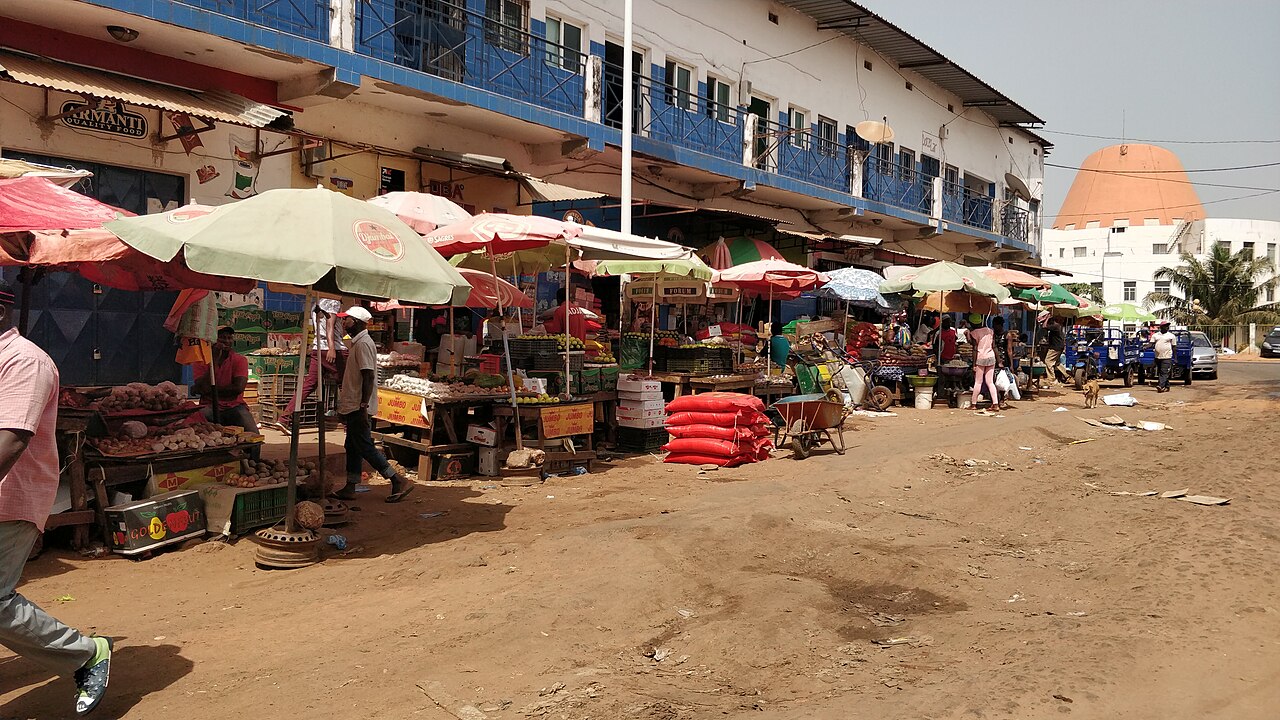
Bissau's main market is a sensory overload in the best possible way. Wander between stalls selling kente cloth, fresh fish, tropical fruits, and herbal medicines. The market is busiest in the mornings and offers an unscripted window into everyday Guinean commerce and social life.

Visit the Pidjiguiti Docks MemorialHistory

Visit the Pidjiguiti Docks Memorial

1 hour

On 3 August 1959, Portuguese colonial forces shot and killed dockworkers striking for better conditions here, an event that galvanised the independence movement led by Amílcar Cabral. The memorial at the waterfront is modest but deeply significant for understanding Guinea-Bissau's history.

Walk Avenida Amílcar CabralSightseeing

Walk Avenida Amílcar Cabral

1–2 hours

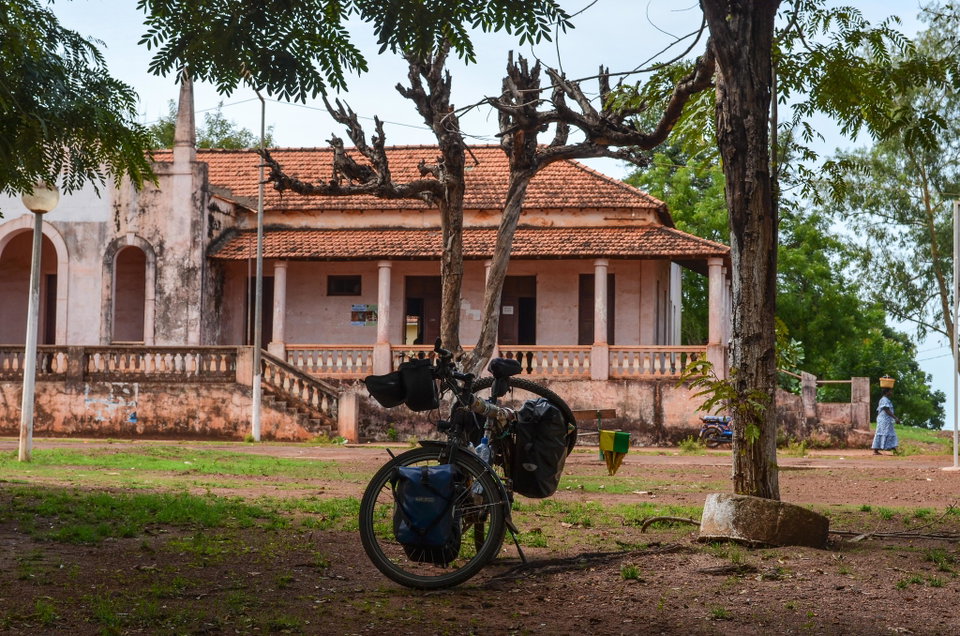
The city's main boulevard is lined with faded colonial mansions, government buildings, and the odd bougainvillea-draped courtyard. It's best explored on foot in the early morning before the heat builds, with a coffee at one of the small cafés along the way.

Day trip to the Bijagós ArchipelagoNature

Day trip to the Bijagós Archipelago

Full day or overnight

Take the ferry or a chartered speedboat from Bissau's port to Bubaque, the main island of the Bijagós. From there, explore mangrove creeks, salt-water hippos, and pristine beaches. This UNESCO Biosphere Reserve is one of West Africa's most extraordinary natural environments.

Birdwatching around the Geba EstuaryNature

Birdwatching around the Geba Estuary

Half day

The mangroves and tidal flats at the mouth of the Geba River are outstanding for waterbirds. Look for African fish eagles, various herons and egrets, pelicans, and migratory waders. Guinea-Bissau is considered one of West Africa's top birding countries with more than 400 recorded species.

Fortaleza d'AmuraHistory

Fortaleza d'Amura

1 hour

The ruins of this 18th-century Portuguese fort on the city's edge stand as a reminder of Bissau's origins as a colonial trading post. The fort is partially overgrown and atmospheric, and the elevated position offers views across the estuary.

Best time to visit Bissau

The best time to visit Bissau is during the dry season, running from November to May, with December through February offering the most comfortable temperatures (around 24–30 °C) and virtually zero rainfall.

November–February (peak dry season): Ideal conditions — warm, dry, and breezy. This is the best window for visiting the Bijagós and for birdwatching, as migratory species swell local numbers. Harmattan dust haze can reduce visibility in December–January.

March–May (late dry season): Temperatures climb toward 35 °C and humidity begins building, but it remains largely dry and is a quieter travel period with slightly lower prices.

June–October (rainy season): The West African monsoon brings heavy, daily downpours. Roads outside the city become difficult and ferry services to the Bijagós are frequently disrupted. Lush green landscapes are a silver lining, but most visitors avoid this period.

Is Bissau safe to visit?

Yes — Bissau is generally safe for tourists who take sensible precautions, though it requires more preparation than most African capital cities. Guinea-Bissau has experienced repeated coups and political instability since independence in 1974, and while daily life in Bissau is calm for the most part, the situation can change quickly. Check your government's travel advisory before and during your trip.

Petty crime (bag snatching, pickpocketing) exists, particularly around Bandim Market and at night. Avoid displaying expensive cameras, phones, or jewellery. Travel in groups after dark and use hotel-recommended taxis rather than unmarked vehicles.

Medical facilities are extremely limited — comprehensive travel health insurance including medical evacuation is essential. Malaria is endemic year-round; take antimalarials, use DEET insect repellent, and sleep under a mosquito net.

Generally, locals are welcoming and curious about foreign visitors. Engaging respectfully and learning a few words of Kriol goes a long way.
Suggested itinerary

4 Days in Bissau & Beyond

This plan is designed for an independent traveller using Bissau as a base, moving at a relaxed pace. It assumes mid-range budget accommodation in the city and one overnight on Bubaque Island. Internal travel is by taxi and public ferry.

Day 1

Arrival & the colonial city centre

Arrive at Osvaldo Vieira International Airport and transfer to your hotel in the city centre. After settling in, walk Avenida Amílcar Cabral in the late afternoon when the light is golden and the heat eases. Find a local restaurant for a dinner of jollof rice or fresh Geba River fish.

Bissau — Arrival & the colonial city centre

Travel essentials

Getting around

Within Bissau, yellow taxis (shared or hired privately) are the main mode of transport. Agree on the fare before setting off. Motorcycle taxis (jakarta) are common for short hops. There is no reliable public bus system. For the Bijagós, the national ferry company TRANSCOR operates a weekly service from Bissau port to Bubaque; privately chartered speedboats are faster but significantly more expensive.

Typical costs

Bissau is inexpensive by international standards. Budget travellers can manage on USD 30–50 per day covering basic guesthouse accommodation, local meals, and taxis. Mid-range hotels run USD 60–100 per night. Meals at local restaurants cost USD 3–8; a cold beer around USD 1–2. The ferry to Bubaque costs roughly USD 10–15 each way.

Culture and etiquette

Guinea-Bissau is a predominantly Muslim country in the north and animist/Christian in the south. Dress modestly, particularly outside the capital. Always greet elders and hosts before getting to business — relationships and pleasantries matter. Ask permission before photographing people, especially at markets and religious sites. Friday is the Muslim day of prayer; some businesses close at midday.

Safety and planning

Register with your embassy before travel. Purchase comprehensive travel insurance with medical evacuation cover. Take malaria prophylaxis and ensure yellow fever vaccination (required for entry). Carry a photocopy of your passport at all times and keep the original secure. Avoid political gatherings and demonstrations.

Connectivity

Mobile data (3G/4G) is available in Bissau through operators MTN and Orange Guinea-Bissau. SIM cards are inexpensive and available at the airport and city kiosks. Wi-Fi in hotels is unreliable — a local SIM is strongly recommended. Electricity runs at 220V/50Hz; power outages are frequent, so carry a power bank.

Payments

Cash is king in Bissau. The West African CFA franc (XOF) is the currency; euros are widely accepted as a secondary currency and are easy to exchange. ATMs exist at a few banks on Avenida Amílcar Cabral but are frequently out of service — arrive with sufficient cash. Credit cards are not accepted outside the very top hotels.

Bissau travel FAQs

More destinations to explore

Bissau, Guinea-Bissau