 Beach & Outdoors
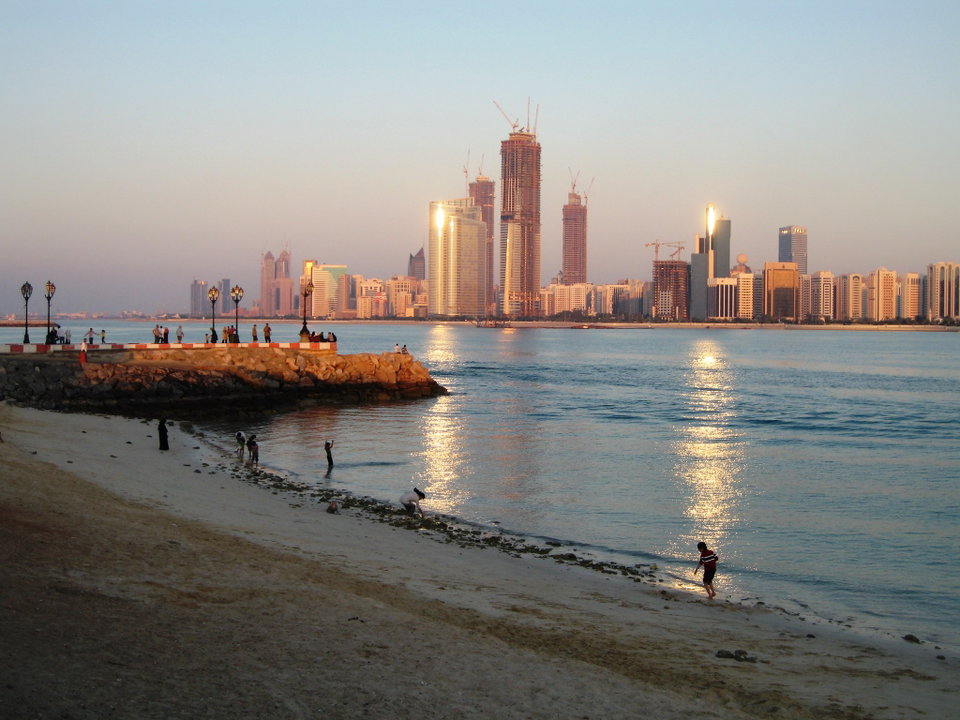
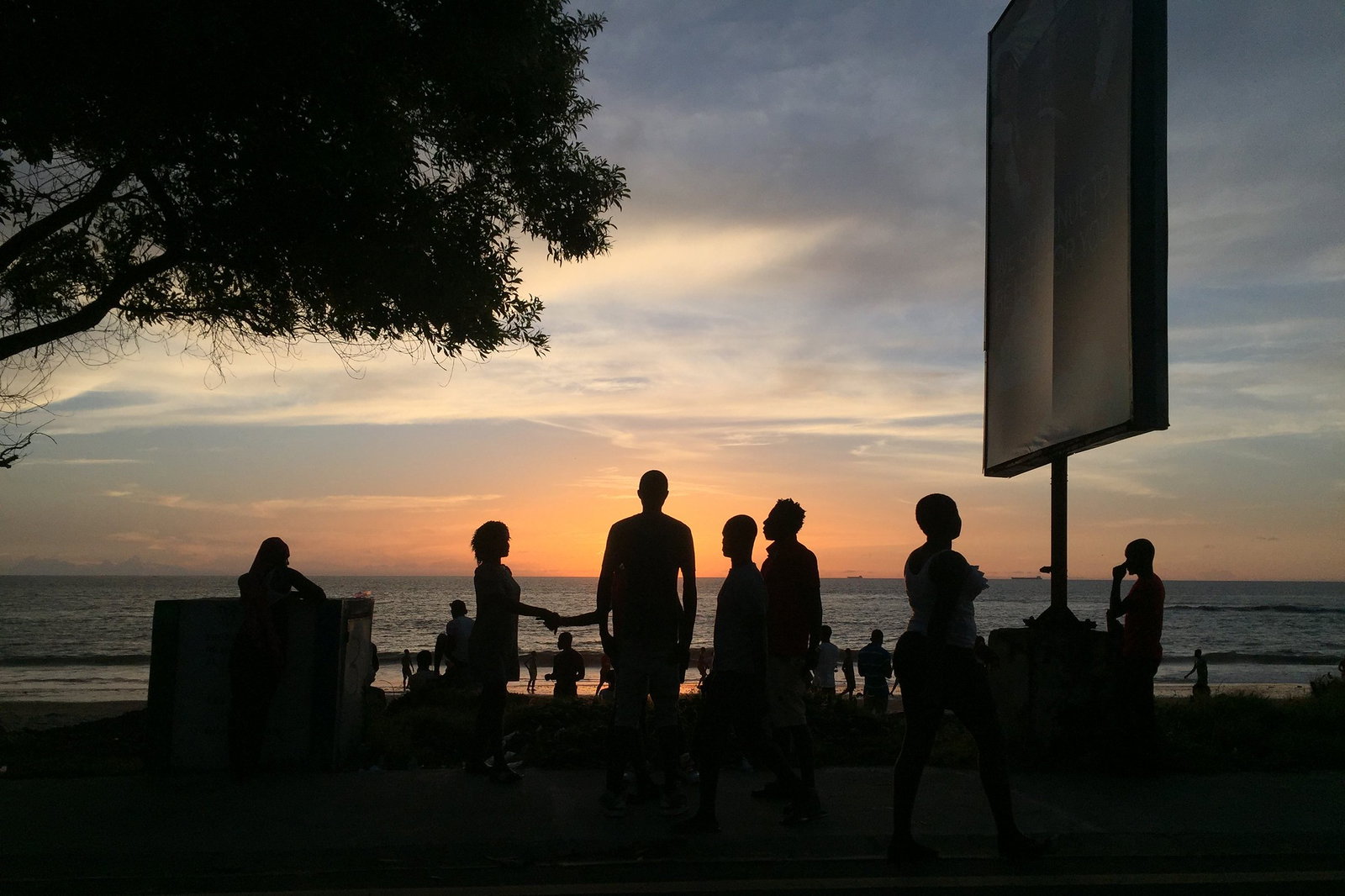
Lumley Beach sunset walk
1–2 hours
Stroll the broad sweep of Lumley Beach as the sun drops into the Atlantic. Beach bars, grilled fish vendors, and local families crowd the shore at dusk — it is the social heart of the city.
Destination guide
Western Area, Sierra Leone · Sierra Leone
West Africa's hillside capital — raw, resilient, and strikingly beautiful
Best season
November to April (dry season) — warm, sunny days with little rain; December to February is peak season
From Nairobi
Approximately 7–8 hours (usually via Addis Ababa, Lagos, or Accra; no direct service)
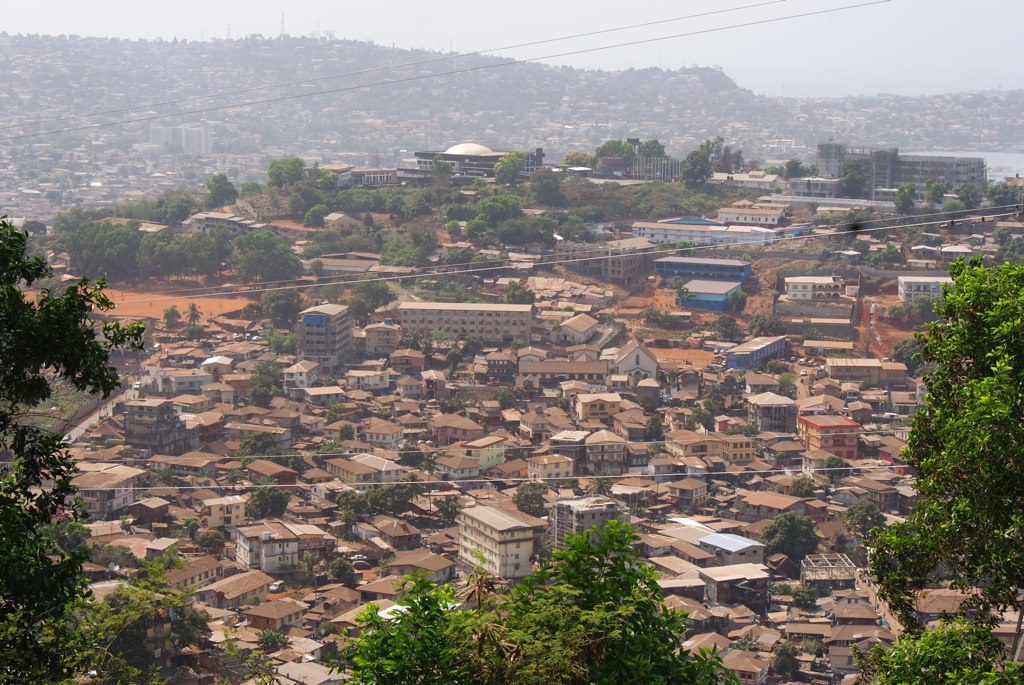
Freetown rewards travellers willing to look beyond the familiar. Its hillside neighbourhoods — Old Wharf, Hill Station, Lumley — offer sweeping ocean vistas and a street-level energy that feels genuinely unfiltered. The city's beaches, from Lumley Beach in the suburbs to the quieter sands at Lakka and River No. 2 just outside the city, rival anything in the region and remain largely free of mass tourism.
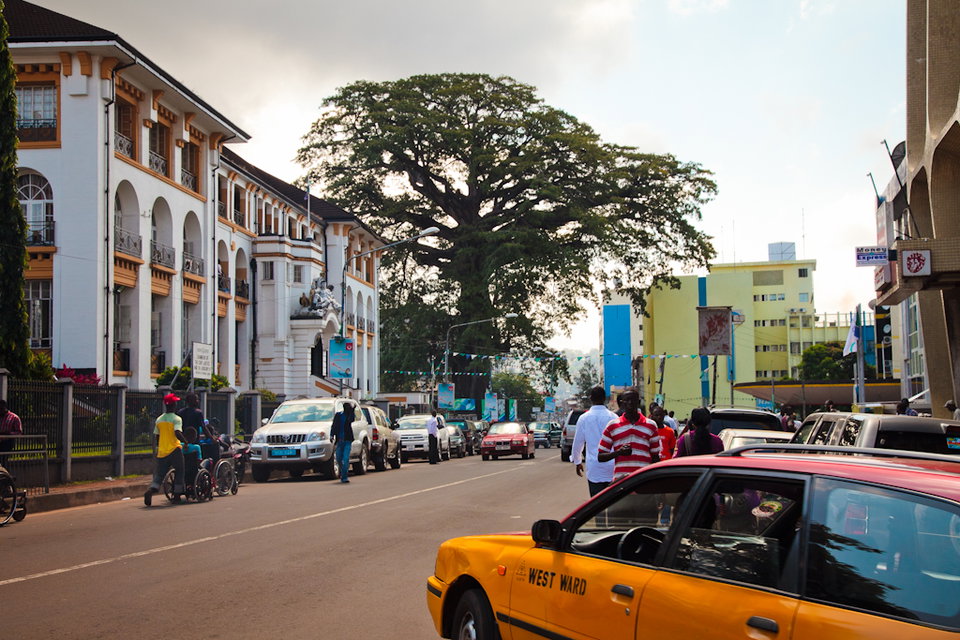
History runs deep here. The 500-year-old Cotton Tree in the city centre is the symbolic heart of the freed-slave settlement. The King's Yard Gate, the old Fourah Bay College campus (founded 1827 — the first university in sub-Saharan Africa), and the National Museum all tell the story of an extraordinary city. Add outstanding seafood, lively nightlife in Lumley, a growing surf and diving scene, and a resilient, deeply hospitable population, and Freetown becomes one of West Africa's most compelling destinations.
Best for
Beach lovers, history buffs, adventure travellers, surfers, West Africa first-timers
Trip style
City break, beach escape, cultural immersion, off-the-beaten-track
Known for
Freed-slave heritage, Krio culture, Atlantic beaches, the Cotton Tree, Lumley Beach, Sierra Leonean cuisine, vibrant nightlife
Best time to visit
November to April (dry season) — warm, sunny days with little rain; December to February is peak season
Currency
Sierra Leonean Leone (SLL / Le). USD widely accepted in hotels and tourist businesses.
Languages
English (official); Krio spoken by almost everyone as a lingua franca; Temne and Mende widely spoken
Visa summary
Most nationalities require a visa. E-visas available online before travel. Yellow fever vaccination certificate required on arrival.
Flight time from Nairobi
Approximately 7–8 hours (usually via Addis Ababa, Lagos, or Accra; no direct service)
Airport / arrival
Lungi International Airport (FNA) sits across the Sierra Leone River estuary. Arrival involves a hovercraft, helicopter, or water taxi to Aberdeen Jetty (30–45 min), or a long road detour via the Lungi–Freetown Bridge (when open). Budget time and transfers carefully.
Safety note
Generally safe for tourists in main areas. Petty theft exists; avoid displaying valuables. Follow local advice on neighbourhoods after dark.
Visa and entry
Look up entry rules by passport for travel to Sierra Leone on the Tsavaro visa checker.
Check visa requirements for Sierra LeoneBeach & Outdoors1–2 hours
Stroll the broad sweep of Lumley Beach as the sun drops into the Atlantic. Beach bars, grilled fish vendors, and local families crowd the shore at dusk — it is the social heart of the city.
 Beach & Outdoors
Full day
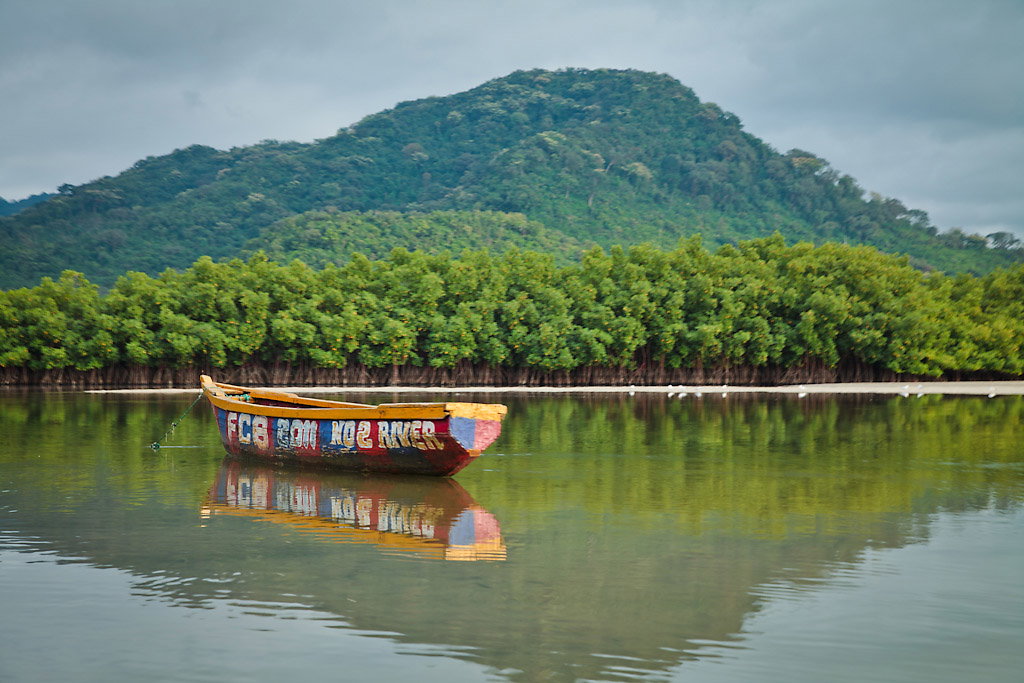
Rated one of West Africa's most beautiful beaches, River No. 2 sits 25 km south of the city where a freshwater river meets the sea. Ideal for swimming, kayaking, and fresh seafood lunches under palm shelters.
 History & Culture
2–3 hours
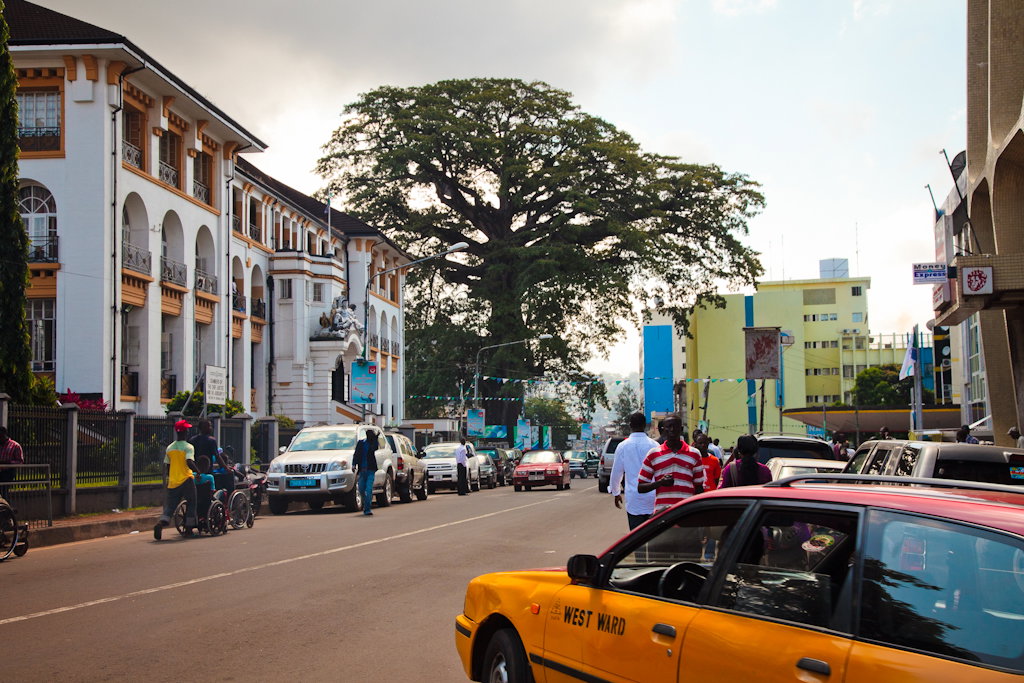
Stand beneath the ancient kapok tree at the top of Siaka Stevens Street, then explore King's Yard Gate, St George's Cathedral, and the colonial-era facades of downtown Freetown on a self-guided or guided walk.
 History & Culture
Half day
Climb to the historic 1827 college campus for sweeping panoramas over the city and estuary. The campus architecture and tree-covered hillside feel worlds apart from the bustle below.
 History & Culture
1–2 hours
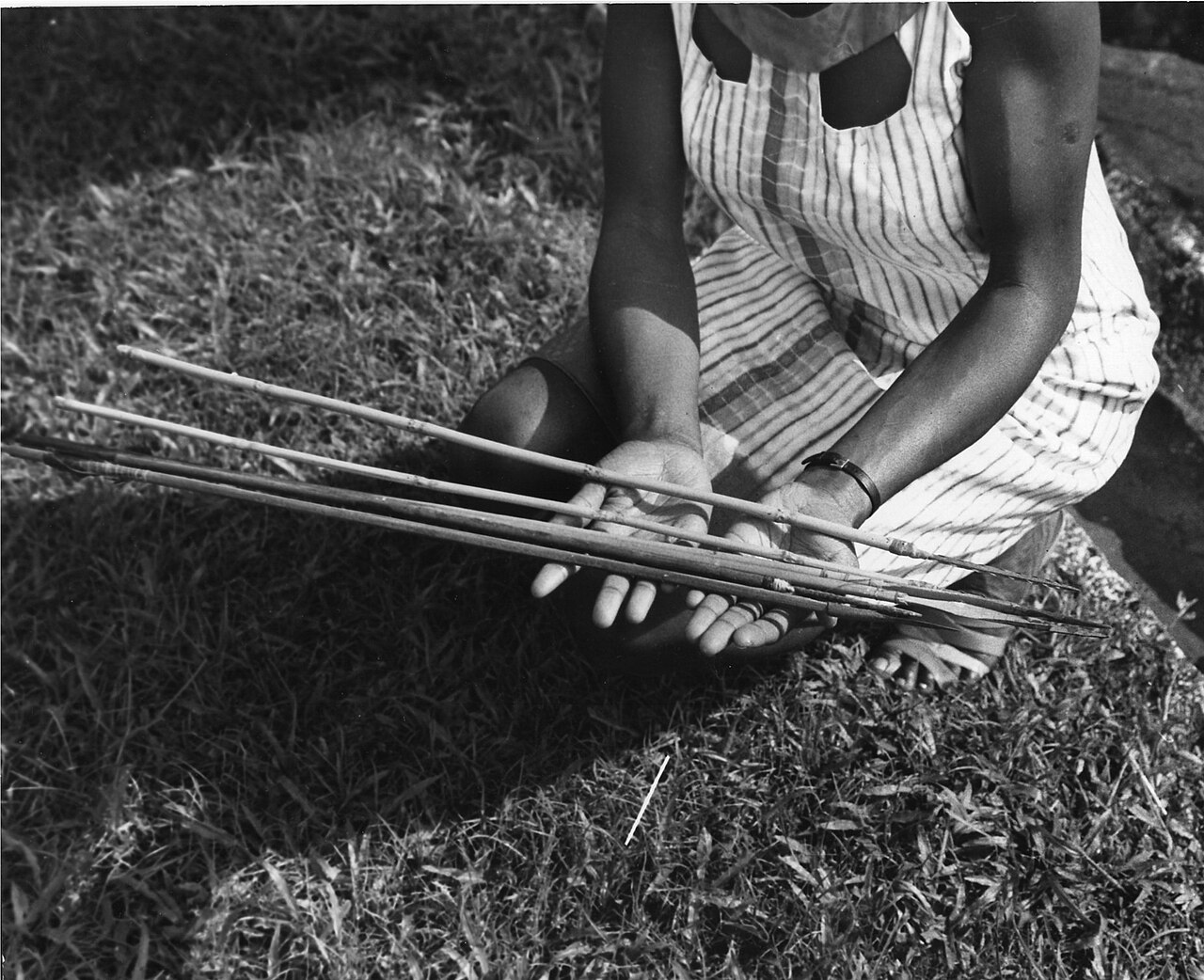
A compact but rewarding museum in the city centre covering the country's pre-colonial kingdoms, the slave trade, the Krio community, and the civil war period. Essential context for first-time visitors.
 Wildlife & Nature
Half day
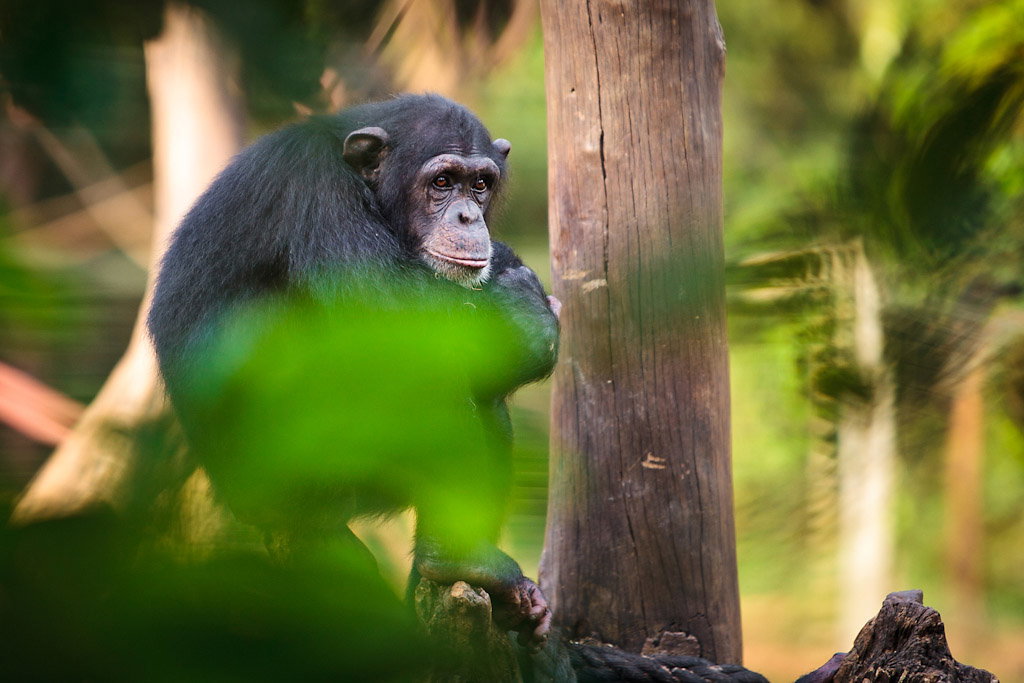
Home to over 100 rescued chimpanzees in 100 acres of forest on the slopes of the Western Area Peninsular Forest. Guided tours offer close encounters and explain conservation efforts in Sierra Leone.
The best time to visit Freetown is November to April, during the dry season, when days are sunny and humid, rainfall is minimal, and the beaches and roads are at their most accessible.
November–April (Dry Season): This is the ideal window. December to February is peak season — warm temperatures (27–32°C), clear skies, and calm seas make this perfect for beach holidays, boat trips to Bunce Island, and hiking in the Western Area Forest. Harmattan winds from the Sahara can bring haze and dust in January–February but rarely disrupt travel plans.
May–October (Rainy/Green Season): Sierra Leone has one of the highest rainfalls in West Africa, and Freetown receives the bulk between June and September. The city can see 500 mm in a single month at the peak. Roads — especially to southern beaches — can become muddy and difficult. However, the landscape is lush and green, prices drop, and the waterfalls and rivers are at their most dramatic. Budget travellers willing to work around afternoon downpours can find excellent value.
Surfers note: the best Atlantic swells at Bureh and John Obey arrive during the rainy season (May–October), making it worthwhile for dedicated surf trips even in the wetter months.
Yes — Freetown is generally safe for tourists who take standard urban precautions, and violent crime against visitors is rare. The city has rebuilt significantly since the end of the civil war in 2002 and receives a growing number of independent travellers each year.
Petty theft (pickpocketing, bag-snatching) does occur, particularly in crowded markets like Kissy Street and around ferry terminals. Keep cameras and phones out of sight in these areas, carry minimal cash, and use hotel safes for passports and valuables.
Transport safety: the Lungi–Freetown water crossing is generally safe but can be uncomfortable in rough weather. Use reputable hovercraft or speed-boat operators rather than overloaded pirogues. Road conditions outside the city centre deteriorate in the rainy season — hire experienced local drivers for peninsula excursions.
Health: malaria is present year-round; take prophylaxis and use DEET. Yellow fever vaccination is mandatory for entry. Drink bottled or filtered water only.
Neighbourhoods: the Lumley, Aberdeen, and Hill Station areas are the most visitor-friendly. Avoid wandering unfamiliar downtown streets alone after dark. The Western Area peninsula south of the city is peaceful and low-risk.
Overall, travellers who plan their transfers carefully, use reputable guides, and apply common city-travel sense will have a trouble-free visit.
Suggested itinerary
This plan uses Freetown as a base throughout, covering the city's cultural highlights in the first two days and the peninsula's beaches and forest in days three to five. Suited to mid-range travellers comfortable with local taxis and water taxis. Internal transfers are short; no domestic flights needed.
Day 1
Cross from Lungi Airport by hovercraft or water taxi to Aberdeen Jetty, then head to Lumley — the neighbourhood closest to the beach strip and most practical base. After checking in, walk down to Lumley Beach for an early evening stroll and a cold Star Beer or palm wine at one of the beachside bars. Dinner at a local grill: opt for grilled barracuda with pepper sauce.
Within Freetown, poda-podas (minibuses) and okadas (motorcycle taxis) are the cheapest options but can be chaotic for newcomers. Kekes (three-wheeled auto-rickshaws) and regular taxis (negotiate the fare before you get in) are more practical. Ride-hailing apps have limited coverage. For peninsula beaches, hire a private driver or join an organised day tour — road quality varies and local knowledge is useful.
Freetown sits in the mid-range for West Africa. Budget travellers can get by on USD 40–60/day staying in guesthouses and eating local chop houses. Mid-range travellers spending on comfortable hotels, restaurant meals, and day tours should budget USD 100–180/day. The Lungi crossing (hovercraft) costs around USD 25–40 one-way. Beach day trips by private taxi: USD 30–60 return.
Sierra Leoneans are famously warm and welcoming. Greetings matter enormously — always say hello before asking a question or taking a photo. Ask permission before photographing people. Modest dress is appreciated away from beach areas; cover shoulders and knees when visiting mosques, churches, or government buildings. Krio phrases ("Aw di bodi?" — How are you? "A dae fine" — I'm fine) go down extremely well.
Register with your embassy on arrival for longer stays. Purchase comprehensive travel insurance including medical evacuation — healthcare facilities in Freetown are limited and serious cases are evacuated to Dakar or London. Carry a photocopy of your passport and visa stamp at all times; leave originals in a hotel safe. Note the location of your country's embassy or consulate on arrival.
SIM cards from Africell and Orange Sierra Leone are widely available and cheap — buy at the airport or in the city. 4G coverage is reasonable in Lumley, Aberdeen, and the city centre; patchy on the southern peninsula. Hotel Wi-Fi is available in most mid-range and above properties. VPNs are not restricted.
Cash is king in Freetown. USD and GBP are widely accepted in hotels, lodges, and tourist-facing businesses. Local Leones are needed for markets, street food, and local taxis. ATMs exist at main banks (Ecobank, Sierra Leone Commercial Bank) in the city centre and Lumley but are sometimes unreliable — arrive with sufficient USD cash. Credit cards accepted only in upmarket hotels.
Freetown, Sierra Leone