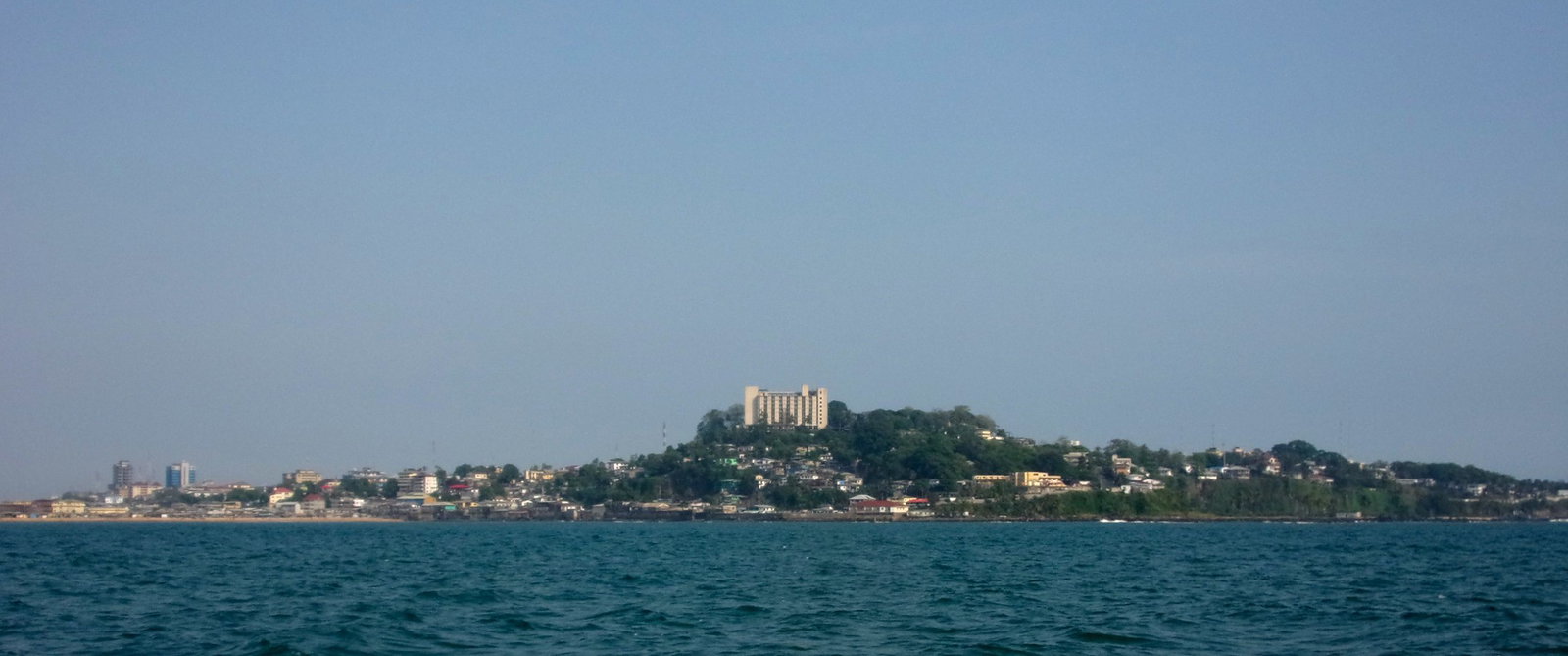
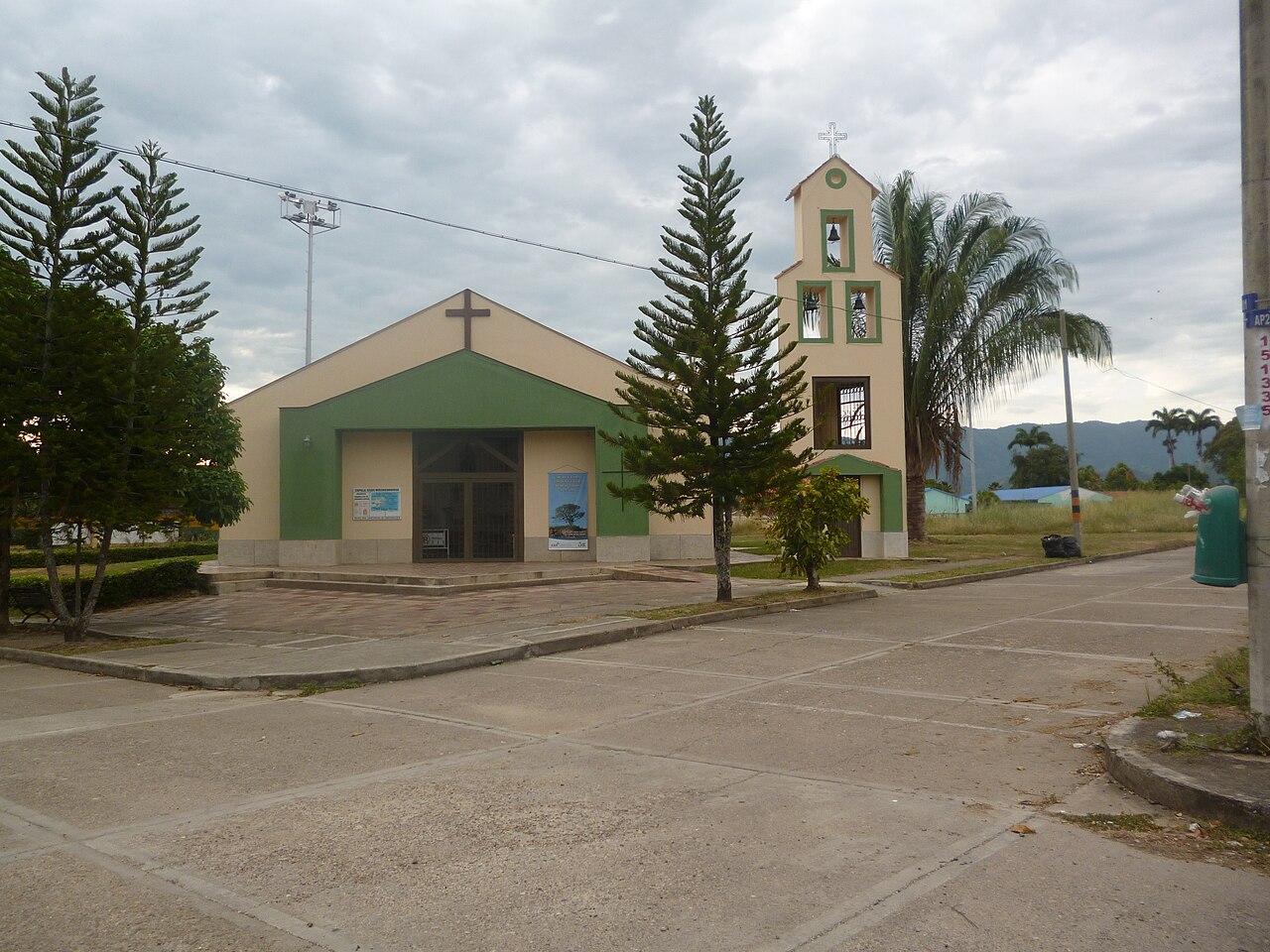
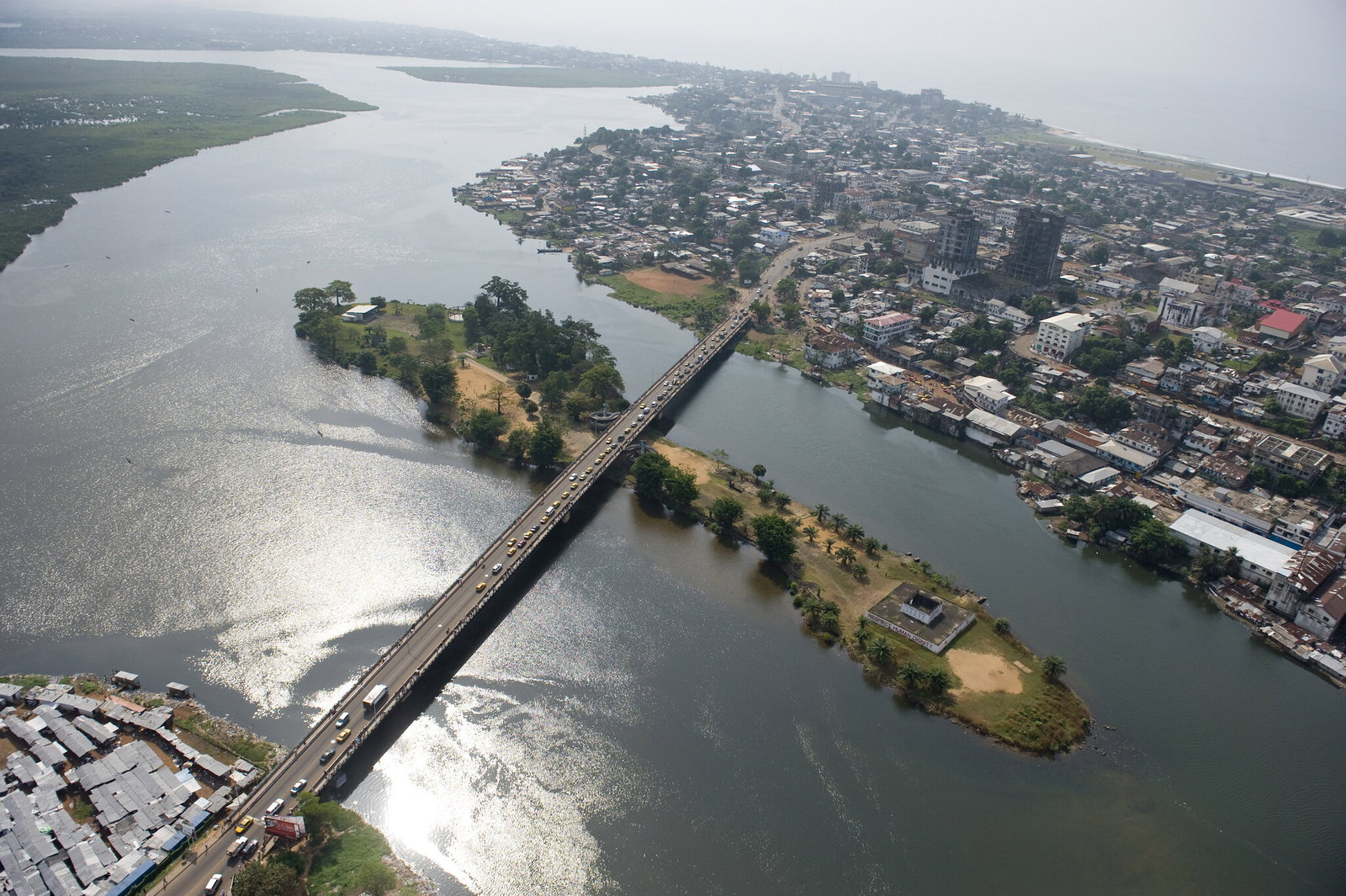
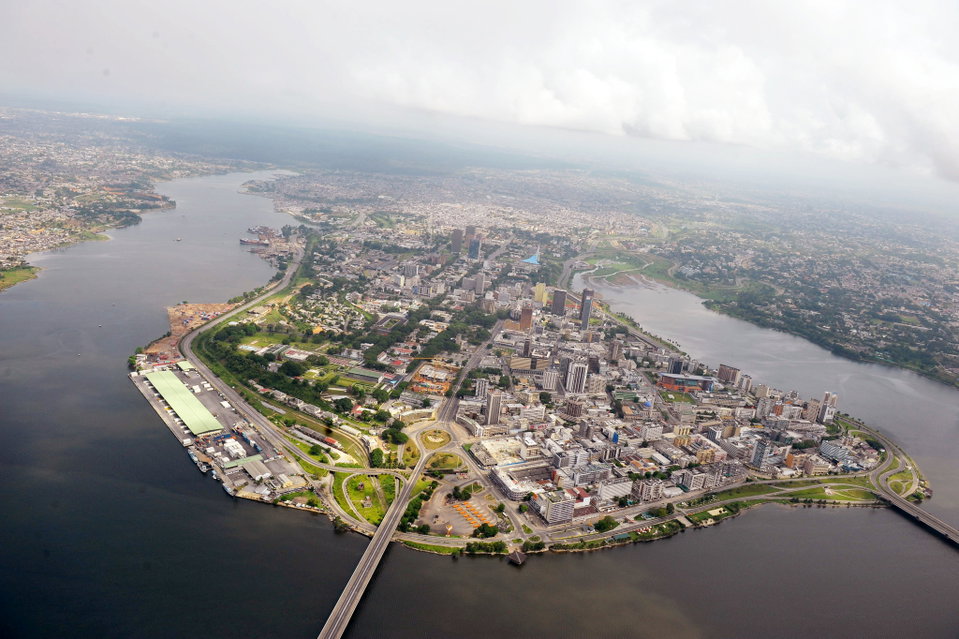
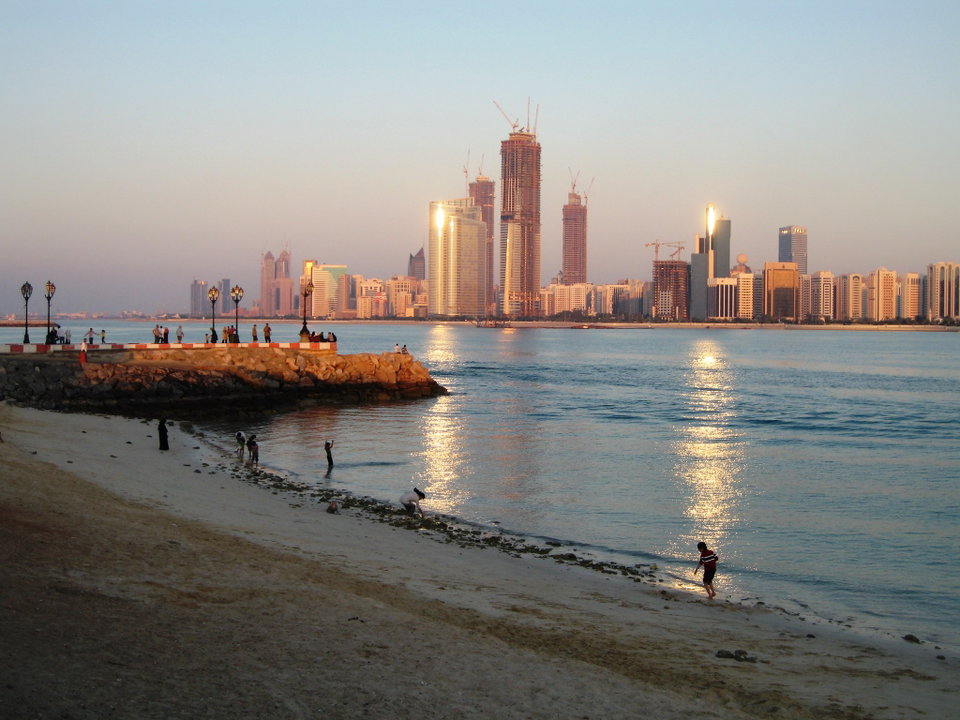
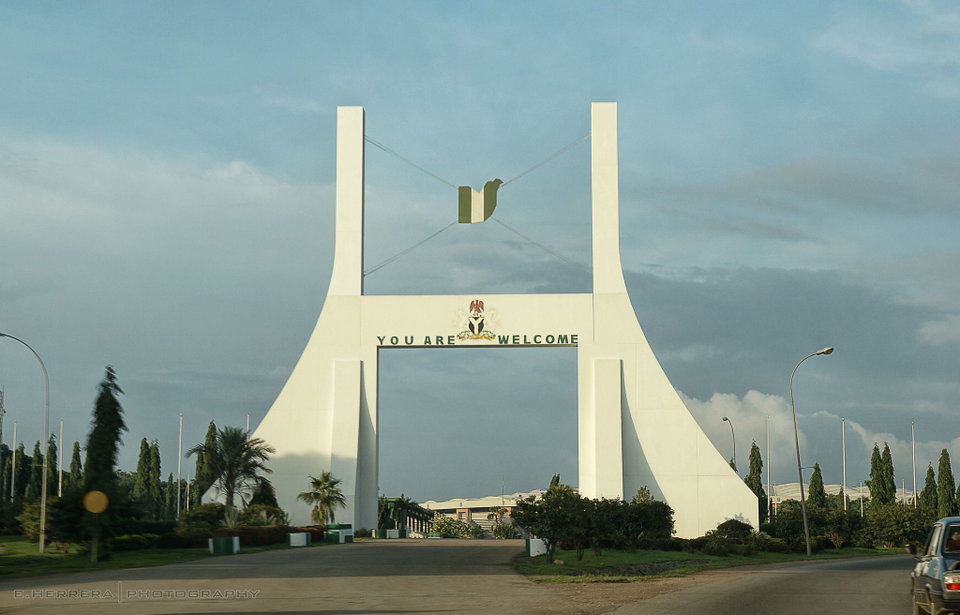
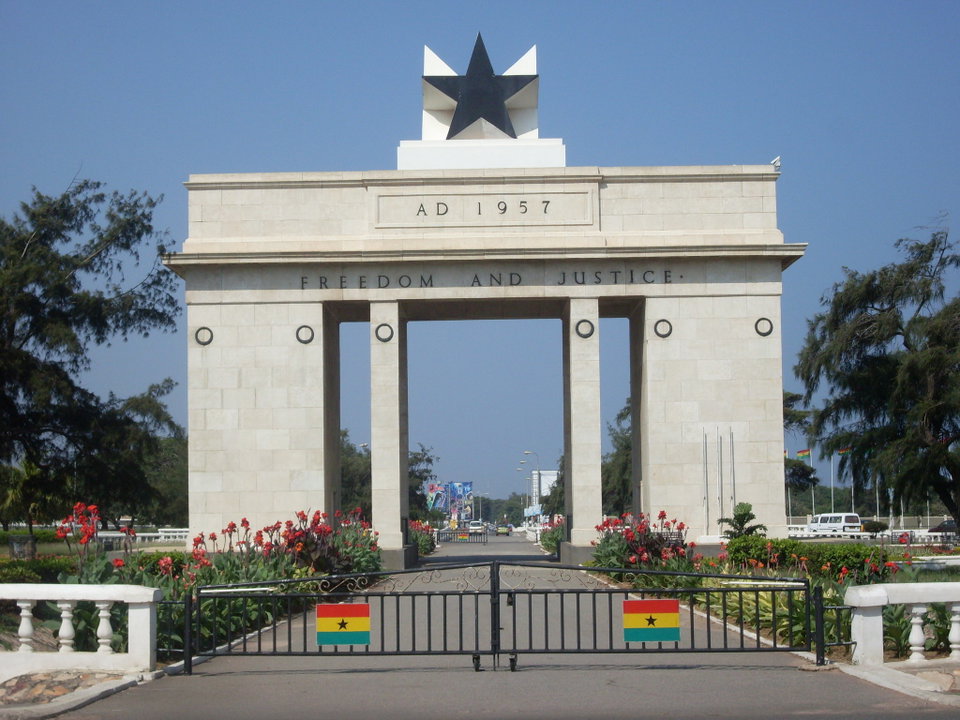
Aerial view of Monrovia's Atlantic coastline with fishing boats and the city skyline at dusk

Destination guide

Monrovia

West Africa · Liberia

West Africa's ocean-front capital — raw, resilient, and quietly opening up to curious travellers

Best season

November to April (dry season) — long sunny spells, calmer seas, and easier road travel

From Nairobi

Approximately 8–10 hours (with one stop, typically via Addis Ababa or Accra)

Why visit Monrovia?

Monrovia rewards travellers who step off the beaten path. The city is one of the few Anglophone capitals on the West African coast, making navigation easy, and its people are renowned across the region for their warmth and hospitality. The Atlantic coastline — stretching from Elwa Beach in the south to Kendeja in the north — offers uncrowded surf and sand almost unheard of in African capital cities.

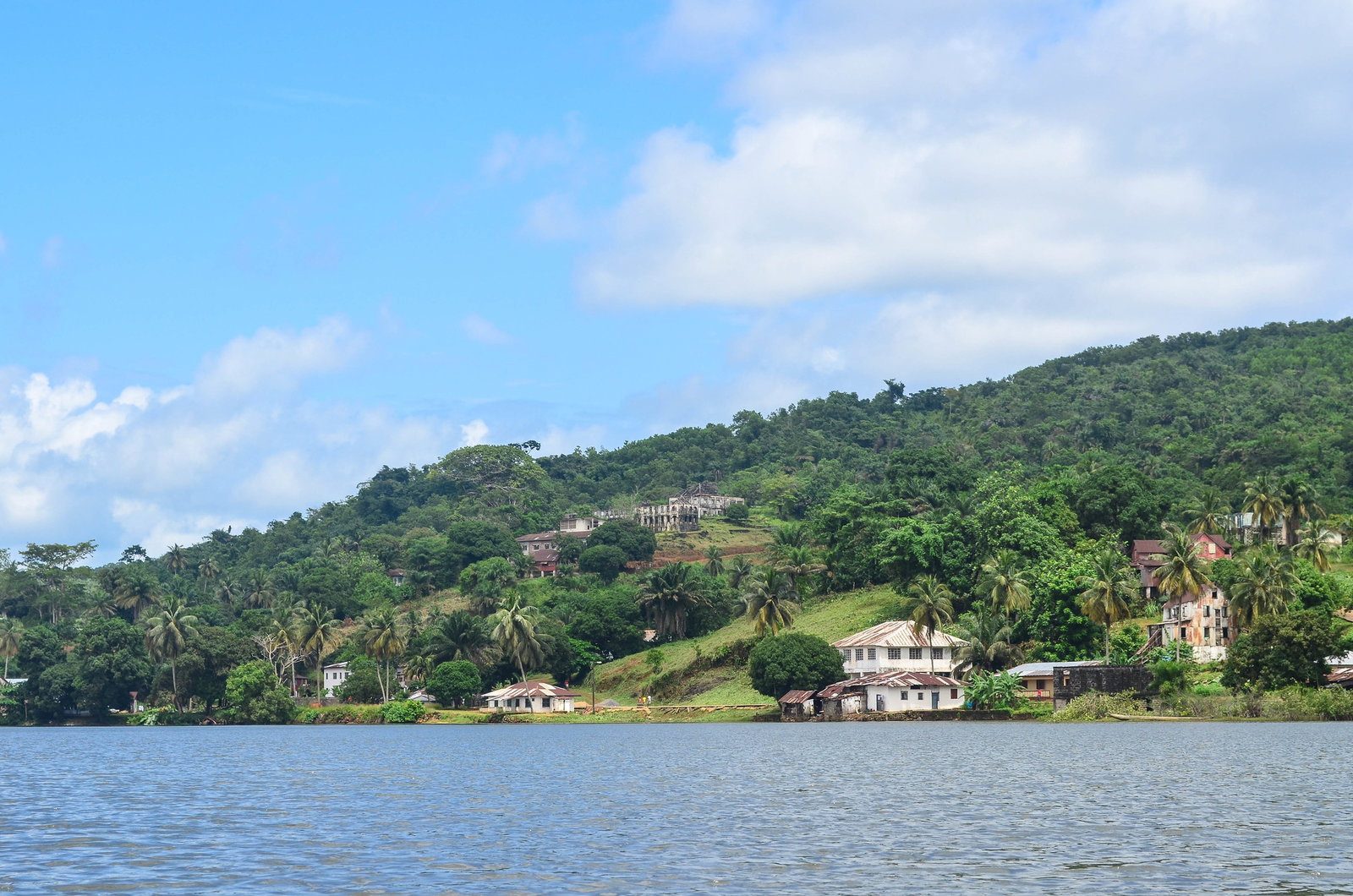
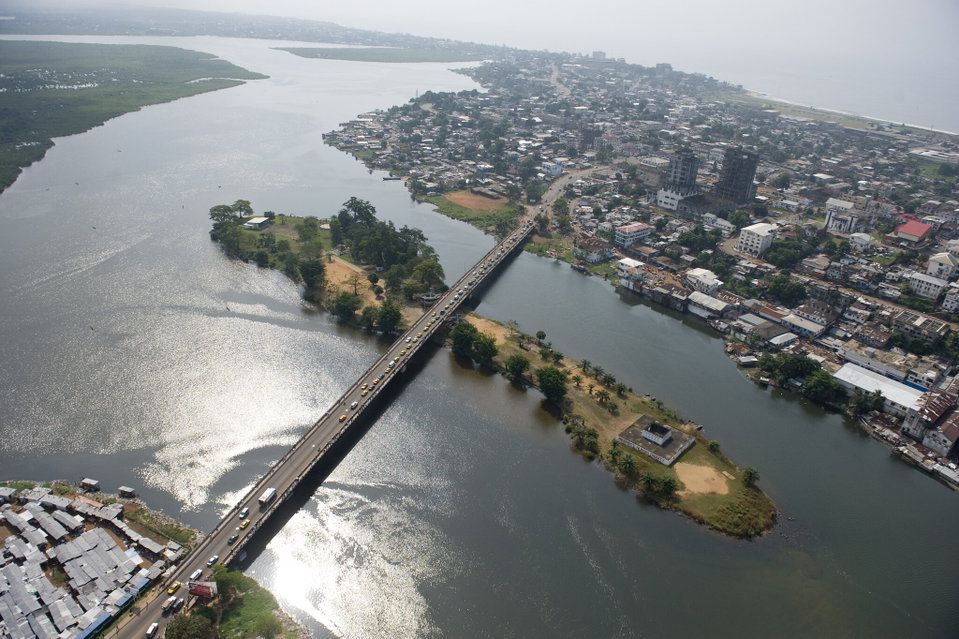
History runs deep here. The old Cotton Tree at the heart of Benson Street, under which freed slaves reportedly held prayers of thanksgiving on arrival in 1822, is as powerful a symbol as any monument on the continent. Providence Island, the site of the first settlement, sits in the Mesurado River just off the peninsula and can be reached by canoe. The National Museum houses colonial-era artefacts, traditional masks, and exhibits tracing the nation's extraordinary founding story.

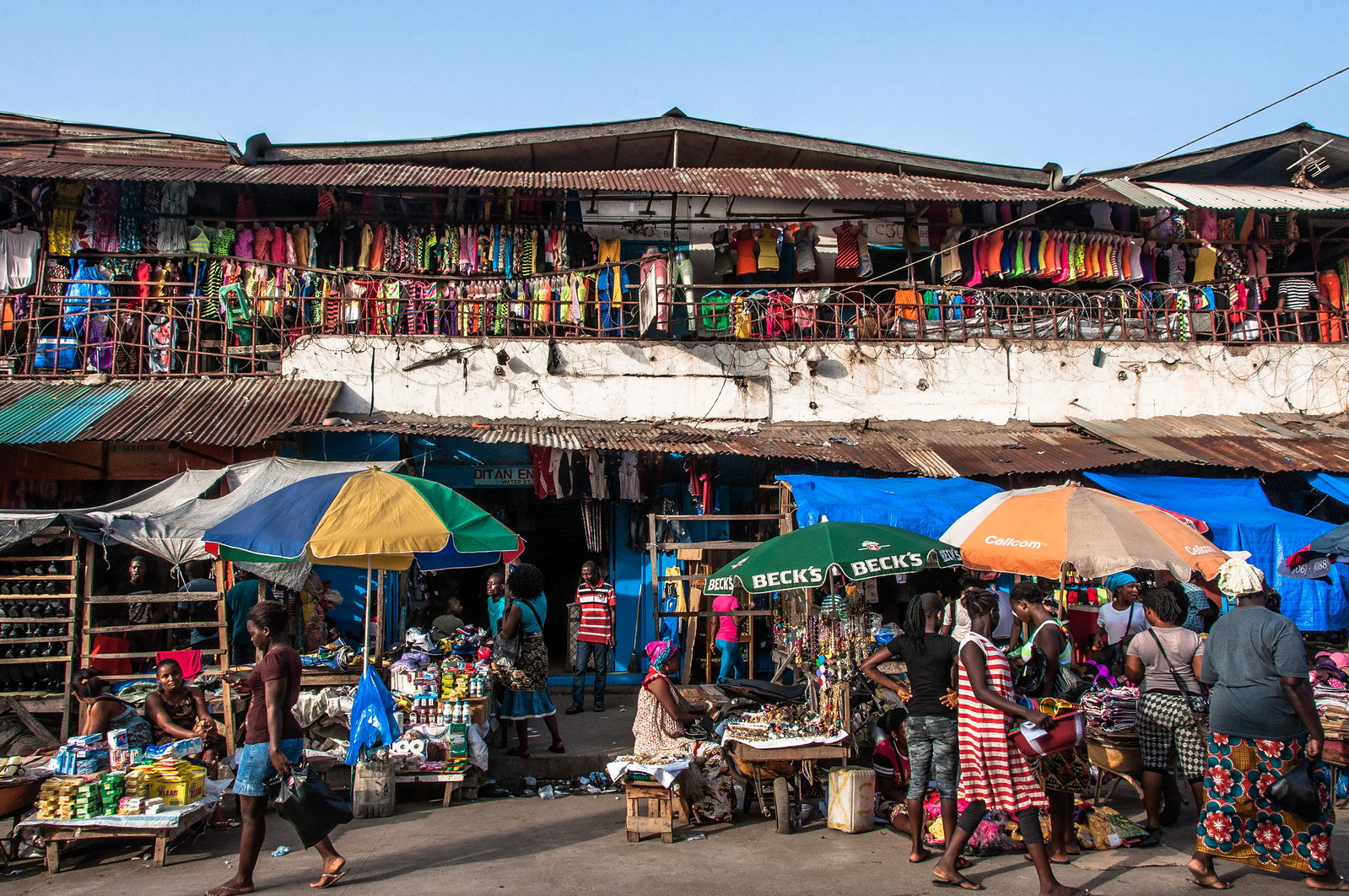
For food and nightlife lovers, Monrovia punches well above its weight. Waterside Market is a sensory whirlwind of fresh catch, imported goods, and street food. Mamba Point, the diplomatic and hotel quarter, offers rooftop bars with Atlantic sunsets, while the beach bars at Elwa and Thinker's Village keep the music going long into the night. Liberian cuisine — pepper soup, palm butter, jollof rice, grilled barracuda — is hearty and deeply flavourful.

Monrovia is not a destination for those seeking polished infrastructure. Roads flood in rainy season, power cuts are common, and tourist facilities are basic by international standards. That rawness, for the right kind of traveller, is precisely the appeal.
  • Walk beneath the 200-year-old Cotton Tree — the living symbol of Liberia's founding by freed American slaves
  • Surf empty Atlantic breaks minutes from the capital at Elwa Beach and Robertsport day-trips
  • Eat the finest grilled barracuda and pepper soup in West Africa at Waterside Market
  • Explore Providence Island by canoe — the tiny landmass where modern Liberia was born in 1822
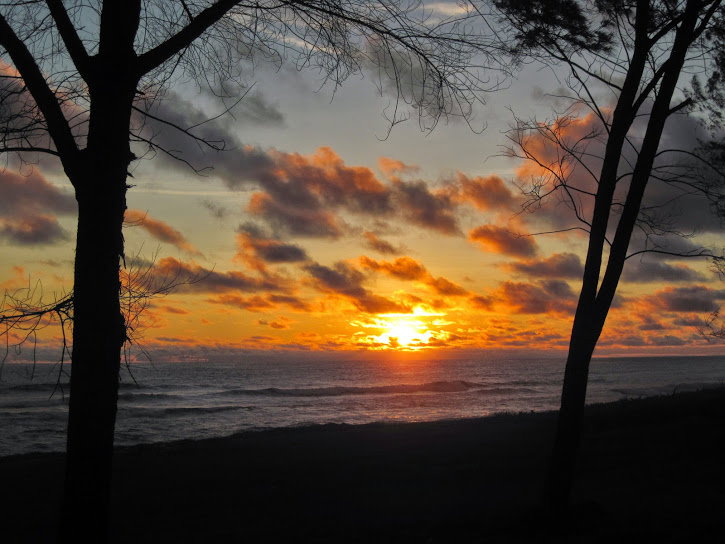
  • Watch the sun dip into the Atlantic from a Mamba Point rooftop bar, cold Club Beer in hand
  • Experience Liberia's gospel-infused Sunday culture, from street choirs to packed neighbourhood churches

Best for

History buffs, surf seekers, off-the-beaten-path adventurers, West Africa enthusiasts, journalists and development professionals

Trip style

Cultural immersion, urban exploration, beach escapes, heritage travel

Known for

Americo-Liberian founding history, uncrowded Atlantic beaches, vibrant Liberian cuisine, the Cotton Tree, Providence Island

Quick facts

Best time to visit

November to April (dry season) — long sunny spells, calmer seas, and easier road travel

Currency

Liberian Dollar (LRD); US Dollars widely accepted and often preferred

Languages

English (official); Kpelle, Bassa, and 30+ other Liberian languages spoken

Visa summary

Visa required for most nationalities. e-Visa available online before travel; visa on arrival possible at Roberts International Airport. Yellow-fever certificate required.

Flight time from Nairobi

Approximately 8–10 hours (with one stop, typically via Addis Ababa or Accra)

Airport / arrival

Roberts International Airport (ROB) is 56 km southeast of the city centre; taxis and shared vehicles available. City centre also served by smaller Spriggs Payne Airport for regional hops.

Safety note

Monrovia is generally safe for alert travellers. Avoid displaying valuables, travel with a trusted local contact where possible, and stay aware after dark in less-lit areas.

Visa and entry

Look up entry rules by passport for travel to Liberia on the Tsavaro visa checker.

Check visa requirements for Liberia

Things to do

Explore Waterside MarketFood & Culture

Explore Waterside Market

2–3 hours

Monrovia's sprawling riverside market is the city's commercial and culinary heart. Stalls overflow with fresh Atlantic fish, cassava, palm oil, imported goods, and street snacks. Come hungry and ready to bargain — it is easily the most energetic sensory experience in the city.

Surf or swim at Elwa BeachBeach & Surf

Surf or swim at Elwa Beach

Half to full day

Just 12 km from central Monrovia, Elwa Beach is a wide stretch of undeveloped Atlantic coastline popular with locals on weekends. The waves attract novice surfers and bodyboarders, and several beach bars serve cold drinks and grilled fish beside the water.

Tour the National Museum of LiberiaMuseum & Heritage

Tour the National Museum of Liberia

1–2 hours

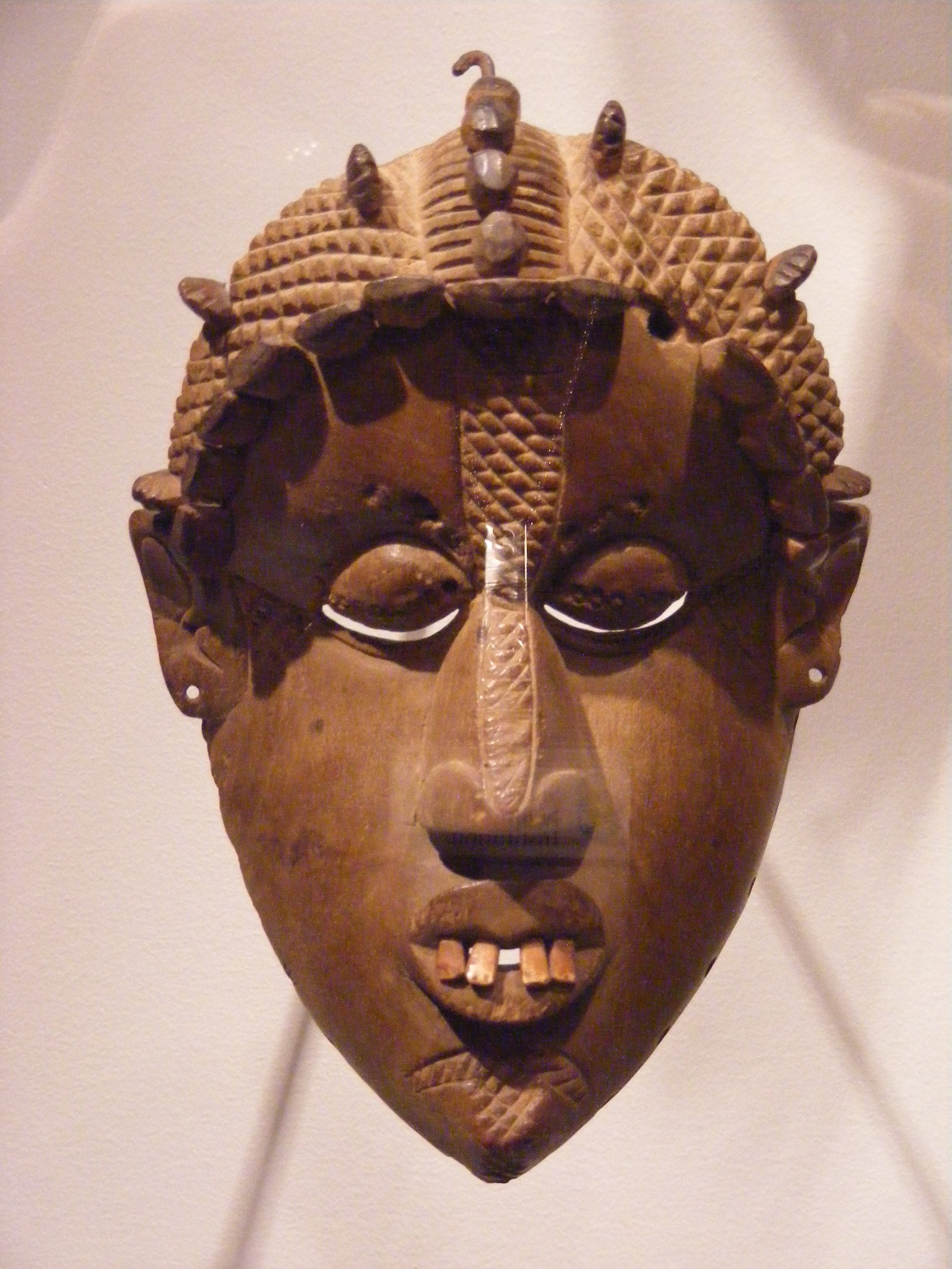
Housed in a colonial-era building in central Monrovia, the National Museum holds one of West Africa's most underrated collections — traditional Dan and Poro society masks, colonial-period photographs, currency history, and exhibits on the Americo-Liberian founding. Entry is inexpensive and guides are available.

Day trip to RobertsportAdventure & Surf

Day trip to Robertsport

Full day or overnight

Liberia's surf capital sits 200 km northwest of Monrovia and is reachable in around three hours by road. Its consistent left-hand point break attracts surfers from across the world, and the lagoon beside Lake Piso is perfect for kayaking and swimming. The town itself has strong Americo-Liberian heritage architecture.

Stroll Mamba Point & the diplomatic quarterNeighbourhood & Nightlife

Stroll Mamba Point & the diplomatic quarter

2–3 hours (evening)

Mamba Point is Monrovia's most stable and visitor-friendly neighbourhood, home to embassies, international hotels, and rooftop restaurants overlooking the Atlantic. An evening walk here followed by dinner and sunset drinks is the quintessential Monrovia experience for first-time visitors.

Attend a Liberian church serviceCulture & Community

Attend a Liberian church service

2–3 hours (Sunday morning)

Sunday in Monrovia is a full-volume celebration. Gospel choirs, open-air congregations, and elaborately dressed worshippers fill the streets from early morning. Visitors are almost always welcomed warmly — ask your hotel to recommend a neighbourhood church for a genuinely moving cultural experience.

Best time to visit Monrovia

The best time to visit Monrovia is November to April, during Liberia's dry season, when days are sunny, humidity is lower, roads are more passable, and the Atlantic sea conditions are calmer for beach activities.

November to January is the most comfortable period. Temperatures sit around 26–30°C, skies are mostly clear, and the harmattan wind occasionally brings a haze from the Sahara in December and January — unusual but not unpleasant. February to April remains dry and is considered the sweet spot for combining city sightseeing with a day trip to Robertsport for surfing.

May to October is the rainy season. Liberia is one of the wettest countries in West Africa, and Monrovia receives some of the heaviest rainfall of any capital city on the continent — averaging over 4,500 mm per year, with peak downpours in June, July, and August. Roads outside the city can become impassable, flooding occurs in low-lying areas, and the grey skies and persistent rain limit beach enjoyment. That said, the city remains functional, accommodation is cheaper, and the lush green countryside is beautiful for those who don't mind the wet.

July and August are the wettest months and are generally recommended only for travellers with specific work or NGO purposes who are accustomed to the conditions.

Is Monrovia safe to visit?

Yes — Monrovia is generally safe for alert, prepared travellers, and the vast majority of visitors experience no serious incidents. Liberia has been at peace since the end of its second civil war in 2003, and the city has no recent history of political violence targeting tourists.

Petty theft and opportunistic crime (phone snatching, bag grabbing) do occur, particularly in busy areas like Waterside Market and around bus stations. Keep your phone out of sight in crowds, avoid wearing expensive jewellery, and use a money belt for your passport and larger cash amounts.

Traffic is chaotic and driving standards are poor — use a trusted taxi service rather than roadside flagging where possible, and ask your hotel to recommend a reliable driver for day trips. After dark, stick to well-lit areas and known restaurant and bar strips around Mamba Point and Sinkor.

The Ebola outbreaks of 2014–2016 have left some travellers cautious about health risks. Liberia has been Ebola-free since 2016, but travellers should ensure standard vaccinations are up to date (yellow fever certificate is mandatory), take malaria prophylaxis seriously, and drink only bottled or treated water throughout their stay.

Register with your country's embassy on arrival and check your government's current travel advisory before departure, as these are updated regularly.

Suggested itinerary

Monrovia in 4 Days: History, Beach & Local Flavour

This plan is designed for a first-time visitor based in Monrovia, travelling at a moderate pace with a mix of cultural sightseeing, beach time, and good food. It assumes a mid-range budget with accommodation in Mamba Point or the Sinkor neighbourhood, and private taxi transfers for day trips.

Day 1

Arrival & Mamba Point Orientation

Arrive at Roberts International Airport and transfer to your hotel in Mamba Point or Sinkor (56 km, allow 90 minutes). Settle in, then walk the Mamba Point headland to get your bearings — the views of the Atlantic from the promontory are spectacular. In the evening, dine at one of the rooftop restaurants on Tubman Boulevard and watch the sun set over the ocean. Early night to recover from travel.

Monrovia — Arrival & Mamba Point Orientation

Travel essentials

Getting around

Monrovia has no formal public transport network. The most practical way to get around is by shared taxi (known locally as 'keh-keh' for motorcycle taxis, or regular saloon taxis flagged on main roads). Negotiate fares before you get in. For day trips and airport transfers, arrange a private car through your hotel — Roberts International Airport is 56 km away and takes 60–90 minutes depending on traffic.

Typical costs

Monrovia is not cheap by West African standards. Budget travellers can get by on USD 50–70 per day staying in guesthouses and eating at local spots. Mid-range visitors spending on a decent hotel, taxis, and meals at hotel restaurants should budget USD 120–180 per day. Top-end hotels (RLJ Kendeja, Mamba Point Hotel) run USD 150–250 per room per night.

Culture and etiquette

Liberians are famously warm and formal in their greetings — always acknowledge people before asking questions or making requests. Handshakes are standard; between men, a finger-snap handshake is common and shows friendliness. Dress modestly outside beach areas, particularly when visiting churches or markets. Photographing people without asking first is considered rude — always request permission.

Safety and planning

Carry a colour photocopy of your passport rather than the original. Ensure your yellow-fever vaccination certificate is in date — it will be checked on arrival. Malaria is endemic; consult a travel health clinic about prophylaxis at least 4 weeks before departure. Drink only bottled water and avoid ice in drinks from non-hotel establishments.

Connectivity

Mobile data (4G/LTE) is available in central Monrovia on the Orange and Lonestar Cell networks. Buy a local SIM at the airport or in the city for affordable data. Hotel Wi-Fi is available at mid-range and above properties but can be slow. Power cuts are frequent — bring a power bank and a universal adapter (Liberia uses both US two-pin and UK three-pin plugs).

Payments

Cash is king in Monrovia. US Dollars are widely accepted and often preferred for larger transactions. Liberian Dollars are used for everyday purchases and market shopping. ATMs are limited and often unreliable — bring sufficient USD cash from home. A small number of restaurants and hotels in Mamba Point accept Visa cards, but do not rely on card payment.

Monrovia travel FAQs

More destinations to explore