Lush rainforest coastline of São Tomé island with volcanic peaks rising behind a white-sand beach

Destination guide

Sao Tome

Gulf of Guinea, Central Africa · São Tomé and Príncipe

Africa's forgotten island — volcanic peaks, cocoa plantations, and deserted Atlantic beaches

Best season

June to September (the dry 'Gravana' season) for calmer seas and drier skies; October–May is greener but wetter, especially in the south.

From Nairobi

Approximately 8–10 hours with one stop (via Addis Ababa, Luanda, or Libreville).

Why visit São Tomé?

São Tomé rewards travellers who are willing to go slightly out of their way. The island sits almost exactly on the equator, yet trade winds and altitude keep it surprisingly cool — a strange pleasure when you realise you're in the tropics.

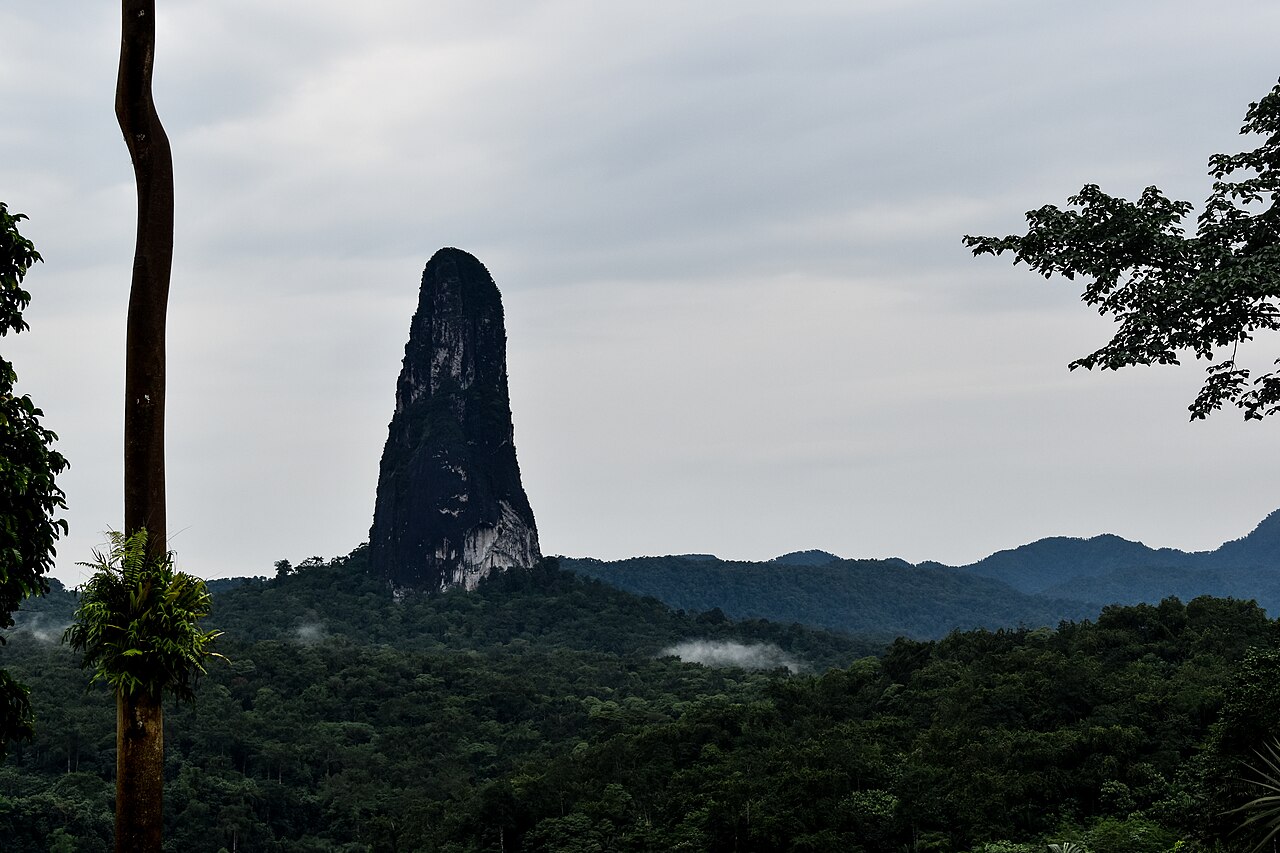
The Obô Natural Park covers more than half the island's interior, sheltering endemic bird species found nowhere else on earth, ancient tree ferns, and trails that feel genuinely wild. Waterfalls plunge through the forest canopy, and roça (plantation) estates — some crumbling romantically, others restored as boutique lodges — punctuate the landscape with colonial-era charm.

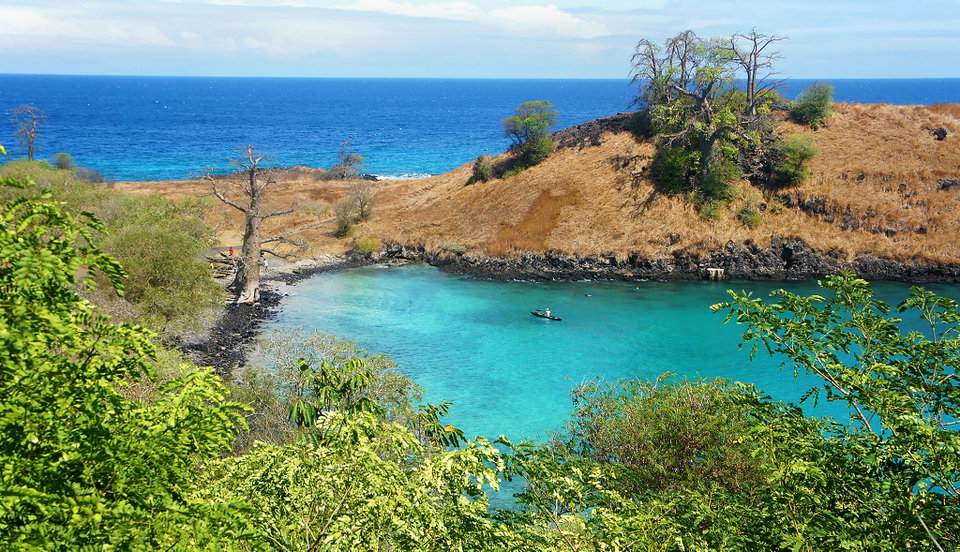
Off the coast, the waters are warm and rich: snorkelling and diving around volcanic rock formations reveal reef fish and turtles with almost no other swimmers in sight. And the local food scene, built around fresh-caught fish, palm oil, and the island's world-class single-origin chocolate, is a serious draw for anyone who eats thoughtfully.

  • Over 700 endemic plant and animal species in the Obô Natural Park rainforest
  • World-class single-origin chocolate grown on centuries-old roça plantations
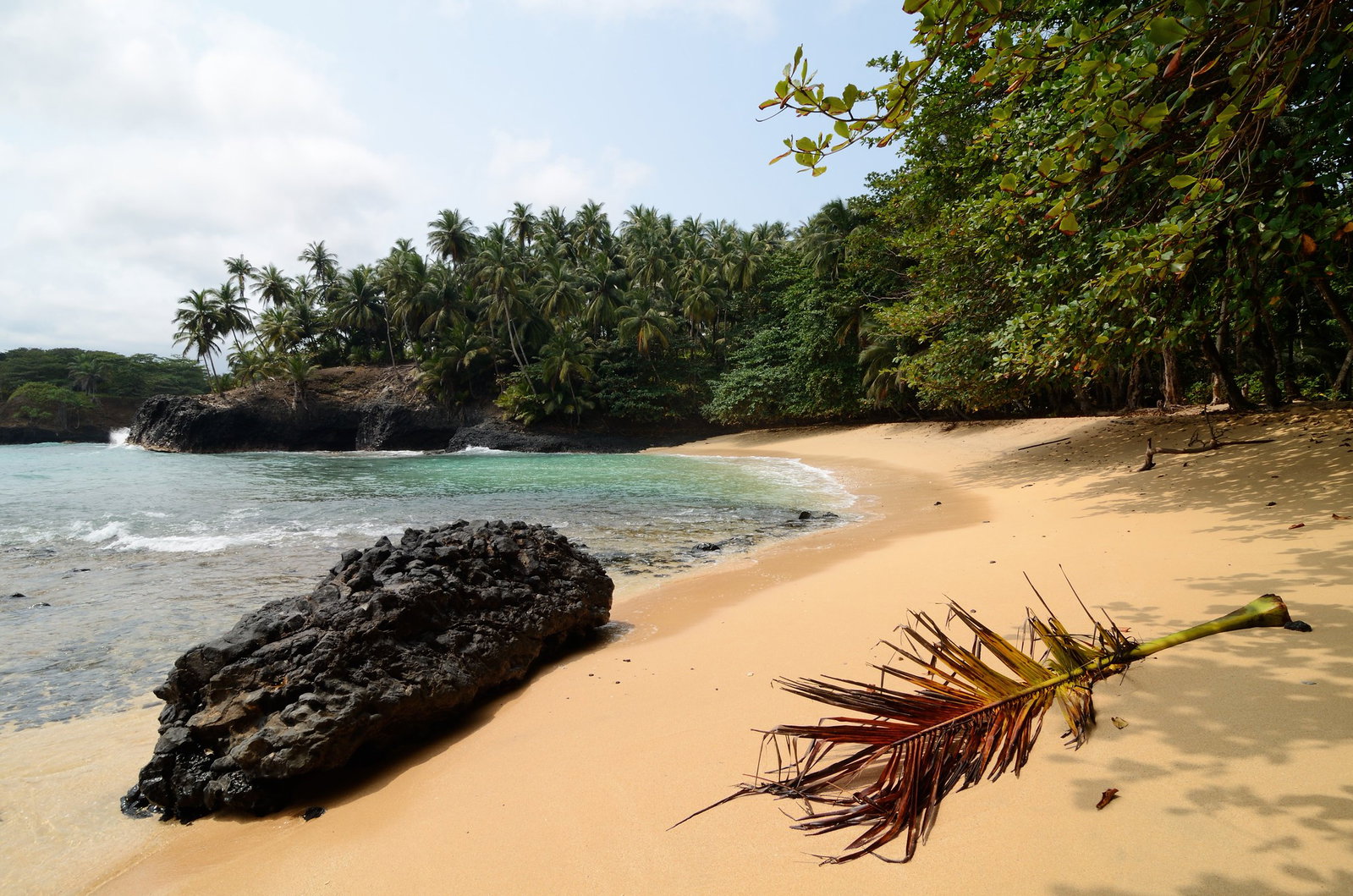
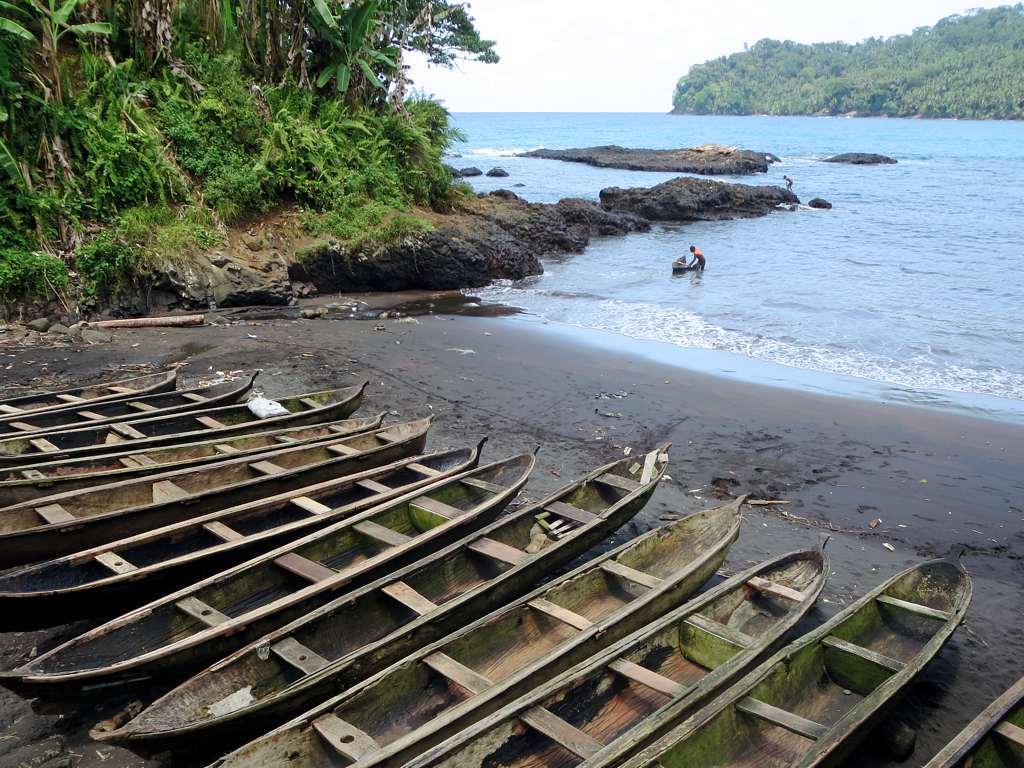
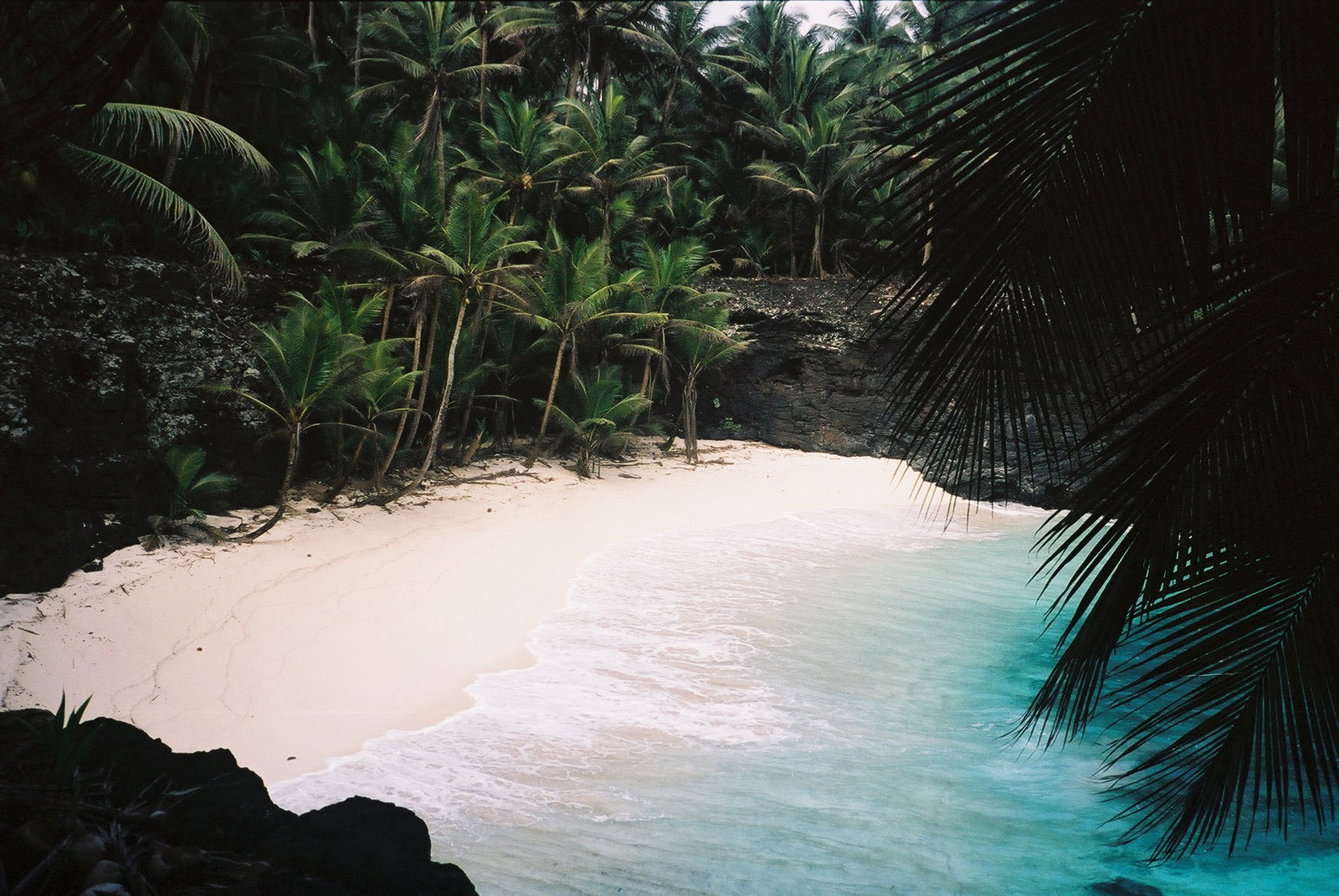
  • Virtually deserted beaches — black-sand, white-sand, and everything in between
  • Warm-water diving and snorkelling around volcanic rock formations with no crowds
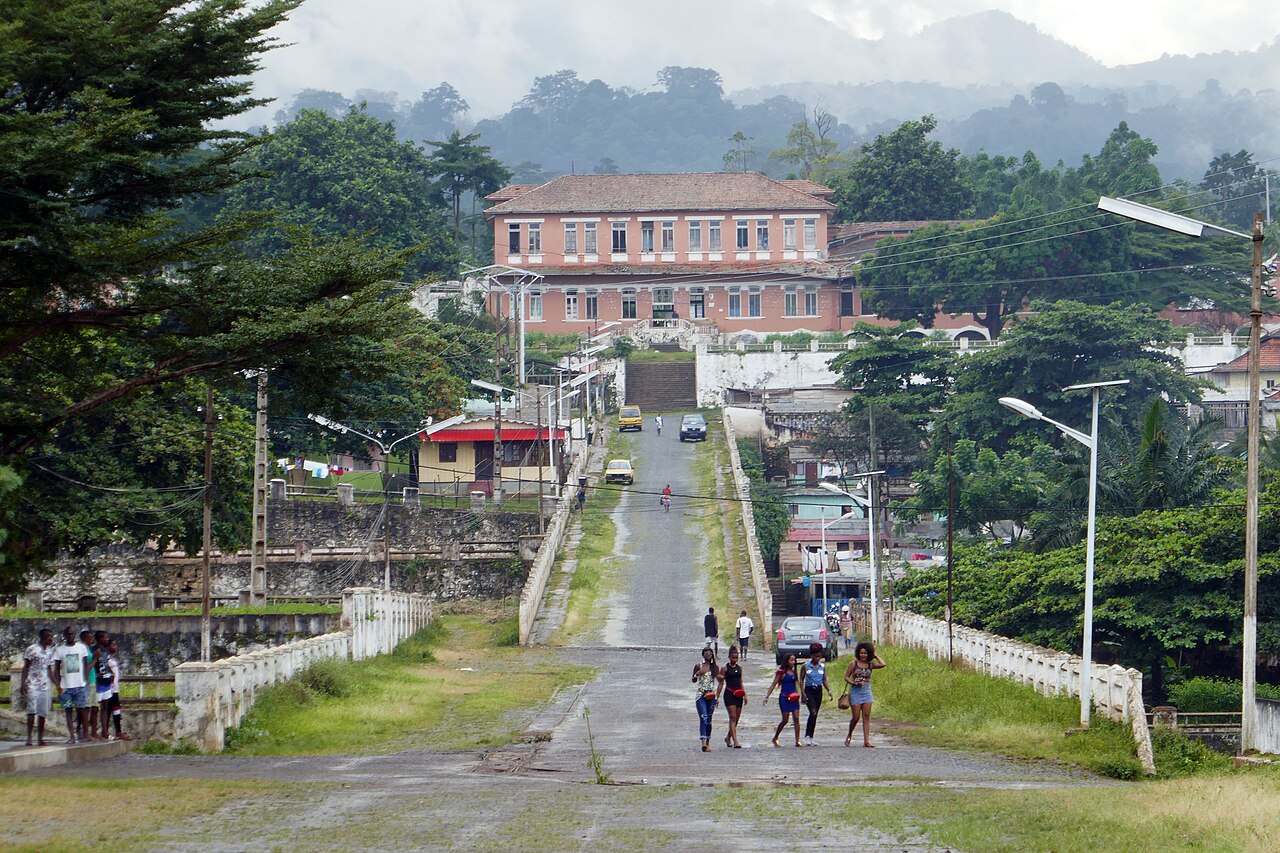
  • São Tomé city's faded Portuguese colonial streetscapes and lively market
  • One of Africa's smallest nations — easy to explore end-to-end in a week

Best for

Birdwatchers, beach lovers, chocolate enthusiasts, honeymooners, slow travellers

Trip style

Off-the-beaten-track, nature, romantic, culinary

Known for

Endemic birds, single-origin cocoa, colonial roças, volcanic beaches, Obô rainforest

Quick facts

Best time to visit

June to September (the dry 'Gravana' season) for calmer seas and drier skies; October–May is greener but wetter, especially in the south.

Currency

São Tomé dobra (STN); EUR widely accepted in hotels and upmarket restaurants.

Languages

Portuguese (official); Forro, Angolar, and Principense Creoles spoken locally.

Visa summary

Visa required for most nationalities; e-visa available online before travel. East African passport holders should apply at least two weeks in advance.

Flight time from Nairobi

Approximately 8–10 hours with one stop (via Addis Ababa, Luanda, or Libreville).

Airport / arrival

São Tomé International Airport (TMS) is 5 km from the capital. Shared taxis and hotel transfers available; no metered cabs.

Safety note

Generally safe. Petty theft can occur around the market area of São Tomé city; standard precautions advised.

Visa and entry

Look up entry rules by passport for travel to São Tomé and Príncipe on the Tsavaro visa checker.

Check visa requirements for São Tomé and Príncipe

Things to do

Hike Pico de São ToméAdventure / Nature

Hike Pico de São Tomé

Full day (8–10 hours round trip)

The island's highest point at 2,024 m demands an early start and a local guide, but rewards with cloud-forest scenery, endemic São Tomé fiscal and giant sunbird sightings, and breathtaking views above the clouds when they part.

Tour the Historic RoçasCulture / History

Tour the Historic Roças

Half day to full day

Visit former cocoa and coffee plantation estates such as Roça Bom Sucesso, Monte Café, and Roça São João dos Angolares. Many are now community projects or boutique hotels, and guided tours explain the island's complex colonial and agricultural history.

Swim and snorkel at Praia BananaBeach / Water

Swim and snorkel at Praia Banana

2–4 hours

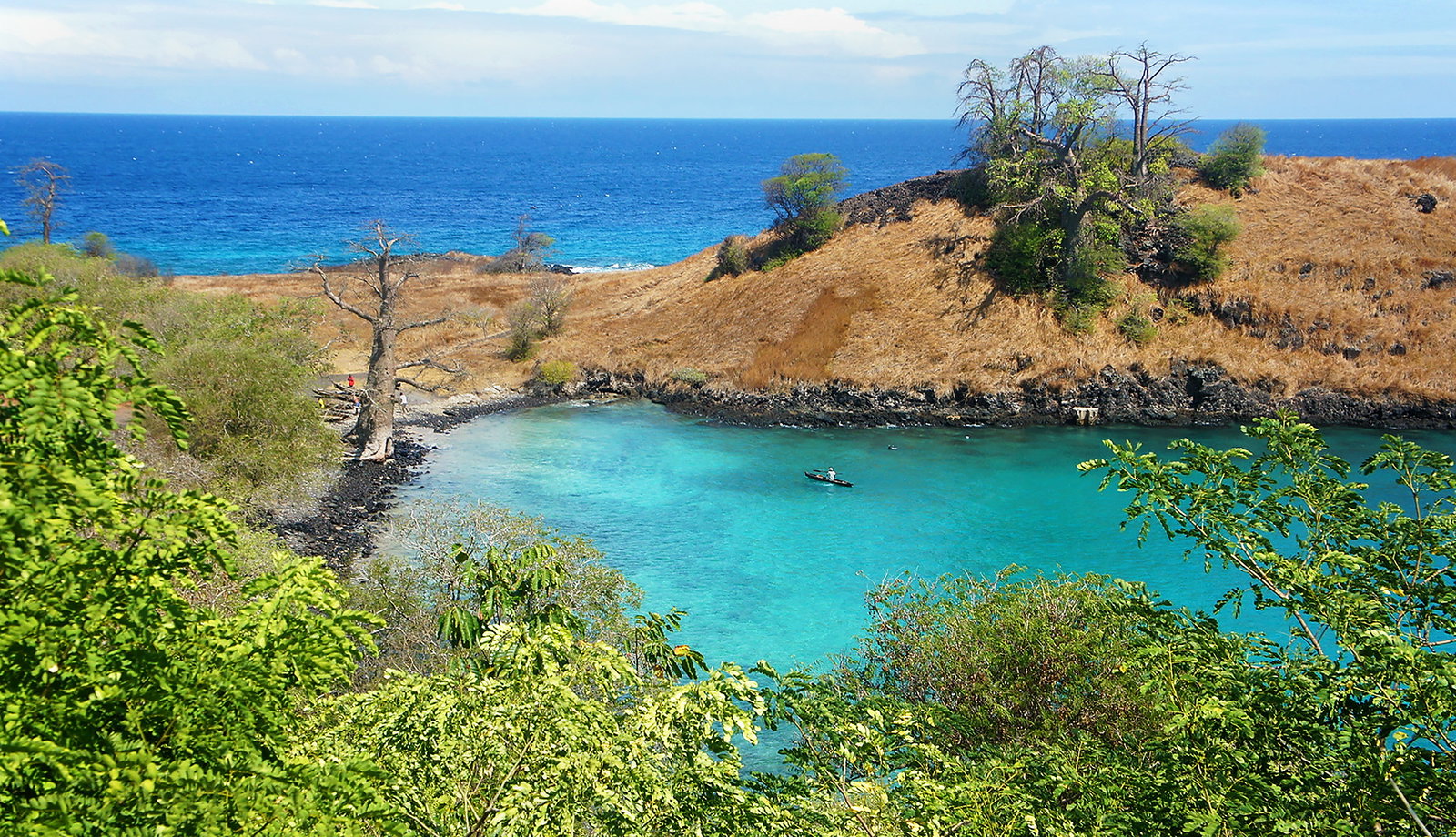
Often listed among West Africa's most beautiful beaches, Praia Banana on the island's northwest curves through calm turquoise water lined with palm trees. Snorkelling gear can be rented at the beach bar.

Explore Obô Natural ParkNature / Wildlife

Explore Obô Natural Park

Half day to multi-day

Covering about 30% of the island, this UNESCO-listed rainforest is home to 28 endemic bird species including the São Tomé grosbeak (one of the rarest birds in Africa), plus giant tree ferns, orchids, and freshwater pools. Hire a MARAPA-registered guide in São Tomé city.

Dive the volcanic reefsAdventure / Water

Dive the volcanic reefs

Half day per dive session

Underwater volcanic formations around Ilhéu das Rolas and the southern tip of the island create dramatic walls and tunnels teeming with reef sharks, moray eels, and barracuda. Dive operators in São Tomé city run PADI courses and guided dives.

Visit São Tomé City's colonial centreCulture / City

Visit São Tomé City's colonial centre

2–4 hours

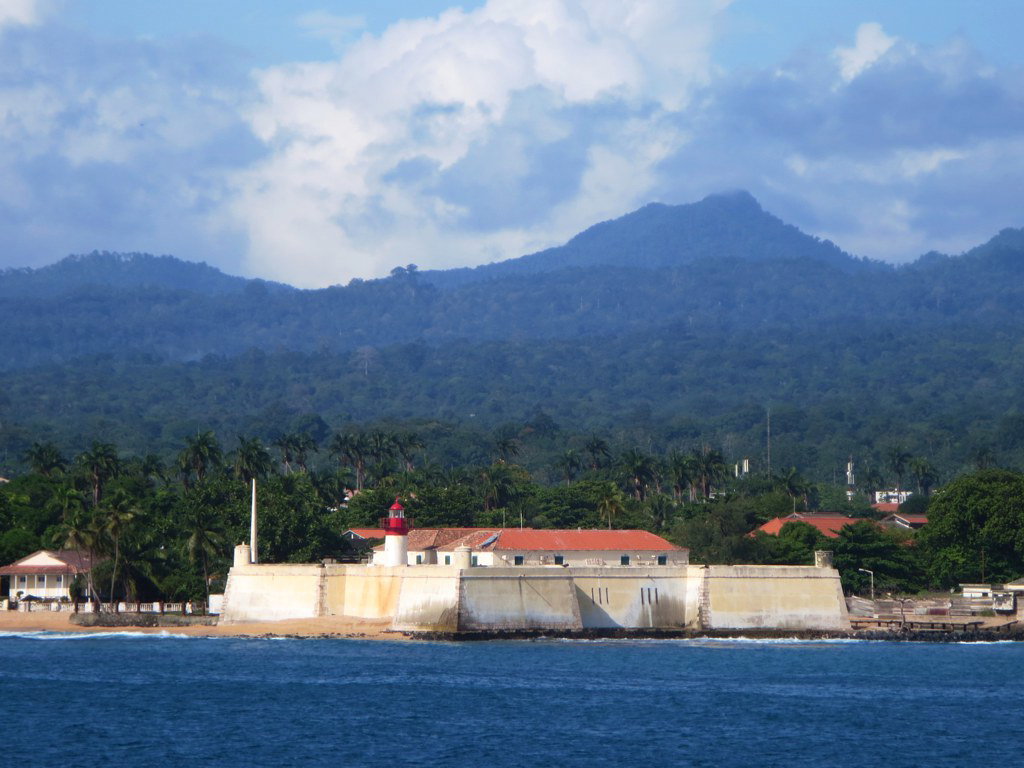
The compact capital holds the 16th-century Fort São Sebastião (now the National Museum), a colourful mercado central, the baroque cathedral, and pastel-painted colonial mansions. It's walkable in a morning and best finished with grilled fish at a harbour-front restaurant.

Best time to visit São Tomé

The best time to visit São Tomé is June to September, during the dry 'Gravana' season, when rainfall is low, seas are calm for diving and island-hopping, and hiking trails in the Obô are passable without wading through mud.

June–September (Dry / Gravana): The coolest and driest period, with temperatures around 24–27°C in the capital. Ideal for hiking, beach time, and diving. Accommodation books out faster in August — reserve early.

October–January (Short rains / Gravanito): A brief wetter spell, though the north of the island remains drier than the south. The landscape is brilliantly green, birdlife is active, and rates are lower. A good shoulder-season option for budget travellers.

February–May (Long rains): The south and interior receive the heaviest rainfall, and Pico de São Tomé can be clogged in cloud for days. Beaches in the north stay sunnier, and the island's waterfalls are spectacular. Least crowded and lowest prices.

Year-round note: Because São Tomé sits on the equator, temperatures are stable throughout the year (24–30°C at sea level). Rain is the main variable, not heat.
Is São Tomé safe to visit?

Yes — São Tomé is generally safe for tourists and is considered one of the most politically stable and low-crime countries in sub-Saharan Africa. Violent crime against visitors is rare, and the local population is famously friendly and welcoming.

Petty theft: Pickpocketing can occur around the city market and bus terminal in São Tomé city, particularly in crowds. Keep valuables in a money belt and avoid displaying expensive cameras or phones unnecessarily.

Road safety: Roads outside the capital are narrow, often unpaved, and can be washed out during the rainy season. Hire a driver who knows the island rather than self-driving in a standard vehicle.

Health: Malaria is present on São Tomé — take prophylactics and use mosquito repellent, especially in the evenings. Tap water is not reliably safe to drink; bottled or purified water is recommended. A yellow fever vaccination certificate is required for entry.

Ocean safety: Some beaches have strong currents, particularly on the exposed east coast. Swim only at beaches where local swimmers are present, and follow any flags or warnings from your guesthouse.

Emergency services: Medical facilities are limited. Comprehensive travel insurance with medical evacuation cover is strongly recommended.

Suggested itinerary

7 Days on São Tomé: Rainforest, Roças & Reefs

This plan is based on a solo traveller or couple using São Tomé city as the main base, hiring a driver for day trips, and staying at a mix of a city guesthouse and one roça lodge. Pace is relaxed — two or three activities per day. Budget band: mid-range (USD 100–200/day including accommodation).

Day 1

Arrive & explore São Tomé city

Arrive at TMS and transfer to your guesthouse in the capital (15 minutes). Spend the afternoon walking the colonial centre — Fort São Sebastião, the cathedral, and the bustling mercado. End with grilled peixe (fish) and local STN beer at a harbour-front bar. Early night to recover from travel.

Sao Tome — Arrive & explore São Tomé city

Travel essentials

Getting around

The island has no public bus system. Shared taxis (aluguers) run set routes from São Tomé city market and are very cheap but slow. For flexibility, hire a private driver with a 4WD — a full-day hire costs around EUR 50–80 and is the standard approach for tourists. Roads in the south and interior can require a high-clearance vehicle in the rainy season.

Typical costs

São Tomé is modestly priced by international standards. Budget guesthouses start at EUR 40–60/night; roça lodges and boutique hotels run EUR 100–200/night. A plate of fresh grilled fish with beer at a local restaurant costs EUR 5–10. Mid-range daily budget all-in (accommodation, food, a driver): EUR 100–180.

Culture and etiquette

Portuguese is the language of business and education; learning a few phrases is warmly appreciated. Dress modestly when visiting churches or rural communities. Ask before photographing people. Sunday is taken seriously as a rest day — many small businesses close.

Safety and planning

Pack malaria prophylactics (consult a travel clinic 6–8 weeks before departure), a yellow fever vaccination certificate (required for entry), sun protection, insect repellent, and a basic medical kit. Travel insurance with medical evacuation is essential given limited hospital facilities on the island.

Connectivity

Mobile data (3G/4G) is available in São Tomé city and most populated areas via CST (Companhia Santomense de Telecomunicações). Rural and forest areas have patchy or no signal. Most hotels and roça lodges offer Wi-Fi, though speeds are variable. Buy a local SIM at the airport.

Payments

The São Tomé dobra (STN) is the official currency, pegged to the euro at roughly 24.5 STN to EUR 1. Euros are widely accepted in hotels and upmarket restaurants. ATMs exist in São Tomé city (Banco Internacional de São Tomé e Príncipe is the most reliable). Card acceptance is limited outside the capital — carry sufficient cash, particularly for rural areas.

Sao Tome travel FAQs

More destinations to explore

Sao Tome, São Tomé and Príncipe