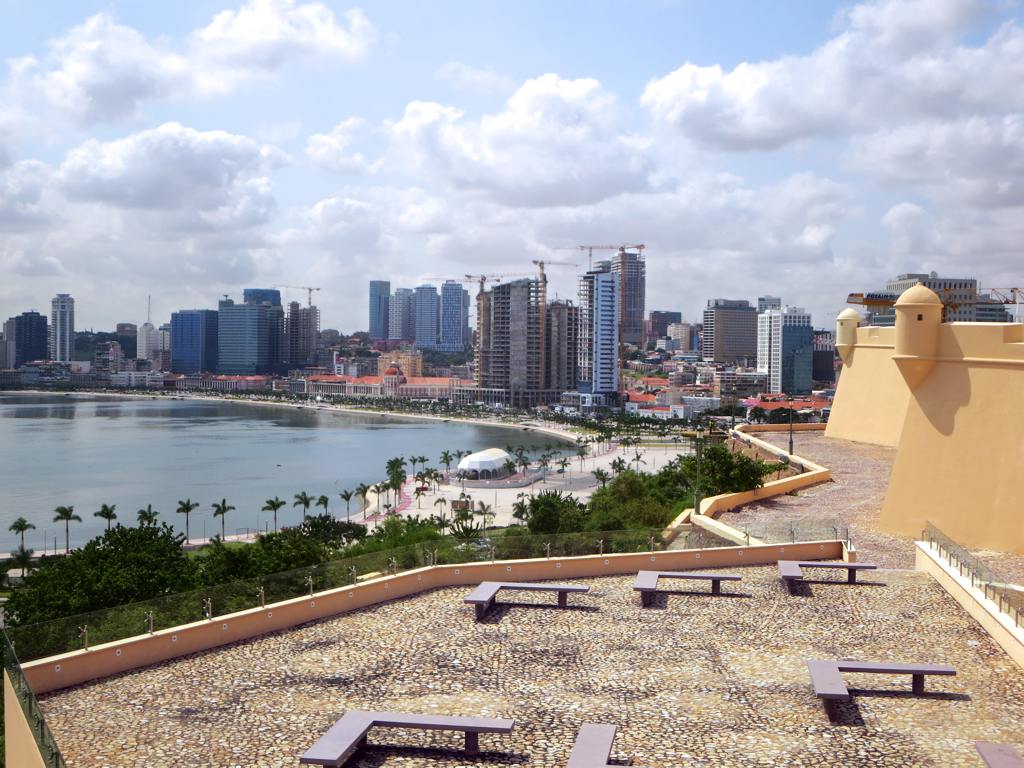
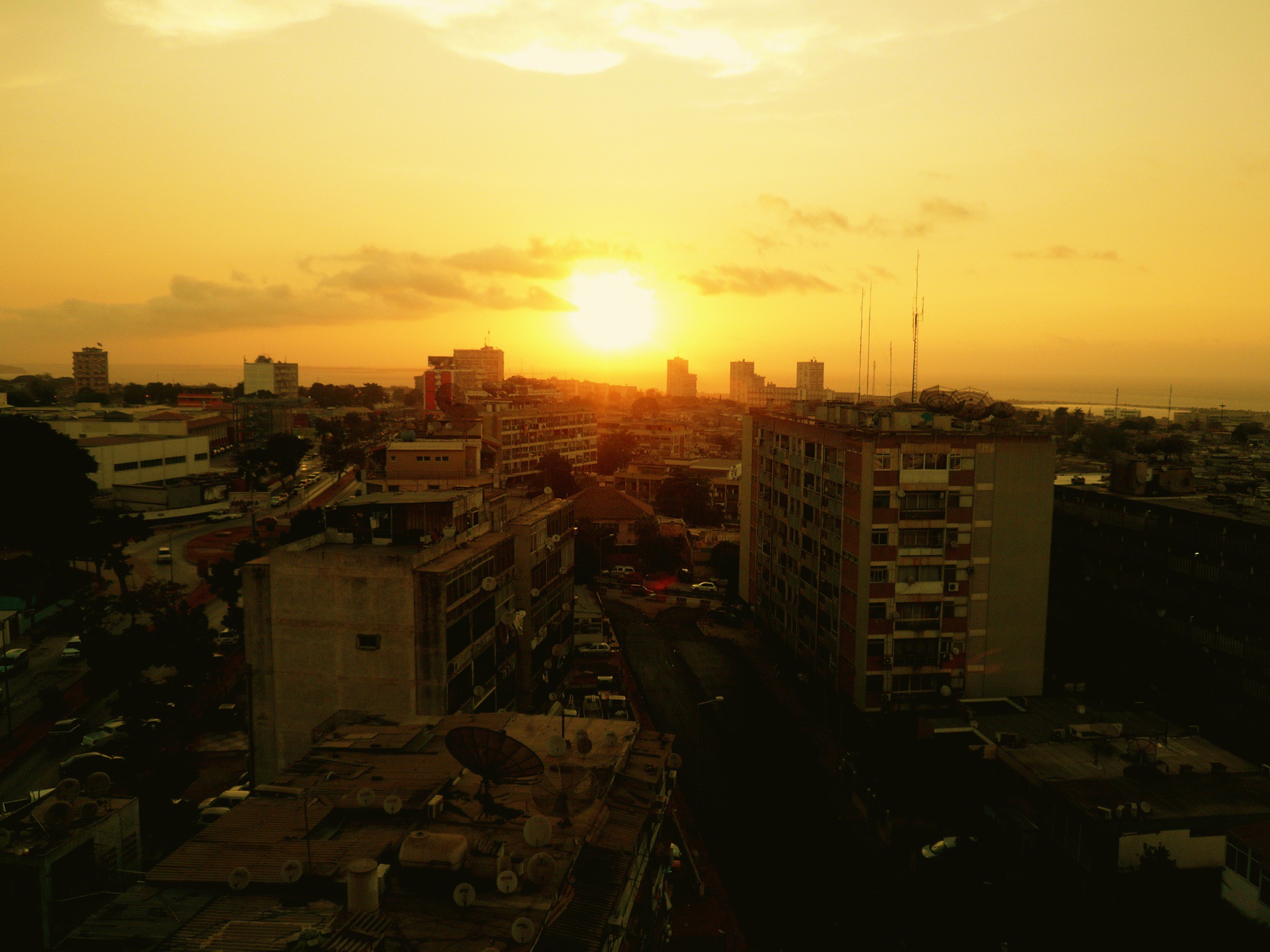
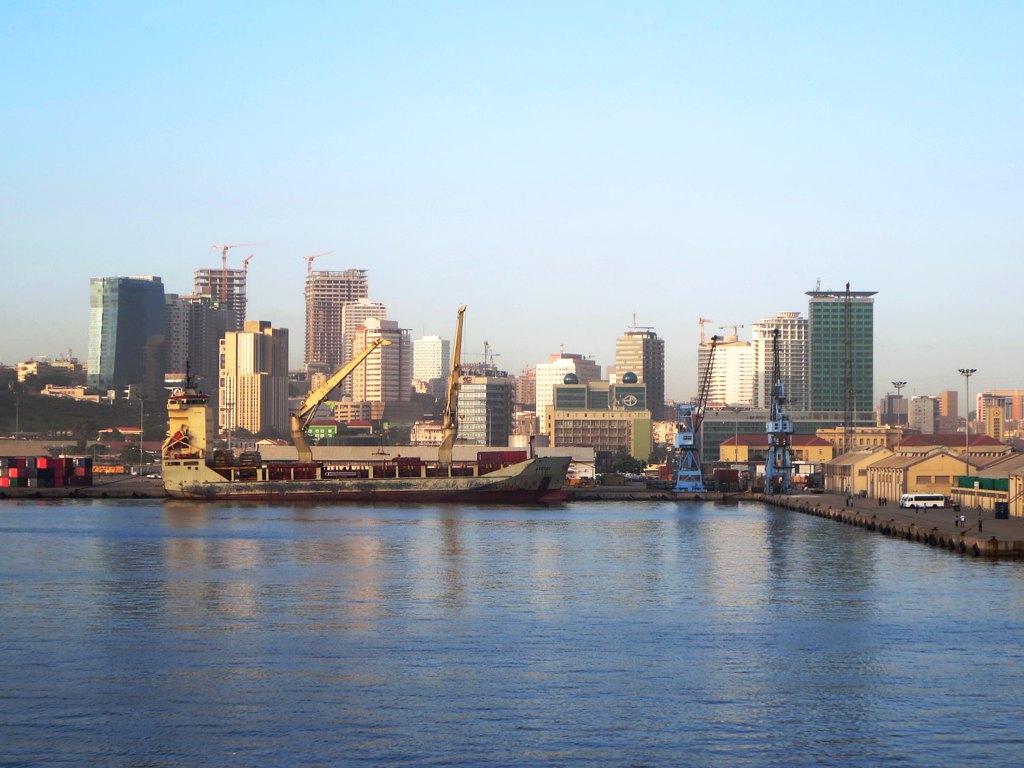
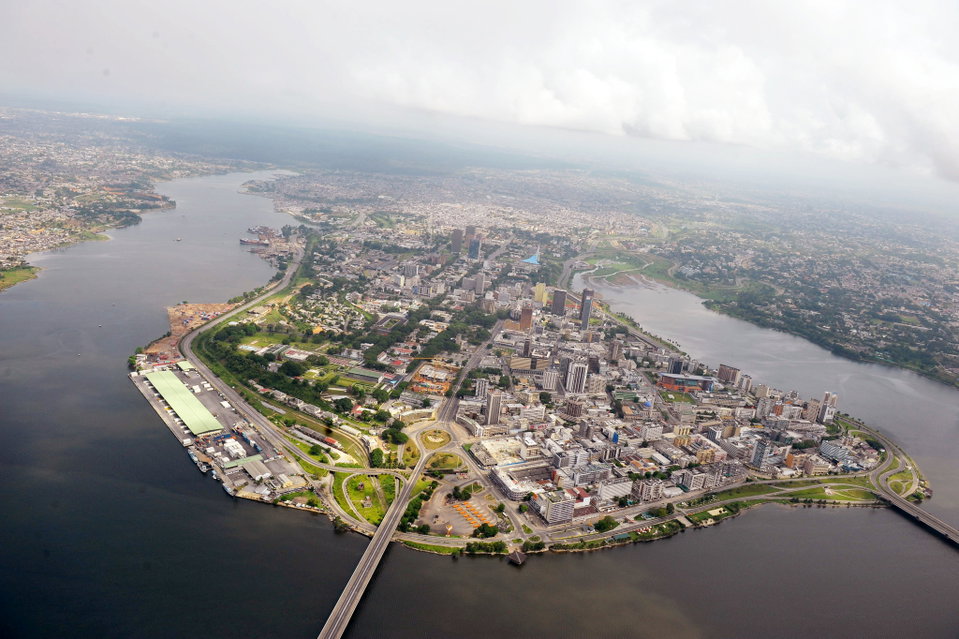
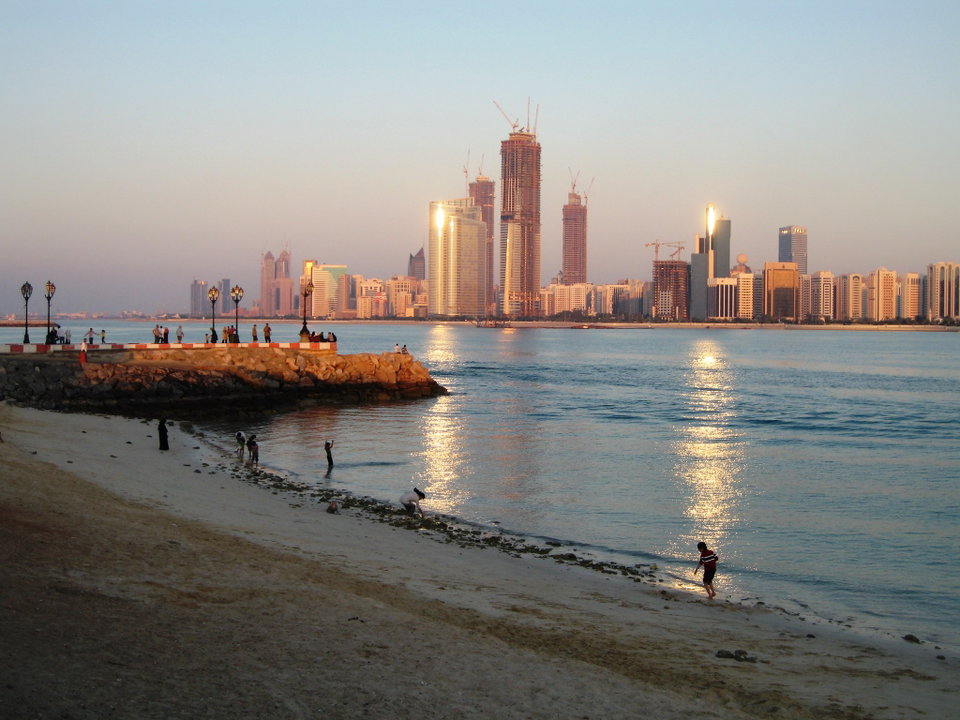
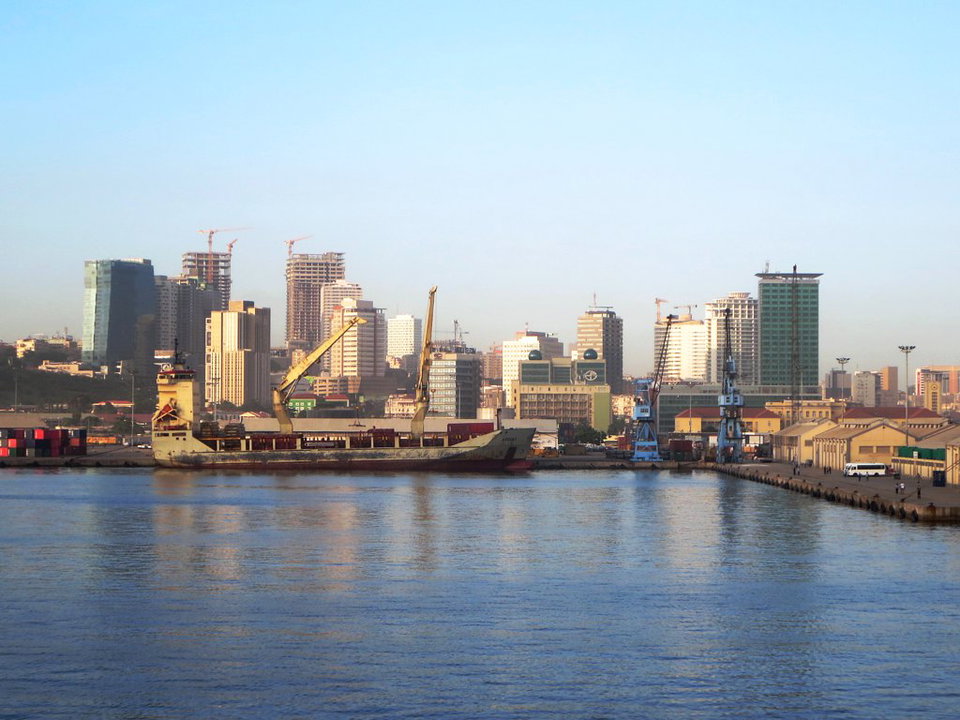
Luanda Bay waterfront at sunset with the Marginal promenade and modern skyline reflected in the Atlantic Ocean

Destination guide

Luanda

Southern Africa · Angola

Africa's Atlantic capital — raw energy, colonial grandeur, and an ocean at your feet

Best season

May to October (dry season — cooler, little rain)

From Nairobi

Approximately 5–6 hours (via Addis Ababa, Nairobi, or direct charter routes)

Why visit Luanda?

Luanda is the kind of city that defies easy categorisation. It is simultaneously one of Africa's most expensive cities and one of its most vibrant — a place where oil-boom architecture towers over 16th-century Portuguese forts, where kizomba music drifts from beach bars at dusk, and where a plate of muamba de galinha (chicken stew with palm oil and okra) is as good as any food on the continent.

For the adventurous traveller, Luanda offers something rare: a major African capital that remains largely undiscovered by mass tourism. The city's waterfront Marginal has been dramatically upgraded and now rivals any seaside promenade in Africa. The Ilha do Cabo — a narrow peninsula curving into the bay — is lined with restaurants, beach clubs, and family-friendly stretches of sand. Meanwhile, the hilltop Fortaleza de São Miguel, dating to 1576, offers sweeping panoramic views over the bay and the city's colonial-era rooftops.

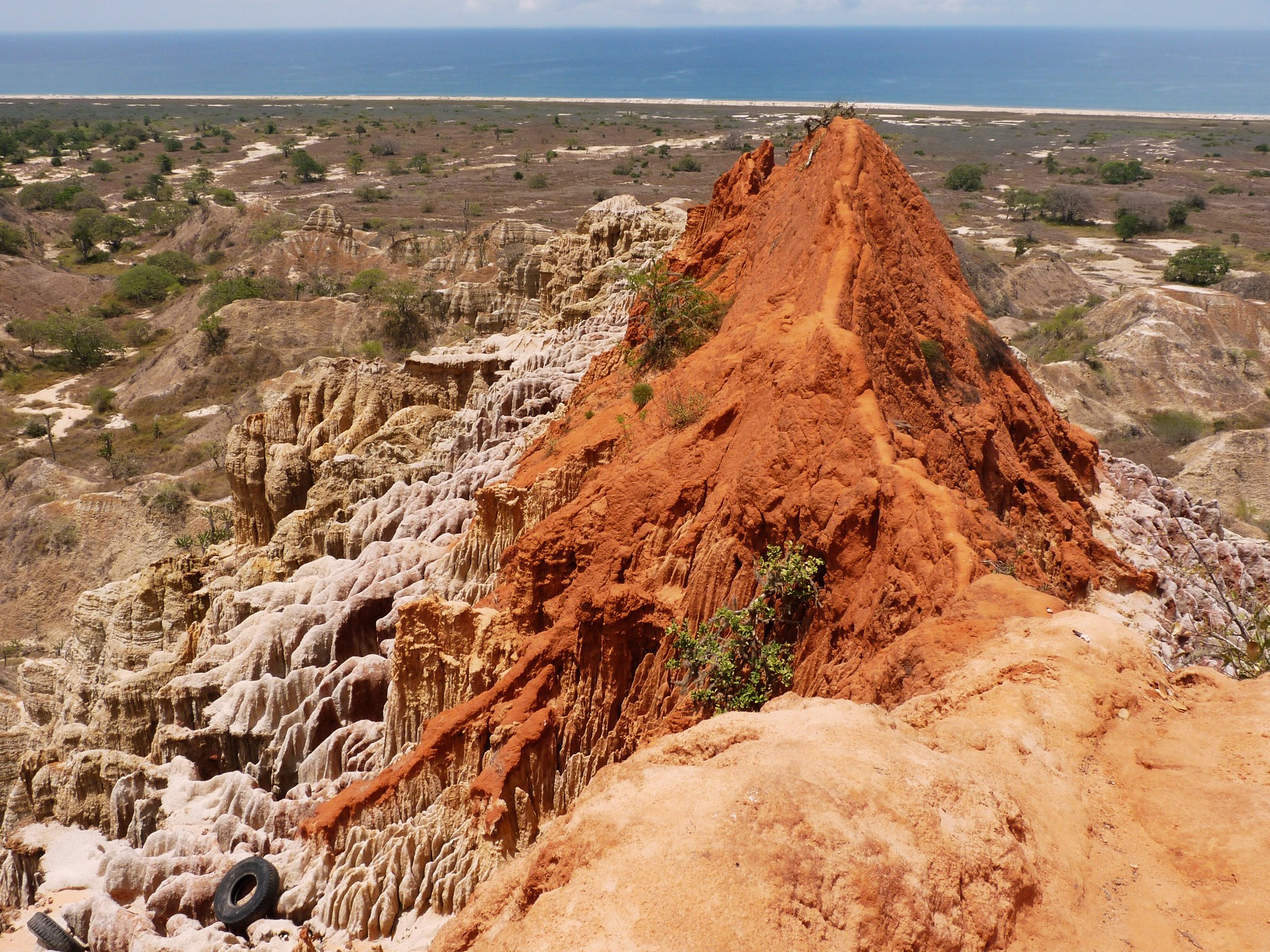
Beyond the city, day trips to the Kissama National Park — home to elephants, buffalo, and antelope — and the dramatic Miradouro da Lua (Moon Viewpoint) canyon landscapes add genuine wildlife and natural wonder to any Luanda itinerary.

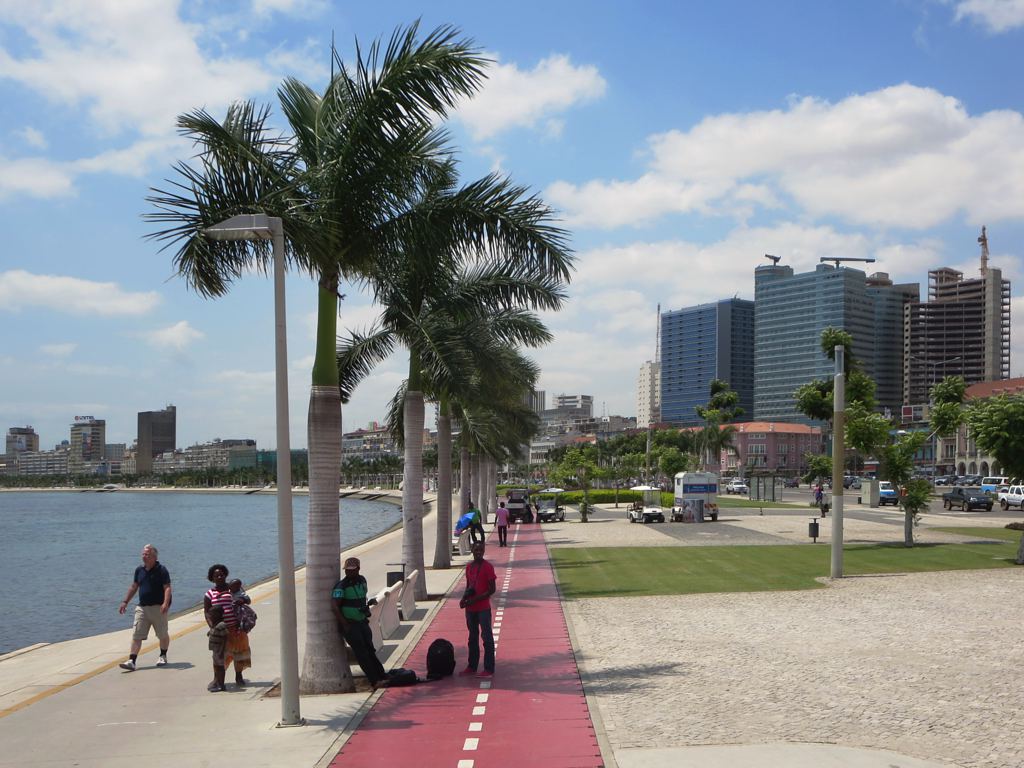
  • Stroll the renovated Marginal promenade as the Atlantic turns golden at sunset
  • Explore the 16th-century Fortaleza de São Miguel for panoramic bay views and Angolan history
  • Feast on muamba de galinha, calulu, and grilled seafood at Ilha do Cabo beach restaurants
  • Dance to live kizomba and semba at one of Luanda's legendary Friday night venues
  • Day-trip to Kissama National Park to spot elephants and buffalo just 70 km from the capital
  • Marvel at the moonscape erosions of Miradouro da Lua at sunset, an hour south of the city

Best for

History seekers, urban explorers, beach lovers, foodies, and off-the-beaten-path adventurers

Trip style

City break, cultural immersion, beach escape, weekend adventure

Known for

Kizomba music, Afro-Portuguese cuisine, colonial architecture, Ilha do Cabo beaches, Kissama National Park day trips

Quick facts

Best time to visit

May to October (dry season — cooler, little rain)

Currency

Angolan Kwanza (AOA); USD widely accepted in hotels and larger restaurants

Languages

Portuguese (official); Kimbundu and Kikongo also spoken in Luanda

Visa summary

Visa required for most nationalities; e-visa available online before travel. East African nationals check latest bilateral agreements.

Flight time from Nairobi

Approximately 5–6 hours (via Addis Ababa, Nairobi, or direct charter routes)

Airport / arrival

Arrive at Quatro de Fevereiro International Airport (LAD), 4 km from the city centre. Pre-arrange hotel transfers.

Safety note

Exercise normal urban caution; avoid displaying valuables, especially near markets and at night.

Visa and entry

Look up entry rules by passport for travel to Angola on the Tsavaro visa checker.

Check visa requirements for Angola

Things to do

Walk the Marginal Waterfront PromenadeSightseeing

Walk the Marginal Waterfront Promenade

1–2 hours

Luanda's showpiece seafront boulevard runs along the bay, lined with palm trees, sculptures, joggers, and vendors selling local snacks. The best time to visit is early morning or at sunset when the light on the water is magical.

Visit the Fortaleza de São MiguelHistory & Culture

Visit the Fortaleza de São Miguel

2–3 hours

Angola's oldest and most significant Portuguese fortification, built in 1576 and now home to the Armed Forces Museum. Climb to the ramparts for sweeping views over Luanda Bay and the city skyline.

Explore the Baixa (Downtown Luanda)History & Culture

Explore the Baixa (Downtown Luanda)

Half day

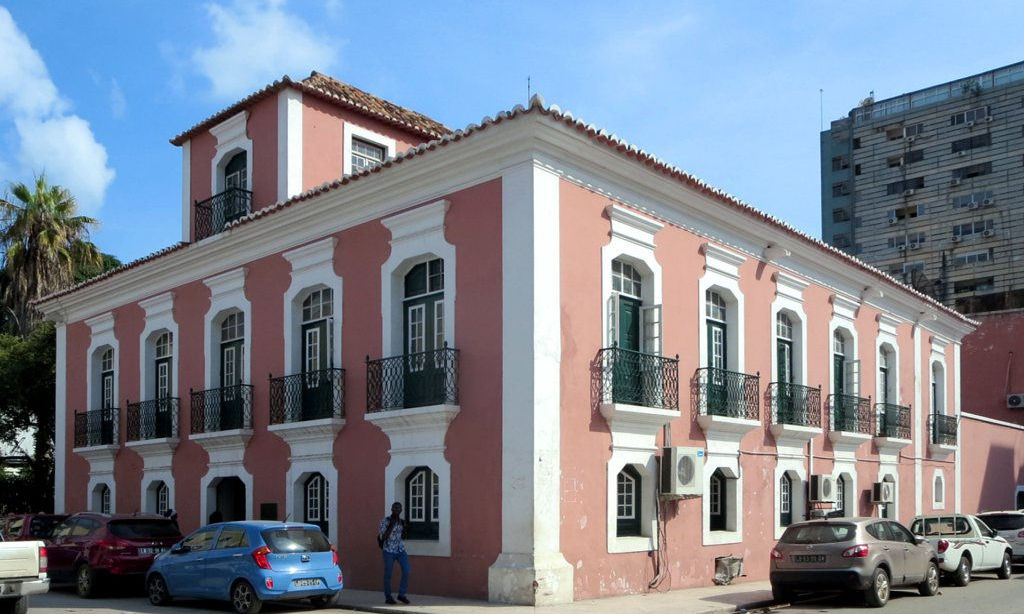
Wander the grid of Portuguese colonial streets in the lower city, taking in the Palácio de Ferro (Iron Palace), the imposing cathedral, neoclassical government buildings, and bustling street markets.

Spend the Day on Ilha do CaboBeach & Leisure

Spend the Day on Ilha do Cabo

Full day

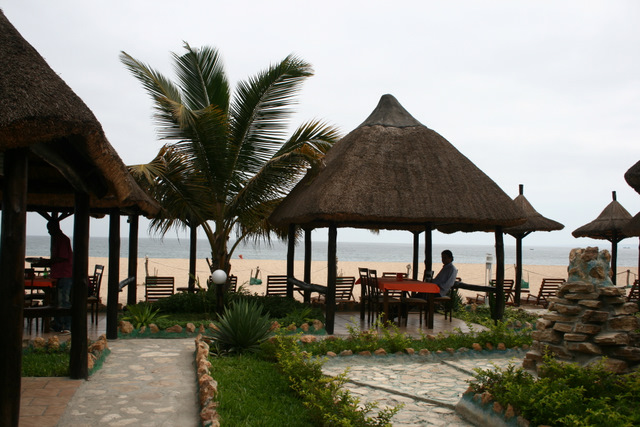
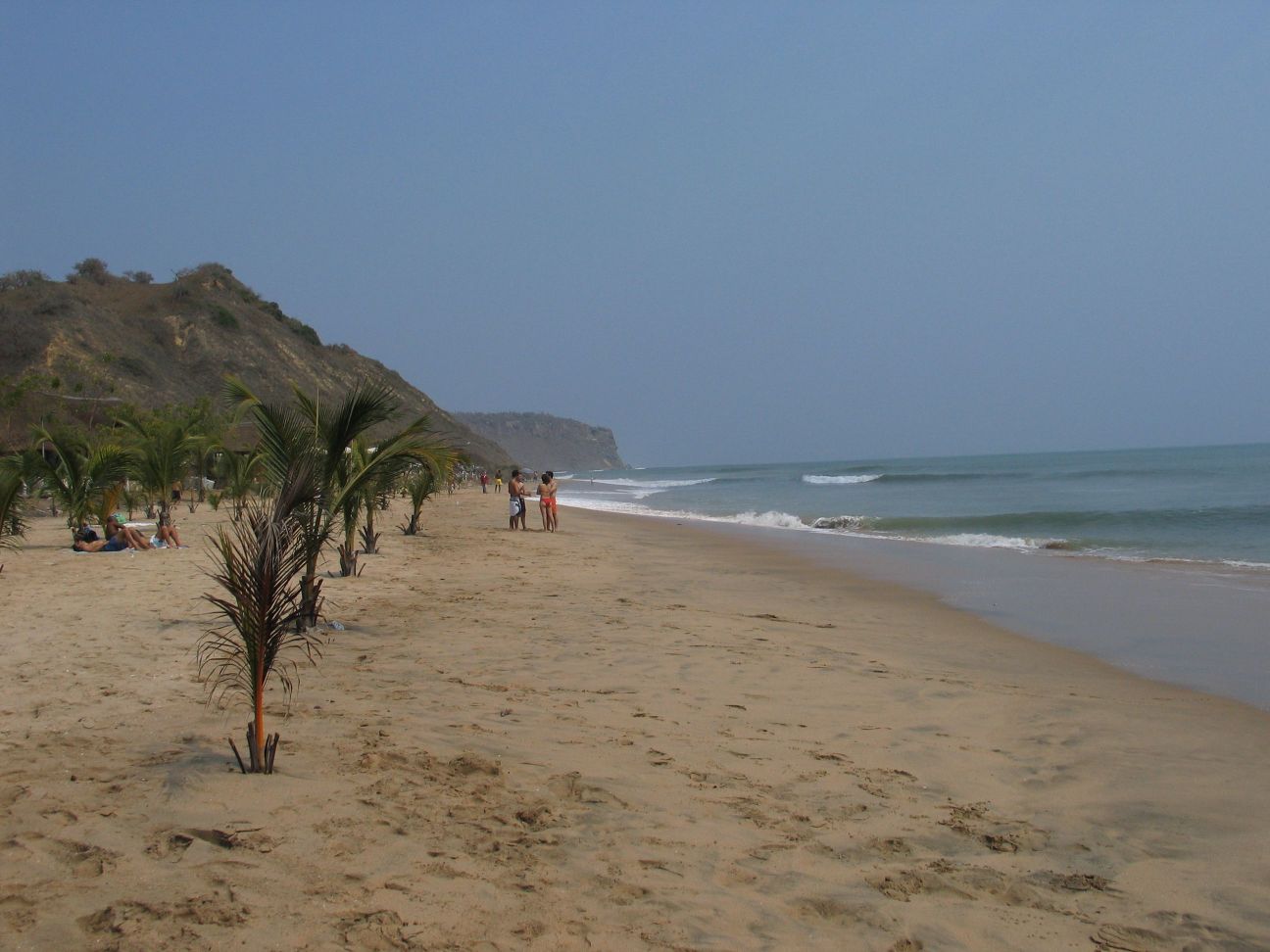
This narrow Atlantic peninsula curving around Luanda Bay is the city's playground — beach clubs, fish restaurants, water-sports operators, and sunset bars all jostle for space along its sandy spine.

Day Trip to Kissama National ParkWildlife & Nature

Day Trip to Kissama National Park

Full day

Angola's most accessible national park, about 70 km south of Luanda, has been restocked with elephants, buffalo, zebra, and antelope after years of conservation work. Guided game drives depart from Luanda hotels.

Miradouro da Lua (Moon Viewpoint)Wildlife & Nature

Miradouro da Lua (Moon Viewpoint)

Half day

An hour south of Luanda, wind and rain have carved the ochre-red cliffs into an eerie lunar landscape. Visit at golden hour for extraordinary photography and cooler temperatures.

Discover the National Museum of AnthropologyHistory & Culture

Discover the National Museum of Anthropology

2 hours

One of Angola's finest museums, housing an extensive collection of traditional masks, ritual objects, textiles, and artefacts from across the country's many ethnic groups and kingdoms.

Experience the Roque Santeiro Market (Mercado do Kilombo Kiaxi)Markets & Local Life

Experience the Roque Santeiro Market (Mercado do Kilombo Kiaxi)

2–3 hours

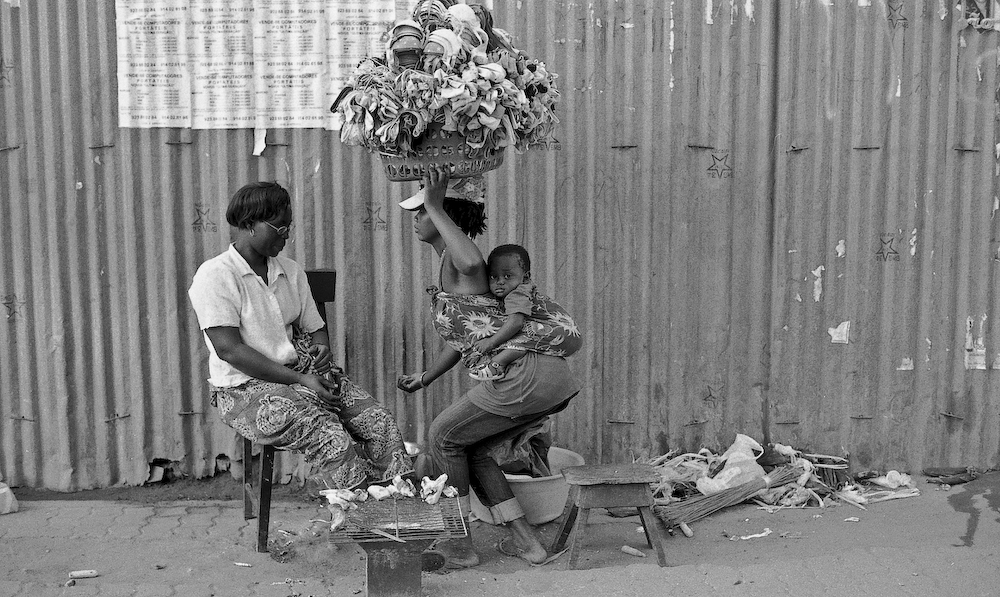
Luanda's sprawling informal market — one of the largest in sub-Saharan Africa — is an overwhelming sensory experience of colour, noise, and commerce. Go with a local guide and keep valuables secure.

Best time to visit Luanda

The best time to visit Luanda is during the dry season, from May to October. During these months the city enjoys cooler temperatures (averaging 18–24 °C), low humidity, and virtually no rainfall — ideal conditions for sightseeing, beach days, and national park day trips.

May and June mark the start of the dry season, known locally as the cacimbo. A cool mist often blankets the coast in the mornings but burns off by late morning to reveal clear skies. This is considered the most comfortable time to explore the city on foot.

July to September is the heart of the dry season and the peak travel period. Temperatures are mild, evenings are cool, and the ocean is at its calmest — perfect for water sports on Ilha do Cabo. Book hotels well in advance during these months.

October to April is the wet season, with heaviest rains from November to March. Temperatures climb to 28–32 °C and humidity rises sharply. While the city remains accessible and lively, expect afternoon downpours, occasional flooding in low-lying areas, and muggier beach days. Wildlife viewing in Kissama can actually improve in the wet season as vegetation greens and animals congregate near water sources.
Is Luanda safe to visit?

Yes — Luanda is generally safe for tourists who take standard urban precautions and stay aware of their surroundings. The city has a large police presence in tourist areas and the main hotel districts, and violent crime against foreigners is uncommon.

Petty theft is the main concern. Avoid displaying expensive cameras, jewellery, or smartphones in crowded public spaces, particularly at the Mercado do Kilombo Kiaxi market and around the Baixa. Use registered hotel taxis or ride-hailing apps rather than flagging down unmarked vehicles.

Road safety is a greater practical concern than crime. Traffic in Luanda is notoriously heavy and driving can be aggressive — using a driver or hotel transfer is strongly recommended, especially for airport runs and day trips. For excursions to Kissama National Park or Miradouro da Lua, travel with an organised tour operator.

Food and water safety: drink bottled water at all times and choose restaurants that are popular with local professionals and expats, which generally maintain high hygiene standards. Avoid raw shellfish from street vendors.

Health: ensure your routine vaccinations are up to date, and take malaria prophylaxis as recommended by your doctor — malaria is present in Angola year-round. Yellow fever vaccination is required for entry.

Suggested itinerary

5 Days in Luanda: History, Coast & Wild Escapes

This five-day itinerary balances Luanda's urban highlights — colonial history, beach life, and world-class dining — with essential day trips to Kissama National Park and the Miradouro da Lua canyon landscapes, giving you a well-rounded introduction to Angola's capital.

Day 1

Arrival & the Marginal

Arrive at Quatro de Fevereiro International Airport and transfer to your hotel. After settling in, head to the Marginal waterfront for an evening stroll and dinner at one of the bay-facing restaurants. Watch the sun drop over the Atlantic — this is Luanda at its most welcoming.

Luanda — Arrival & the Marginal

Travel essentials

Getting around

Luanda's traffic is infamous — budget generous travel times between attractions. Hotel-arranged transfers and ride-hailing apps (such as Heetch, which operates in Luanda) are the safest and most reliable options. Blue-and-white shared minibuses (candongueiros) are used by locals but can be confusing for first-time visitors. For day trips to Kissama or Miradouro da Lua, book a driver-guide through your hotel or a reputable local tour operator.

Typical costs

Luanda remains one of Africa's most expensive cities. Expect to pay USD 150–400 per night for a business-grade hotel and USD 20–60 per person for a restaurant meal. Budget meals at local diners (quiosques) cost USD 5–10. A guided day trip to Kissama typically runs USD 100–150 per person. Local currency (kwanza) is needed for markets and smaller vendors.

Culture and etiquette

Angolans are warm and formal in social interactions — greet with a handshake and use titles (Senhor/Senhora) until invited to use first names. Portuguese is the language of business and daily life; even a few words ('Bom dia', 'Obrigado') are warmly received. Dress modestly when visiting churches or government buildings. Photography of military installations, airports, and government buildings is strictly prohibited and can result in arrest.

Safety and planning

Register with your country's embassy on arrival for extended stays. Keep photocopies of your passport and visa separate from the originals. Yellow fever vaccination certificate is required at entry. Travel insurance covering medical evacuation is strongly recommended given the high cost of private healthcare in Luanda.

Connectivity

Mobile data is widely available via Unitel and Movicel SIM cards, available at the airport and in phone shops across the city. 4G coverage is good in central Luanda and the main hotel districts. Most upscale hotels and restaurants offer free Wi-Fi. International calls are expensive — use WhatsApp or similar apps.

Payments

Major hotels, upscale restaurants, and supermarkets accept Visa and Mastercard. Outside these venues, cash (Angolan kwanza or USD) is king. ATMs dispense kwanza and can be found in shopping centres and bank branches; carry cash when venturing to markets or day trips. Money changers offer competitive rates but use licensed exchange bureaux only.

Luanda travel FAQs

More destinations to explore