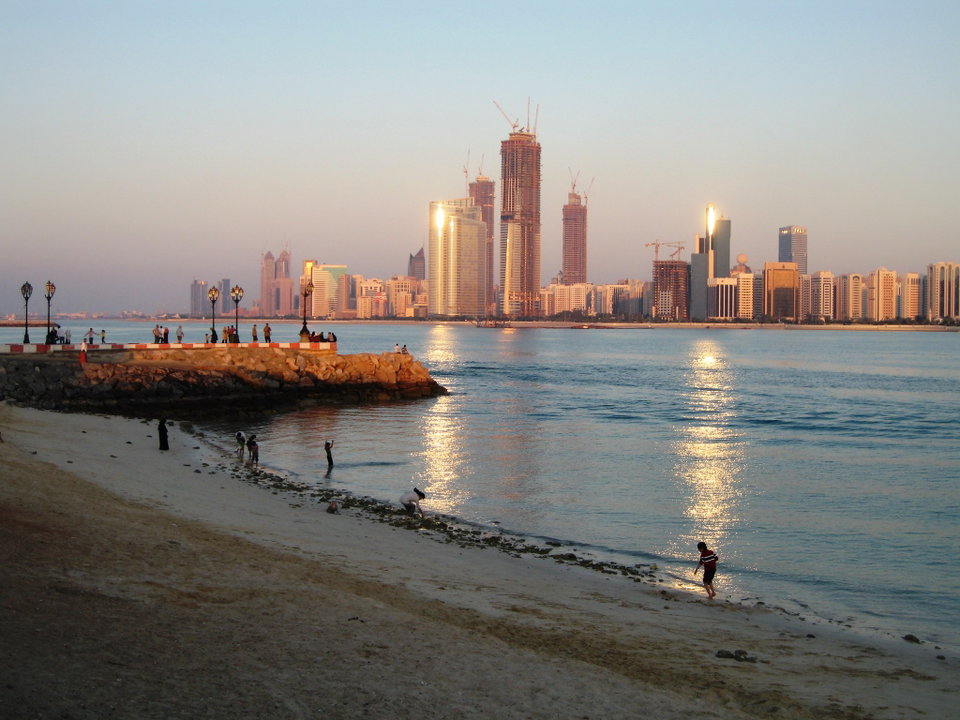
Libreville waterfront at dusk with the Gabon estuary reflecting the city lights

Destination guide

Libreville

Estuaire Province, Central Africa · Gabon

Gabon's lush Atlantic capital — rainforest, beaches, and a city that moves to its own rhythm

Best season

June to September (cool dry season) for wildlife and outdoor activities; December to January (short dry season) for a second window

From Nairobi

Approx. 4 h 30 min direct (Kenya Airways NBO–LBV)

Why visit Libreville?

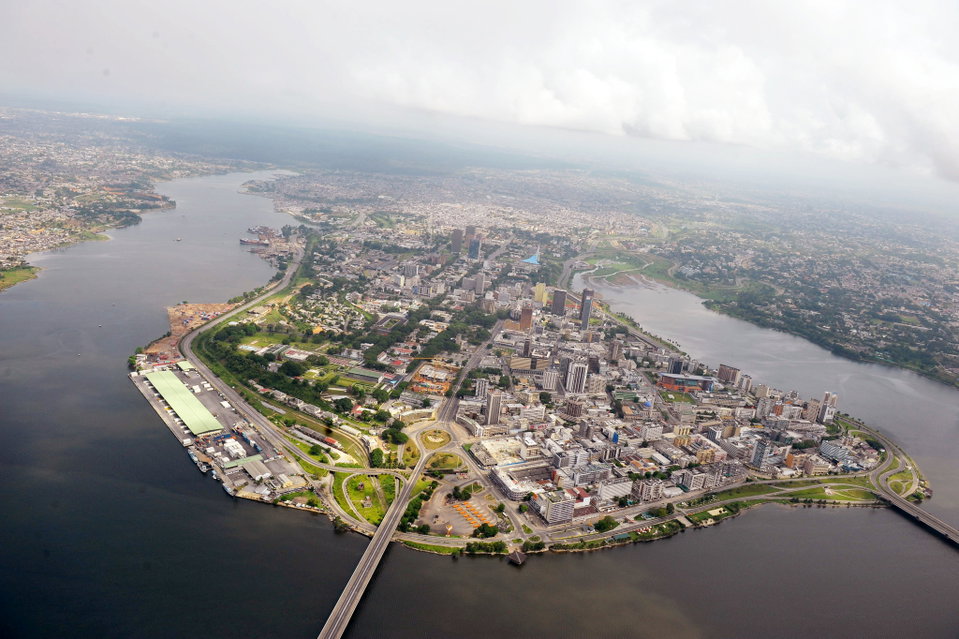
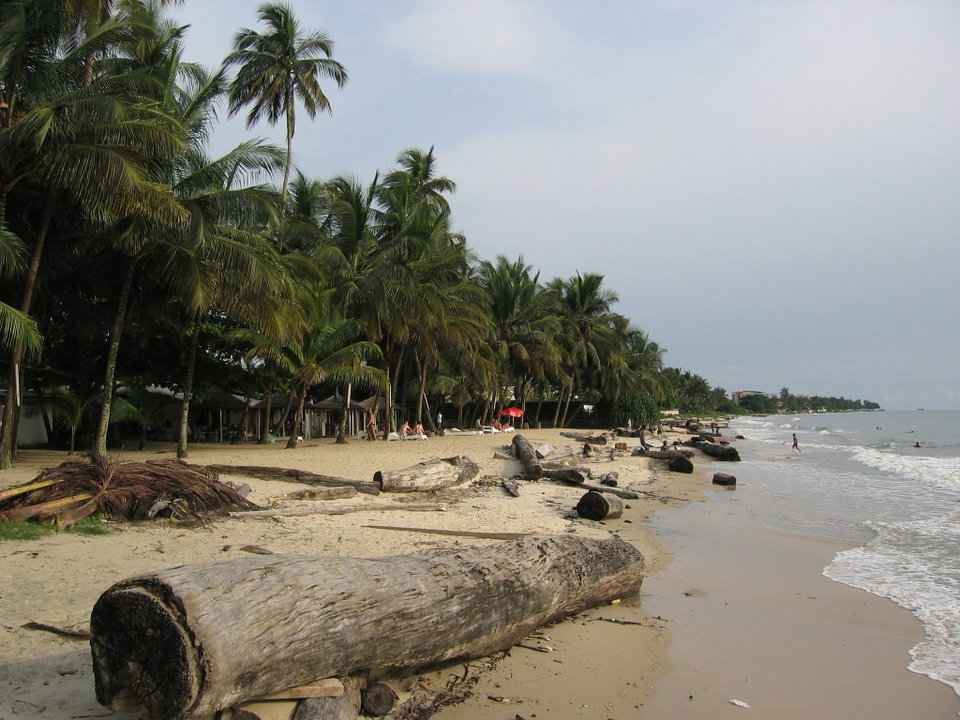
Libreville sits on a slim strip of land between the Atlantic Ocean and the Gabon Estuary, giving it a geography unlike almost any other African capital. Within an hour's drive you can be watching forest elephants on Pongara Beach, paddling a dugout canoe through Akanda's mangrove labyrinths, or spotting hippos at Wonga-Wongué Presidential Reserve.

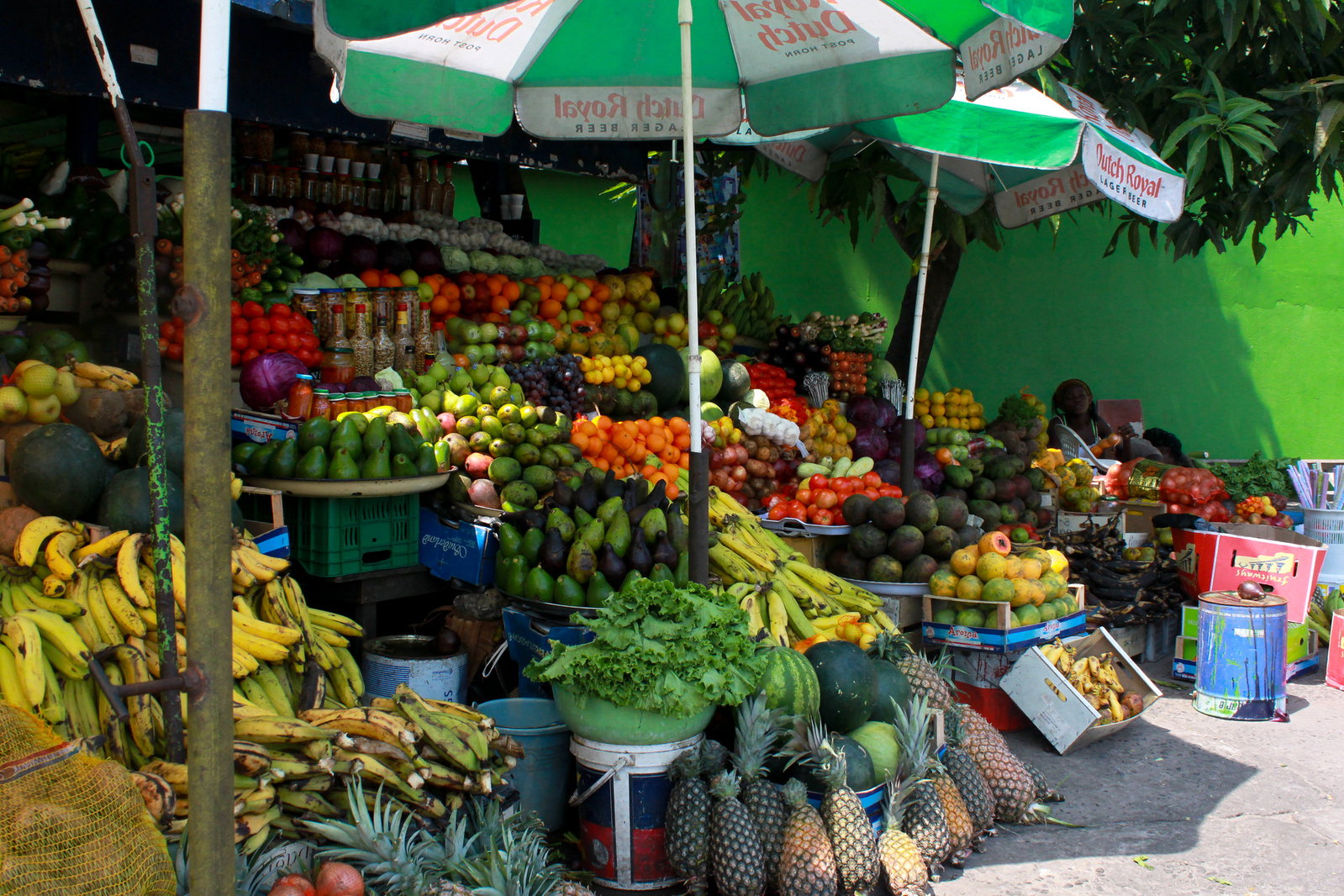
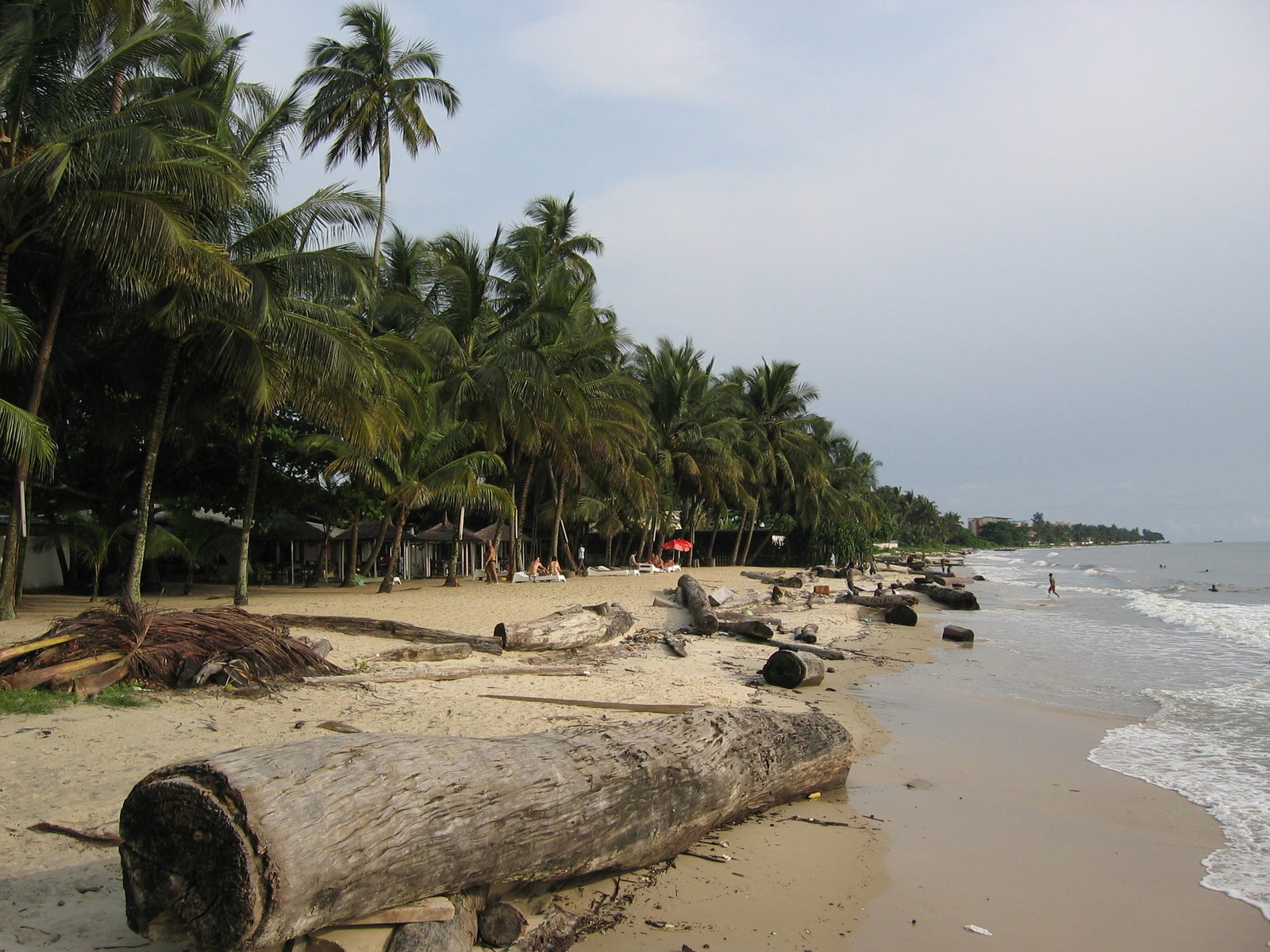
The city itself is not just a transit hub. The Marché du Mont-Bouët is one of the most vivid markets in the region — a sprawling canvas of tie-dye fabrics, dried fish, forest herbs, and carved masks. The Sainte-Marie Cathedral and Musée National du Gabon anchor a compact cultural quarter, while the waterfront Corniche road links beach bars, seafood shacks, and open-air clubs that fill late into the night.

Gabon has invested heavily in conservation — more than 11 % of its territory is protected — making Libreville the natural gateway to some of the continent's most pristine wilderness, all without the tourist crowds of East Africa's safari circuit.

  • Day-trip to Pongara National Park to see leatherback turtles and forest elephants on a wild Atlantic beach
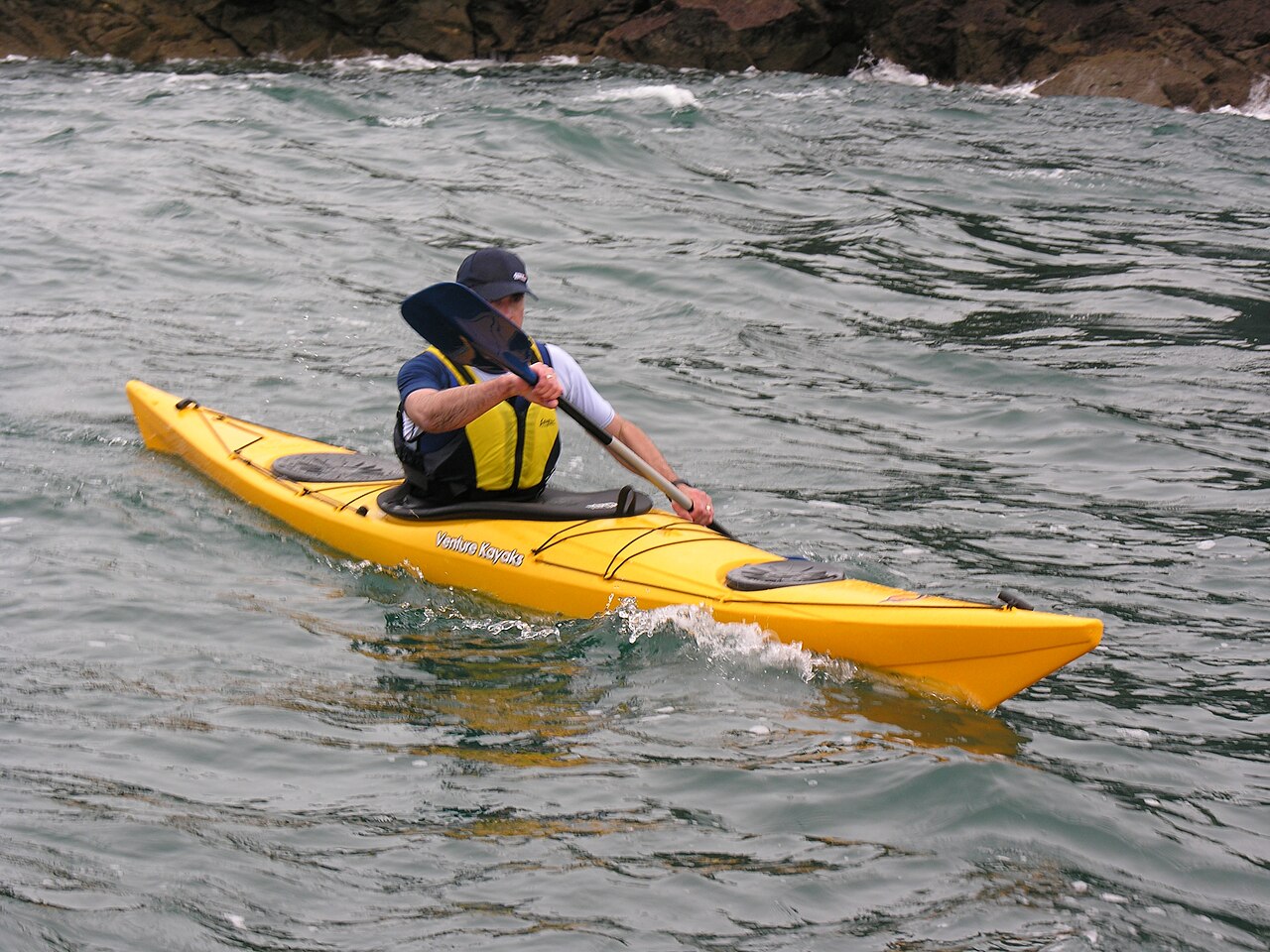
  • Kayak through Akanda's cathedral-like mangrove channels at high tide
  • Explore Mont-Bouët market for Gabonese fabrics, carvings, and the freshest Atlantic seafood
  • Eat your way along the Corniche — grilled barracuda, saka-saka, and Gabonese plantain are non-negotiable
  • Use Libreville as your launchpad for Lopé National Park and western lowland gorillas
  • Catch a live ndombolo or makossa set at one of the city's legendary open-air clubs

Best for

Eco-travellers, wildlife enthusiasts, French-speaking adventurers, and anyone seeking an authentic Central African city break

Trip style

Wildlife safari day-trips, urban exploration, beach relaxation, culinary discovery

Known for

Proximity to gorilla and elephant habitat, Gabonese cuisine, Atlantic beaches, vibrant nightlife

Quick facts

Best time to visit

June to September (cool dry season) for wildlife and outdoor activities; December to January (short dry season) for a second window

Currency

Central African CFA franc (XAF). 1 USD ≈ 610 XAF (2024)

Languages

French (official); Fang, Myene, and other Bantu languages widely spoken

Visa summary

Visa required for most nationalities. E-visa available online before travel. Yellow fever vaccination certificate mandatory on entry.

Flight time from Nairobi

Approx. 4 h 30 min direct (Kenya Airways NBO–LBV)

Airport / arrival

Libreville International Airport (LBV) is 11 km north of the city centre. Taxis are the main transfer option; agree the fare before departure.

Safety note

Generally safe in tourist areas. Exercise standard urban precautions at night, avoid displaying valuables, and stick to well-lit streets after dark.

Visa and entry

Look up entry rules by passport for travel to Gabon on the Tsavaro visa checker.

Check visa requirements for Gabon

Things to do

Kayaking in Akanda National ParkAdventure & Outdoors

Kayaking in Akanda National Park

Half day to full day

Paddle a sea kayak or traditional pirogue through Akanda's vast mangrove estuaries north of the city. The park protects one of the most important wetlands in Central Africa, hosting African grey parrots, sitatunga antelopes, manatees, and enormous flocks of migratory shorebirds.

Marché du Mont-BouëtCulture & Markets

Marché du Mont-Bouët

2–3 hours

Plunge into Libreville's largest and loudest market. Wander avenues of colourful wax-print fabric, carved ebony masks, wicker baskets, dried forest mushrooms, and still-wriggling Atlantic lobsters. Arrive early for the best energy and bring small CFA notes for bargaining.

Musée National du GabonCulture & Heritage

Musée National du Gabon

1–2 hours

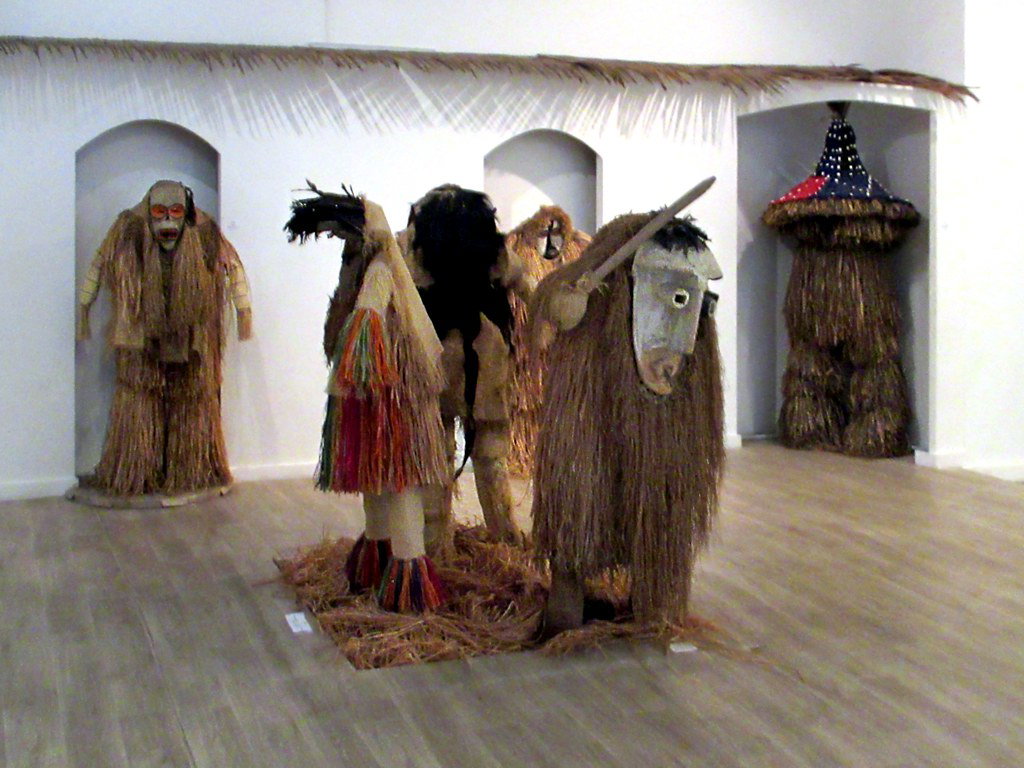
Housed in a colonial-era building near the waterfront, the national museum holds an impressive collection of Fang reliquaries, Kota mbulu-ngulu figures, ceremonial masks, and exhibits charting Gabon's natural history. Knowledgeable guides add context that display cards alone cannot.

Lopé National Park excursionWildlife Safari

Lopé National Park excursion

2–4 days

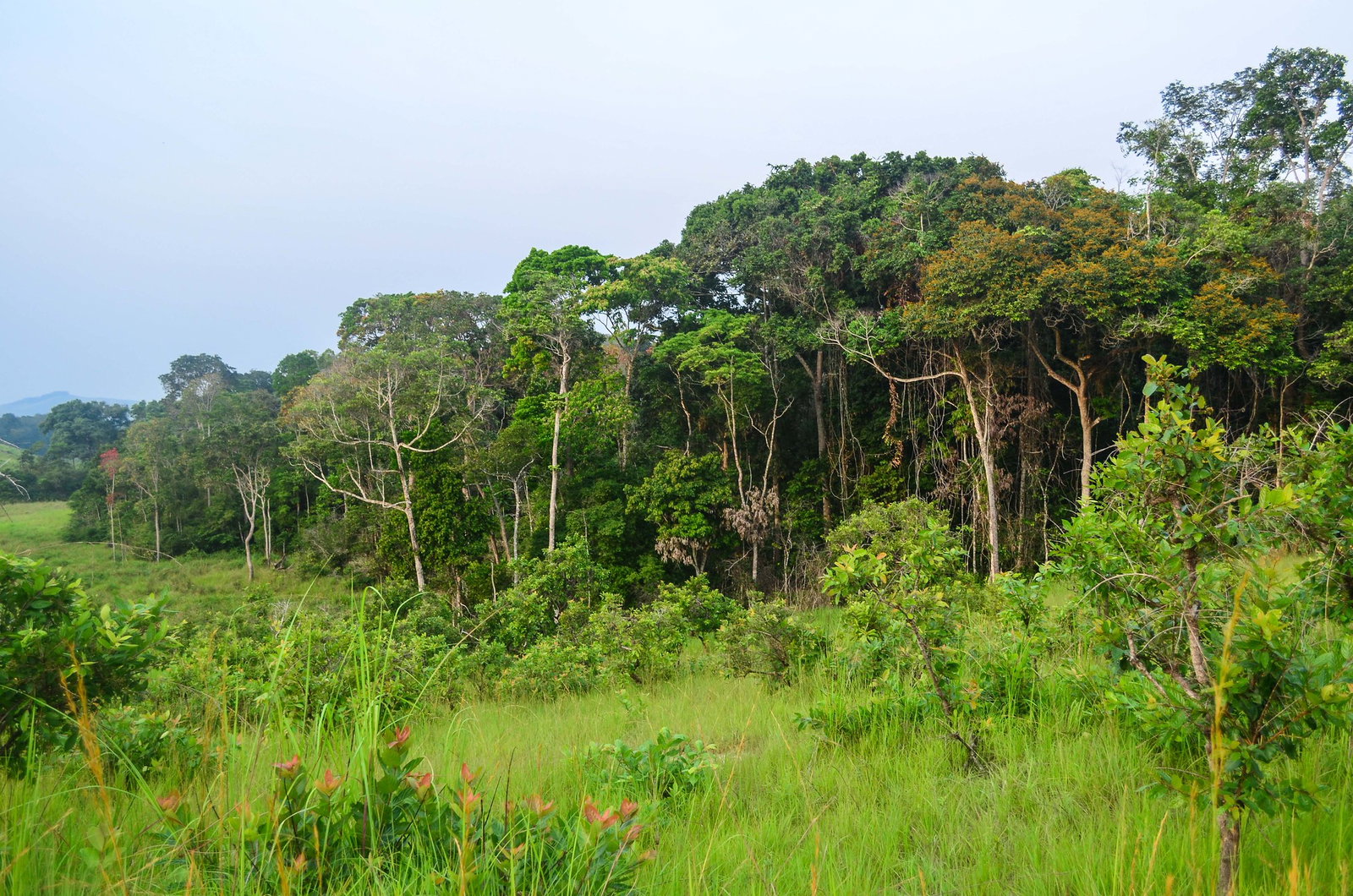
A 3–4 hour drive (or short domestic flight) from Libreville, Lopé is a UNESCO World Heritage Site and one of Africa's last refuges for western lowland gorillas, forest elephants, mandrills, and hundreds of bird species. Multi-day lodge stays in the park's dense rainforest are the highlight of any Gabon itinerary.

Sainte-Marie CathedralCulture & Heritage

Sainte-Marie Cathedral

30–45 minutes

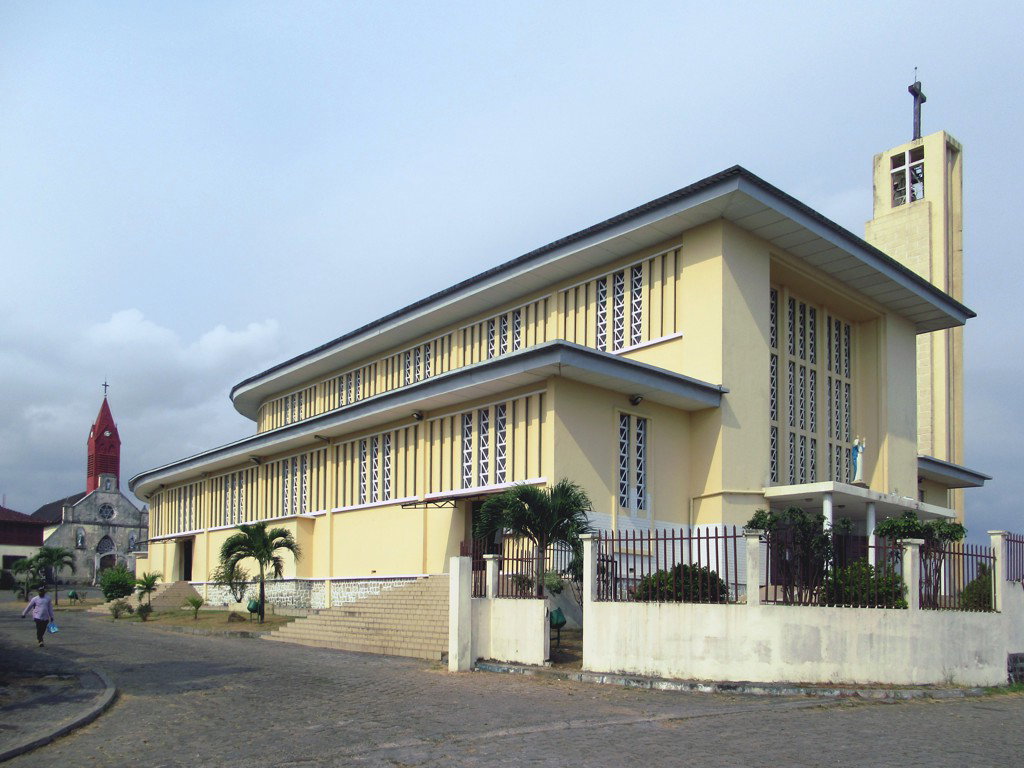
The Gothic-inspired Cathédrale Saint-Michel in the Sainte-Marie neighbourhood is Libreville's oldest stone church, its white twin towers visible from the estuary. The interior features locally made stained glass depicting Gabonese scenes — an unusual and moving blend of French colonial and Central African aesthetics.

Gabonese cooking classFood & Drink

Gabonese cooking class

3–4 hours

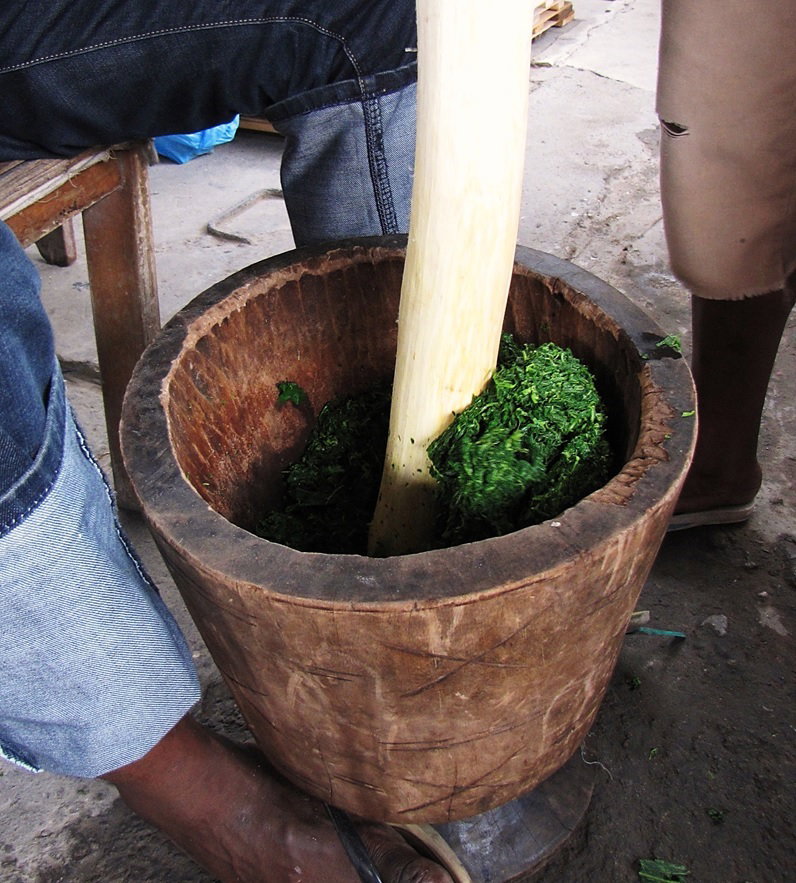
Learn to prepare saka-saka (cassava leaf stew with smoked fish), nyembwe chicken (cooked in palm butter), and plantain with local chefs in the Quartier Louis neighbourhood. Evening classes typically end with a shared meal and palm wine.

Best time to visit Libreville

The best time to visit Libreville is June to September, Gabon's long dry season, when humidity drops, rainfall is minimal, and wildlife is most easily spotted as animals congregate around water sources. Temperatures stay around 24–27 °C — warm but far more comfortable than the wet season peaks.

A second, shorter dry season runs from mid-December to January and is a good alternative window, especially if you want to combine city time with turtle nesting at Pongara (October–March peak).

The long rainy season (October–May, with a break around December–January) brings dramatic tropical downpours, lush green scenery, and lower hotel rates. Roads to remote parks can become impassable, but the city itself remains fully accessible. The equatorial climate means Libreville never truly has a 'bad' month — rain usually falls in intense afternoon bursts rather than all-day drizzle.

For wildlife: visit June–September for forest elephants and primates at their most active. For turtle nesting on Pongara Beach, October–March is prime. Birdwatching is outstanding year-round, peaking during November–April when Palearctic migrants arrive.
Is Libreville safe to visit?

Yes — Libreville is generally safe for tourists who exercise standard urban common sense. It is considered one of the more stable capitals in Central Africa, with a relatively low violent crime rate compared to regional peers. The main concerns are opportunistic petty theft, particularly in busy markets like Mont-Bouët and around the port area at night.

Practical tips: - Keep cameras and phones out of sight in crowded markets. - Use hotel-arranged taxis or app-based rides (Yango operates in Libreville) rather than hailing unmarked vehicles at night. - Avoid walking alone on unlit streets after midnight, especially outside the Corniche and Quartier Louis. - Carry a photocopy of your passport; the original is not needed for most daily activities. - Register with your embassy on arrival if staying more than a week.

Gabon experienced a brief military transition in August 2023; the political situation has since stabilised and Libreville returned to normal daily life quickly. Check your government's latest travel advisory before departure. Healthcare facilities are limited — comprehensive travel insurance with medical evacuation cover is strongly recommended.

Suggested itinerary

5 Days in Libreville & Beyond

This plan is designed for first-time visitors to Gabon, based in Libreville and making day or overnight trips into surrounding protected areas. It assumes a mid-range budget, comfortable pacing, and an interest in both wildlife and city culture. A hire car with driver is recommended for days outside the city.

Day 1

Arrive & Settle into the Corniche

Land at LBV and transfer to your hotel near the Corniche or in the Quartier Louis. After freshening up, walk the waterfront boulevard at golden hour — the estuary light is extraordinary. Dinner at one of the open-air seafood restaurants facing the water: order the grilled barracuda and a cold Flag lager. Early night to reset after travel.

Libreville — Arrive & Settle into the Corniche

Travel essentials

Getting around

Within Libreville, shared taxis (taxi-brousse) are the cheapest option — agree the price before boarding. Yango (ride-hailing) offers metered, safer rides via smartphone. Renting a 4WD with a local driver is recommended for day-trips to Akanda and Pongara. Domestic flights operated by Afrijet and Solenta connect Libreville to Lopé, Port-Gentil, and Franceville.

Typical costs

Mid-range hotel: 60,000–100,000 XAF/night (approx. USD 95–160). Budget guesthouse: 25,000–40,000 XAF. Restaurant meal (local maquis): 3,000–6,000 XAF. Restaurant meal (mid-range): 10,000–20,000 XAF. Pongara ferry: approx. 5,000 XAF return. Gabon is one of sub-Saharan Africa's more expensive destinations due to high import costs.

Culture and etiquette

French is the lingua franca and basic French goes a long way. Greeting people before asking questions is culturally important — a simple 'Bonjour, ça va?' opens doors. Dress modestly away from beach areas. Photography of government buildings, airports, and military installations is prohibited. Ask permission before photographing individuals.

Safety and planning

Yellow fever vaccination is mandatory and your certificate will be checked on arrival. Malaria prophylaxis is strongly recommended — Libreville sits in a high-transmission zone. Pack DEET-based insect repellent. Tap water is not reliably safe; drink bottled or filtered water. Travel insurance with emergency medical evacuation is essential.

Connectivity

Airtel and Gabon Telecom (Libertis) offer the best 4G coverage in Libreville. SIM cards are available at the airport arrivals hall and at mobile shops in town. Wi-Fi is available in most mid-range and upscale hotels. Connection speeds are adequate for messaging and browsing but can be slow for large uploads.

Payments

Cash (CFA francs) is the dominant payment method, especially in markets and local restaurants. Major hotels and upscale restaurants accept Visa and Mastercard, but don't rely on cards. ATMs are available in the city centre and at the airport — withdraw cash on arrival. Inform your bank before travelling.

Libreville travel FAQs

More destinations to explore