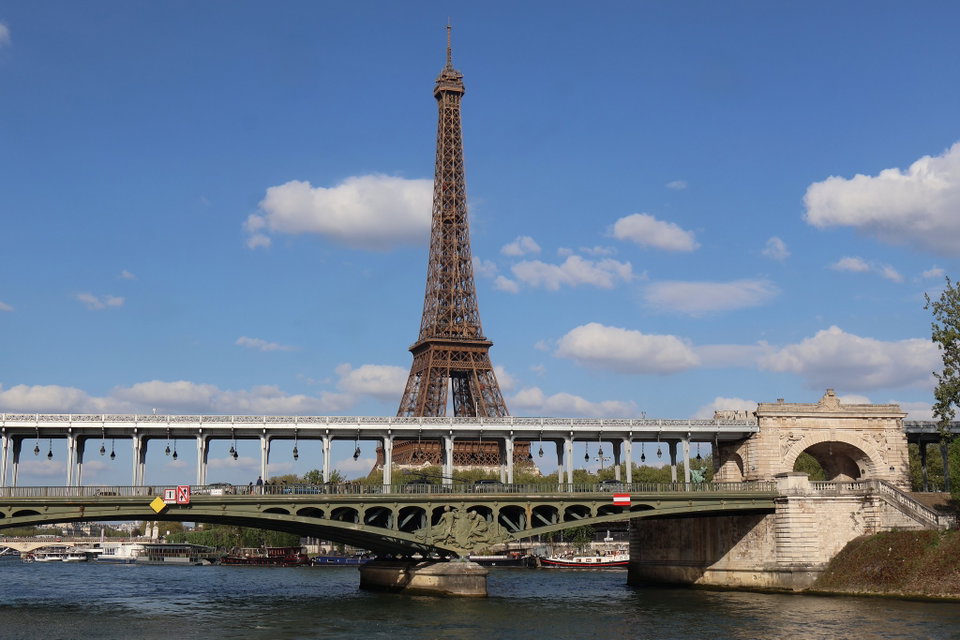
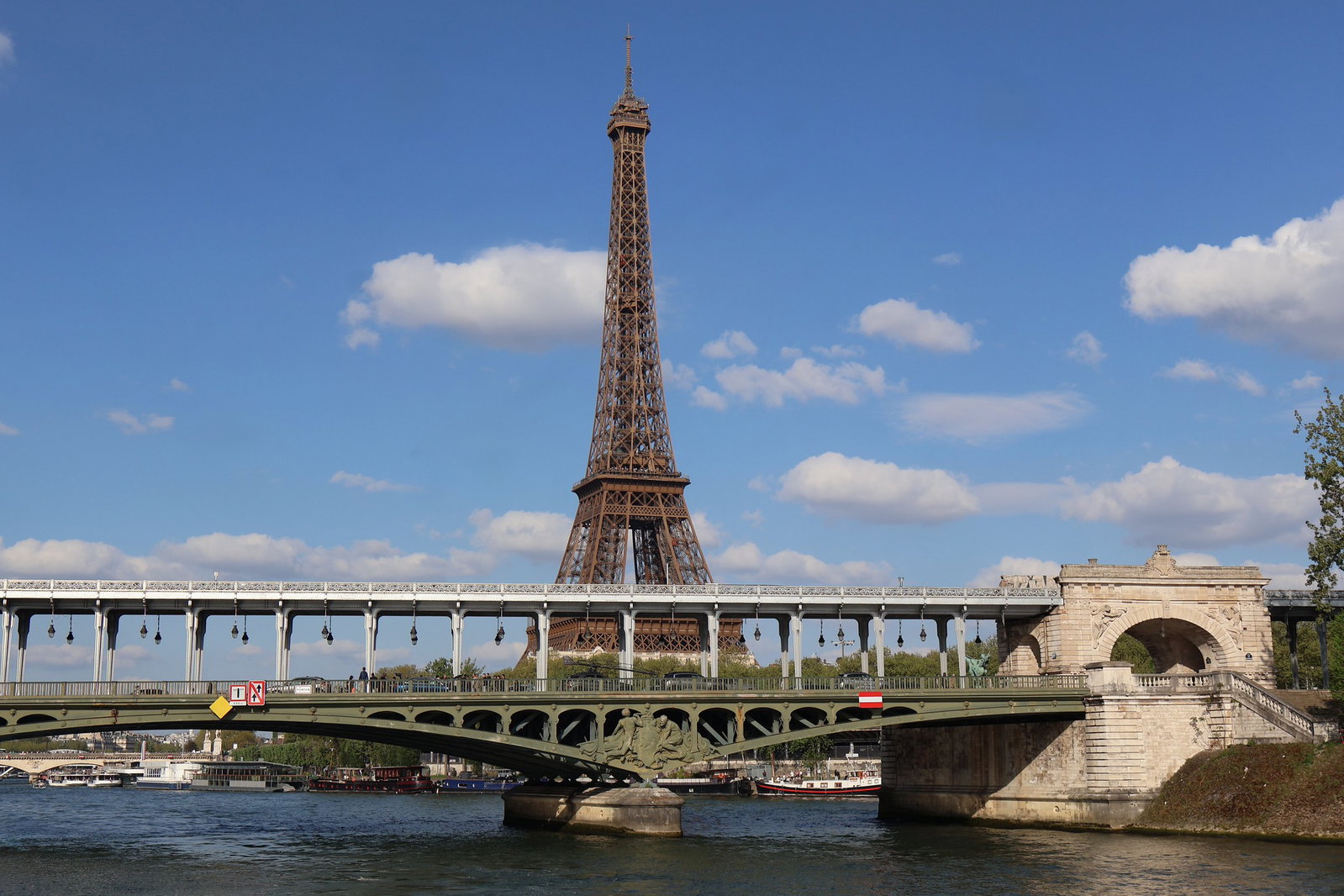
The Eiffel Tower at dusk rising above the Seine river with golden Parisian lights reflected on the water

Destination guide

Paris

Île-de-France · France

Centuries of art, food, and style — all within walking distance of a great café

Best season

April–June and September–October for mild weather and manageable crowds

From Nairobi

Approximately 8–9 hours non-stop (Nairobi NBO to Paris CDG)

Why visit Paris?

Few cities have shaped global culture as profoundly as Paris. The Louvre alone holds more masterpieces than most countries possess, and that is before you step into the Musée d'Orsay, the Centre Pompidou, or the dozens of smaller galleries tucked into grand 19th-century buildings.

Beyond the museums, Paris is a city you live in rather than simply tick off. Each arrondissement has its own personality — the medieval lanes of the Marais, the literary cafés of Saint-Germain-des-Prés, the vine-covered slopes of Montmartre. The food scene spans three-Michelin-star temples and €4 jambon-beurre sandwiches eaten on a bench by the Canal Saint-Martin, and both experiences feel authentically Parisian.

The city's scale is human. Most of what matters is within a few metro stops or a pleasant walk, and the riverbanks are lined with bookstalls, bridges, and quiet spots to simply watch the city go by.

  • Over 130 world-class museums within the city limits — including the Louvre, the world's most visited.
  • A neighbourhood bakery culture that puts a freshly baked croissant within 5 minutes of almost anywhere you stay.
  • 40 km of Seine riverbank declared a UNESCO World Heritage Site.
  • Fashion, art, and music calendars that make every month a reason to visit.
  • One of Europe's most efficient metro systems with 16 lines and 300+ stations.
  • Day-trip distance from Versailles, Champagne, the Loire Valley, and the D-Day beaches of Normandy.

Best for

Art lovers, food and wine enthusiasts, history buffs, romantic getaways, solo city breaks, and architecture admirers

Trip style

City break, cultural immersion, food & wine, romantic escape

Known for

The Eiffel Tower, the Louvre, haute cuisine, fashion weeks, Haussmann boulevards, and some of the world's greatest bakeries

Quick facts

Best time to visit

April–June and September–October for mild weather and manageable crowds

Currency

Euro (EUR). ATMs are widely available; cards accepted almost everywhere.

Languages

French. English is spoken at most hotels, restaurants, and major attractions.

Visa summary

EU/EEA nationals enter freely. Most other nationalities can visit visa-free for up to 90 days under the Schengen Agreement. ETIAS authorisation will be required for many nationalities from 2025.

Flight time from Nairobi

Approximately 8–9 hours non-stop (Nairobi NBO to Paris CDG)

Airport / arrival

Charles de Gaulle (CDG) is the main international hub, 25 km north-east of the city. RER B train reaches central Paris in about 35 minutes. Orly (ORY) serves some European and domestic routes.

Safety note

Generally safe for tourists. Remain alert to pickpocketing around major attractions and on the metro; keep bags secure and avoid unlicensed taxi touts at airports.

Visa and entry

Look up entry rules by passport for travel to France on the Tsavaro visa checker.

Check visa requirements for France

Things to do

Climb (or ascend) the Eiffel TowerLandmark

Climb (or ascend) the Eiffel Tower

2–3 hours including queuing and views

Gustave Eiffel's 1889 iron lattice tower remains the city's defining silhouette. Take the lift to the third floor at 276 m for panoramic views stretching to La Défense and beyond, or walk the stairs to the second floor for a more visceral sense of scale. Book timed-entry tickets online well in advance, especially in summer.

Spend a morning in the LouvreMuseum

Spend a morning in the Louvre

Half-day minimum; full-day for serious art lovers

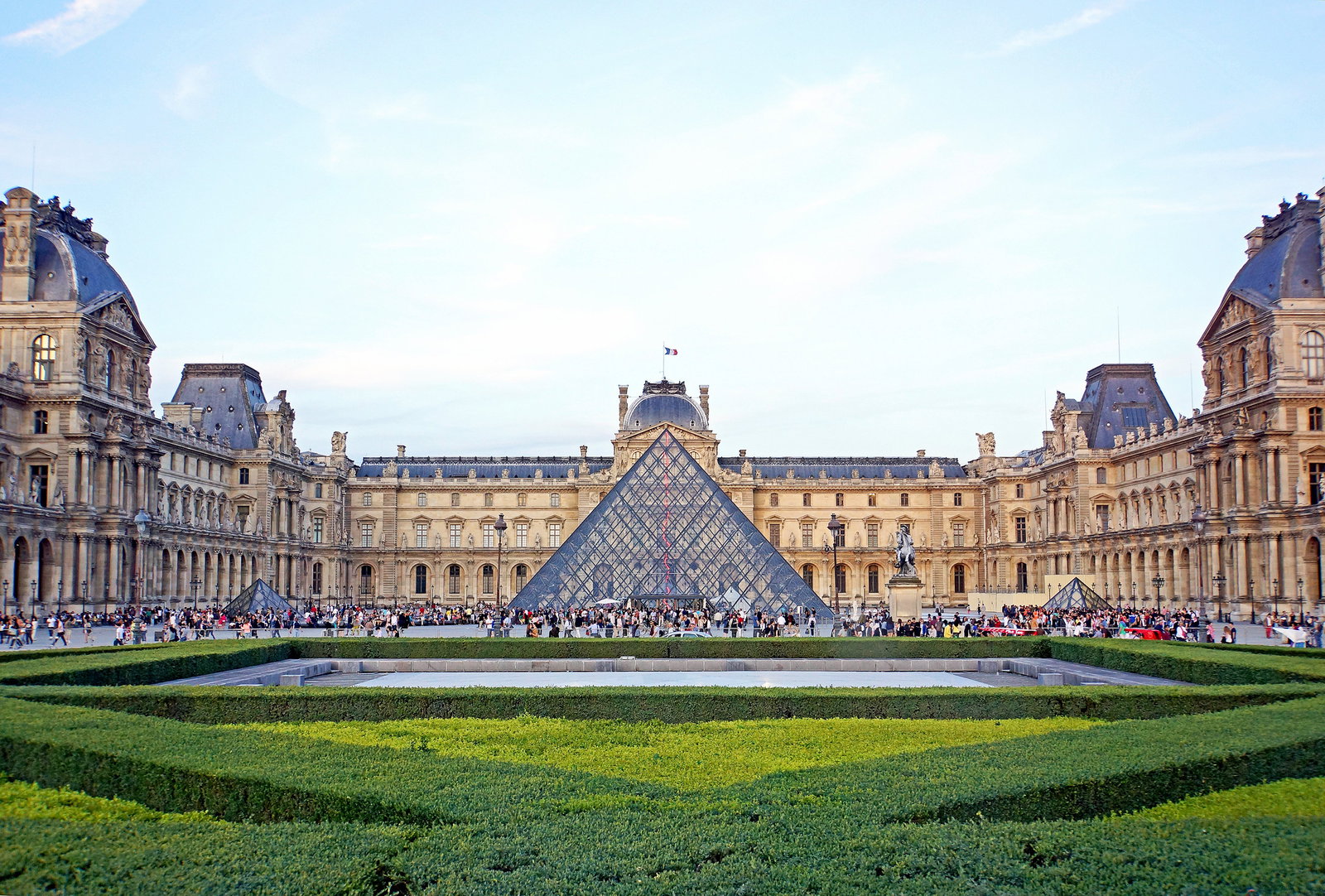
The world's largest art museum occupies a former royal palace and holds 35,000 works on display across three wings. Highlights include the Mona Lisa, the Venus de Milo, the Winged Victory of Samothrace, and Vermeer's The Lacemaker. Arrive at opening time on a Wednesday or Friday evening (open until 21:45) for the thinnest crowds.

Walk the Marais neighbourhoodNeighbourhood walk

Walk the Marais neighbourhood

Half-day

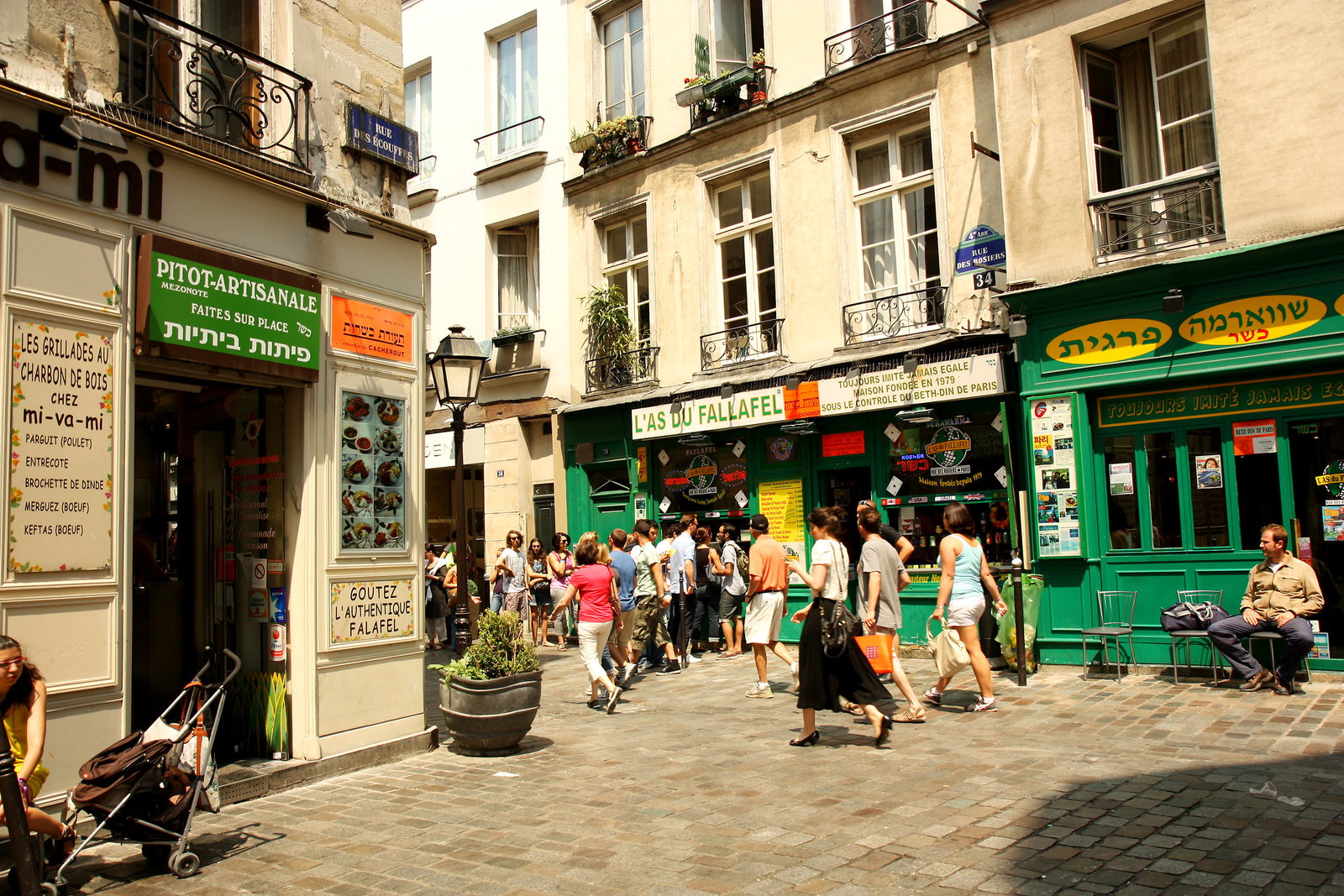
Paris's best-preserved medieval and Renaissance quarter rewards aimless wandering. Pass the Place des Vosges (the city's oldest planned square), browse galleries on the Rue de Bretagne, visit the Musée Picasso or the Musée Carnavalet, and end the afternoon at a falafel counter on the Rue des Rosiers.

Explore Montmartre and visit Sacré-CœurNeighbourhood walk

Explore Montmartre and visit Sacré-Cœur

Half-day

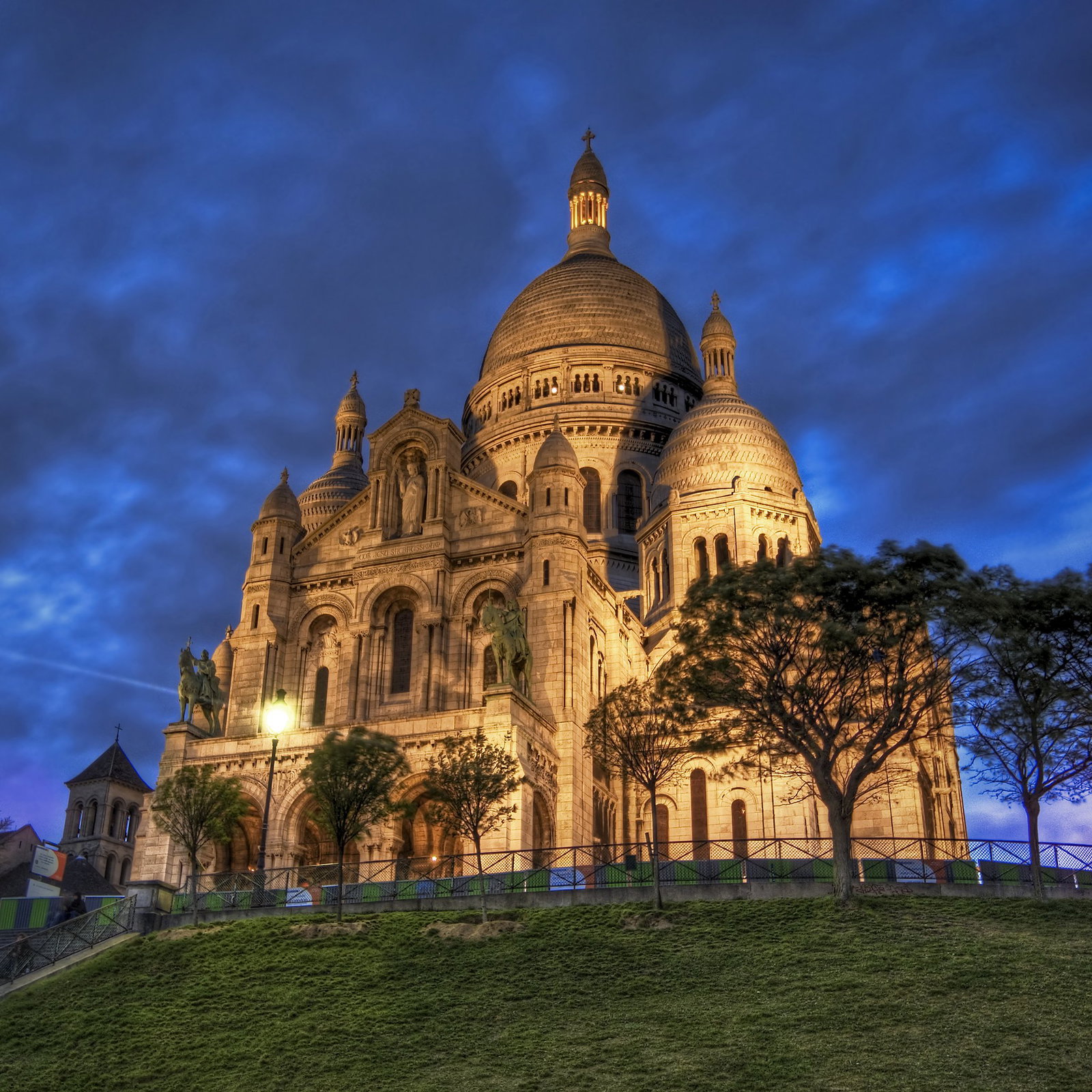
The hilltop village that sheltered Picasso, Modigliani, and Toulouse-Lautrec still feels distinct from the rest of Paris. The Romano-Byzantine Sacré-Cœur basilica offers sweeping city views; the streets below are lined with artists' studios, vine terraces, and the last functioning vineyard in central Paris.

Take a Seine river cruiseCruise

Take a Seine river cruise

1–1.5 hours

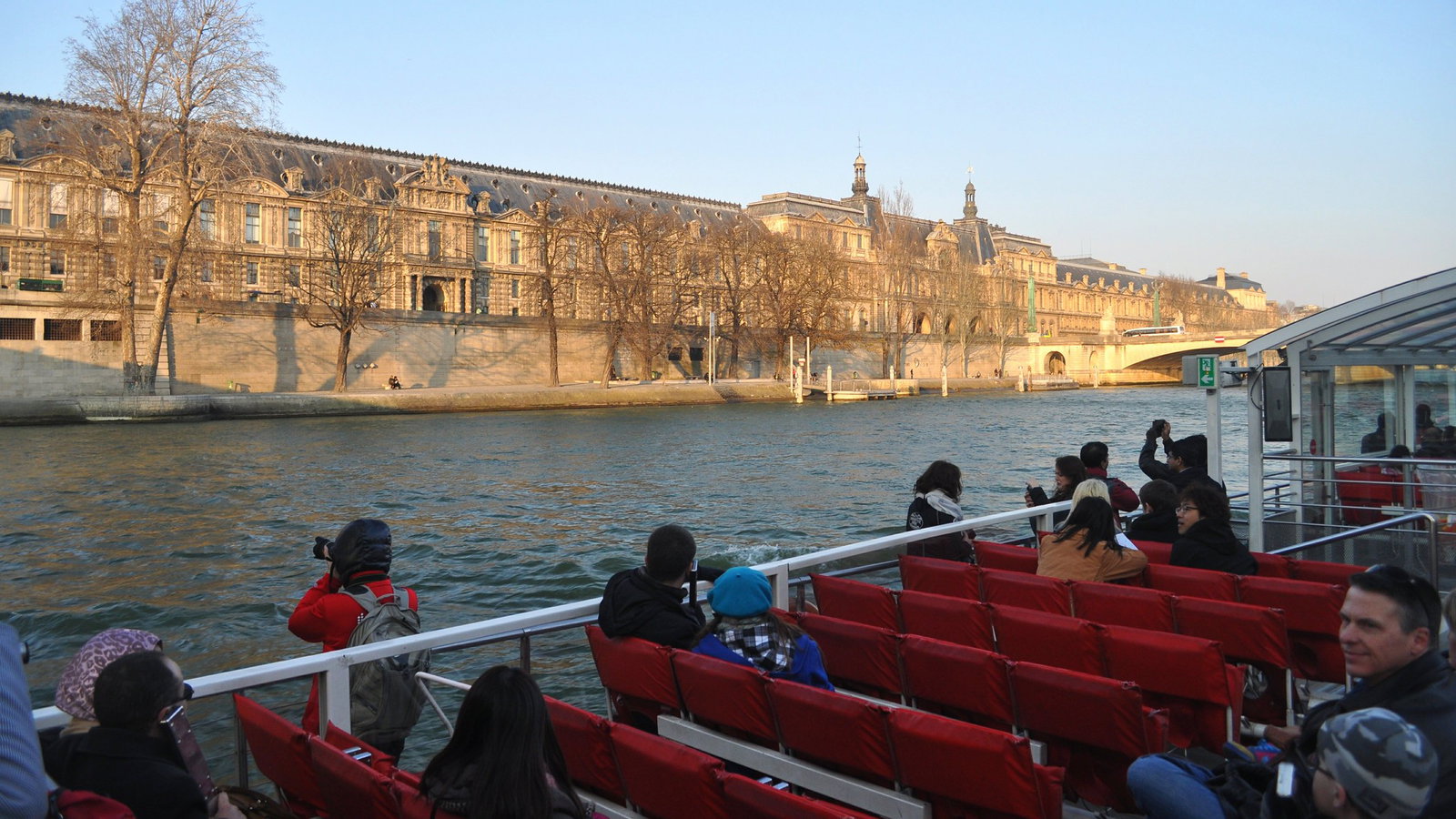
A Bateaux-Mouches or Vedettes du Pont-Neuf cruise lets you see Notre-Dame, the Eiffel Tower, the Pont Alexandre III, and the Musée d'Orsay from the water. Evening departures are especially atmospheric when floodlit monuments are reflected in the river.

Visit the Musée d'OrsayMuseum

Visit the Musée d'Orsay

2–4 hours

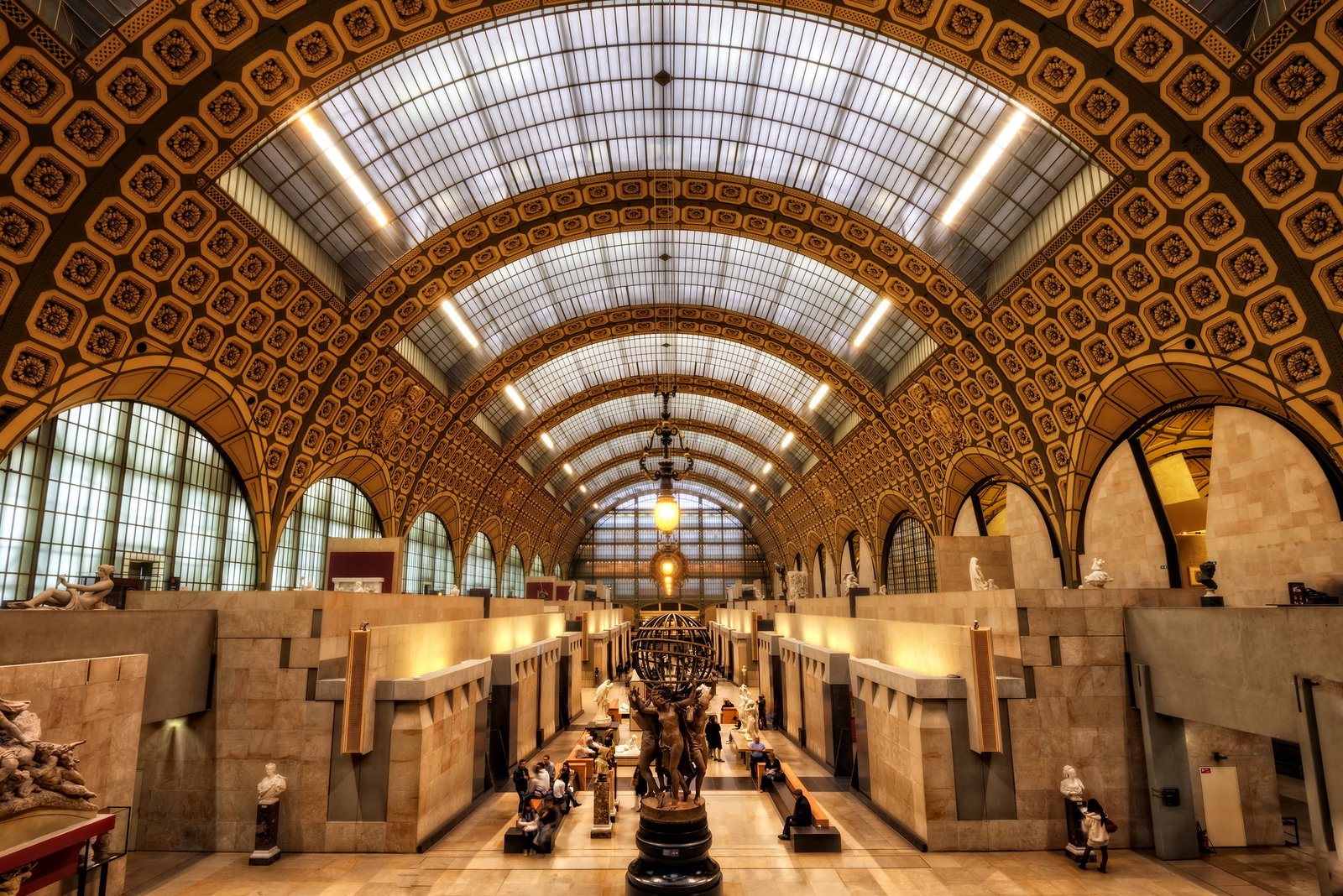
Housed in a converted Beaux-Arts railway station, the Orsay holds the world's finest collection of Impressionist and Post-Impressionist art — Monet's water lilies series, Renoir's Bal du moulin de la Galette, Van Gogh's self-portraits, and Degas's bronze dancers. Far less crowded than the Louvre.

Stroll the Palace of Versailles gardensDay trip

Stroll the Palace of Versailles gardens

Full day

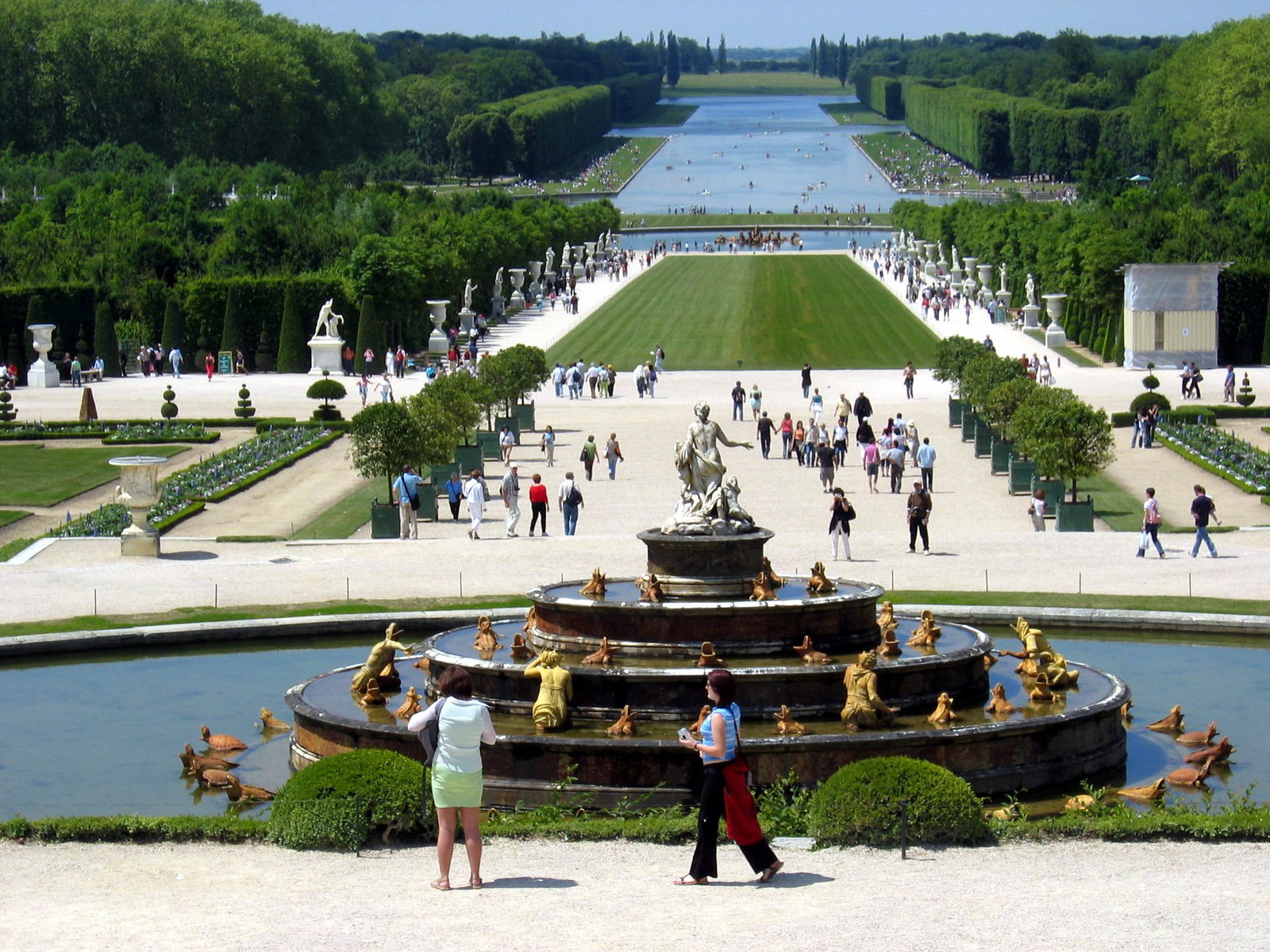
Just 40 minutes by RER C from central Paris, Louis XIV's royal château and its 800-hectare formal gardens are a logical day-trip. The Hall of Mirrors, the Grand and Petit Trianon palaces, and Marie Antoinette's Hameau (model hamlet) are all within the estate.

Shop and people-watch on the Champs-ÉlyséesShopping & sightseeing

Shop and people-watch on the Champs-Élysées

2–3 hours

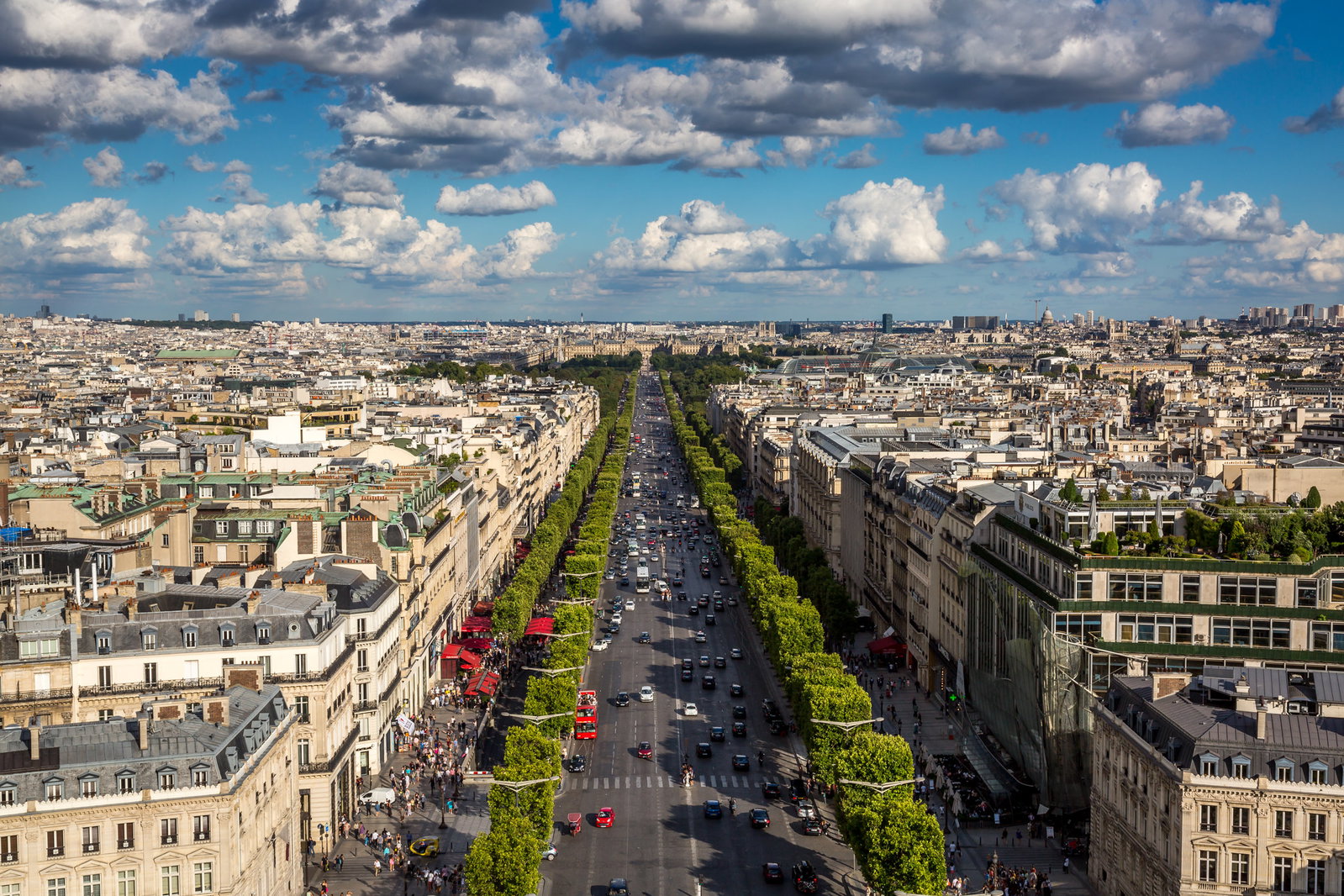
The world's most famous avenue stretches 1.9 km from the Place de la Concorde to the Arc de Triomphe. Climb to the top of the Arc for the best overhead view of the 12-road star junction, then browse flagship stores, sample a Pierre Hermé macaron, and watch the city flow past from a terrace café.

Best time to visit Paris

The best time to visit Paris is April to June, when horse-chestnut trees line the boulevards in blossom, café terraces reopen in earnest, and the city feels joyfully alive before summer crowds peak. September and October are a close second — the light turns golden, the queues thin, and the cultural season kicks off with fashion week and a packed gallery calendar.

Spring (March–May): Temperatures climb from around 8°C to 20°C. Paris wakes up: markets, outdoor dining, and cherry blossom in the Jardins du Palais Royal. Rain is possible but rarely prolonged.

Summer (June–August): Long days, warm temperatures (20–28°C), and the city's biggest crowds. Many Parisians leave in August, so some smaller bistros close, but tourist infrastructure is at full capacity. Book everything — museums, restaurants, hotels — well ahead. Paris Plages turns the Seine banks into a temporary beach in July and August.

Autumn (September–October): Arguably the most pleasant season. Temperatures around 14–20°C, fewer queues than summer, and the city hums with fashion weeks, the FIAC art fair, and the grape harvest in Montmartre.

Winter (November–February): Cold (3–8°C) and occasionally grey, but Paris handles winter well. Christmas illuminations on the Champs-Élysées, ice rinks in front of the Hôtel de Ville, and far shorter museum queues. January sales (soldes) draw shoppers from across Europe.
Is Paris safe to visit?

Yes — Paris is generally safe for tourists, and millions of visitors explore the city every year without incident. The risks that do exist are largely opportunistic and predictable, making them easy to mitigate with basic precautions.

Pickpocketing is the most common concern, concentrated around the Eiffel Tower, the Louvre, Sacré-Cœur, major metro lines (especially lines 1 and 4), and the RER B from Charles de Gaulle. Keep bags zipped and in front of you, use hotel safes for passports and spare cash, and be sceptical of anyone who approaches you with an unsolicited petition or 'finds' a ring on the ground.

Transport safety: The metro is generally safe during the day and on busy evening lines, though late-night solo travel on quieter outer lines warrants extra awareness. Licensed G7 or Uber taxis are reliable; avoid unofficial drivers at CDG and Orly.

Areas to be aware of: The northern edges of the 18th arrondissement (around Porte de la Chapelle and Porte de Clignancourt) and parts of the Gare du Nord surrounding streets can feel chaotic and have higher rates of petty crime; exercise normal urban caution there.

Emergency numbers: Police 17, SAMU (medical) 15, European emergency 112. Tourist police (Brigade de répression du banditisme touristique) operate near major attractions and speak multiple languages.

Suggested itinerary

Paris in 5 Days: Icons, Neighbourhoods & Day Trips

This plan assumes a mid-range budget, accommodation in central Paris (1st–4th or 9th–11th arrondissements), and a relaxed-but-full pace. Days can be reordered depending on museum booking slots. Pre-book the Eiffel Tower and Louvre timed-entry tickets before arrival.

Day 1

The Left Bank & the Iron Lady

Begin with coffee and a croissant at a Saint-Germain-des-Prés café, then walk to the Musée d'Orsay for a morning among the Impressionists. Cross the Pont de la Concorde to the Tuileries Garden for a bench lunch, then enter the Louvre for the afternoon (book tickets in advance). Walk or take a river cruise to the Eiffel Tower for sunset — the tower sparkles for five minutes on each hour after dark.

Paris — The Left Bank & the Iron Lady

Travel essentials

Getting around

The Paris Métro (16 lines, 300+ stations) covers virtually the whole city; trains run 05:30 to 01:15 (02:15 on Fridays and Saturdays). The RER suburban rail is faster for longer distances. A rechargeable Navigo card or a carnets of 10 tickets gives the best value. Vélib' bike-share and Lime/Bird scooters are useful for short hops. Walking is often faster than public transport within a single arrondissement.

Typical costs

Budget travellers can get by on €80–100/day (hostel, boulangerie meals, free museum days). Mid-range is €180–280/day (3-star hotel, one sit-down restaurant meal). The first Sunday of each month many national museums — including the Louvre and Musée d'Orsay — are free. Under-18s and EU residents under 26 enter national museums free year-round.

Culture and etiquette

Greet shopkeepers and restaurant staff with 'Bonjour' when entering and 'Merci, au revoir' when leaving — it costs nothing and goes a long way. Attempts at even basic French are appreciated. Tipping is not obligatory (service is included by law), but leaving €1–2 per person at a sit-down restaurant is customary for good service. Dress modestly when visiting churches.

Safety and planning

Register your trip with your country's embassy if travelling for longer stays. Keep digital copies of your passport, travel insurance, and hotel bookings in cloud storage. Travel insurance covering medical evacuation is strongly advised. Pharmacies (marked with a green cross) can handle minor ailments and provide advice without an appointment.

Connectivity

Free Wi-Fi is available at most cafés, hotels, all McDonald's, and in many metro stations. French SIM cards (Orange, SFR, Free Mobile) offer competitive data plans and can be purchased at CDG arrivals or any phone shop. EU roaming rules mean EU-issued SIMs work in France at home rates.

Payments

Card payments are accepted almost universally, including contactless for metro gates and boulangeries. Carrying €20–40 in cash is useful for smaller market stalls and tips. Avoid airport currency exchange booths; ATMs attached to major banks (BNP Paribas, Société Générale) offer better rates.

Paris travel FAQs

More destinations to explore