Rijksmuseum
2–4 hours
The Netherlands' premier art and history museum houses Rembrandt's The Night Watch, Vermeer's The Milkmaid, and over a million objects spanning eight centuries of Dutch history. Book tickets online to skip the queue.
Destination guide
Europe · Netherlands
Canals, museums and an easy European gateway.
Best season
April–May (tulip season, mild weather) or September–October (fewer crowds, golden light)
From Nairobi
Approximately 9–10 hours direct (KLM operates NBO–AMS non-stop); 11–14 hours via a hub on other carriers.
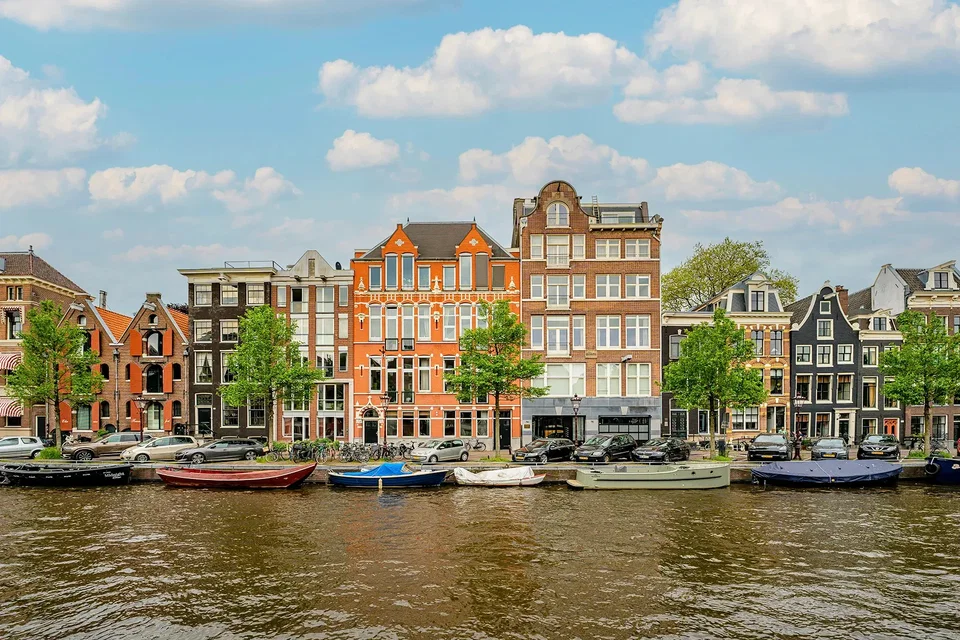
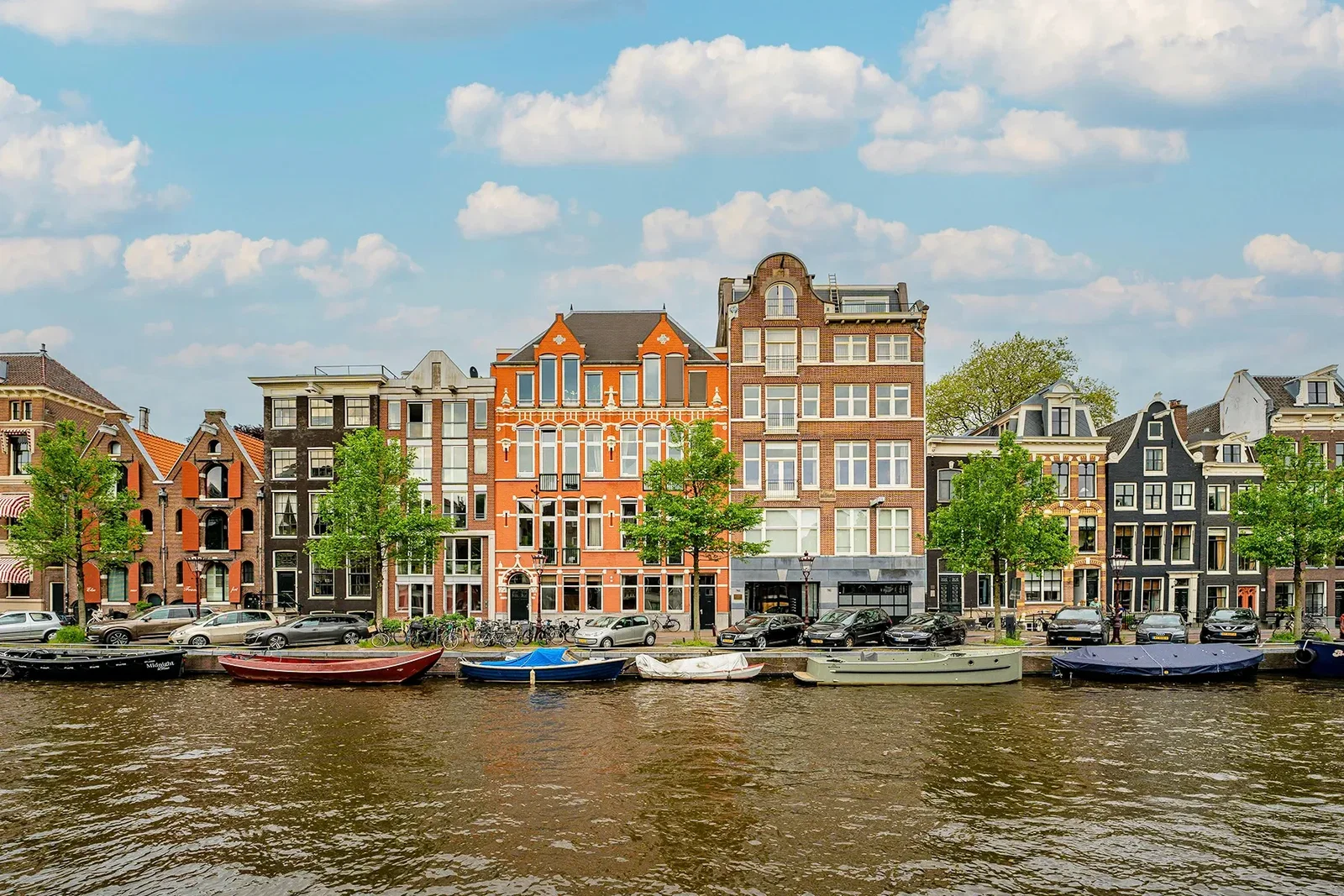
Amsterdam is one of those rare cities that rewards every type of traveller. Art lovers can spend days in the Rijksmuseum, the Van Gogh Museum, and the Stedelijk without scratching the surface of what's on offer. History seekers find layer upon layer of stories — from the Dutch Golden Age trading empire to Anne Frank's wartime hideout. And for those who simply want to wander, the canal belt (a UNESCO World Heritage Site) provides one of the most photogenic urban landscapes on earth.
The city is also refreshingly easy. Distances are short, the tram and metro network is intuitive, and hiring a bicycle for a day genuinely unlocks a different side of Amsterdam — cycling along the Amstel river or through Vondelpark feels entirely natural within a few hours. Dining ranges from Surinamese roti shops and Indonesian rijsttafel to Michelin-starred contemporary Dutch cuisine, reflecting the city's centuries-old multicultural identity.
Best for
Art and culture, history, cycling, canal-side dining, weekend breaks, LGBTQ+ travel
Trip style
City break, cultural immersion, solo travel, couples, slow travel
Known for
Rijksmuseum, Van Gogh Museum, Anne Frank House, canal belt, cycling culture, tulip markets, Dutch Golden Age architecture
Best time to visit
April–May (tulip season, mild weather) or September–October (fewer crowds, golden light)
Currency
Euro (EUR). ATMs are widely available; card payments accepted almost everywhere.
Languages
Dutch (official). English is spoken fluently by nearly all residents and service staff.
Visa summary
Kenyan passport holders require a Schengen short-stay visa. Apply at the Netherlands embassy well in advance. EU/EEA nationals enter freely.
Flight time from Nairobi
Approximately 9–10 hours direct (KLM operates NBO–AMS non-stop); 11–14 hours via a hub on other carriers.
Airport / arrival
Amsterdam Airport Schiphol (AMS) is 18 km south-west of the city. Intercity trains run every 10–15 minutes to Amsterdam Centraal (17 min, ~€5.50). Taxis cost €45–55.
Safety note
Generally very safe. Watch for bicycle lanes — crossing them without looking is the most common hazard for visitors. Pickpockets operate in busy tourist areas; keep bags secure.
Visa and entry
Look up entry rules by passport for travel to Netherlands on the Tsavaro visa checker.
Check visa requirements for Netherlands2–4 hours
The Netherlands' premier art and history museum houses Rembrandt's The Night Watch, Vermeer's The Milkmaid, and over a million objects spanning eight centuries of Dutch history. Book tickets online to skip the queue.
1.5–3 hours
The world's largest collection of Van Gogh works — over 200 paintings and 500 drawings — presented chronologically so you can follow the artist's turbulent life and evolving style. Timed tickets must be reserved in advance.
1–2 hours
The secret annex where Anne Frank and her family hid during the Nazi occupation is now a profoundly moving museum. Capacity is strictly limited — book tickets weeks ahead online; walk-in entry is rarely available.
2–4 hours
Hire a bike from any of the city's many rental shops and follow the Herengracht, Keizersgracht, and Prinsengracht canals. The Jordaan loop and the Amstel river route are particularly scenic and manageable for casual cyclists.
Half day
A 30-minute bus ride from Schiphol, Keukenhof is the world's largest flower garden and opens only mid-March to mid-May. Seven million bulbs — tulips, daffodils, and hyacinths — bloom across manicured parkland. Pre-book tickets.
1–2 hours
Amsterdam's 47-hectare green lung is the place locals go to picnic, run, and watch open-air performances in summer. Grab a stroopwafel from a nearby bakery and join the city's daily rhythm.
1–2 hours
One of Europe's largest street markets runs daily (except Sunday) in the De Pijp neighbourhood. Browse Dutch cheese, fresh stroopwafels, herring, flowers, clothing, and street food from dozens of cultures.
Half day
Take the free IJ ferry from behind Centraal station to Amsterdam Noord, then ride the outdoor swing on top of the A'DAM Lookout tower for panoramic views. The NDSM wharf area nearby has street art, food trucks, and creative studios.
The best time to visit Amsterdam is April to May, when tulip season is in full bloom, temperatures are mild (12–18°C), and the city comes alive after winter. Keukenhof Gardens (open mid-March to mid-May) is a major draw during this window.
June to August is peak summer — long days, outdoor terraces packed, canal boat tours busy, and hotel prices at their highest. Expect 20–25°C and occasional rain. If you visit in summer, book everything at least 2–3 months ahead.
September and October offer a sweet spot: the worst crowds have thinned, the canal trees turn amber and gold, and prices dip noticeably. Temperatures remain comfortable (14–18°C) into October.
November to March is quietest and coldest (2–8°C), with shorter days and a higher chance of grey skies. However, the museums are less crowded, Christmas markets appear in December, and hotel rates are at their lowest. Amsterdam's cosy brown cafes are particularly appealing in winter.
Yes — Amsterdam is one of Western Europe's safest capital cities and is very welcoming to international tourists. Violent crime affecting visitors is rare, and the city consistently ranks highly on global liveability and safety indices.
The main risks to be aware of are:
Pickpocketing: Crowded areas around Centraal station, the Rijksmuseum, and the Red Light District attract opportunistic theft. Keep bags in front of you and avoid displaying expensive cameras or phones unnecessarily.
Bicycle lanes: Amsterdam's cycling infrastructure is dense. Always check for bikes before stepping off a pavement or crossing a road — cyclists have priority and move fast. This is genuinely the most common cause of minor injury for tourists.
The Red Light District (De Wallen): Safe to walk through as a tourist, but follow the posted rules — no photography of sex workers, respect the area, and avoid it very late at night if you are unfamiliar with the city.
Drugs: Cannabis use in licensed coffee shops is tolerated for adults. However, possessing or purchasing drugs outside licensed premises is illegal. Magic truffles are sold legally but carry real risks — if you choose to use them, do so in a safe environment with people you trust.
Overall, sensible travel habits — staying aware of surroundings, securing valuables, and not leaving drinks unattended — are all that's needed for a safe Amsterdam trip.
Suggested itinerary
This itinerary assumes you're based in the canal belt or Jordaan area, travelling at a relaxed pace, and mixing major sights with neighbourhood exploring. It suits a mid-range budget (€100–180/day including accommodation, food, transport, and key museum entries).
Day 1
Check in and orient yourself with a walk through the Jordaan — Amsterdam's most atmospheric neighbourhood. Stroll along Prinsengracht canal, browse the Saturday Noordermarkt (or weekday flower stalls), and find a brown cafe (bruine kroeg) for your first Dutch beer or jenever. End the evening with dinner in the neighbourhood — Indonesian or Surinamese cuisine are both local traditions worth trying.
Direct and connecting routes from Amsterdam. Tap a city to see live fares and book with Tsavaro.
Amsterdam is best explored on foot or by bicycle. The city's tram network (GVB) covers the centre comprehensively — buy an OV-chipkaart from a machine at Centraal or use a contactless bank card on modern trams and buses. Metro lines connect the centre to Noord and the south. Bicycle hire costs €10–18/day from dozens of shops; the city has dedicated lanes everywhere. Taxis are expensive — use the official Taxi Centrale (TCA) or Uber rather than unmarked cabs.
Budget: €60–90/day (hostel dorm, self-catering, walking/cycling). Mid-range: €120–180/day (3-star canal hotel, cafe lunches, 1–2 museum entries). Splurge: €250+/day (boutique canal house hotel, fine dining, private tours). Museum entries: Rijksmuseum €22.50, Van Gogh Museum €22, Anne Frank House €16. Tram day ticket: €9.
Dutch directness can feel blunt to visitors from more indirect cultures — it is not rudeness. Tipping is appreciated but not obligatory; rounding up or leaving 10% in restaurants is standard. Always yield to cyclists (they will not stop for you). Greet with a simple 'hoi' or 'goedendag'. Photographing people without consent, especially in the Red Light District, is genuinely frowned upon and prohibited by posted signs.
Take out comprehensive travel insurance that covers medical evacuation. The European Health Insurance Card (EHIC) is not applicable for non-EU visitors. Nearest hospital to the centre: Amsterdam UMC (AMC). Emergency number: 112. Pharmacies (apotheken) are widely available; a duty pharmacy rota ensures 24-hour access. Keep a photocopy or digital copy of your passport separate from the original.
Amsterdam has excellent 4G/5G coverage citywide. Free Wi-Fi is available in most hotels, cafes, and the Schiphol airport. An EU SIM (or an eSIM from a provider like Airalo) is the most cost-effective option for data. KPN, Vodafone NL, and T-Mobile NL are the main networks.
The Netherlands is one of Europe's most cashless societies — card payment (contactless Mastercard or Visa) is accepted in virtually all shops, restaurants, and public transport. Some smaller markets and traditional cafes are cash-only; carry €20–30 as backup. ATMs (geldautomaten) are widely available; use bank-affiliated machines to avoid high independent ATM fees.
Amsterdam, Netherlands