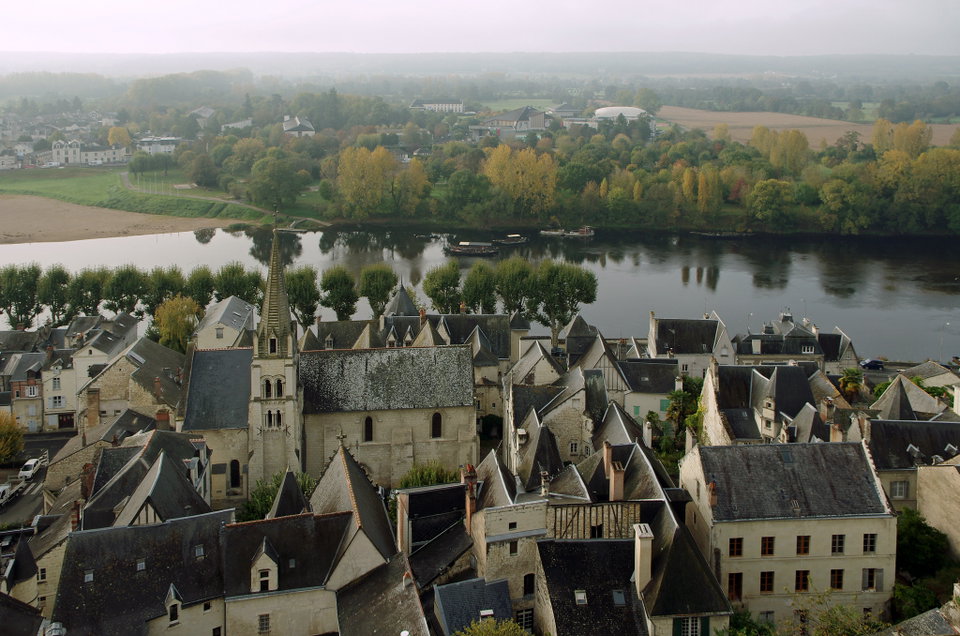
Golden-tiled rooftops and medieval spires of Dijon's old town under a clear blue sky

Destination guide

Dijon

Burgundy (Bourgogne), Eastern France · France

Burgundy's cultured capital — world-class wine, medieval streets, and mustard-sharp gastronomy

Best season

May–June and September–October for mild weather, harvest season, and fewer crowds

From Nairobi

Approx. 9–11 hrs with one stop (typically via Paris CDG, Amsterdam, or Brussels)

Why visit Dijon?

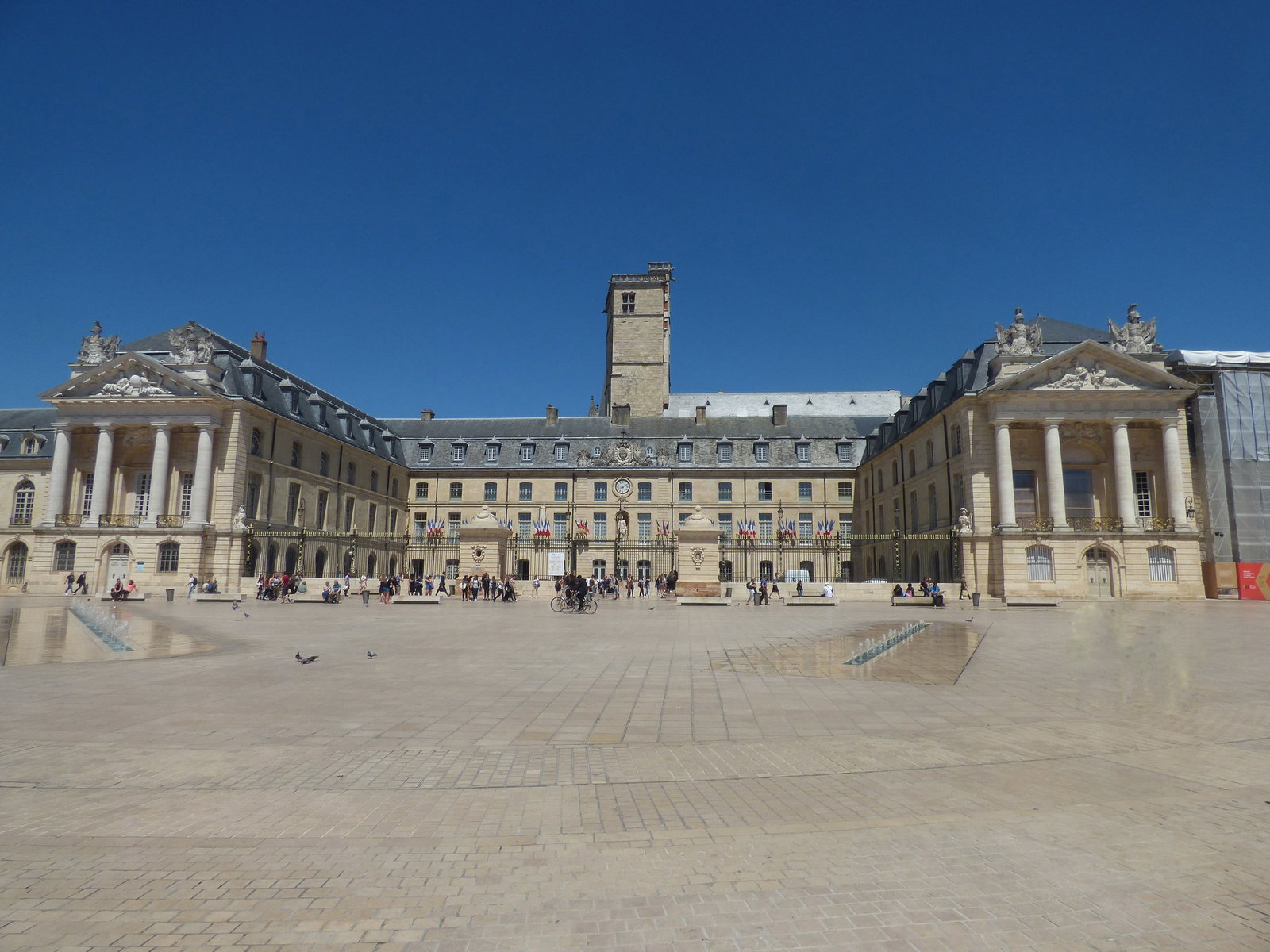
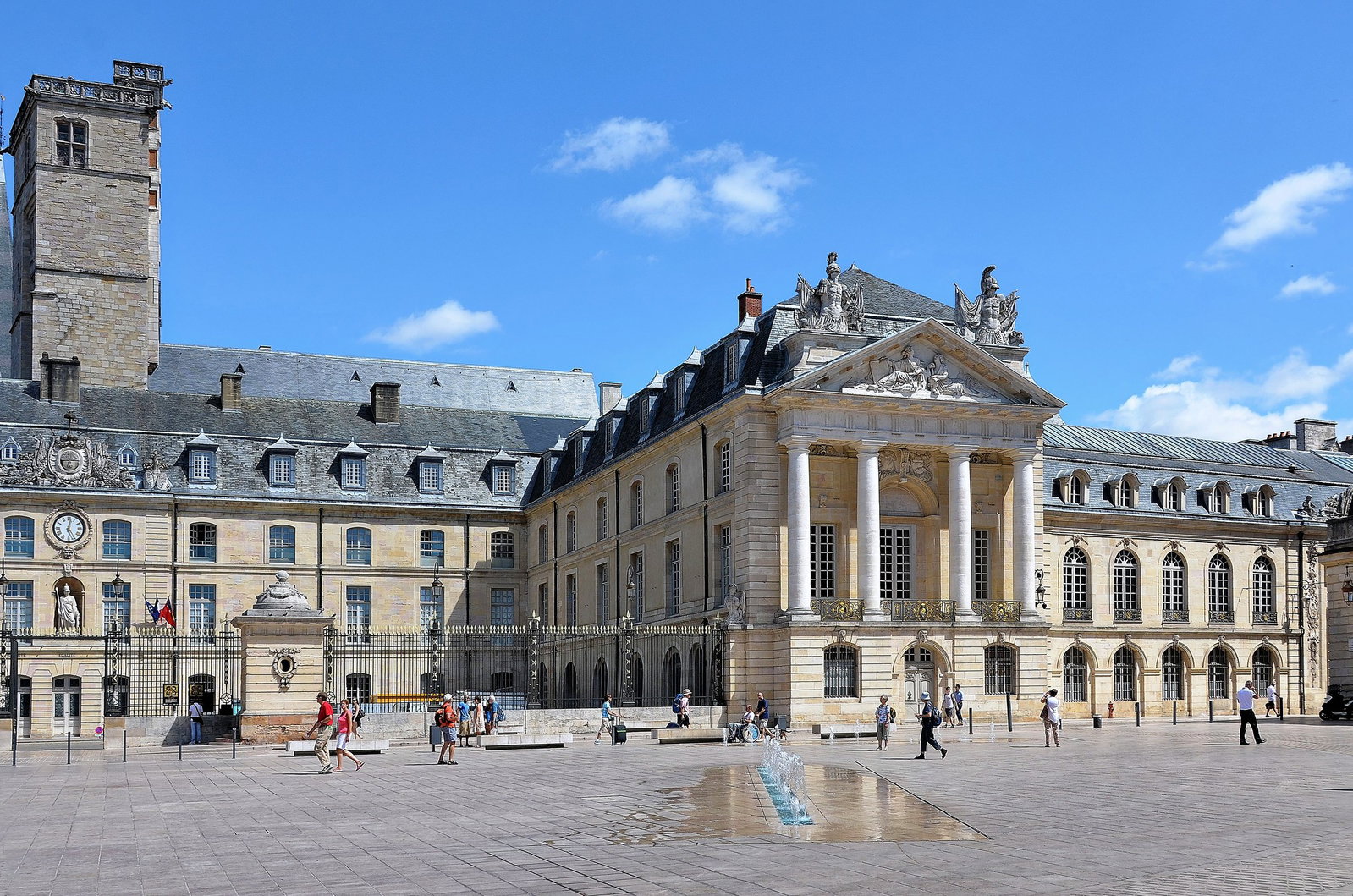
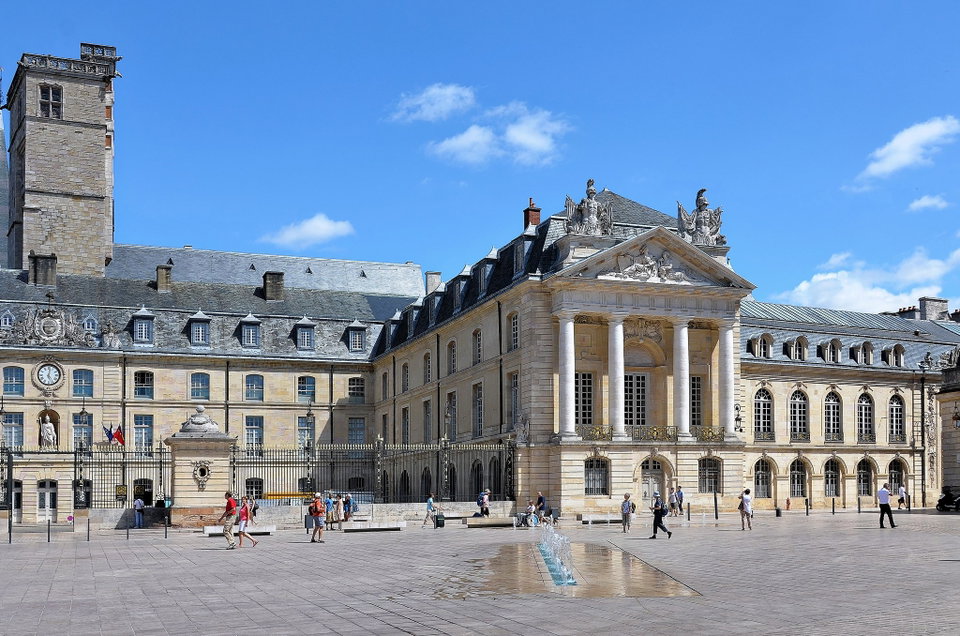
Dijon punches well above its size. The medieval centre — a UNESCO-listed ensemble of hôtels particuliers, half-timbered lanes, and Gothic church towers — is one of the best-preserved in France, yet it feels lived-in rather than touristy. The Palace of the Dukes of Burgundy anchors the main square and houses a first-rate fine-arts museum, free to enter.

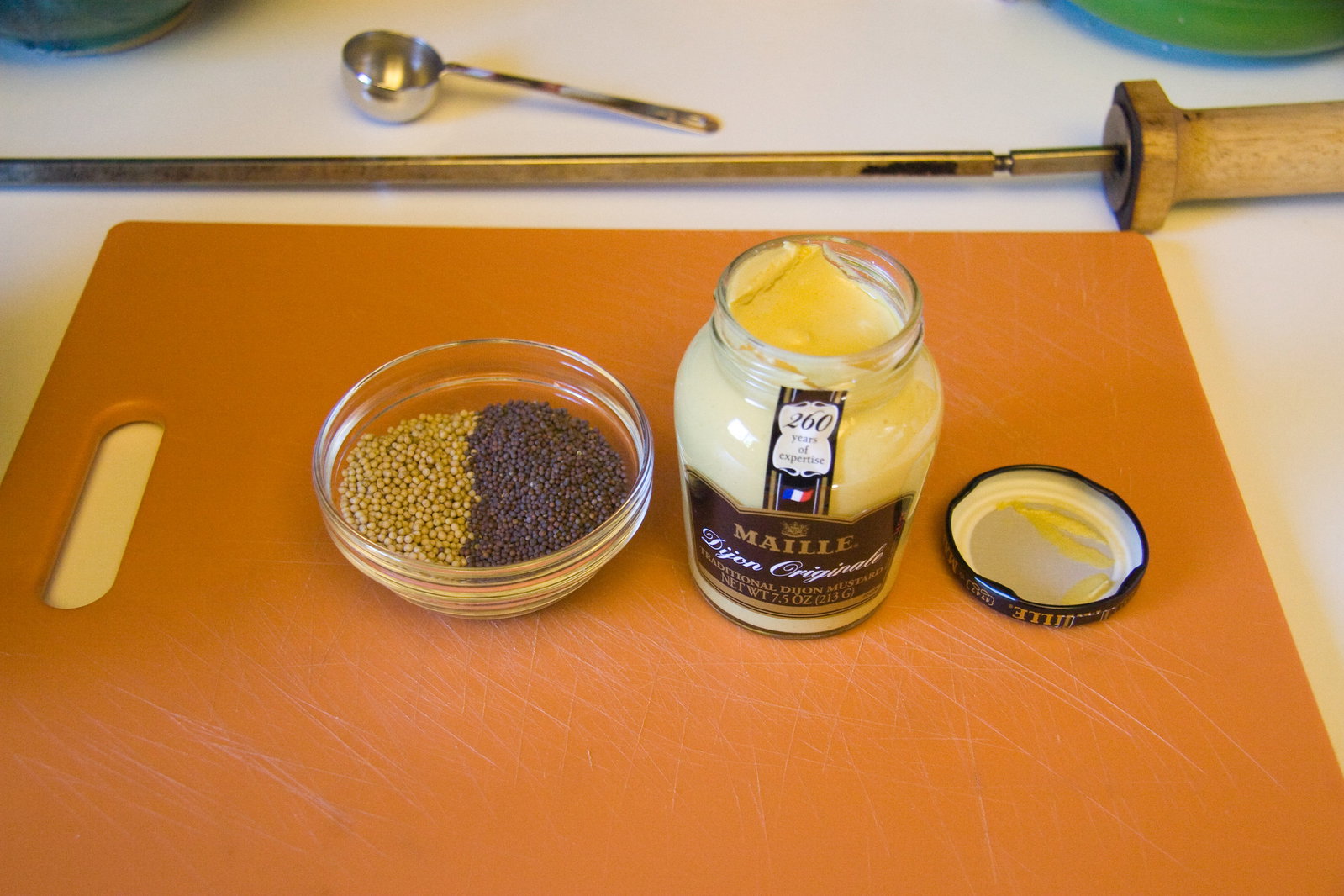
Then there is the food. Dijon is the home of Dijon mustard, the world's most-copied condiment, and the market halls on Rue de la Liberté overflow with Burgundian cheeses, jambon persillé, and pain d'épices. The city's restaurants range from Michelin-starred temples to relaxed cave-à-manger bistros pouring affordable village Burgundy by the glass.

For wine lovers, the Route des Grands Crus begins just south of the city, threading through Gevrey-Chambertin, Vougeot, Beaune, and Meursault — the appellations that define Pinot Noir and Chardonnay for the world. Hiring a bike and cycling the Côte d'Or villages is one of the great day-trip experiences in Europe.

  • Gateway to the Route des Grands Crus — Gevrey-Chambertin and Beaune within 30 minutes
  • UNESCO Creative City of Gastronomy: mustard, pain d'épices, jambon persillé, and Époisses cheese
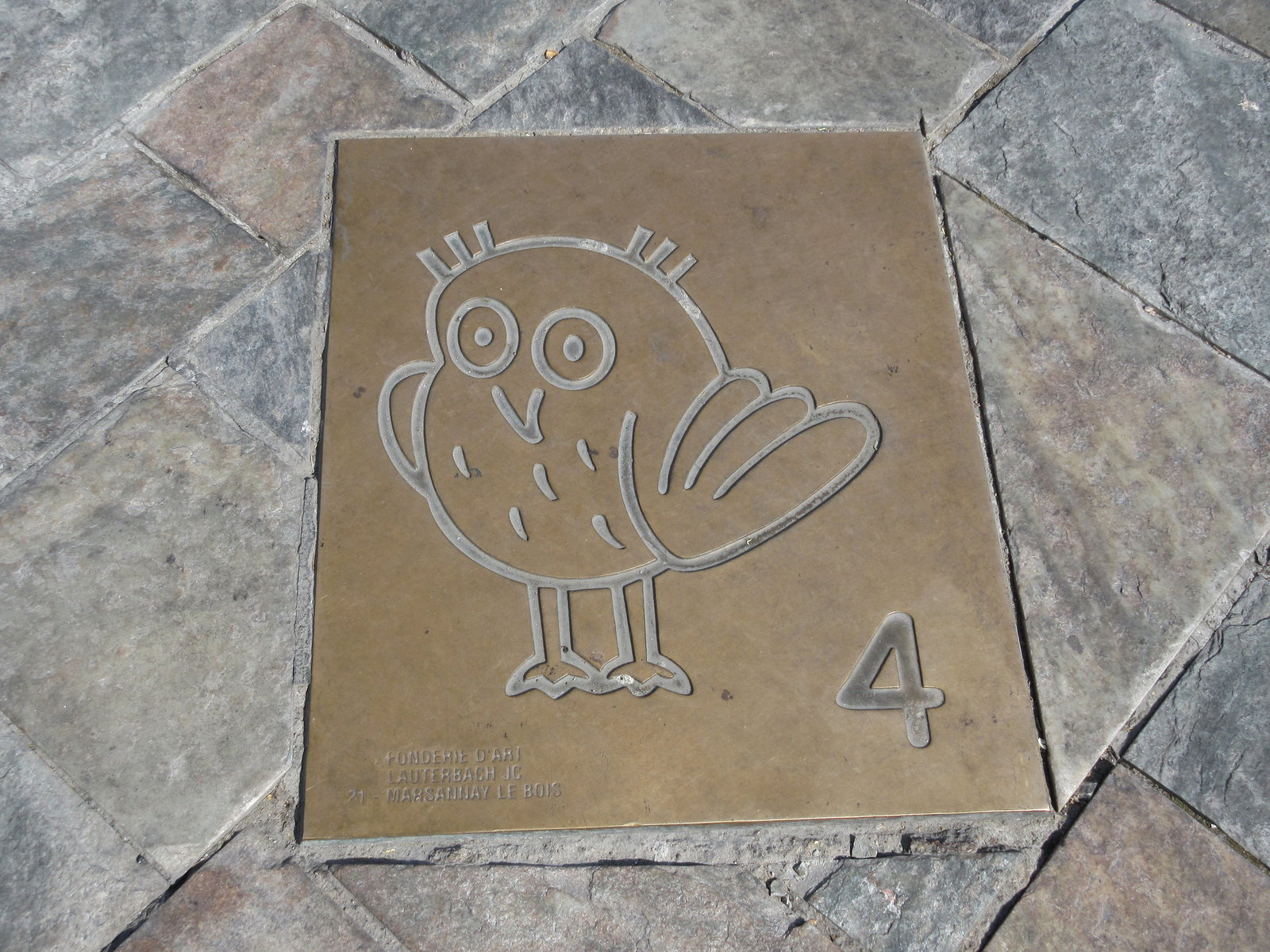
  • A medieval old town of amber stone, gargoyles, and owl-marked cobblestones — entirely walkable
  • The Palace of the Dukes houses a world-class fine-arts museum with free permanent collections
  • TGV from Paris in under 100 minutes — the easiest luxury escape from the capital
  • Vibrant covered market and Michelin-starred dining without Paris-level price tags

Best for

Wine lovers, foodies, culture and history enthusiasts, city-break travellers

Trip style

Cultural city break, wine tourism, gastronomy travel

Known for

Burgundy wine, Dijon mustard, medieval old town, Route des Grands Crus, Palace of the Dukes

Quick facts

Best time to visit

May–June and September–October for mild weather, harvest season, and fewer crowds

Currency

Euro (EUR)

Languages

French; English spoken at most hotels and wine-focused venues

Visa summary

Schengen visa required for most non-EU nationalities; EU/EEA/Swiss citizens enter freely

Flight time from Nairobi

Approx. 9–11 hrs with one stop (typically via Paris CDG, Amsterdam, or Brussels)

Airport / arrival

Dijon-Bourgogne Airport (DIJ) handles limited regional flights; most visitors arrive by TGV from Paris Gare de Lyon in 1 hr 35 min

Safety note

Very safe by European standards; standard city precautions apply around the train station at night

Visa and entry

Look up entry rules by passport for travel to France on the Tsavaro visa checker.

Check visa requirements for France

Things to do

Walk the Owl TrailCulture & History

Walk the Owl Trail

2–3 hours

Follow the bronze owl markers embedded in Dijon's pavements on a self-guided circuit linking the city's 22 key monuments. The tourist office provides a free map; the route takes around 2–3 hours at a leisurely pace.

Explore the Palace of the Dukes of BurgundyMuseums & Art

Explore the Palace of the Dukes of Burgundy

2–3 hours

The ducal palace dominates Place de la Libération and houses the Musée des Beaux-Arts de Dijon, one of France's oldest and richest fine-arts museums. The permanent collection — Flemish masters, medieval tombs of the Dukes, and Impressionists — is free.

Browse the Marché de Dijon (Les Halles)Food & Drink

Browse the Marché de Dijon (Les Halles)

1–2 hours

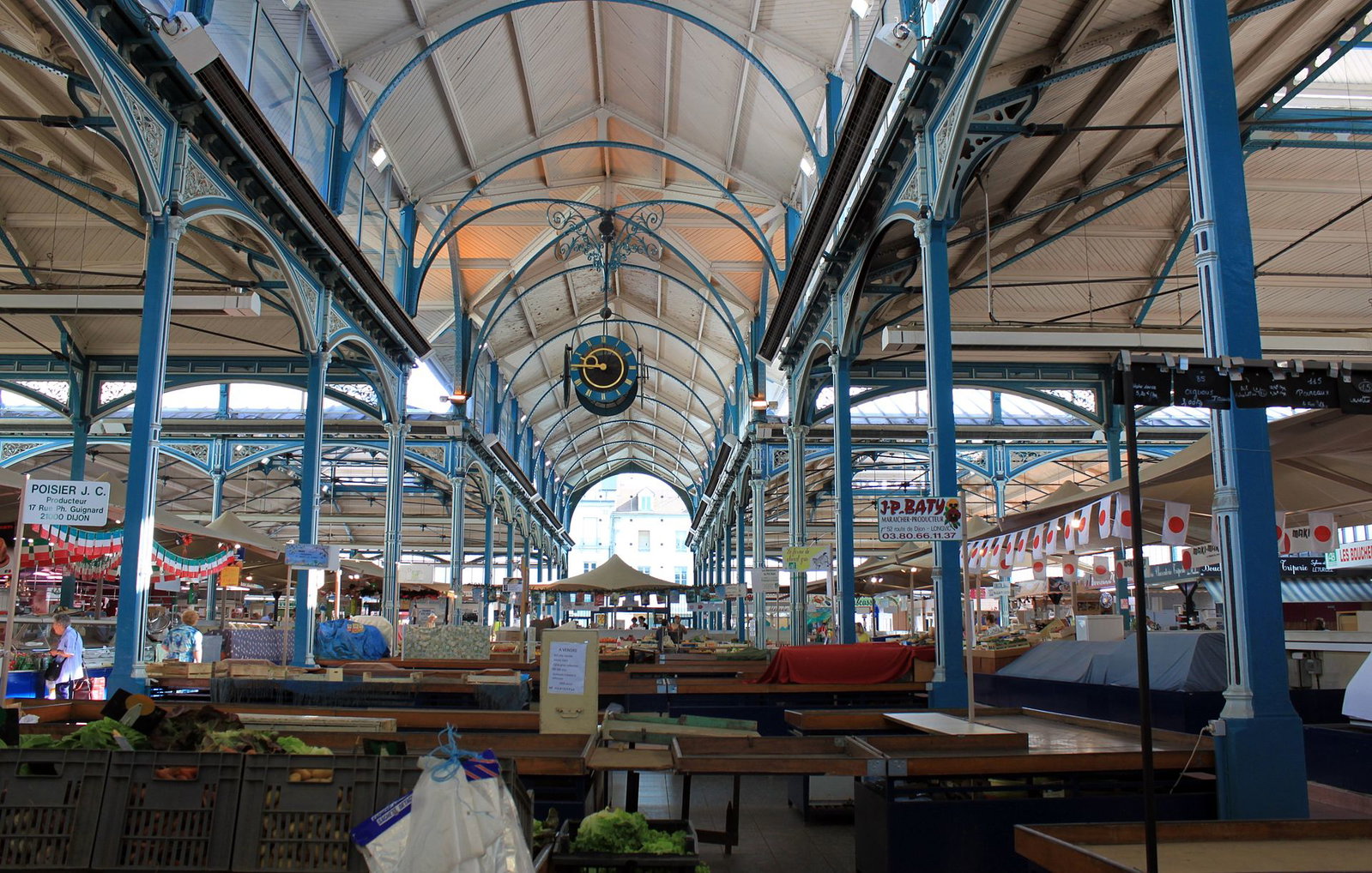
Victor Baltard's iron-and-glass covered market fills with Burgundian producers on Tuesday, Thursday, Friday, and Saturday mornings. Stock up on Époisses cheese, Bresse chicken, charcuterie, and multiple varieties of Dijon mustard.

Cycle the Route des Grands CrusWine & Cycling

Cycle the Route des Grands Crus

Full day

Rent a bike in Dijon and follow the signposted wine road south through Marsannay, Gevrey-Chambertin, Morey-Saint-Denis, and Chambolle-Musigny. Most estates welcome visitors for tastings; book ahead for premier and grand cru domaines.

Visit Château du Clos de VougeotWine & History

Visit Château du Clos de Vougeot

2–3 hours

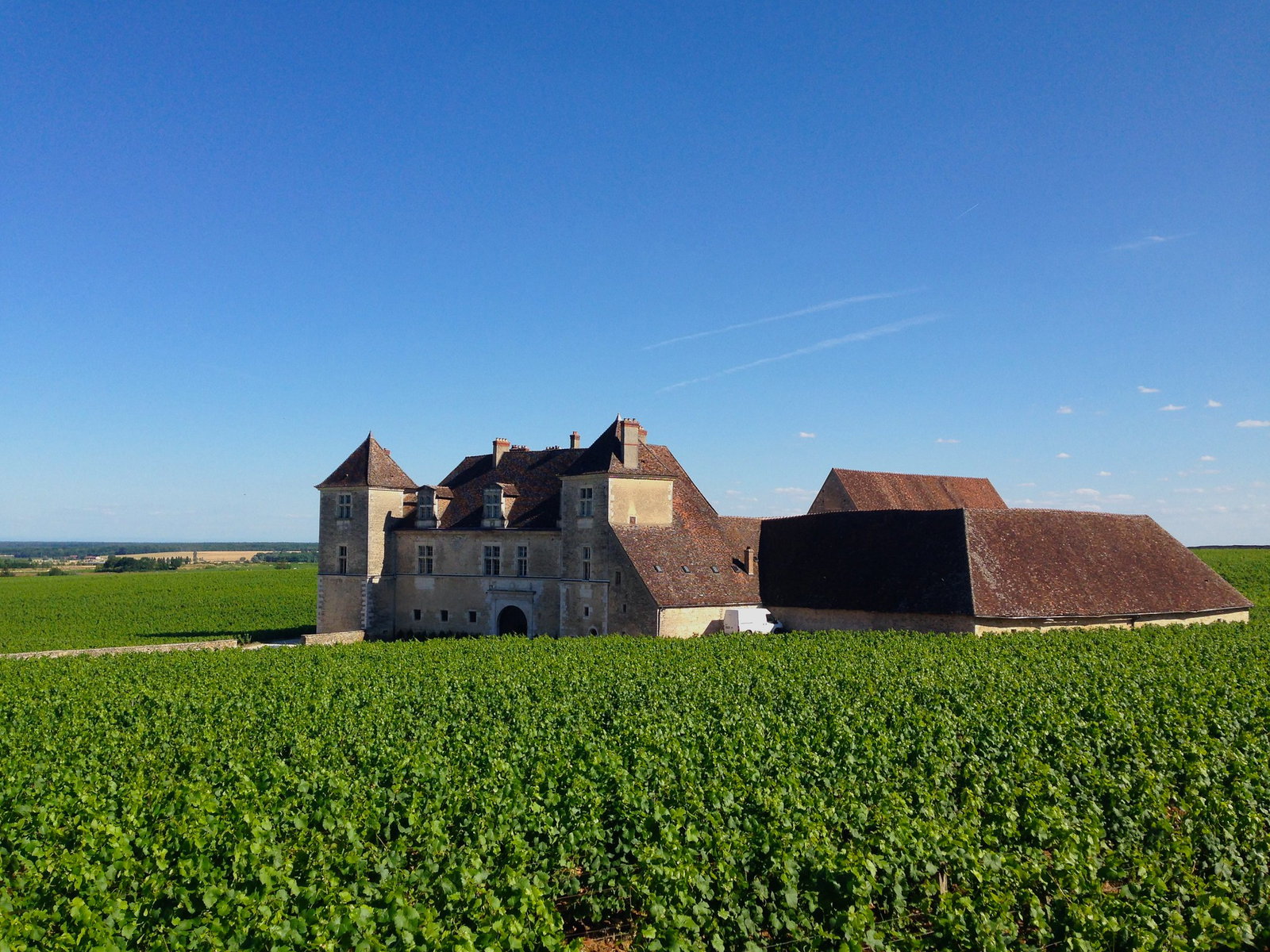
The iconic 12th-century Cistercian wine château at the heart of the Côte de Nuits is a 20-minute drive south of Dijon. Tour the monumental cellar and vinification rooms, then explore the grand cru vineyard that surrounds it.

Taste Dijon Mustard at MailleFood & Drink

Taste Dijon Mustard at Maille

30–45 minutes

The historic Maille boutique on Rue de la Liberté has been selling mustard since 1747. Sample rotating barrel-fresh varieties unavailable outside the shop, from Chablis-white-wine mustard to black-truffle. A small but essential Dijon ritual.

Best time to visit Dijon

The best time to visit Dijon is May to June or September to October, when the weather is pleasant, the vineyards are either in flower or turning gold, and visitor numbers are lower than midsummer.

Spring (April–June): Temperatures rise to 15–20 °C by May and the Côte d'Or vineyards are vivid green. Crowds are modest, accommodation prices are reasonable, and outdoor café terraces open from April. The Foire Internationale de Dijon (international food and wine fair) takes place in early November, but spring markets are also excellent.

Summer (July–August): Warm to hot (25–30 °C), busy with French domestic tourists, and accommodation books up fast. The city is lively, restaurants are at their best, and cycling the vineyards is spectacular — but book well ahead.

Harvest Season (mid-September to mid-October): Arguably the most dramatic time to visit. The Côte d'Or turns amber and red, and the grape harvest (vendange) is underway. Many domaines open their cellars, and the Les Trois Glorieuses wine auction weekend in Beaune (third weekend of November) is a major regional event worth timing a trip around.

Winter (November–February): Dijon is quiet and cold (2–6 °C), but the Christmas market on Place François-Rude is charming and the restaurants are uncrowded. Fewer wine estates accept visitors without appointments.
Is Dijon safe to visit?

Yes — Dijon is generally safe for tourists and is considered one of the more pleasant mid-sized cities in France. The historic centre is very low-crime and busy with locals and visitors at all hours.

Practical tips:

Train station area: The neighbourhood immediately around Dijon-Ville station can feel rough late at night. Stick to lit streets and take a taxi or rideshare back to your hotel after midnight if you have been in the vineyards all day.

Petty theft: Pickpocketing is rare by French city standards but can occur at the Saturday market and on busy tourist routes. Keep bags zipped and valuables out of sight.

Cycling safety: The Route des Grands Crus cycle path is well maintained and mostly traffic-free, but take lights if you plan to return after dusk and wear a helmet (not legally required but sensible).

Wine touring: If you are hiring a car for vineyard visits, plan a designated driver or use a guided wine tour company — drink-driving laws in France are strictly enforced (0.5 mg/ml BAC limit).

Emergency numbers: 15 (SAMU medical), 17 (police), 18 (fire/rescue), 112 (pan-EU emergency).

Suggested itinerary

3 Days in Dijon & the Côte d'Or

This plan assumes a moderate pace, a central Dijon base, and a mix of city culture with one full day exploring the vineyards of the Côte d'Or by bike or rental car. Budget mid-range (€100–€180/night accommodation, €40–€80/person for dinner). It suits first-time visitors who want city highlights and a genuine wine-country experience.

Day 1

Dijon Old Town & the Palace of the Dukes

Arrive by TGV from Paris and drop your bags at a central hotel. Start with a coffee and pastry at one of the cafés around Place de la Libération, then spend the morning in the Musée des Beaux-Arts inside the Palace of the Dukes — allow at least two hours for the medieval ducal tombs and Flemish masters.

After lunch at a bistro on Place du Marché (try the jambon persillé or œufs en meurette), pick up the Owl Trail map from the tourist office and spend the afternoon following the bronze owl markers through the historic centre. Duck into the Hôtel Chambellan for its extraordinary Gothic courtyard staircase.

Evening: dinner at a cave-à-manger wine bar in the old town — order a glass of village Gevrey-Chambertin with your Boeuf Bourguignon.

Dijon — Dijon Old Town & the Palace of the Dukes

Travel essentials

Getting around

The historic centre is entirely walkable. Dijon has an excellent free-shuttle bus (Divia Navette) looping the old town, plus a broader city bus and tram network. Bikes can be rented from numerous central shops and the city's Vélodi bike-share scheme. For vineyard day trips, rent a car, join a guided tour departing Dijon, or cycle the Route des Grands Crus (flat, well-signposted).

Typical costs

Budget: €60–€90/day (hostel/budget hotel, market lunches, self-catering). Mid-range: €130–€220/day (3-star hotel, bistro lunches, restaurant dinners, wine tastings). Luxury: €300+/day (boutique hotel, Michelin dining, private wine tours). A glass of village Burgundy at a wine bar costs €6–€12; a bottle from a producer on the Côte de Nuits starts around €20–€40.

Culture and etiquette

Greet shop owners and restaurant staff with 'Bonjour' on entry and 'Merci, au revoir' on leaving — it is considered basic courtesy. Tipping is not obligatory but rounding up the bill or leaving €2–€5 for a good restaurant meal is appreciated. Dress smart-casual for better restaurants. At wine estates, spit (it's expected) and never feel obligated to buy after a tasting.

Safety and planning

France has a standard European health-care system — EU citizens should carry their EHIC/GHIC card. Non-EU visitors should carry comprehensive travel insurance covering medical evacuation. Pharmacies (marked with a green cross) are plentiful and can advise on minor ailments. The nearest major hospital is CHU Dijon Bourgogne.

Connectivity

4G/5G coverage is excellent throughout central Dijon and the main vineyard villages. Free Wi-Fi is available in most hotels, cafés, and at the main train station. EU roaming rules mean EU SIMs work without extra charge; non-EU visitors should consider a French or European SIM or an eSIM plan.

Payments

Cards (Visa/Mastercard) are accepted almost everywhere, including small wine producers and market stalls. Contactless is universal. Carry €20–€40 cash for smaller village producers, roadside farm stalls, and tips. ATMs (distributeurs) are plentiful in the city centre.

Dijon travel FAQs

More destinations to explore