Chinon castle ruins reflected in the Vienne River at golden hour, Loire Valley, France

Destination guide

Chinon

Loire Valley, Indre-et-Loire · France

A medieval fortress town where Joan of Arc met her destiny — and Rabelais raised a glass.

Best season

April to October; July and August are warmest but busiest; May–June offers pleasant weather and fewer crowds

From Nairobi

Approximately 9–10 hours to Paris (CDG or ORY), then 2.5–3 hours by TGV + regional train to Chinon

Why visit Chinon?

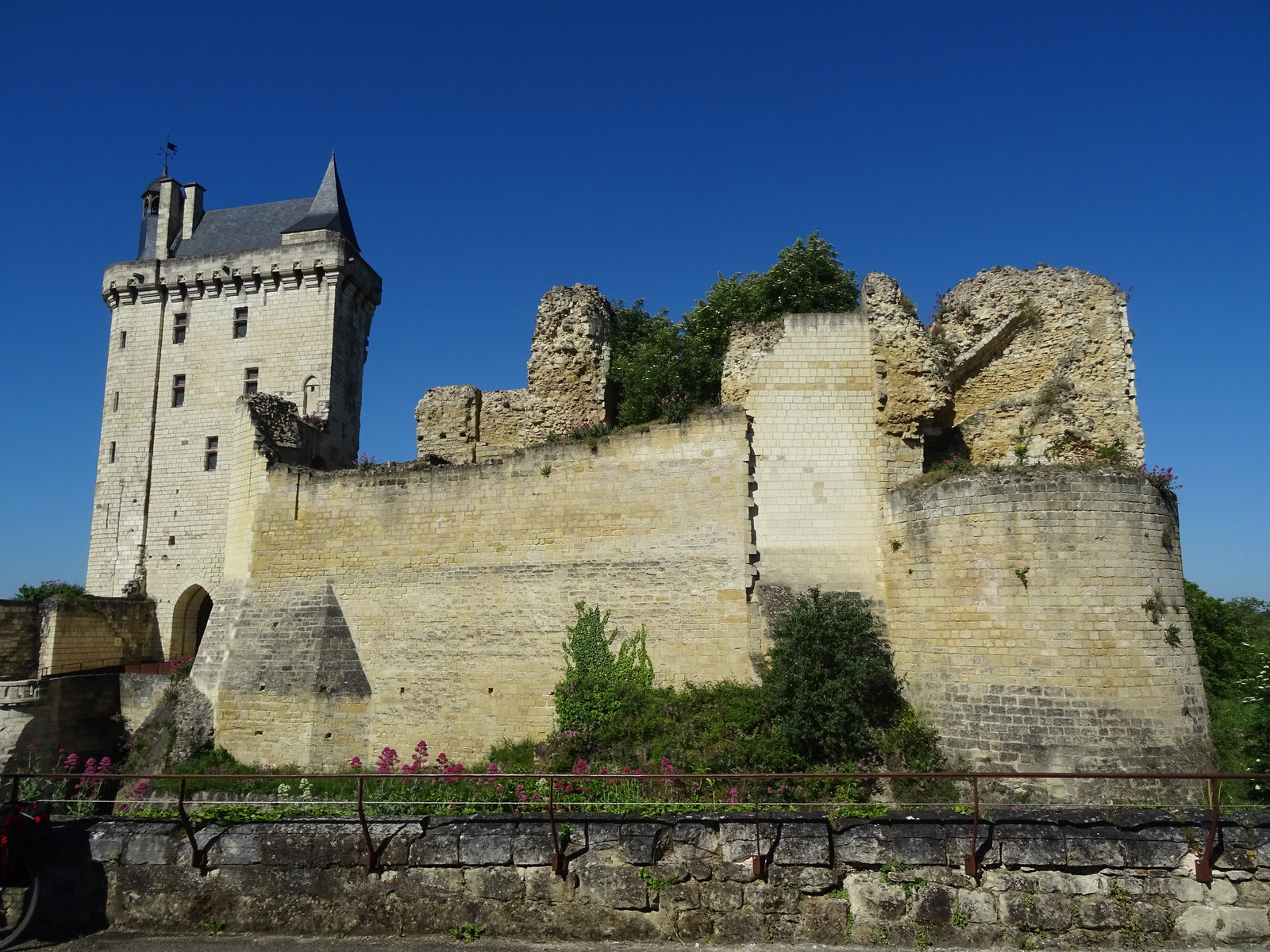
Few towns in the Loire Valley wear their history so openly. The Royal Fortress of Chinon crowns a long limestone ridge above the Vienne River and was one of the key seats of the Plantagenet dynasty — Henry II died here in 1189, and it was here that Joan of Arc met the uncrowned Charles VII in March 1429, changing the course of the Hundred Years' War.

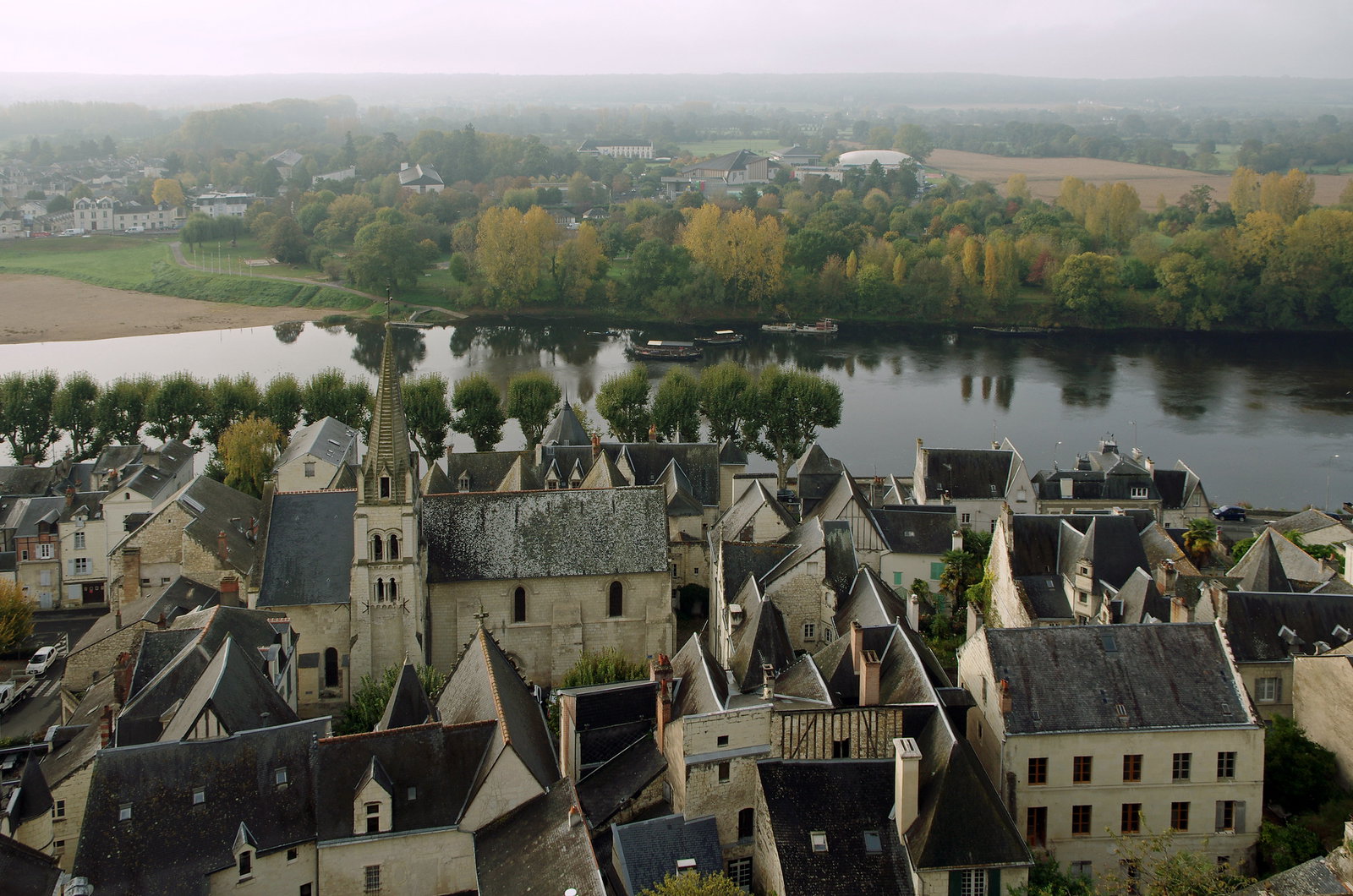
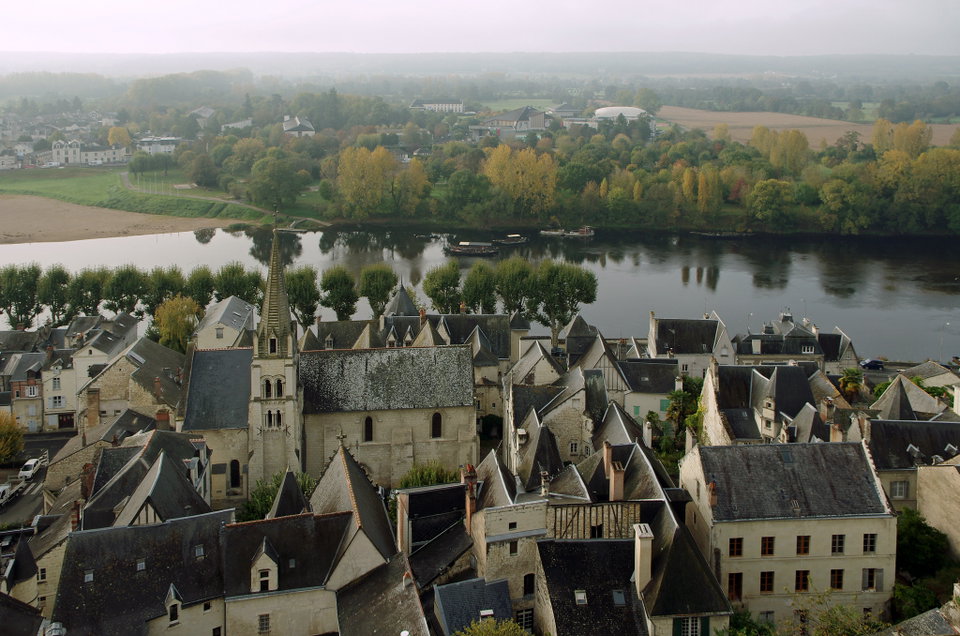
Below the castle, the medieval quarter is unusually intact: half-timbered maisons, vaulted market halls, and the birthplace of François Rabelais sit within easy walking distance of each other. Wine lovers come for Chinon AOC — a Cabernet Franc appellation whose best bottles develop a distinctive pencil-shaving and violet character and can age for decades. Estates such as Domaine Bernard Baudry, Charles Joguet, and Couly-Dutheil welcome visitors for tastings in tufa-cut cellars carved directly into the cliff.

Chinon is also a practical base for the wider Loire Valley UNESCO World Heritage corridor, with Azay-le-Rideau (15 min), Villandry (25 min), and Fontevraud Abbey (30 min) all close by.

  • Walk the ramparts of the Royal Fortress where Joan of Arc changed French history in 1429.
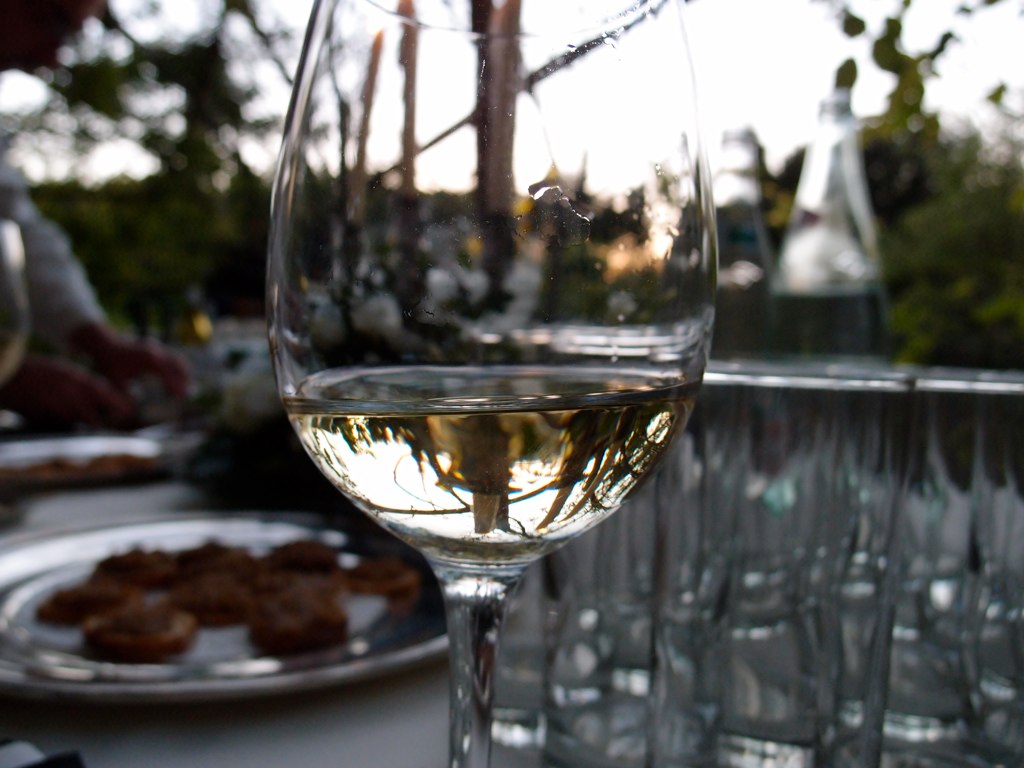
  • Taste Chinon AOC Cabernet Franc straight from tufa-carved cellars along the Vienne.
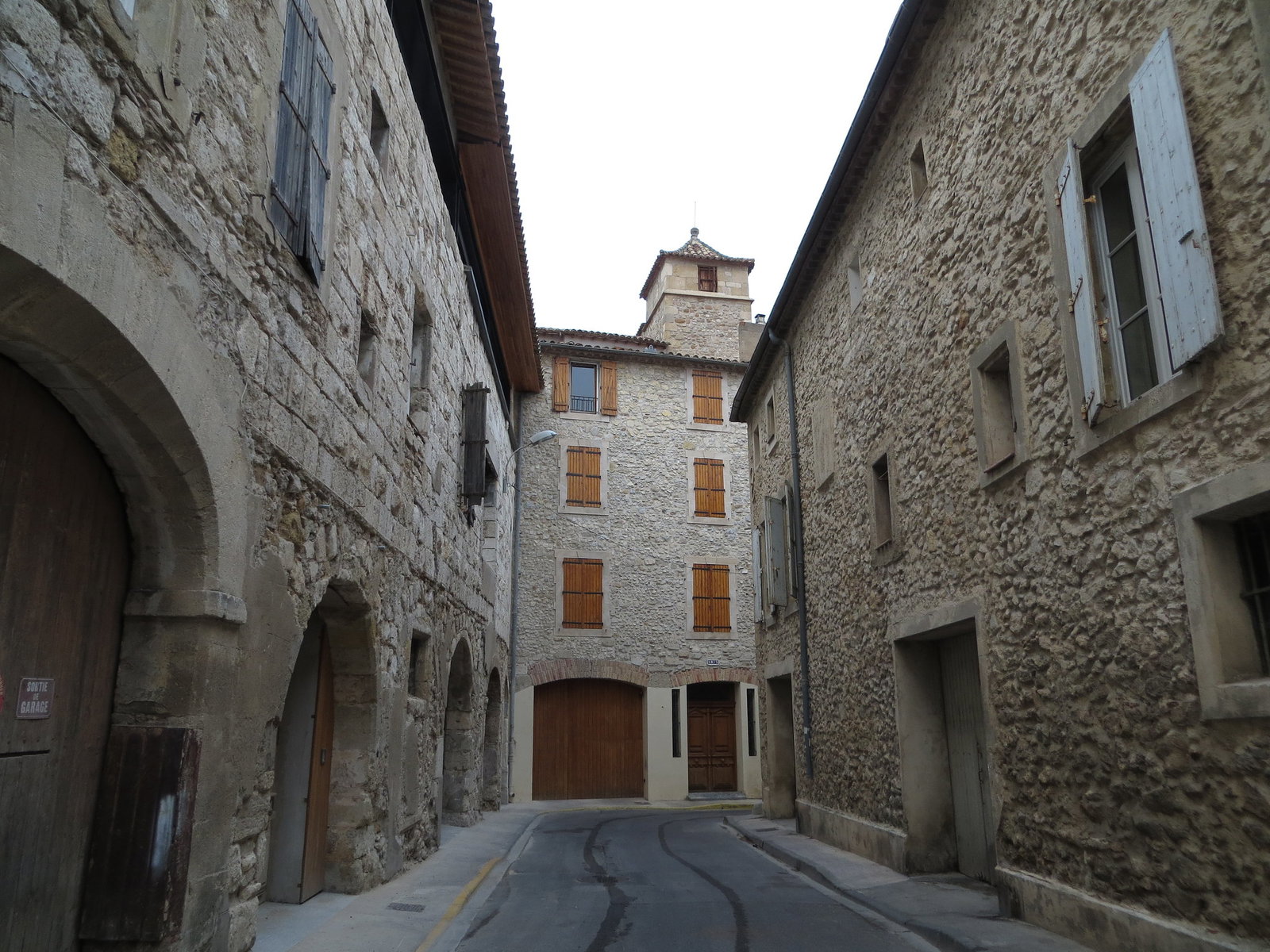
  • Stroll Rue Voltaire — one of France's best-preserved medieval streetscapes.
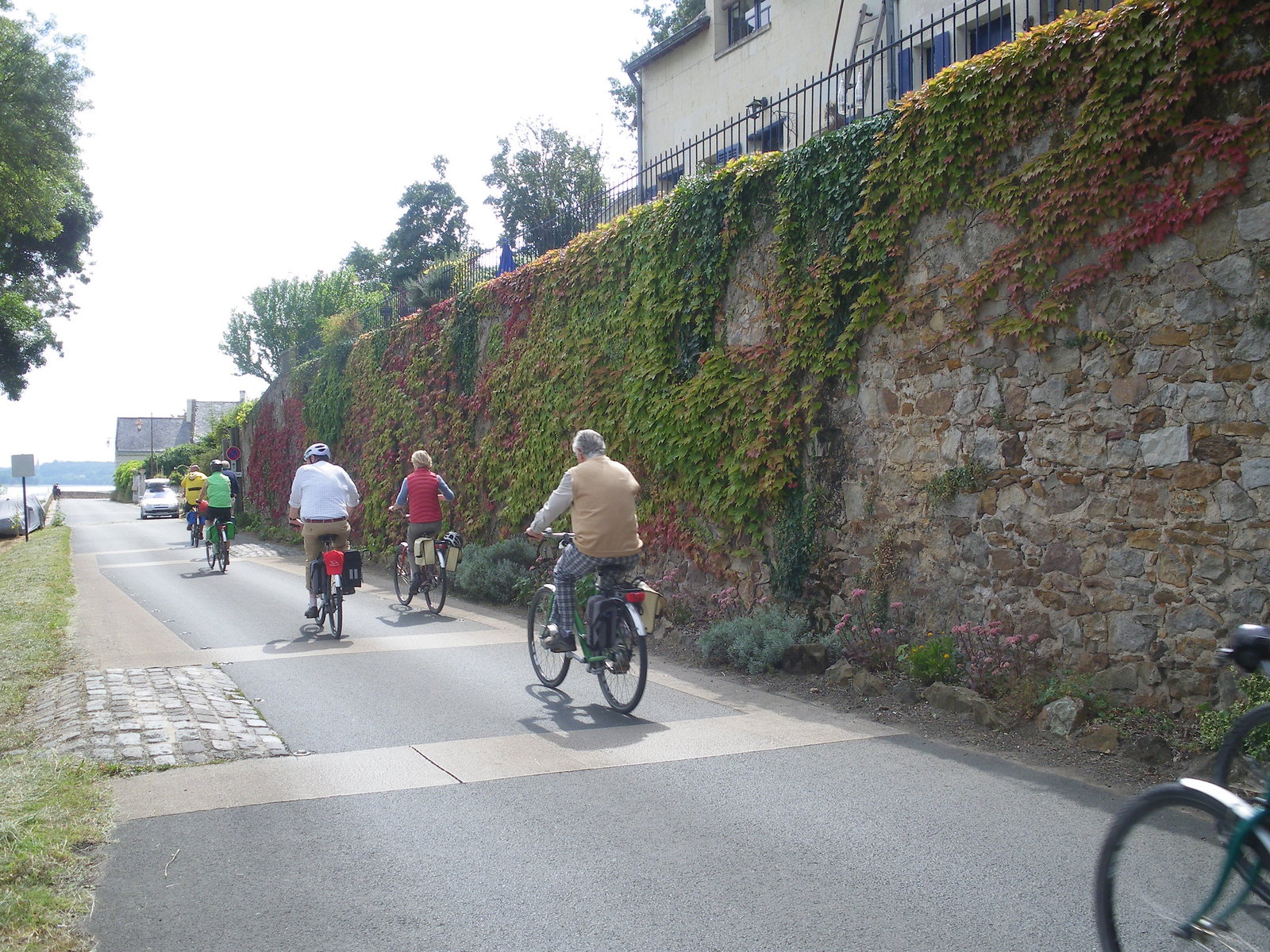
  • Cycle the Loire à Vélo EuroVelo 6 route right through the town centre.
  • Explore the birthplace and literary world of François Rabelais, Chinon's most famous son.
  • Day-trip to Azay-le-Rideau, Villandry, and Fontevraud Abbey in under 30 minutes.

Best for

History enthusiasts, wine lovers, slow-travel couples, cyclists on the Loire à Vélo route, families with older children

Trip style

Cultural, Gastronomic, Cycling

Known for

Royal Fortress of Chinon, Joan of Arc, Chinon AOC Cabernet Franc wines, Rabelais birthplace, medieval Rue Voltaire

Quick facts

Best time to visit

April to October; July and August are warmest but busiest; May–June offers pleasant weather and fewer crowds

Currency

Euro (EUR)

Languages

French; some English spoken in tourist areas and wine estates

Visa summary

No visa required for EU/EEA and UK nationals; US, Canadian, and Australian citizens can stay up to 90 days without a visa under the Schengen Agreement

Flight time from Nairobi

Approximately 9–10 hours to Paris (CDG or ORY), then 2.5–3 hours by TGV + regional train to Chinon

Airport / arrival

Closest major airports are Tours Val-de-Loire (TUF, ~45 min by car) and Paris Charles-de-Gaulle (CDG). Train: Paris Montparnasse → Tours (55 min TGV), then regional TER to Chinon (50 min). By car from Paris: approx. 2.5 hours via A10/A85.

Safety note

Very safe destination; standard precautions apply in busy market areas. Road and river flooding can occur in winter.

Visa and entry

Look up entry rules by passport for travel to France on the Tsavaro visa checker.

Check visa requirements for France

Things to do

Explore the Royal Fortress of ChinonHistory & Heritage

Explore the Royal Fortress of Chinon

2–3 hours

The Forteresse Royale de Chinon is the town's crowning glory — a sprawling hilltop complex of three distinct castles dating from the 10th to 15th centuries. Visit the Joan of Arc Museum inside the Logis Royal, walk the ramparts for panoramic views over the Vienne, and descend into the medieval great hall where Charles VII held court.

Wine tasting in Chinon AOC cellarsFood & Wine

Wine tasting in Chinon AOC cellars

Half day

Chinon produces some of the Loire's most ageworthy reds from 100% Cabernet Franc. Book a tasting at Domaine Bernard Baudry, Charles Joguet, or Couly-Dutheil to sample vintages straight from tufa-carved caves. Many estates also pour a small amount of delicate rosé and white Chenin Blanc.

Wander Rue Voltaire and the medieval quarterCulture & Sightseeing

Wander Rue Voltaire and the medieval quarter

1–2 hours

The pedestrianised Rue Voltaire is lined with 15th- and 16th-century half-timbered houses, artisan boutiques, and wine bars. Look for the Maison Rouge, the Grand Carroi crossroads, and the covered market hall. The whole quarter is compact enough to cover on foot in a leisurely morning.

Visit the Maison de la Rivière (River Heritage Museum)Museums & Culture

Visit the Maison de la Rivière (River Heritage Museum)

1 hour

This engaging waterfront museum tells the story of the Vienne and Loire rivers through traditional flat-bottomed boats (gabarres), fishing traditions, and river trade. Well suited to families with children.

Cycle the Loire à VéloOutdoor & Active

Cycle the Loire à Vélo

Half day to full day

The EuroVelo 6 / Loire à Vélo cycling route passes directly through Chinon, offering flat, well-marked paths along the Vienne and Loire rivers. Rent a bike in town and pedal to Azay-le-Rideau (15 km) or upstream toward Saumur. Electric bikes are widely available.

Day trip to Azay-le-Rideau and VillandryDay Trips

Day trip to Azay-le-Rideau and Villandry

Full day

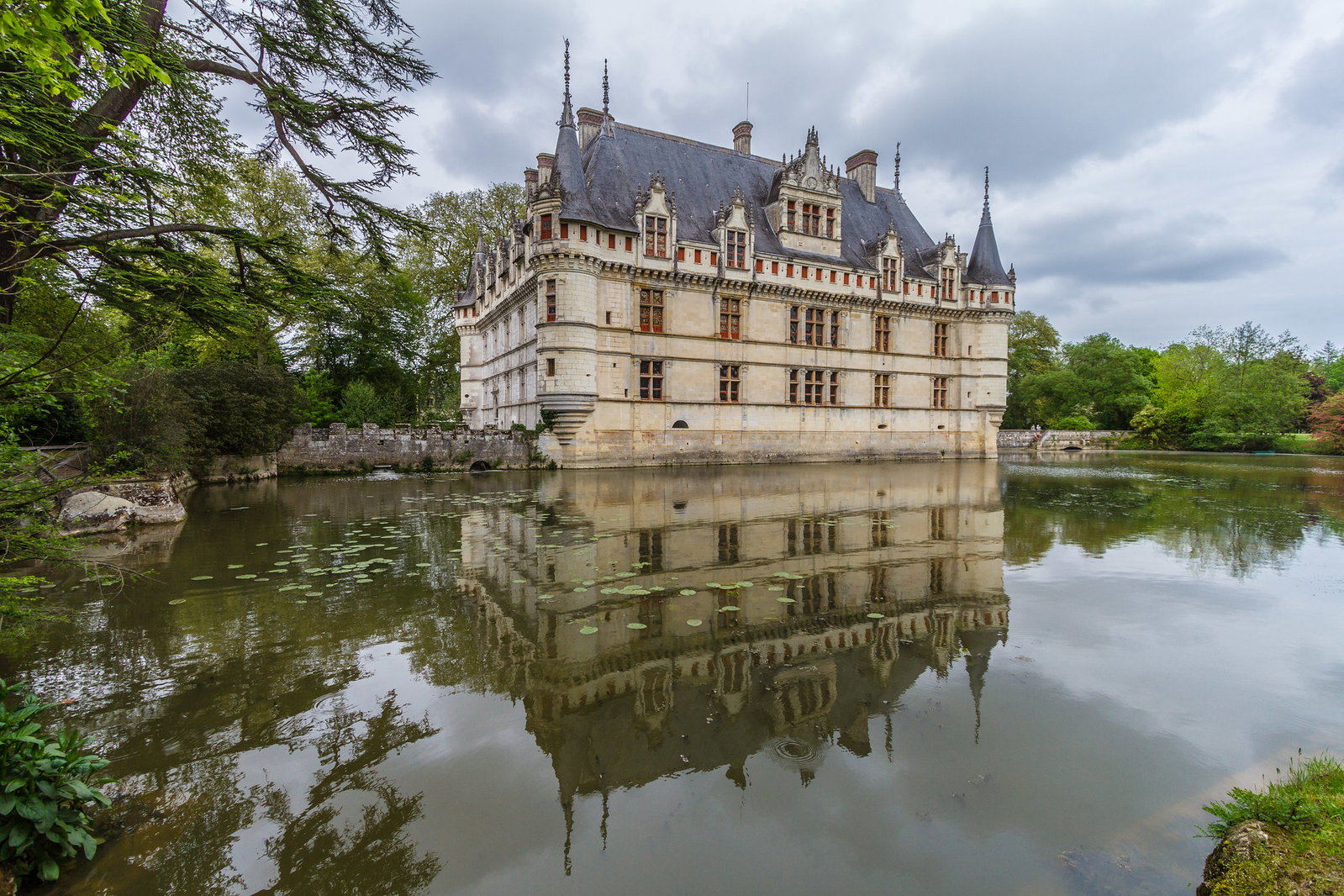
Two of the Loire's most photogenic châteaux are within easy striking distance. Azay-le-Rideau (15 min by car or bike) is a Renaissance gem reflected in a moat, while Villandry (25 min) is celebrated for its extraordinary formal vegetable and ornamental gardens.

Best time to visit Chinon

The best time to visit Chinon is May through June or September through October — when the weather is warm and settled, the Loire Valley countryside is at its most lush or autumnally golden, and the summer crowds thin out.

Spring (April–June): Temperatures rise into the mid-teens to low twenties Celsius. Vineyards are budding, gardens are in bloom, and châteaux queues are manageable. Ideal for cyclists and walkers.

Summer (July–August): The warmest months (25–30°C), with long daylight hours and a full programme of festivals, son-et-lumière shows, and open wine estates. Accommodation books up quickly and prices peak — reserve well in advance.

Autumn (September–October): Arguably the most rewarding season. The vendange (grape harvest) animates the vineyards from mid-September, foliage turns amber around the Vienne, and wine estates are buzzing with activity. Cooler evenings encourage long dinners.

Winter (November–March): Many smaller attractions reduce hours or close entirely. Temperatures drop to 3–8°C with frequent rain. However, the fortress and main museums remain open, accommodation is cheap, and the town has a quiet, local authenticity that summer visitors never see.
Is Chinon safe to visit?

Yes — Chinon is a very safe destination for tourists of all backgrounds. It is a small, well-kept market town with low crime rates and a strong community feel.

Petty theft: As with any tourist area in France, keep an eye on bags and valuables in the Saturday market and at crowded château entrances. Pickpocketing is rare here compared with Paris.

Road safety: The D-roads around Chinon are narrow in places, especially on cycling routes through vineyards. Ride defensively and use the dedicated Loire à Vélo paths wherever possible. Car drivers should watch for cyclists on rural lanes.

River flooding: The Vienne and Loire can flood in late winter and early spring. If visiting between December and March, check local conditions and avoid camping near the riverbanks.

Health: France has excellent public healthcare. The nearest hospital with an A&E department is Centre Hospitalier de Chinon (on-site) for minor emergencies, and CHU de Tours for major trauma (45 min away).

Overall, Chinon is well suited to solo travellers, families, and older visitors. Emergency services are responsive, roads are well maintained, and English-language help is available at the tourist office on Place Hofheim.

Suggested itinerary

3 Days in Chinon: Castle, Cellar & Countryside

This plan is designed for a couple or solo traveller based in Chinon, travelling by a mix of foot, bike, and car. It's set at a relaxed mid-range pace with two or three key stops per day and long lunch breaks — the way the French intend you to travel the Loire.

Day 1

Arrive, explore the medieval quarter, and climb the fortress

Check in to your hotel and walk straight to Rue Voltaire for a self-guided tour of Chinon's medieval heart. Stop at the Grand Carroi crossroads, peek into the covered market hall, and pick up a bottle of Chinon rouge from a cave-cellar wine shop.

After lunch at one of the bistros on Place du Général de Gaulle, spend the afternoon at the Forteresse Royale de Chinon. Allow two to three hours to take in the Joan of Arc Museum, the Logis Royal, and the sweeping rampart views over the Vienne. In the evening, dine in the old town — try a local charcuterie board and a glass of Chinon from the current vintage.

Chinon — Arrive, explore the medieval quarter, and climb the fortress

Travel essentials

Getting around

Chinon's old town is entirely walkable — the fortress, medieval quarter, and riverfront are all within 15 minutes on foot. For wider exploration, hire a bike (e-bikes recommended for hilly vineyard routes) from rental shops near the station. A car is useful for reaching outlying châteaux and wine estates not served by local buses. The regional TER train connects Chinon to Tours (50 min, 8–10 services daily), with onward TGVs to Paris Montparnasse.

Typical costs

Chinon is moderately priced by French standards. Budget travellers can manage on €80–100/day (hostel bunk, picnic lunches, self-guided sights). Mid-range travellers (en-suite B&B, restaurant lunches, château entries) should budget €150–220/day. Fortress entry: €10–12 adults. Wine tasting at a domain: €5–15 (often free with a purchase). Bistro lunch formule (2 courses + wine): €15–22. Nicer dinner: €35–55 per person.

Culture and etiquette

Greet shopkeepers and restaurant staff with 'Bonjour' on entering — it is considered rude to skip this. Wine estates appreciate punctuality for booked tastings; call ahead if you need to cancel. Dress modestly when visiting churches (shoulders and knees covered). Lunch is still taken seriously in Chinon: most restaurants serve noon–2 pm and 7–9:30 pm only. Tipping is not obligatory but rounding up or leaving €2–5 on a dinner bill is appreciated.

Safety and planning

Travel insurance with medical cover is strongly recommended. Carry a copy of your passport and European Health Insurance Card (EHIC/GHIC for UK nationals). In an emergency, call 15 (SAMU medical), 17 (police), or 18 (fire/rescue). The pan-European emergency number 112 also works. Pharmacies (marked with a green cross) can advise on minor ailments and are well stocked.

Connectivity

4G LTE coverage is good in the town centre and on main roads; signal can drop in deep vineyard valleys. Free Wi-Fi is available at the tourist office, most hotels, and many cafés. French SIM cards (Orange, SFR, Bouygues) are available at supermarkets and phone shops in Tours if needed. EU roaming rules apply for EU SIM card holders.

Payments

Card payments (Visa/Mastercard) are accepted almost everywhere in Chinon town. Some smaller wine estates and farm stalls prefer cash. Withdraw euros from ATMs (distributeurs) at Crédit Agricole or BNP Paribas branches near Place du Général de Gaulle. Inform your bank before travel to avoid card blocks.

Chinon travel FAQs

More destinations to explore