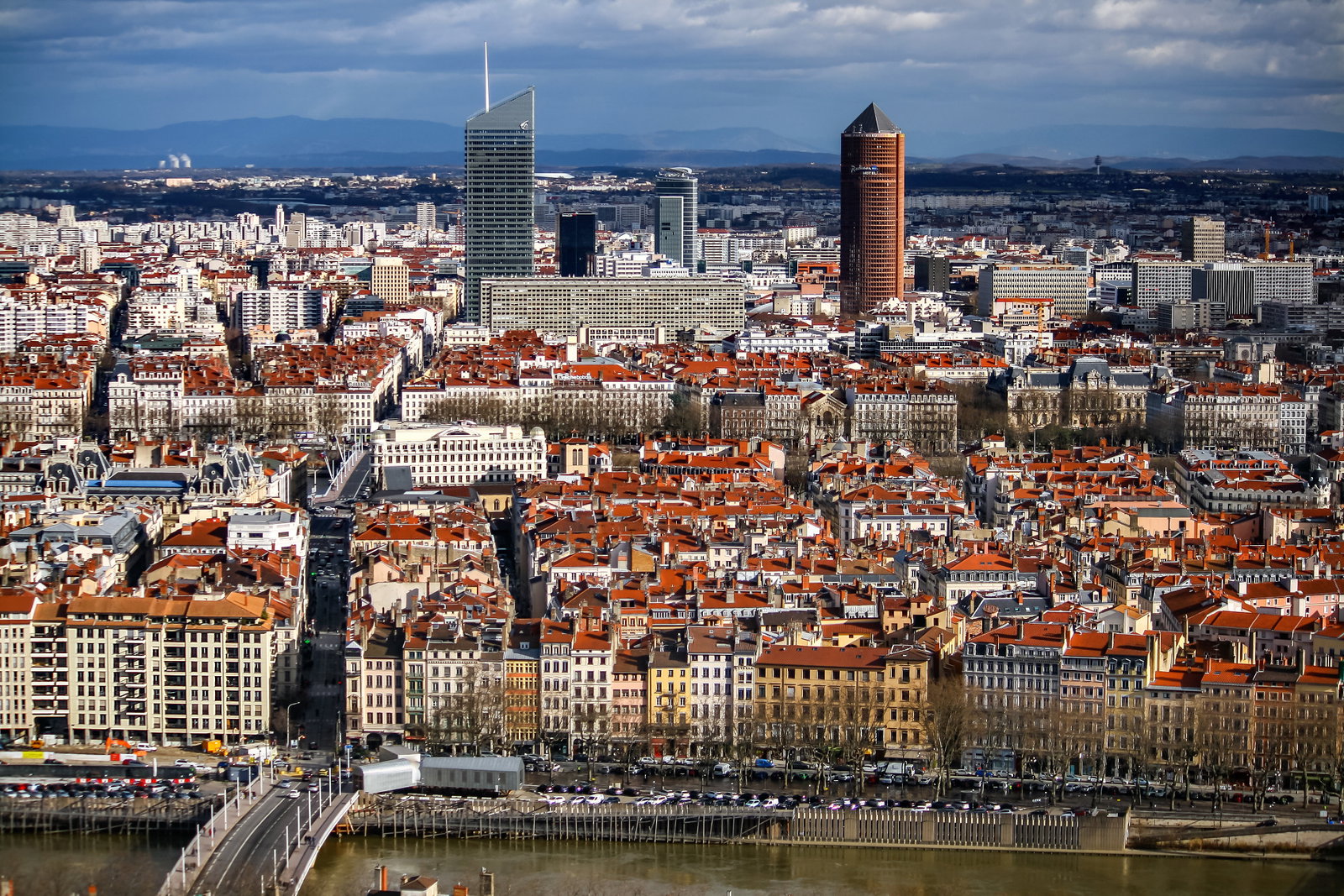
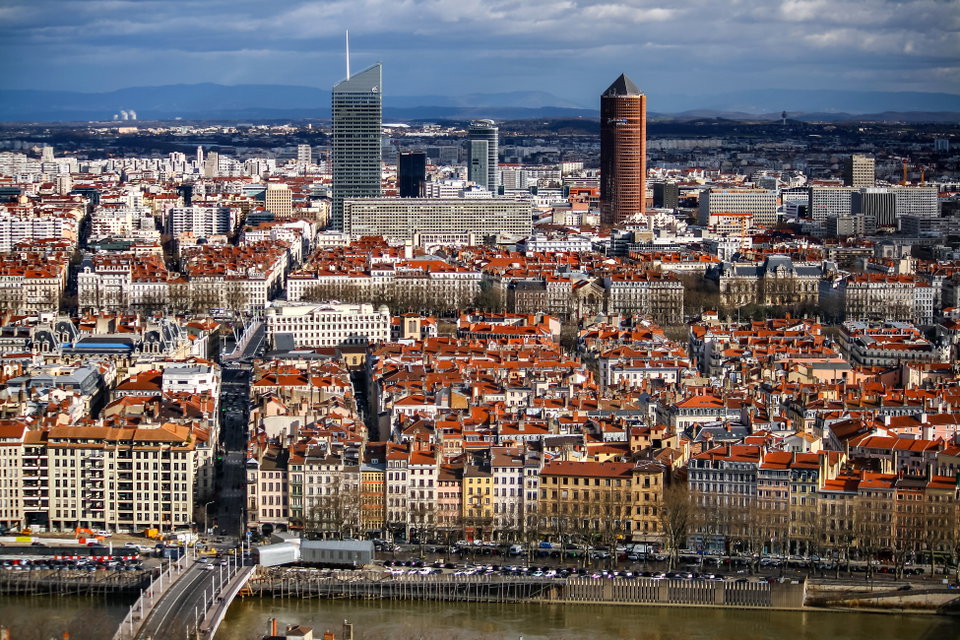
Panoramic view of Lyon at dusk from Fourvière Hill, with the Saône River and illuminated city below

Destination guide

Lyon

Auvergne-Rhône-Alpes · France

France's gastronomic capital — where Roman history, Renaissance grandeur, and Michelin stars collide

Best season

April–June and September–October for mild weather and lower crowds; December for the Fête des Lumières.

From Nairobi

Approx. 9–11 hrs (usually via Paris CDG or Amsterdam; no direct service).

Why visit Lyon?

Lyon is the undisputed gastronomic heart of France — a bold claim in a country where food is religion, but one backed by more Michelin stars per capita than almost anywhere else on earth. Paul Bocuse built his empire here; the humble bouchon (Lyon's neighbourhood bistro) has been feeding the city with andouillette, quenelles, and praline tarts since the 19th century.

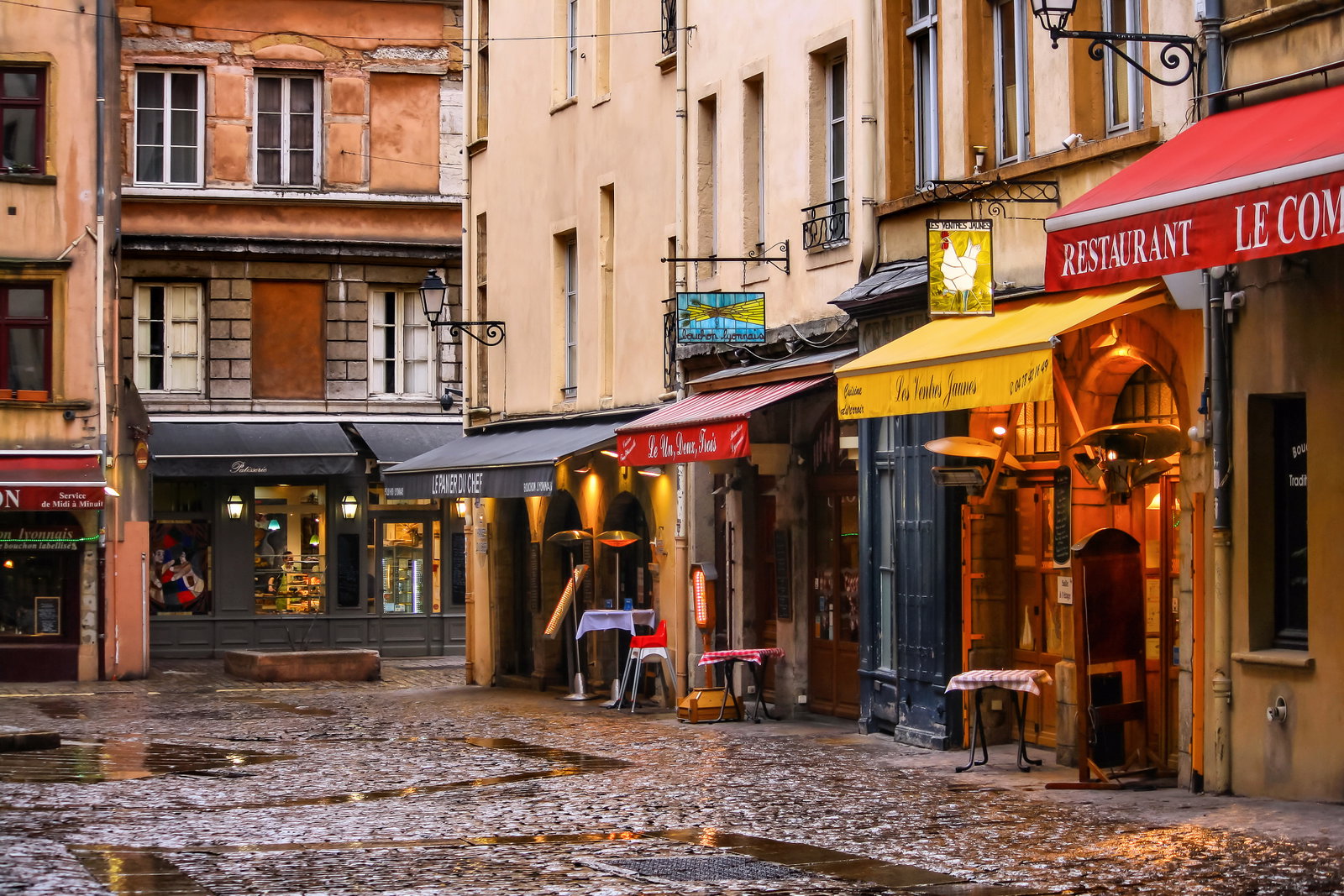
Beyond the table, Lyon's Vieux Lyon is one of the largest intact Renaissance districts in Europe, its pink and ochre façades hiding a network of traboules — covered passageways originally used by silk merchants — that make the neighbourhood feel like a city within a city. Above it all, the Basilica of Notre-Dame de Fourvière presides from its hilltop, and Roman amphitheatres from the first century AD still host summer concerts.

Lyon also punches well above its weight culturally: the Musée des Confluences is one of Europe's most architecturally striking science and anthropology museums, and the annual Fête des Lumières each December transforms the entire city into a free open-air light-art festival attended by four million visitors over four nights.

  • More Michelin-starred restaurants per capita than almost any other city in France.
  • Vieux Lyon — one of Europe's largest and best-preserved Renaissance old towns.
  • Traboules: a secret web of covered passageways threading through centuries-old courtyards.
  • Roman amphitheatres dating to the 1st century AD, still hosting live concerts in summer.
  • Fête des Lumières in December — a free, city-wide light-art festival drawing four million visitors.
  • Two rivers, three hills, and a food market (Les Halles de Lyon Paul Bocuse) that needs a full morning.

Best for

Foodies, history lovers, architecture enthusiasts, weekend city-breakers, and festival-goers.

Trip style

City break, cultural immersion, gastronomic tour

Known for

Bouchon restaurants, Fête des Lumières, Vieux Lyon traboules, Michelin-starred dining, silk-weaving heritage, Roman ruins

Quick facts

Best time to visit

April–June and September–October for mild weather and lower crowds; December for the Fête des Lumières.

Currency

Euro (EUR)

Languages

French; English widely spoken in tourist areas and hotels.

Visa summary

No visa required for EU/EEA/Swiss citizens. Schengen visa required for most non-EU visitors; 90-day visa-free access for UK, US, Canadian, and Australian passport holders.

Flight time from Nairobi

Approx. 9–11 hrs (usually via Paris CDG or Amsterdam; no direct service).

Airport / arrival

Lyon-Saint Exupéry Airport (LYS) is 25 km east of the city centre; the Rhônexpress tram links it to Part-Dieu station in 30 minutes. High-speed TGV trains from Paris (2 hrs) and Marseille (1 hr 40 min) are a popular alternative.

Safety note

Generally very safe. Normal urban precautions apply in busy transport hubs and around Perrache station at night.

Visa and entry

Look up entry rules by passport for travel to France on the Tsavaro visa checker.

Check visa requirements for France

Things to do

Explore Vieux Lyon and its TraboulesHistory & Culture

Explore Vieux Lyon and its Traboules

2–3 hours

Wander the cobbled streets of the UNESCO-listed old town, ducking into traboules — covered Renaissance passageways that link streets through private courtyards. The best are concentrated around Rue Saint-Jean and Rue du Boeuf.

Visit Les Halles de Lyon Paul BocuseFood & Drink

Visit Les Halles de Lyon Paul Bocuse

2–3 hours

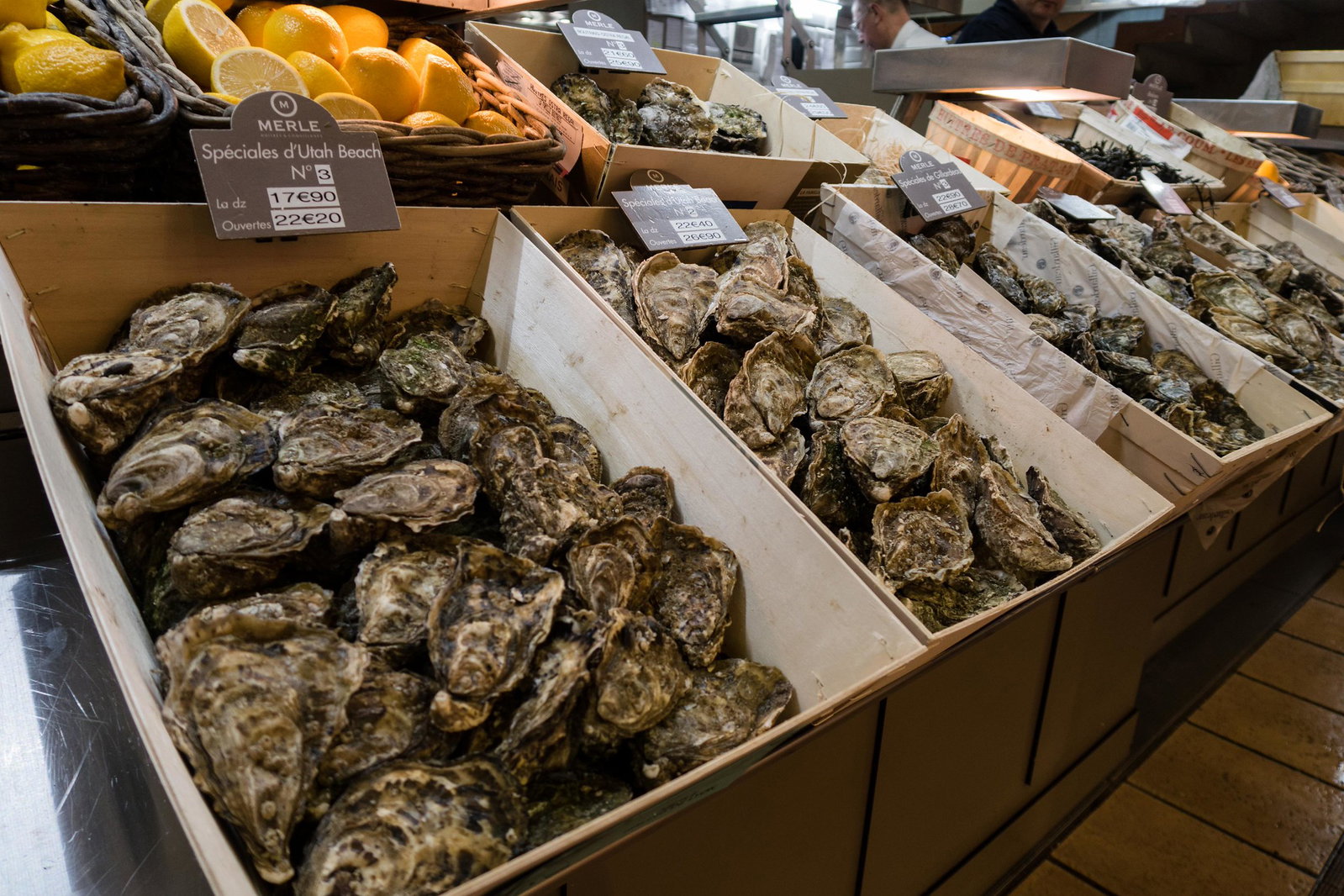
Lyon's legendary indoor food market houses over 50 artisan traders selling Mère Richard cheese, Charcutier Sibilia's celebrated charcuterie, fresh quenelles, praline brioches, and top-quality Burgundy and Rhône wines. Go hungry on a Saturday morning.

Climb to the Basilica of Notre-Dame de FourvièreLandmarks & Views

Climb to the Basilica of Notre-Dame de Fourvière

1–2 hours

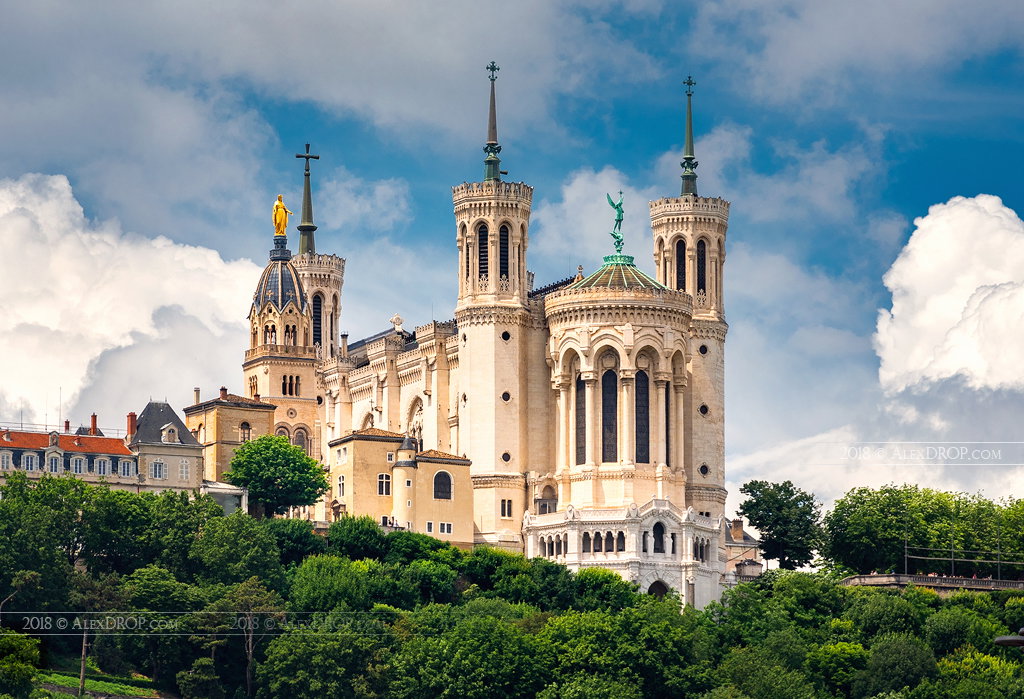
Take the funicular from Vieux Lyon up to Fourvière Hill for the city's finest panorama. The ornate 19th-century basilica — Lyon's unofficial symbol — is worth exploring inside; the terrace view over both rivers is spectacular.

Dine in a traditional BouchonFood & Drink

Dine in a traditional Bouchon

2–3 hours (evening)

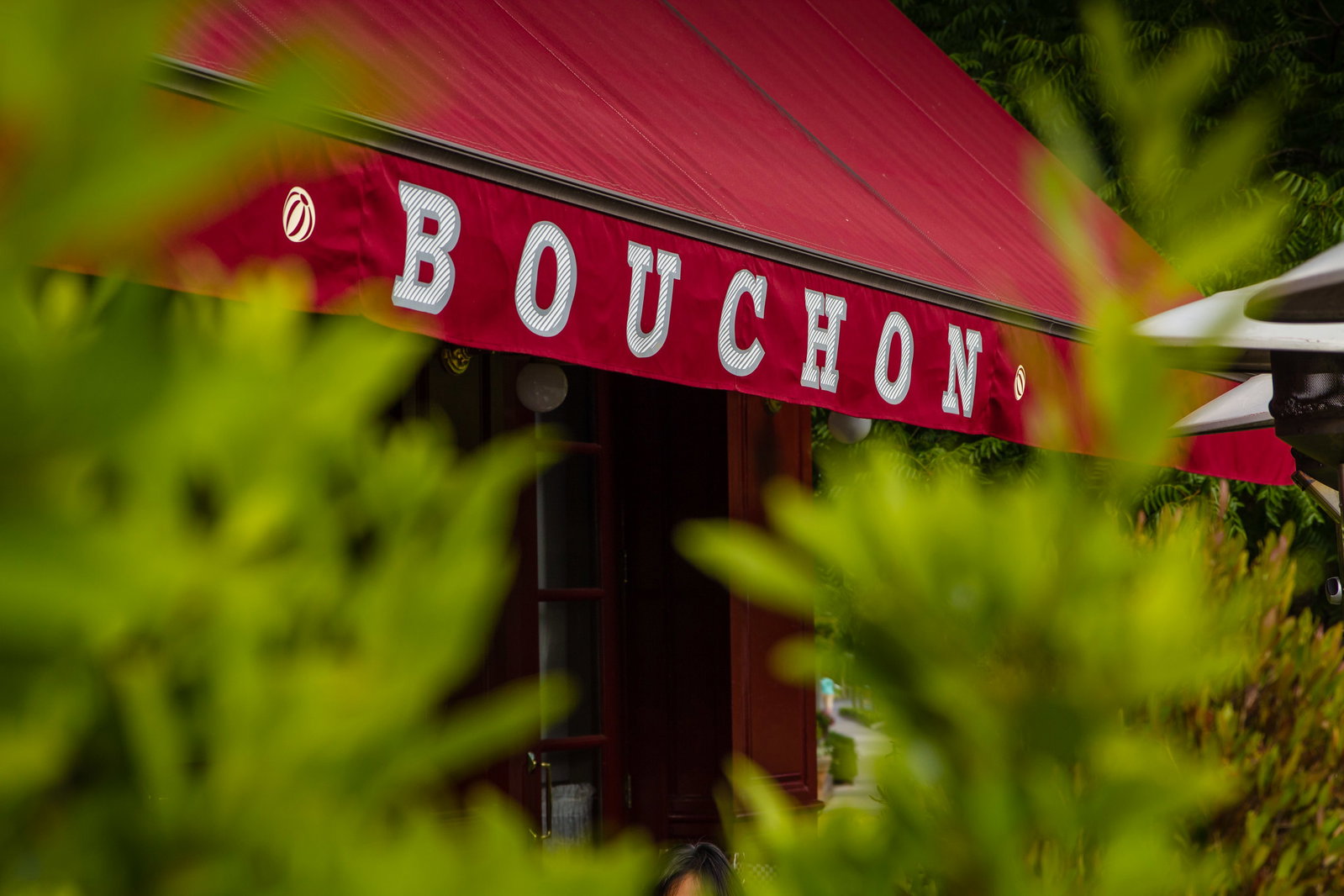
A bouchon is Lyon's own breed of bistro, serving rich, offal-forward Lyonnaise classics: tablier de sapeur (breaded tripe), salade lyonnaise with poached egg and lardons, quenelles de brochet, and tarte à la praline. Look for the official bouchon lyonnais certification.

Discover the Musée des ConfluencesMuseums & Art

Discover the Musée des Confluences

2–4 hours

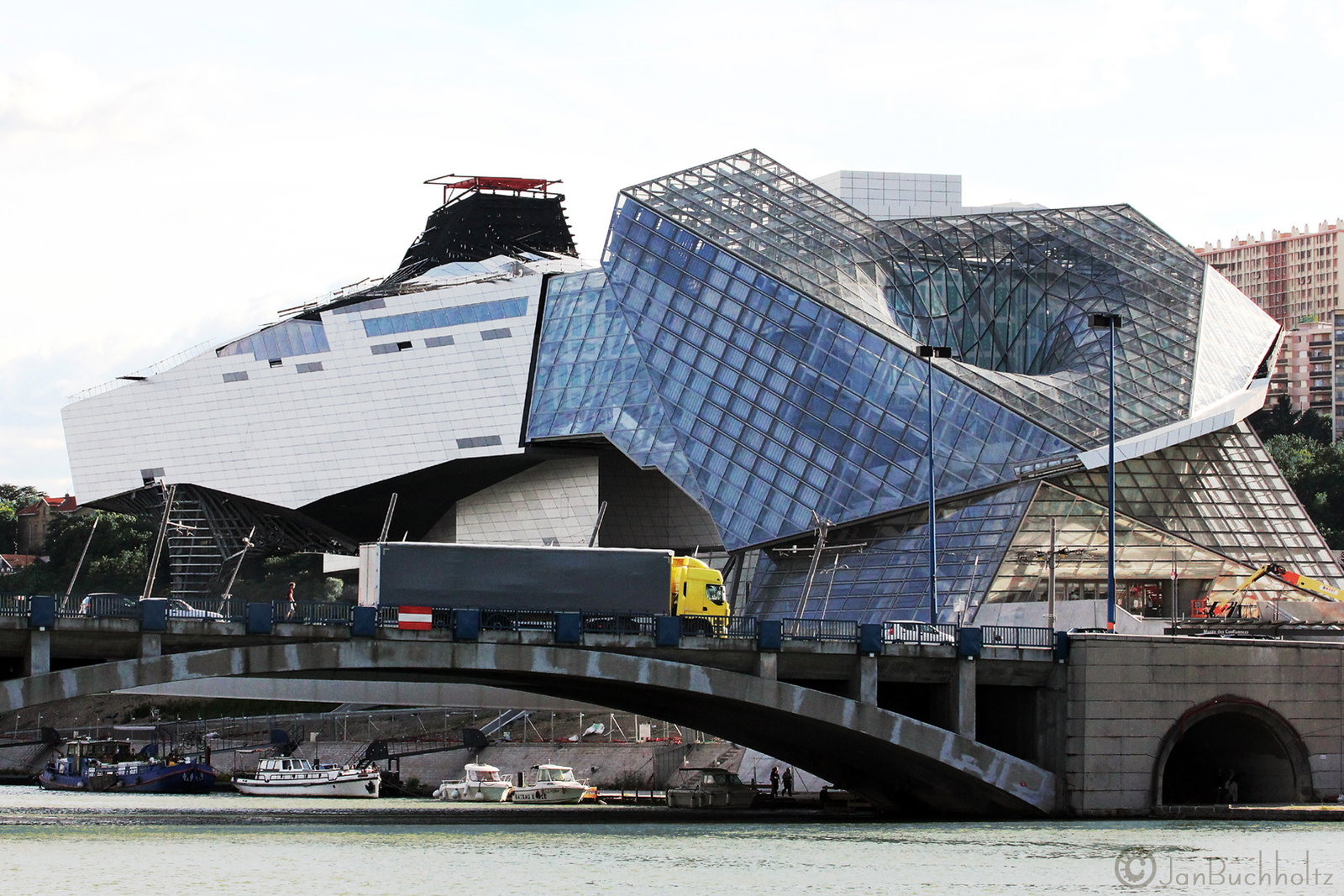
Perched dramatically at the meeting point of the Rhône and Saône, this deconstructivist stainless-steel museum covers the origins of the universe, biodiversity, human societies, and futures. The building alone is worth the trip.

Stroll the Presqu'île and Place BellecourSightseeing

Stroll the Presqu'île and Place Bellecour

1–3 hours

The peninsula between the two rivers is Lyon's bustling heart: grand Haussmann-style boulevards, independent boutiques, the vast Place Bellecour (one of Europe's largest public squares), and Lyon's best café terraces.

Best time to visit Lyon

The best time to visit Lyon is April to June and September to October, when temperatures are mild (15–25°C), restaurant terraces are in full swing, and the city isn't overwhelmed with tourists.

Spring (April–June): Pleasant weather for walking the old town and riverbanks. The Nuits de Fourvière performing-arts festival begins in June, running through July in the Roman theatres.

Summer (July–August): Hot (occasionally above 35°C) and busy, but lively. Many Lyonnais leave in August, which can make the city quieter — a double-edged sword if you want the full neighbourhood energy.

Autumn (September–October): Arguably the finest season. Temperatures are ideal, the Beaujolais Nouveau season kicks off in November, and the city feels like itself again after the tourist peak.

Winter (November–March): Cool and grey, but December is magical: the Fête des Lumières (around 8 December) is one of the world's great free public events, transforming Lyon for four nights. Book accommodation many months ahead for this period. January–February is the low season — good hotel rates, uncrowded museums, and the best chance of a last-minute bouchon table.
Is Lyon safe to visit?

Yes — Lyon is generally very safe for tourists, and it regularly ranks among France's most liveable and visitor-friendly cities. Violent crime targeting tourists is rare.

Areas and situations to keep in mind: Pickpocketing can occur in busy areas like Perrache station, the métro, and crowded market days — keep valuables secure and use a money belt if you're carrying cash for the food market. The Guillotière neighbourhood east of the Rhône is gentrifying but can feel edgier at night; it's fine for daytime exploration.

Transport safety: The métro and tram network is well-maintained and generally safe at all hours. The Fourvière funicular is the easiest and safest way to reach the hilltop after dark.

Health: France has excellent public healthcare. EU citizens with a European Health Insurance Card (EHIC) receive reciprocal treatment; all other visitors should carry travel insurance.

Emergency numbers: Police 17, SAMU (ambulance) 15, Fire 18, European emergency 112.

Suggested itinerary

Lyon in 3 Days: Food, History & Light

This itinerary assumes a mid-pace city break using central accommodation — ideally in the Presqu'île or Vieux Lyon. Budget band: mid-range (€80–€180/night for hotels; €30–€60/person for dinners in a bouchon). A car is unnecessary; the métro, funicular, and walking cover everything.

Day 1

Vieux Lyon, Fourvière & Your First Bouchon

Start at the Vieux Lyon métro station and spend the morning exploring the traboules of Rue Saint-Jean — pick up a free traboule map from the Lyon Tourism office. Ride the funicular to Fourvière Hill mid-morning, visit the basilica interior, and take in the panoramic terrace view over both rivers and the Presqu'île.

Descend on foot via the Chemin du Rosaire (a scenic stepped garden path) in time for lunch at one of the Vieux Lyon's certified bouchons — try Le Café du Jura or Le Laurencin for an authentic salade lyonnaise and quenelles.

Spend the afternoon in the Gallo-Roman Museum and the adjacent Roman theatres, then cross to the Presqu'île for a late-afternoon stroll around Place Bellecour. Evening: book ahead at a traditional bouchon for andouillette sausage and tarte à la praline — Chez Hugon is a reliable favourite.

Lyon — Vieux Lyon, Fourvière & Your First Bouchon

Travel essentials

Getting around

Lyon's TCL network covers four métro lines, trams, trolleybuses, and two funiculars. A single ticket (€1.90) covers 60 minutes across all modes; day passes and multi-day cards offer good value. Central Lyon (Vieux Lyon, Presqu'île, Part-Dieu) is highly walkable. Hire a Vélo'v shared bike for riverside rides — stations are everywhere. Taxis and Uber operate city-wide.

Typical costs

Budget: €60–90/day (hostel, bouchon lunch, self-catering dinner). Mid-range: €120–200/day (3-star hotel, bouchon dinner, museum entries). Upscale: €300+/day (boutique hotels, one- to two-Michelin-star dinners). A three-course bouchon meal with wine costs €25–45/person. Museum entry: €6–12 typically; the Musée des Beaux-Arts is free on the first Sunday of the month.

Culture and etiquette

Greet shopkeepers and restaurant staff with 'Bonjour' on entry and 'Merci, bonne journée' on leaving — Lyonnais take politeness seriously. Tipping is not obligatory (service is included in French restaurant bills) but rounding up or leaving €1–3 for good service is appreciated. Dress modestly when entering Fourvière Basilica. Lunch is typically 12:00–14:00 and dinner 19:30–22:00; kitchens close between services.

Connectivity

4G/5G coverage is excellent across the city. Free Wi-Fi is available in most hotels, cafés, and at major museums. Buy a French SIM (Orange, SFR, Free Mobile) at the airport or any phone shop on the Presqu'île from around €10–20 for a tourist data plan. EU roaming rules mean European SIM holders pay no extra.

Payments

Cards (Visa, Mastercard, Amex) are accepted almost everywhere. Some traditional bouchons and market stalls are cash-only — carry €30–50 in notes when visiting Les Halles or the Croix-Rousse market. ATMs (distributeurs) are abundant throughout the city centre.

Lyon travel FAQs

More destinations to explore