Golden-hour view of the Place de la Bourse reflected in the Miroir d'Eau, Bordeaux

Destination guide

Bordeaux

Nouvelle-Aquitaine, Southwest France · France

World-class wine, 18th-century grandeur, and a living Unesco riverfront

Best season

May–June and September–October for harvest season, mild weather, and smaller crowds

From Nairobi

Approximately 10–12 hours with one stop (typically via Paris CDG, Amsterdam, or Doha)

Why visit Bordeaux?

Few cities in Europe balance prestige and everyday pleasure as effortlessly as Bordeaux. The 18th-century mercantile wealth that built the Place de la Bourse and the Grand Théâtre is still visible in every limestone façade — the entire historic core is a single Unesco-listed urban ensemble, one of the largest in the world.

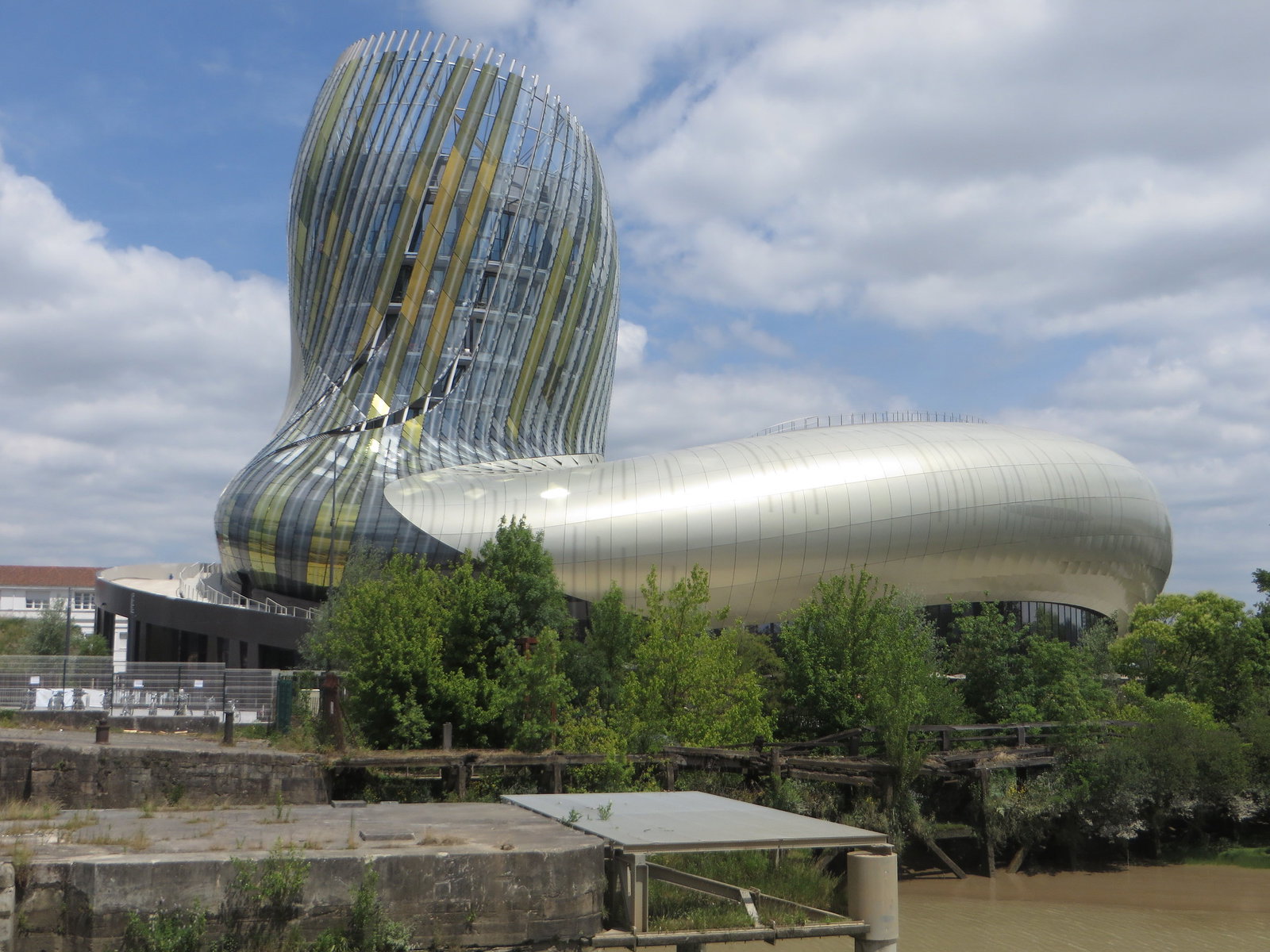
Then there is the wine. Bordeaux sits at the centre of one of the planet's most important vineyard regions: Saint-Émilion to the east, the Médoc peninsula to the north, Sauternes to the south, and Pessac-Léognan on its doorstep. La Cité du Vin, the futuristic wine museum that opened in 2016, makes the story accessible to every visitor, not just the connoisseur.

The city has also remade its waterfront. Where cranes and cargo once dominated, a 4.5 km pedestrian and cycle promenade now runs between the Miroir d'Eau — the world's largest reflecting pool — and the new Darwin Ecosystem creative quarter. Add a dynamic restaurant scene, a thriving market culture, and excellent rail links to Paris and Spain, and Bordeaux rewards every kind of traveller.

  • Stroll the Miroir d'Eau at dusk — 2 cm of water turns the Place de la Bourse into a perfect mirror
  • Taste your way through eight distinct appellations all within an hour of the city
  • One of Europe's largest Unesco World Heritage urban ensembles — 18th-century grandeur on every block
  • La Cité du Vin: an unmissable wine museum that doubles as a skyline landmark
  • Paris in just over 2 hours on the TGV — the perfect add-on to a wider France itinerary
  • Canelés, oysters from Arcachon Bay, and entrecôte à la bordelaise — a city that takes eating seriously

Best for

Wine enthusiasts, architecture lovers, food-focused travellers, city-break weekenders, and cyclists

Trip style

City break, food and wine tour, cultural exploration, cycling holiday

Known for

Grands Crus Classés wines, Miroir d'Eau, 18th-century Unesco streetscapes, La Cité du Vin, Marché des Capucins, macarons, canelés

Quick facts

Best time to visit

May–June and September–October for harvest season, mild weather, and smaller crowds

Currency

Euro (EUR)

Languages

French; English widely spoken in hotels, wine bars, and tourist areas

Visa summary

Schengen visa rules apply — EU/EEA citizens enter freely; most other nationalities need a Schengen short-stay visa (ETIAS authorisation required from 2025)

Flight time from Nairobi

Approximately 10–12 hours with one stop (typically via Paris CDG, Amsterdam, or Doha)

Airport / arrival

Bordeaux-Mérignac Airport (BOD) is 12 km west of the city centre; tram line A (Félix Faure stop) takes about 40 minutes. TGV trains connect Paris Montparnasse in just over 2 hours.

Safety note

Generally very safe. Pickpocket awareness advised around the train station (Gare Saint-Jean) and on busy trams.

Visa and entry

Look up entry rules by passport for travel to France on the Tsavaro visa checker.

Check visa requirements for France

Things to do

Miroir d'Eau & Place de la BourseSightseeing

Miroir d'Eau & Place de la Bourse

30–60 minutes

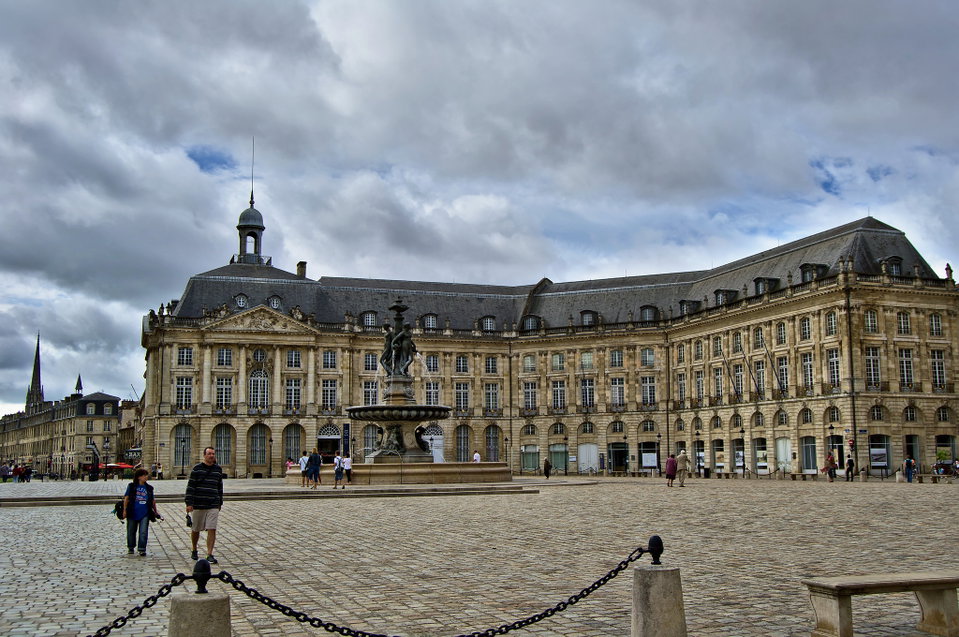
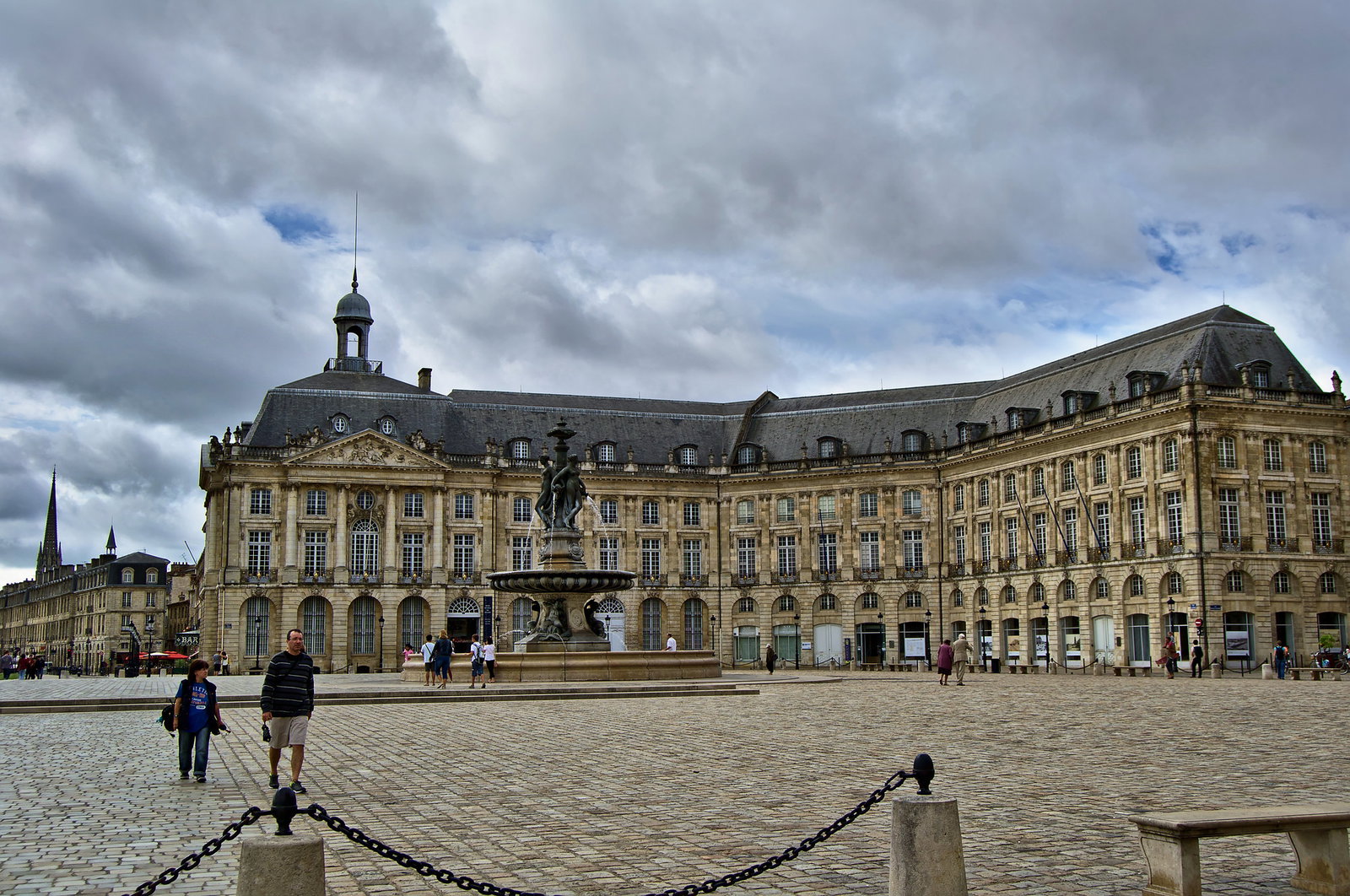
The world's largest reflecting pool sits directly opposite the magnificent 18th-century stock exchange building. Come at dusk when the limestone glows gold and the mirror film of water creates an almost surreal reflection. Free to visit any time.

La Cité du VinCulture & Museums

La Cité du Vin

2–3 hours

Bordeaux's landmark wine museum opened in 2016 in a swirling, modernist building beside the Garonne. Eighteen permanent themed spaces guide visitors through wine cultures worldwide, and admission includes a tasting at the Belvédère on the 8th floor with panoramic river views.

Marché des CapucinsFood & Markets

Marché des Capucins

1–2 hours

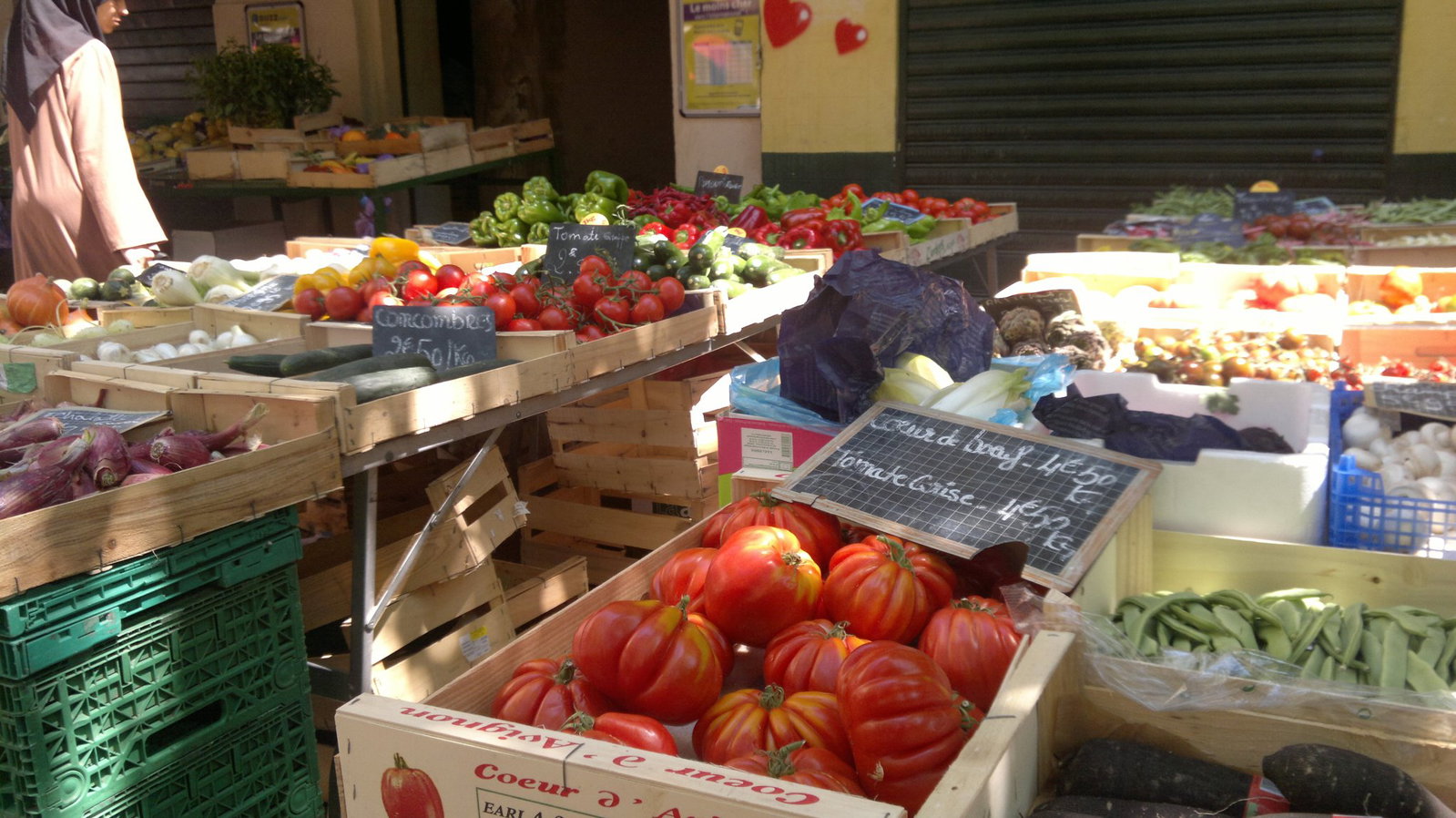
Bordeaux's beloved covered market — nicknamed 'the belly of Bordeaux' — is the best place to eat breakfast like a local. Oysters from Arcachon, charcuterie, cheese, and fresh canelés from neighbouring stalls make this a mandatory first morning stop.

Grand Théâtre de BordeauxCulture & Architecture

Grand Théâtre de Bordeaux

1 hour (tour); evening (performance)

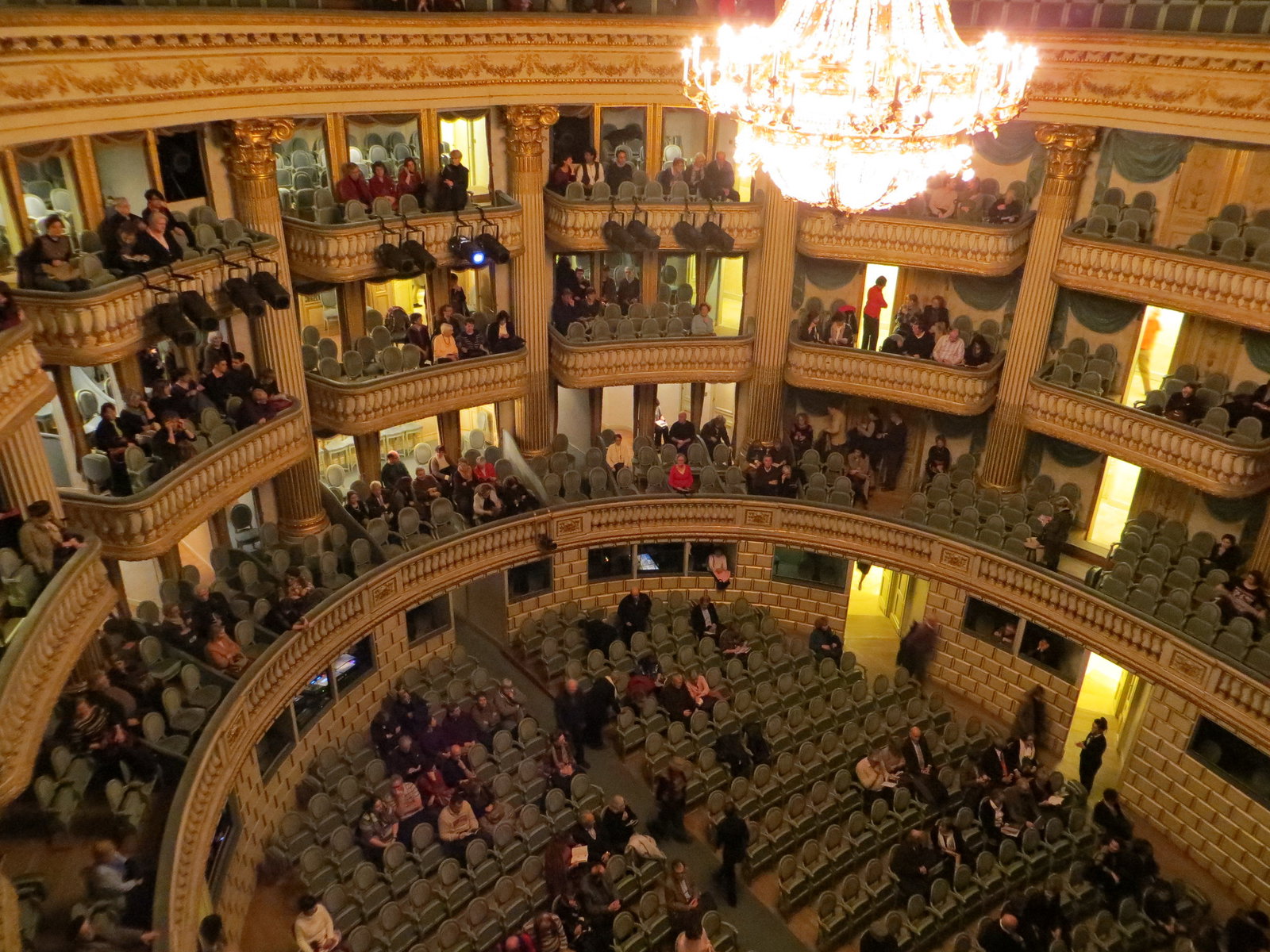
Victor Louis's neoclassical masterpiece, completed in 1780, is one of France's finest opera houses. Guided tours reveal the sumptuous interior that inspired Charles Garnier's Paris Opéra. Check the programme — attending a performance here is a highlight in its own right.

Day trip to Saint-ÉmilionWine & Excursions

Day trip to Saint-Émilion

Full day

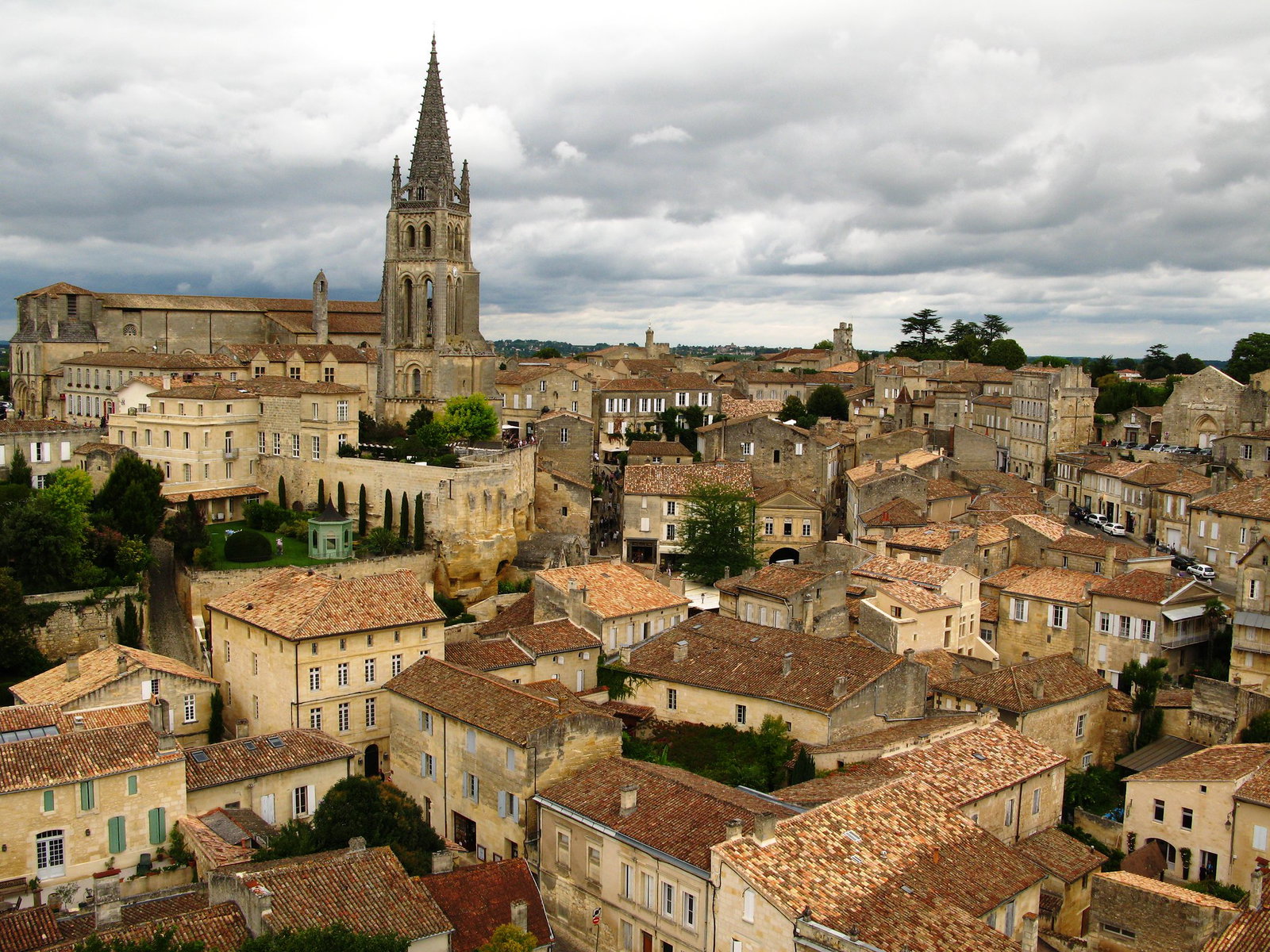
The medieval hilltop village of Saint-Émilion, 40 km east of Bordeaux, is ringed by some of the world's most coveted vineyards. Wander the cobbled lanes, visit the monolithic church carved from solid rock, and book a tasting at a Grand Cru Classé château.

Grosse Cloche & Saint-Éloi QuarterHeritage & Architecture

Grosse Cloche & Saint-Éloi Quarter

1–2 hours

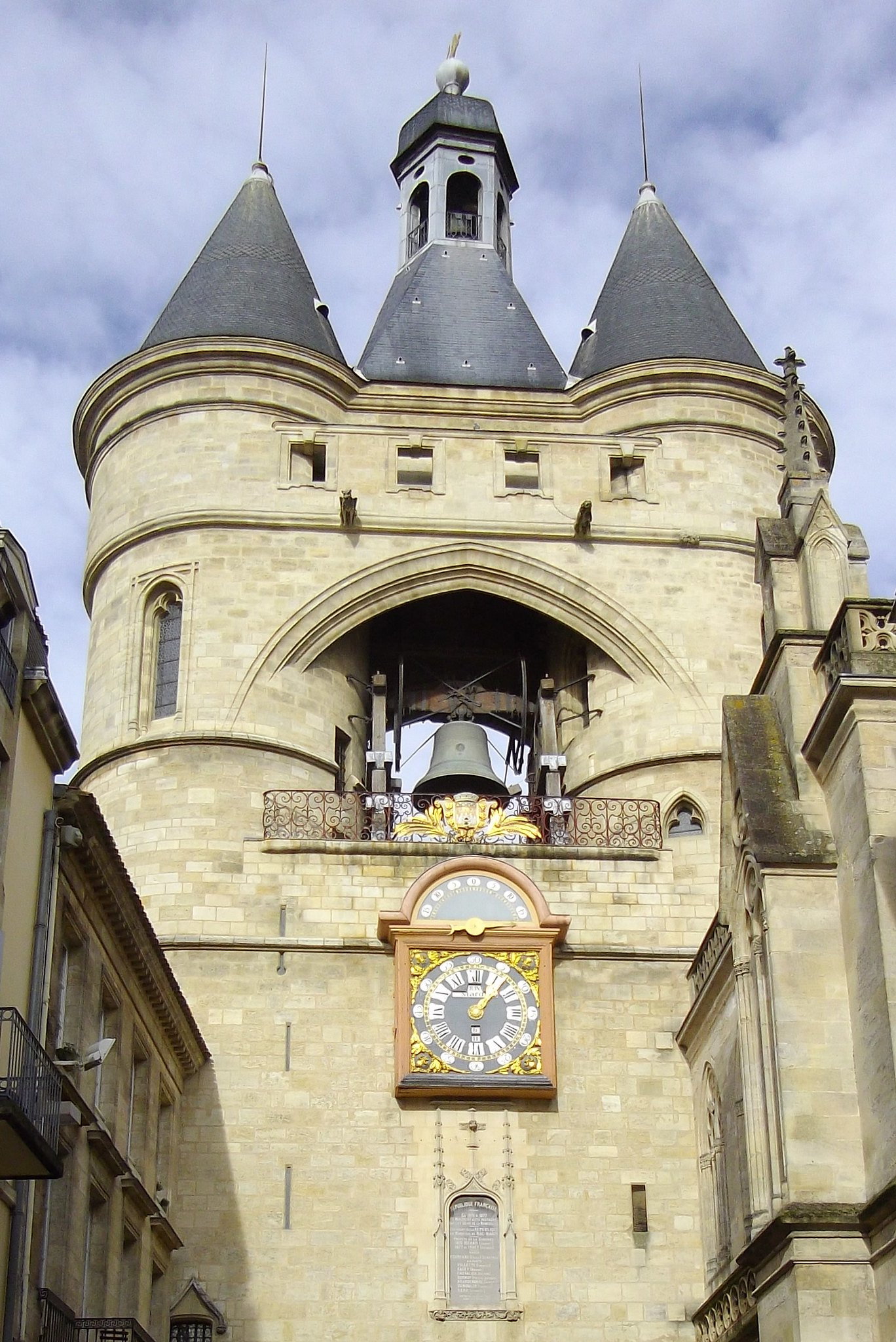
One of France's oldest belfries, the 15th-century Grosse Cloche gateway straddles the Rue Saint-James in the charming Saint-Éloi neighbourhood. The surrounding streets hide wine bars, vintage shops, and artisan boulangeries worth an afternoon of slow wandering.

Best time to visit Bordeaux

The best time to visit Bordeaux is May to June and September to October, when the weather is warm, the city is active, and — in September and October — the grape harvest transforms the surrounding vineyards into a spectacle of colour and activity.

Spring (April–June): Temperatures rise from around 14°C in April to 22°C in June. The vineyards are bright green, riverside café terraces fill up, and the city hosts a series of wine and food festivals including the biennial Bordeaux Fête le Vin (even-numbered years, June). This is arguably the most pleasant window for city exploration.

Summer (July–August): Hot and dry, with temperatures regularly reaching 30°C+. The city empties slightly as locals leave on holiday, but tourists fill the restaurants and the riverfront promenade is lively. Book accommodation well in advance. The heat can be uncomfortable for long days of walking.

Harvest season (September–October): The most exciting time for wine lovers. Picking typically runs from late August (whites) through October (late reds). Estates welcome pre-booked visitors, the light is golden, and temperatures cool to a comfortable 18–22°C. Bordeaux Open Air, one of France's largest electronic music festivals, takes place in June–July, and cultural events continue through October.

Winter (November–March): Mild by northern European standards (8–12°C), grey, and sometimes rainy. Crowd-free and cheaper, with Christmas markets in December adding warmth. Not ideal for vineyard touring but perfectly pleasant for museum visits, wine bars, and restaurant exploration.
Is Bordeaux safe to visit?

Yes — Bordeaux is generally very safe for tourists, and ranks among France's more relaxed and liveable cities. Violent crime directed at visitors is rare, and the city centre, waterfront, and main tourist neighbourhoods are well-lit and busy into the evening.

Pickpocketing is the main concern, particularly around Gare Saint-Jean (the main train station) and on tram lines A and B during peak hours. Use standard precautions: keep bags in front of you on crowded trams, avoid displaying expensive cameras ostentatiously, and use hotel safes for passports and excess cash.

The Gare Saint-Jean area and parts of the Bastide neighbourhood (east bank) can feel less comfortable late at night — take a tram or taxi rather than walking unfamiliar streets after midnight.

Terrorism: France maintains a heightened but managed threat level. Follow local guidance and be aware of surroundings in crowded public spaces, consistent with visiting any major European city.

Emergency numbers: 15 (SAMU medical), 17 (police), 18 (fire/rescue), 112 (all emergencies, EU standard).

Suggested itinerary

4 days in Bordeaux: Wine, architecture, and the art of slow travel

This itinerary assumes a city-centre base (the Triangle d'Or or Saint-Pierre quarter work well), a moderate pace, and a budget that allows one château tasting and one good dinner per day. Public transport and cycling cover all in-city days; a hire car or organised tour is recommended for the Médoc day trip.

Day 1

Arriving in Bordeaux: Waterfront, wine, and the Miroir d'Eau

Drop your bags and head straight to the riverfront. Walk south along the Quai des Chartrons — historically the trading quarter where Dutch, Irish, and British négociants built their fortunes — and browse the antique and wine-bottle dealers still operating there.

Cross to the Place de la Bourse in time for late afternoon, when the Miroir d'Eau fills. Stay for the golden hour and the transition to the blue hour as the city lights up.

Dinner in the Saint-Pierre quarter: the streets around the Place du Parlement are lined with restaurants serving classic Bordelais cooking — entrecôte à la bordelaise, lamprey, and cêpes mushrooms in season.

Bordeaux — Arriving in Bordeaux: Waterfront, wine, and the Miroir d'Eau

Travel essentials

Getting around

Bordeaux has an excellent tram network (lines A–D) that covers the city centre, the airport (line A), and most neighbourhoods. The Vcub bike-share scheme has hundreds of stations and works well for flat riverfront routes. Taxis and rideshares (Uber operates here) are reliable for late nights. A car is worth hiring only for vineyard day trips — driving in the city centre is restricted and parking is expensive.

Typical costs

Mid-range budget: €120–180 per person per day including a 3-star hotel, lunch at a brasserie, one museum entry, and dinner at a good restaurant. Wine-tasting surcharges at top châteaux add €20–80 per visit. Budget travellers can eat well for €15–25 at lunch (formule menus) and find hostel beds from €30. High-end hotels on the Place de la Comédie start around €250–400 per night.

Culture and etiquette

Greet shopkeepers and restaurant staff with 'Bonjour' on entering — it is considered basic courtesy and its absence is noticed. French dining culture means lunch runs noon–2pm and dinner rarely before 7:30pm; kitchens close strictly. Dress neatly for winery visits, especially at classified estates. Tipping is appreciated but not obligatory — rounding up or leaving 5–10% at restaurants is the norm.

Safety and planning

Travel insurance covering medical repatriation is strongly recommended. The European Health Insurance Card (EHIC/GHIC) gives UK and EU citizens access to French public healthcare. Keep digital copies of your passport and insurance in cloud storage. Register with your embassy's travel alert service if visiting for an extended period.

Connectivity

Free Wi-Fi is available at the airport, in most hotels, and at many cafés. French SIM cards (Orange, SFR, Bouygues) are inexpensive and offer good 4G/5G coverage throughout the city and most wine regions. EU roaming rules mean European travellers can use their home data plan at no extra cost.

Payments

Cards are accepted almost universally — Visa and Mastercard are fine everywhere including small wine bars and markets. Contactless payment (including Apple Pay and Google Pay) is standard. Keep some euros in cash for small market stalls and rural producers who may not have card terminals.

Bordeaux travel FAQs

More destinations to explore