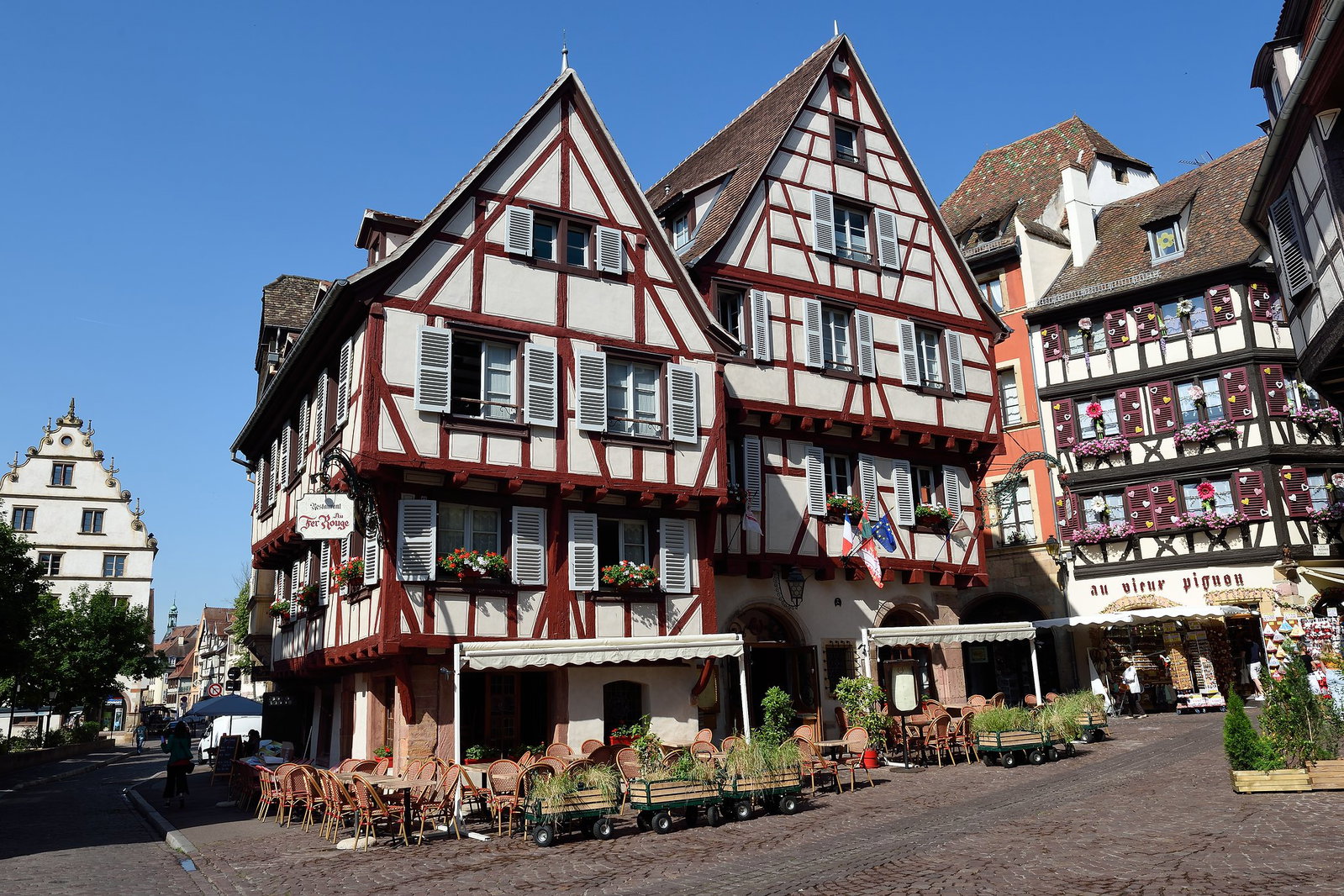
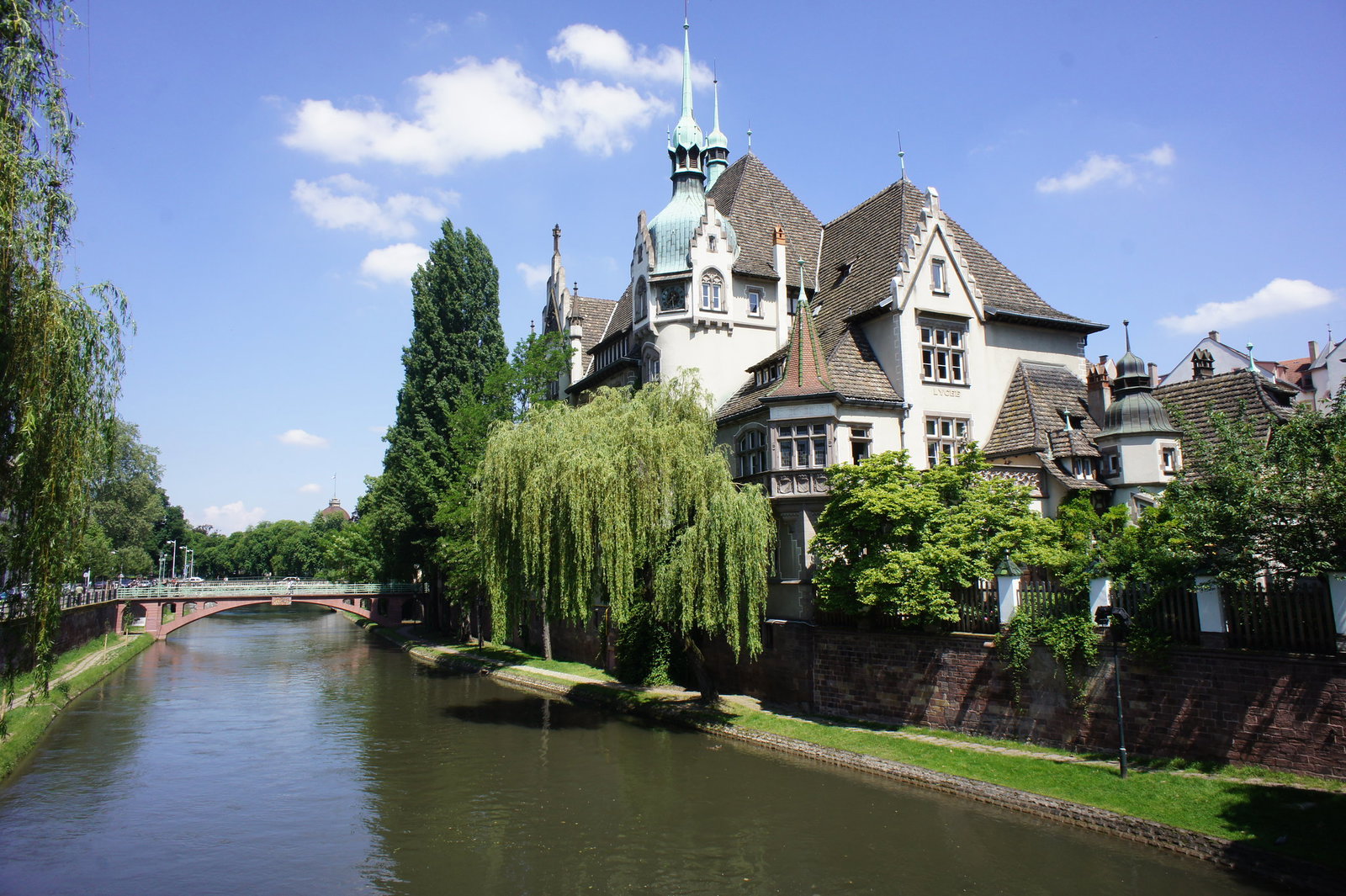
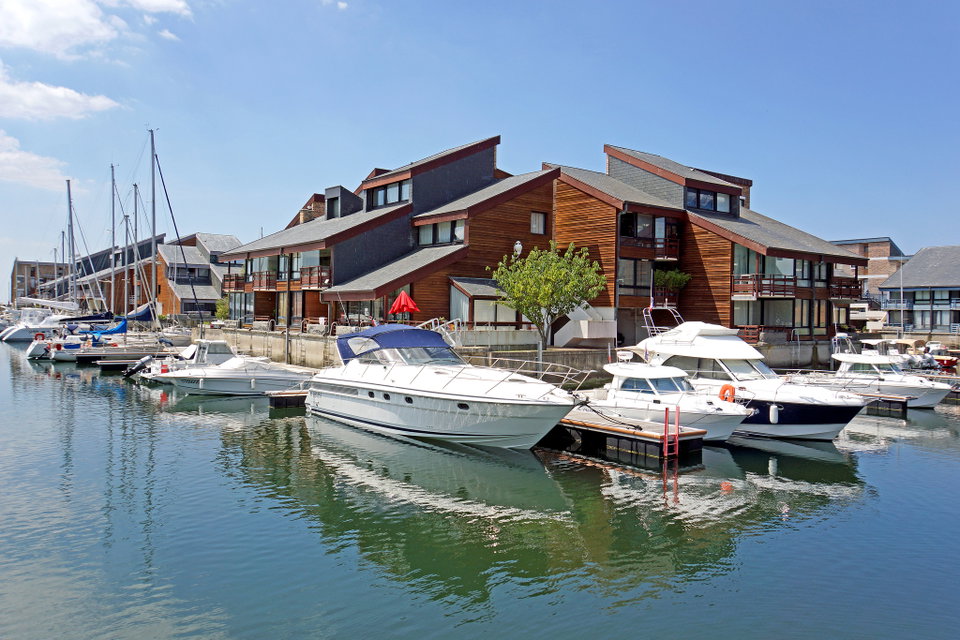
Strasbourg's Petite France quarter reflected in the Ill river at dusk, with half-timbered houses and cathedral spire in the background

Destination guide

Strasbourg

Alsace, Grand Est · France

Medieval half-timbered canals, Alsatian cuisine, and the European Parliament — all in one walkable city.

Best season

April–June and September–October for mild weather and fewer crowds; late November–December for the renowned Christmas market (Christkindelsmärik).

From Nairobi

Approximately 9–11 hours with one stop (typically via Paris CDG, Frankfurt, or Istanbul); no direct flights from Nairobi.

Why visit Strasbourg?

Strasbourg is one of Western Europe's most underrated city breaks — compact enough to explore on foot or by bicycle, yet layered with history, architecture, and gastronomy that could fill a week.

The UNESCO-listed Grande Île is Europe's most intact medieval city centre, and the Gothic Cathédrale Notre-Dame de Strasbourg — built over three centuries and once the world's tallest building — is still the city's unmissable centrepiece. Climb the 332-step platform for panoramic views across Alsatian vineyards and, on clear days, the Black Forest.

Beyond the cathedral, Strasbourg offers the Musée d'Orsay-quality Musée de l'Œuvre Notre-Dame (one of Europe's finest medieval art collections), the Palais Rohan housing three separate museums, and the Musée d'Art Moderne et Contemporain. The European Parliament offers free guided visits, adding a distinctly civic dimension rarely found in historic cities.

Alsatian food is the greatest draw for many visitors: flammekueche (tarte flambée), baeckeoffe, choucroute garnie, and kougelhopf washed down with Riesling or Gewurztraminer from vineyards half an hour's drive south. The city's Christmas market, running since 1570, is among the oldest and most atmospheric in Europe.

  • Stroll the medieval canals of Petite France — arguably the most photogenic neighbourhood in France.
  • Climb Strasbourg Cathedral's Gothic platform for Black Forest–to–Vosges panoramas.
  • Feast on tarte flambée and choucroute in a centuries-old winstub with Riesling from the vineyard road 30 km south.
  • Tour the European Parliament — the largest directly elected democratic assembly in the world, and it's free.
  • Lose yourself in Europe's oldest and most atmospheric Christmas market, running since 1570.
  • Cycle the flat Rhine paths into Germany in under an hour — no passport needed.

Best for

History lovers, architecture enthusiasts, foodies, wine tourists, Christmas-market pilgrims, cycling day-trips into Alsace.

Trip style

City break, cultural immersion, wine and food tour, festive travel.

Known for

Petite France, Cathédrale Notre-Dame, Alsatian cuisine, European Parliament, Christmas market (Christkindelsmärik), Rhine cycling routes.

Quick facts

Best time to visit

April–June and September–October for mild weather and fewer crowds; late November–December for the renowned Christmas market (Christkindelsmärik).

Currency

Euro (EUR). ATMs widely available; cards accepted almost everywhere.

Languages

French is the official language; Alsatian dialect spoken by older locals; German widely understood near the border.

Visa summary

No visa required for EU/EEA and Schengen-zone travellers. Visitors from the UK, USA, Canada, and Australia may enter visa-free for up to 90 days under Schengen rules. ETIAS authorisation expected from late 2025.

Flight time from Nairobi

Approximately 9–11 hours with one stop (typically via Paris CDG, Frankfurt, or Istanbul); no direct flights from Nairobi.

Airport / arrival

Strasbourg Airport (SXB) is 12 km south-west of the centre; tram line D connects it to the city in about 30 minutes. Alternatively, fly into Basel-Mulhouse-Freiburg (EAP/BSL), 90 min by train, or Frankfurt (FRA), 1 hr 45 min by TGV.

Safety note

Generally very safe. Standard urban precautions apply around the train station and busy tourist areas — keep an eye on bags in crowded Christmas market streets.

Visa and entry

Look up entry rules by passport for travel to France on the Tsavaro visa checker.

Check visa requirements for France

Things to do

Cathédrale Notre-Dame de StrasbourgCulture & History

Cathédrale Notre-Dame de Strasbourg

1.5–2 hours

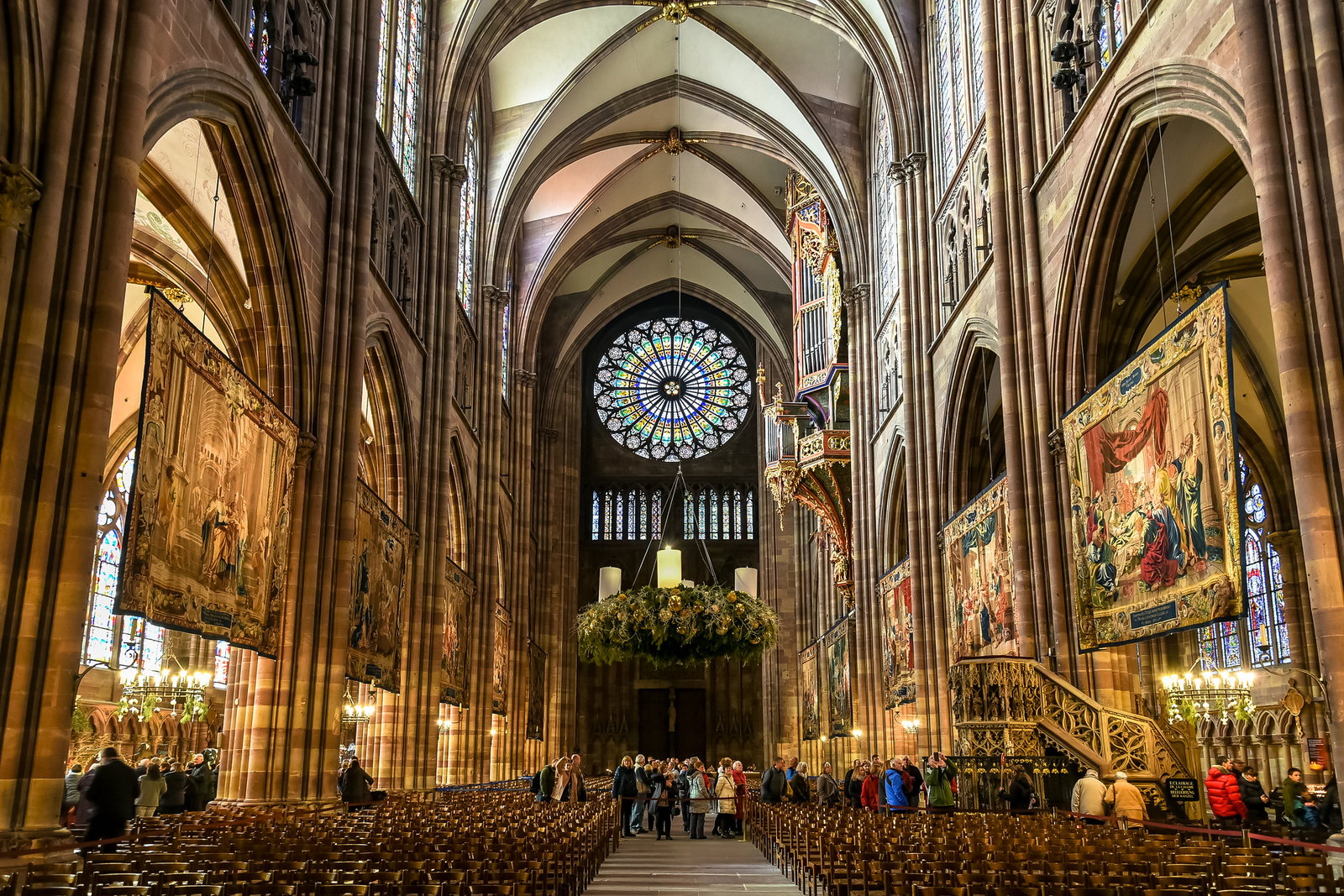
Explore one of the finest examples of High Gothic architecture in Europe. The west facade's intricate stone lacework is extraordinary up close; climb to the 66 m platform for sweeping views over the Alsatian plain and the Vosges. Don't miss the 16th-century astronomical clock that puts on a mechanical show at 12:30 daily.

Petite France Quarter & Covered BridgesSightseeing

Petite France Quarter & Covered Bridges

1–2 hours

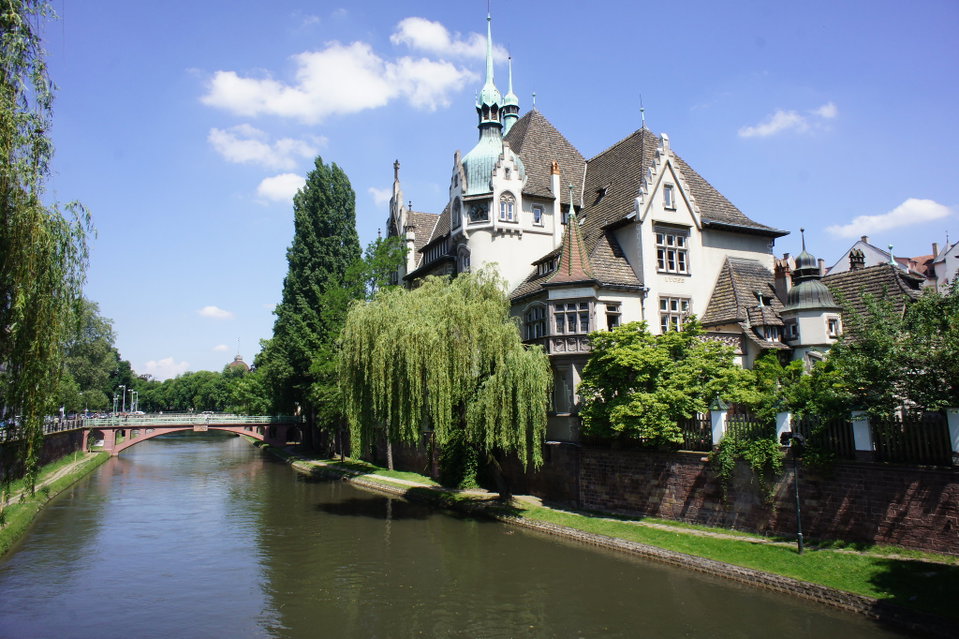
Wander the network of canals, lock systems, and half-timbered tanner houses in Strasbourg's most picturesque district. The Ponts Couverts (Covered Bridges) — now open stone towers and bridges — frame a classic view of the weir and skyline. Best at golden hour or just after sunset when reflections are mirror-sharp.

Musée de l'Œuvre Notre-DameMuseums

Musée de l'Œuvre Notre-Dame

1.5 hours

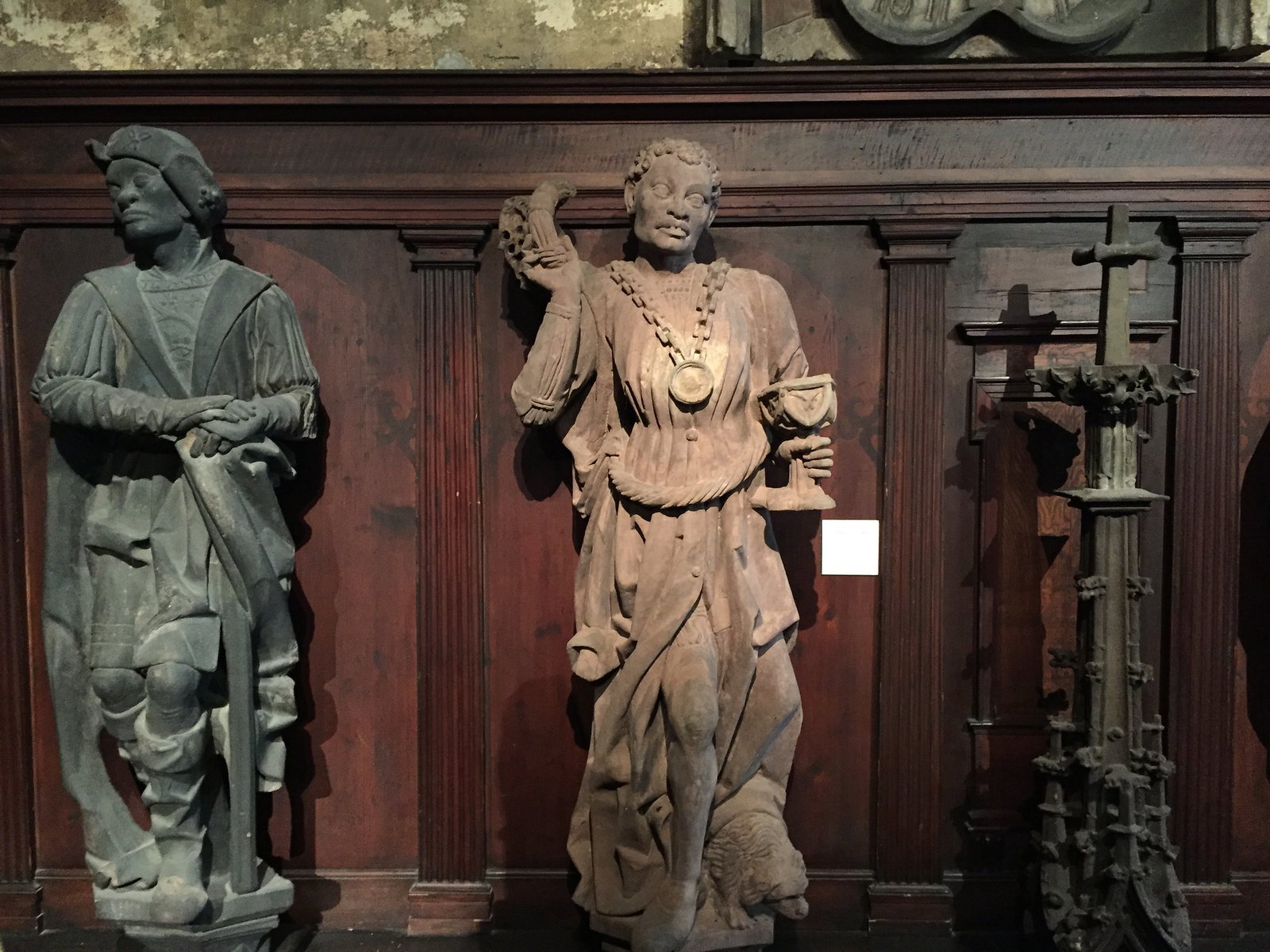
Housing the original medieval sculptures from the cathedral (replaced outside by copies), this museum in a 14th-century building is among Europe's best medieval art collections. Highlights include Roman glasswork, Romanesque stonework, and a superb Alsatian Renaissance room.

Tarte Flambée Dinner in a WinstubFood & Drink

Tarte Flambée Dinner in a Winstub

Evening

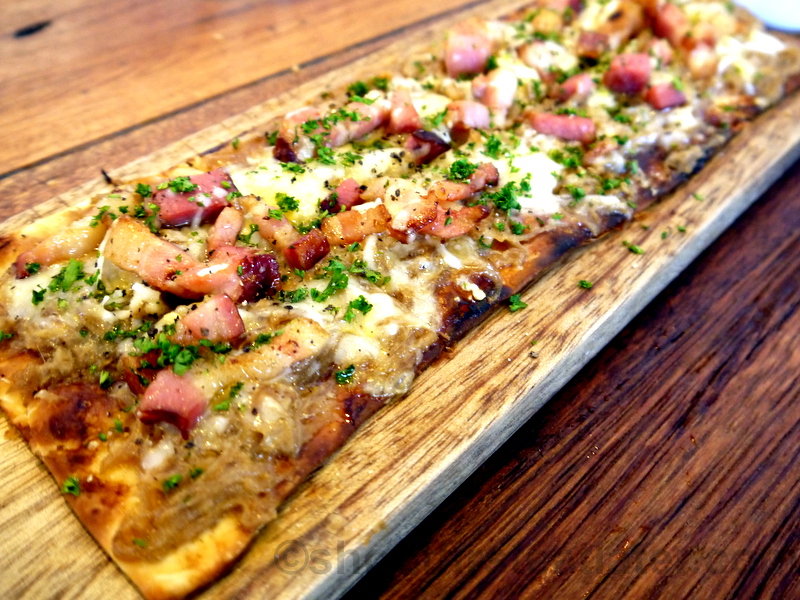
Alsatian winstubs (wine-taverns) are the city's defining dining institution — wood-panelled, convivial, and unpretentious. Order a round of tarte flambée (paper-thin dough topped with crème fraîche, onions, and lardons), a carafe of local Pinot Gris, and settle in. The area around rue des Dentelles and place du Marché-aux-Cochons-de-Lait is packed with good options.

European Parliament Guided VisitPolitics & Civic

European Parliament Guided Visit

1.5–2 hours

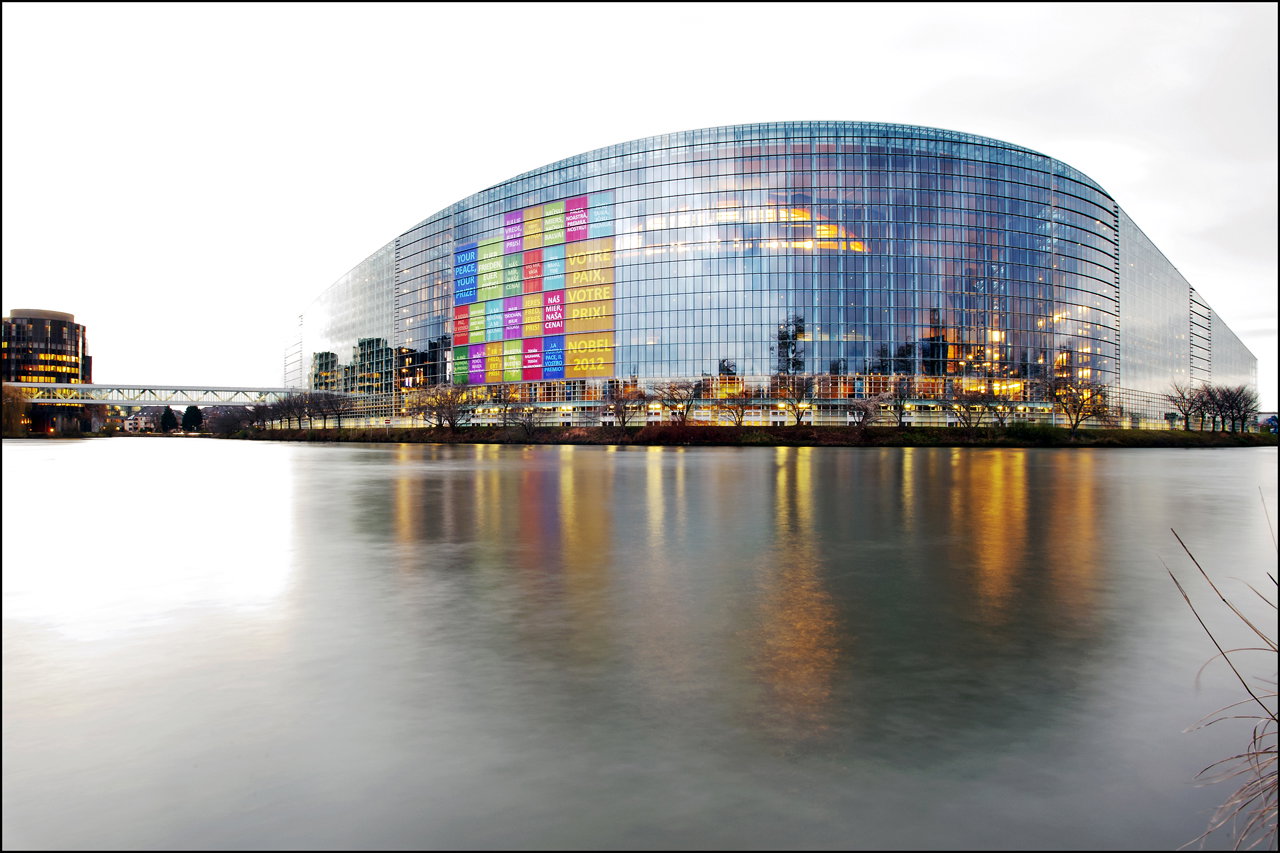
Free guided tours of the hemicycle and public galleries of the European Parliament building run on most weekdays. Book well in advance online. The vast Bâtiment Louise Weiss on the banks of the Ill is an architectural spectacle in itself, and the visit gives genuine insight into how EU legislation is shaped.

Alsace Wine Route Day TripDay Trips & Wine

Alsace Wine Route Day Trip

Full day

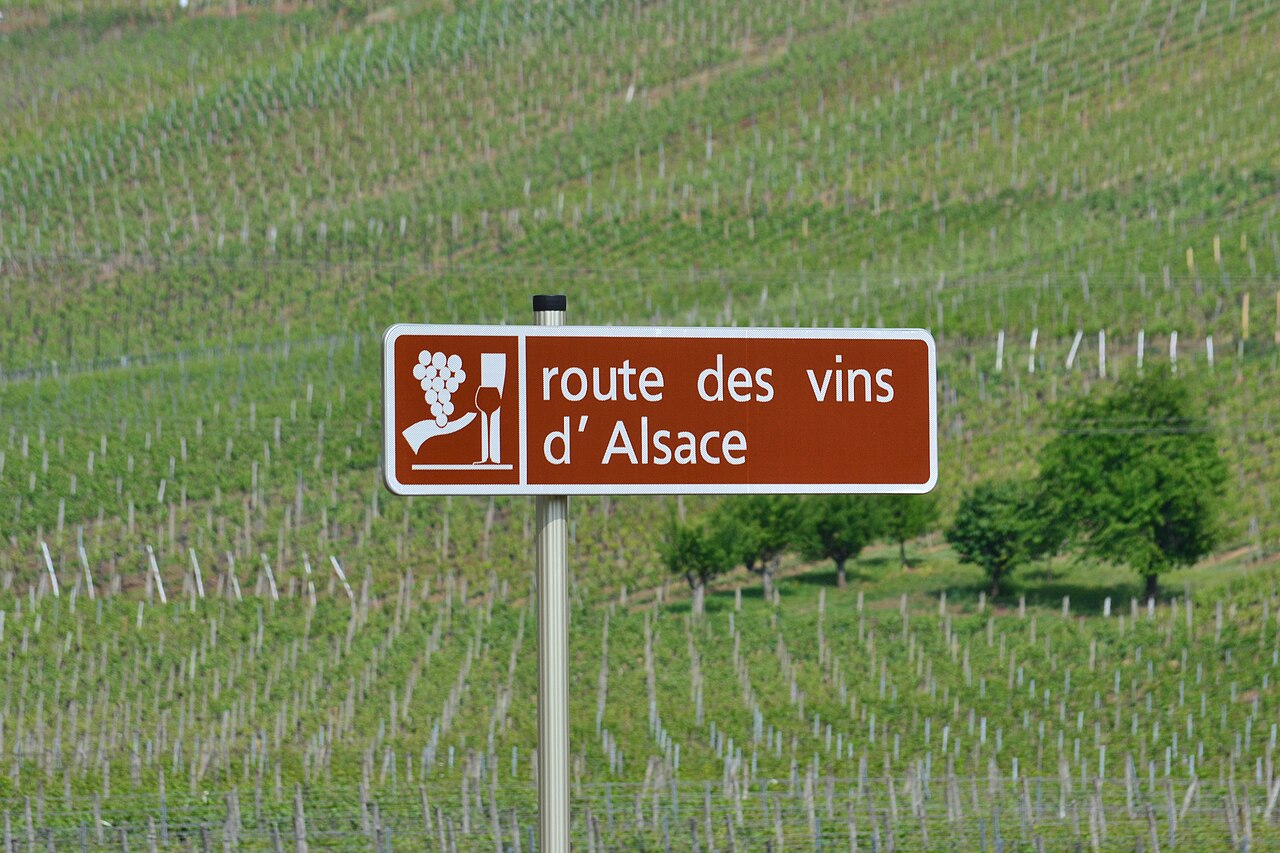
Rent a bike or hire a car and head 30 km south along the Route des Vins d'Alsace, stopping at villages like Obernai, Barr, and Mittelbergheim. Wine estates welcome walk-in tastings of Riesling, Gewurztraminer, and Pinot Blanc. The route passes through flower-box-draped medieval villages and vine-covered hillsides of the Vosges foothills.

Best time to visit Strasbourg

The best time to visit Strasbourg is April to June and September to October, when temperatures are comfortable (14–22 °C), the city is lively without being overwhelmed by tourists, and the Alsatian countryside is at its most photogenic.

Spring (April–June): Fruit trees blossom along the Wine Route from April; the Orangerie and Parc de l'Ill are at their best. This is the best window for cycling day trips and outdoor café culture. Crowds are manageable and prices reasonable.

Summer (July–August): Warm to hot (22–28 °C), with long evenings ideal for canal-side dining. The city is busy with visitors but rarely uncomfortably so compared with Paris or Amsterdam. The Strasbourg Summer Music Festival (Musica) runs in late September.

Autumn (September–October): The Alsatian vineyards turn gold and copper — the Wine Route's most beautiful season. Harvest festivals run throughout October in villages south of the city. The pace is relaxed, the light is superb, and accommodation prices have come off their summer peak.

Winter (November–December): Late November to 24 December is Christmas-market season — among the most magical in Europe but also the busiest and most expensive period. Book hotels three to six months ahead. January and February are quiet, cheap, and perfectly liveable for a museum-focused city break, with daytime temperatures around 3–7 °C.

What to avoid: Mid-July through August can see the city fill with coach tours. The Christmas market's final weekend (20–24 December) is the most crowded stretch of the year.

Is Strasbourg safe to visit?

Yes — Strasbourg is generally a very safe city for tourists, consistently ranking among France's more secure destinations outside the major risk zones. Violent crime targeting visitors is rare, and the main tourist areas around Petite France, place de la Cathédrale, and the Grande Île are well-patrolled and lively until late.

Practical tips:

Pickpocketing and bag-snatching are the most realistic risks, particularly during the Christmas market (when dense crowds and distraction are at their peak) and around Gare de Strasbourg at night. Keep bags zipped and in front of you in crowded areas.

The immediate surroundings of the train station (Gare Centrale) can feel rough after dark — exercise the same awareness you would in any large European city. A few streets to the north and east, the atmosphere rapidly improves.

The city centre is compact and extremely walkable; there is rarely any reason to be in an unfamiliar area late at night.

Strasbourg has an effective tram and cycle network, minimising the need for late-night taxis. Use the official Vélhop/Véloparc bike share or book rides through licensed apps.

For solo women travellers, Strasbourg is considered among the safer French cities. The well-lit, busy old town is comfortable to navigate alone at night.

As in any major European city, stay aware of your surroundings, don't leave bags on café chairs unattended, and keep a copy of your passport separate from the original.
Suggested itinerary

3 Days in Strasbourg: Medieval Canals, Alsatian Tables & a Dash of Europe

This itinerary is designed for a leisurely long-weekend pace, based entirely in central Strasbourg. It assumes comfortable mid-range accommodation on the Grande Île or in Petite France, and favours walking and cycling over taxis. Budget approximately €100–€160 per person per day including a hotel, meals, and entry fees.

Day 1

The Cathedral, Old Town & a Winstub Dinner

Begin at the Cathédrale Notre-Dame de Strasbourg — arrive early to beat the tour groups and climb to the platform before haze builds. Spend the rest of the morning on place de la Cathédrale and in the surrounding lanes: duck into the Maison Kammerzell for a coffee (the 15th-century carved facade alone is worth the stop), then browse the stalls on place Gutenberg.

After lunch at a boulangerie or the covered Marché des Halles, visit the Musée de l'Œuvre Notre-Dame for an hour and a half — the context it gives the cathedral sculptures is invaluable. In the afternoon, wander south through the old tanners' quarter into Petite France; position yourself on the Barrage Vauban rooftop terrace before 5 pm for the best free panoramic view in the city.

For dinner, book a table at a traditional winstub in the old city — try the area around rue des Tonneliers — and work your way through a tarte flambée and choucroute garnie with a half-carafe of Alsatian Riesling.

Strasbourg — The Cathedral, Old Town & a Winstub Dinner

Travel essentials

Getting around

Strasbourg's historic centre is entirely walkable — most sights are within 20 minutes on foot of each other. The city has an excellent tram network (lines A–F) connecting the station, European Quarter, and airport. The Vélhop and Véloparc bike-share schemes are ideal for longer distances and the flat Rhine cycling paths. Taxis and ride-hail (Bolt, Uber) are available. A day pass for trams costs around €5.

Typical costs

Budget traveller: €70–€100/day (hostel, market lunches, cathedral entry). Mid-range: €120–€180/day (3-star hotel, winstub dinners, wine tastings). Comfortable: €200+/day (boutique hotel, tasting menus, cooking classes). Museum entry is typically €7–€12; cathedral platform €5; European Parliament tours are free.

Culture and etiquette

Greeting shopkeepers and restaurant staff with 'Bonjour' on entry is expected — omitting it reads as rude. In winstubs, communal tables are normal; you may be seated with strangers, which is part of the experience. Tipping is not mandatory (service is included by law) but rounding up or leaving a euro or two is appreciated. Alsatian identity is distinct — locals are proud of their dual French-German heritage, and some older residents are equally comfortable speaking German or Alsatian dialect.

Safety and planning

Register your trip with your country's embassy or consulate for longer stays. The main emergency number in France is 15 (SAMU/medical), 17 (police), 18 (fire), or 112 (EU-wide emergency). The nearest A&E is Hôpitaux Universitaires de Strasbourg (HUS). Travel insurance covering medical evacuation is strongly recommended for non-EU visitors.

Connectivity

Free Wi-Fi is available in most hotels, cafés, and on trams. The city centre has good 4G/5G coverage from all major French carriers (Orange, SFR, Bouygues, Free). EU visitors pay no roaming charges; non-EU travellers should consider an eSIM or buying a local SIM at the airport or a tabac.

Payments

Cards (Visa and Mastercard) are accepted almost universally, including at food markets and winstubs. Contactless payment is standard. Some smaller market stalls and rural wine estates on the Wine Route prefer cash — carry €30–€50 as backup. ATMs are plentiful in the city centre.

Strasbourg travel FAQs

More destinations to explore