British Museum
2–4 hours
Home to the Rosetta Stone, the Elgin Marbles, and eight million objects spanning two million years of human history. Free entry; crowds thin on weekday mornings.
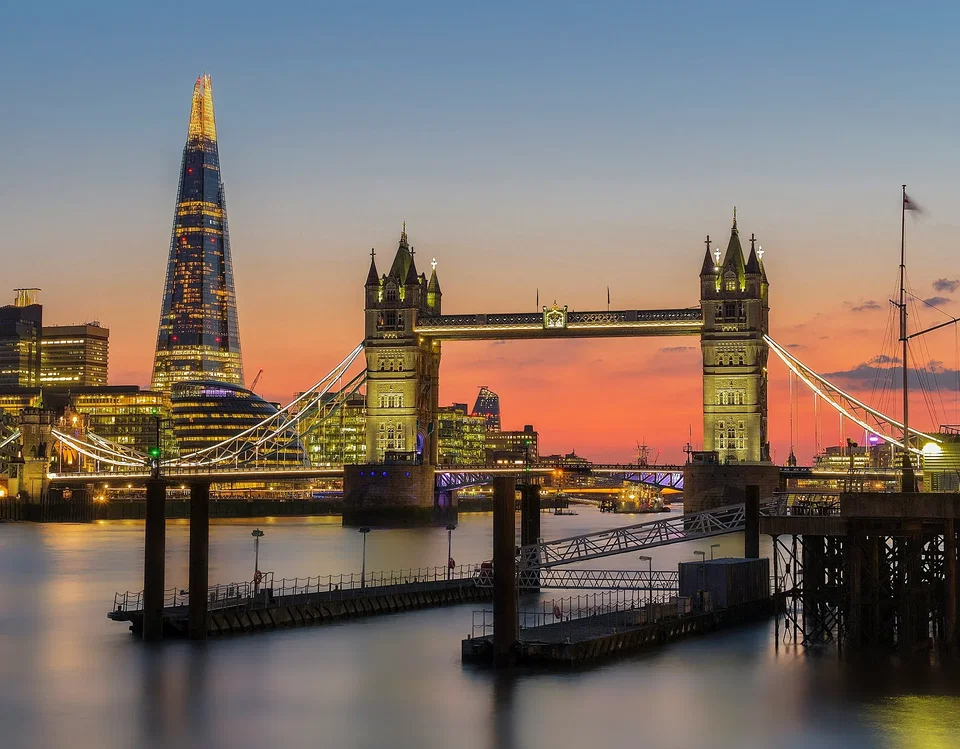
Destination guide
Europe · United Kingdom
The UK capital and the diaspora's classic gateway.
Best season
May–September for warmth and long daylight hours; December for festive markets and atmosphere
From Nairobi
Approximately 8.5–9.5 hours non-stop (Kenya Airways NBO–LHR)
London is a city that reinvents itself without ever losing sight of its past. On a single afternoon you can wander through a Roman amphitheatre, stand inside a Christopher Wren masterpiece, and eat your way through cuisines from forty countries — all for free if you pick the right museums and markets.
The city's cultural infrastructure is staggering: the British Museum, Tate Modern, the V&A, the National Gallery, and the Natural History Museum are all free. The West End stages some of the finest theatre on Earth. The parks — Hyde Park, Regent's Park, Hampstead Heath — give breathing room that many capitals simply don't offer.
Beyond the landmarks, London is best understood neighbourhood by neighbourhood: the Georgian grandeur of Bloomsbury, the multicultural bustle of Brixton, the village calm of Chiswick, the neon-lit night-life of Shoreditch. There is always a version of London that fits your trip.
Best for
Culture lovers, foodies, theatre-goers, history buffs, family travellers, luxury shoppers
Trip style
City break, multi-week self-guided exploration, business travel, family holiday
Known for
The British Museum, Tower Bridge, West End theatre, afternoon tea, the Tube, royal palaces, world-class street food
Best time to visit
May–September for warmth and long daylight hours; December for festive markets and atmosphere
Currency
British Pound Sterling (GBP, £)
Languages
English (official); over 300 languages spoken across the city
Visa summary
EU/EEA nationals need a valid passport; most nationalities require a Standard Visitor Visa — check UKVI before travelling
Flight time from Nairobi
Approximately 8.5–9.5 hours non-stop (Kenya Airways NBO–LHR)
Airport / arrival
Heathrow (LHR) is the main international gateway; Gatwick (LGW) and Stansted (STN) serve many low-cost and regional routes. The Elizabeth line connects Heathrow to central London in ~30 minutes
Safety note
London is generally safe; normal big-city precautions apply — watch for pickpockets on the Tube and in crowded tourist areas
Visa and entry
Look up entry rules by passport for travel to United Kingdom on the Tsavaro visa checker.
Check visa requirements for United Kingdom2–4 hours
Home to the Rosetta Stone, the Elgin Marbles, and eight million objects spanning two million years of human history. Free entry; crowds thin on weekday mornings.
Half day
Explore the medieval fortress where the Crown Jewels are kept, then walk across the Victorian bascule bridge for panoramic Thames views from the glass-floored walkway.
1–2 hours
London's most celebrated food market, operating near London Bridge since the 12th century. Come hungry for sourdough, charcuterie, fresh oysters, and rotating street-food stalls.
2–3 hours
A former power station on the South Bank transformed into one of the world's leading modern-art galleries. The turbine hall hosts monumental free installations year-round.
2–3 hours
Combine a stroll through Hyde Park with Kensington Gardens to reach the Serpentine Galleries and Kensington Palace — the official London residence of the Prince and Princess of Wales.
Evening (2.5–3 hours)
The Theatreland district around Shaftesbury Avenue stages some of the world's longest-running musicals and hottest new productions. Book direct or queue for day-seats at the TKTS booth in Leicester Square.
Half day
Browse vintage clothing, antiques, and fresh produce along one of London's most photogenic streets. Saturdays are busiest; come early for the best finds.
Full day
Follow the river east from Westminster Bridge, past the South Bank, Shakespeare's Globe, and Canary Wharf, all the way to the UNESCO-listed Maritime Greenwich — about 8 miles of mostly flat, well-signed path.
The best time to visit London is May through September, when temperatures are warmest (17–24°C), daylight stretches past 9 pm, and outdoor events — from the Notting Hill Carnival to open-air Shakespeare — fill the calendar. June and July are peak months; book accommodation well in advance and expect higher prices.
Season by season:
- Spring (March–May): Mild temperatures, blooming parks, fewer crowds than summer. The Chelsea Flower Show in May is a highlight. Shoulder pricing on hotels. - Summer (June–August): Long days, al-fresco dining, music festivals (Glastonbury, Wireless, BBC Proms). Busiest and most expensive period — book 2–3 months ahead. - Autumn (September–November): Warm September transitions to cool, colourful October. Theatre season peaks. Prices ease after mid-September and the city feels more local. - Winter (December–February): Cold (3–8°C) and often grey, but Christmas markets (Hyde Park Winter Wonderland), festive lights on Oxford Street, and the quietest museum queues make December genuinely magical. January–February see the lowest hotel rates of the year.
For Kenyan and East African travellers, the Kenya Airways direct route from Nairobi to Heathrow runs year-round, making any season achievable with enough planning.
Yes — London is one of the safer major world cities for international tourists, and millions visit each year without incident. The Metropolitan Police maintain a visible presence in high-traffic areas and the city's CCTV network is extensive.
That said, normal big-city vigilance applies:
- Pickpocketing is the most common issue, particularly on the Tube, at Oxford Circus, around major tourist sites, and in crowded markets. Keep bags zipped and phones in a front pocket. - Bag snatching by moped riders has been reported in central London; be aware of your surroundings when using a phone on the pavement. - Avoid travelling alone late at night on quieter streets in any unfamiliar neighbourhood — stick to well-lit routes or use Uber/black cabs. - The river Thames has strong currents and cold water year-round; never swim in it. - Emergency services are excellent. Call 999 for police, fire, or ambulance. The NHS walk-in centres and A&E departments are open to all visitors.
London's public transport is well-staffed and generally safe at all hours. If you feel uncomfortable, move to the next carriage or alight at the next busy station.
Suggested itinerary
This plan is designed for a first-time or returning visitor based centrally (Zone 1–2) using an Oyster card for all transport. Pace is moderate — one or two anchor sites per day, leaving room for spontaneous detours. Budget band: mid-range (£100–£180/day per person including accommodation, food, entry fees, and transport).
Day 1
Start at Buckingham Palace for the Changing of the Guard (check times online), then walk through St James's Park to Westminster. Photograph the Palace of Westminster and cross Westminster Bridge for the classic postcard angle. After lunch, cross back to explore the South Bank: Tate Modern's free turbine hall, the Millennium Bridge, and Shakespeare's Globe. End the evening with dinner at a Borough Market restaurant.
Tip: the Churchill War Rooms are a five-minute walk from Westminster and excellent value.
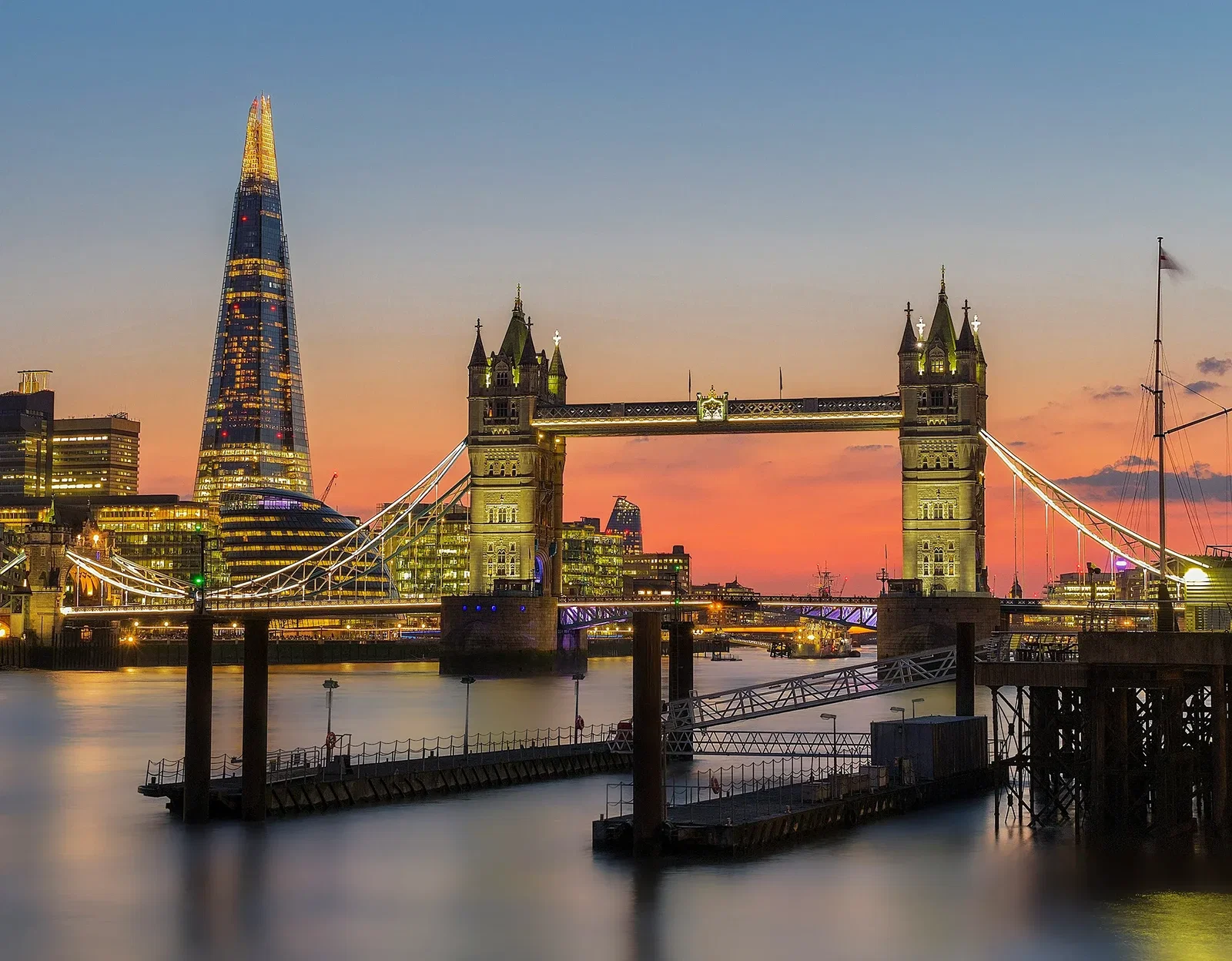
Direct and connecting routes from London. Tap a city to see live fares and book with Tsavaro.
The London Underground (the Tube) is the fastest way across the city. Top up an Oyster card or tap a contactless debit/credit card — both cap daily and weekly spending automatically, making them cheaper than paper tickets. Buses cover gaps the Tube misses and are a great way to sightsee. The Elizabeth line (Crossrail) is fast and modern, connecting Heathrow to Paddington and Liverpool Street. Thames Clippers (river buses) run from Putney to Woolwich and offer scenic commutes. Black cabs are reliable but expensive; Uber and Bolt are widely available. Cycling via Santander Cycles (Boris Bikes) is cheap for short journeys.
Budget traveller: £60–£80/day (hostel dorm, self-catering, free museums, Oyster card). Mid-range: £120–£200/day (3-star hotel, sit-down meals, a paid attraction or show). Luxury: £400+/day (5-star hotel, fine dining, private tours). A pint of beer: £6–£8 in a pub. A basic lunch: £10–£15. A black-cab ride from Heathrow to central London: £60–£80.
Queue patiently — cutting in line is considered very rude. Stand on the right on escalators (especially on the Tube) so walkers can pass on the left. Tipping is appreciated but not obligatory: 10–12.5% at restaurants is standard. Pubs do not expect tips — buy the bartender a drink if you want to show appreciation. Londoners are reserved but not unfriendly; a simple 'please' and 'thank you' go a long way.
London has excellent mobile coverage (4G/5G) throughout Zone 1–2. Free Wi-Fi is available on the Tube (at stations), in most cafes, and in all major shopping centres. A UK SIM card (EE, O2, Vodafone, Three) is cheap and easily purchased at Heathrow arrivals or any phone shop. eSIM services like Airalo also work well for short stays.
London is effectively cashless — contactless cards and phones are accepted almost everywhere, including the Tube, buses, and most street-food stalls. ATMs are plentiful; use Visa/Mastercard to avoid currency conversion issues. Some very traditional pubs and market stalls remain cash-only, so carry £20–£30 as backup. Currency exchange at the airport is expensive — use a Wise or Revolut card for the best rates.
London, United Kingdom