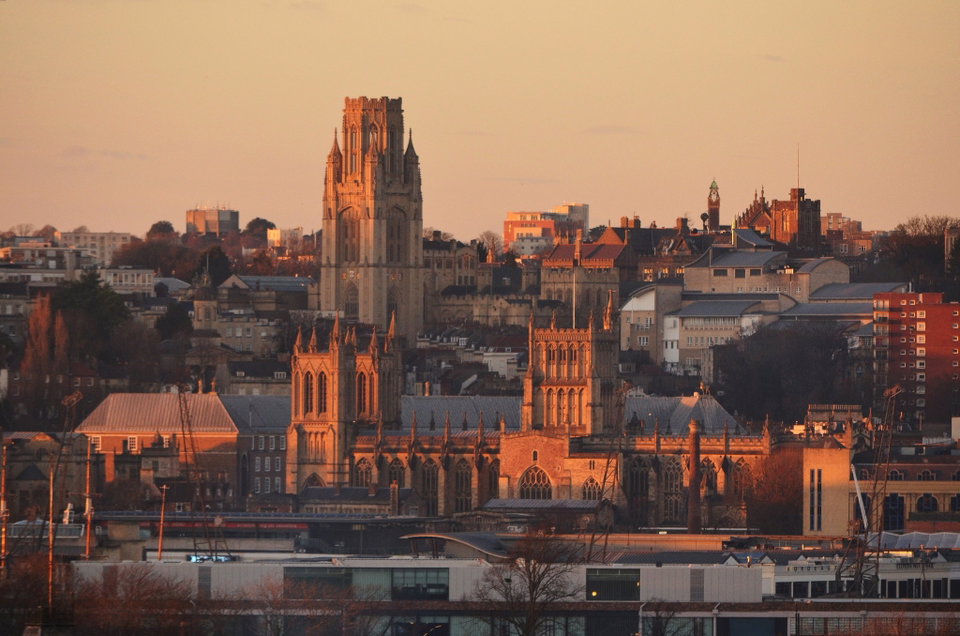
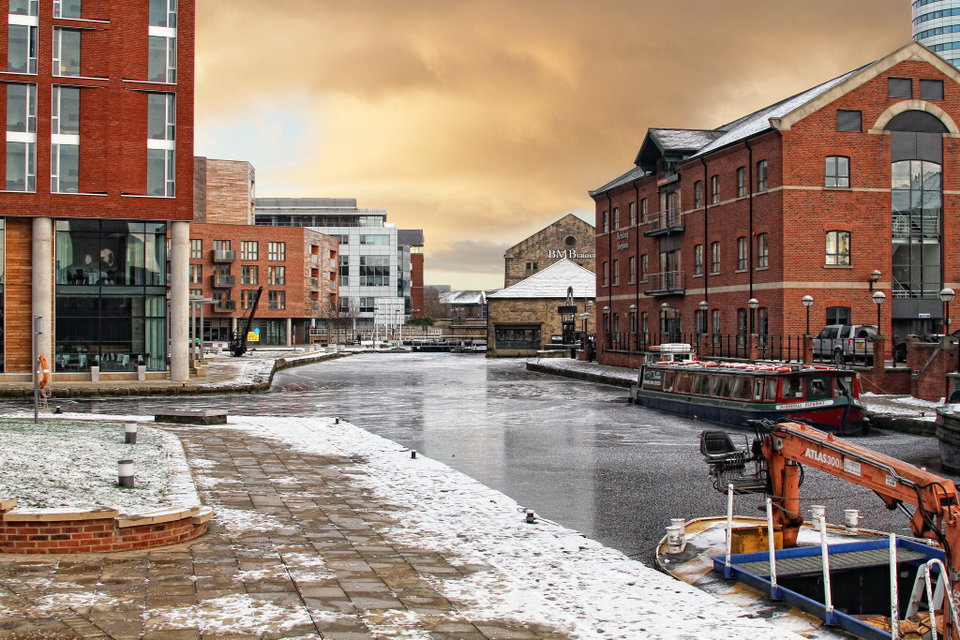
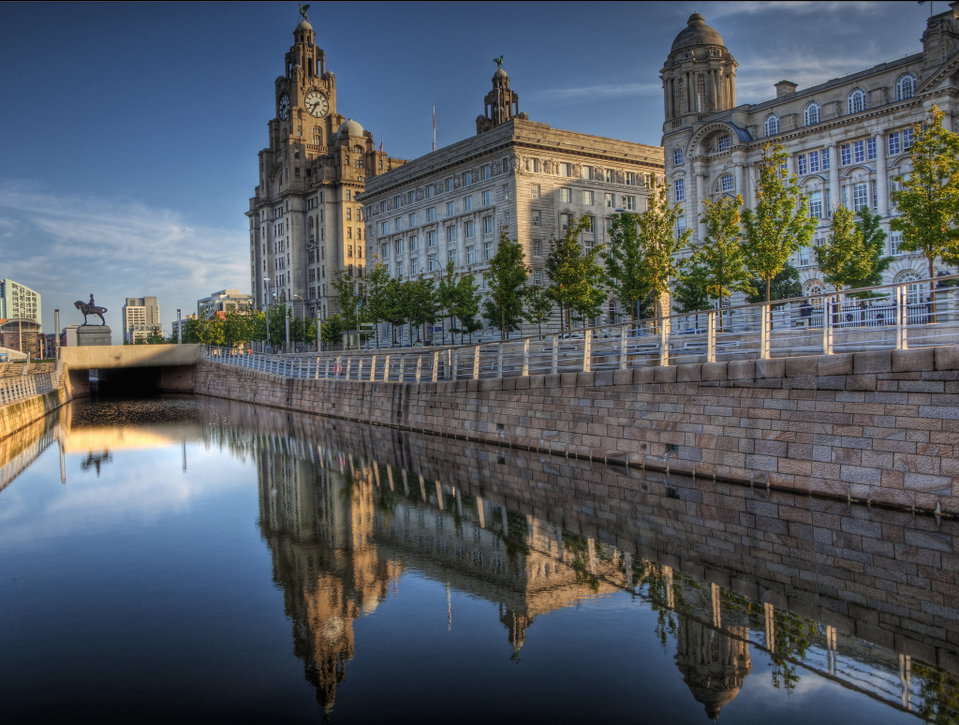
Belfast City Hall illuminated at dusk, with the Titanic Quarter skyline in the background

Destination guide

Belfast

Northern Ireland · United Kingdom

A city reborn — where industrial heritage, murals, and world-class food share the same postcode.

Best season

May–September for the longest days and liveliest festivals; late November–December for the Christmas markets.

From Nairobi

Approximately 10–12 hours via a single connection (typically London, Amsterdam, or Dubai).

Why visit Belfast?

Few European cities have undergone a transformation as dramatic as Belfast's. A generation ago it was synonymous with the Troubles; today it is a UNESCO City of Music, home to a booming food scene, and one of the fastest-growing short-break destinations in the British Isles.

The Titanic Belfast museum is consistently rated the UK's leading visitor attraction, but it is far from the whole story. The Cathedral Quarter pulses with live music and craft cocktail bars. The Botanic Gardens and Ulster Museum sit side by side in a leafy south-city pocket that locals love. And within an hour's drive, the Giant's Causeway, the Glens of Antrim, and the Causeway Coastal Route offer some of the most dramatic coastal scenery in Europe.

Belfast also punches above its weight on food. Ox, Deanes, and a growing cluster of neighbourhood bistros reflect a genuine farm-to-table culture rooted in superb Northern Irish produce — Strangford Lough oysters, Sperrin lamb, and the famous Ulster fry.

  • Board Titanic Belfast — the world's largest Titanic-themed museum, built on the exact slipway where the ship was constructed.
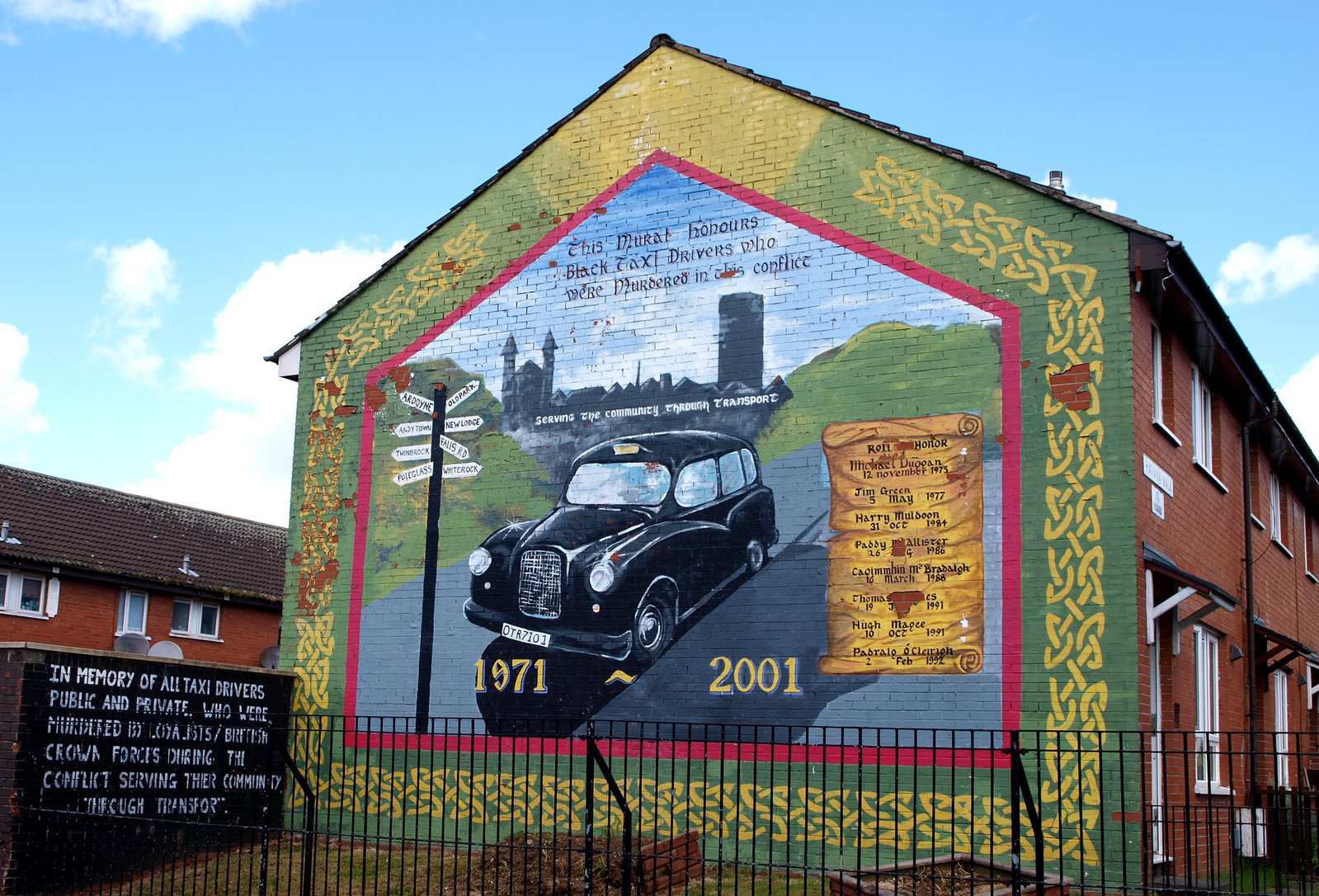
  • Follow the Black Cab Tour of the Falls Road and Shankill Road murals for an unfiltered account of Belfast's divided past.
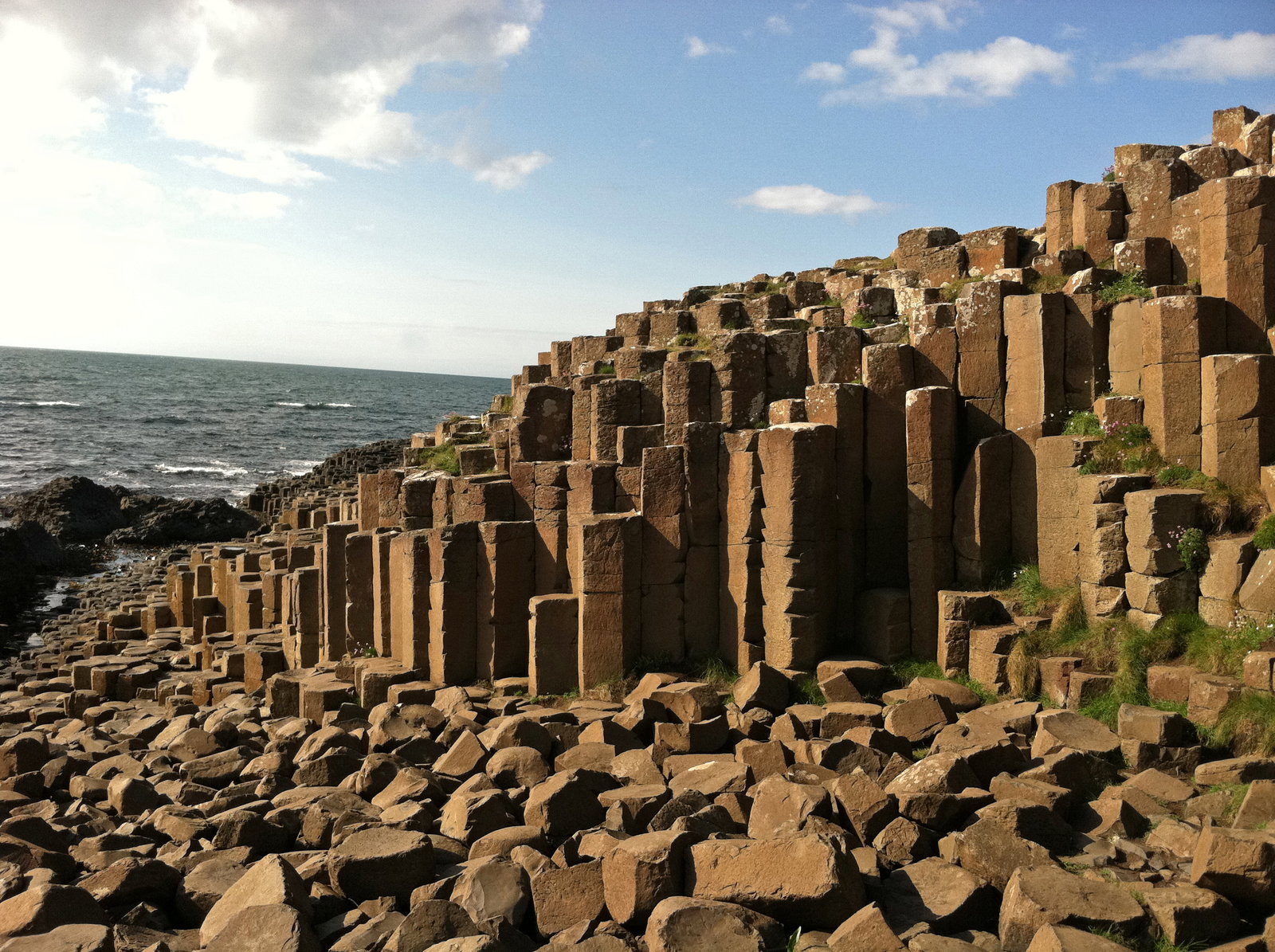
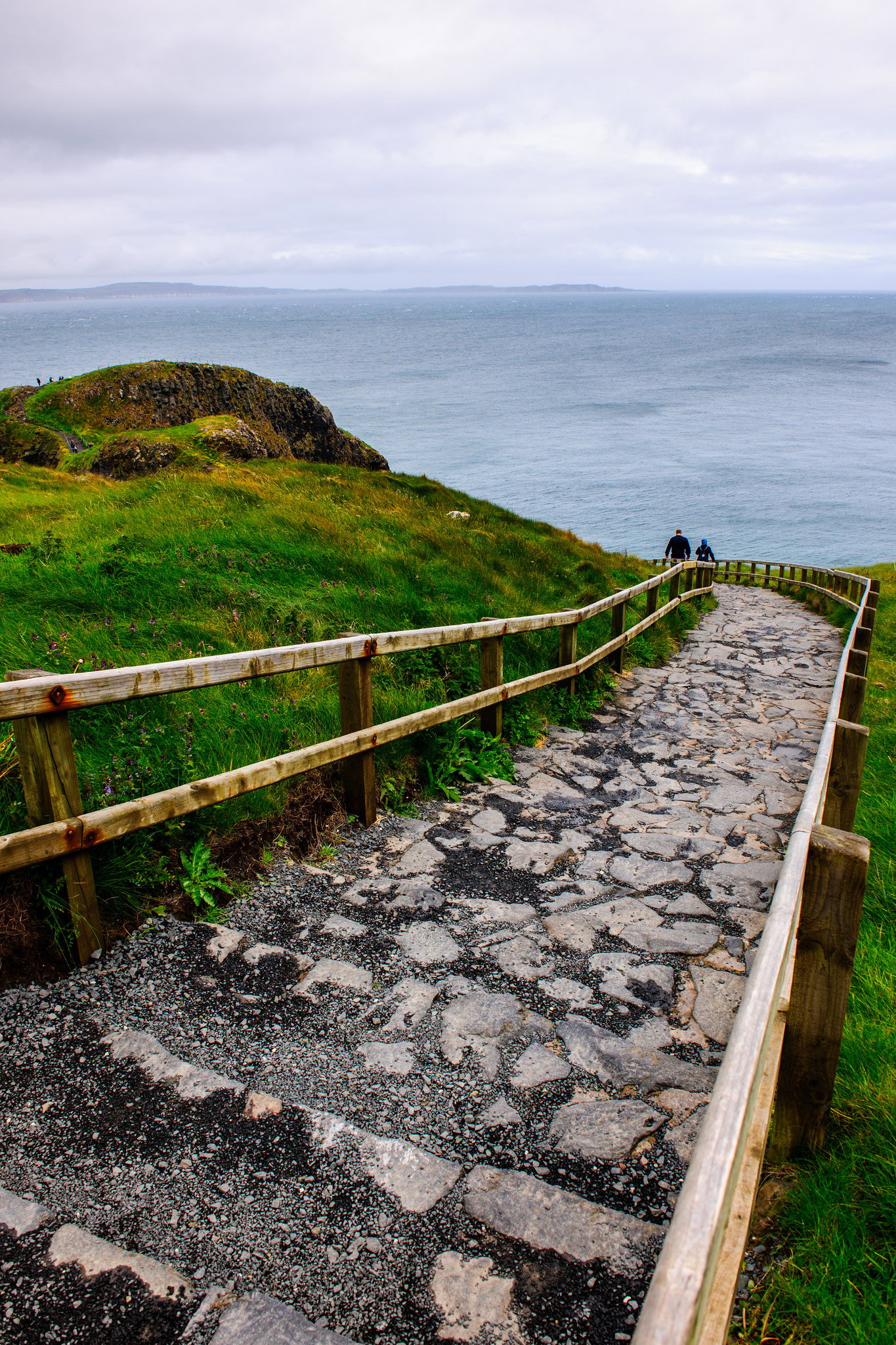
  • Drive or cycle the Causeway Coastal Route to the Giant's Causeway, Carrick-a-Rede Rope Bridge, and the Dark Hedges in a single day.
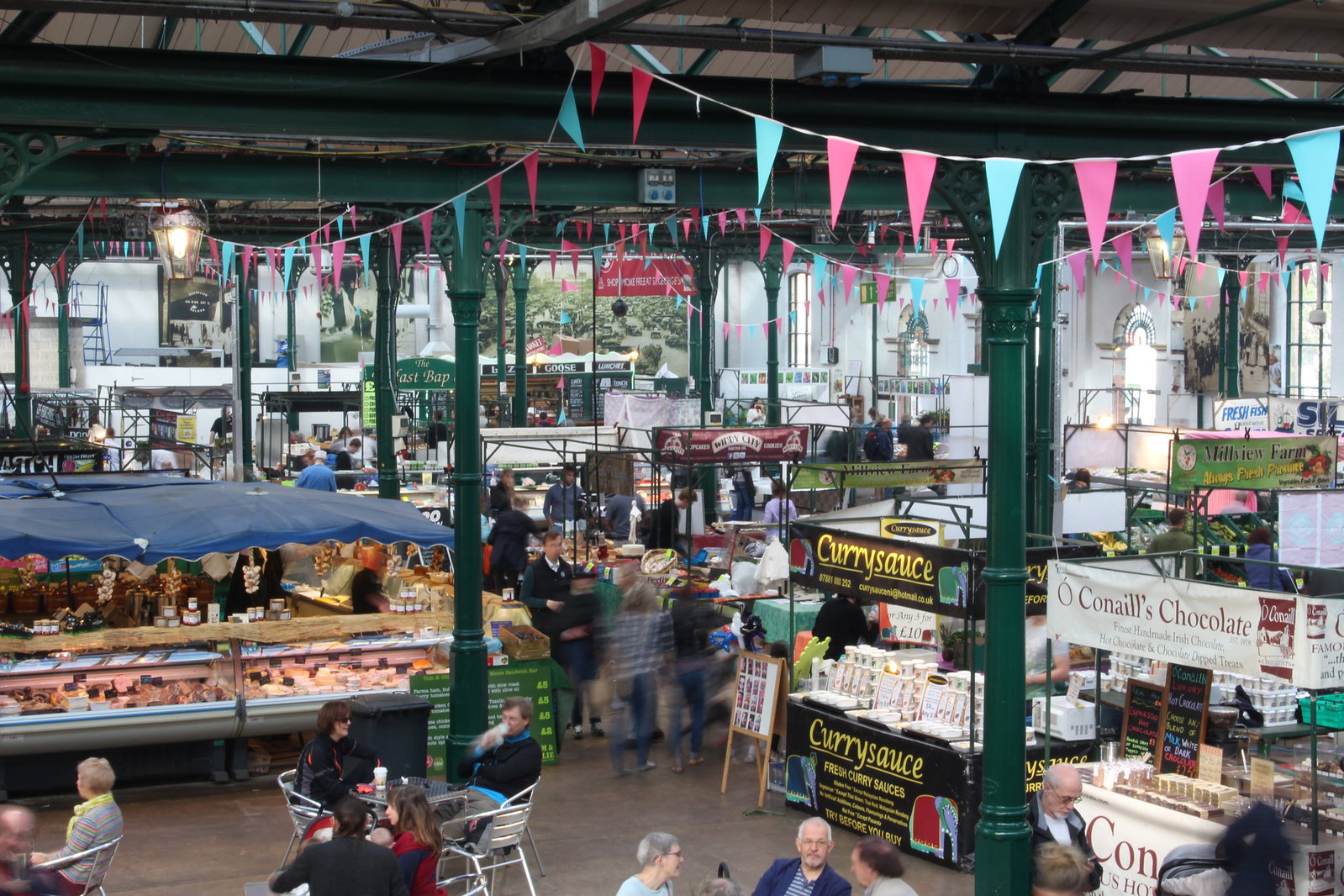
  • Eat your way through St George's Market on a Friday or Saturday morning — the city's Victorian covered market and a local institution since 1890.
  • Catch live traditional music in the Cathedral Quarter, where Victorian pubs host sessions most nights of the week.
  • Explore Game of Thrones filming locations across Northern Ireland, from Winterfell's castle gates to the Iron Islands coast.

Best for

History lovers, foodies, Game of Thrones fans, culture seekers, and weekend city-breakers.

Trip style

City break, cultural immersion, coastal day trips.

Known for

Titanic heritage, political murals, Causeway Coastal Route, live music, craft beer, Ulster fry.

Quick facts

Best time to visit

May–September for the longest days and liveliest festivals; late November–December for the Christmas markets.

Currency

British Pound Sterling (GBP). Republic of Ireland euros are not widely accepted.

Languages

English (official). Irish (Gaeilge) and Ulster Scots are recognised regional languages.

Visa summary

UK visa rules apply. EU/EEA citizens can enter visa-free for short stays. Check UKVI for your nationality before travel.

Flight time from Nairobi

Approximately 10–12 hours via a single connection (typically London, Amsterdam, or Dubai).

Airport / arrival

Belfast International (BFS) handles most long-haul connections; George Best Belfast City Airport (BHD) is closer to the city centre and serves UK and European routes.

Safety note

Belfast is generally safe for tourists. The historic murals areas are visitor-friendly; standard city-centre precautions apply at night.

Visa and entry

Look up entry rules by passport for travel to United Kingdom on the Tsavaro visa checker.

Check visa requirements for United Kingdom

Things to do

Titanic BelfastMuseum

Titanic Belfast

2–3 hours

Nine immersive galleries trace the ship's design, construction, and fateful maiden voyage. Built on Queen's Island, the site of the original Harland & Wolff shipyard, the angular titanium-clad building is itself a feat of design. Allow at least two to three hours.

Black Cab Political Mural TourCultural tour

Black Cab Political Mural Tour

2 hours

Licensed ex-residents of the Falls Road and Shankill Road guide small groups through the iconic peace walls and mural streets, sharing personal stories of the Troubles from both republican and unionist perspectives. Brutally honest and consistently moving.

Giant's Causeway & Causeway Coastal RouteNature & scenery

Giant's Causeway & Causeway Coastal Route

Full day from Belfast

Northern Ireland's only UNESCO World Heritage Site, the Giant's Causeway is a field of 40,000 interlocking basalt columns formed by ancient volcanic activity. Combine it with a drive along the A2 Causeway Coastal Route — arguably the finest coastal road in the British Isles.

Ulster MuseumMuseum

Ulster Museum

2–3 hours

Free to enter, the Ulster Museum covers art, natural history, and the story of Northern Ireland from the Ice Age to the modern Troubles. The Egyptian mummy Takabuti alone is worth the visit.

St George's MarketFood & market

St George's Market

1–2 hours

Belfast's oldest continually trading market, St George's Market hosts a Friday variety market, a Saturday City Food and Garden Market, and a Sunday antiques and food market. Arrive early for hot soda bread and local oysters.

Carrick-a-Rede Rope BridgeAdventure & scenery

Carrick-a-Rede Rope Bridge

Half day from Belfast

Originally erected by salmon fishermen, this 20-metre rope bridge sways 30 metres above the Atlantic, connecting the mainland to a tiny rocky island. Spectacular on a clear day; pre-booking the timed entry is essential in summer.

Cave Hill Country ParkWalking & hiking

Cave Hill Country Park

3–4 hours

Belfast's own mountain park, Cave Hill rises to 368 metres above the city and is topped by McArt's Fort — the site where Wolfe Tone and the United Irishmen pledged rebellion in 1795. The summit walk rewards with panoramic views over Belfast Lough.

Best time to visit Belfast

The best time to visit Belfast is May to September, when daylight stretches to 10 pm at midsummer, temperatures are at their most comfortable (15–20 °C), and the city's festival calendar is in full swing.

Spring (March–May): Days lengthen quickly, crowds are thin, and accommodation is cheaper. The Belfast Film Festival runs in October/November, but spring sees smaller literary and music events. Ideal for coastal drives before summer coaches arrive.

Summer (June–August): Peak season. The Cathedral Quarter Street Feast, Féile an Phobail (West Belfast Festival, August), and the Tall Ships races (every few years) pull large crowds. Book accommodation and coastal attractions like Carrick-a-Rede well in advance.

Autumn (September–November): A strong shoulder season — the Titanic hotels drop in price, the Glens of Antrim are ablaze with colour, and the Belfast International Arts Festival (October) draws serious cultural visitors.

Winter (December–February): Belfast Christmas Market at City Hall (late November–December) is one of the best in the UK. Expect cold, wet weather and short days, but indoor attractions like the Ulster Museum and Titanic Belfast are uncrowded, and pubs are at their most welcoming.
Is Belfast safe to visit?

Yes — Belfast is generally safe for tourists and consistently ranks among the UK's most welcoming cities. The transformation since the Good Friday Agreement (1998) has been profound, and violent incidents affecting visitors are extremely rare.

The mural districts (Falls Road, Shankill Road) are actively promoted as visitor attractions and are safe to walk or tour during the day; a Black Cab Tour with a licensed guide is the recommended way to engage with these areas. Avoid standing alone in unfamiliar residential areas late at night, as in any city.

City-centre precautions: keep bags zipped in busy market areas; be aware of your surroundings on weekend nights around the entertainment district. The Cathedral Quarter and Lisburn Road are lively but well-policed.

Disruptive loyalist parades (the 'marching season') peak in July around the 12th July Orangemen's Day. Tourist areas are largely unaffected, but it is worth checking the Parades Commission calendar if you plan to visit mid-July.

Emergency services: dial 999 (police, fire, ambulance). The PSNI (Police Service of Northern Ireland) is the regional force. Travel insurance covering medical repatriation is strongly recommended for non-UK visitors.

Suggested itinerary

Belfast & the Causeway Coast: 4-Day Itinerary

A mid-pace, culturally rich plan based in Belfast city centre, with one full-day coastal excursion. Suits first-time visitors arriving by air who want to cover the city's highlights and one iconic day trip. Budget band: mid-range (£90–£160/night accommodation; most museums free or under £25).

Day 1

Titanic Quarter & Cathedral Quarter

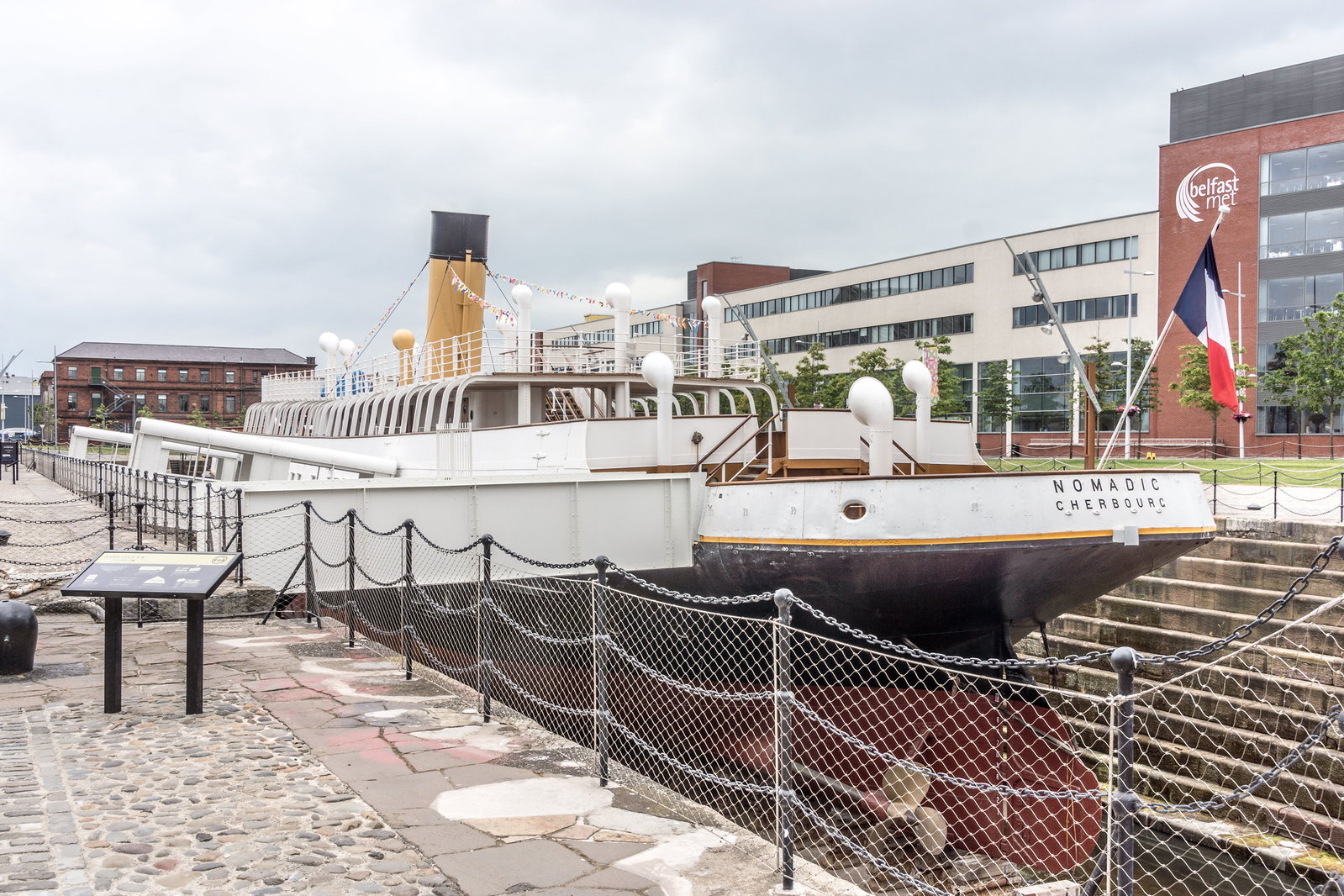
Start the morning at Titanic Belfast — book online to skip queues and give yourself a full two to three hours. Walk the slipways outside and peer into the SS Nomadic, the last surviving White Star Line vessel. Grab lunch at the Titanic Quarter's waterfront.

In the afternoon cross to the Cathedral Quarter on foot. Visit the MAC (Metropolitan Arts Centre) gallery and pick up provisions from nearby delis for a self-guided street-art walk. End the day with dinner and a traditional music session at the Duke of York on Commercial Court — a laneway pub so covered in memorabilia it barely needs a theme.

Belfast — Titanic Quarter & Cathedral Quarter

Travel essentials

Getting around

Belfast city centre is compact and very walkable. Metro buses (Translink) serve the wider city and suburbs. Taxis (black cabs and apps like Uber and FreeNow) are plentiful. Renting a car is recommended only for day trips; city-centre parking is expensive and traffic can be slow. Bicycle hire (Belfast Bikes docking stations) covers the city centre and inner suburbs.

Typical costs

Budget: £50–£80/day (hostel, self-catering, free museums). Mid-range: £120–£180/day (3–4-star hotel, two restaurant meals, one paid attraction). Upscale: £250+/day (boutique hotels, tasting menus, private tours). The Ulster Museum, Botanic Gardens, and Cave Hill are all free.

Culture and etiquette

Be sensitive around political and religious topics — unionist/loyalist and republican/nationalist identities run deep. Asking genuine, respectful questions is welcome; making assumptions is not. Tipping is appreciated but not obligatory: 10% in restaurants is standard. Pubs rarely expect tips.

Safety and planning

Check the FCDO travel advice for Northern Ireland before departure. Carry a copy of your travel insurance details. The marching season (June–August, peaking 12 July) occasionally causes short-term road closures; plan routes accordingly.

Connectivity

4G/5G coverage is excellent across the city and along main coastal routes. Free Wi-Fi is widely available in cafés, hotels, and visitor attractions. UK SIM cards (EE, Vodafone, Three) work throughout Northern Ireland; Republic of Ireland roaming rules may differ from standard EU plans.

Payments

Cards (Visa, Mastercard, contactless) are accepted almost universally, including in pubs and markets. Cash (GBP only) is useful for smaller market stalls and some rural pubs on coastal day trips. ATMs are plentiful in the city centre.

Belfast travel FAQs

More destinations to explore

Belfast, United Kingdom