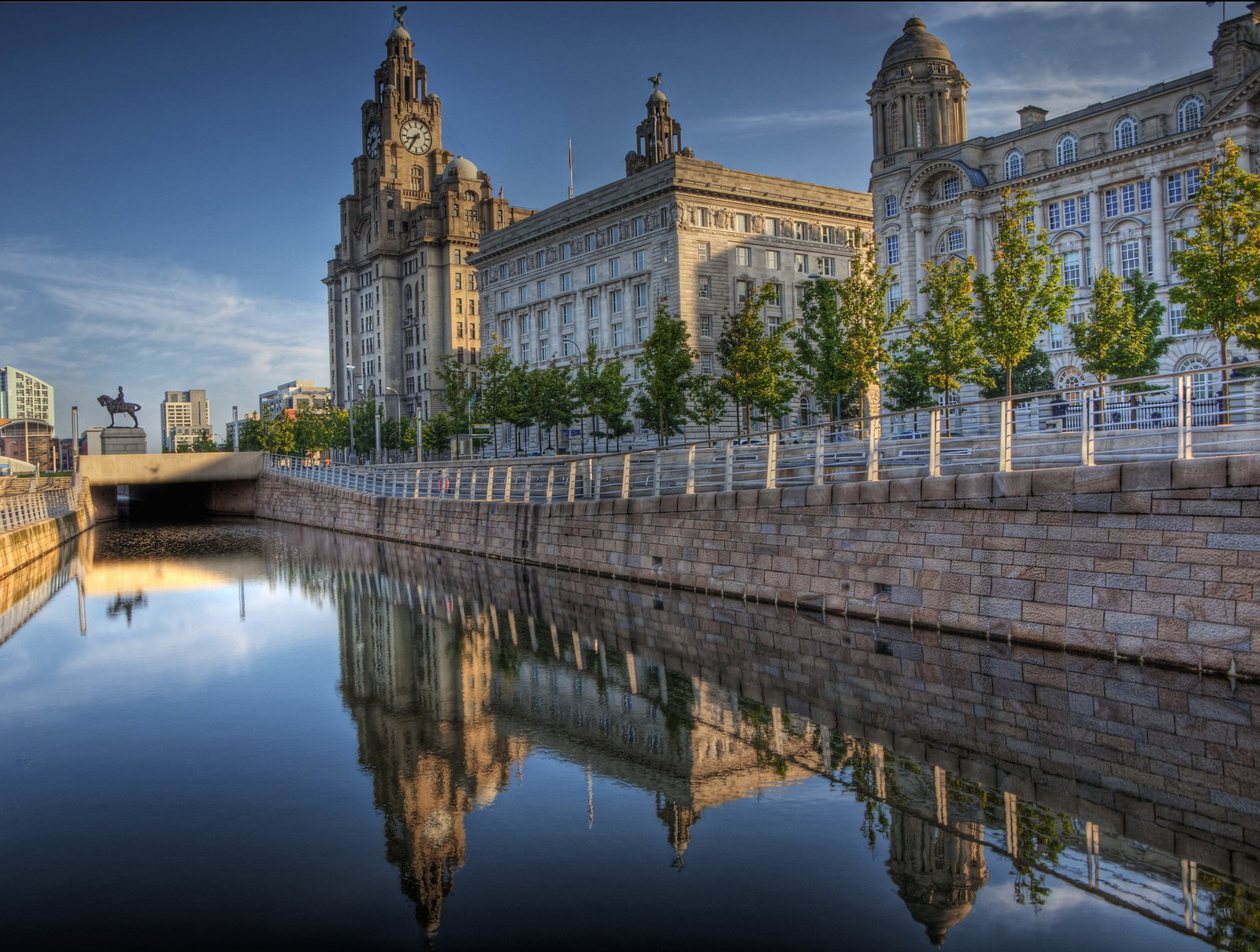
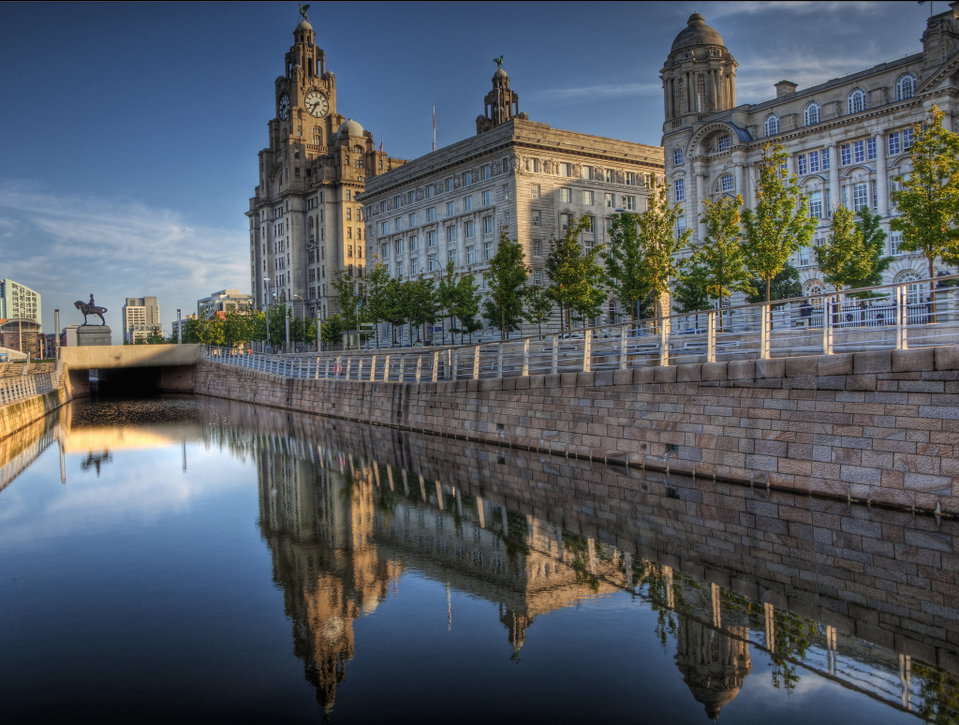
Liverpool waterfront at dusk with the Three Graces reflected in the River Mersey

Destination guide

Liverpool

Merseyside, North West England · United Kingdom

A UNESCO World Heritage waterfront, the home of The Beatles, and one of Britain's most spirited cities

Best season

May–September for warmest weather and outdoor events; December for festive markets and a quieter city

From Nairobi

Approx. 10–11 hrs via a hub such as Amsterdam, Dubai, or Doha; no direct flights

Why visit Liverpool?

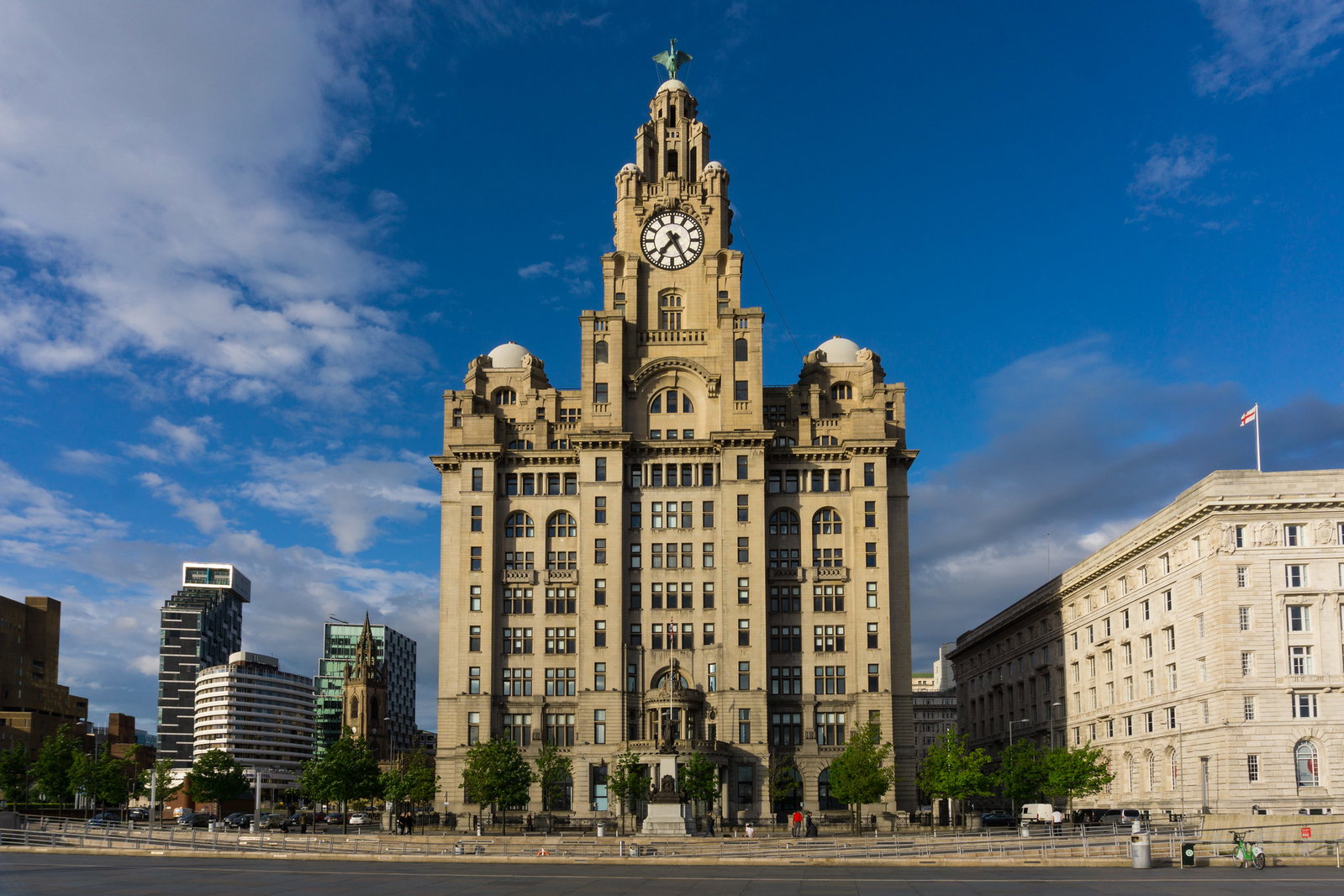
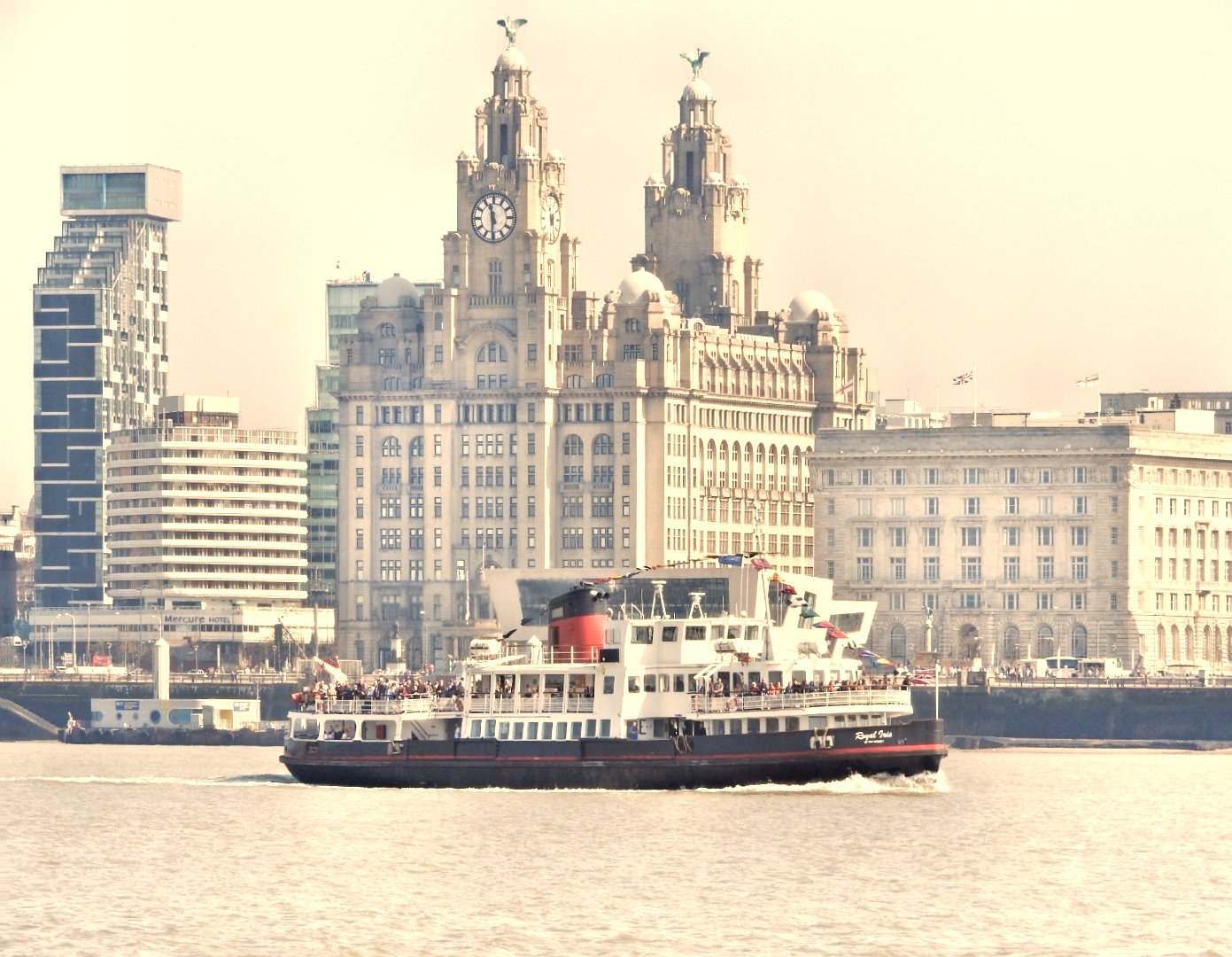
Few cities wear their identity as proudly as Liverpool. The waterfront alone — a UNESCO World Heritage Site until 2021, and still one of Europe's most dramatic urban riverfronts — justifies the journey. The Royal Liver Building, Cunard Building, and Port of Liverpool Building (the 'Three Graces') are among the finest Edwardian structures in Britain.

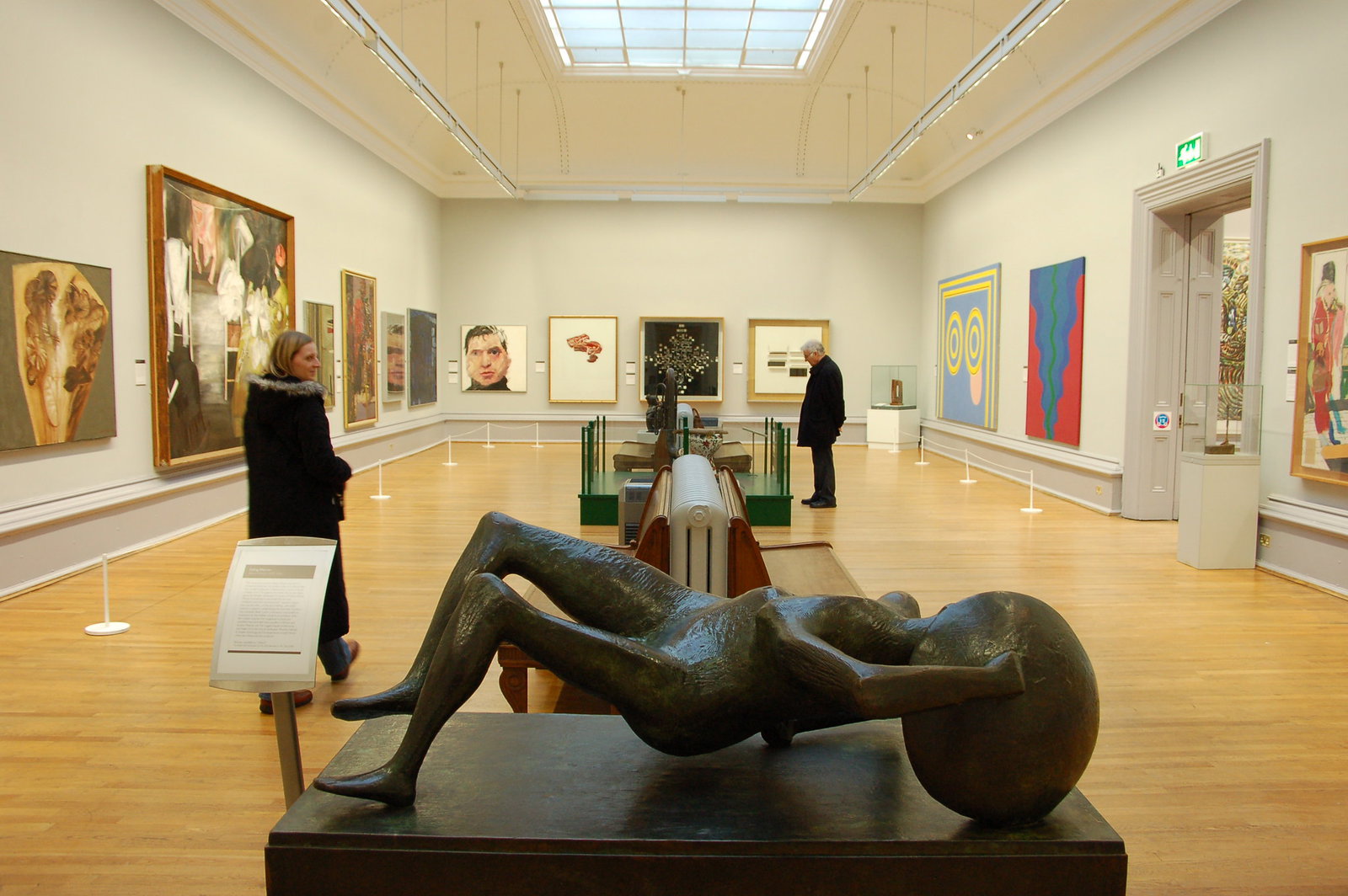
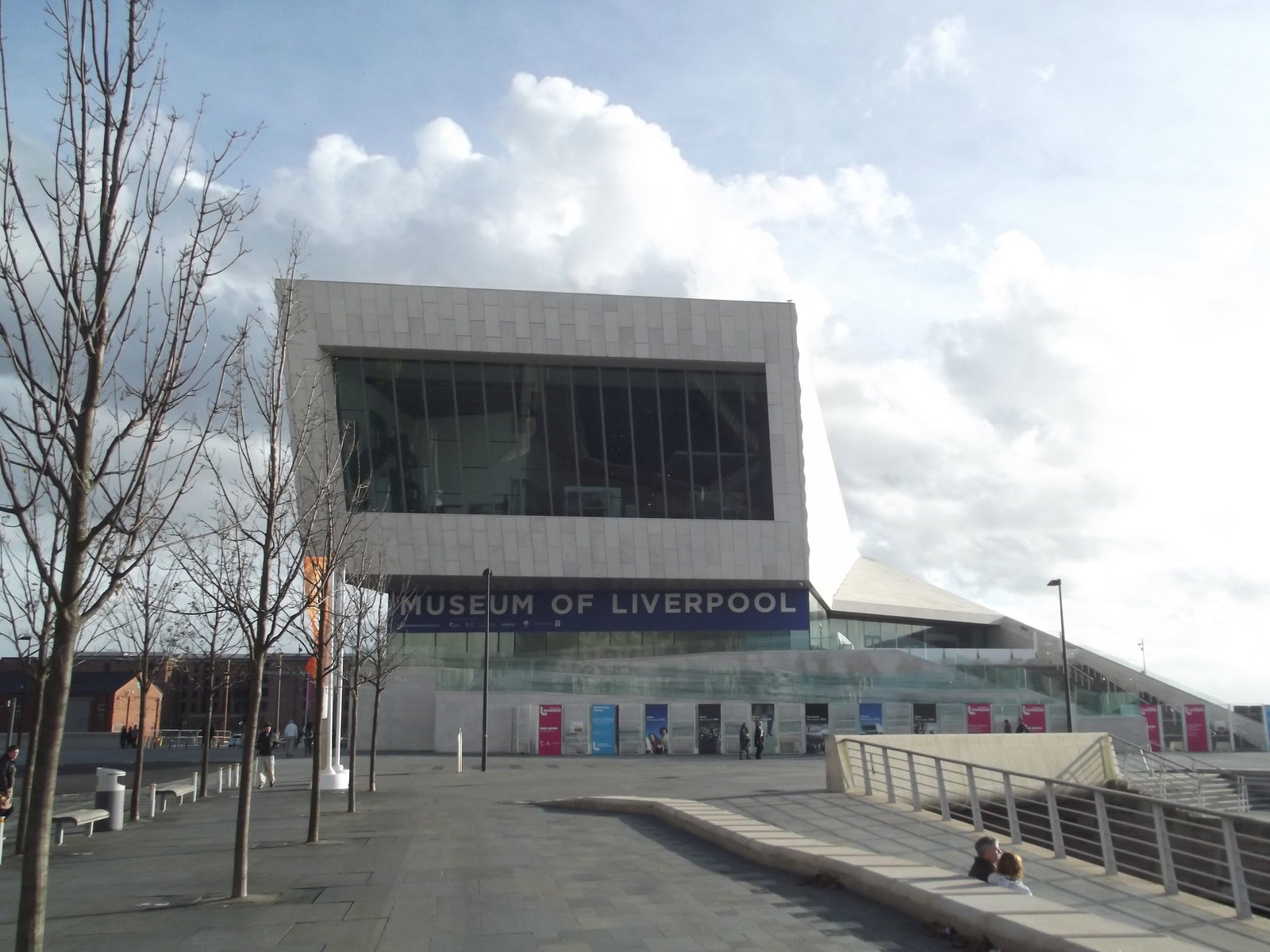
Culturally, Liverpool punches far above its weight. Its national museums, including the Walker Art Gallery, the World Museum, the Maritime Museum, and Tate Liverpool, are all free to enter and genuinely outstanding. The Museum of Liverpool on Mann Island is one of the best social-history museums in the country.

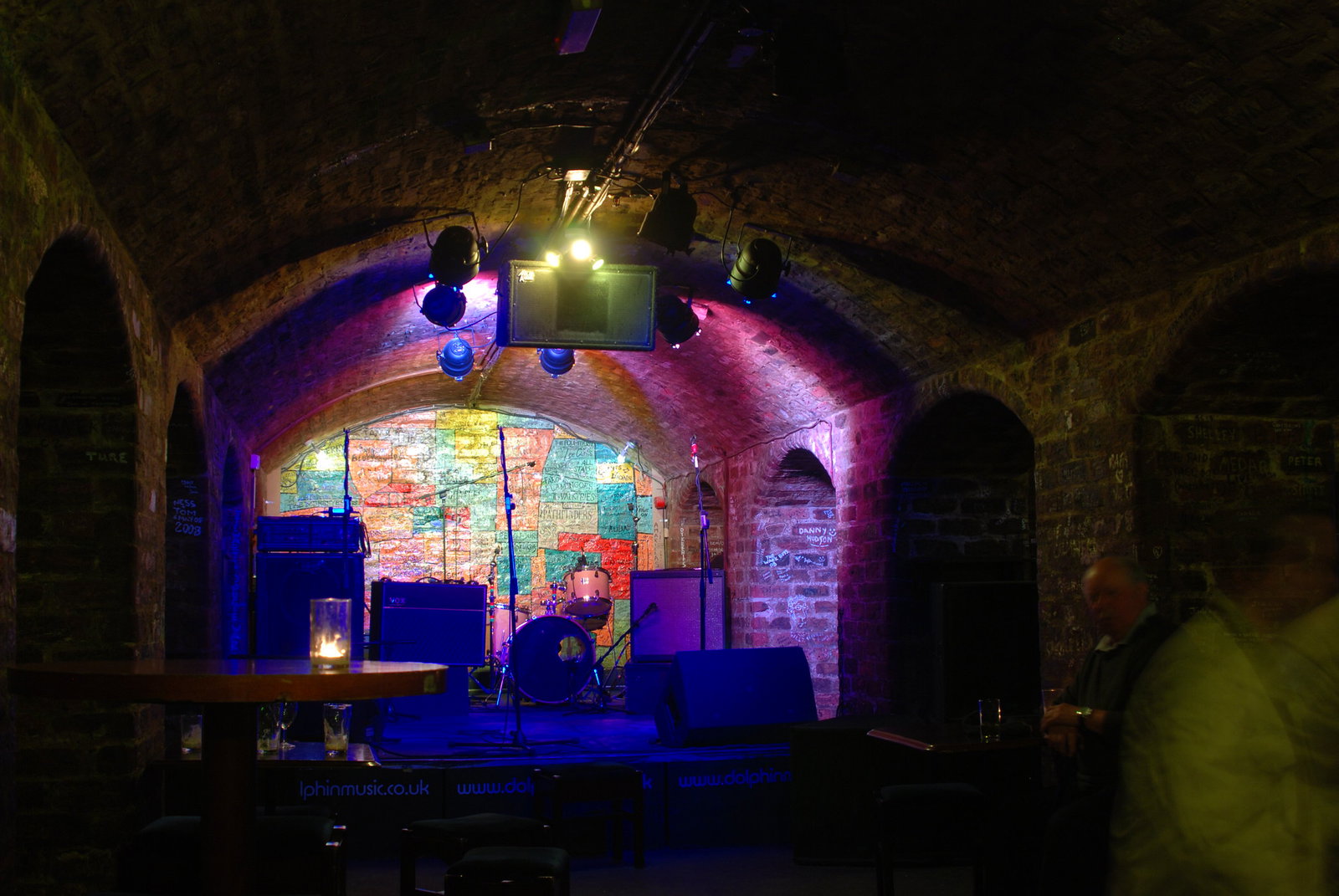
Then there is the music. The city that gave the world The Beatles, Echo & the Bunnymen, and Frankie Goes to Hollywood has a live-music scene that remains extraordinary. The Cavern Club on Mathew Street hosts bands nightly; the Philharmonic Hall showcases classical and contemporary artists; and independent venues scatter across the Baltic Triangle arts district.

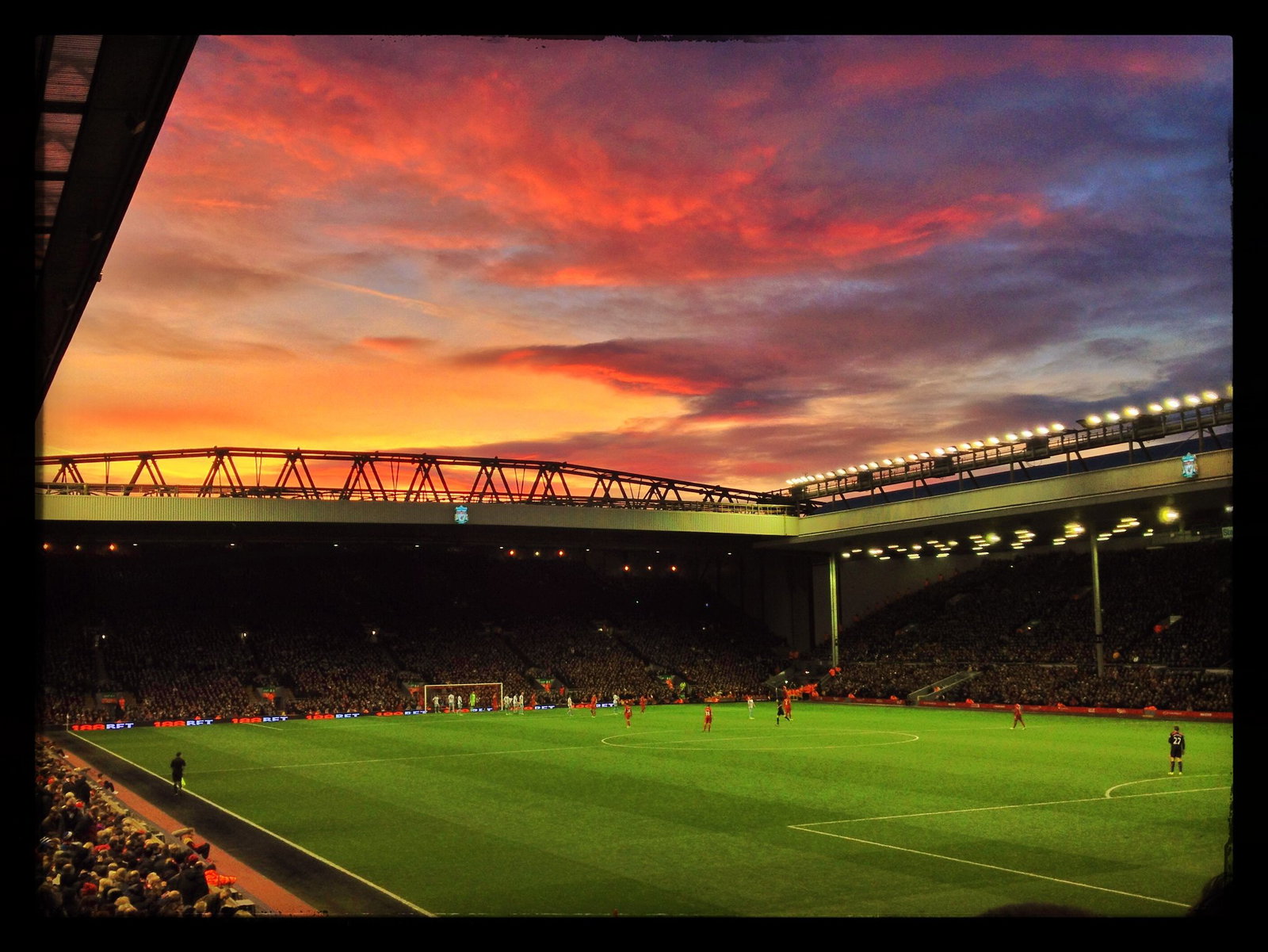
Football runs through the city's DNA — Anfield (Liverpool FC) and Goodison Park (Everton) are both pilgrimage sites — and the people themselves are arguably the greatest draw of all.

  • Walk the iconic Pier Head waterfront and photograph the Three Graces at golden hour
  • Trace the full Beatles story from Mathew Street's Cavern Club to the childhood homes in Woolton and Allerton
  • Explore world-class museums — Walker Art Gallery, Tate Liverpool, Maritime Museum — all completely free
  • Catch a Premier League match at Anfield or take a stadium tour of one of football's most storied grounds
  • Discover the Baltic Triangle: warehouses turned galleries, craft-beer bars, and independent street-food markets
  • Day-trip to Port Sunlight, a perfectly preserved Victorian model village just 20 minutes away by train

Best for

Music lovers, history buffs, art enthusiasts, football fans, independent travellers, city-break couples

Trip style

City break, cultural trip, heritage travel, live-music weekend

Known for

The Beatles, Premier League football, Royal Liver Building, free national museums, Scouse humour, the Mersey waterfront

Quick facts

Best time to visit

May–September for warmest weather and outdoor events; December for festive markets and a quieter city

Currency

British Pound Sterling (GBP £)

Languages

English (Scouse accent — locals are famously friendly and happy to help)

Visa summary

UK visa rules apply. EU/EEA nationals need a valid passport; most nationalities require a UK Standard Visitor Visa in advance.

Flight time from Nairobi

Approx. 10–11 hrs via a hub such as Amsterdam, Dubai, or Doha; no direct flights

Airport / arrival

Liverpool John Lennon Airport (LPL) serves European routes. Manchester Airport (MAN, ~55 min by road) offers the widest long-haul connections. City centre is also reachable by train from London Euston in around 2 hrs 10 min.

Safety note

Generally very safe for tourists. Normal city precautions apply in busy nightlife areas. The waterfront, museums, and main attractions are well-policed and family-friendly.

Visa and entry

Look up entry rules by passport for travel to United Kingdom on the Tsavaro visa checker.

Check visa requirements for United Kingdom

Things to do

The Beatles Story at the Albert DockCulture & History

The Beatles Story at the Albert Dock

2–3 hours

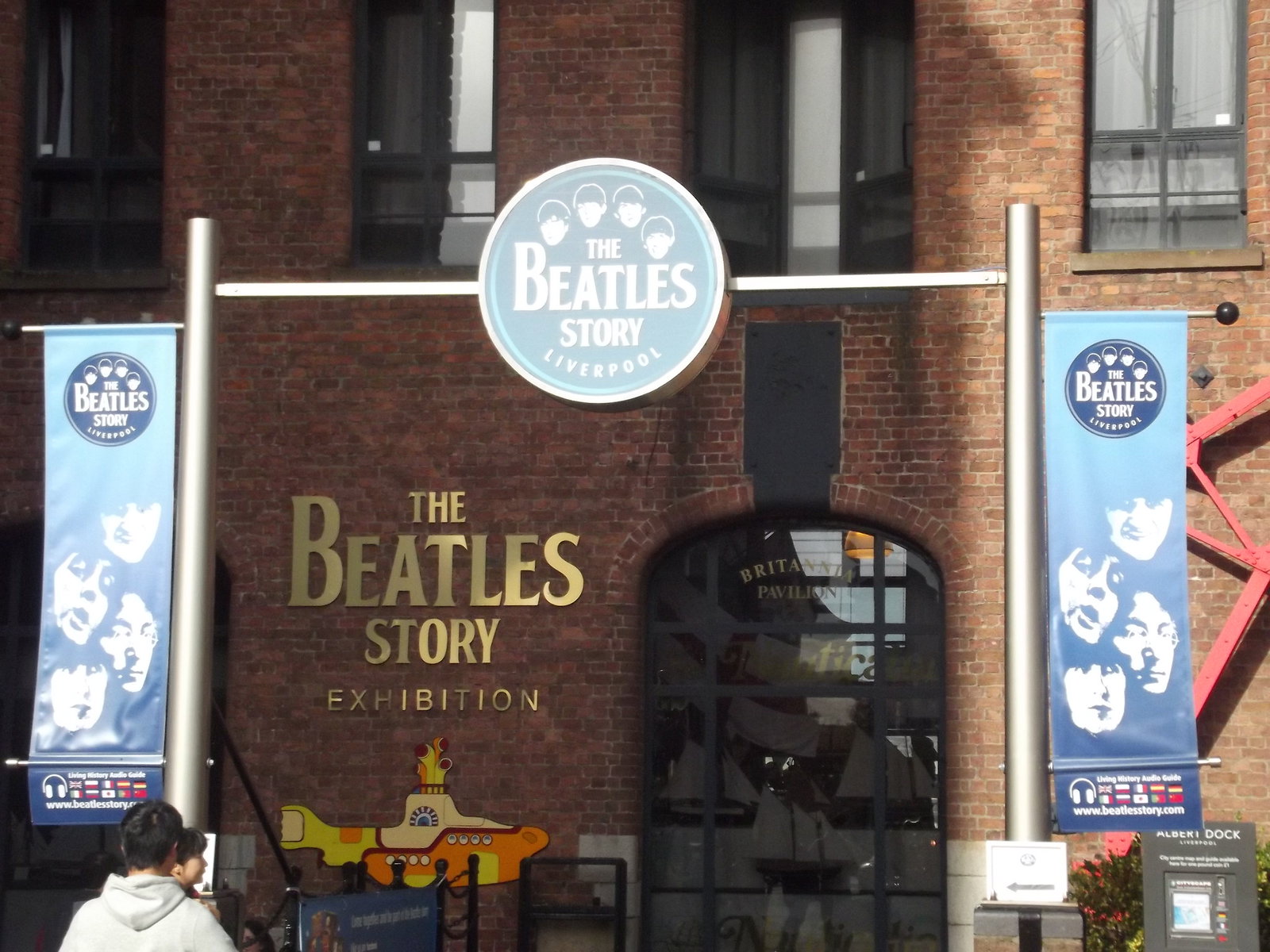
The world's largest permanent exhibition dedicated to The Beatles. Walk through faithful recreations of the Cavern Club, Abbey Road studios, and John Lennon's New York apartment, with original artefacts, costumes, and multimedia displays at every turn.

Royal Liver Building TourLandmarks & Architecture

Royal Liver Building Tour

1–1.5 hours

Climb inside one of Britain's finest Grade I listed buildings for a guided tour of the clock towers and the legendary Liver Birds perched at the top. The panoramic view across the Mersey and the skyline is unmissable.

Albert Dock & Waterfront WalkSightseeing

Albert Dock & Waterfront Walk

Half day

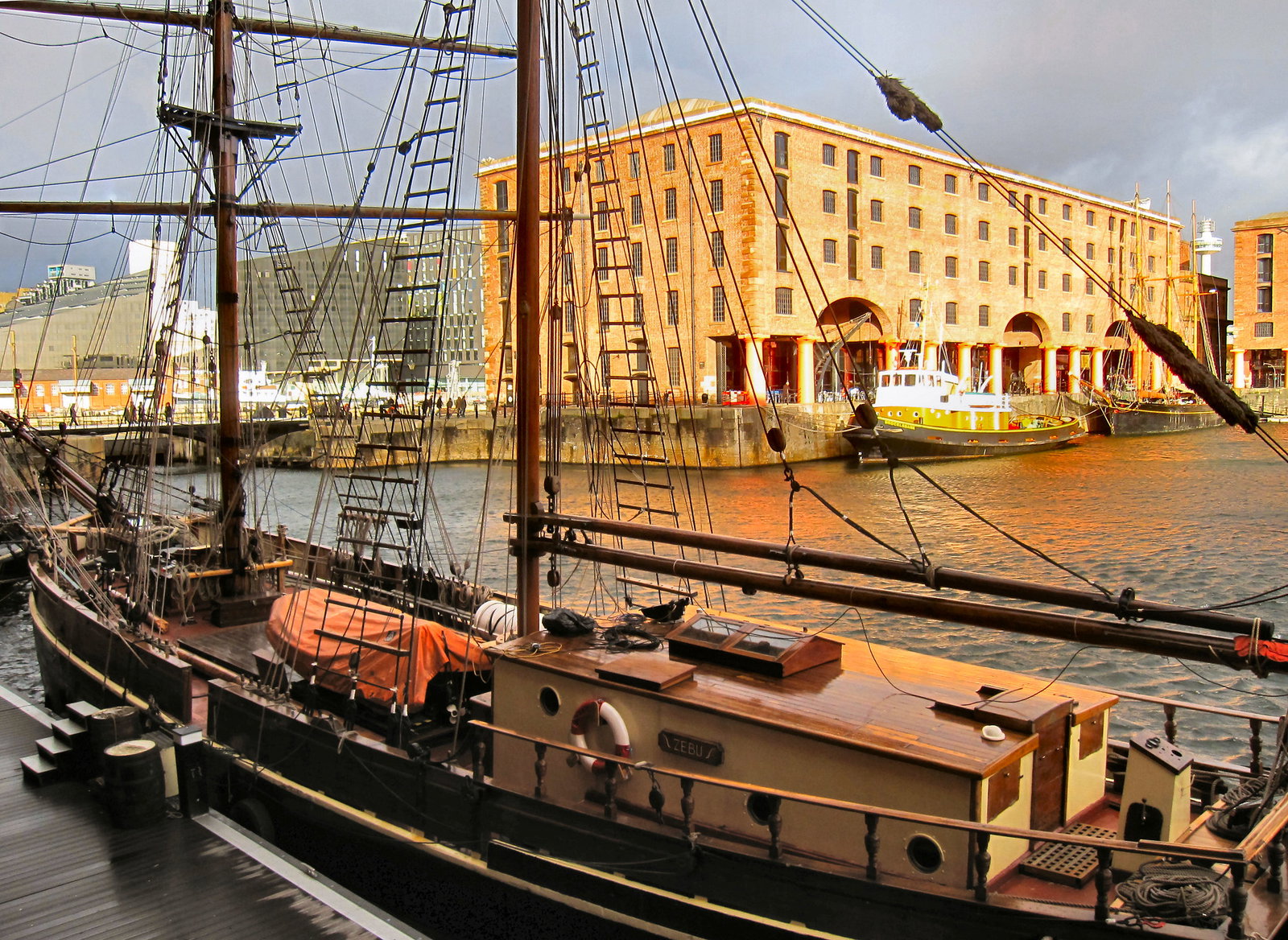
The Albert Dock is a beautifully restored complex of grade I listed Victorian warehouses housing galleries, restaurants, bars, and the Tate Liverpool. Stroll the cobbled quayside, watch the ferries cross the Mersey, and catch street performers on the waterfront promenade.

Walker Art GalleryArt & Galleries

Walker Art Gallery

1.5–2.5 hours

The National Gallery of the North holds one of the finest collections of European painting and sculpture outside London, spanning medieval altarpieces to Pre-Raphaelite masterworks and contemporary installations — and entry is free.

Anfield Stadium TourSport & Leisure

Anfield Stadium Tour

1.5–2 hours

Walk the hallowed turf, sit in the dug-out, and explore the dressing rooms and press room of Liverpool FC's iconic Anfield ground. The on-site museum traces the club's history from the 1890s to the present day.

Cavern Club on Mathew StreetMusic & Nightlife

Cavern Club on Mathew Street

1–3 hours

The legendary basement club where The Beatles played 292 times. Today it hosts live bands almost every night of the week across two stages. Book the lunchtime session for a relaxed slice of Beatles history, or come in the evening for a proper Scouse night out.

Museum of LiverpoolCulture & History

Museum of Liverpool

2–3 hours

Opened in 2011 and still feeling refreshingly modern, this free museum tells the city's social and cultural story — from its role in the slave trade and mass emigration to its sporting legends, music scene, and waterfront architecture. One of the best city museums in Britain.

Ferry Cross the MerseySightseeing

Ferry Cross the Mersey

1 hour

Board the famous Mersey Ferry for a 50-minute cruise between the Liverpool and Wirral waterfronts. Commentary explains the city's maritime heritage as you glide past the Pier Head — an experience romanticised by Gerry and the Pacemakers and still genuinely moving.

Liverpool Cathedral & Metropolitan CathedralLandmarks & Architecture

Liverpool Cathedral & Metropolitan Cathedral

1.5–2 hours (both combined)

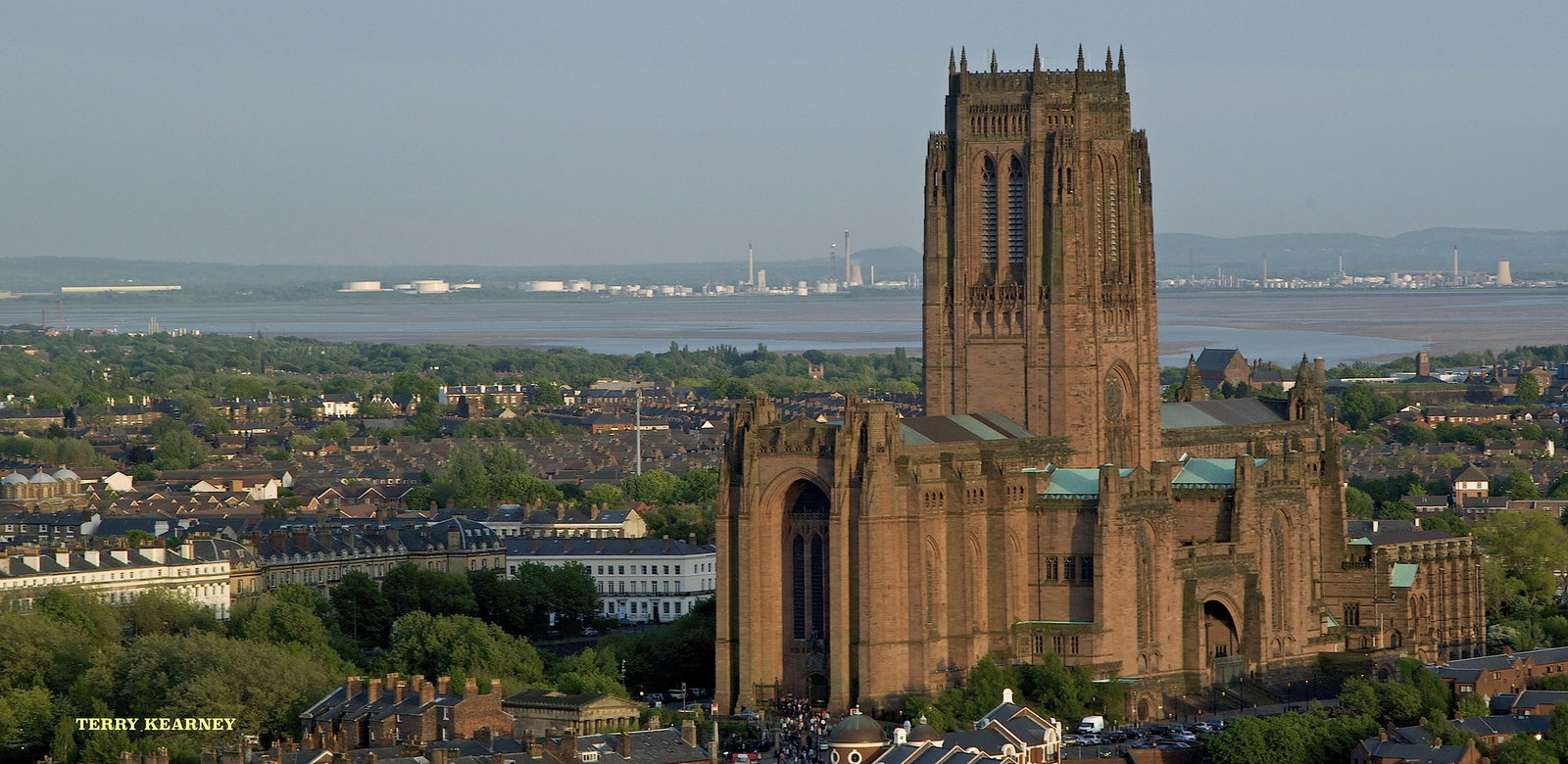
Two very different cathedrals sit at opposite ends of Hope Street. The Anglican Liverpool Cathedral is Britain's largest and took 74 years to build; the Roman Catholic Metropolitan Cathedral — nicknamed 'Paddy's Wigwam' — is a striking 1960s circular structure with a stunning stained-glass lantern tower.

Best time to visit Liverpool

The best time to visit Liverpool is late spring to early autumn (May to September), when temperatures are most comfortable, the waterfront terraces come alive, and the city's packed events calendar — including Mersey River Festival in June and Liverpool International Music Festival in August — is in full swing.

May and June offer long daylight hours (up to 17 hrs), mild temperatures (14–18 °C), and smaller crowds than the summer school-holiday peak in July and August. September is a sweet spot: quieter, often sunny, and with the new cultural season getting under way.

July and August are the warmest months (averaging 17–20 °C) and coincide with school holidays, so popular attractions can be busier and accommodation pricier — book well ahead.

October to April brings grey skies and cooler temperatures (4–12 °C) but also some compelling reasons to visit: Gothic season around Halloween, the stunning Magical Lantern-style Christmas markets in November–December, and Rock 'n' Roll half-marathon events. Because most of Liverpool's top attractions are indoors and free, the city is a perfectly valid winter-break destination.

Avoid the weekend of the Grand National at Aintree Racecourse (early April) unless you plan to attend — hotels sell out city-wide and prices spike sharply.
Is Liverpool safe to visit?

Yes — Liverpool is generally very safe for tourists, and most visitors have a trouble-free stay. The main tourist areas — the Albert Dock waterfront, Hope Street, the city-centre shopping districts, and museum quarter — are well-lit, well-policed, and busy at most hours.

Pocket theft and bag-snatching can occur in crowded areas like Lime Street station and the nightlife strips around Concert Square and Mathew Street late on Friday and Saturday nights. Keep bags zipped, avoid displaying expensive cameras or phones unnecessarily, and use licensed black cabs or registered ride-hailing apps (Uber operates here) rather than unlicensed taxis at night.

Liverpool has areas with higher deprivation statistics — as does every large British city — but tourists are extremely unlikely to stray into them without actively trying. Standard city-travel awareness is all that is required.

Emergency services are reliable. Dial 999 for police, fire, or ambulance. NHS walk-in centres and the Royal Liverpool University Hospital provide medical care. Travel insurance covering medical expenses is always recommended for international visitors entering the UK.

Suggested itinerary

Liverpool in 3 Days: Beatles, Waterfront & Beyond

A mid-pace city break based in the city centre, walkable between most sights, with one short excursion. Suits independent travellers, couples, and music fans. Budget band: mid-range (£100–£160/day per person including accommodation, food, and entry fees — most museums are free).

Day 1

The Waterfront & Beatles Story

Start at the Pier Head for the iconic Three Graces view and catch the morning light on the Mersey. Walk south along the promenade to the Albert Dock and spend two to three hours at The Beatles Story — allow time to linger over the memorabilia.

Lunch at one of the Albert Dock restaurants or grab a sandwich from the Baltic Market a short taxi ride away. In the afternoon, explore Tate Liverpool (free) inside the dock complex, then stroll to the Museum of Liverpool on Mann Island before it closes at 5 pm.

Evening: head up to the Cavern Quarter on Mathew Street for dinner and your first live-music experience at the Cavern Club.

Liverpool — The Waterfront & Beatles Story

Travel essentials

Getting around

The city centre is very walkable — the Albert Dock, museums, cathedrals, and most attractions are within a 25-minute walk of each other. Merseyrail is an excellent suburban rail network covering Anfield, Birkenhead, Port Sunlight, and Southport cheaply and efficiently. Arriva buses cover wider Merseyside. The Mersey Ferry connects Liverpool Pier Head to Birkenhead and Seacombe. Taxis are plentiful; Uber is fully available. Car hire is convenient for the Wirral or North Wales day trips but unnecessary in the city itself.

Typical costs

Budget: £60–£80/day (hostel, supermarket meals, free museums). Mid-range: £100–£160/day (city-centre hotel, casual dining, paid attractions). Upscale: £200+/day (boutique or luxury hotel, restaurant dining, private tours). Most major national museums are free. Cavern Club entry is free during the day; evening shows may charge £3–£10. Stadium tours run £22–£28 per adult.

Culture and etiquette

Scousers (Liverpool locals) are famously warm, chatty, and quick-witted — a brief friendly exchange at a bar or cafe is normal and expected. Tipping in restaurants is customary at 10–12.5% for good service; many restaurants add a discretionary service charge automatically. Pubs operate a bar-order system (no table service unless stated). Dress codes in most Liverpool venues are relaxed; smarter dress codes apply at some bars and clubs in the city centre.

Safety and planning

Keep digital and physical copies of your passport, travel insurance, and hotel booking. The UK emergency number is 999. For non-emergency police, call 101. Merseyside Police have a visible presence in the city centre. CCTV coverage is extensive. Lone travellers — including solo women — generally feel comfortable in Liverpool's tourist zones.

Connectivity

Free Wi-Fi is widely available in hotels, cafes, museums, and the main shopping centres (Liverpool ONE has city-wide free Wi-Fi). The UK operates on 4G and 5G LTE networks; international visitors can buy a pay-as-you-go SIM from EE, Vodafone, O2, or Three — all available at the airport and in city-centre phone shops. UK plug sockets are Type G (3-pin); standard voltage is 230 V.

Payments

Liverpool is effectively a cashless city — contactless card payment (Visa, Mastercard, Amex widely accepted) and Apple/Google Pay are accepted almost everywhere, including market stalls, taxis, and ferries. ATMs (cashpoints) are plentiful. Always notify your bank before travelling. Currency exchange is available at the airport, Lime Street station, and city-centre exchange bureaux.

Liverpool travel FAQs

More destinations to explore

Liverpool, United Kingdom