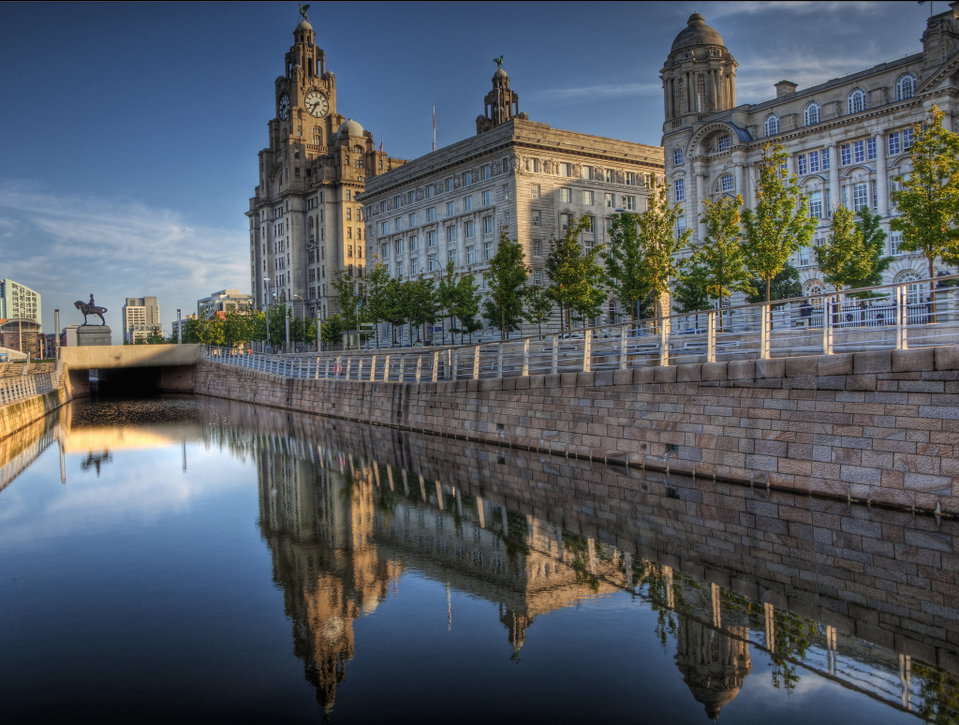
Birmingham city skyline at dusk with Centenary Square and Library of Birmingham illuminated

Destination guide

Birmingham

West Midlands, England · United Kingdom

Britain's most ambitious second city — reinvented, multicultural, and seriously underrated.

Best season

May–September for warm weather and festivals; December for the Frankfurt Christmas Market (one of Europe's largest outside Germany)

From Nairobi

Approximately 8–9 hours non-stop on direct services; shorter with a connection via the Gulf

Why visit Birmingham?

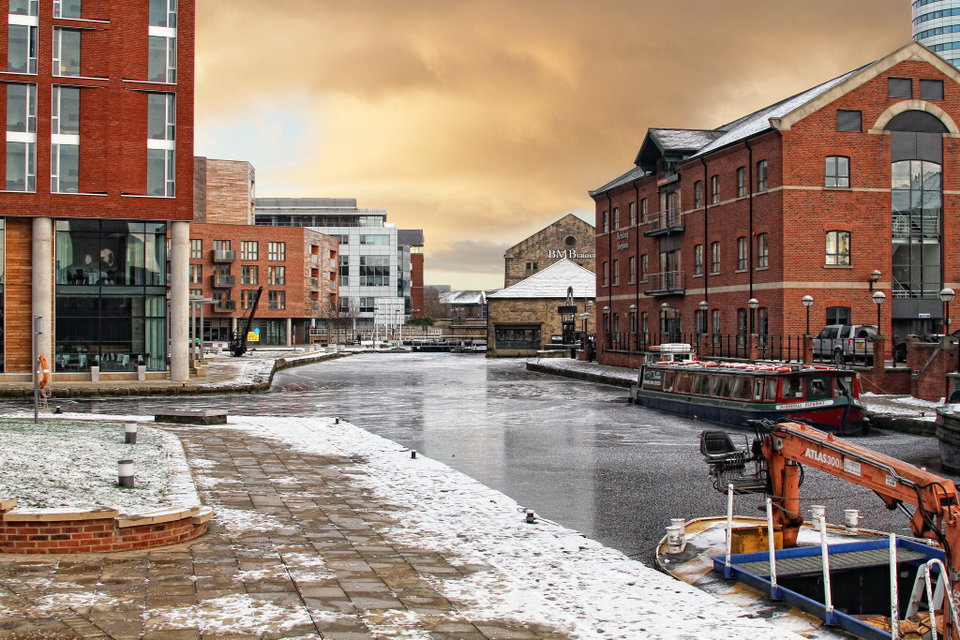
Birmingham earns its place on any serious city-break list for reasons that go well beyond its industrial heritage. The canal network — longer than Venice's — winds through a regenerated waterfront of bars, independent restaurants, and public art that surprises first-time visitors. The Jewellery Quarter packs 700 jewellery businesses into a single neighbourhood, alongside independent coffee shops, cocktail bars, and the moving Museum of the Jewellery Quarter.

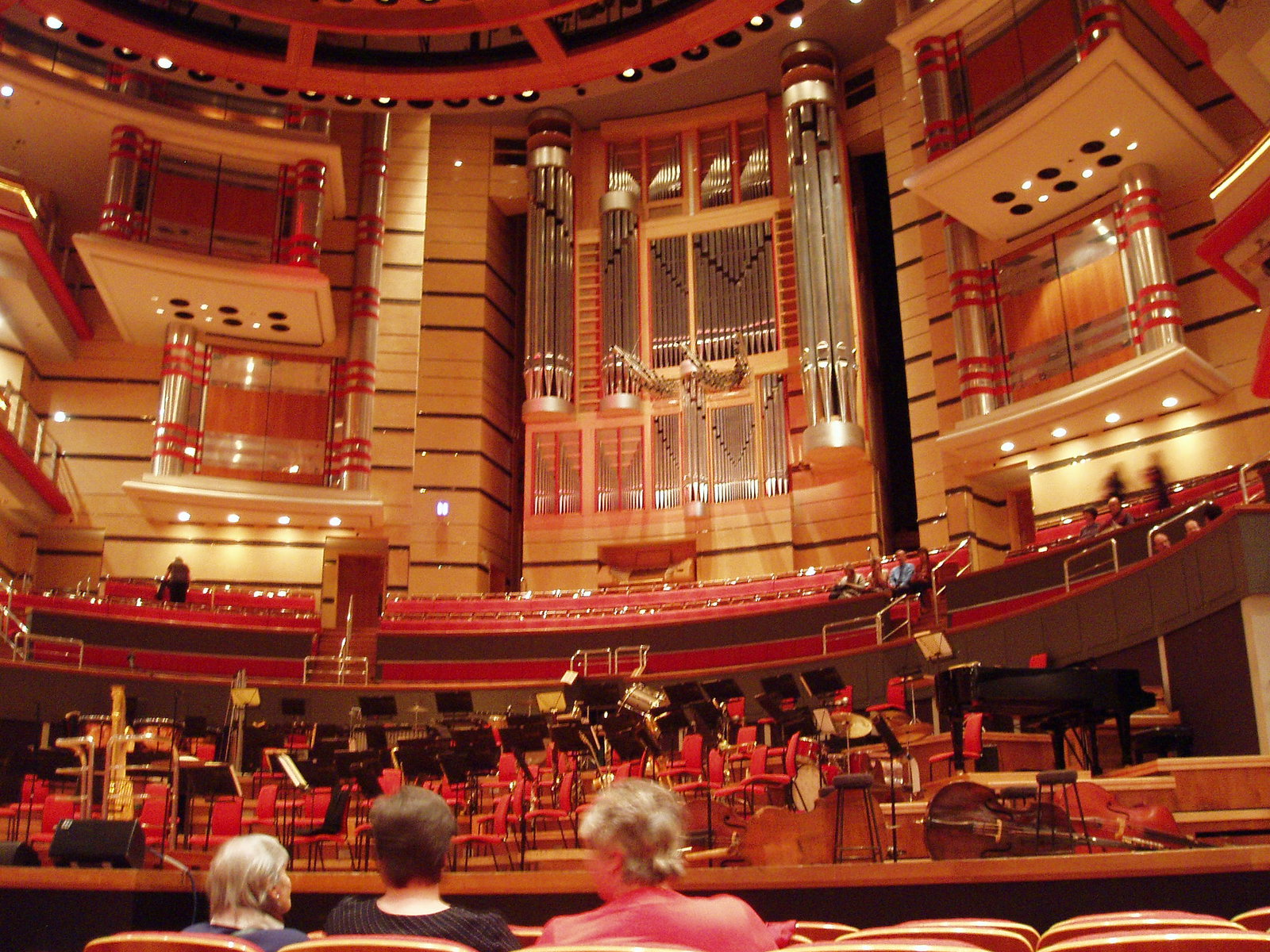
The food culture is extraordinary: the Balti Triangle in Sparkbrook and Sparkhill popularised the dish that has since gone global, and Michelin stars have followed with Aktar Islam's Opheem and Adam's restaurant joining a growing fine-dining scene. Cadbury World in Bournville satisfies a very different appetite. Culturally, Birmingham Museum and Art Gallery holds one of the finest Pre-Raphaelite collections in the world, while the Town Hall and Symphony Hall are among the UK's top classical music venues — home to the acclaimed City of Birmingham Symphony Orchestra.

The city also makes a superb base: Stratford-upon-Avon (Shakespeare's birthplace) is 25 minutes by train; the Cotswolds are an hour by road; and Warwick Castle is under 30 minutes away.

  • More miles of canal than Venice — explore them by narrowboat, kayak, or canalside café
  • The Balti Triangle: the birthplace of one of Britain's most beloved dishes, still thriving in its original home
  • Birmingham Museum & Art Gallery holds the world's finest collection of Pre-Raphaelite paintings
  • One of Europe's biggest Frankfurt-style Christmas Markets transforms the city centre every December
  • Stratford-upon-Avon, Warwick Castle, and the Cotswolds are all under an hour away
  • A restaurant scene punching well above its weight, with multiple Michelin stars and a legendary street-food culture

Best for

Food lovers, culture seekers, canal explorers, shoppers, and travellers using Birmingham as a base for the English Midlands

Trip style

City break, culture trip, food and drink, family, short weekend

Known for

Balti Triangle cuisine, the Jewellery Quarter, more canals than Venice, Cadbury's chocolate, the Pre-Raphaelite art collection, and the Frankfurt Christmas Market

Quick facts

Best time to visit

May–September for warm weather and festivals; December for the Frankfurt Christmas Market (one of Europe's largest outside Germany)

Currency

British Pound Sterling (GBP)

Languages

English; large communities also speak Punjabi, Urdu, Bengali, and Gujarati

Visa summary

No visa required for UK/Irish citizens or most EU nationals; visitors from the US, Canada, Australia, and NZ need an Electronic Travel Authorisation (ETA) from 2025. Always check current UKVI guidance.

Flight time from Nairobi

Approximately 8–9 hours non-stop on direct services; shorter with a connection via the Gulf

Airport / arrival

Birmingham Airport (BHX) is 8 miles from the city centre — the Air-Rail Link monorail connects the terminal to Birmingham International station in 90 seconds, with direct trains to New Street in about 10 minutes.

Safety note

Generally safe for tourists. The city centre, Jewellery Quarter, and Digbeth are well-policed; exercise normal urban awareness around late-night entertainment areas.

Visa and entry

Look up entry rules by passport for travel to United Kingdom on the Tsavaro visa checker.

Check visa requirements for United Kingdom

Things to do

Explore the Birmingham Canal NetworkOutdoors & Walking

Explore the Birmingham Canal Network

2–4 hours

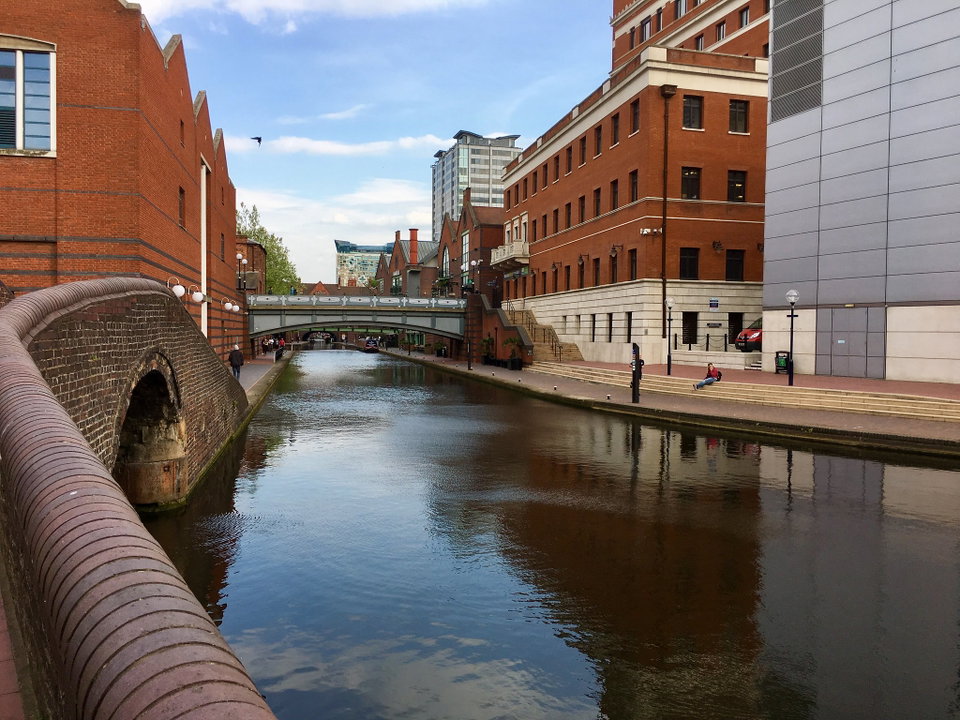
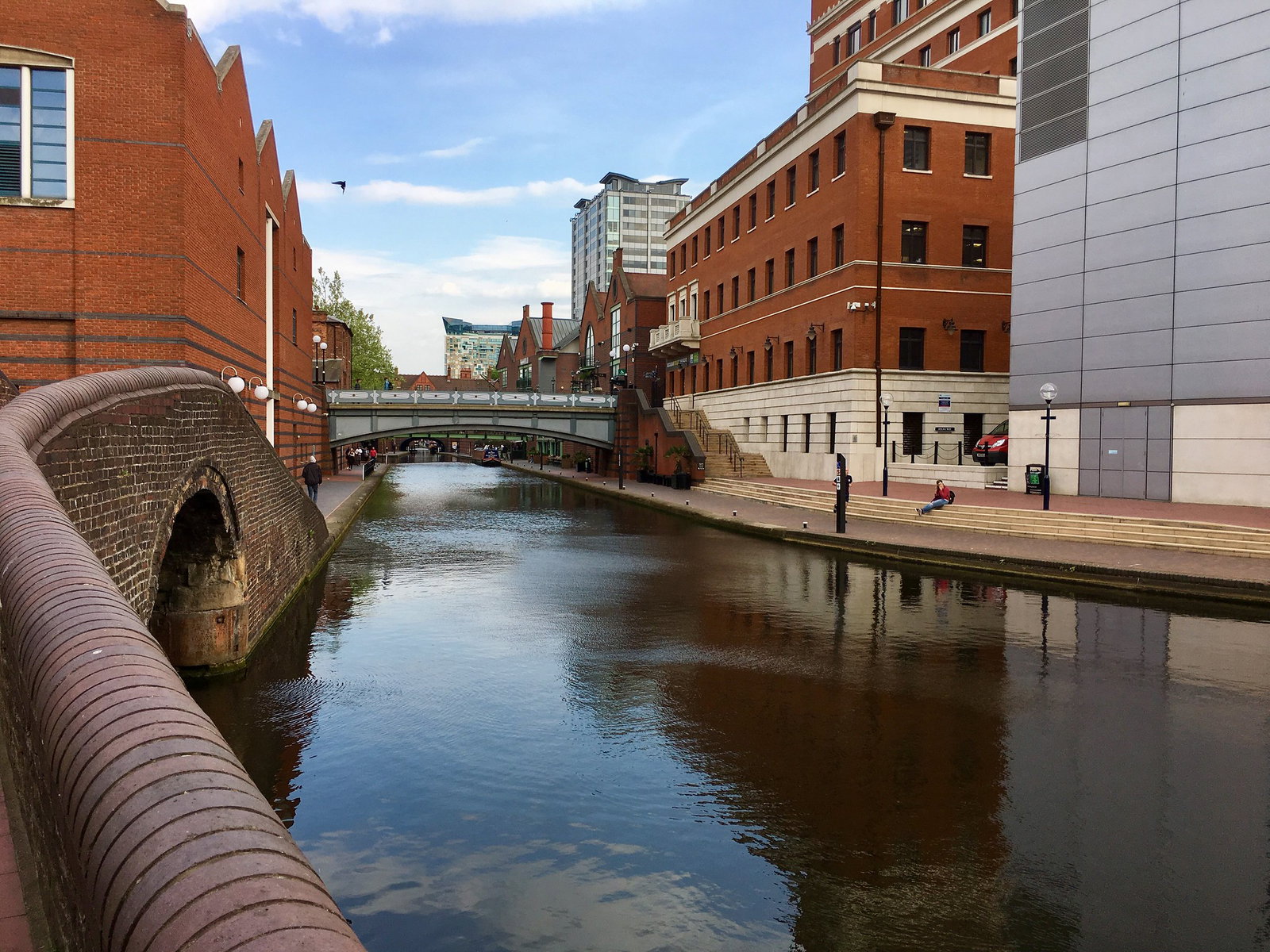
Wander or cycle the 35 miles of urban canals — the Gas Street Basin is the natural starting point, surrounded by converted warehouses, floating bars, and narrowboats. Canal & River Trust maps make self-guided walks easy.

Birmingham Museum & Art GalleryCulture & Art

Birmingham Museum & Art Gallery

2–3 hours

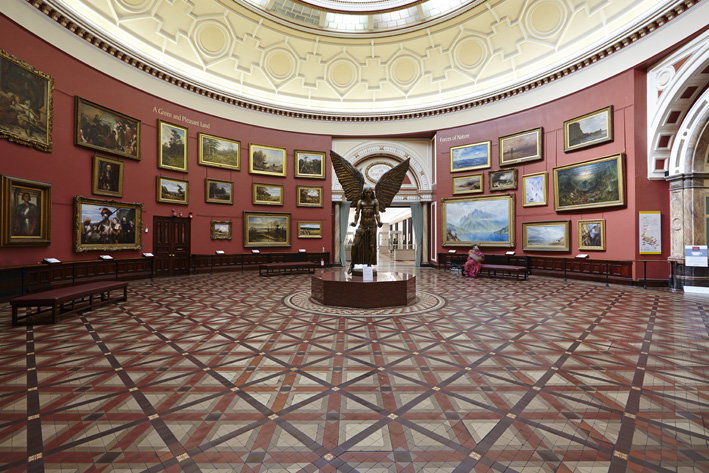
Home to the largest Pre-Raphaelite collection in the world, ancient artefacts from the Staffordshire Hoard, and a stunning Victorian Round Room. Free entry; allow at least two hours.

Jewellery Quarter Walking TourCulture & Shopping

Jewellery Quarter Walking Tour

Half day

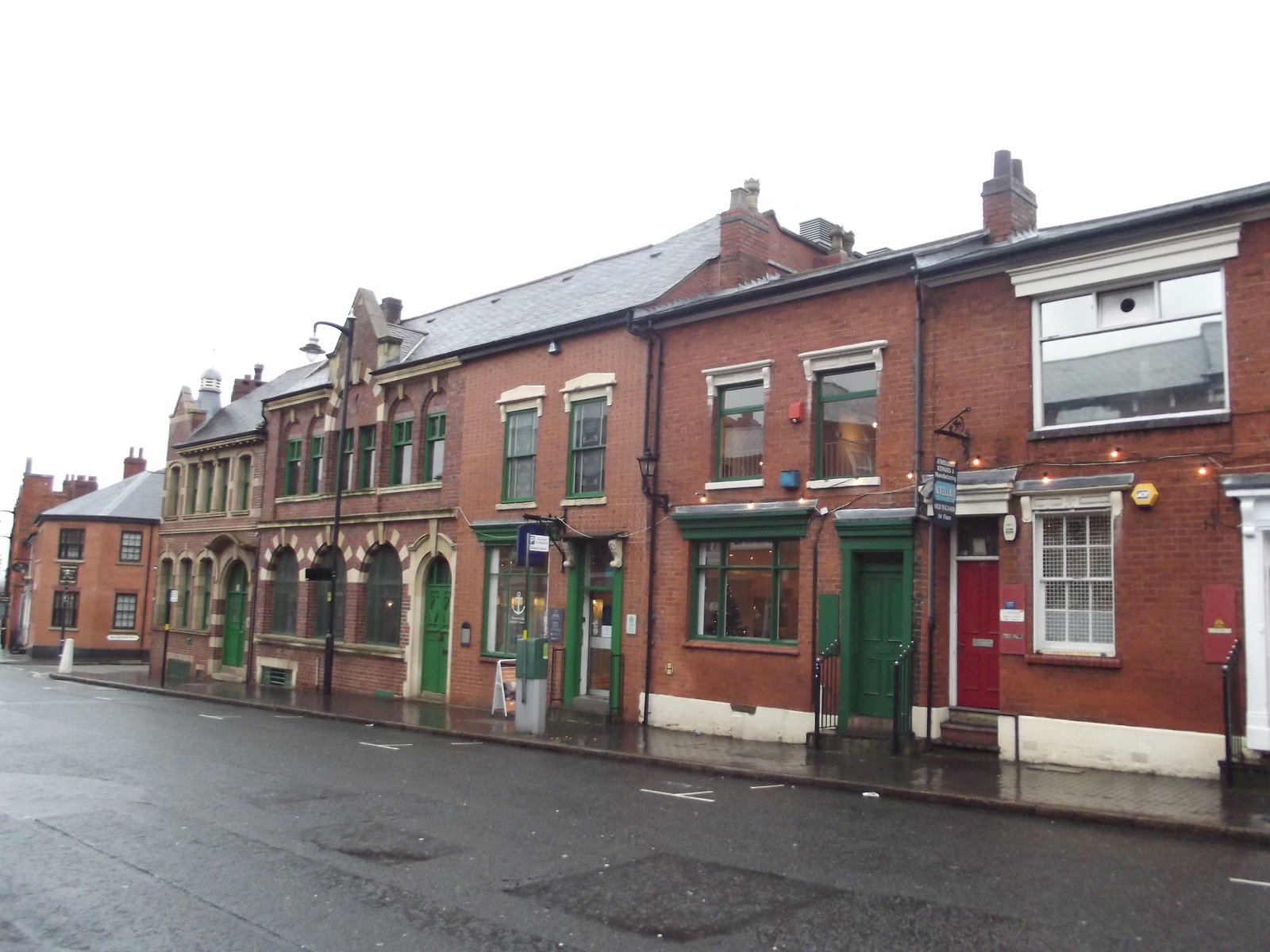
This Victorian neighbourhood is still home to 40% of the UK's jewellery manufacture. Visit the Museum of the Jewellery Quarter to see a factory frozen in time, then browse independent boutiques and the neighbourhood's excellent coffee scene.

Cadbury World, BournvilleFamily & Food

Cadbury World, Bournville

3–4 hours

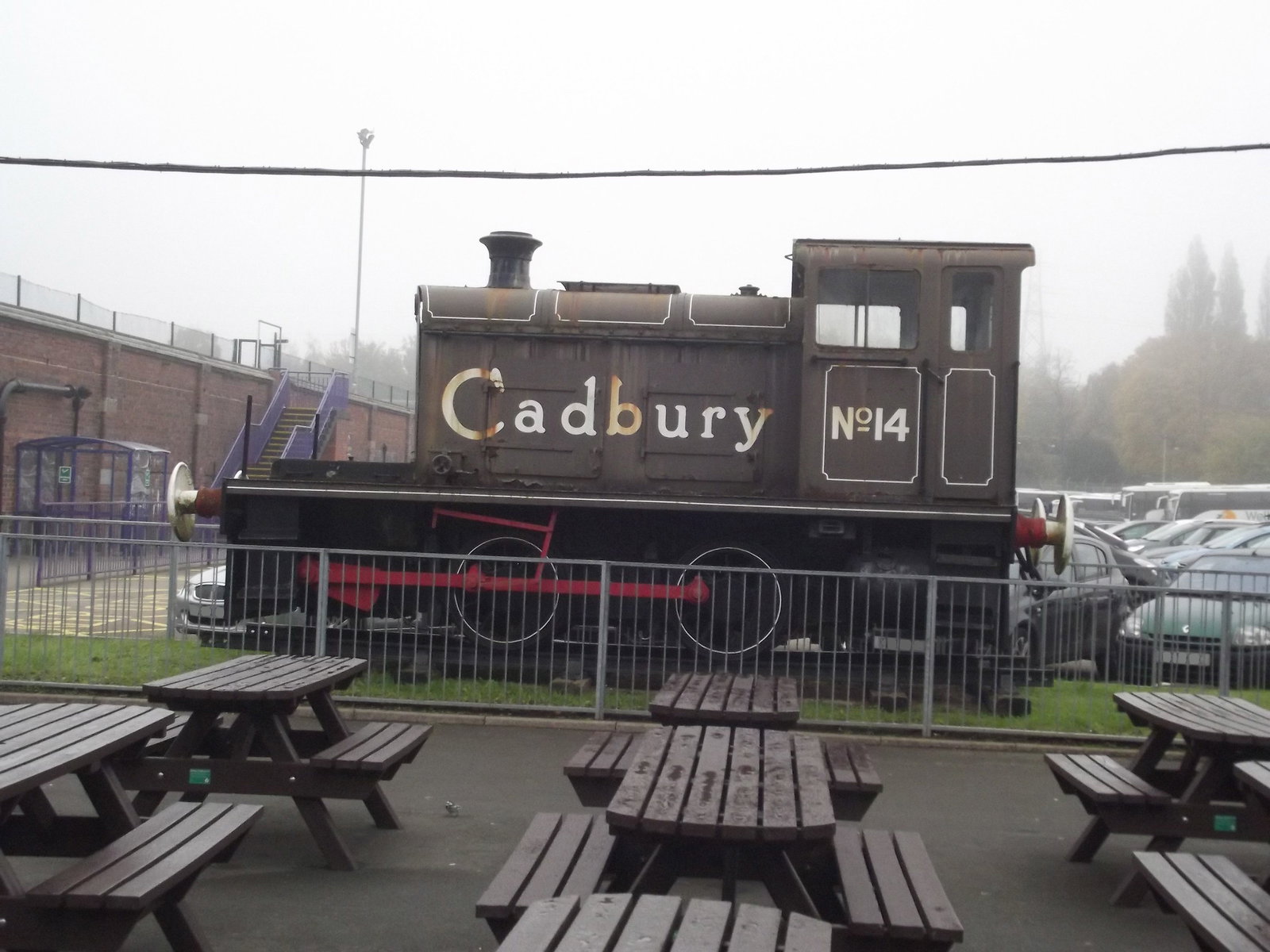
Discover the story of the Cadbury family, their model village, and the sweet history of Dairy Milk chocolate. A 4-mile tram ride from the city centre; book tickets in advance.

Digbeth Street Art & Independent SceneArt & Nightlife

Digbeth Street Art & Independent Scene

Half day

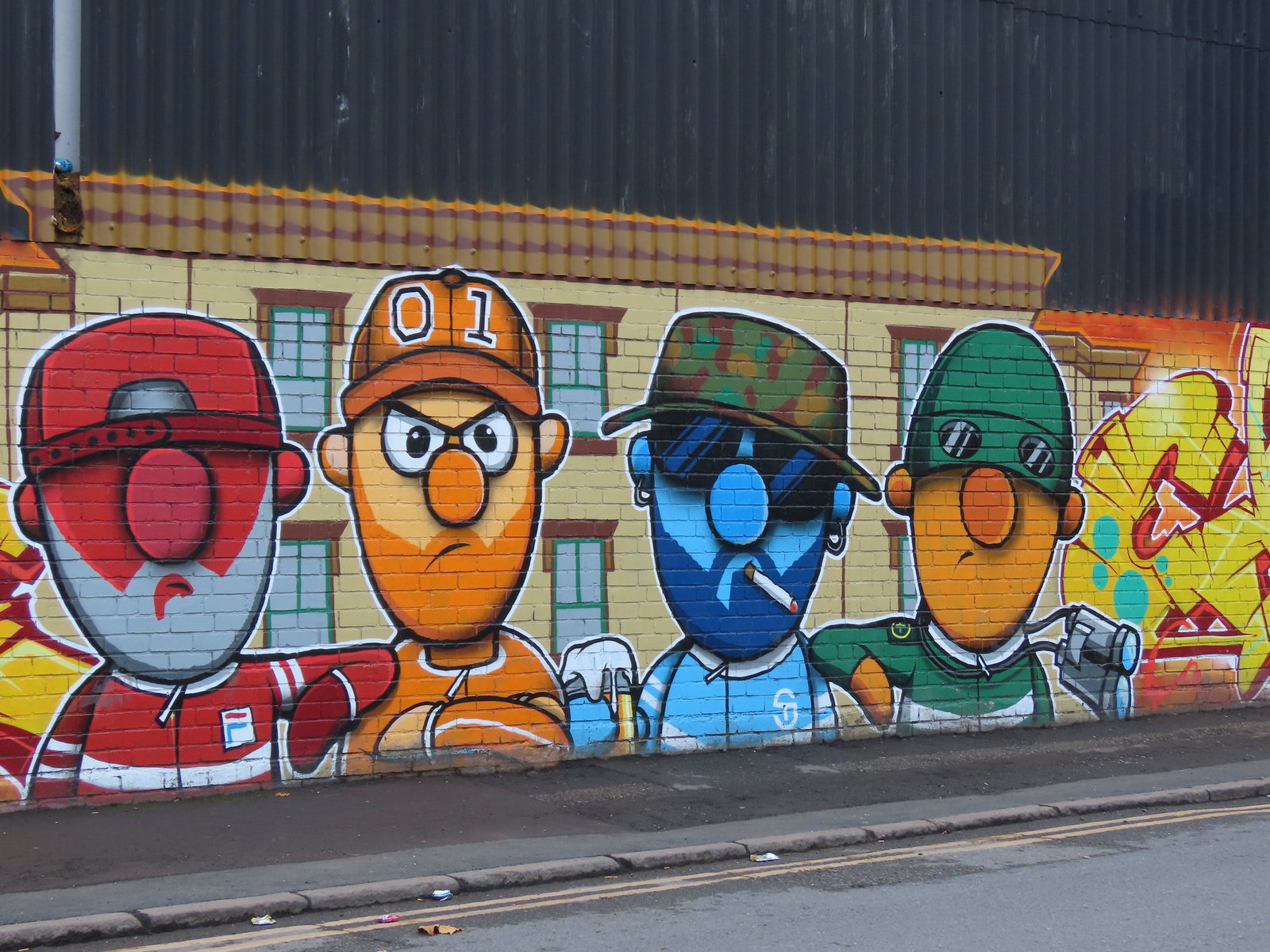
Birmingham's creative quarter is covered in world-class street art and home to Digbeth Dining Club, vintage markets, recording studios, and the Custard Factory arts complex. Best explored on foot on a weekend.

Symphony Hall & Town Hall ConcertsMusic & Performance

Symphony Hall & Town Hall Concerts

Evening

Catch the City of Birmingham Symphony Orchestra at Symphony Hall — consistently ranked among the UK's top five concert venues for acoustics. The Victorian Town Hall hosts everything from classical recitals to indie gigs.

Best time to visit Birmingham

The best time to visit Birmingham is May to September, when long evenings, outdoor canal-side dining, and a packed festival calendar make the city most enjoyable. July and August are warmest (average highs of 20–22°C), and events like the Birmingham Food and Drink Festival (September) and Mostly Jazz, Funk & Soul Festival (July) are highlights.

December is arguably the most atmospheric time of all: the Frankfurt Christmas Market — one of the largest authentic German markets outside Germany — fills Victoria Square and New Street with mulled wine, handcrafted gifts, and festive stalls from late November through to late December.

March and April offer mild temperatures, lower hotel rates, and fewer crowds; the Jewellery Quarter and museum scene is enjoyable year-round regardless of weather. Birmingham's indoor food, music, and cultural offer means there is genuinely no bad month to visit — just pack for unpredictable British weather at any time of year.

Is Birmingham safe to visit?

Yes — Birmingham is generally safe for tourists, and millions of visitors enjoy the city every year without incident. The city centre, Brindleyplace, the Jewellery Quarter, Digbeth, and Bournville are all well-policed and comfortable to explore day and night.

As with any major European city, normal urban precautions apply: keep bags secure on public transport, be aware of your surroundings in busy nightlife areas late at night, and avoid leaving valuables visible in parked cars. Areas around some suburban ring roads and parts of inner-city neighbourhoods away from tourist routes are best navigated with local knowledge — your hotel can advise.

Emergency services are excellent. Dial 999 for police, ambulance, or fire. NHS urgent care walk-in centres are available in the city centre for non-emergency medical needs. Birmingham has a large, well-signed transport network and well-lit main streets, making navigation after dark straightforward for visitors sticking to main routes.
Suggested itinerary

3 Days in Birmingham: Canals, Culture & Incredible Food

This plan is designed for a first-time visitor arriving by train or plane, staying centrally near Brindleyplace or the Jewellery Quarter, and covering the city's top cultural, culinary, and neighbourhood highlights at a comfortable mid-pace. Budget band: mid-range (£80–£150/night accommodation, £30–£60/day food).

Day 1

Canals, Brindleyplace & the City Centre

Start the morning at Gas Street Basin, the beating heart of Birmingham's canal network. Walk the towpath north towards Brindleyplace, stopping for coffee at one of the canalside independents. The Birmingham Museum & Art Gallery opens at 10 am — allow a full two hours for the Pre-Raphaelite galleries and the Staffordshire Hoard.

In the afternoon, cross to Centenary Square to see the Library of Birmingham's rooftop terrace (free, great views) and the new Midland Metro tramline. Early evening, take a short walk to the Jewellery Quarter for aperitifs at The Lord Clifden or The Button Factory, then have dinner at Adam's or one of the neighbourhood's excellent bistros.

Birmingham — Canals, Brindleyplace & the City Centre

Travel essentials

Getting around

Birmingham has a growing Midland Metro tram network linking the city centre, Jewellery Quarter, and Edgbaston, with extensions planned. The bus network (National Express West Midlands) is comprehensive. Taxis and Uber are widely available. Trains from Birmingham New Street reach Stratford-upon-Avon (25 min), Warwick (25 min), and London Euston (1h 20min). Walking is practical between most city-centre neighbourhoods.

Typical costs

Budget travellers can manage on £60–£80/day (hostel dorm, street food, free museums). Mid-range visitors spending £120–£180/day can expect a comfortable hotel, Balti dinner, and a museum visit. Fine dining at Opheem or Adam's adds £80–£120 per head for a full tasting menu with wine.

Culture and etiquette

Brummies are famously warm and self-deprecating — don't be surprised by friendly conversation with strangers. Tipping is appreciated but not compulsory: 10–12.5% in restaurants if service is not included. Queuing is observed seriously. The city's large Muslim community means many Balti Triangle restaurants are alcohol-free — check before ordering.

Safety and planning

Register your travel on the FCDO's 'Know Before You Go' page if arriving from abroad. Travel insurance covering medical, cancellation, and theft is strongly recommended. Keep a photo of your passport on your phone. Birmingham is a walkable city but Uber and licensed black cabs are the safest option after midnight.

Connectivity

4G and 5G coverage is excellent across the city. Free Wi-Fi is available in the Grand Central shopping centre, most cafés, the Library of Birmingham, and Birmingham Airport. A UK pay-as-you-go SIM (EE, O2, Vodafone, Three) costs from £10 and works from the airport.

Payments

Contactless card payment (Visa, Mastercard, Amex) is accepted almost universally, including on buses and trams. Cash is still useful in markets (the Rag Market, Digbeth street stalls) and some smaller Balti restaurants. ATMs are plentiful; avoid dynamic currency conversion.

Birmingham travel FAQs

More destinations to explore

Birmingham, United Kingdom