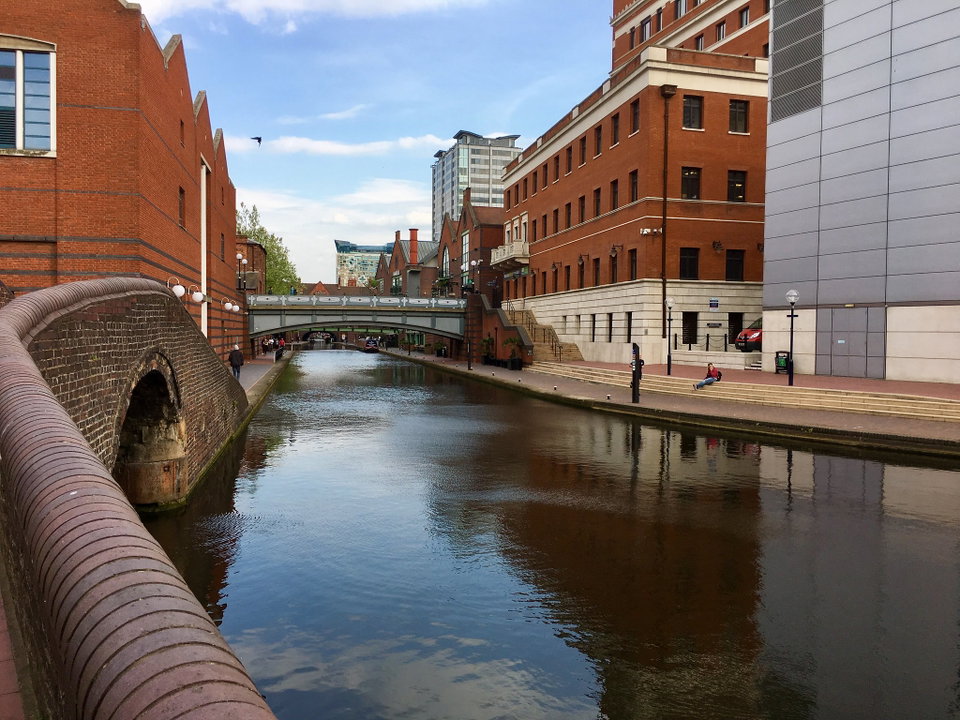
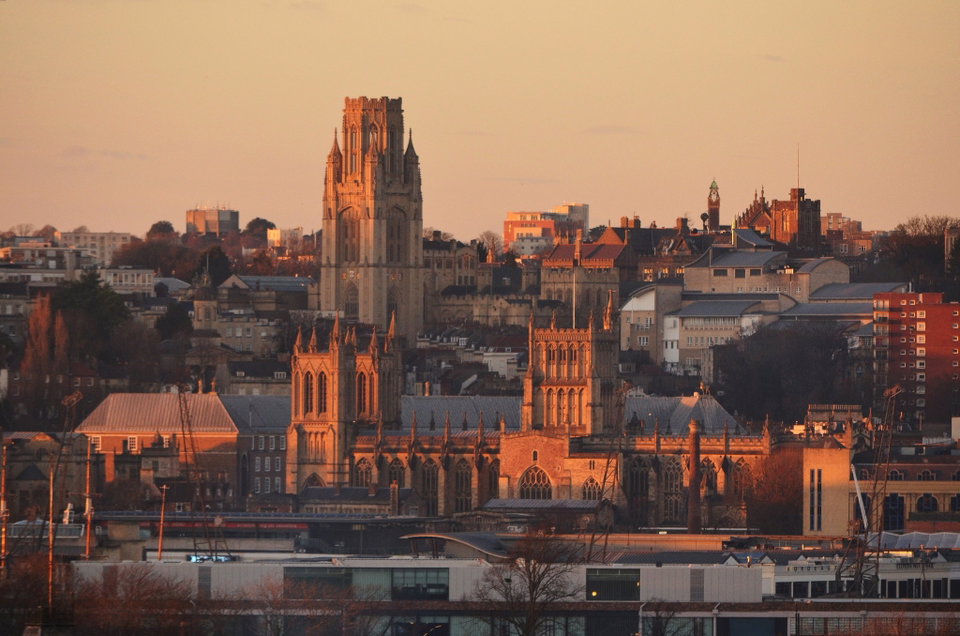
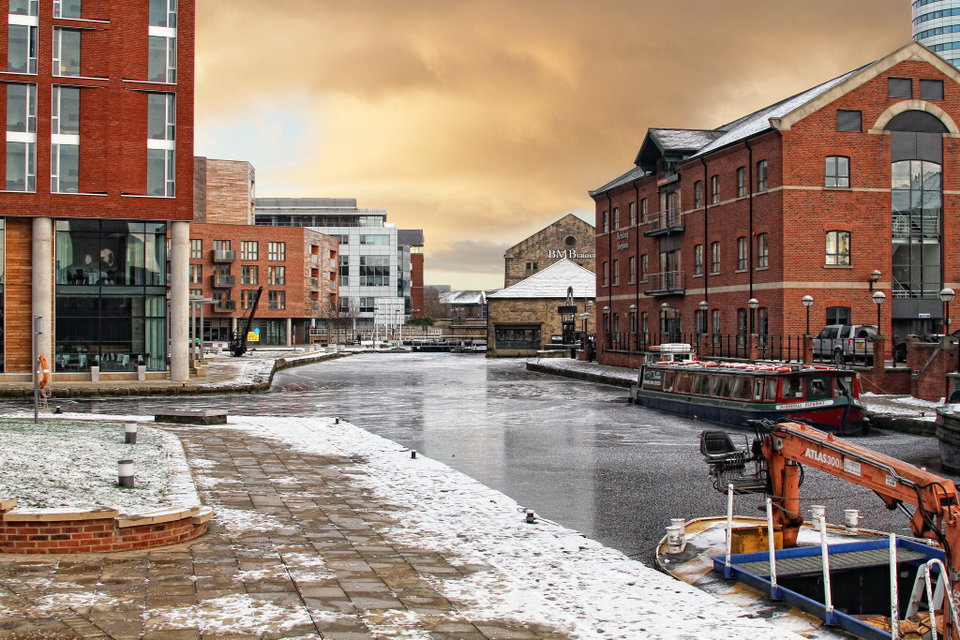
Manchester city skyline at dusk with Beetham Tower and the River Irwell reflecting city lights

Destination guide

Manchester

North West England · United Kingdom

Industrial soul, world-class culture, and two of football's greatest clubs — all under famously grey skies.

Best season

May–September for the warmest, driest weather; December for Christmas markets.

From Nairobi

Approximately 9–10 hours non-stop (where available); most routes connect via London, Dubai, or Doha.

Why visit Manchester?

Few cities in Europe carry as much cultural weight per square mile as Manchester. It pioneered the Industrial Revolution, sparked the suffragette movement, and later exported Britpop and rave culture to the world — all without losing its down-to-earth character.

The food and drink scene is genuinely world-class, anchored by a Chinatown, a thriving Ancoats restaurant row, and some of the best curry houses in the UK along Rusholme's 'Curry Mile'. Shoppers are equally well served: the Arndale, Spinningfields, and the Northern Quarter's indie boutiques sit within easy walking distance of each other.

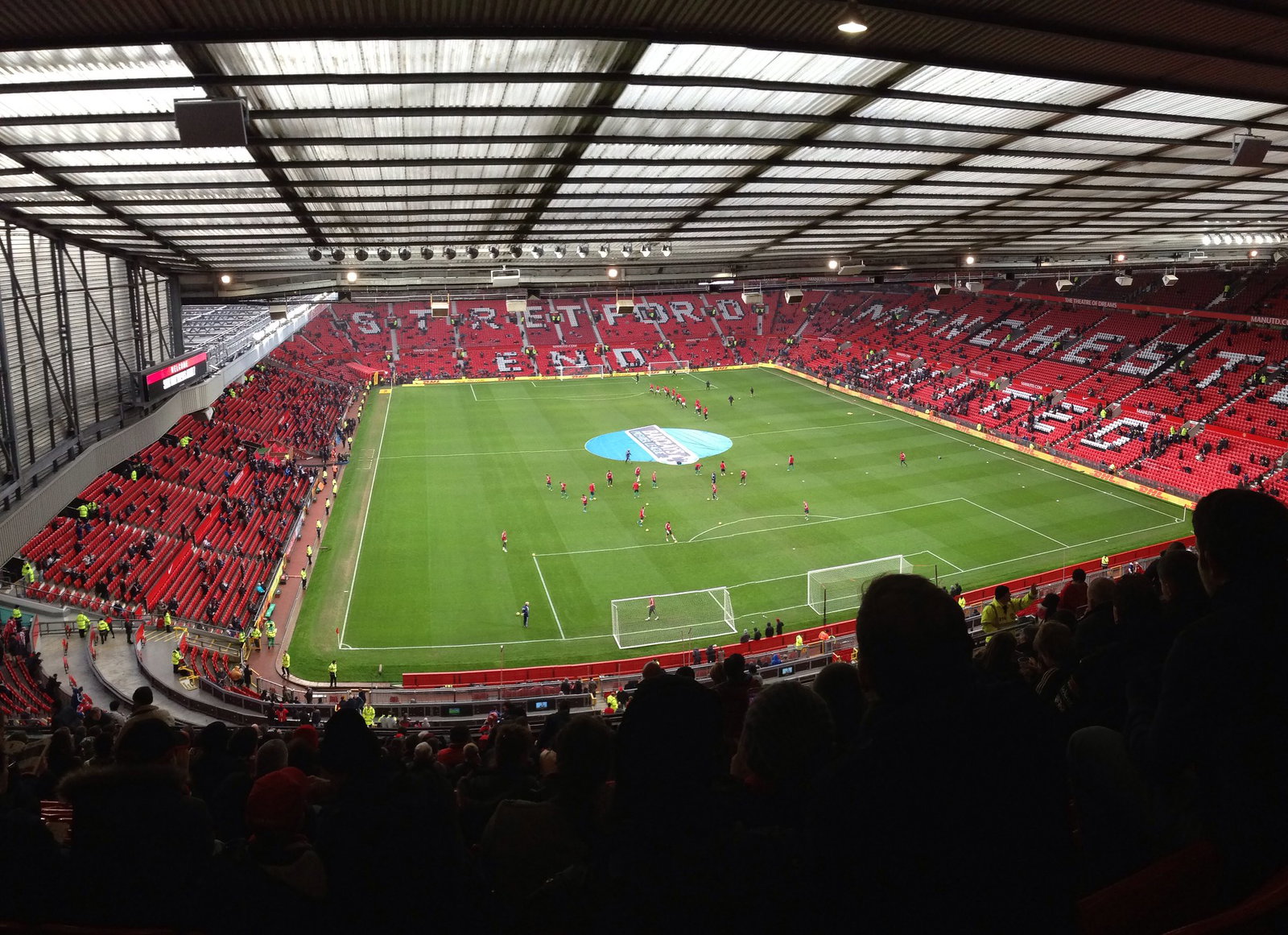
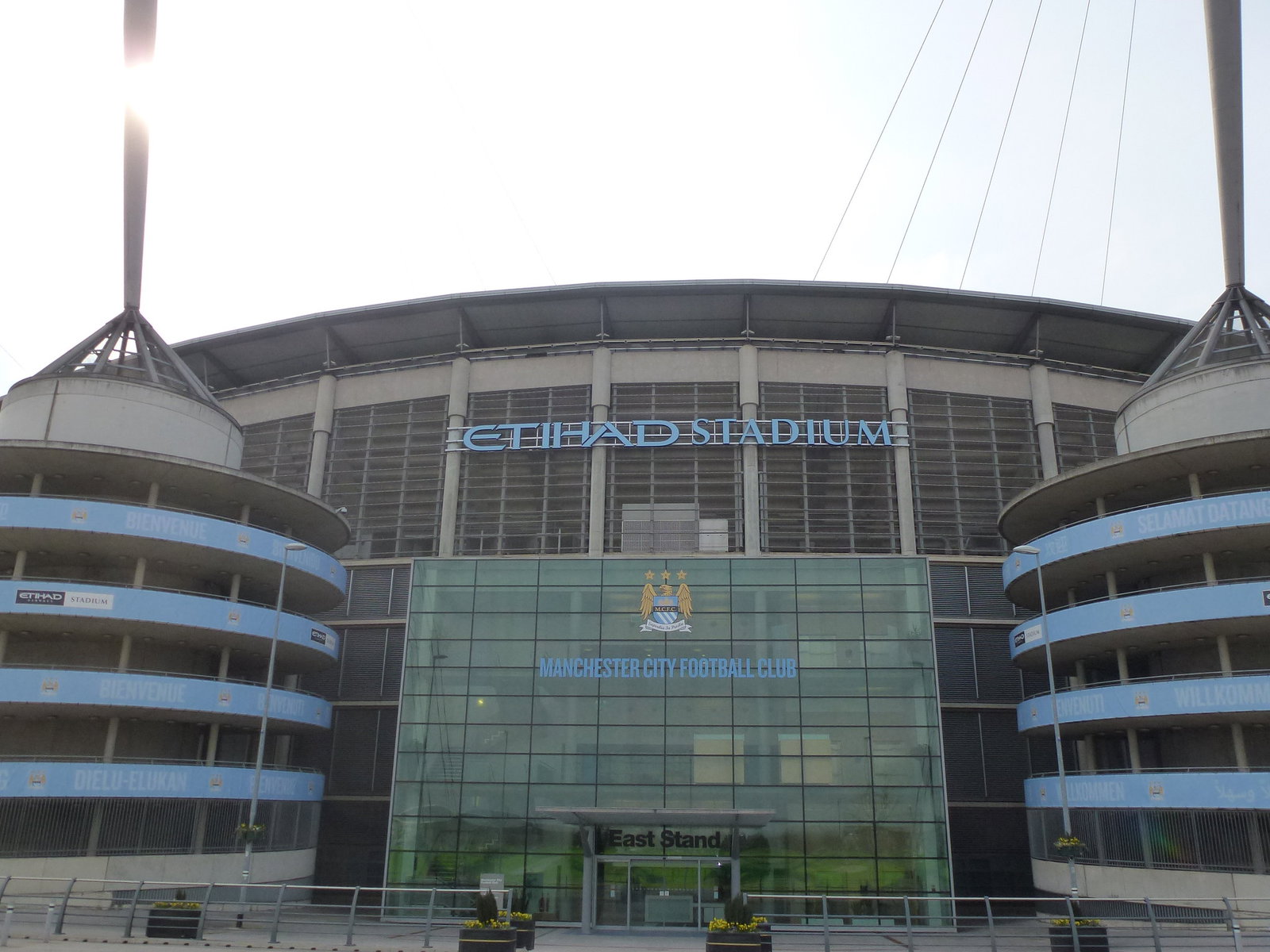
Sport here is a religion. Old Trafford (Manchester United) and the Etihad Stadium (Manchester City) both offer compelling stadium tours even on non-match days. And the music legacy — Joy Division, The Smiths, Oasis, The Chemical Brothers — is woven into every record shop and basement venue across the city.

  • Home to two Premier League giants — Old Trafford and the Etihad are both open for tours year-round.
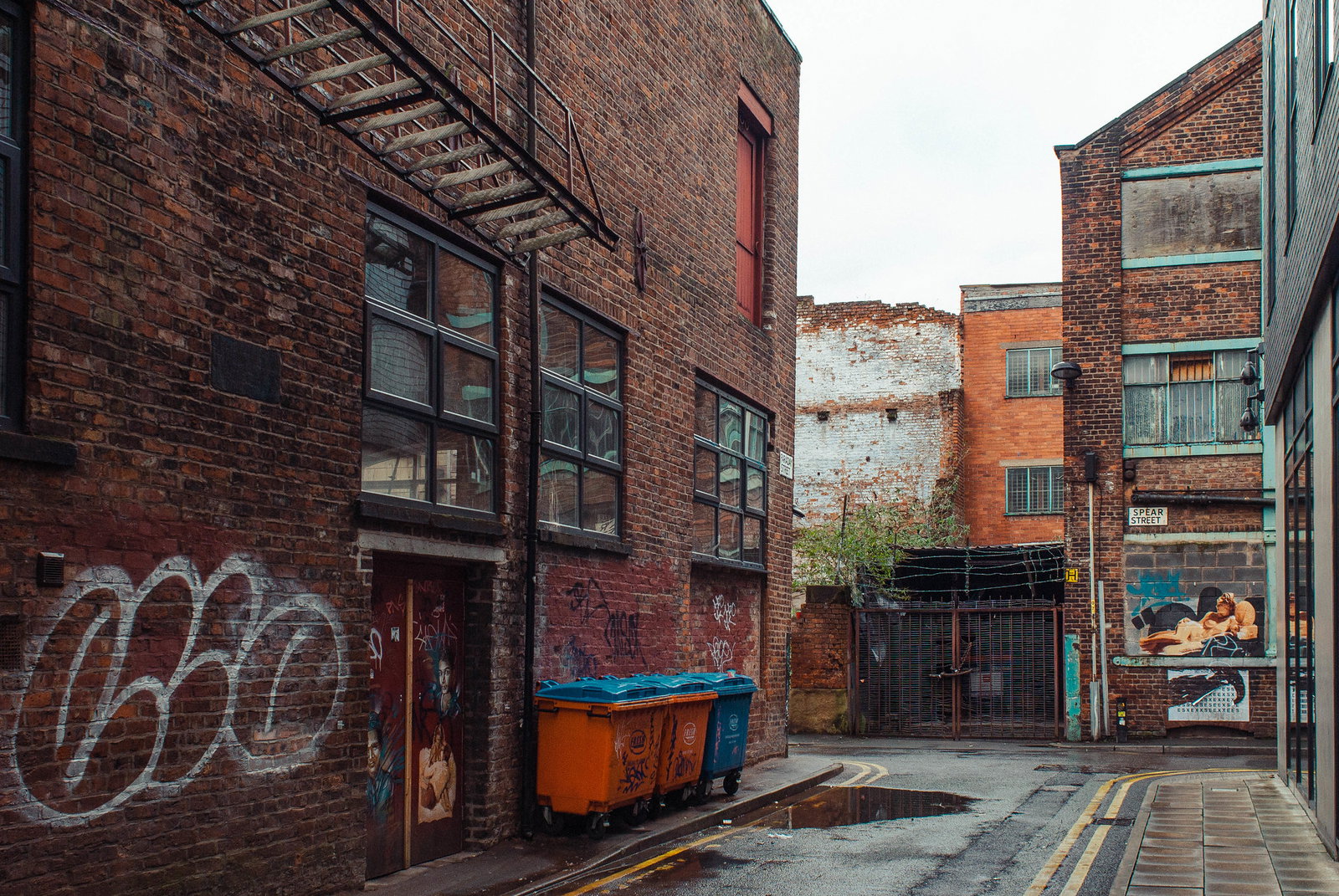
  • The Northern Quarter is one of the UK's best neighbourhoods for independent coffee shops, record stores, and street food.
  • Manchester's Christmas markets are among the largest and most atmospheric in Britain.
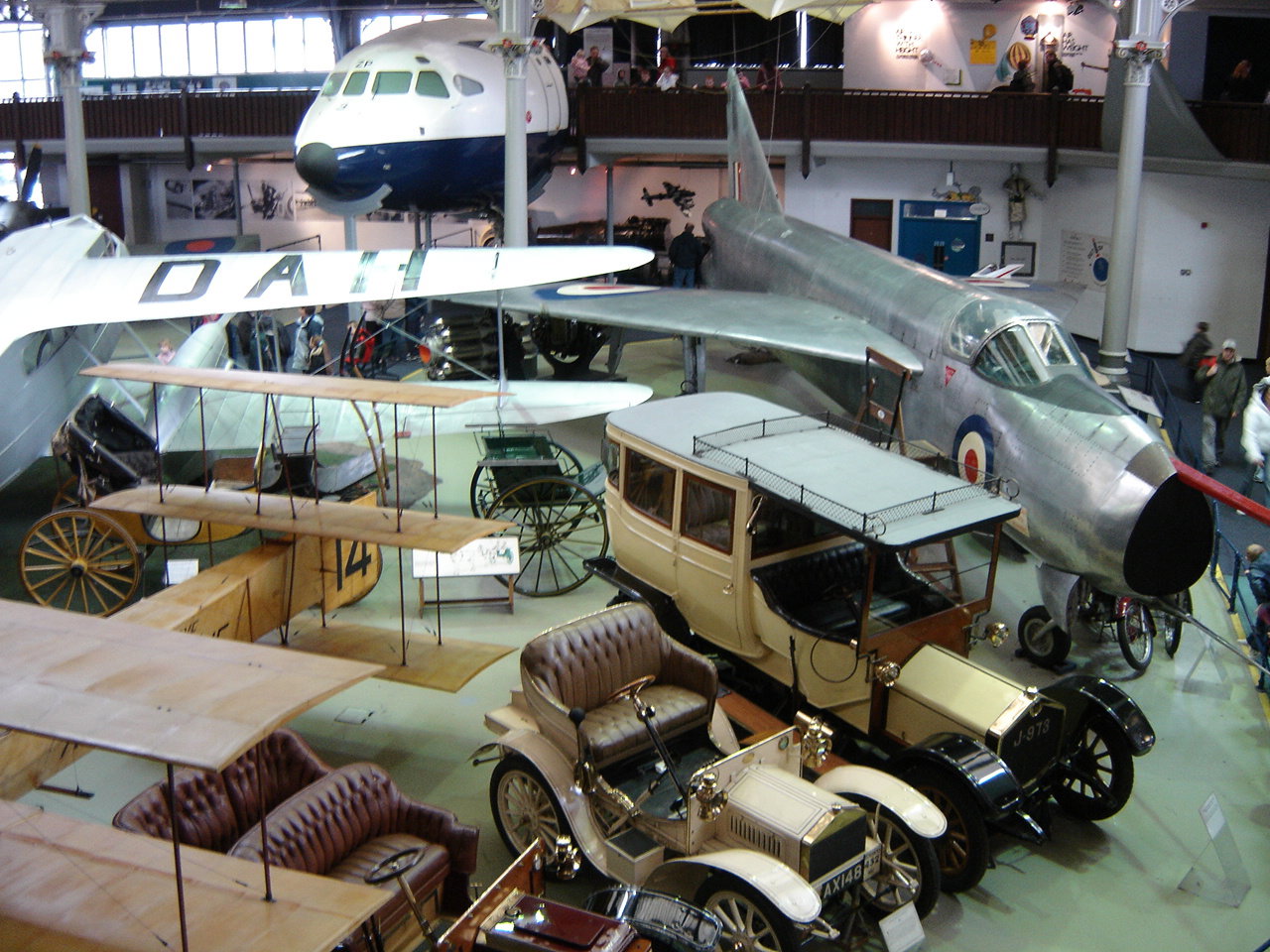
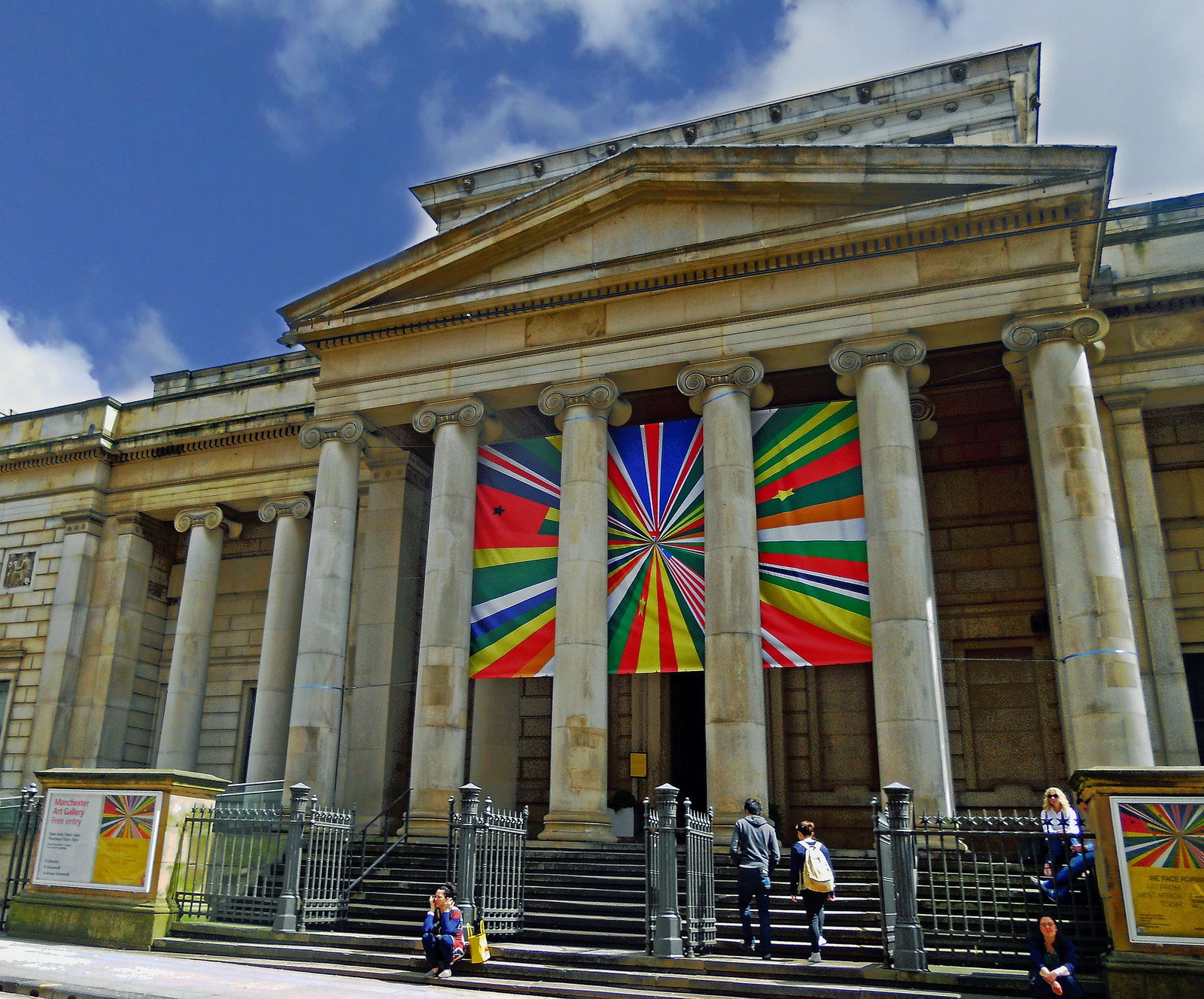
  • World-class free museums: the Science and Industry Museum and Manchester Art Gallery charge nothing to enter.
  • The Curry Mile in Rusholme offers some of the best-value South Asian cooking in England.
  • Excellent rail and tram links make it the perfect base for day trips to the Lake District, Yorkshire Dales, and Liverpool.

Best for

Music and culture lovers, football fans, foodies, urban explorers, and weekend city-breakers from anywhere in Europe.

Trip style

City break, cultural immersion, sports tourism, food and nightlife.

Known for

Football (Man United & Man City), Industrial Revolution heritage, Madchester music scene, Northern Quarter street art, Christmas markets, Curry Mile.

Quick facts

Best time to visit

May–September for the warmest, driest weather; December for Christmas markets.

Currency

British Pound (GBP, £)

Languages

English

Visa summary

UK visa required for non-EEA/non-British nationals; ETA required for many visa-exempt visitors from 2025.

Flight time from Nairobi

Approximately 9–10 hours non-stop (where available); most routes connect via London, Dubai, or Doha.

Airport / arrival

Manchester Airport (MAN) is 9 miles south of the city centre; the Metrolink tram runs direct to Piccadilly in about 20 minutes.

Safety note

Generally safe for tourists. Stay aware in busy nightlife areas late at night; standard city precautions apply.

Visa and entry

Look up entry rules by passport for travel to United Kingdom on the Tsavaro visa checker.

Check visa requirements for United Kingdom

Things to do

Tour Old Trafford — Theatre of DreamsSport

Tour Old Trafford — Theatre of Dreams

2–3 hours

Explore the home of Manchester United with a behind-the-scenes stadium tour that takes you through the changing rooms, tunnel, and dugout, then into the dedicated museum tracing the club's history from Newton Heath to the Premier League era.

Walk the Northern QuarterCulture & Neighbourhoods

Walk the Northern Quarter

Half day

Manchester's creative heartland is a grid of Victorian warehouse streets packed with independent record shops, vintage clothing boutiques, craft beer bars, and some of the city's most characterful cafés. Start on Tib Street and let the street art guide you.

Science and Industry MuseumMuseums

Science and Industry Museum

2–4 hours

Housed in the world's oldest surviving passenger railway station, this free museum tells the story of Manchester's role in powering the modern world — steam engines, textile machinery, and a surprisingly engaging computing gallery all under one roof.

Manchester Art GalleryArt & Culture

Manchester Art Gallery

1–3 hours

A free, world-class collection spanning Pre-Raphaelite paintings, contemporary installations, and an outstanding decorative arts wing. The gallery's rotating exhibitions frequently pull major international names.

Day trip to the Peak DistrictNature & Day Trips

Day trip to the Peak District

Full day

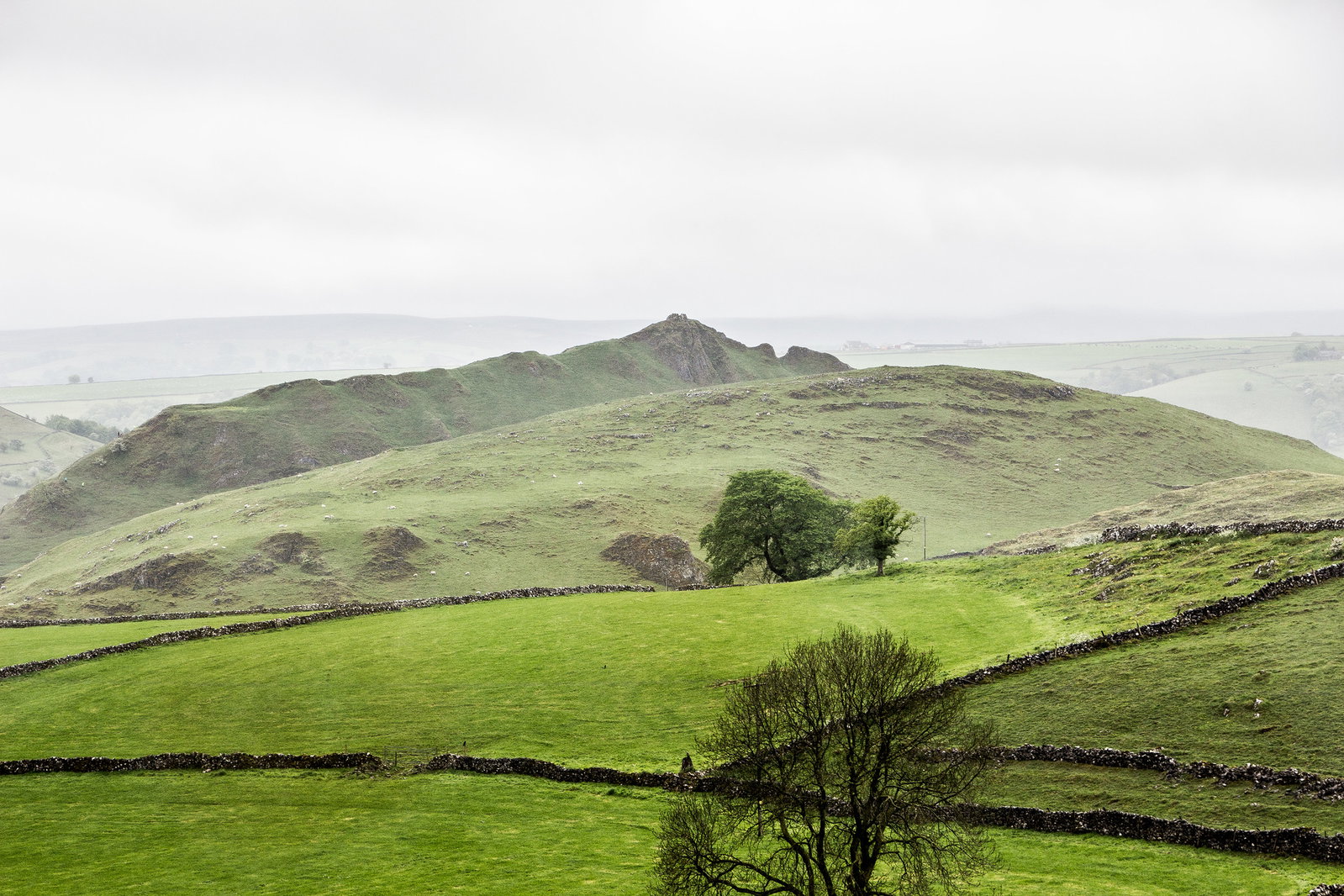
The edge of England's first national park is only 30 minutes by train or bus from Piccadilly. Edale, Castleton's cave network, and the Monsal Trail are all reachable without a car for a full day of moorland walking.

Etihad Stadium Tour & City Football AcademySport

Etihad Stadium Tour & City Football Academy

2 hours

Manchester City's home stadium offers tours that include the tunnel walk, press room, VIP suites, and a detailed club museum. The adjacent City Football Academy — visible from the tour — is one of the most advanced training facilities in world football.

Best time to visit Manchester

The best time to visit Manchester is May to September, when temperatures are warmest (15–22°C), daylight hours are long, and the city's outdoor events calendar — from Manchester Day parade in June to Parklife festival in June — is in full swing.

Spring (April–May): Mild and occasionally sunny. Crowds are lower than summer and hotel rates are more competitive. Gardens across Greater Manchester bloom and the city feels energised after winter.

Summer (June–August): Peak season. Expect the warmest weather, the busiest festival programme, and the highest prices. Book accommodation early if visiting for Parklife or Manchester Pride (August bank holiday weekend).

Autumn (September–November): September retains summer warmth and thinner crowds. October and November bring rain and shorter days but excellent cultural programming as the indoor season begins.

Winter (December–February): Cold (2–8°C) and frequently rainy, but December is magical. Manchester's Christmas markets — centred on Albert Square and St Ann's Square — run from mid-November through December and are among the best in the UK. Hotel rates spike in December but drop sharply in January and February, making it one of the cheapest times to visit.

Is Manchester safe to visit?

Yes — Manchester is generally safe for tourists, and millions of visitors travel here each year without incident. The city centre, including the Northern Quarter, Deansgate, Spinningfields, and the main museum and shopping areas, is well-policed and actively used day and night.

Practical tips for a safe trip:

Watch your belongings in busy areas like Piccadilly Gardens, the Arndale Centre, and the Metrolink during peak hours — pickpocketing does occur, as in any major city.

The Metrolink tram network is safe and reliable; late-night services run on key routes. Night buses and licensed taxis (look for the Manchester City Council badge) are the recommended options after midnight.

Nightlife areas around Deansgate Locks and the Gay Village (Canal Street) are lively but generally well-stewarded. Stay with your group, keep an eye on your drink, and use official transport home.

Rusholme and Moss Side — sometimes mentioned in older travel warnings — have improved markedly. Rusholme's Curry Mile is a family-friendly dining destination. Moss Side has ongoing regeneration and is not a standard tourist area, but is not a no-go zone.

Emergency number: 999 (police, ambulance, fire). Non-emergency police: 101.
Suggested itinerary

3 Days in Manchester: Football, Culture & Great Food

This plan assumes a mid-pace city break using central accommodation (Piccadilly, Northern Quarter, or Ancoats). Transport is on foot and by Metrolink tram. Budget is mid-range: expect £80–£140 per person per day covering accommodation, food, and entry fees.

Day 1

Arrive, Northern Quarter & the Music Legacy

Check in to your hotel and walk to the Northern Quarter. Grab breakfast at Elnecot or Federal Café, then spend the morning browsing Afflecks and the independent record shops on Oldham Street.

After lunch at Bundobust (Indian street food and craft beer, highly recommended), head to the Museum of Science and Industry for the afternoon — two to three hours is ideal.

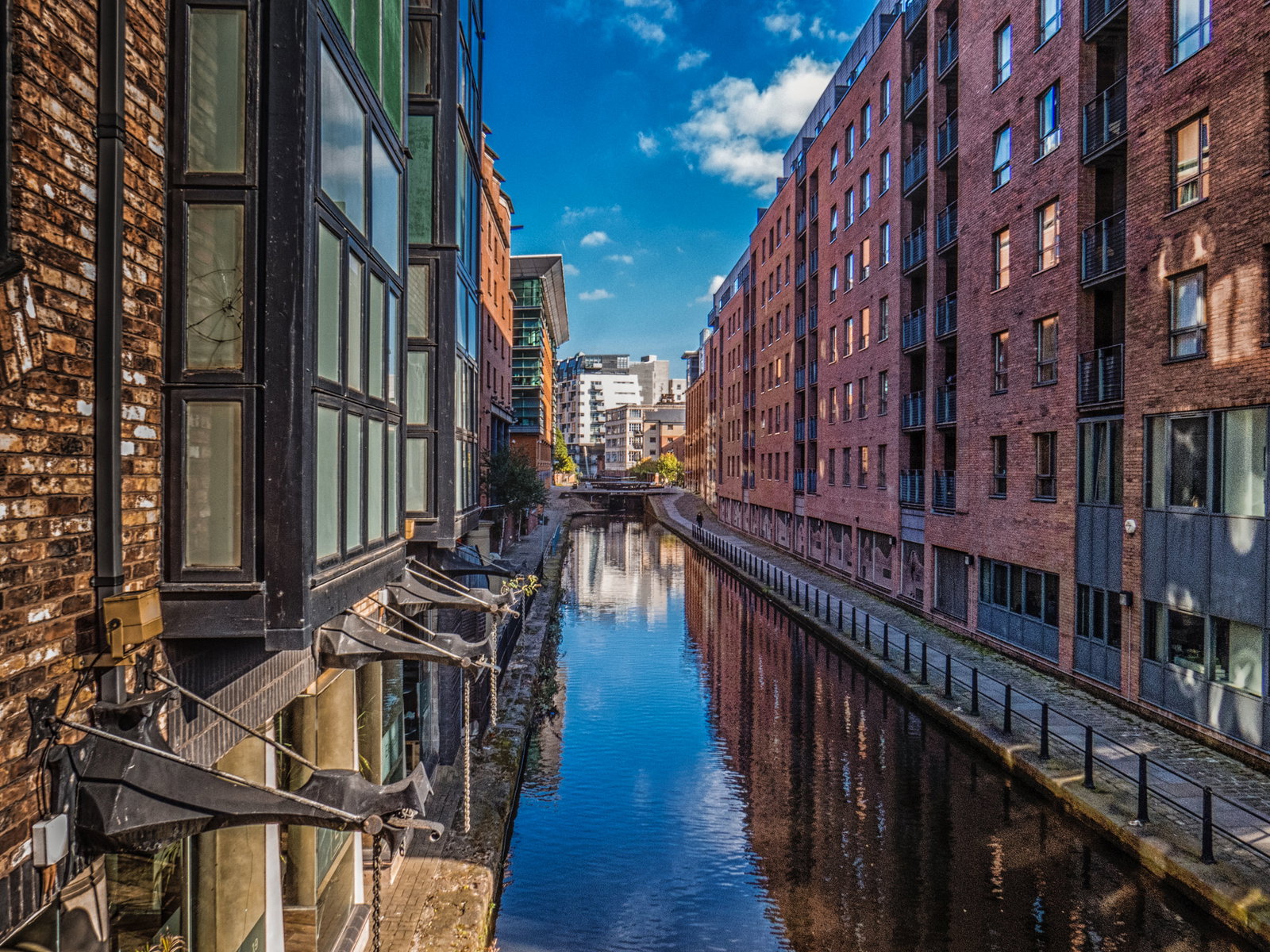
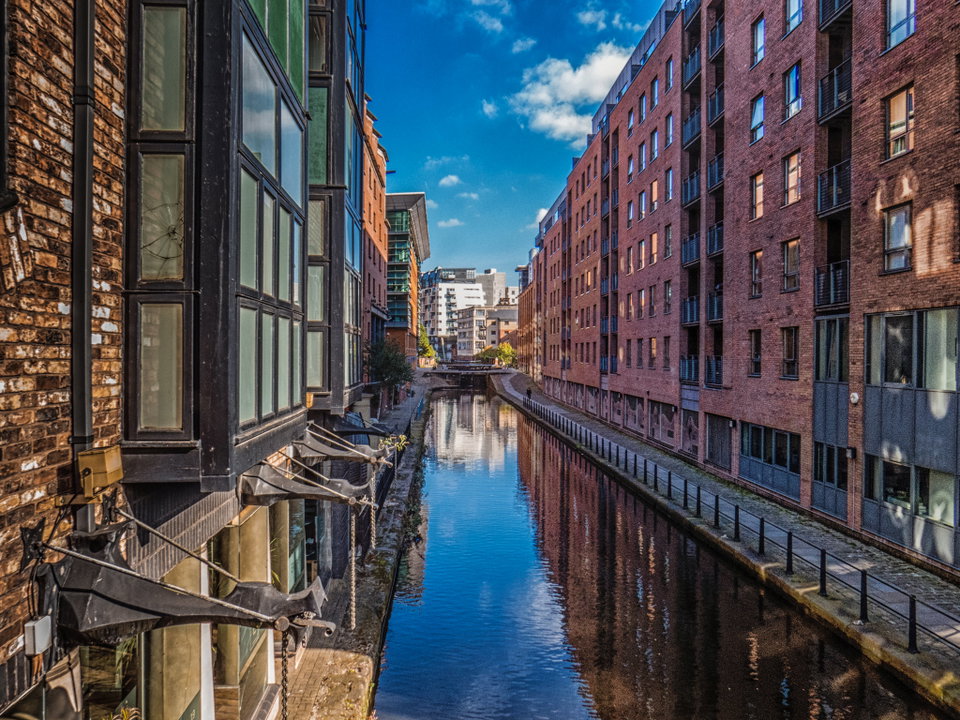
In the evening, walk to Ancoats for dinner: Sugo for pasta, Elnecot for modern British, or Rudy's Neapolitan Pizza. The area's canal-side bars are perfect for a nightcap.

Manchester — Arrive, Northern Quarter & the Music Legacy

Travel essentials

Getting around

Manchester's Metrolink is the UK's largest tram network and covers the city centre, both football stadiums, the airport, and suburbs including Salford Quays (MediaCityUK). A system-wide day travelcard costs around £6–£8. Central Manchester is very walkable — most attractions are within 20 minutes on foot from Piccadilly. Cycling infrastructure is improving rapidly; Bee Network hire bikes are available across the city.

Typical costs

Budget: £60–£80/day (hostel, self-catering meals, free museums). Mid-range: £110–£160/day (3-star hotel, restaurant meals, stadium tour). Upscale: £200+/day (boutique hotel, tasting menus, match tickets). A pint of beer costs £5–£7; a restaurant main averages £14–£22; a Metrolink single is £2–£3.

Culture and etiquette

Mancunians are famously direct and friendly — don't be surprised if strangers chat to you in the pub. Tipping is appreciated but not obligatory: 10–12.5% is standard in restaurants. Queuing is taken seriously. Smoking is banned inside all public buildings. The Manc accent and Northern humour are both best taken at face value.

Safety and planning

Travel insurance covering medical costs is strongly advisable for non-UK visitors as NHS treatment for overseas nationals may be charged. Keep a photo of your passport. The nearest A&E to the city centre is Manchester Royal Infirmary on Oxford Road.

Connectivity

Free Wi-Fi is available across the city centre (in cafés, the Metrolink, libraries, and most hotels). Mobile coverage is excellent on all four UK networks (EE, O2, Vodafone, Three). Visitors from outside the UK may find a UK SIM the most cost-effective option for data.

Payments

Cards are accepted almost everywhere, including market stalls and taxis. Contactless (including Apple Pay / Google Pay) is the default for amounts under £100. Some small independent cafés and market traders prefer cash; it's worth keeping £20–£30 on hand.

Manchester travel FAQs

More destinations to explore

Manchester, United Kingdom