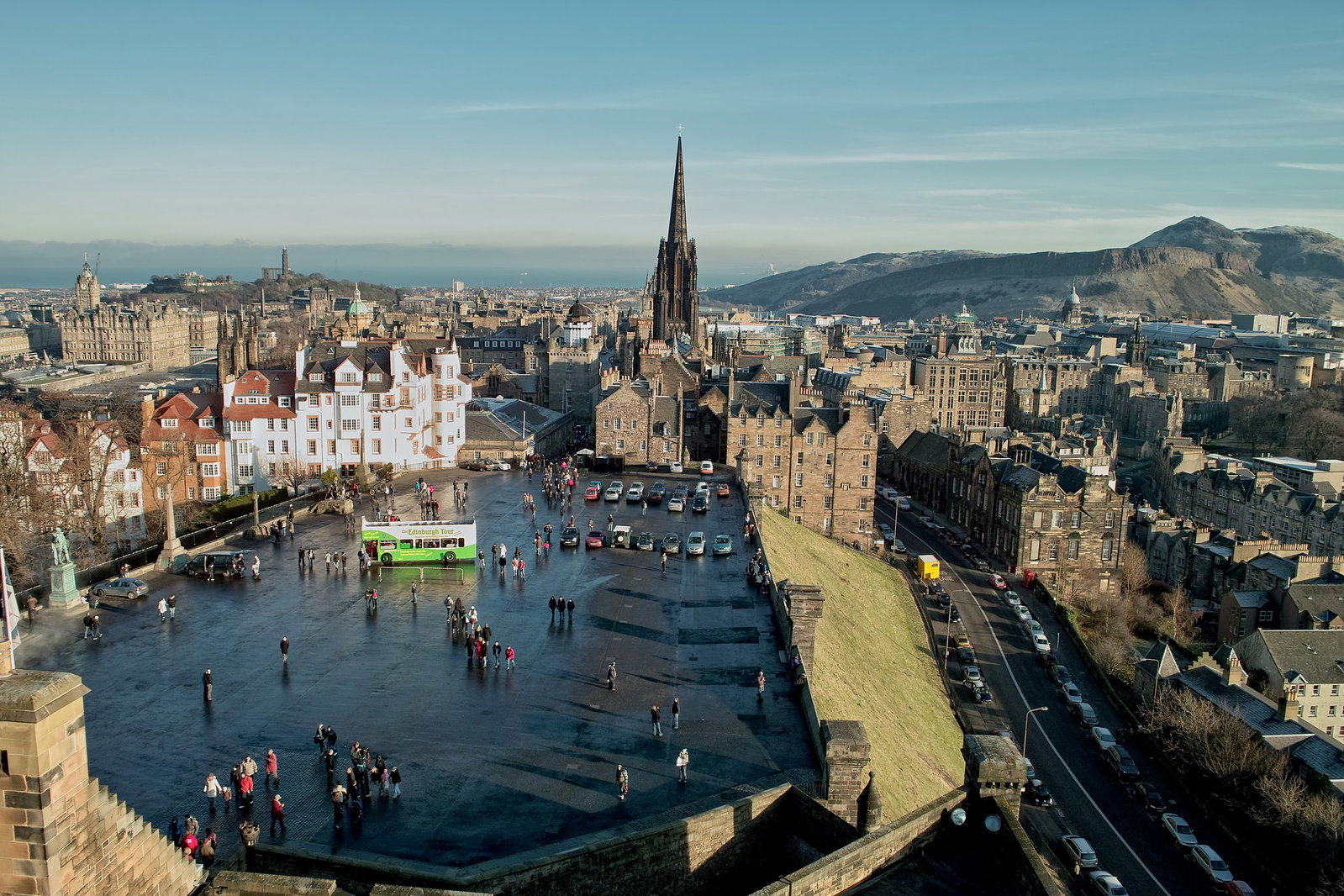
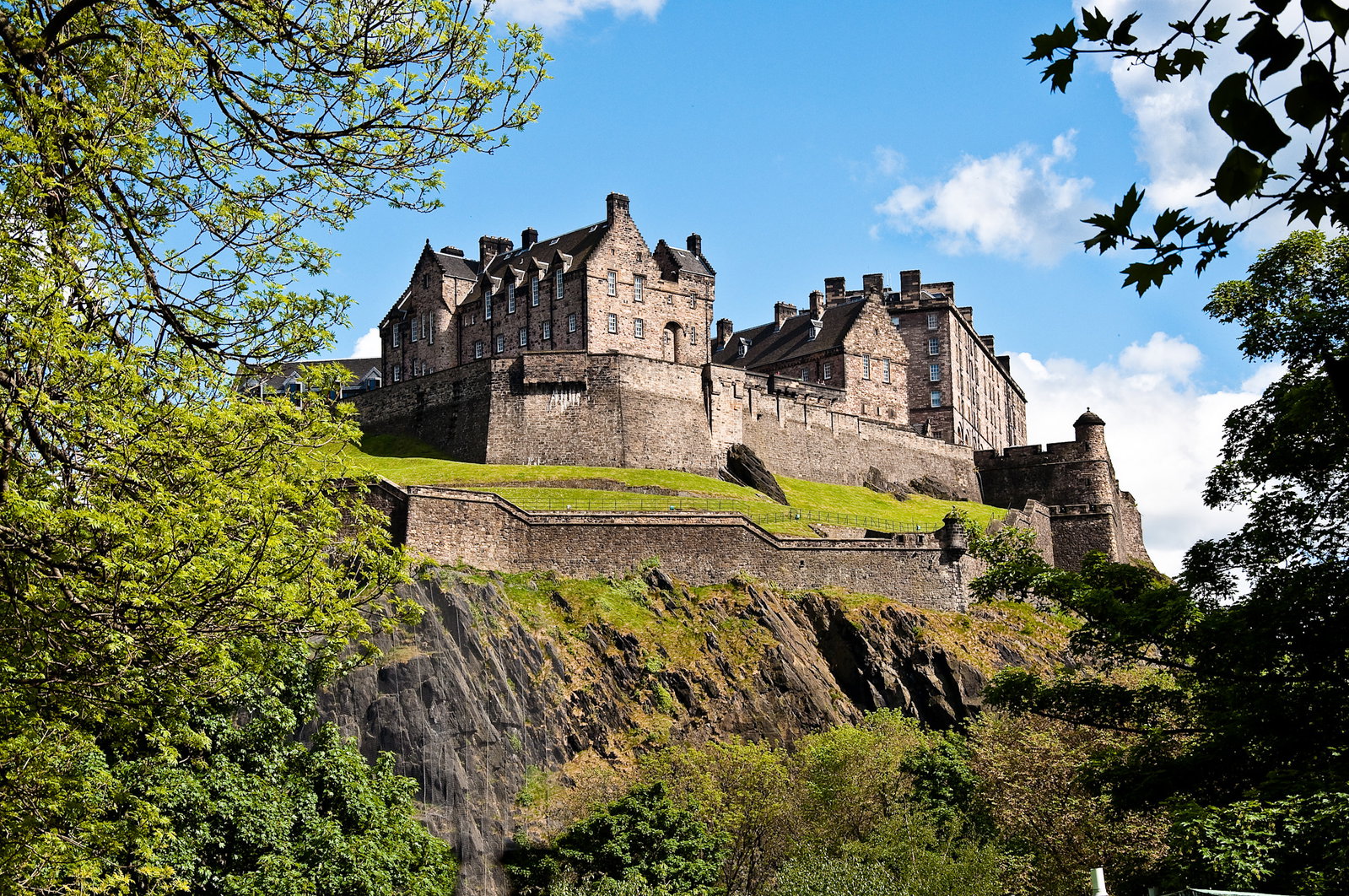
Edinburgh Castle perched on volcanic rock above the Old Town skyline at dusk

Destination guide

Edinburgh

Central Scotland · Scotland, United Kingdom

Ancient castle rock, world-famous festivals, and whisky bars down every close.

Best season

May–June for mild weather and long days; August for the Edinburgh Festival Fringe; December for festive markets

From Nairobi

Approximately 9–11 hours with one stop (via London, Amsterdam, or Dubai)

Why visit Edinburgh

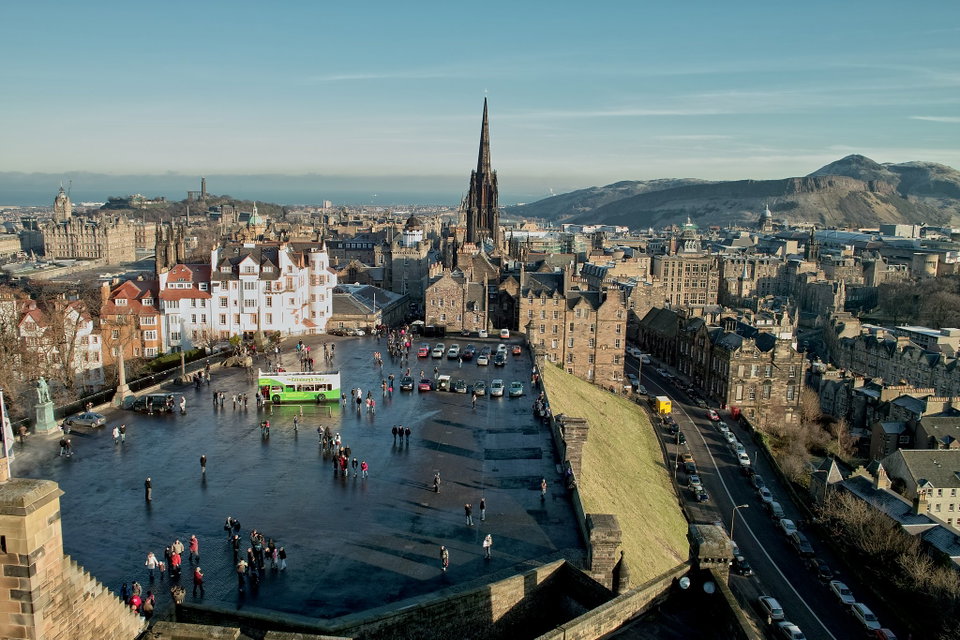
Few European capitals pack so much drama into so little space. The Old Town's medieval 'closes' (narrow alleyways) tumble downhill from Castle Rock to the Palace of Holyroodhouse, while the UNESCO-listed New Town offers Georgian perfection in honey-coloured sandstone. Arthur's Seat — an extinct volcano inside the city — gives you a 360-degree panorama for the price of a one-hour walk.

Edinburgh is equally compelling for what happens inside its buildings: the National Museum of Scotland is one of Britain's finest free museums; the Scotch Whisky Experience on the Royal Mile demystifies the country's greatest export; and a clutch of Michelin-starred restaurants proves Scottish produce — langoustines, venison, hand-dived scallops — punches far above its weight.

The Festival season in August transforms the city into the world's largest arts event, but the shoulder months (May–June and September–October) offer the same world-class attractions without the crowds or the premium hotel rates.

  • Walk the Royal Mile from castle to palace through 900 years of Scottish history
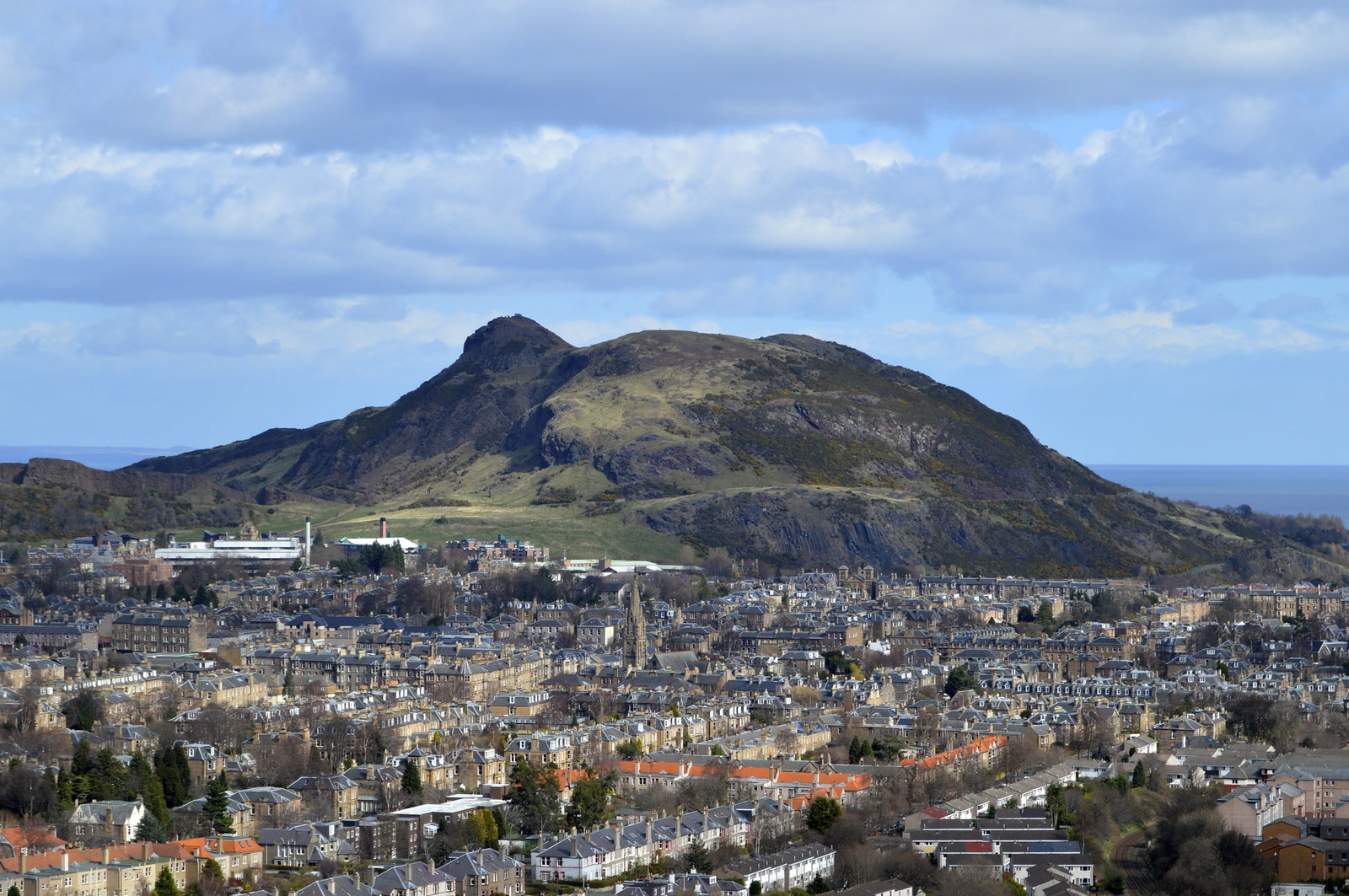
  • Climb Arthur's Seat, an extinct volcano, for a panoramic city and sea view
  • Catch a show — or 50 — at the world's largest arts festival every August
  • Descend into the Real Mary King's Close for a subterranean medieval Edinburgh
  • Explore the National Museum of Scotland for free — one of Britain's best
  • Taste single malts from every Scottish region at the Scotch Whisky Experience

Best for

History lovers, festival-goers, whisky enthusiasts, walkers, and food and culture seekers

Trip style

City break, cultural immersion, hiking

Known for

Edinburgh Castle, the Royal Mile, the Fringe Festival, Scotch whisky, Arthur's Seat, and Robert Louis Stevenson

Quick facts

Best time to visit

May–June for mild weather and long days; August for the Edinburgh Festival Fringe; December for festive markets

Currency

Pound Sterling (GBP)

Languages

English; Scottish Gaelic is recognised but rarely spoken in the city

Visa summary

EU/EEA citizens may need an Electronic Travel Authorisation (ETA) from 2025; US, Canadian, and Australian nationals do not need a visa for stays under 6 months

Flight time from Nairobi

Approximately 9–11 hours with one stop (via London, Amsterdam, or Dubai)

Airport / arrival

Edinburgh Airport (EDI) is 8 miles west of the city centre; the Airlink 100 express bus takes about 30 minutes; trams run to the city centre in around 35 minutes

Safety note

Generally very safe; standard urban precautions apply on the Royal Mile and Grassmarket at busy festival periods

Visa and entry

Look up entry rules by passport for travel to Scotland, United Kingdom on the Tsavaro visa checker.

Check visa requirements for Scotland, United Kingdom

Things to do

Edinburgh CastleHistory & Heritage

Edinburgh Castle

2–3 hours

The city's iconic fortress sits on a volcanic plug 130 metres above sea level. Inside: the Scottish Crown Jewels, the Stone of Destiny, and the National War Museum. The One O'Clock Gun fires every weekday — audible across the city.

Walk the Royal MileWalking & Sightseeing

Walk the Royal Mile

Half day

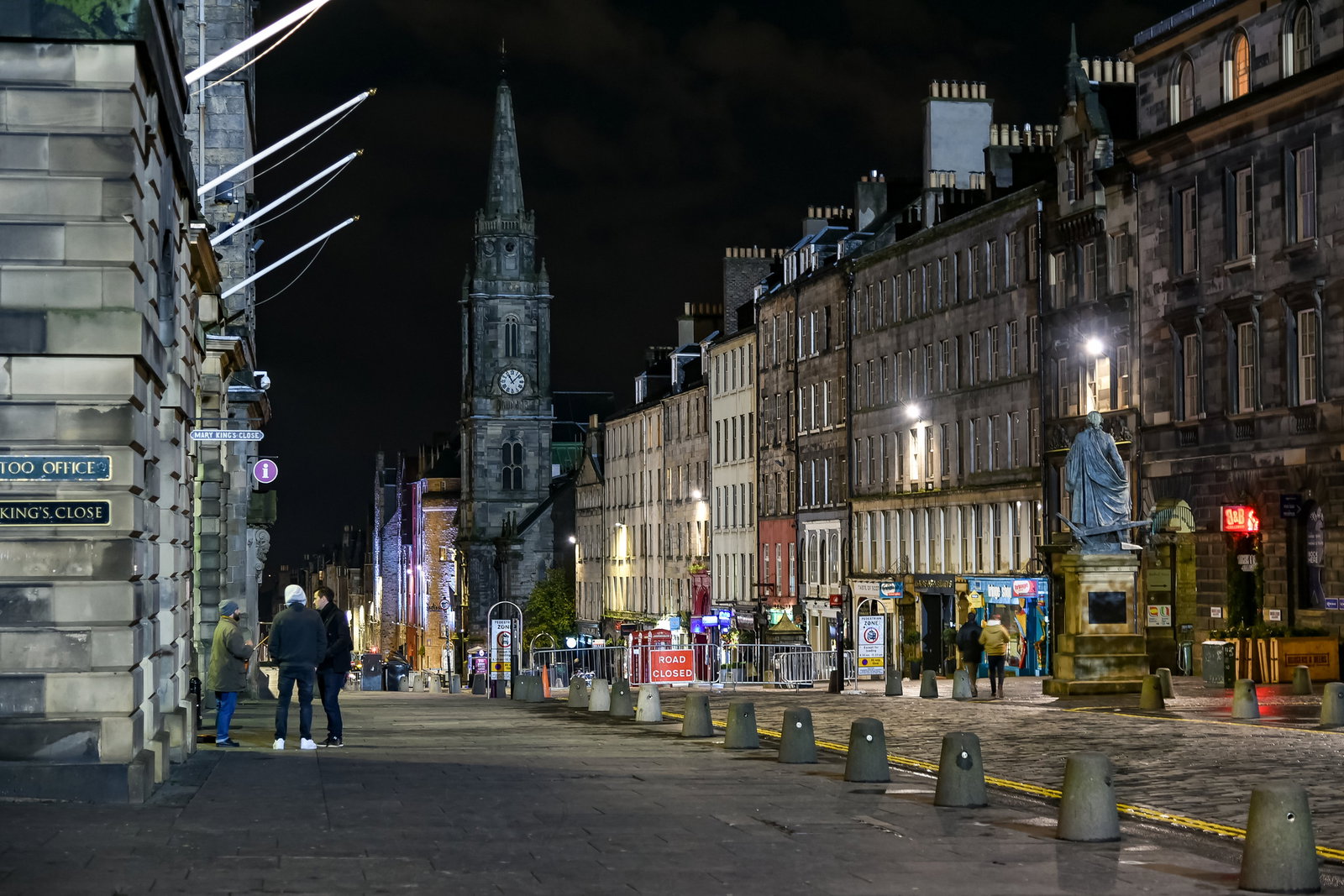
The spine of the Old Town runs from Castle Esplanade down to the Palace of Holyroodhouse. Dozens of closes branch off on both sides — duck into Brodie's Close, Advocates Close, and Dunbar's Close Garden to escape the crowds.

Climb Arthur's SeatNature & Hiking

Climb Arthur's Seat

2–3 hours

The highest of Edinburgh's seven hills (251 m) sits inside Holyrood Park, a five-minute walk from the city centre. The most popular path from Holyrood takes about 45 minutes up and rewards you with sweeping views of the Forth, the Pentlands, and the Old Town.

Palace of HolyroodhouseHistory & Heritage

Palace of Holyroodhouse

2 hours

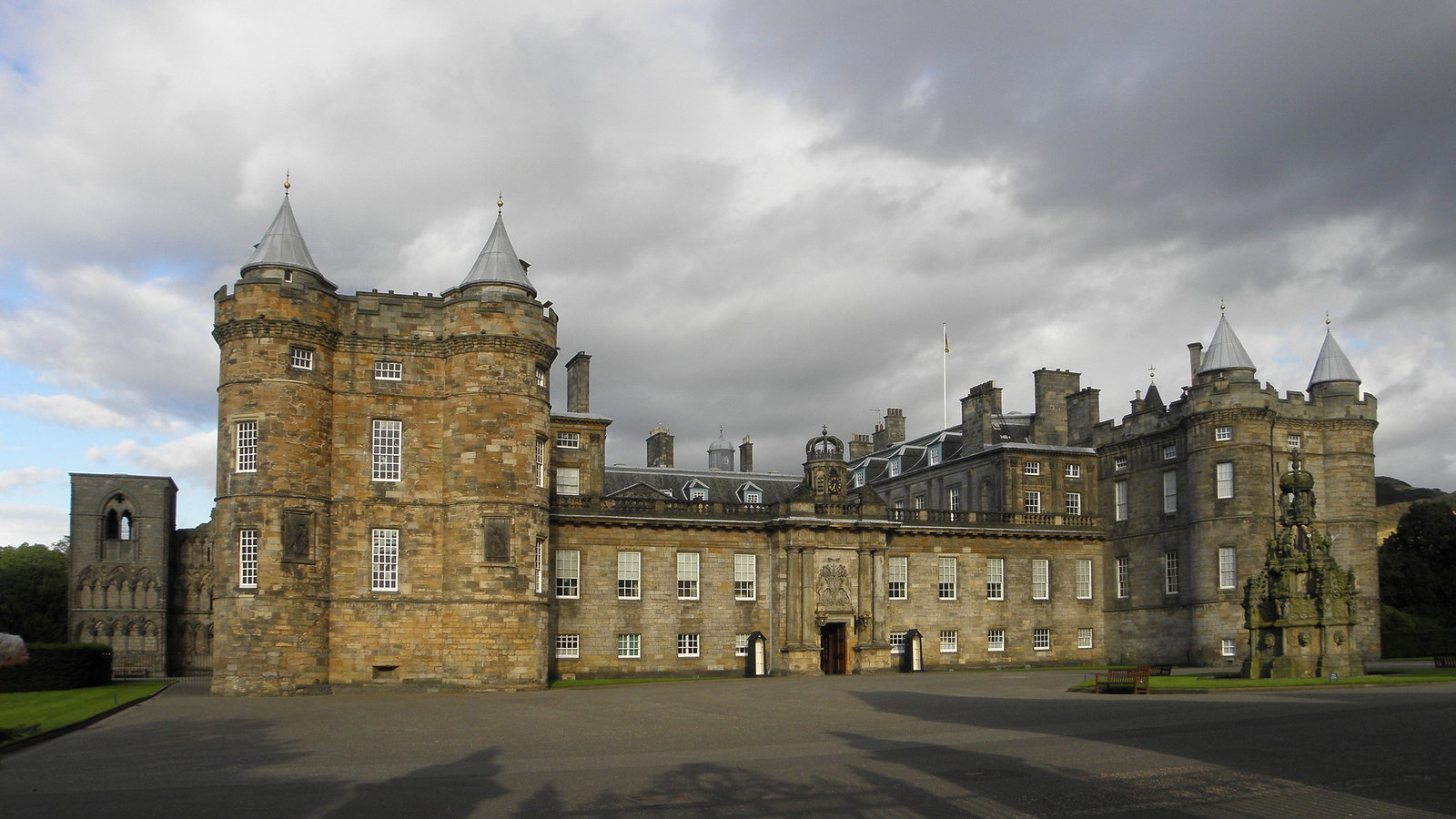
The official Scottish residence of the British monarch at the foot of the Royal Mile. Tour the State Apartments and the ruins of 12th-century Holyrood Abbey. Mary, Queen of Scots, lived here — her rooms are among the most atmospheric in Scotland.

National Museum of ScotlandMuseums & Culture

National Museum of Scotland

Half day

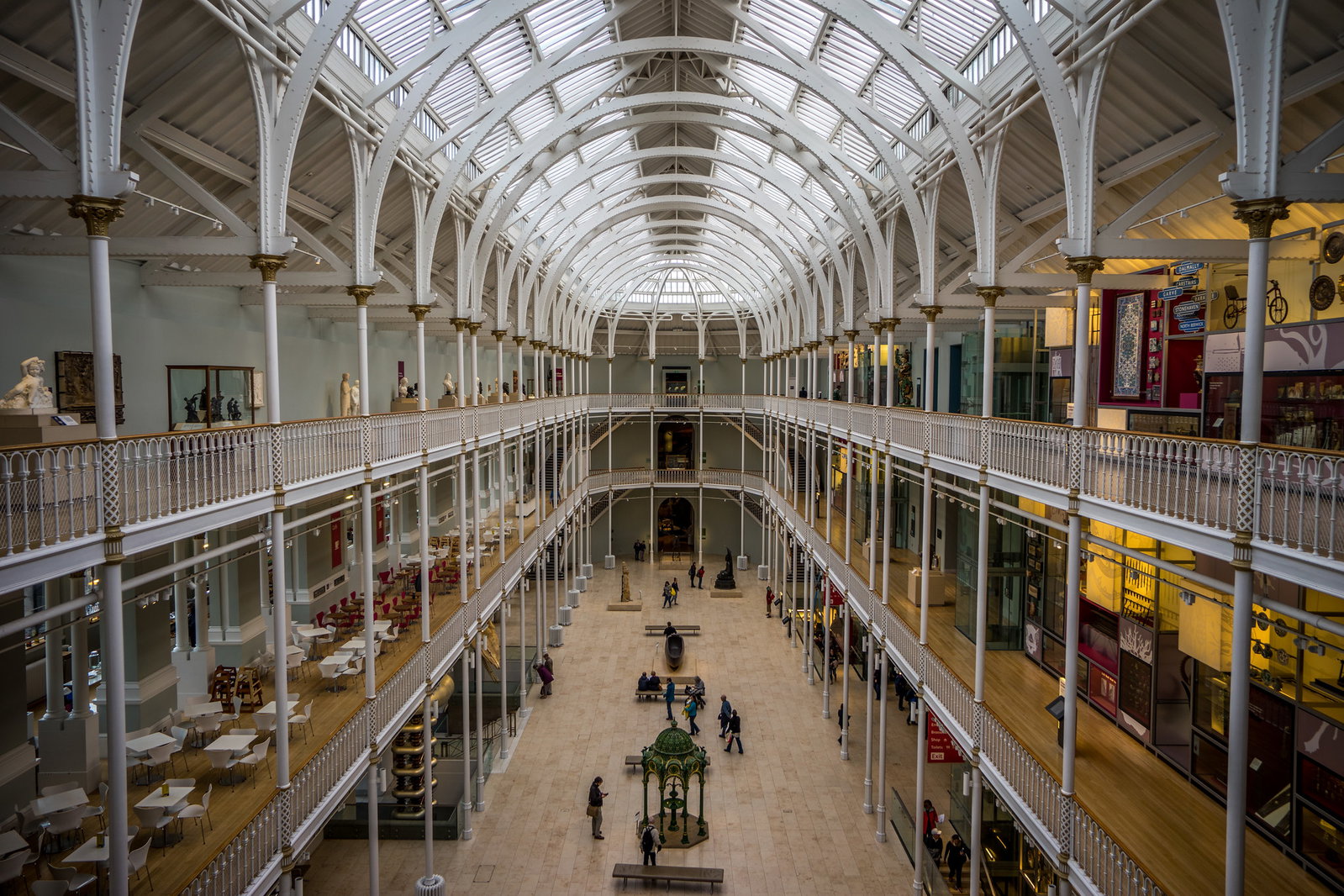
Free entry, world-class collections. The main building spans Scottish history from the Ice Age to the present; the connecting Royal Museum covers natural history, science, and global cultures. Dolly the sheep is here. Plan at least half a day.

Edinburgh Festival FringeEvents & Festivals

Edinburgh Festival Fringe

3 weeks (August)

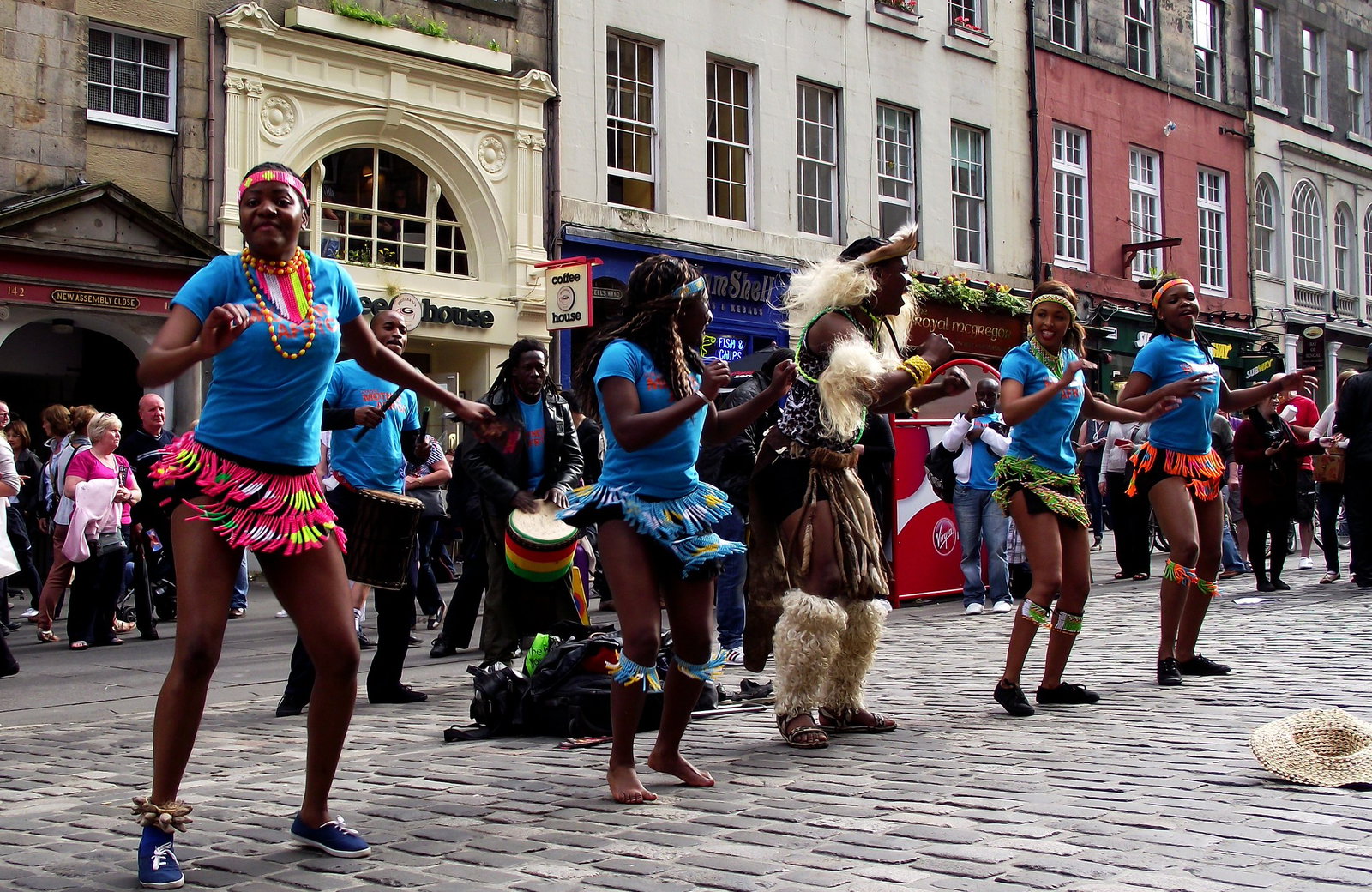
Every August the city hosts the world's largest arts festival — over 3,000 shows across 300 venues in three weeks. Comedy, theatre, dance, and spoken word dominate, with free street performances on the Royal Mile all day long.

Best time to visit Edinburgh

The best time to visit Edinburgh is May to June, when days are long (light until 10 pm), temperatures reach a pleasant 17–19°C, and the city has not yet hit peak-season prices. Gardens are in full bloom and the festival calendar is warming up with the Edinburgh International Science Festival and Beltane Fire Festival.

August is the most famous month — the Festival Fringe, Edinburgh International Festival, Royal Edinburgh Military Tattoo, and Book Festival all run simultaneously, making it the most exhilarating (and expensive, and crowded) time to visit. Book accommodation six months ahead and expect peak prices.

September and October offer a sweet spot: the festival buzz fades, prices drop, autumn colour arrives in the parks and on Arthur's Seat, and the city returns to the locals. Temperatures are mild (12–15°C) and rainfall is moderate.

November to February is Edinburgh's coldest and darkest stretch. Hogmanay (31 December–1 January) is a world-renowned street party and worth the cold; the Christmas market on Princes Street runs through December. Outside the festive period, January and February see the fewest tourists and the lowest hotel rates.

March and April are unpredictable — snow is possible, but so are bright, clear days. A solid mid-season choice if you're flexible and budget-conscious.
Is Edinburgh safe to visit?

Yes — Edinburgh is one of the safest capital cities in Europe and consistently ranks among the UK's safest urban areas. Violent crime directed at tourists is extremely rare, and the city centre is well-lit, well-policed, and easy to navigate on foot.

Practical tips for a trouble-free visit:

Pickpockets do operate on the Royal Mile and in busy Fringe venues during August — keep bags zipped and valuables out of back pockets in crowds.

The Grassmarket and Cowgate late-night bar strips can be rowdy on weekends; this is rarely threatening but worth knowing if you prefer quiet evenings.

Arthur's Seat is safe to climb but the paths become slippery in wet weather — wear proper footwear and avoid the summit in icy conditions.

Edinburgh's closes (alleyways) are atmospheric but poorly lit at night; stick to the main closes you know and trust your instincts.

Emergency services are reliable — dial 999 for police, ambulance, or fire. The city has several NHS walk-in centres and the Royal Infirmary handles emergencies.

Suggested itinerary

Edinburgh in 4 Days

A four-day itinerary based in the city centre, mixing landmark sightseeing with neighbourhood walks and evening whisky or food experiences. Pace is moderate — two major sights per day — leaving room for spontaneous close-exploring. Suits first-time visitors and couples; adaptable for families.

Day 1

Castle Rock & the Old Town

Start early at Edinburgh Castle before the crowds arrive — the Scottish Crown Jewels and the view from the battlements justify the ticket price alone. Walk downhill along the Royal Mile, ducking into Brodie's Close and Advocate's Close, then stop for lunch at a cafe on Cockburn Street. Afternoon: descend into the Real Mary King's Close for a pre-booked underground tour. Evening: a dram (or several) at The Jolly Judge, a candlelit cellar bar in a 17th-century close.

Edinburgh — Castle Rock & the Old Town

Travel essentials

Getting around

Edinburgh's compact centre is best explored on foot — the Old Town, New Town, and most major attractions are within a 20-minute walk of each other. Lothian Buses run a comprehensive network across the city (flat fare ~£2); buy a day ticket for unlimited travel. Trams link the Airport, city centre, and Newhaven. Taxis and Uber are plentiful. Hire bikes are available through the Just Eat Cycles scheme.

Typical costs

Budget: £60–90/day (hostel dorm, supermarket meals, free museums). Mid-range: £150–250/day (3-star hotel, sit-down meals, one paid attraction). Upmarket: £350+/day (boutique or 5-star hotel, Michelin-level dining). Pints of beer: £4–6; a single dram of Scotch: £4–15; Royal Mile café lunch: £10–15.

Culture and etiquette

Scots are famously friendly and direct — don't be surprised if strangers strike up conversation. Tipping 10–15% in restaurants is customary but not obligatory; round up taxi fares. Queuing is taken seriously. Avoid calling Scottish people 'English' — it's a cultural sore point. Sunday trading hours are shorter for larger shops.

Safety and planning

Pack a waterproof jacket regardless of season — Edinburgh averages rain on 150 days per year. Travel insurance covering medical expenses is strongly recommended for non-UK visitors (note the NHS charges overseas visitors for non-emergency treatment post-Brexit). Keep a note of your accommodation address; closes and wynds can confuse navigation apps.

Connectivity

Free Wi-Fi is widely available in cafes, hotels, and the Edinburgh International Airport. The city centre has good 4G/5G coverage on all UK networks. Visitors from outside the UK should check roaming charges — an unlocked SIM from Tesco Mobile or Three is the cheapest option for longer stays.

Payments

Cards (Visa, Mastercard, contactless) are accepted almost everywhere, including market stalls and small cafes. Cash is rarely essential but useful in some traditional pubs. ATMs are plentiful on Princes Street and the Royal Mile. Dynamic Currency Conversion at ATMs should always be declined — choose to pay in GBP.

Edinburgh travel FAQs

More destinations to explore

Edinburgh, Scotland, United Kingdom