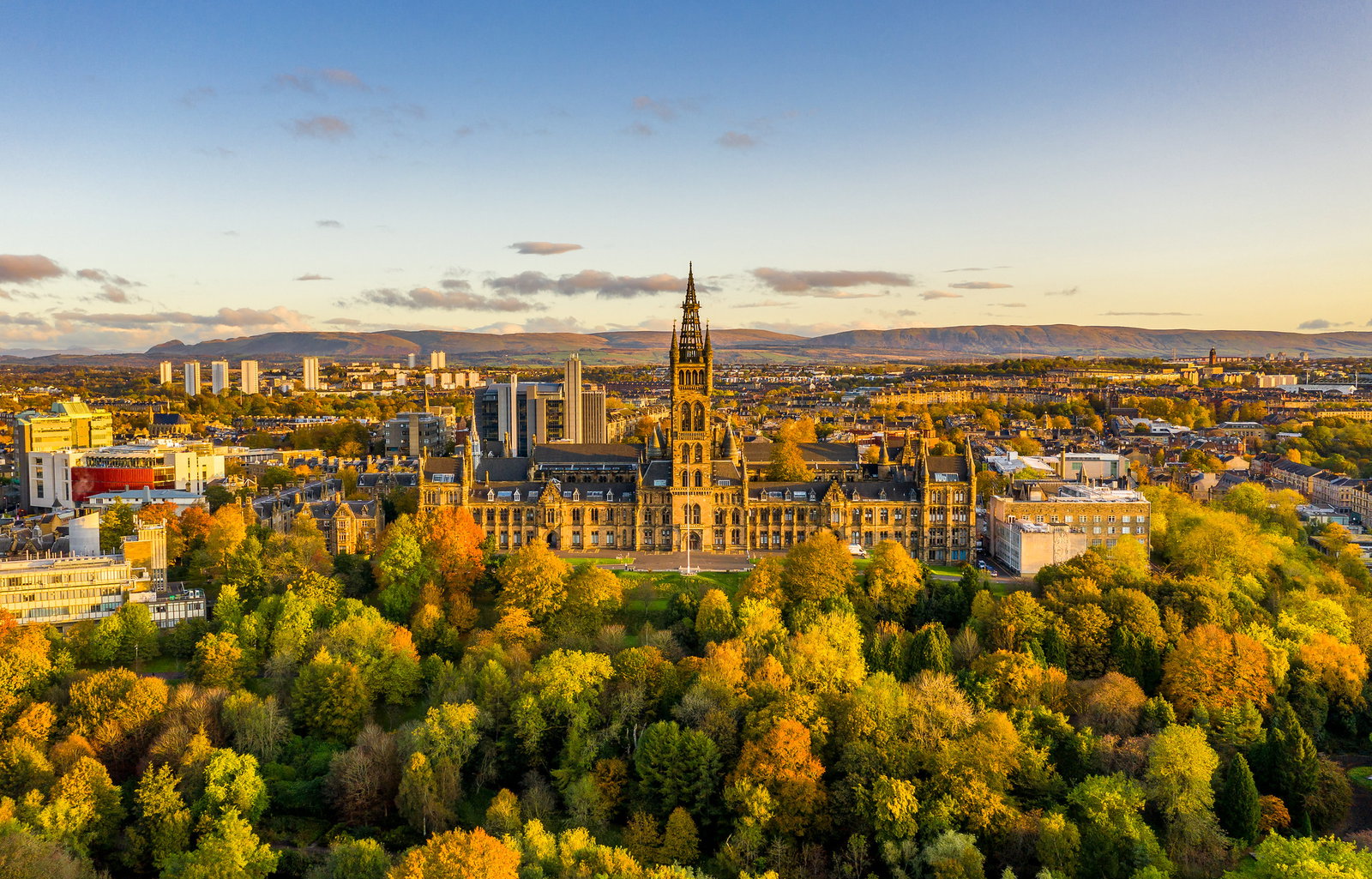
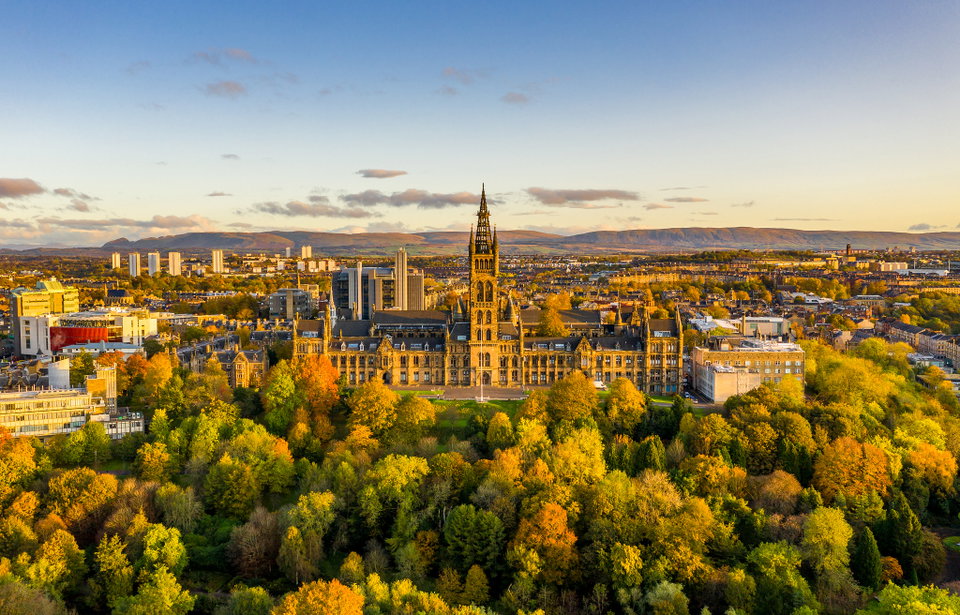
Glasgow city skyline at dusk with the River Clyde in the foreground

Destination guide

Glasgow

Central Scotland · Scotland

Scotland's biggest city — gritty, warm, and packed with world-class art, music, and food

Best season

May to September for the best weather; late July for the Glasgow Jazz Festival and August for the Fringe overflow crowd from Edinburgh

From Nairobi

Approx. 9–11 hrs (usually via London, Amsterdam, or Dubai; no direct service)

Why visit Glasgow?

Glasgow defies easy categorisation. It is a UNESCO City of Music — one of only a handful worldwide — with more live music venues per capita than almost any city in Europe. Its museums, including the Kelvingrove Art Gallery and Museum and the Burrell Collection, are entirely free and internationally significant. The architecture is extraordinary: Charles Rennie Mackintosh's fingerprints are everywhere, from the Glasgow School of Art to the Willow Tea Rooms.

The food scene has undergone a quiet revolution. Michelin-starred restaurants sit alongside beloved curry houses on Sauchiehall Street and independent coffee shops in Finnieston, the neighbourhood that best captures Glasgow's modern energy. The city also offers easy access to the Scottish Highlands, Loch Lomond, and the Isle of Arran — making it a perfect base for wider Scottish exploration.

  • Free world-class museums including Kelvingrove and the Burrell Collection
  • More live music venues per capita than almost anywhere in Europe
  • Charles Rennie Mackintosh's art nouveau masterpieces at every turn
  • A food scene stretching from Michelin stars to legendary fish suppers
  • Gateway to Loch Lomond, the Trossachs, and the Isle of Arran in under an hour
  • Legendary locals — Glasgow's warmth and humour are genuinely world-famous

Best for

City breaks, music lovers, art and architecture enthusiasts, foodies, budget travellers, and those using Glasgow as a gateway to the Highlands

Trip style

Urban cultural, music & nightlife, food & drink, weekend break, heritage

Known for

Charles Rennie Mackintosh architecture, world-class free museums, legendary live music scene, River Clyde waterfront, dry Glaswegian wit

Quick facts

Best time to visit

May to September for the best weather; late July for the Glasgow Jazz Festival and August for the Fringe overflow crowd from Edinburgh

Currency

British Pound Sterling (GBP, £)

Languages

English (Scottish English / Scots dialect widely spoken)

Visa summary

UK visa rules apply. EU/EEA citizens need a valid passport or national ID. Citizens of many countries (US, Canada, Australia) can visit visa-free for up to 6 months.

Flight time from Nairobi

Approx. 9–11 hrs (usually via London, Amsterdam, or Dubai; no direct service)

Airport / arrival

Glasgow Airport (GLA) is 8 miles west of the city centre; Glasgow Prestwick Airport (PIK) serves budget carriers. Direct rail from London Euston takes approx. 4.5 hrs.

Safety note

Generally safe for tourists. The city centre, West End, and Merchant City are well-patrolled. Exercise normal city precautions at night, particularly around busy nightlife areas.

Visa and entry

Look up entry rules by passport for travel to Scotland on the Tsavaro visa checker.

Check visa requirements for Scotland

Things to do

Kelvingrove Art Gallery and MuseumMuseum

Kelvingrove Art Gallery and Museum

2–3 hours

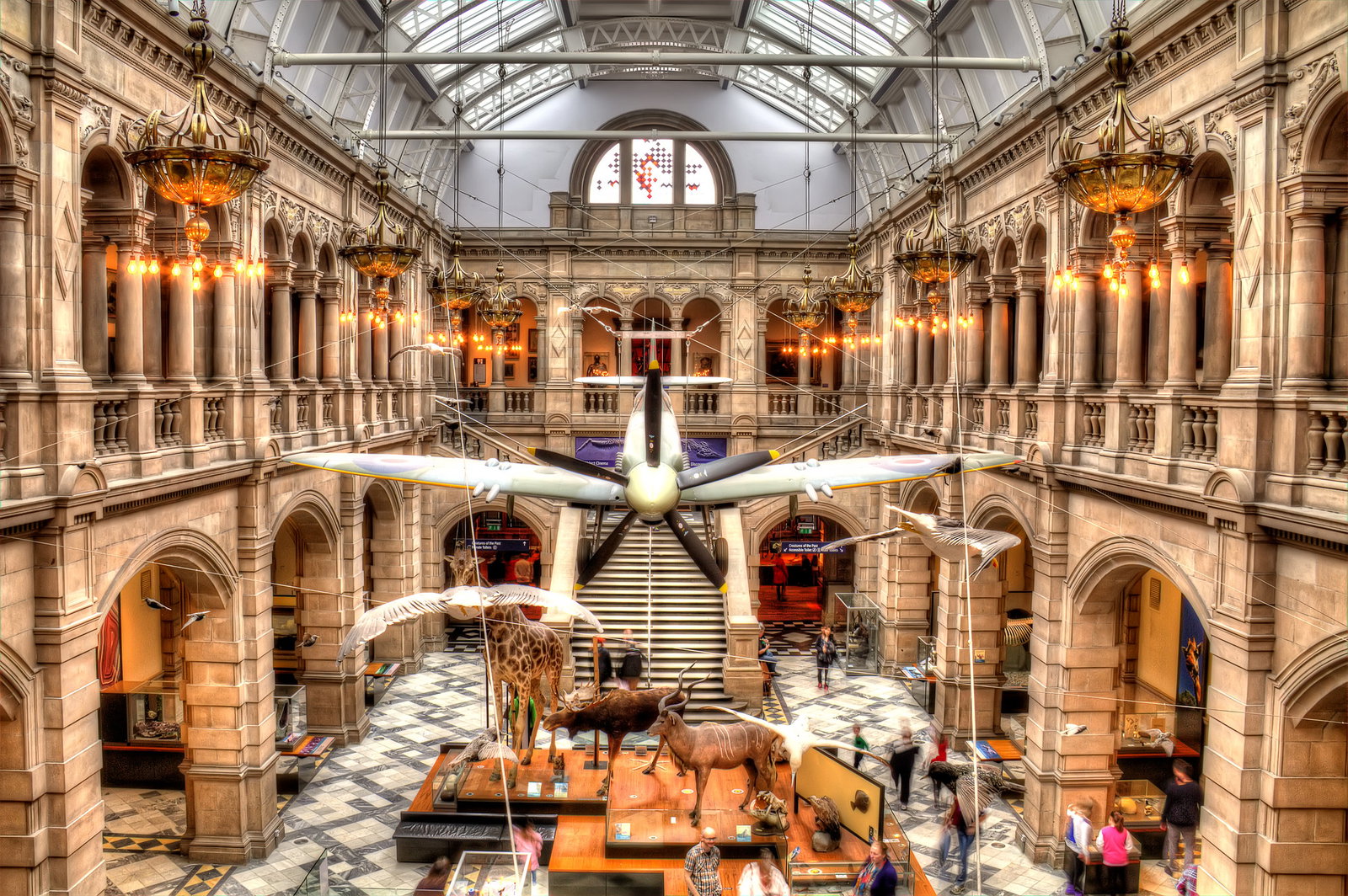
One of Scotland's most visited attractions and entirely free. The red-sandstone Victorian palace houses Dalí's Christ of Saint John of the Cross, a Spitfire hanging from the rafters, Egyptian mummies, and natural history collections — all under one astonishing roof in the leafy West End.

The Burrell CollectionMuseum

The Burrell Collection

2–3 hours

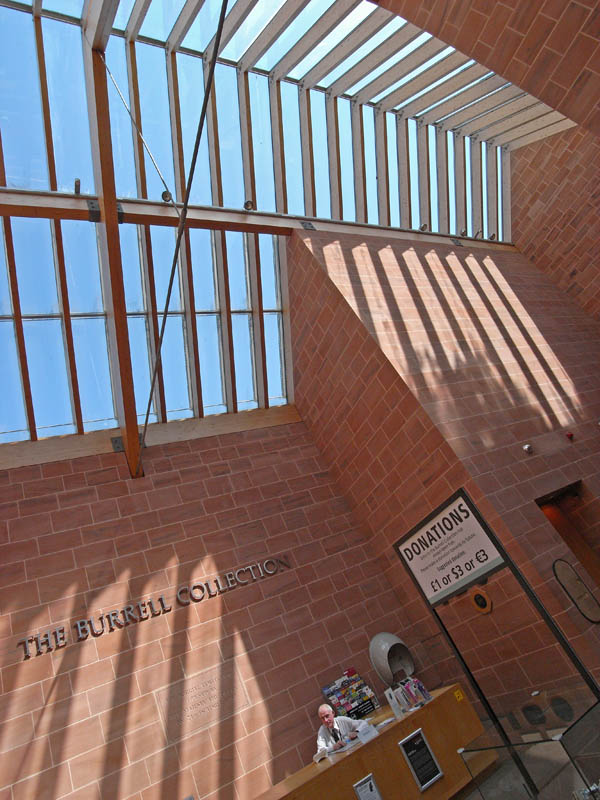
Shipping magnate Sir William Burrell's extraordinary gift to Glasgow: 9,000 objects spanning medieval tapestries, Chinese bronzes, Impressionist paintings, and ancient Greek sculpture, housed in a purpose-built gallery in Pollok Country Park. Admission is free.

Glasgow School of Art — Mackintosh TourArchitecture & Heritage

Glasgow School of Art — Mackintosh Tour

1–2 hours

Charles Rennie Mackintosh's 1909 masterpiece is the jewel of the city's art nouveau heritage. Guided tours of the exterior and surrounds explore his genius after fire damage limited interior access. The nearby Mackintosh at the Willow tea room is fully open for afternoon tea.

Live music at King Tut's Wah Wah HutMusic & Nightlife

Live music at King Tut's Wah Wah Hut

Evening

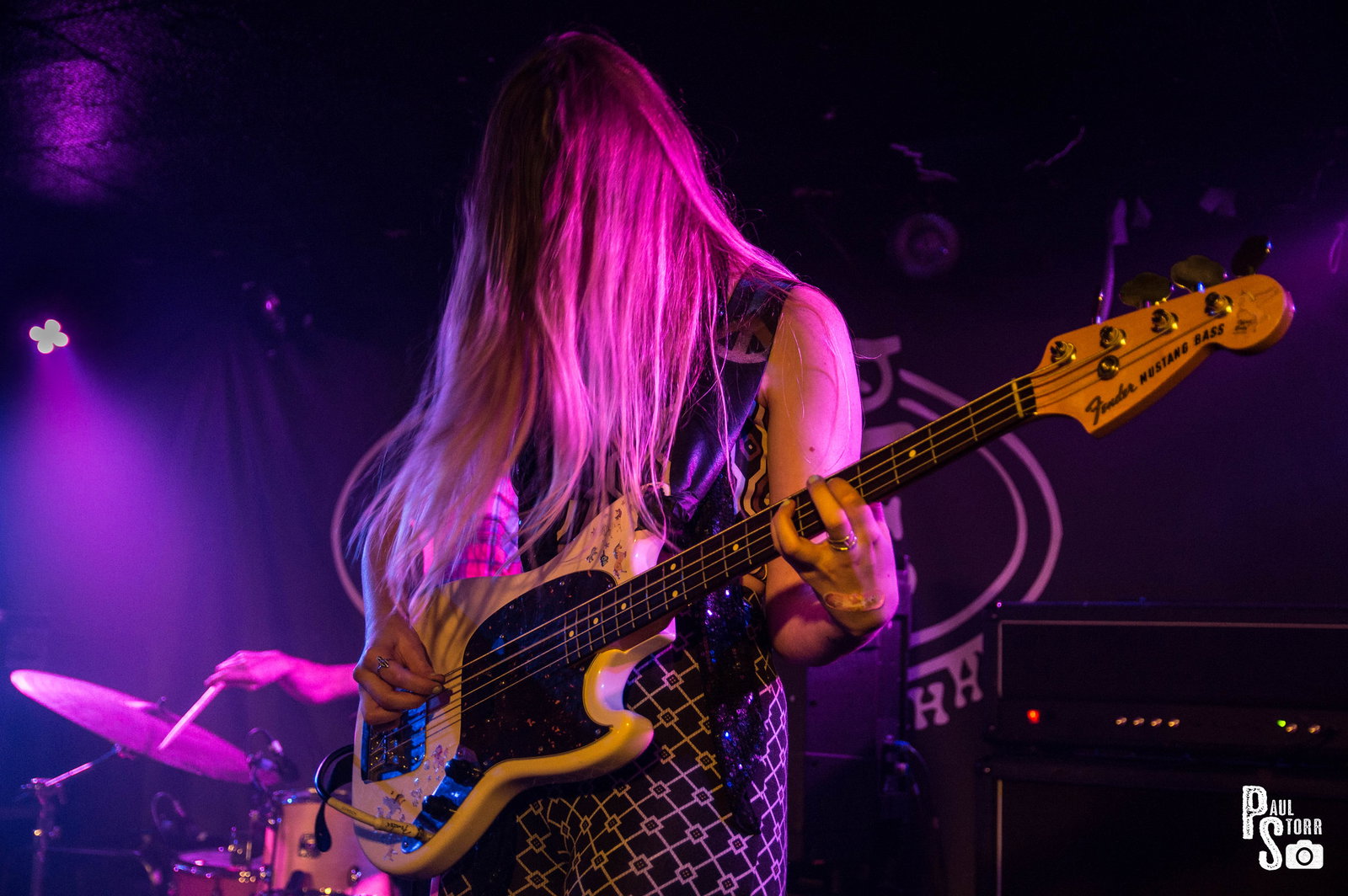
The legendary venue on St Vincent Street has launched more careers than most record labels — Oasis famously played a showcase here in 1993. Any night of the week you can catch a breakthrough band or established act in an intimate 300-capacity room.

Finnieston and the Clyde waterfrontNeighbourhood & Waterfront

Finnieston and the Clyde waterfront

Half day

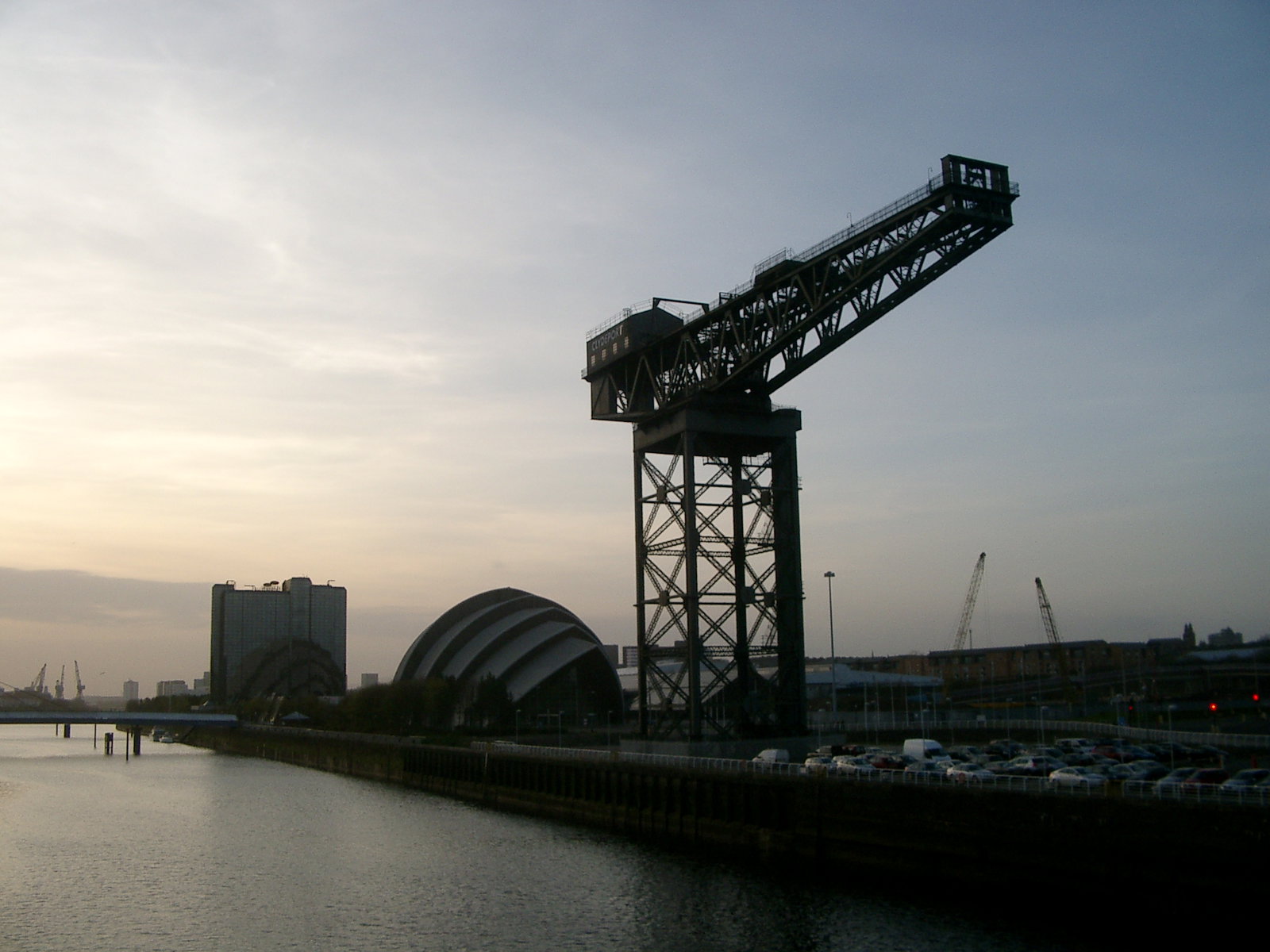
Walk west along the revitalised Clyde from the Armadillo (SEC Armadillo) past the Riverside Museum — Zaha Hadid's titanium-clad transport museum — to the historic Tall Ship moored outside. Finnieston's Argyle Street strip is the place for brunch, natural wine, and the best flat whites in Glasgow.

Day trip to Loch LomondDay Trip & Nature

Day trip to Loch Lomond

Full day

The southern gateway to the Scottish Highlands is just 40 minutes by train from Glasgow Queen Street. Balloch is the main hub, but take the West Highland Line to Arrochar for dramatic scenery, or hire a kayak from Luss on the western shore.

Best time to visit Glasgow

The best time to visit Glasgow is May through September, when days are long, temperatures are pleasant (14–20°C), and the city's outdoor events calendar is at its busiest.

May and June offer the longest daylight hours — with light until 10 pm at midsummer — and are shoulder season enough to avoid peak crowds and pricing. July is festival month: the Glasgow Jazz Festival, West End Festival, and Merchant City Festival all cluster around this period, filling the city with free street events.

August sees an overflow of visitors from the Edinburgh Festival Fringe (just 50 minutes by train), so book accommodation early. September is arguably the sweet spot: summer warmth lingers, crowds thin, and the autumn foliage begins on the surrounding hills.

October to April is mild by northern standards (rarely below freezing in the city) but genuinely wet and grey. That said, Christmas and Hogmanay bring a festive energy, and hotels are cheaper. Winter is ideal for museum-heavy itineraries and catching big indoor concerts at the OVO Hydro arena.
Is Glasgow safe to visit?

Yes — Glasgow is generally safe for tourists and has transformed dramatically since its rougher reputation of the 1980s and 1990s. The areas visitors frequent most — the city centre, West End, Merchant City, and Finnieston — are well-lit, well-policed, and busy at most hours.

Practical tips: keep an eye on bags in crowded areas such as Buchanan Street and Sauchiehall Street, as pickpocketing does occur. Avoid poorly lit streets around the Trongate late at night. The East End is less tourist-frequented but not dangerous — apply standard big-city awareness. Glaswegians are famously hospitable and will typically go out of their way to help a visitor who looks lost.

Transport is safe: the Subway (affectionately called the Clockwork Orange), buses, and black taxis are reliable. If arriving late by train, black cabs at Glasgow Central or Queen Street stations are metered and trustworthy. Emergency number in the UK: 999 (police, fire, ambulance).

Suggested itinerary

3 Days in Glasgow: Art, Music, and the Clyde

This plan assumes a mid-pace city break based in the West End or Merchant City, with comfortable mid-range accommodation. It mixes world-class free culture with neighbourhood exploration and one half-day escape to the countryside. Suit: couples, solo travellers, and culture-focused groups.

Day 1

West End, Kelvingrove, and a proper Glasgow pub

Start with a flat white on Byres Road before walking down to Kelvingrove Art Gallery for a leisurely two-hour visit — go at opening time to beat school groups. Pick up lunch at one of the independent delis in Finnieston, then walk the Clyde waterfront to the Riverside Museum and the Tall Ship. In the evening, head back to the West End for dinner on Great Western Road and a pint at the Ubiquitous Chip or Ben Nevis pub.

Glasgow — West End, Kelvingrove, and a proper Glasgow pub

Travel essentials

Getting around

Glasgow's city centre and West End are walkable. The Subway (the world's third-oldest underground railway) loops around 15 stations and is the fastest way between the West End and city centre. Buses are extensive and cheap — a day ticket costs around £4.50. Taxis and rideshares (Uber operates here) are plentiful. Cycling is viable on the Clyde Corridor and through Pollok Park.

Typical costs

Budget: £60–90/day (hostel, self-catering or cheap eats, free museums). Mid-range: £120–180/day (3-star hotel, restaurant lunches and dinners, occasional paid attraction). Upscale: £250+/day (boutique hotel, Michelin-starred dining, private tours). A pint of beer averages £5–6; a two-course restaurant dinner with wine around £40–55 per person.

Culture and etiquette

Glaswegians are direct and quick with self-deprecating humour — don't mistake bluntness for rudeness. Tipping in restaurants is appreciated (10–12.5% is standard) but not compulsory. Queuing is taken seriously. Avoid comparing Glasgow to Edinburgh in earshot of a local unless you enjoy a spirited debate.

Safety and planning

Carry the NHS 24 helpline number (111) for non-emergency medical queries. Travel insurance covering medical costs is strongly recommended for non-UK visitors. The Clyde river embankments have barriers, but use care near the water at night. Check weather forecasts before day trips to the Highlands — conditions can change rapidly.

Connectivity

4G/5G coverage is excellent throughout the city. Free Wi-Fi is available in most cafes, hotels, shopping centres (Buchanan Galleries, Silverburn), and on the Subway. A UK SIM from EE, O2, or Vodafone is cheap (from £10) for longer stays.

Payments

The UK is largely card-first. Contactless and Apple/Google Pay are accepted almost everywhere, including taxis and market stalls. Some traditional pubs and small independent traders are cash-only — carry £20–30 as backup. ATMs are plentiful across the city centre.

Glasgow travel FAQs

More destinations to explore