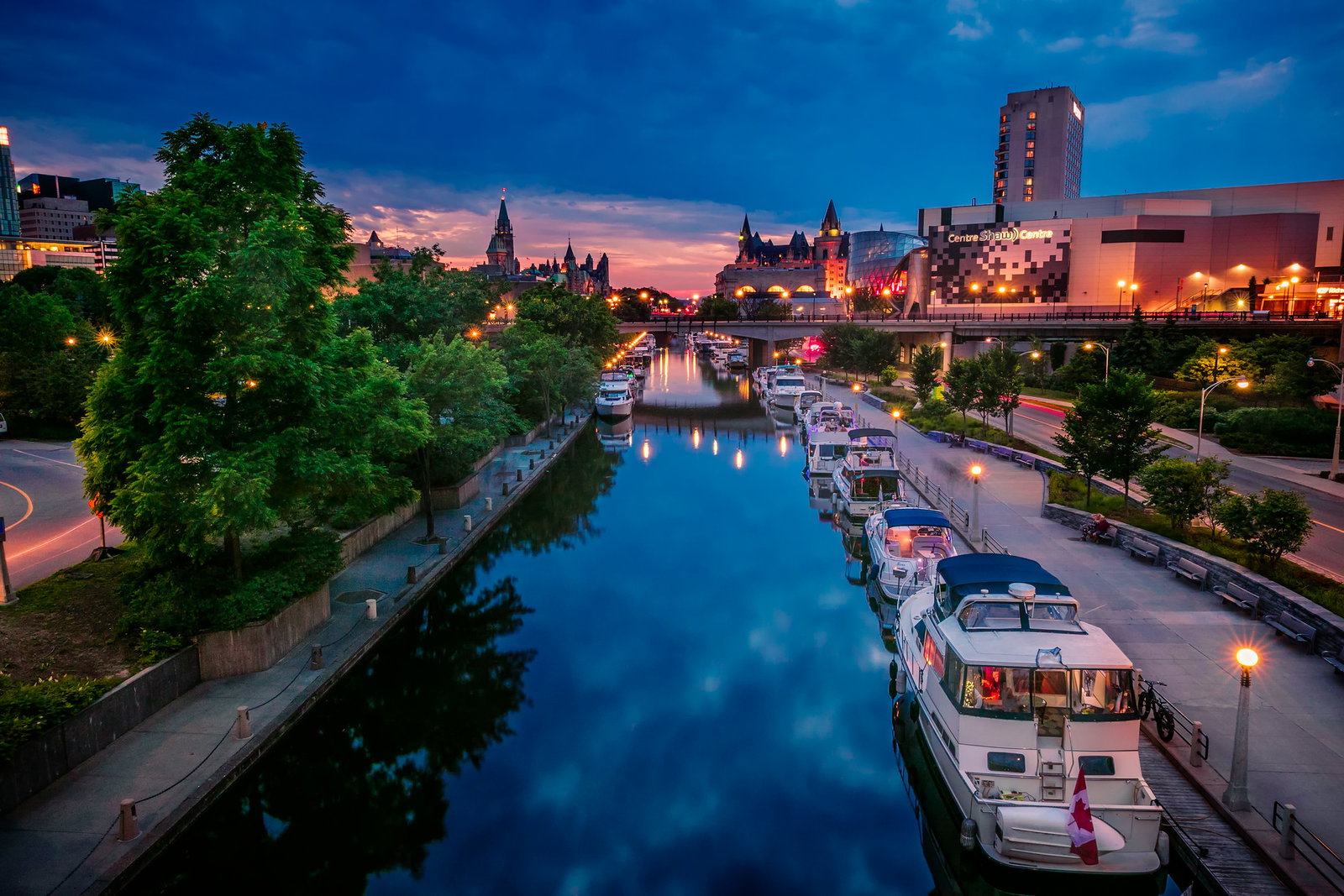
The Canadian Parliament Buildings lit up at dusk overlooking the Ottawa River

Destination guide

Ottawa

Ontario, Eastern Canada · Canada

Canada's capital — museums, festivals, and four vivid seasons on the banks of the Ottawa River

Best season

May–June for the Tulip Festival and mild weather; January–February for Winterlude and canal skating

From Nairobi

Approximately 16–18 hours with one connection (typically via London, Amsterdam, or Doha)

Why visit Ottawa

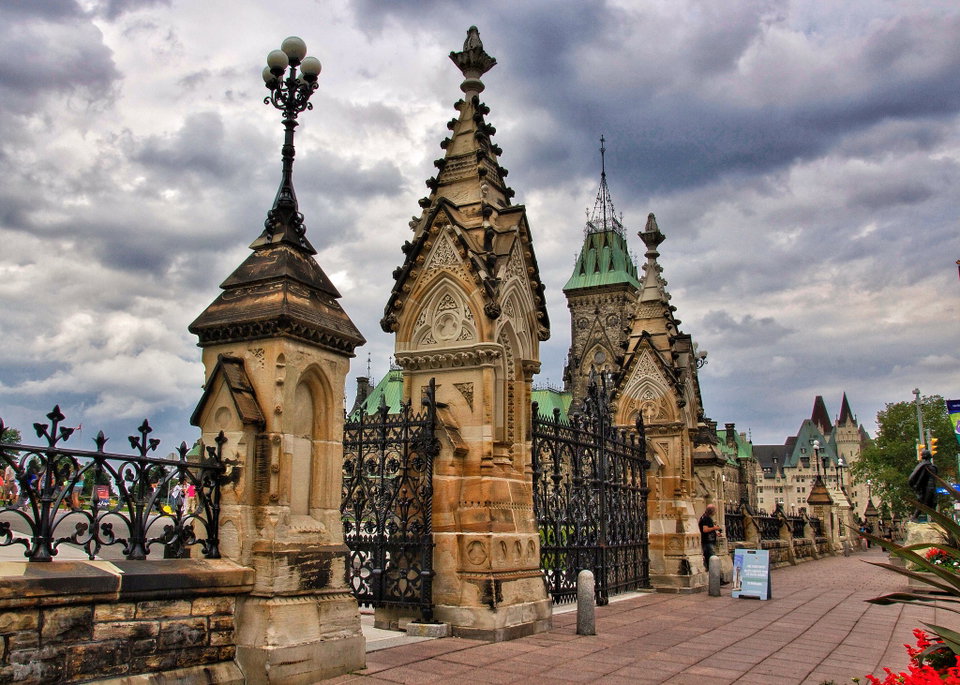
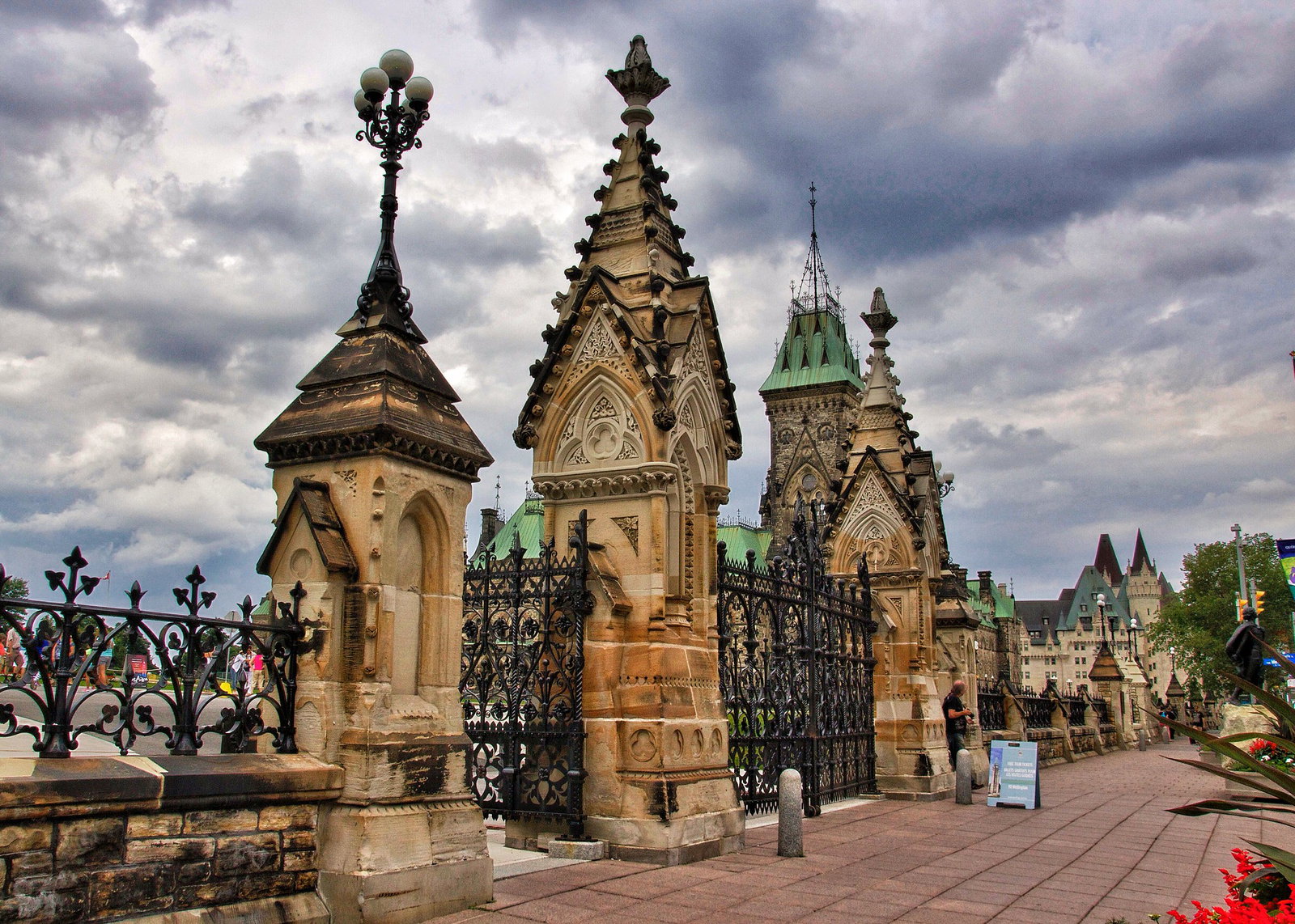
Ottawa is the kind of capital that gives rather than takes: nearly all of its flagship national museums — from the Canadian Museum of History across the river in Gatineau to the National Gallery, the Museum of Nature, and the Canadian War Museum — are either free or inexpensive, funded as a public good. The cityscape itself is a spectacle, with the Gothic-revival Parliament Buildings perched above the river and the Château Laurier hotel creating one of the most photogenic skylines in North America.

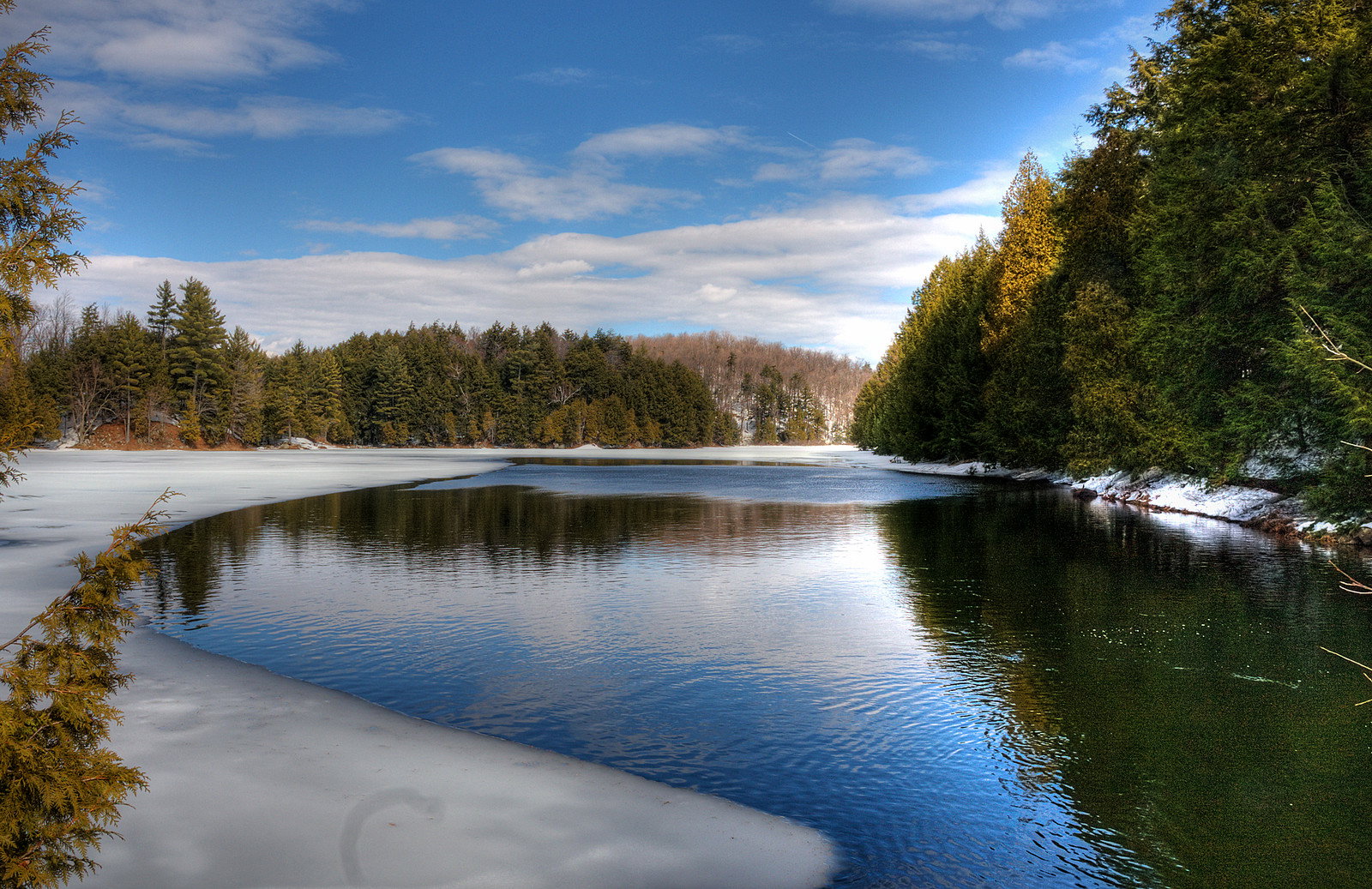
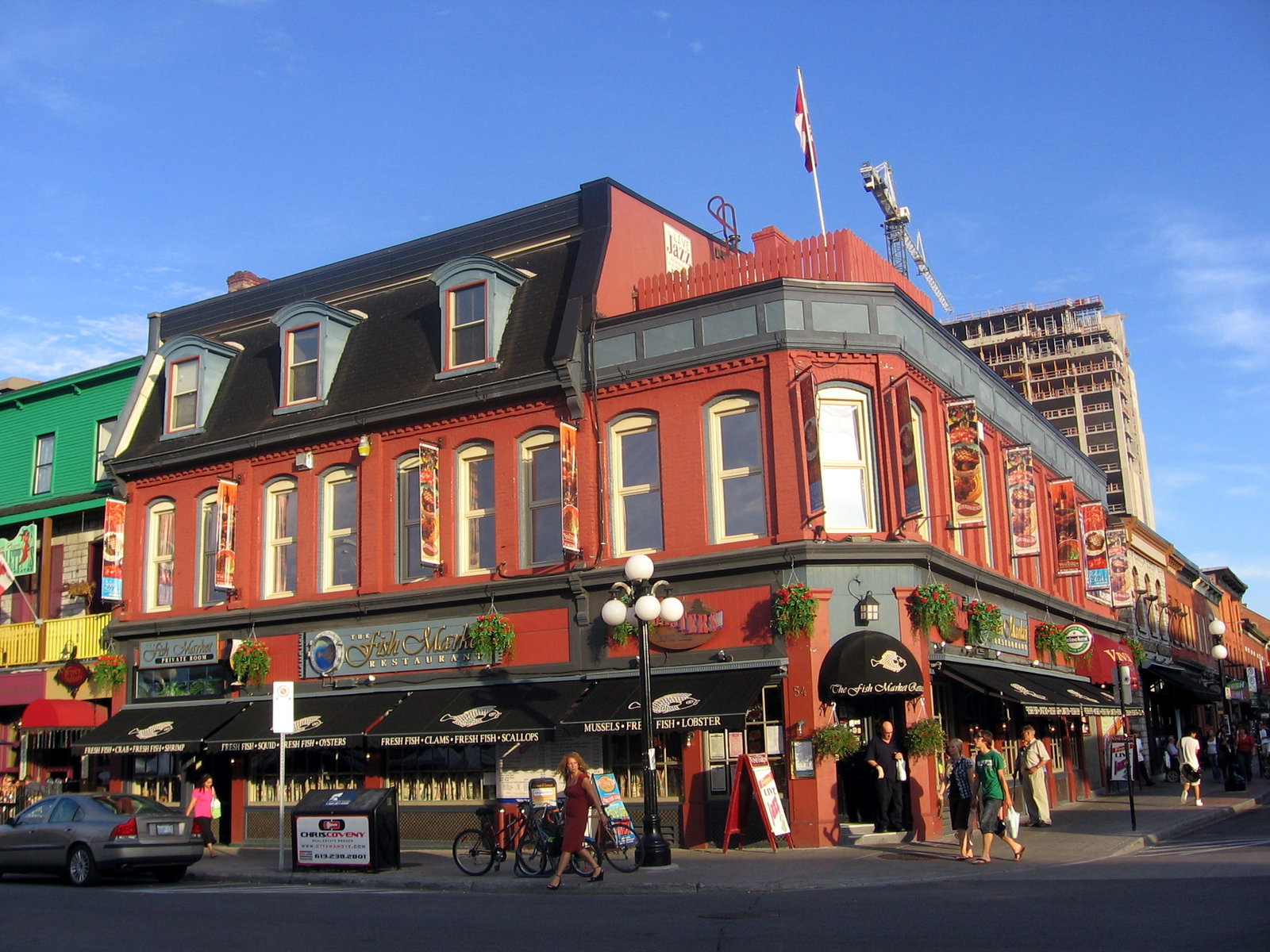
Beyond the monuments, Ottawa has genuine neighbourhood character. The ByWard Market neighbourhood is one of the oldest public markets in Canada, buzzing with artisan vendors, indie restaurants, and bars from breakfast to last call. Westboro and Hintonburg have evolved into hubs of independent coffee, local design, and some of the country's best cycling infrastructure. Gatineau Park — only 15 minutes from Parliament Hill — offers 361 square kilometres of Precambrian Shield wilderness, swimming lakes, and hundreds of kilometres of trails.

The city also hosts some of Canada's marquee annual events: the Canadian Tulip Festival (May), Canada Day celebrations on Parliament Hill (July 1st, the best in the country), and Winterlude, which transforms the frozen Rideau Canal into a two-week outdoor carnival every February.

  • Skate the Rideau Canal — the world's largest naturally refrigerated skating rink, stretching 7.8 km through the city
  • Explore world-class national museums, most of them free or nearly free, within easy walking distance of each other
  • Watch the Changing of the Guard on Parliament Hill every morning from late June to late August
  • Hike, swim, and cycle in Gatineau Park, 36,000 hectares of wilderness just 15 minutes from downtown
  • Experience Canada's best Canada Day — fireworks, concerts, and ceremony right on Parliament Hill, July 1st
  • Wander the ByWard Market for BeaverTails, local cheese, craft beer, and some of the city's oldest pubs

Best for

History and culture lovers, outdoor adventurers, families, festival-seekers, and anyone curious about what makes Canada tick

Trip style

City break, cultural immersion, seasonal festivals, outdoor adventure, road-trip stopover

Known for

Parliament Hill, the Rideau Canal, free national museums, the Canadian Tulip Festival, Winterlude skating, Gatineau Park

Quick facts

Best time to visit

May–June for the Tulip Festival and mild weather; January–February for Winterlude and canal skating

Currency

Canadian Dollar (CAD)

Languages

English and French (officially bilingual city)

Visa summary

Visa-free for many nationalities (eTA required for most non-US travelers flying in); US citizens need a valid passport

Flight time from Nairobi

Approximately 16–18 hours with one connection (typically via London, Amsterdam, or Doha)

Airport / arrival

Ottawa Macdonald–Cartier International Airport (YOW) is 15–20 minutes from downtown by taxi or OC Transpo Route 97

Safety note

Ottawa is consistently rated one of Canada's safest cities; standard urban precautions apply around the downtown core at night

Visa and entry

Look up entry rules by passport for travel to Canada on the Tsavaro visa checker.

Check visa requirements for Canada

Things to do

Tour Parliament HillCulture & History

Tour Parliament Hill

2–3 hours

Take a free guided tour of the Centre Block (currently under long-term restoration, with tours of the East Block and grounds), watch the Changing of the Guard ceremony on the front lawn each summer morning, and stay for the Sound and Light show projected onto the buildings on summer evenings.

Skate the Rideau CanalOutdoor & Active

Skate the Rideau Canal

2–4 hours

Lace up rentals from the NCC skate booths and glide along 7.8 km of UNESCO World Heritage-listed waterway. Grab a BeaverTail pastry and a hot chocolate from the canal-side huts. The season runs roughly January to mid-March, conditions permitting.

Visit the National Gallery of CanadaArt & Museums

Visit the National Gallery of Canada

2–3 hours

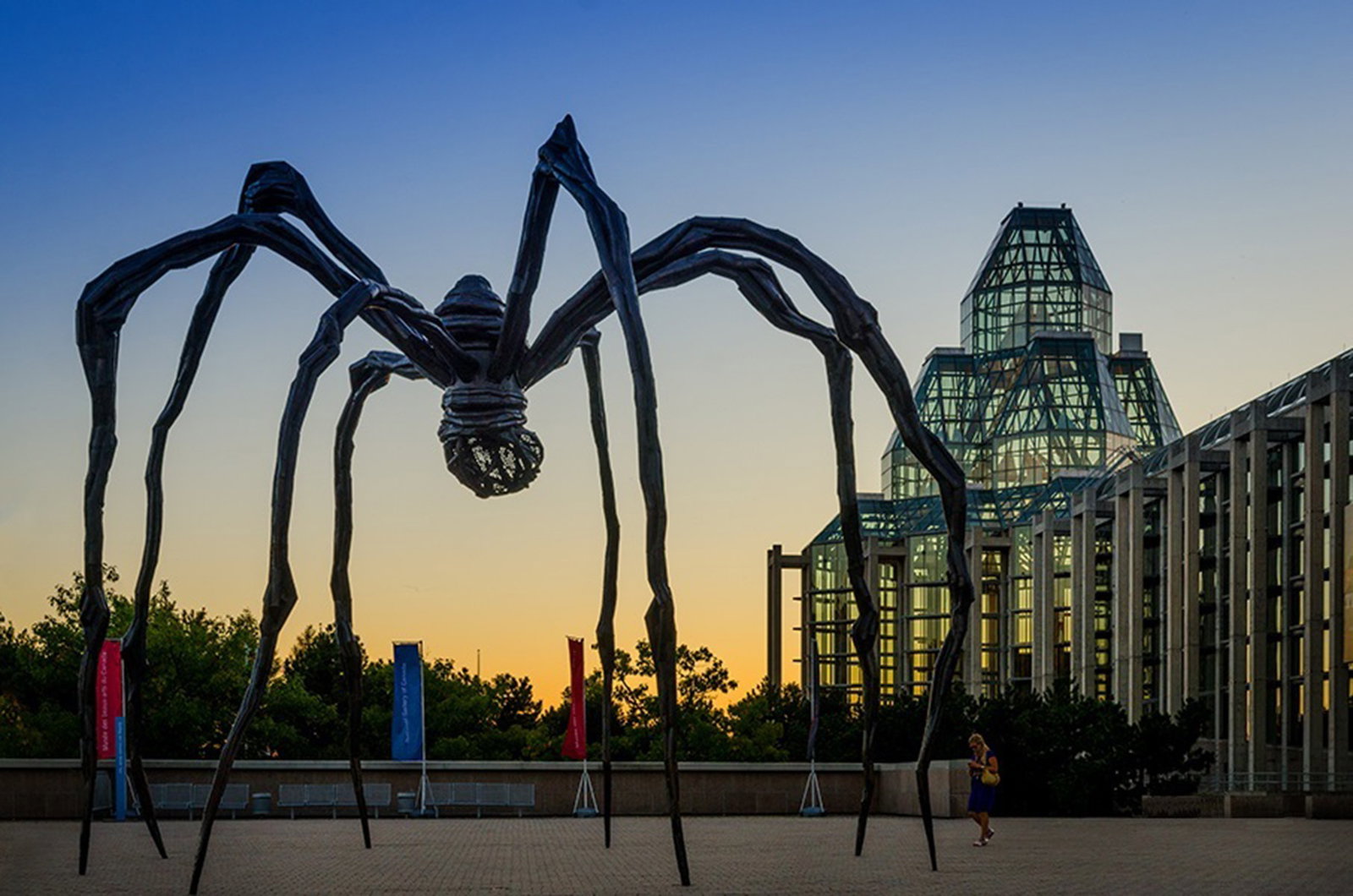
Home to the largest collection of Canadian art in the world, including the iconic Jack Bush and Emily Carr rooms, plus a superb collection of Indigenous art and European masters. Don't miss the Rideau Chapel, preserved inside the glass building.

Explore the Canadian Museum of HistoryCulture & History

Explore the Canadian Museum of History

3–4 hours

Just across the river in Gatineau, Quebec, this museum houses the world's largest indoor collection of totem poles and tells Canada's human story from ice-age migration to the present. The building itself, designed by Douglas Cardinal, is an architectural landmark.

Hike and swim in Gatineau ParkOutdoor & Active

Hike and swim in Gatineau Park

Half day to full day

Drive or cycle 15 minutes into the Gatineau Hills for trails ranging from easy lakeshore walks to rugged Eardley Escarpment ridges. Meech Lake and Lac Philippe are popular swimming spots in summer; the park's ridge trails deliver spectacular fall foliage in September and October.

Discover the ByWard MarketFood & Local Life

Discover the ByWard Market

1–3 hours

Ottawa's oldest and most vibrant neighbourhood market has been running since 1826. Browse stalls of Quebec maple products, Ontario produce, and handmade crafts by day; by night, the surrounding streets fill with restaurants, rooftop bars, and live music venues.

Best time to visit Ottawa

The best time to visit Ottawa is May to June or September to October, when temperatures are comfortable and the city's parks and outdoor spaces are at their most photogenic — but Ottawa is a genuinely four-season destination and each period has a compelling case.

Spring (May–June): Ottawa's most beloved season arrives with the Canadian Tulip Festival in May, when over a million tulips bloom across the city in one of the world's largest tulip displays. The gift of tulip bulbs from the Netherlands after World War II is the origin story. Temperatures climb from around 10°C in early May to a pleasant 22°C by June, and the canal paths and riverbanks burst into green. This is the most popular travel window — book accommodation early.

Summer (July–August): Canada Day on July 1st is Ottawa's biggest single day of the year, with concerts, ceremonies, and fireworks on Parliament Hill that draw hundreds of thousands of visitors. Summers are warm (daily highs of 25–28°C), occasionally hot and humid, and packed with outdoor festivals. The Ottawa Bluesfest in July and RBC Bluesfest are highlights. Gatineau Park beaches are open and the cycling network is in full swing.

Autumn (September–October): Gatineau Park's Precambrian shield maples ignite in red, orange, and gold from mid-September through mid-October, making this one of the best fall foliage destinations in Canada. Temperatures are crisp and comfortable (10–18°C), crowds thin after the school-holiday rush, and hotel rates ease. The Gatineau Park Parkway is closed to cars on autumn Sundays for cyclists and walkers.

Winter (January–February): Winterlude, Ottawa's flagship winter festival, runs across three February weekends and centres on the Rideau Canal Skateway. When conditions allow, it is the world's largest naturally refrigerated skating rink — and skating past snow-covered Victorian houses with a BeaverTail in hand is one of Canada's most quintessential experiences. Temperatures average -10°C to -15°C and can dip lower; dress in proper layers.

Is Ottawa safe to visit?

Yes — Ottawa is consistently ranked among the safest major cities in Canada and one of the safest capital cities in the world. Violent crime rates are low relative to comparable North American cities, and the areas visitors frequent — Parliament Hill, the ByWard Market, the Museum Mile, and the Rideau Canal corridor — are all well-lit, heavily trafficked, and generally very safe day and night.

Practical tips for a trouble-free visit:

ByWard Market at night: The market is lively and safe for the most part, but the late-night bar strip on George and Clarence Streets can get rowdy in the early hours on weekends. Standard common sense — keep belongings close, stay aware — is all that is needed.

Cold weather safety: Ottawa's winters are genuinely extreme. Temperatures below -20°C with wind chill are not unusual in January and February. Frostbite can occur within minutes on exposed skin in those conditions. Invest in proper insulated boots, a Canada Goose-grade coat, a hat covering the ears, and layered gloves before venturing outside for long periods.

Transport: Ottawa's public transit (OC Transpo, including the O-Train light rail) is reliable and safe. Taxis and rideshares (Uber, Lyft) operate throughout the metro. Cyclists should register their bikes and use the city's well-maintained segregated cycling lanes.

Healthcare: Canada has a publicly funded health system, but it does not cover non-residents. Travel insurance with medical coverage is strongly recommended for all international visitors.

Overall, Ottawa is an easy, welcoming city for solo travellers, families, and first-time visitors to Canada alike.
Suggested itinerary

Ottawa in 4 Days: Capital Culture & Outdoor Adventure

A mid-pace four-day plan based in central Ottawa (ByWard Market or Centretown), mixing museums, iconic landmarks, neighbourhood exploration, and a half-day escape into Gatineau Park. Budget band: mid-range (many top attractions are free). Works in any season — skating swaps for cycling, tulips for fall leaves.

Day 1

Parliament Hill, ByWard Market & the Canal

Start at Parliament Hill for the 10 AM Changing of the Guard (late June to late August) or a self-guided walk along the grounds with views over the Ottawa River. Take a free East Block guided tour, then stroll down Sparks Street, Canada's original pedestrian mall.

Afterward, cross into the ByWard Market for lunch — try a Montreal-style smoked meat sandwich or fresh poutine at one of the market's many vendors. Spend the afternoon wandering the market stalls, popping into galleries and chocolate shops, and picking up locally made goods.

In the late afternoon, walk south along the Rideau Canal. In winter, rent skates and glide the famous 7.8 km ribbon of ice; in warmer months, take the scenic path to Dows Lake and watch rowers on the water. Return to ByWard Market for dinner — Beckta, Supply and Demand, and Fauna are all strong options.

Ottawa — Parliament Hill, ByWard Market & the Canal

Travel essentials

Getting around

OC Transpo buses and the O-Train light rail (Confederation Line) connect the airport, downtown, and suburbs. A single fare is CAD 3.75; day passes are available. The city is highly bikeable — Cyclelogik and OttawaVelo rent bikes, and the NCC's 300+ km pathway network is world-class. Taxis and Uber/Lyft operate across the metro. A car is useful for Gatineau Park day trips but unnecessary within the urban core.

Typical costs

Ottawa is moderately priced by Canadian capital standards. Budget travellers can manage on CAD 80–100/day (hostel dorm, market food, free museums). Mid-range visitors (hotel, sit-down meals, a couple of paid attractions) should budget CAD 180–250/day. Many headline attractions — National Gallery, War Museum, Museum of History — charge admission (CAD 10–25 per adult) but are free on Thursday evenings or specific dates.

Culture and etiquette

Ottawa is officially bilingual; French is widely spoken, especially across the river in Gatineau. A greeting of 'Bonjour/Hi' is the norm in federal government buildings and appreciated generally. Tipping is expected: 15–20% in restaurants, 10–15% for taxis. Canadians are generally polite and patient — queues are respected and holding doors is common courtesy. Smoking is prohibited in all public indoor spaces and within 9 metres of building entrances.

Safety and planning

Pack genuine winter gear if visiting November through March — thermal base layers, waterproof insulated jacket, snow boots, and a wool or fleece hat are essentials, not luxuries. Sun protection and hydration matter equally in summer, when UV index can be high. Travel insurance with medical and trip-cancellation cover is strongly advised for international visitors.

Connectivity

Wi-Fi is widely available in hotels, cafés, libraries, and many public spaces including the ByWard Market. The NCC offers free Wi-Fi along sections of the Rideau Canal. Major Canadian carriers (Bell, Rogers, Telus) offer tourist SIM cards at the airport and downtown shops. Coverage is excellent throughout the city and Gatineau Park.

Payments

Credit and debit cards (Visa and Mastercard) are accepted almost universally, including at market stalls and food trucks. Contactless payments are the norm. ATMs are plentiful — use bank-branded machines to avoid surcharges. US dollars are accepted in some tourist-facing businesses but at unfavourable exchange rates; convert to CAD on arrival.

Ottawa travel FAQs

More destinations to explore