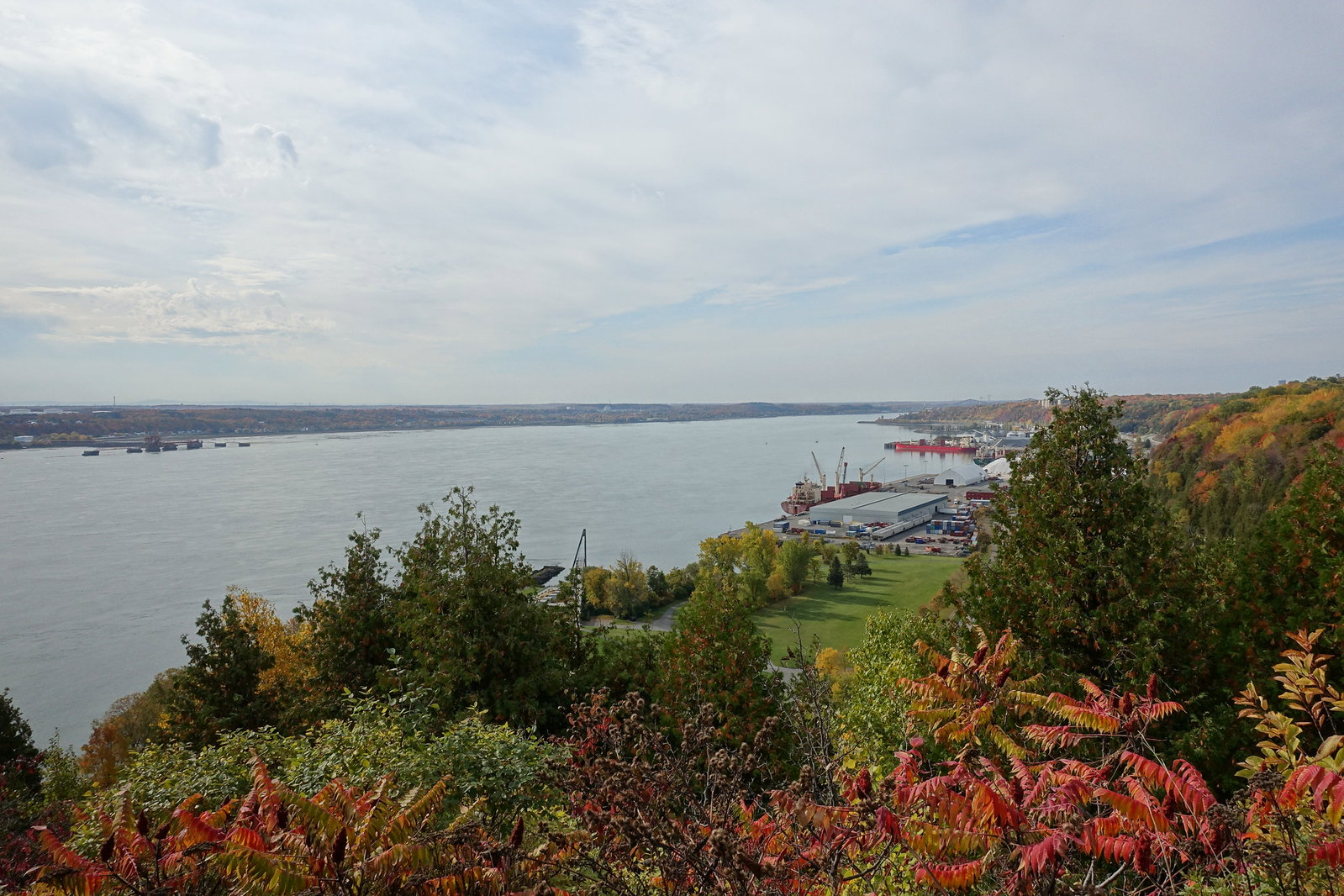
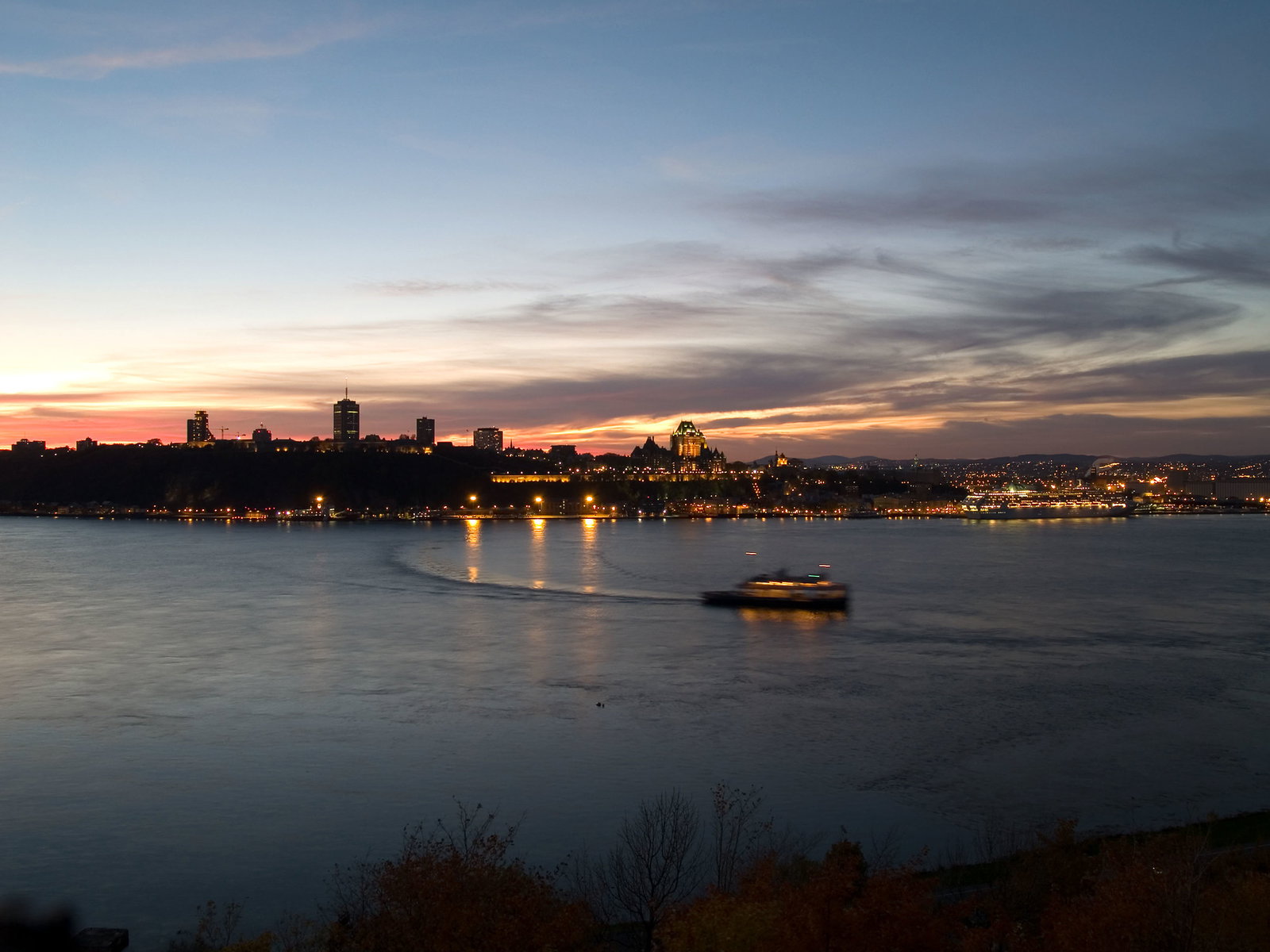
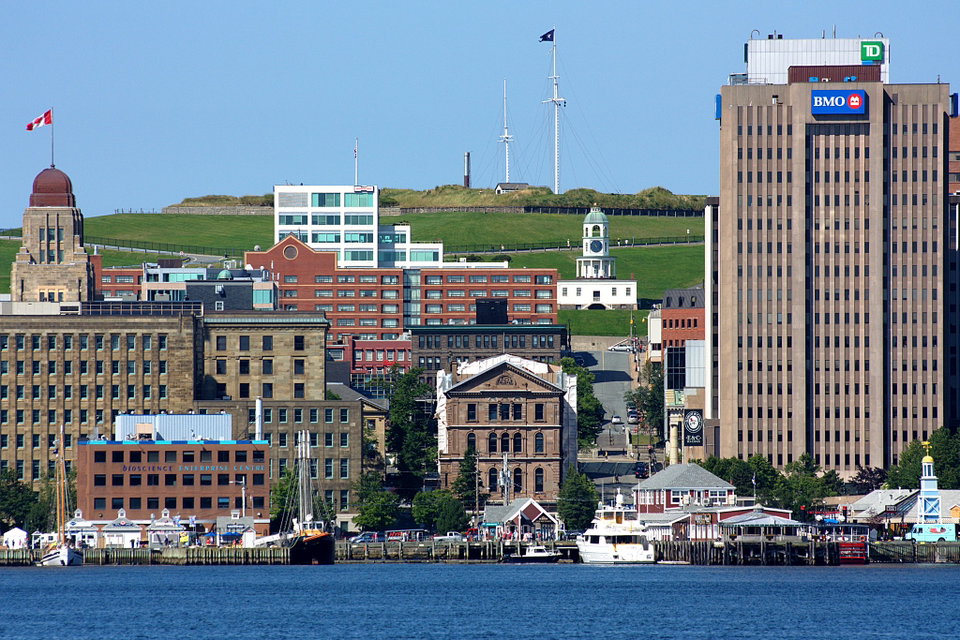
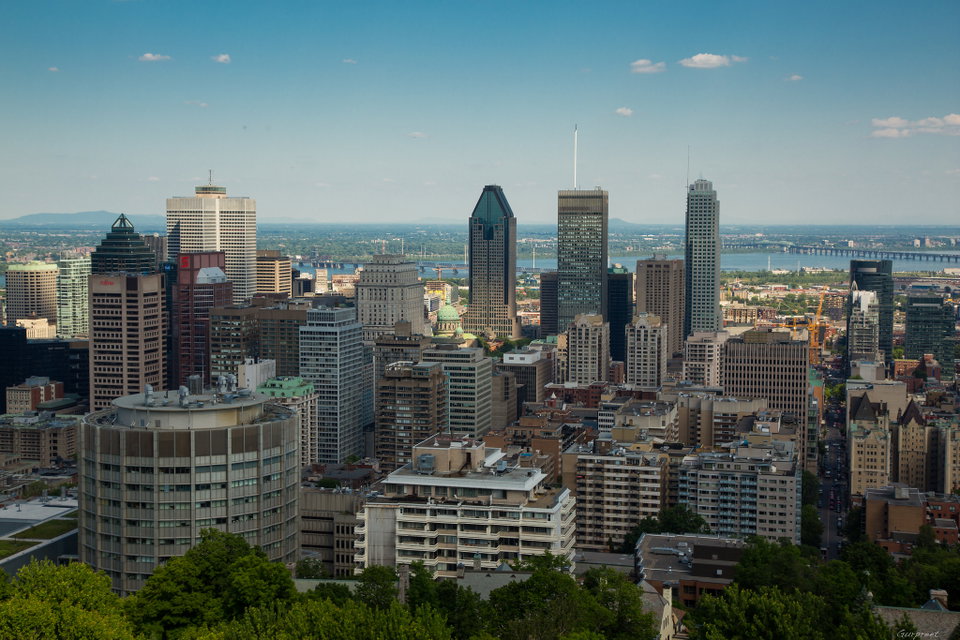
Aerial view of Old Quebec City with the Chateau Frontenac rising above the St. Lawrence River in autumn

Destination guide

Quebec

Quebec, Eastern Canada · Canada

North America's only walled city north of Mexico — where French culture, cobblestone streets, and fortress ramparts meet the St. Lawrence.

Best season

June–August for festivals and warm weather; January–February for the famous Winter Carnival; September–October for spectacular fall foliage

From Nairobi

Approximately 17–20 hours with one stop (typically via London, Paris, Amsterdam, or Toronto)

Why visit Quebec City?

Quebec City is unlike anywhere else in North America. It is the only city on the continent north of Mexico that still has intact medieval-style fortifications — 4.6 km of stone walls you can walk in their entirety. Inside those walls, the city feels unmistakably European: bistros spill onto cobbled terraces, signs are in French, and the accent is a living artifact of 17th-century Normandy.

Beyond the old walls, Quebec City punches above its weight culturally. The city hosts one of the world's biggest winter carnivals each February, a major summer festival (Festival d'ete de Quebec) that draws half a million visitors with international headliners, and a New France Festival that recreates life in the 1700s. The food scene — rooted in French technique, Quebec terroir, and Indigenous ingredients — is genuinely world-class, from market poutine to Michelin-calibre tasting menus.

The surrounding region adds wilderness depth: whale-watching on the St. Lawrence, alpine skiing at Mont-Sainte-Anne and Stoneham, kayaking among tidal rivers, and maple-syrup production in the Beauce. Quebec City is compact, walkable, bilingual enough to be accessible, and safe — making it an unusually effortless great-city experience.

  • Walk the entire 4.6 km of intact 17th-century stone fortifications — North America's only remaining walled city north of Mexico.
  • The Chateau Frontenac is the world's most photographed hotel; even non-guests can tour its grand corridors and rooftop terrace.
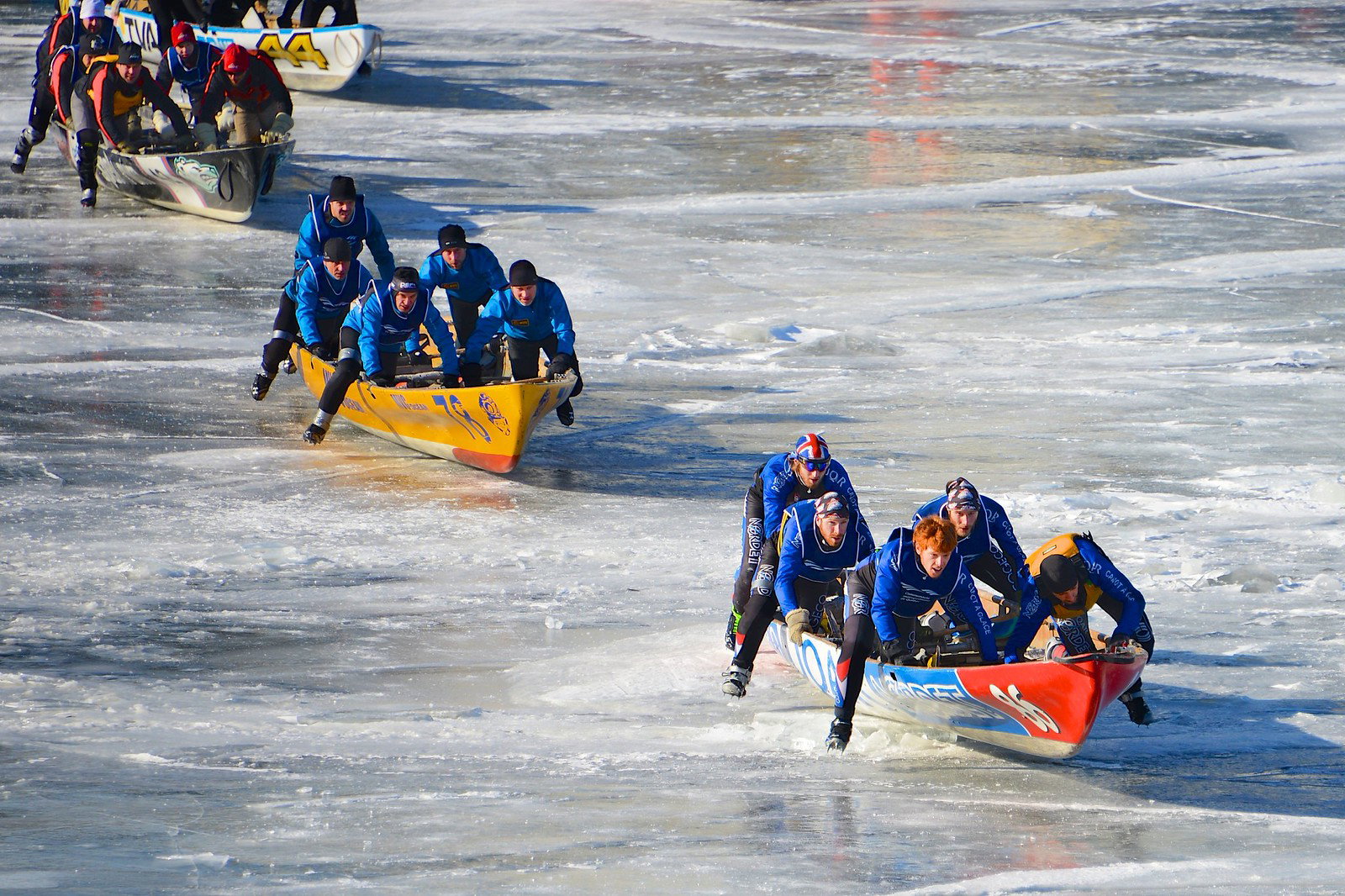
  • February's Winter Carnival fills the city with ice palaces, night parades, and canoe races across the semi-frozen St. Lawrence.
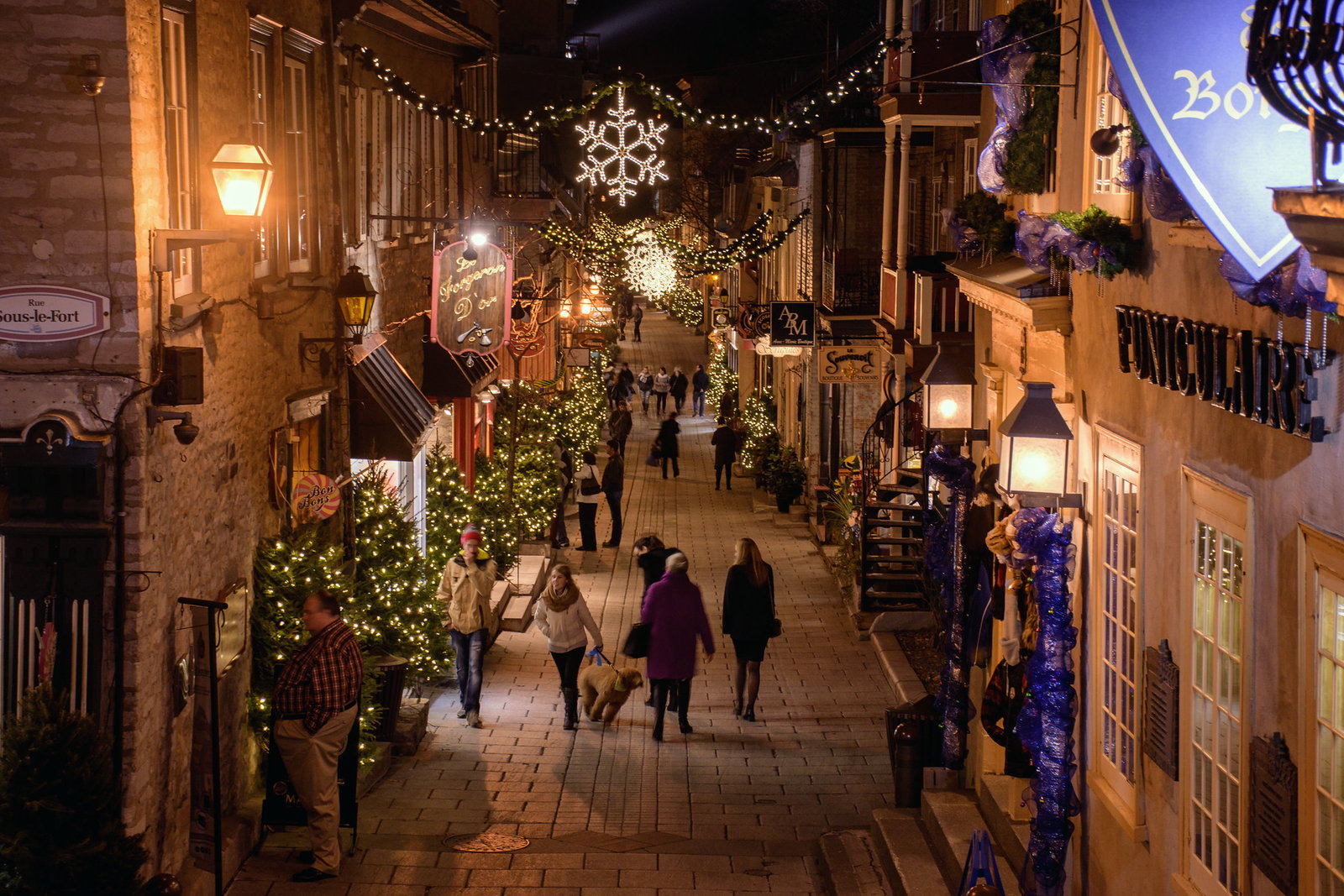
  • Rue du Petit-Champlain in the Lower Town is one of the oldest commercial streets in North America — and one of the most charming.
  • The Plains of Abraham — site of the 1759 battle that shaped Canada — is now a vast urban park perfect for cycling, picnicking, and outdoor concerts.
  • Quebec's food scene anchors Indigenous flavors and French technique in a way nowhere else in Canada quite replicates.

Best for

History lovers, Francophile travelers, winter-festival seekers, foodies, couples, and families with older children

Trip style

City break, cultural immersion, festival trip, seasonal (winter/fall/summer)

Known for

Chateau Frontenac, Plains of Abraham, Winter Carnival, Old Town ramparts, French-Canadian cuisine, St. Lawrence River views

Quick facts

Best time to visit

June–August for festivals and warm weather; January–February for the famous Winter Carnival; September–October for spectacular fall foliage

Currency

Canadian Dollar (CAD). Cards widely accepted; cash useful for small vendors and market stalls.

Languages

French (official and dominant). English is understood in most tourist areas, hotels, and restaurants.

Visa summary

Citizens of the US, UK, EU, Australia, and most Western nations need only a valid passport (and an eTA for air entry to Canada). Visa-free for many countries — check IRCC's official list before traveling.

Flight time from Nairobi

Approximately 17–20 hours with one stop (typically via London, Paris, Amsterdam, or Toronto)

Airport / arrival

Fly into Jean Lesage International Airport (YQB), 15 km from Old Quebec. Taxis (~CAD 40) and app-based rideshares reach the old city in 20–25 minutes. No direct airport bus to Old Town.

Safety note

Very safe for tourists. Old Quebec is well-patrolled; standard urban precautions apply elsewhere in the city.

Visa and entry

Look up entry rules by passport for travel to Canada on the Tsavaro visa checker.

Check visa requirements for Canada

Things to do

Walk the Old City RampartsHistory & Heritage

Walk the Old City Ramparts

1–2 hours

Circumnavigate the only intact fortified city walls in North America. The 4.6 km circuit takes 1–2 hours at a leisurely pace and offers sweeping views over the St. Lawrence and the rooftops of Old Quebec. Free to walk any time; start at Porte Saint-Louis for the most dramatic entry.

Explore Petit-Champlain & Place-RoyaleCulture & Shopping

Explore Petit-Champlain & Place-Royale

2–3 hours

Descend to the Lower Town via the funicular or the Breakneck Stairs to reach Rue du Petit-Champlain, a pedestrianized lane of boutiques, galleries, and terrasse restaurants dating to the 1680s. Place-Royale, steps away, is where Samuel de Champlain founded New France in 1608.

Visit the Plains of AbrahamHistory & Outdoors

Visit the Plains of Abraham

Half day

The Battlefields Park where British forces defeated the French in 1759, changing North American history forever. Today it is a 108-hectare urban park ideal for cycling, jogging, and concerts. The Musee des Plaines d'Abraham brings the battle to life with immersive exhibits.

Montmorency Falls Day TripNature & Day Trips

Montmorency Falls Day Trip

Half day

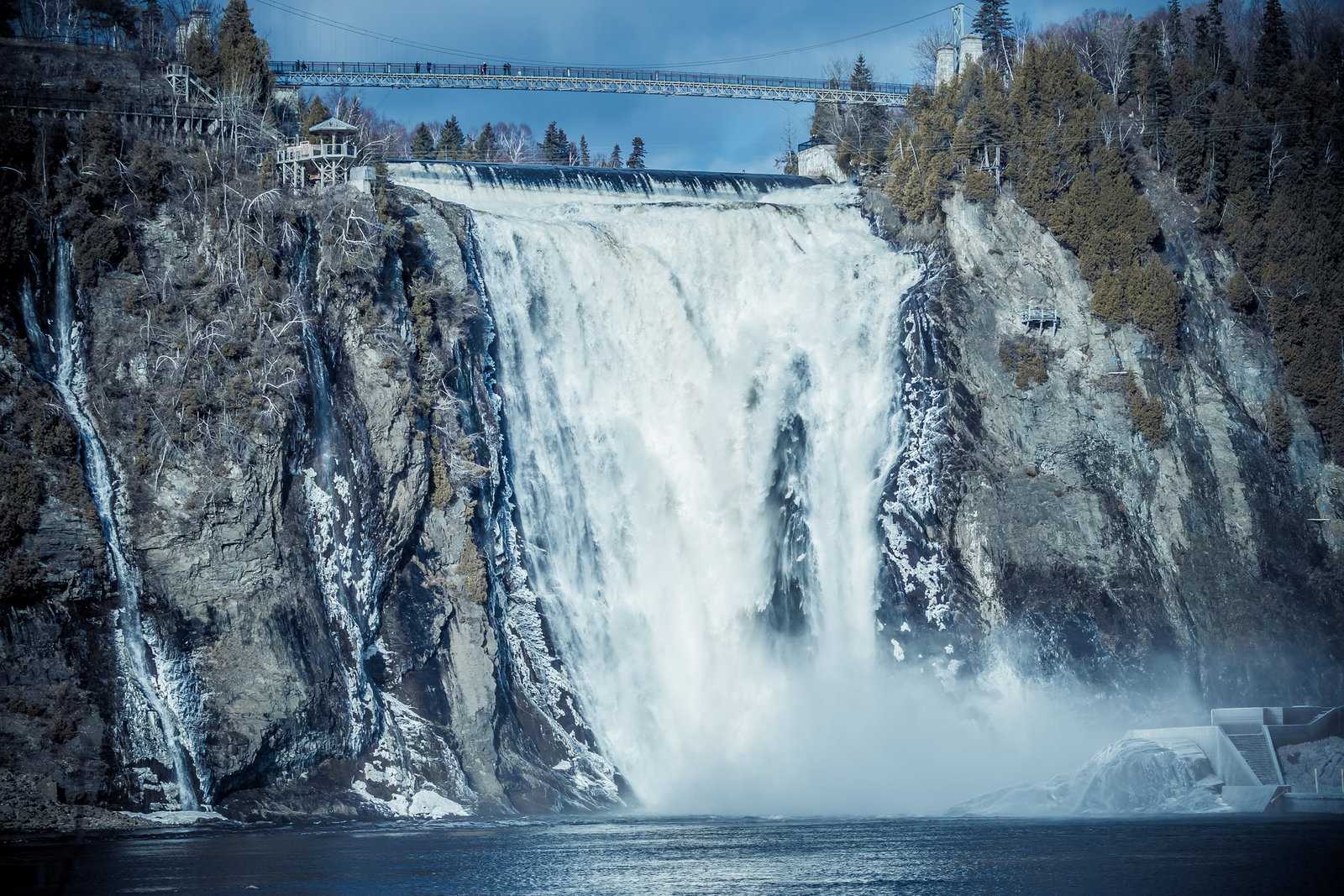
A 20-minute drive from Old Quebec, Montmorency Falls plunges 83 metres — taller than Niagara. A cable car whisks you to the top; a suspension bridge crosses the gorge directly above the falls. In winter, the spray freezes into a giant cone of ice locals call the 'sugarloaf.'

Musee de la CivilisationMuseums & Culture

Musee de la Civilisation

2–4 hours

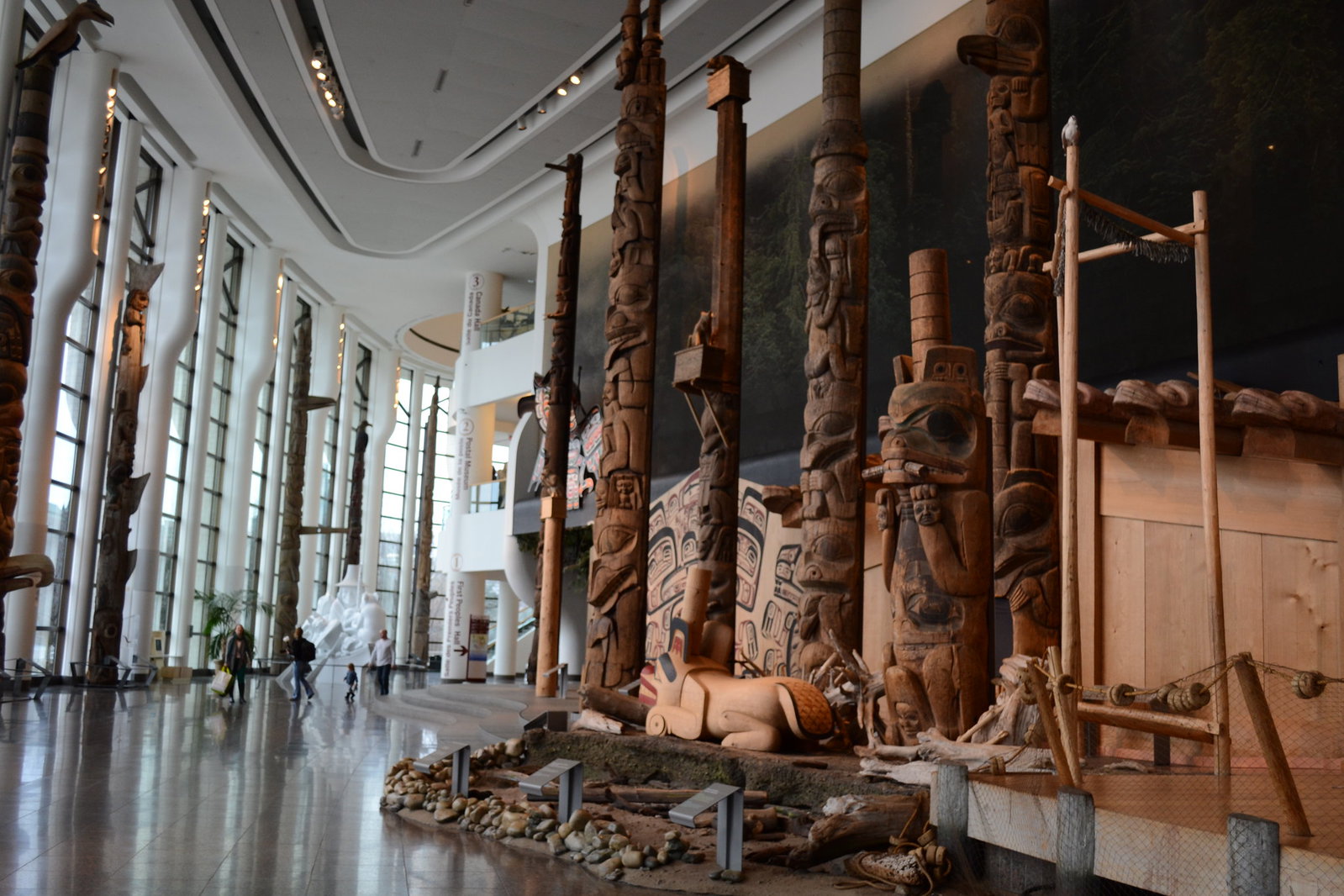
One of Canada's finest museums, combining French-Canadian history, world cultures, Indigenous heritage, and thought-provoking temporary exhibitions under one roof in the Lower Town. Consistently ranked among North America's top museums.

Attend the Quebec Winter Carnival (Carnaval de Quebec)Festivals & Events

Attend the Quebec Winter Carnival (Carnaval de Quebec)

2–5 days (festival runs ~17 days)

Held each February, this is the largest winter carnival on earth. Events include the iconic night parade, ice-sculpture competitions, snow baths, toboggan slides down the Dufferin Terrace, and the famous canoe race across the ice-choked St. Lawrence. Book accommodation months in advance.

Best time to visit Quebec City

The best time to visit Quebec City is June through August for warm weather, long days, and the Festival d'ete de Quebec, or January through February if you want the legendary Winter Carnival experience.

Summer (June–August): Peak season. Temperatures reach 25–30°C, the old city fills with terrasse diners and street performers, and the Festival d'ete de Quebec (July) draws international headliners to outdoor stages. Book accommodation 2–3 months ahead.

Autumn (September–October): The St. Lawrence valley turns brilliant red and gold. Crowds thin after Labour Day, prices drop, and the weather stays crisp and pleasant (10–20°C). Many locals rate this the most beautiful time to visit.

Winter (November–March): Cold (regularly -15°C or below) but magical. The Winter Carnival in early February is the city's biggest event; ice hotels, snow sculptures, and night parades transform the city. Pack serious cold-weather gear. Christmas markets in December are charming and far less crowded than the Carnival.

Spring (April–May): Mud season in early spring; the city emerges slowly. By May, patios reopen and the sugar-shack season winds down beautifully. Fewer tourists, moderate prices, and the city feeling alive again after winter.
Is Quebec City safe to visit?

Yes — Quebec City is one of the safest cities of its size in North America and is widely regarded as very traveler-friendly. The Old Town is heavily patrolled and incidents targeting tourists are rare.

Practical tips: Pickpocketing is uncommon but possible in crowded festival settings — keep bags closed and phones in front pockets during the Winter Carnival and Festival d'ete. The area around the Grande-Allee bars late at night can be boisterous but not dangerous. Outer neighborhoods (Limoilou, Saint-Roch) are perfectly safe to explore in the daytime; exercise normal urban awareness after midnight.

Winter safety: The biggest risk in winter is ice and cold. Sidewalks in the Lower Town can be treacherous after freezing rain; wear grippy-soled boots. Wind chill can push temperatures to -30°C or below — dress in proper layers (merino base, insulated mid-layer, windproof shell). Frostbite risk is real if you underestimate the cold during outdoor carnival events.

Emergency number: 911 (police, fire, ambulance). The city has excellent public hospitals. Travel insurance with medical coverage is always recommended for Canada.

Suggested itinerary

4 Days in Quebec City: Walls, Waterfalls & French-Canadian Flavour

This plan is designed for first-time visitors staying in or near Old Quebec, moving at a relaxed but full pace. It covers the essential historic sights, a waterfall day trip, the best food experiences, and enough unstructured time to simply wander. Budget mid-range to upscale; most sights are walkable from a base in the Upper or Lower Town.

Day 1

Arrive & Discover the Upper Town

Check in to your hotel in Old Quebec. Start with a walk along the Dufferin Terrace for your first panoramic view of the St. Lawrence and the Ile d'Orleans. Loop the ramparts while the afternoon light is warm, then enter the city through Porte Saint-Louis. Explore Grande-Allee — Quebec City's 'Champs-Elysees' — before dinner at a bistro on Rue Saint-Louis. If you arrive in summer, check whether the Chateau Frontenac terrace bar has live music; it usually does.

Quebec — Arrive & Discover the Upper Town

Travel essentials

Getting around

Old Quebec is entirely walkable — the Upper Town and Lower Town together form a compact area most visitors cover on foot. The funicular (CAD 4 one way) links the two levels at Dufferin Terrace. City buses (RTC) cover the wider urban area. Taxis and rideshares (Uber operates in Quebec City) are reliable. For day trips to Montmorency Falls, Ile d'Orleans, or Mont-Sainte-Anne, rent a car from YQB or book a guided excursion.

Typical costs

Budget: CAD 120–180/day (hostel dorm, market lunches, self-catering). Mid-range: CAD 250–400/day (3-star hotel in Old Town, bistro meals, key museum entries). Upscale: CAD 500–900+/day (Chateau Frontenac or Auberge Saint-Antoine, tasting menus, private tours). Poutine from a chip truck: CAD 10–14. Museum entry: CAD 18–25 each. Beer in a bar: CAD 8–12.

Culture and etiquette

Quebec City is deeply proud of its French-Canadian identity — begin interactions in French where possible, even just 'Bonjour!' before switching to English. Tipping is expected: 15–20% in restaurants, ~15% for taxis and guides. Dress is relaxed-smart at most restaurants. Churches (Notre-Dame-des-Victoires, Holy Trinity Cathedral) require respectful attire and quiet voices during services.

Safety and planning

Purchase comprehensive travel insurance before departure — provincial health insurance does not cover international visitors. Carry your passport or a certified copy at all times (required for cross-border travel to nearby Vermont or New York State). Register with your country's embassy or consulate for longer stays. In winter, share your outdoor itinerary with someone and carry a charged phone.

Connectivity

4G/LTE coverage is excellent throughout the city and surrounding region. Free Wi-Fi is available in most hotels, cafes, and at the airport. Canadian SIM cards (Rogers, Bell, Telus, or budget brands like Public Mobile and Fizz) are sold at the airport and electronics shops. International roaming packages from your home carrier are an option but often more expensive.

Payments

Credit and debit cards (Visa, Mastercard) are accepted almost everywhere, including most food trucks and market stalls. American Express acceptance is patchier in smaller shops. ATMs are plentiful throughout Old Quebec. Currency exchange at the airport is convenient but offers poorer rates than city-center banks or ATMs. USD is accepted at some tourist-facing shops but at unfavorable rates — use CAD.

Quebec travel FAQs

More destinations to explore