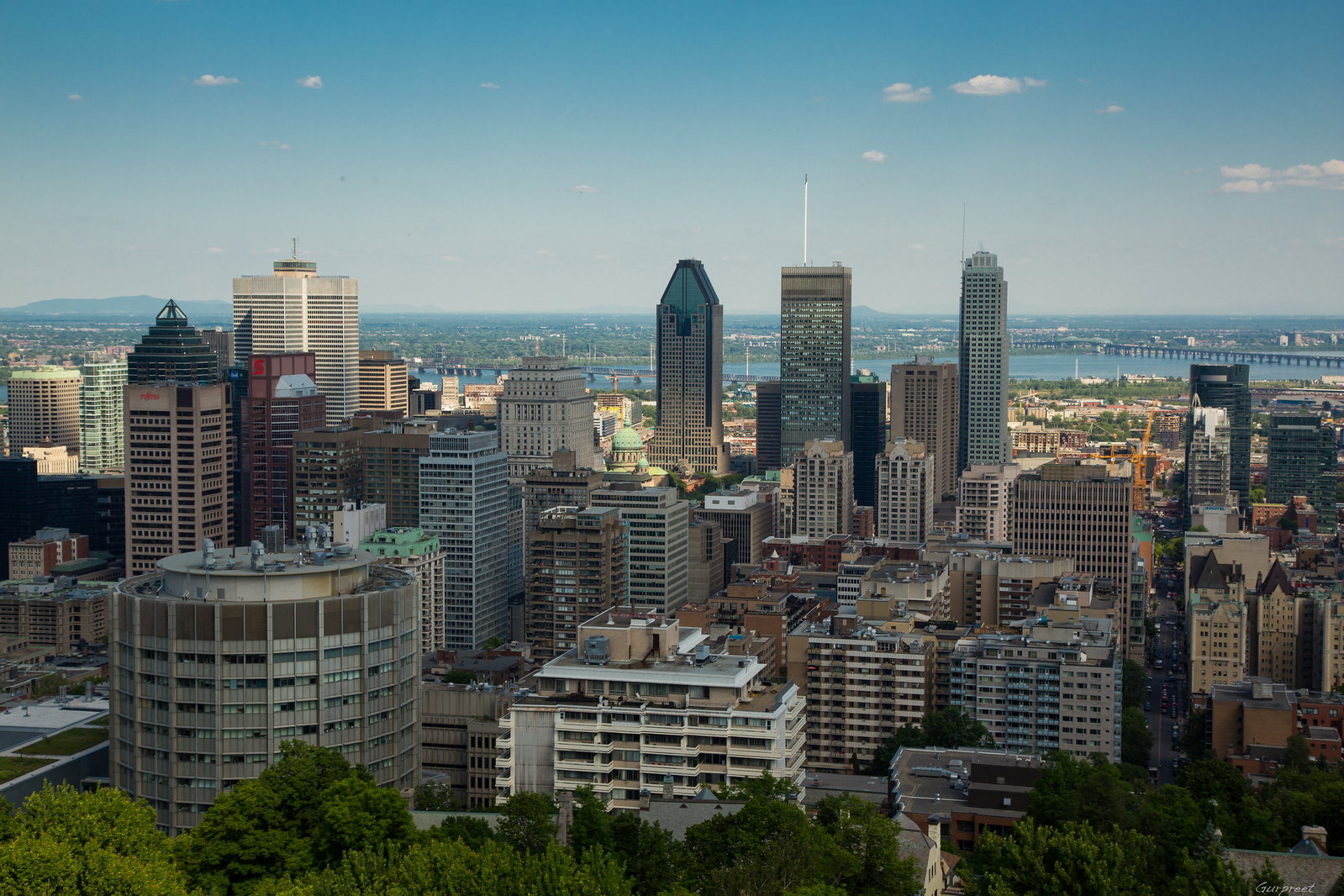
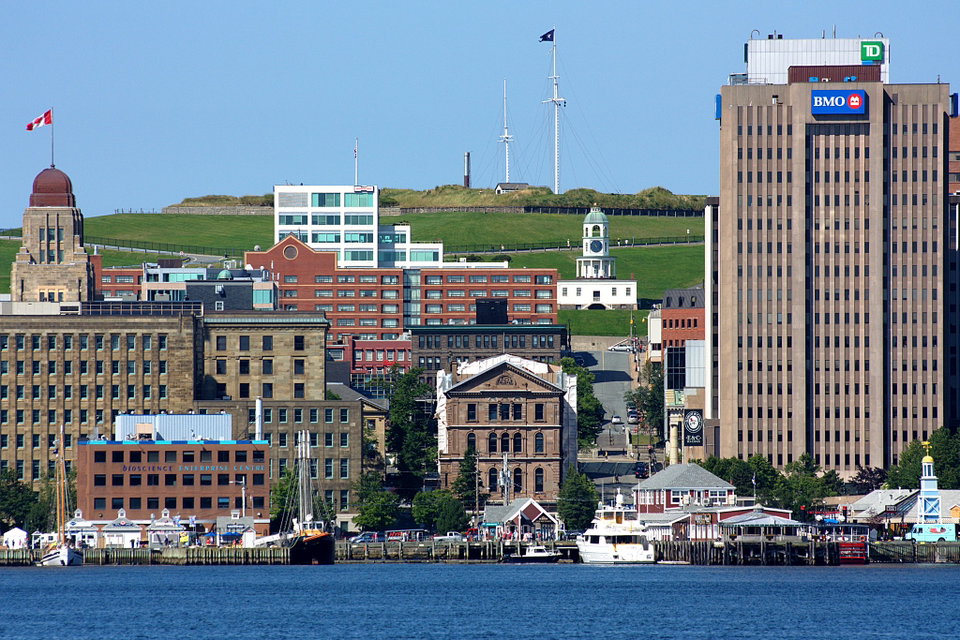
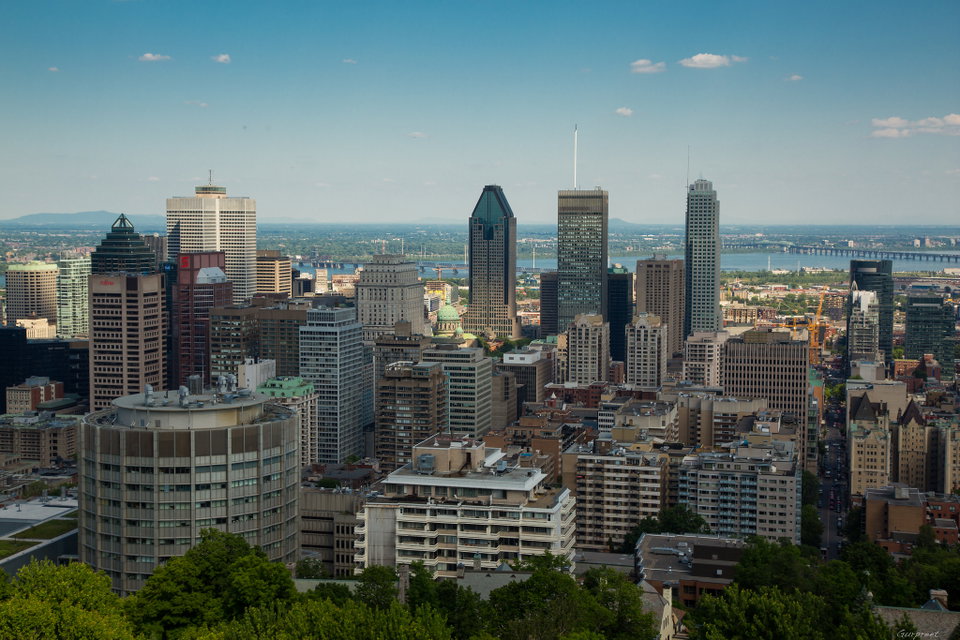
Montreal skyline at dusk with the illuminated dome of Saint Joseph's Oratory and the downtown skyscrapers reflected in the St. Lawrence River

Destination guide

Montreal

Quebec, Eastern Canada · Canada

Bilingual, bohemian, and built for food lovers — Quebec's cultural capital on a river island

Best season

June to September for warm weather and festivals; December to February for winter charm and skiing nearby

From Nairobi

Approximately 17–19 hours (one stop via London, Paris, or Amsterdam)

Why visit Montreal?

Montreal is the rare city that holds a Michelin Guide, a world-famous jazz festival, 400 years of colonial and Indigenous history, and an underground city large enough to shelter half a million people — all on a single island. Its Franco-Anglo duality gives it a personality you won't find anywhere else in North America: French cafes spill into bagel bakeries open since 3 a.m., smoked-meat institutions neighbour natural-wine bars, and the Cirque du Soleil was literally born here.

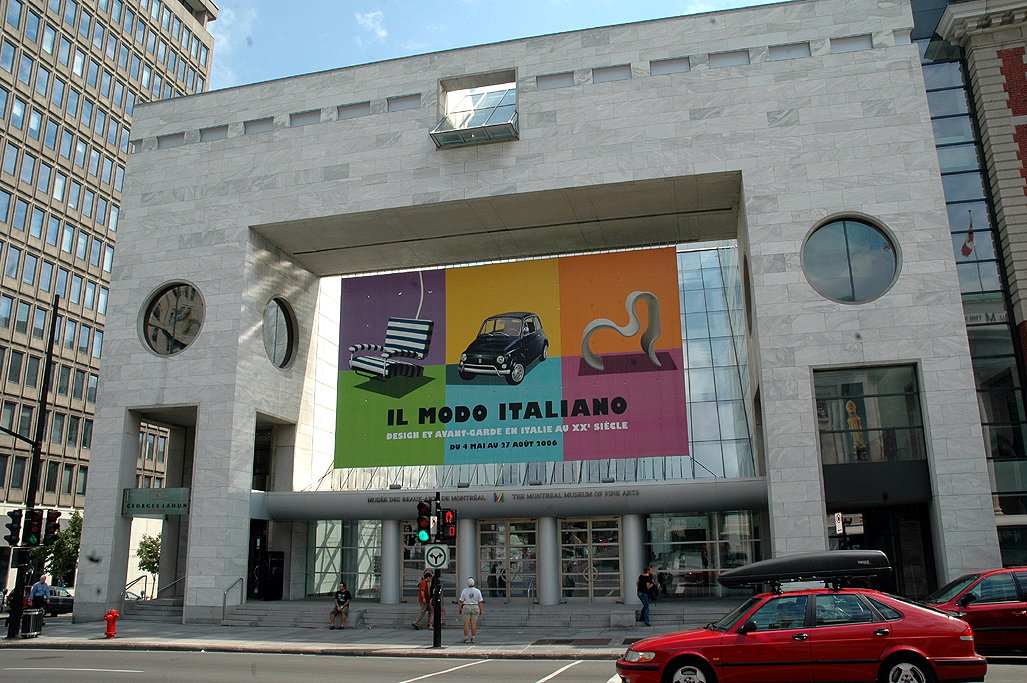
The city punches above its weight culturally. The Musée des beaux-arts is among the finest art museums on the continent. The Jazz Festival draws three million visitors each summer. The comedy festival Just for Laughs has launched global careers for decades. And every August, the Formula 1 Canadian Grand Prix brings the world to Circuit Gilles Villeneuve on a man-made island in the St. Lawrence.

For outdoor lovers, Mount Royal — the 234-metre hill designed by Frederick Law Olmsted — offers hiking, skating, and city views without leaving the urban grid. Day trips reach the Eastern Townships wine region, the Laurentian ski hills at Mont-Tremblant, and Quebec City in under three hours.

  • Eat your way through a city that takes poutine, bagels, and smoked meat as seriously as a three-star tasting menu
  • Walk cobblestone Old Montreal and find 400 years of New World history packed into a riverside kilometre
  • Hike or skate on Mount Royal, the Olmsted-designed hill that sits at the centre of city life all year
  • Catch the Jazz Festival, Just for Laughs, or the F1 Grand Prix — Montreal hosts more world-class events per summer than almost any city its size
  • Explore a genuinely bilingual street culture where every menu, sign, and conversation shifts effortlessly between French and English
  • Escape underground in winter through RÉSO, 33 km of heated tunnels linking hotels, Metro stations, and shops

Best for

Food lovers, festival fans, architecture enthusiasts, winter sports seekers, and bilingual culture explorers

Trip style

City break, cultural immersion, food & drink, winter escape, festival travel

Known for

Poutine, bagels, smoked meat, the Jazz Festival, Old Montreal, Mount Royal, French-Canadian culture, festivals

Quick facts

Best time to visit

June to September for warm weather and festivals; December to February for winter charm and skiing nearby

Currency

Canadian Dollar (CAD). 1 USD ≈ 1.36 CAD (varies)

Languages

French (official); English widely spoken downtown and in tourism

Visa summary

Visa-free for citizens of 60+ countries (including USA, UK, EU); others need an eTA or visa. Check IRCC for your nationality.

Flight time from Nairobi

Approximately 17–19 hours (one stop via London, Paris, or Amsterdam)

Airport / arrival

Montréal-Trudeau International Airport (YUL) is 20 minutes from downtown by taxi or the 747 express bus (24 hours).

Safety note

Generally very safe. Exercise normal urban caution in Plateau-Mont-Royal at night and around Central Station.

Visa and entry

Look up entry rules by passport for travel to Canada on the Tsavaro visa checker.

Check visa requirements for Canada

Things to do

Explore Old Montreal (Vieux-Montréal)Culture & History

Explore Old Montreal (Vieux-Montréal)

Half day to full day

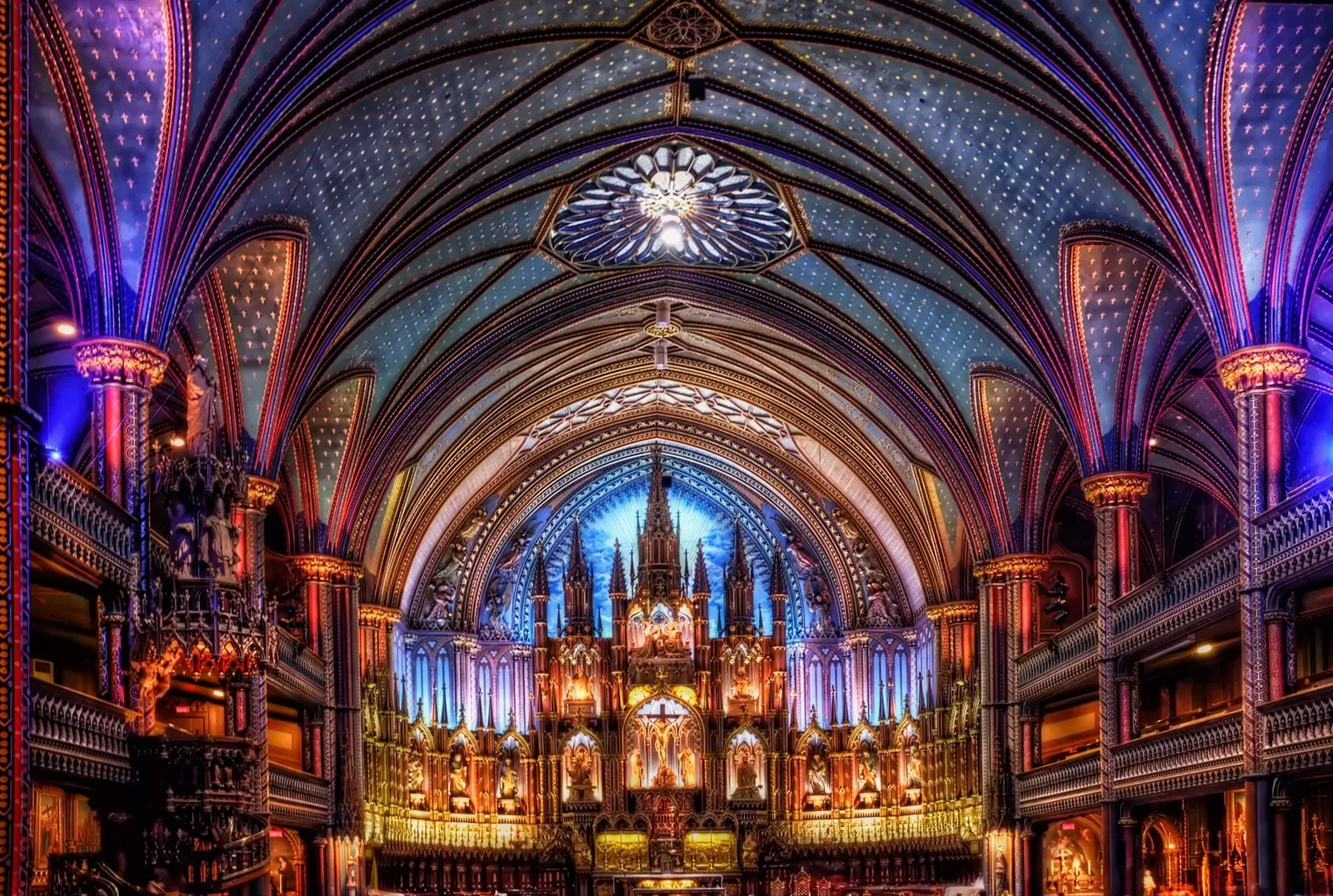
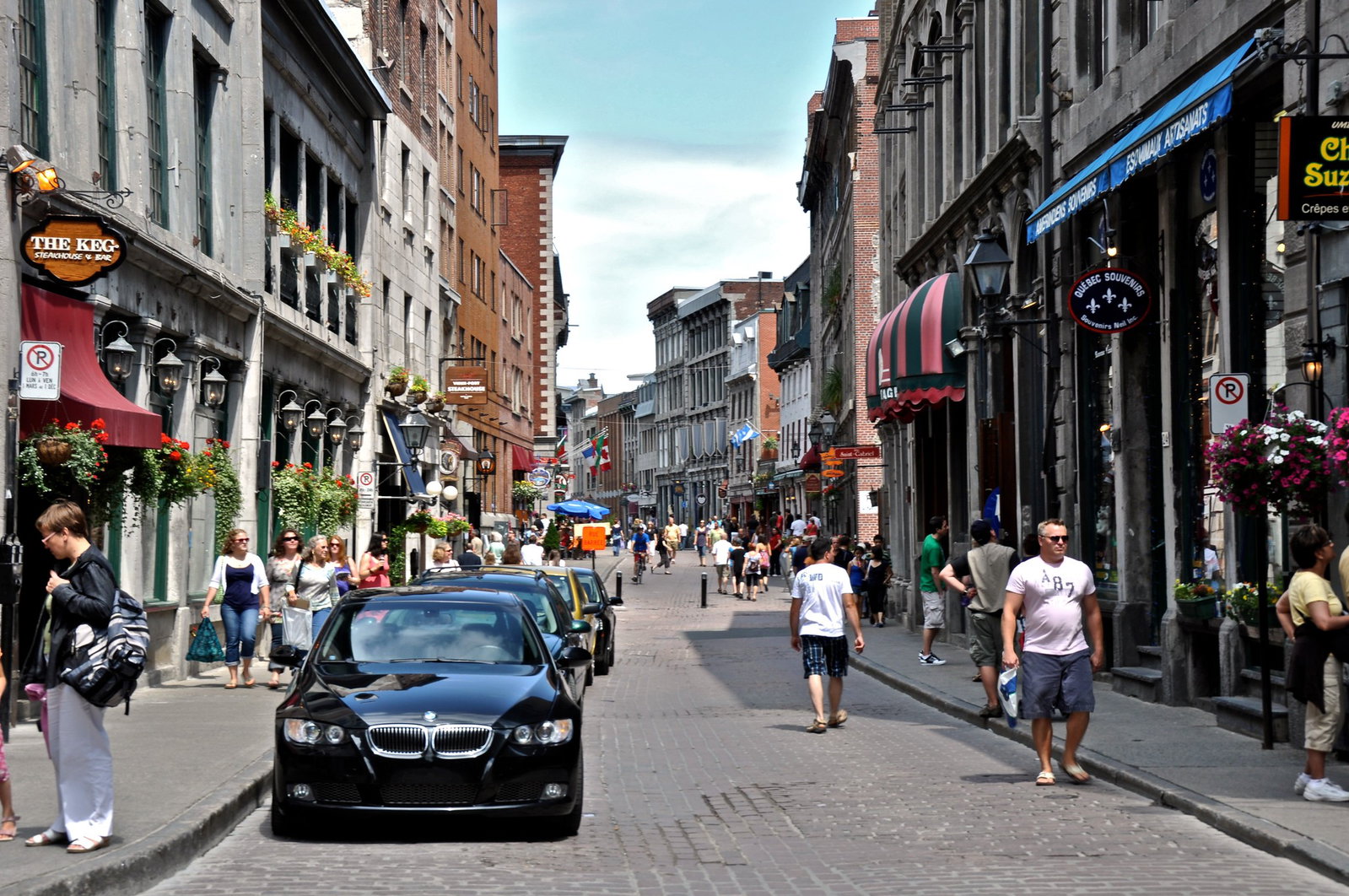
Wander 17th-century streets lined with stone buildings, visit Notre-Dame Basilica's jaw-dropping neo-Gothic interior, and stroll the Old Port boardwalk along the St. Lawrence River. Allow half a day minimum.

Hike and picnic on Mount RoyalOutdoors & Nature

Hike and picnic on Mount Royal

2–4 hours

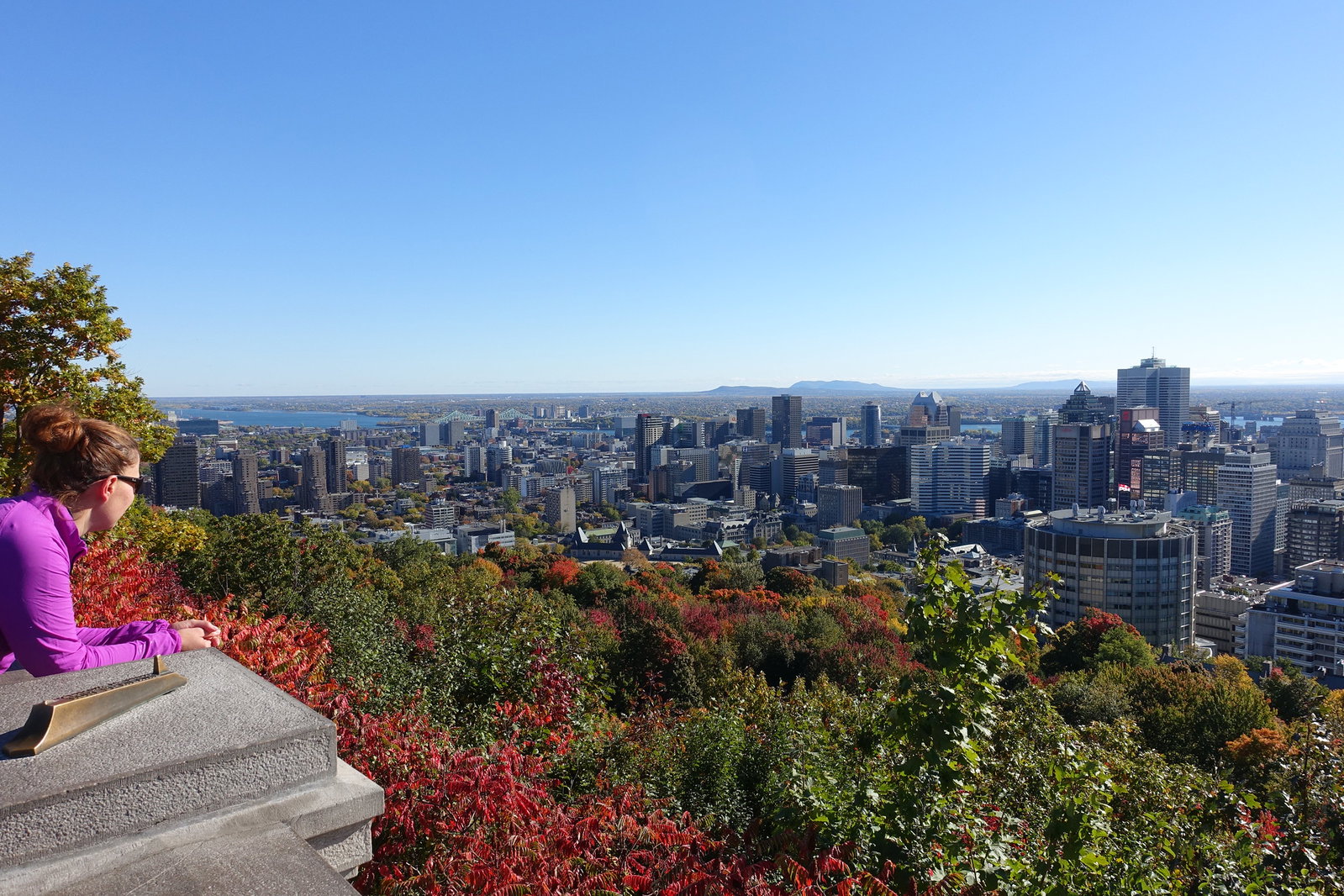
Frederick Law Olmsted designed this 200-hectare urban park. Climb to the Kondiaronk Belvedere for panoramic city views, jog the Camillien-Houde trail, or rent a paddleboat on Lac des Castors. In winter, cross-country ski or skate on the lake.

Notre-Dame BasilicaCulture & History

Notre-Dame Basilica

1–2 hours

One of North America's most ornate churches, with a midnight-blue vaulted ceiling studded with gold stars and an electric-blue nave. Attend AURA, the spectacular sound-and-light show held after hours.

Eat your way through the Jean-Talon MarketFood & Drink

Eat your way through the Jean-Talon Market

1–2 hours

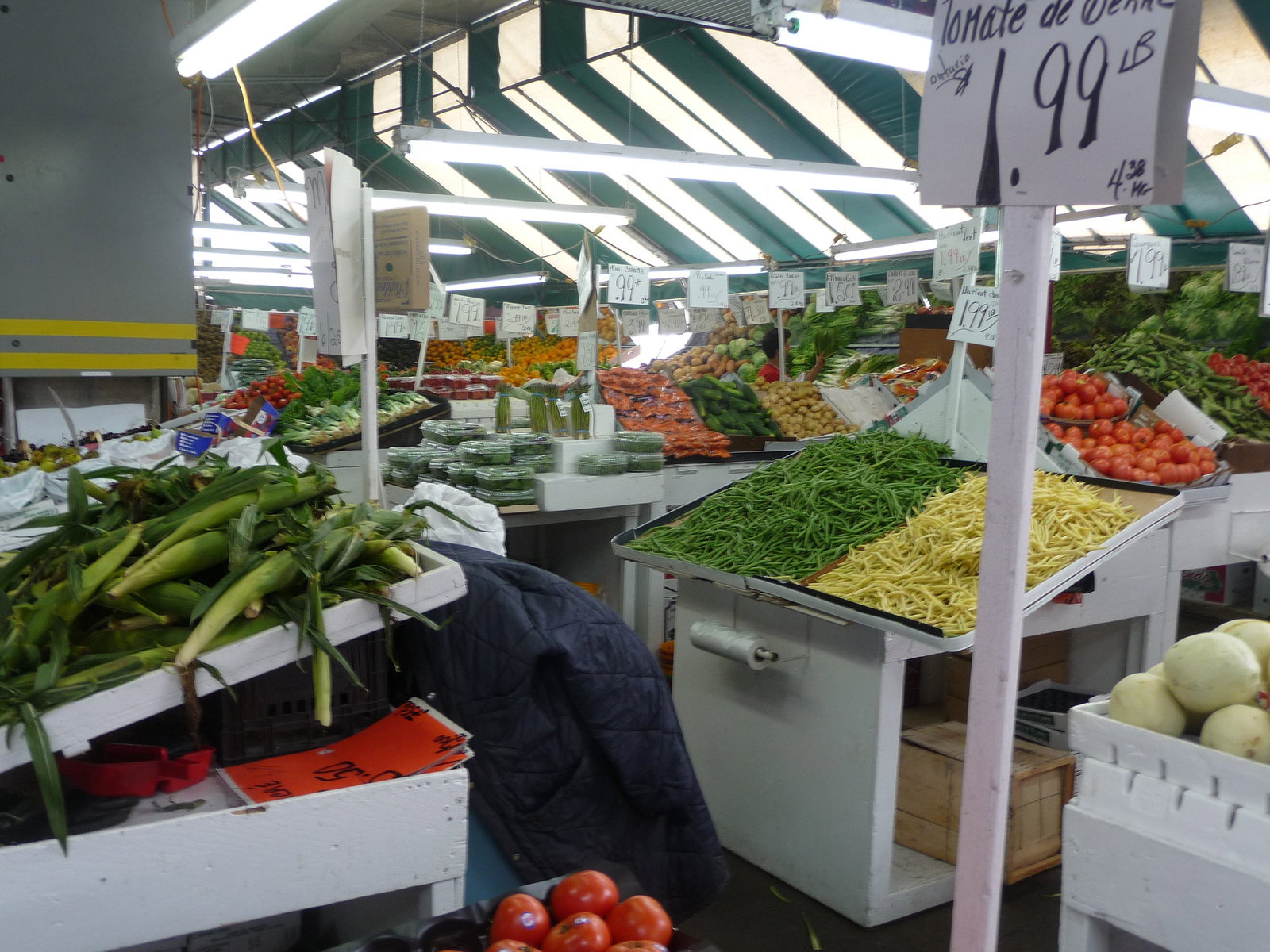
Quebec's most beloved public market overflows with local cheeses, maple products, heritage-breed meats, and seasonal produce. Best visited on a Saturday morning — pick up ingredients or graze the prepared-food stalls.

Montreal Jazz FestivalEvents & Festivals

Montreal Jazz Festival

10 days (late June – early July)

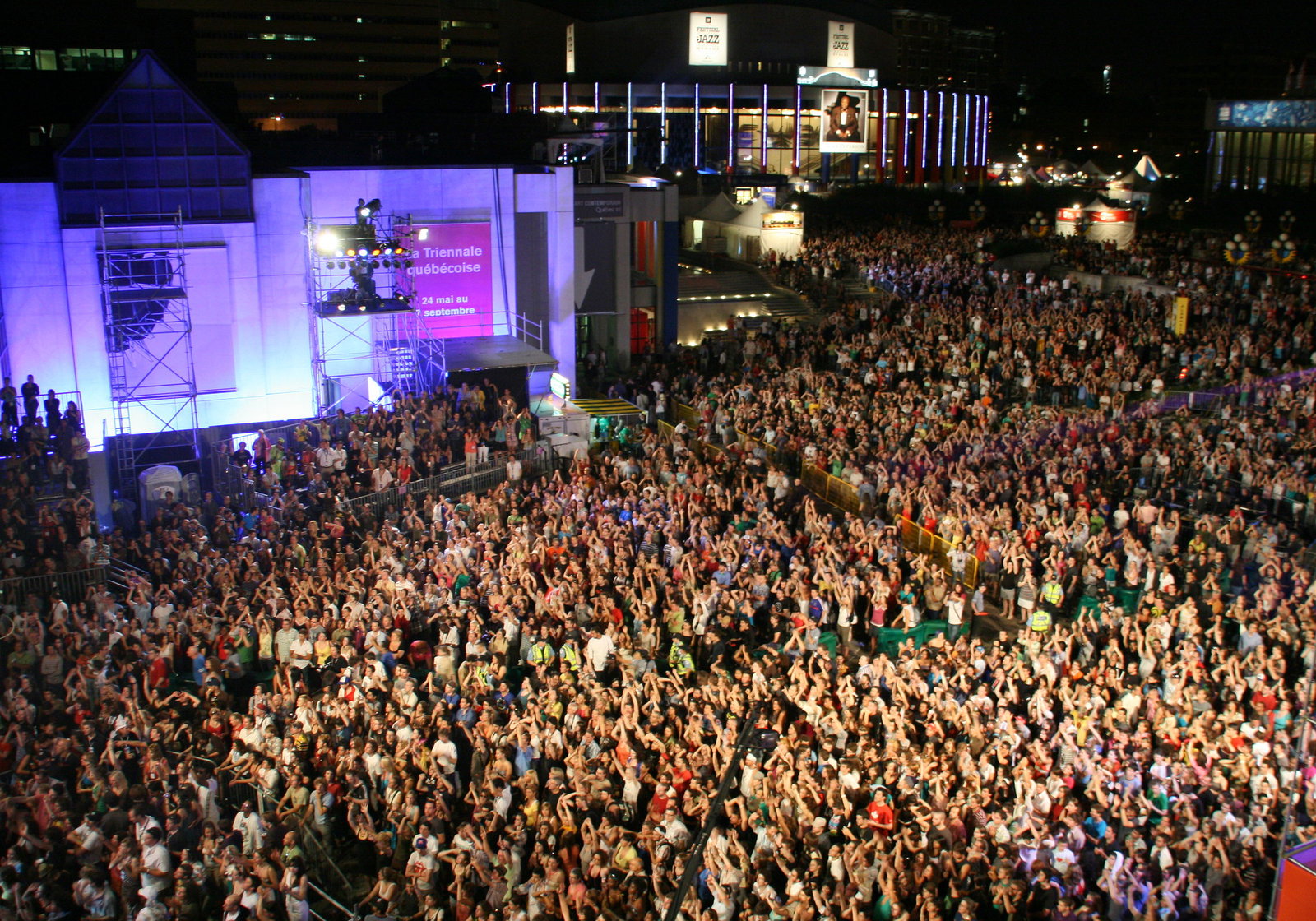
Each late June and early July, the Place des Arts quarter hosts the world's largest jazz festival — with 500+ concerts, half of them free on outdoor stages. Book indoor headline shows early.

Musée des beaux-arts de MontréalArt & Museums

Musée des beaux-arts de Montréal

2–3 hours

Canada's most visited museum holds an encyclopaedic collection spanning antiquity to contemporary art, with standout decorative-arts and international modern galleries. Free permanent collections on Sundays.

Best time to visit Montreal

The best time to visit Montreal is June through September, when long days, warm temperatures (20–28°C), and a packed festival calendar make the city feel electric. The Jazz Festival (late June/early July), Just for Laughs (July), and Osheaga music festival (August) are highlights. July and August are peak season — expect higher hotel rates and book accommodation early.

Spring (April–May) is shoulder season: cooler (5–18°C), fewer crowds, and lower prices. Trees bloom along Mount Royal and the terrasses open as soon as temperatures allow.

Autumn (September–October) is arguably the most beautiful time to visit. Foliage turns vivid red and orange across the Laurentians and Mount Royal, temperatures are crisp but comfortable (10–20°C), and summer crowds have thinned. The Montreal International Film Festival runs in late August into September.

Winter (November–March) is cold — temperatures regularly drop to -15°C or colder — but Montreal handles it with characteristic style. The underground city keeps daily life warm, the Christmas markets on Place des Arts are festive and lively, and Fête des Neiges (January/February) turns the Old Port into a winter carnival. Mont-Tremblant is a 90-minute drive for skiing. If you dress properly, Montreal in winter is a genuinely rewarding experience rather than something to endure.
Is Montreal safe to visit?

Yes — Montreal is generally very safe for tourists and consistently ranks among Canada's safer major cities. Violent crime targeting visitors is rare, and the Metro system, major attractions, and hotel districts are all low-risk environments.

A few practical points: petty theft (phone and bag snatching) can occur around busy transit hubs like Berri-UQAM station and on crowded festival grounds — keep valuables secure and stay aware in these spots. Some parts of the St-Michel and Montréal-Nord boroughs in the north of the island have higher local crime rates but are well off the tourist trail.

At night, the Plateau-Mont-Royal bar strip and downtown Sainte-Catherine Street are lively and generally safe, though normal big-city awareness applies. The Old Montreal neighbourhood can be quiet and dark on weeknights in winter — stick to well-lit streets.

Winter weather is its own safety consideration: ice on pavements is the most common hazard for visitors. Wear proper boots with grip and dress in layers. Frostbite risk is real below -20°C with wind chill — the underground city is your best friend on the coldest days.

Emergency number: 911. Non-emergency police: 514-280-2222. Healthcare is excellent; walk-in clinics are plentiful downtown.

Suggested itinerary

4 Days in Montreal: Bagels, Basilicas & Belle Époque Streets

This itinerary is designed for a first visit, based in downtown or Old Montreal, moving at a relaxed pace with plenty of time to eat well. Budget: mid-range (CAD 150–250/day excluding flights). It works in any season — swap outdoor skating for terrasse dining depending on when you visit.

Day 1

Old Montreal & the Old Port

Start at Notre-Dame Basilica first thing to beat the crowds — book tickets in advance. Walk east through the cobblestone streets of Vieux-Montréal, ducking into Marché Bonsecours and the Chapelle Notre-Dame-de-Bon-Secours. Lunch at a terrace bistro on Place Jacques-Cartier. Spend the afternoon at Pointe-à-Callière archaeology museum, then walk the Old Port boardwalk at sunset. Dinner at a French-inspired brasserie in the neighbourhood — try a Quebec cheese plate and local cider.

Montreal — Old Montreal & the Old Port

Travel essentials

Getting around

The STM Metro has four colour-coded lines covering most tourist areas efficiently. A 10-trip Opus card is the best-value option for short stays. Bixi bike-share stations are everywhere from April to November — ideal for Plateau and Old Montreal exploration. Taxis and Uber/Lyft operate citywide. The 747 express bus runs 24/7 between Trudeau Airport and downtown Berri-UQAM station (approx. CAD 11).

Typical costs

Budget: CAD 80–120/day (hostel, street food, Metro). Mid-range: CAD 150–250/day (3-star hotel, sit-down meals, one paid attraction). Upscale: CAD 350+/day (boutique hotels, tasting menus, taxis). A pint of beer: CAD 8–10. Restaurant meal: CAD 18–35 mains. Museum entry: CAD 15–25 adults.

Culture and etiquette

Montreal is a French-speaking city — greeting staff with 'bonjour' before switching to English is appreciated and sometimes expected. Tipping is standard: 15–20% at restaurants, 10–15% for taxis. Smoking is banned indoors and on most restaurant terrasses. Jaywalking is technically illegal but widely practised — be alert at intersections. Quebec identity is distinct from the rest of Canada; avoid assuming that French Montrealers see themselves as simply 'Canadian'.

Connectivity

Free Wi-Fi is available in most cafes, hotels, and the Metro system. Canadian SIM cards are expensive by international standards — consider a Fido, Koodo, or Lucky Mobile prepaid plan (approx. CAD 35–55/month for data). Many restaurants and shops accept tap-to-pay internationally.

Payments

Credit and debit cards (Visa, Mastercard) are accepted almost universally. American Express is less widely accepted. ATMs (called 'guichets automatiques' in Quebec) are plentiful. Some cash is useful for Jean-Talon Market stalls and smaller cafes. No currency conversion needed for Canadian residents — USD is not generally accepted at face value.

Montreal travel FAQs

More destinations to explore