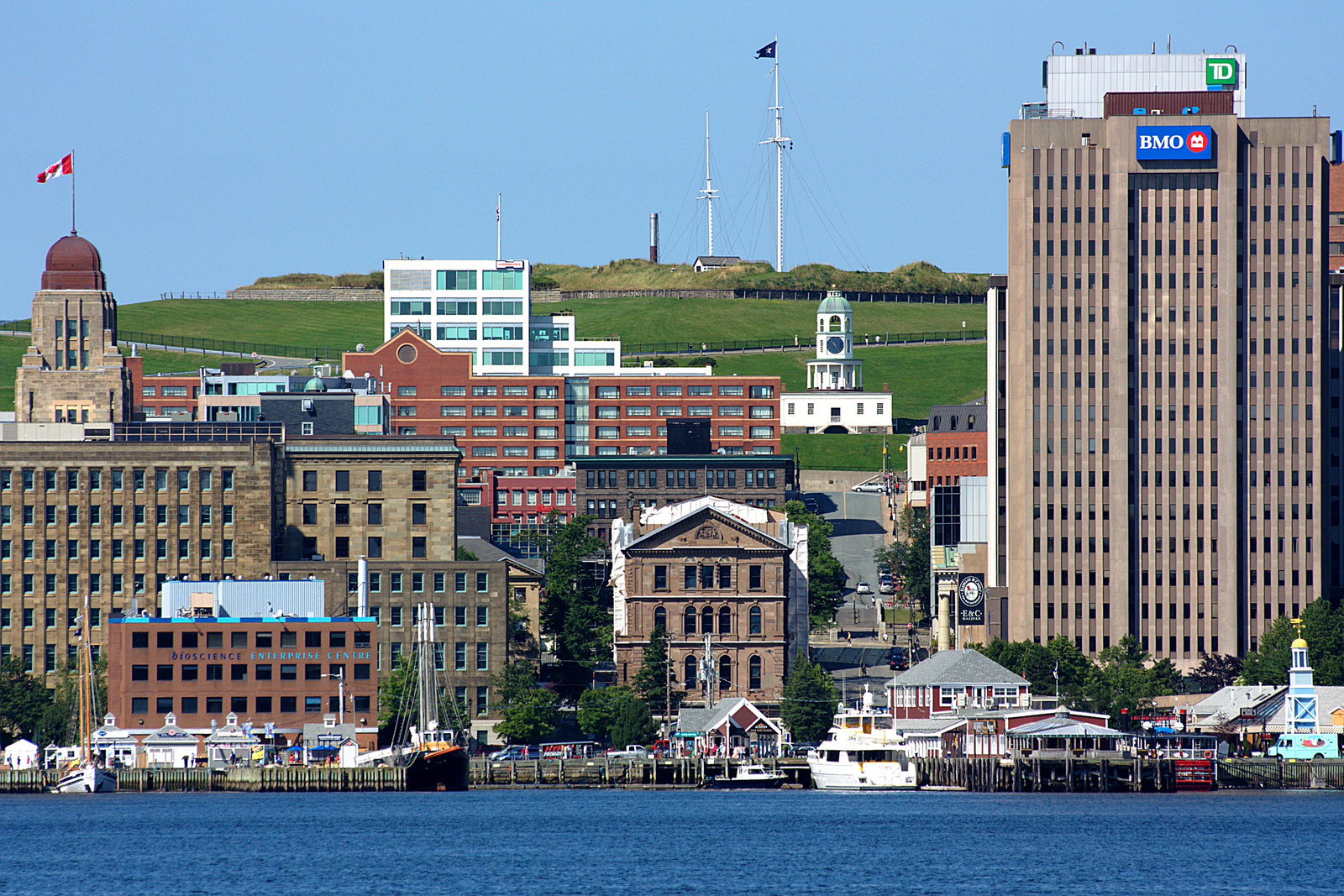
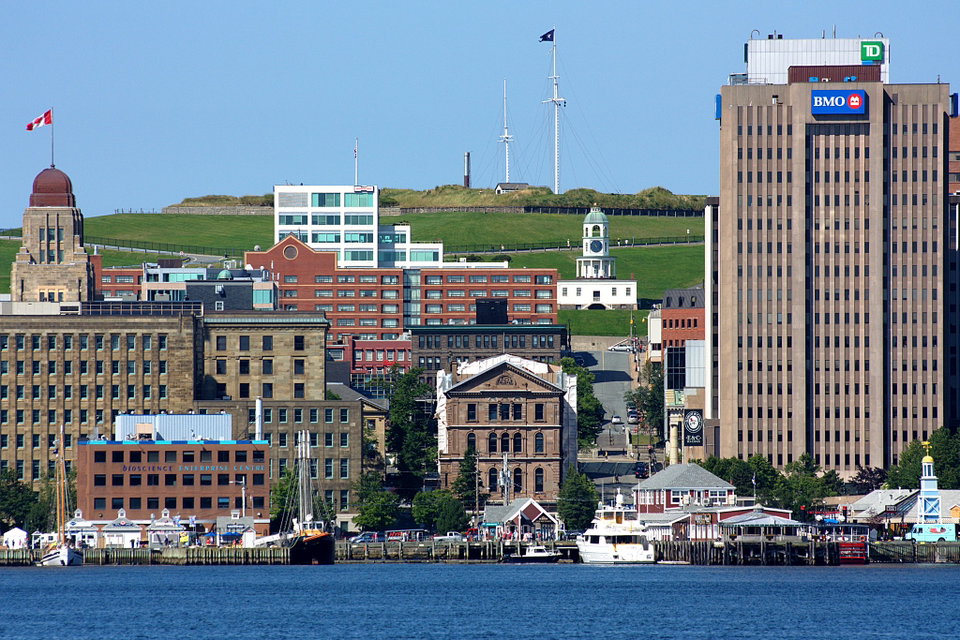
Halifax waterfront boardwalk at dusk with colourful historic buildings and sailing vessels reflected in the harbour

Destination guide

Halifax

Nova Scotia, Atlantic Canada · Canada

Atlantic Canada's vibrant harbour city — history, seafood, and ocean air in one compact downtown

Best season

July to September for warm weather, festivals, and the best patio and beach conditions.

From Nairobi

Approximately 18–22 hours (typically via London, Frankfurt, or Toronto).

Why visit Halifax?

Few mid-sized cities pack in Halifax's combination of genuinely walkable waterfront charm, world-class maritime history, and a food scene anchored by the freshest seafood on the continent. The UNESCO-listed Citadel hill and Georges Island fortifications tell stories spanning centuries, while the Seaport Farmers' Market — North America's oldest continually operating market — grounds you firmly in the present.

The city's craft-brewery density rivals cities three times its size, and the live-music culture spilling out of Argyle Street pubs on any given Thursday night proves Halifax plays hard without losing its friendly, unhurried Atlantic character. Day trips to Peggy's Cove, the Annapolis Valley vineyards, and the tidal bore at Truro can all be completed in a single long afternoon, making Halifax an ideal base for exploring the wider Maritimes.

  • Stroll 4 km of working waterfront boardwalk lined with seafood shacks, art galleries, and tall ships
  • Tour Citadel Hill — a fully preserved 19th-century star fortress with cannon firings every day at noon
  • Eat your weight in fresh lobster, Digby scallops, and rappie pie without leaving the downtown core
  • Sample over 20 craft breweries within walking or cycling distance of the waterfront
  • Day-trip to Peggy's Cove lighthouse — one of the most photographed spots in all of Canada
  • Explore the Maritime Museum of the Atlantic's Titanic and Halifax Explosion collections

Best for

History buffs, seafood lovers, craft-beer enthusiasts, solo travellers, and anyone using the city as a gateway to Nova Scotia.

Trip style

Urban explorer, cultural immersion, foodie weekend, Maritime road-trip base

Known for

Citadel Hill, the Halifax Waterfront Boardwalk, Peggy's Cove day trips, fresh lobster and Digby scallops, a thriving craft-brewery scene, and the tragic history of the 1917 Halifax Explosion.

Quick facts

Best time to visit

July to September for warm weather, festivals, and the best patio and beach conditions.

Currency

Canadian Dollar (CAD). 1 USD ≈ 1.36 CAD (2025 rate — check before travel).

Languages

English (primary); French spoken by a minority community.

Visa summary

Citizens of the US, UK, EU, and Australia can visit Canada visa-free (eTA required for most non-US air arrivals). Check the IRCC website for your nationality.

Flight time from Nairobi

Approximately 18–22 hours (typically via London, Frankfurt, or Toronto).

Airport / arrival

Halifax Stanfield International Airport (YHZ) is 35 km north of downtown; taxis (~CAD 65), Aerolink shuttle, and rideshares serve the city.

Safety note

Halifax is one of Canada's safest cities. Normal urban precautions apply around the downtown core at night.

Visa and entry

Look up entry rules by passport for travel to Canada on the Tsavaro visa checker.

Check visa requirements for Canada

Things to do

Walk the Halifax Waterfront BoardwalkSightseeing

Walk the Halifax Waterfront Boardwalk

2–4 hours

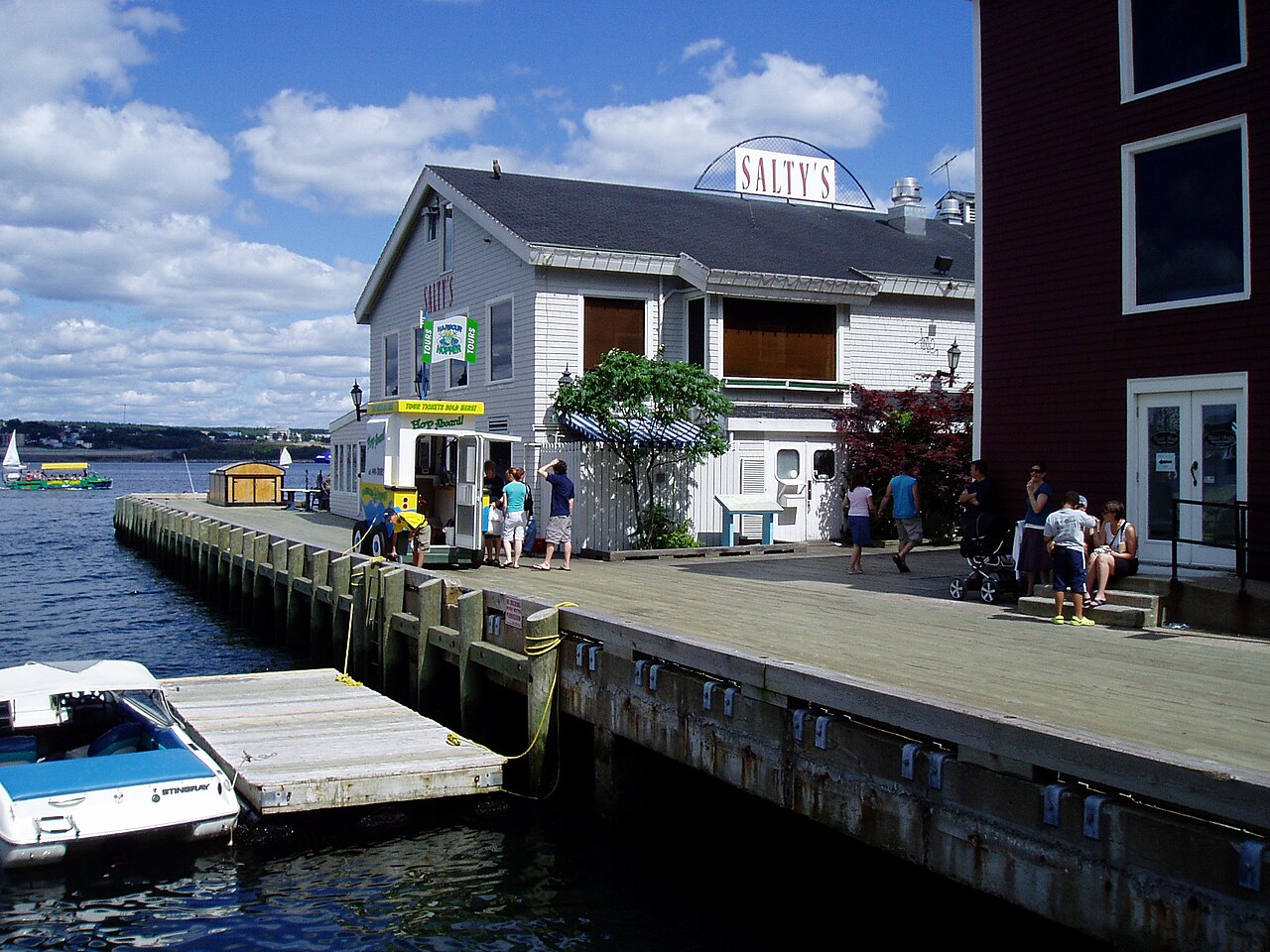
The beating heart of downtown, this 4 km boardwalk runs from Purdy's Wharf to Pier 21 past working piers, restaurants, the Seaport Market, and the Canadian Museum of Immigration. Rent a bike from Robie's Cycling, grab a lobster roll from one of the floating chowder bars, and watch container ships slide past at eye level.

Citadel Hill National Historic SiteHistory & Culture

Citadel Hill National Historic Site

2–3 hours

The star-shaped British fortification atop the hill at the centre of Halifax is the city's most recognisable landmark. Walk the ramparts, watch the noon gun firing, explore costumed-interpreter programmes, and take in panoramic views of the harbour and Georges Island from the highest point in downtown.

Maritime Museum of the AtlanticHistory & Culture

Maritime Museum of the Atlantic

2–3 hours

Canada's finest maritime museum holds the world's largest collection of Titanic artefacts recovered from the ocean floor, a moving Halifax Explosion exhibit, and the retired hydrographic vessel CSS Acadia moored alongside. The museum sits directly on the waterfront and is equally gripping for adults and kids.

Day Trip to Peggy's CoveDay Trip

Day Trip to Peggy's Cove

Half day

Just 43 km southwest of Halifax, Peggy's Cove is a tiny fishing village perched on wave-smoothed granite outcrops around a postcard-perfect lighthouse. Drive yourself or join a half-day tour from downtown. Go early or at golden hour to beat tour-bus crowds and see the lobster boats working the cove.

Canadian Museum of Immigration at Pier 21History & Culture

Canadian Museum of Immigration at Pier 21

1.5–2 hours

Between 1928 and 1971, over a million immigrants entered Canada through Pier 21 — Canada's Ellis Island. The national museum here tells those stories through personal testimonies, interactive galleries, and a searchable immigration records database. Deeply affecting and highly recommended.

Halifax Public GardensNature & Parks

Halifax Public Gardens

1–2 hours

A Victorian gem opened in 1867, these formal gardens cover 6.5 hectares in the South End with ornate bandstands, duck ponds, heritage fountains, and thousands of seasonal blooms. Free to enter and perfect for a peaceful afternoon between sightseeing — locals picnic here on summer Sundays.

Best time to visit Halifax

The best time to visit Halifax is July to September, when temperatures average 22–26 °C, the harbour is alive with tall ships and kayakers, and the city's full festival calendar is running — including the Royal Nova Scotia International Tattoo (late June/early July), Halifax Jazz Festival (July), and Halifax Burger Week (August).

June is shoulder season with fewer crowds and comfortable temperatures in the high teens; an excellent choice for budget travellers. October brings spectacular fall foliage across Nova Scotia and the Halifax Pop Explosion music festival, with noticeably thinner crowds and cheaper accommodation.

November to March is cold (lows of -10 °C or below) and occasionally stormy, but hotel rates drop sharply and the city never fully closes — Christmas markets, indoor brewery events, and the Dalhousie and SMU university calendars keep things lively. Spring (April–May) is unpredictable and often drizzly, though cherry blossoms in the Public Gardens peak in mid-May and make for a lovely visit if you pack layers.
Is Halifax safe to visit?

Yes — Halifax is generally one of the safest mid-sized cities in Canada, and violent crime against tourists is rare. The downtown core, waterfront, and South End neighbourhoods are safe to walk day and night. Standard urban common sense applies: keep an eye on bags in busy waterfront areas during peak summer season, avoid poorly lit back streets late at night, and use licensed taxis or rideshares rather than unmarked vehicles.

The North End has gentrified significantly and is safe for visitors, though like any city it has pockets that feel less welcoming after midnight. Halifax's winters (November–March) bring snow, ice, and the occasional serious storm — dress for extreme cold and check Nova Scotia 511 before driving. The ocean coastline around Peggy's Cove and other granite shore areas carries a genuine wave-surge hazard; stay behind safety markers at all times. Emergency services are excellent — dial 911 for police, fire, or ambulance anywhere in Nova Scotia.

Suggested itinerary

Halifax in 4 Days: Waterfront, History & Beyond

A moderate-paced four-day plan based entirely in Halifax with one day-trip. Budget accommodation starts around CAD 100/night; mid-range hotels run CAD 180–260. Most attractions are walkable or reachable by Metro Transit bus. A rental car is only needed for day-trip days.

Day 1

Arrive & Explore the Waterfront

Check in and head straight to the Waterfront Boardwalk for an orientation walk. Grab a bowl of chowder at the Chowder Trail — the Five Fishermen and Salty's are perennial favourites. Spend the afternoon at the Maritime Museum of the Atlantic, then walk up to the Citadel for sunset views over the harbour. Dinner at one of the Lower Water Street restaurants; try lobster linguine or a classic lobster roll.

Halifax — Arrive & Explore the Waterfront

Travel essentials

Getting around

Downtown Halifax is highly walkable — the waterfront, Citadel Hill, Spring Garden Road, and the Public Gardens form a compact triangle easily covered on foot. Metro Transit buses cover the wider HRM (Halifax Regional Municipality). The Dartmouth Ferry (a couple of dollars each way) is the most scenic and efficient way to cross the harbour. Taxis and Uber/Lyft operate throughout the city. A rental car is recommended only for day trips to Peggy's Cove, the Annapolis Valley, or Cape Breton.

Typical costs

Budget travellers can manage on CAD 100–130/day (hostel dorm, casual seafood meals, free or low-cost sights). Mid-range travellers spending on a hotel room and sit-down meals should budget CAD 220–300/day. A lobster dinner at a mid-range restaurant runs CAD 40–60 per person; craft-beer flights are CAD 12–18; Citadel Hill admission is around CAD 12 for adults (Parks Canada Discovery Pass saves money for multi-site visitors).

Culture and etiquette

Halifax is an inclusive, relaxed city with a strong East Coast friendliness — expect strangers to hold doors and chat. Tipping 15–20 % in restaurants and bars is standard. Smoking is prohibited in most indoor and many outdoor public spaces. Alcohol is sold through government-run NSLC liquor stores and licensed establishments; drinking in public parks is not permitted. Respect Mi'kmaq heritage sites and acknowledge the city sits on unceded Mi'kmaw territory.

Safety and planning

Travel insurance that covers medical costs is strongly recommended — Canadian healthcare is not free for foreign visitors and costs can be significant. Pack layers year-round; even summer evenings on the water can be cool. If driving outside the city in winter, carry an emergency kit with blankets, a shovel, and sand/kitty litter for traction.

Connectivity

Free public Wi-Fi is available along the waterfront boardwalk, in Halifax Central Library, and in most cafes and hotels. Canada has strong 4G/LTE coverage throughout the Halifax metro area. International visitors should purchase a Canadian SIM (Freedom Mobile, Fido, or Lucky Mobile have affordable tourist plans available at the airport and city outlets).

Payments

Canada is largely cashless — credit and debit cards (Visa and Mastercard) are accepted virtually everywhere, including market stalls and food trucks. American visitors can use US debit cards at most ATMs and many retailers. Some smaller craft breweries and the Seaport Market prefer card payments; very few businesses are cash-only.

Halifax travel FAQs

More destinations to explore