 Hiking
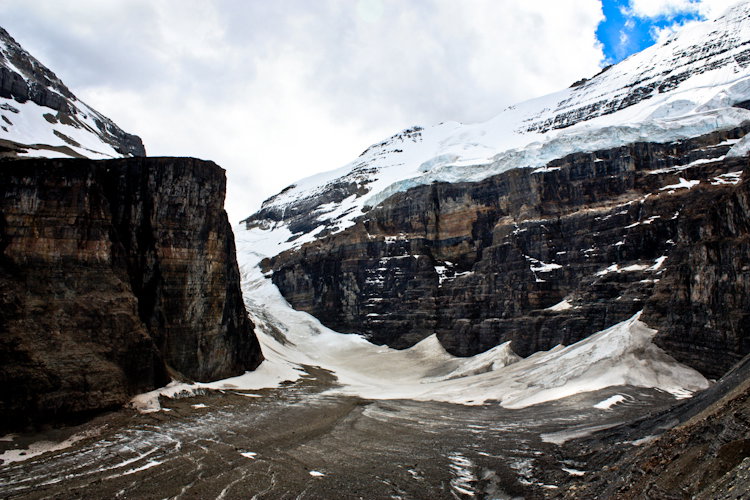
Hike the Plain of Six Glaciers
Full day (5–6 hours)
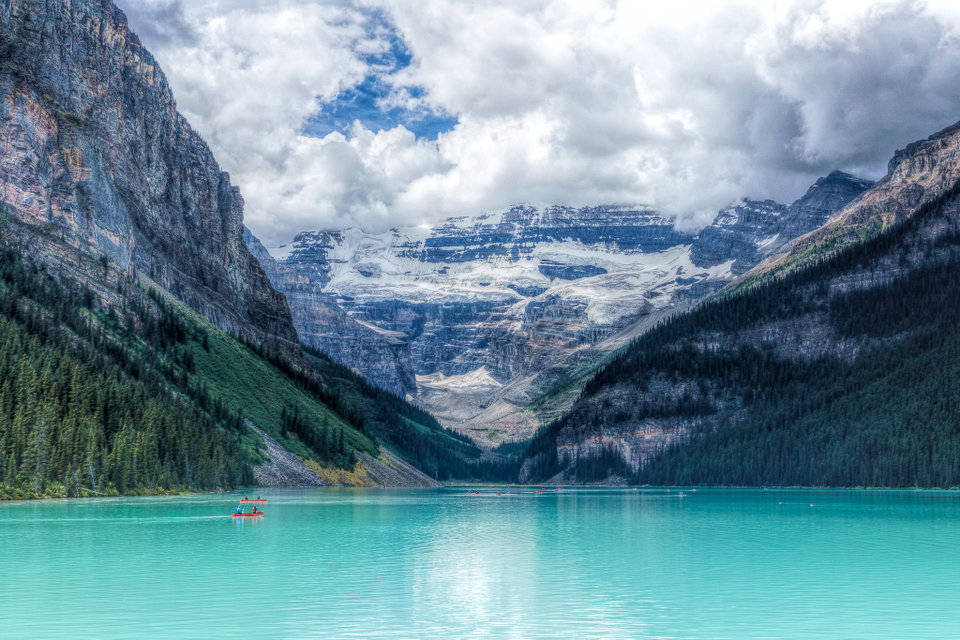
A classic 14 km return trail from Lake Louise Lakeshore through subalpine meadows to a historic teahouse perched beneath Victoria Glacier. Moderate difficulty with rewarding glacier views.
Destination guide
Canadian Rockies, Alberta · Canada
Glacial lakes, soaring peaks, and wilderness that earns every superlative
Best season
July–August for hiking and lake colours; December–March for skiing. Avoid mid-June mud season if trails matter.
From Nairobi
Approximately 18–22 hours Nairobi (NBO) to Calgary (YYC) with one stop (typically London, Amsterdam, or Dubai). Banff is 90 min by road from YYC.
Banff sits inside a UNESCO World Heritage Site that protects over 6,600 square kilometres of intact Rocky Mountain wilderness — and it shows. The light here is genuinely different: glacial flour suspended in meltwater turns every lake an impossible blue-green that photographs still somehow undersell.
Beyond the scenery, Banff town itself is a well-serviced base with excellent restaurants, independent gear shops, and a spa culture anchored around the historic Banff Upper Hot Springs. The park infrastructure — gondolas, icefields tours, a well-signed trail network — makes serious wilderness accessible without sacrificing wildness. And unlike many iconic parks, Banff is a true four-season destination: summer hiking gives way to autumn larch gold, early winter snowfall, and a world-class ski season that runs November to May.
Best for
Hiking, skiing & snowboarding, wildlife photography, road trips, honeymoons, adventure couples
Trip style
Active, scenic, outdoor adventure, romantic, family
Known for
Lake Louise, Moraine Lake, the Icefields Parkway, Banff Gondola, grizzly bear sightings, larch season, Banff Upper Hot Springs
Best time to visit
July–August for hiking and lake colours; December–March for skiing. Avoid mid-June mud season if trails matter.
Currency
Canadian Dollar (CAD). Major cards accepted almost everywhere; ATMs in Banff town.
Languages
English (primary); French signage on federal lands. Basic Spanish and Mandarin widely understood in tourist season.
Visa summary
Most visitors need a Canadian eTA (Electronic Travel Authorization) or visa. US citizens need a valid passport but no eTA for air travel. Check IRCC requirements for your passport.
Flight time from Nairobi
Approximately 18–22 hours Nairobi (NBO) to Calgary (YYC) with one stop (typically London, Amsterdam, or Dubai). Banff is 90 min by road from YYC.
Airport / arrival
Fly into Calgary International Airport (YYC). Brewster Express and Banff Airporter run direct shuttles to Banff town (90 min). Car rental from YYC gives the most flexibility for exploring the Icefields Parkway.
Safety note
Very safe. Main risks are wildlife encounters (bears, elk) and rapid mountain weather changes. Carry bear spray on trails, check Parks Canada trail conditions daily, and dress in waterproof layers year-round.
Visa and entry
Look up entry rules by passport for travel to Canada on the Tsavaro visa checker.
Check visa requirements for CanadaHikingFull day (5–6 hours)
A classic 14 km return trail from Lake Louise Lakeshore through subalpine meadows to a historic teahouse perched beneath Victoria Glacier. Moderate difficulty with rewarding glacier views.
 Hiking
6–7 hours return
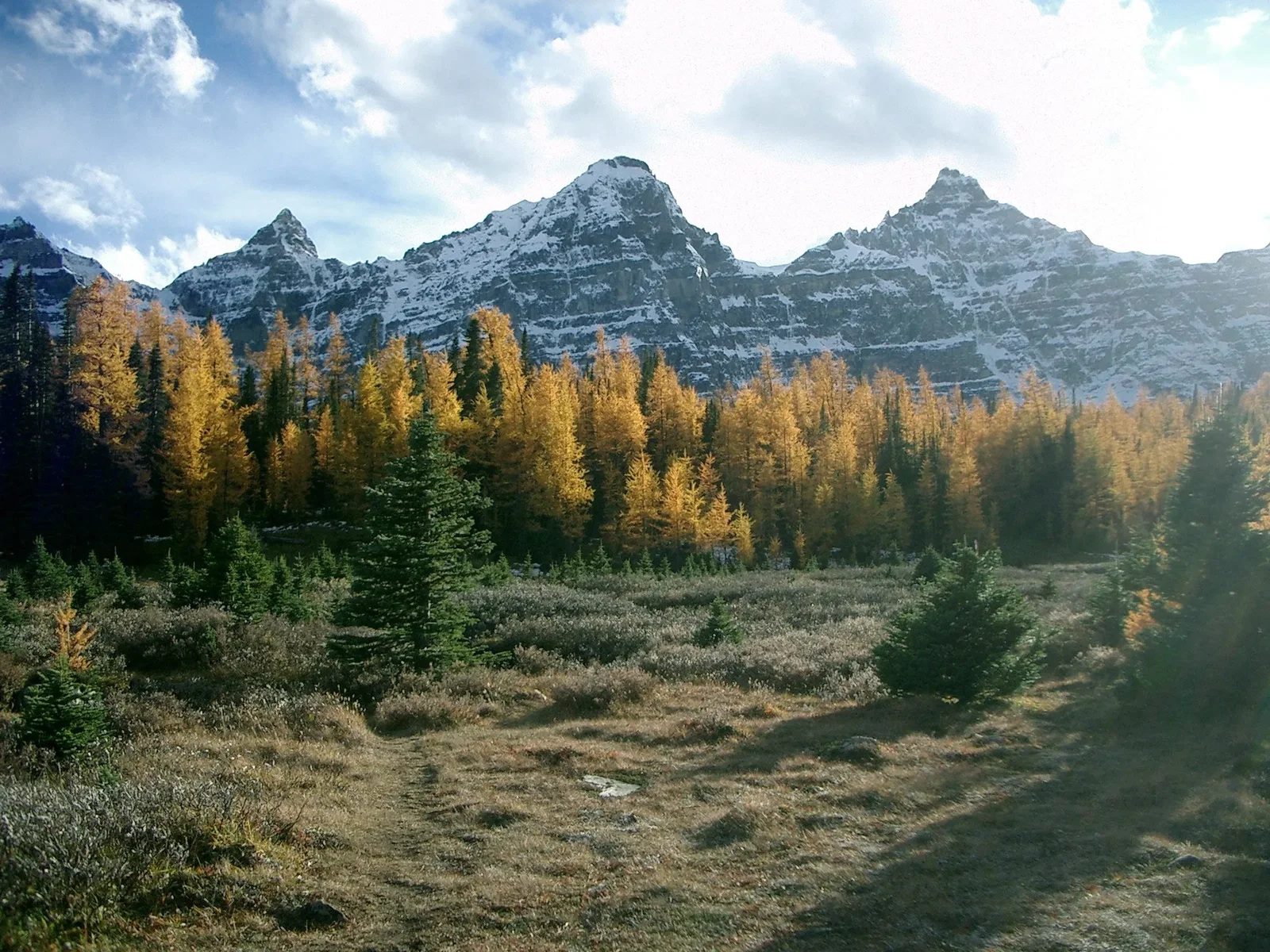
Banff's most coveted autumn hike turns golden in late September when the larches blaze. The 11.6 km trail rises to Sentinel Pass (2,611 m) above Moraine Lake with panoramic Ten Peaks views.
 Road Trip
1–2 days
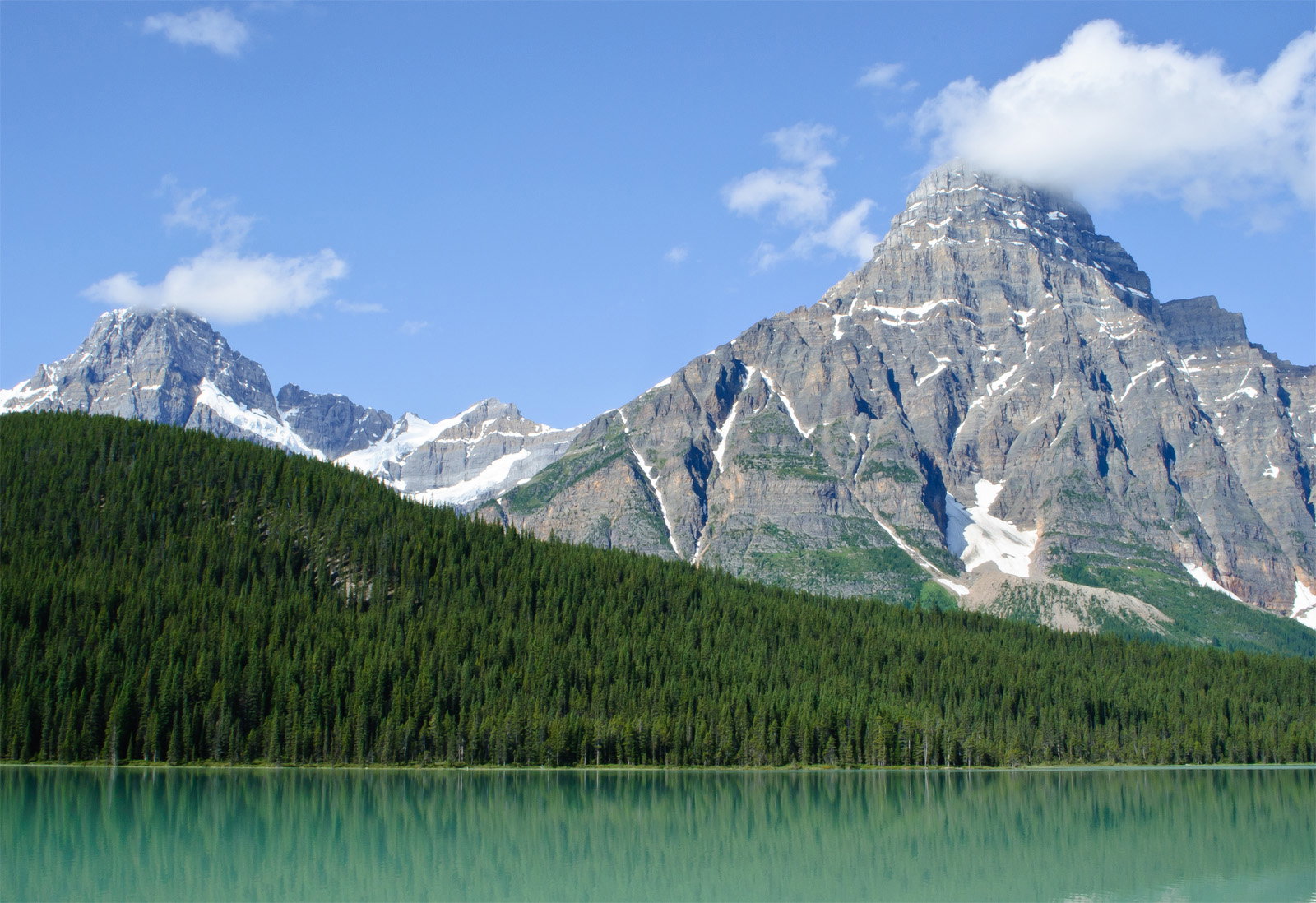
Follow Hwy 93 north from Banff to Jasper past Peyto Lake, the Columbia Icefield, Athabasca Falls, and countless pull-outs for elk and mountain goat sightings. Allow a full day — or two.
 Skiing & Snowboarding
Full day (ski day)
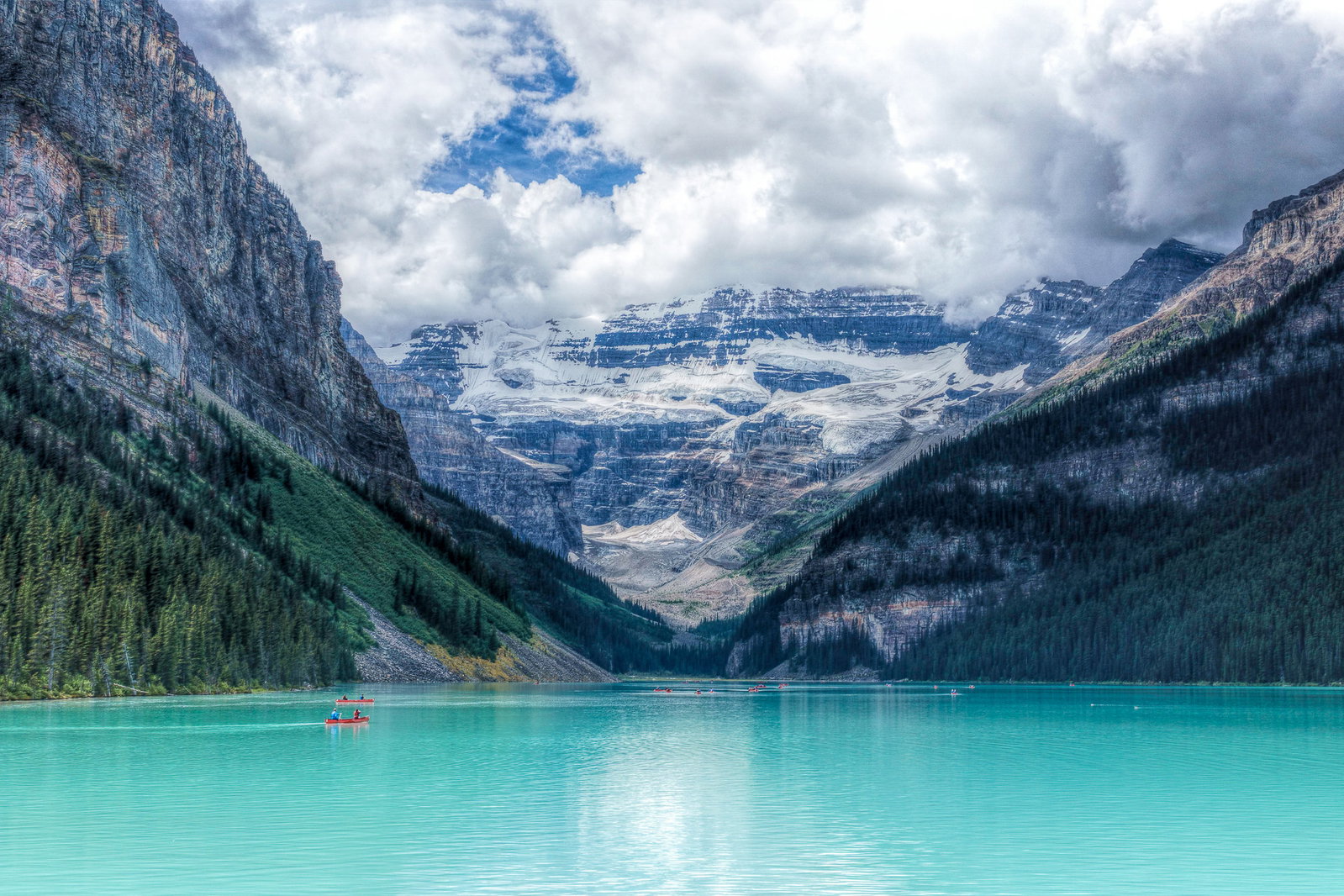
Sunshine Village receives some of Canada's deepest snowfall and stays open until late May. Lake Louise Mountain Resort offers 4,200 acres of varied terrain with iconic lake views from the top lifts.
 Sightseeing
2–3 hours
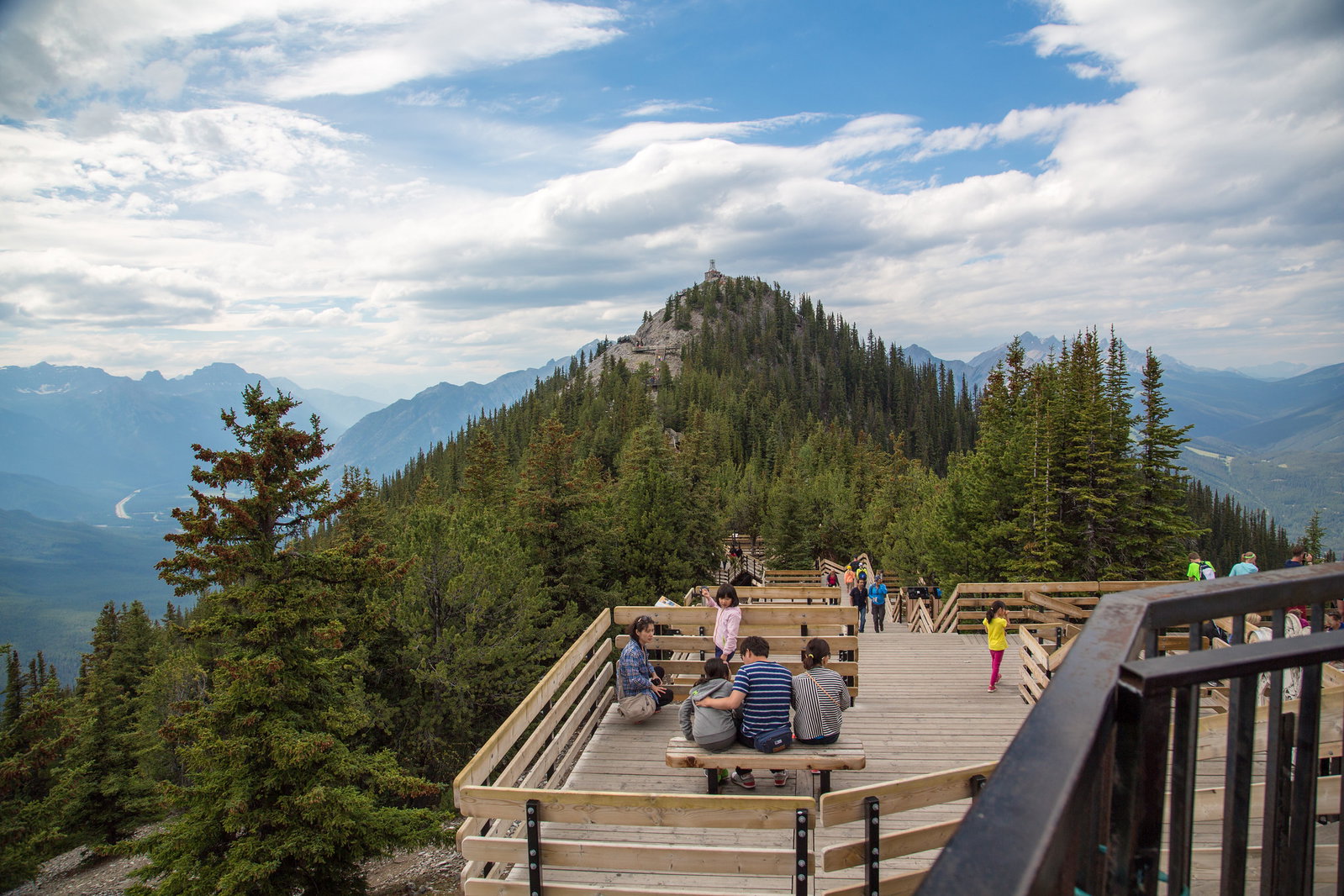
An 8-minute gondola ride lifts you to the summit of Sulphur Mountain (2,281 m) for a 360-degree panorama of six mountain ranges. A boardwalk ridge trail extends to a restored weather observatory.
 Wellness
1–2 hours
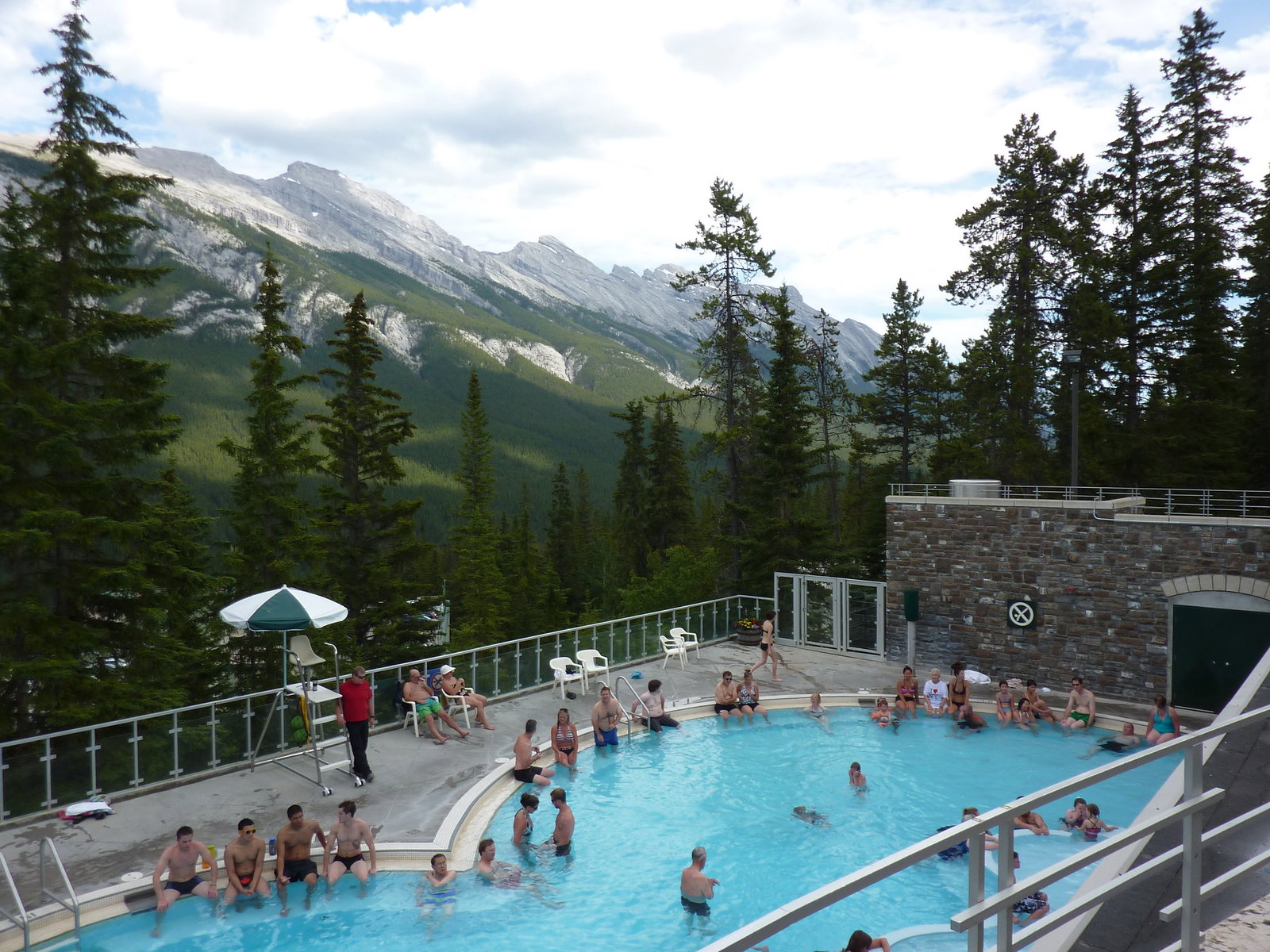
Canada's highest naturally occurring hot springs feed a 1930s pool at 1,585 m with Rundle Mountain as a backdrop. Open year-round; best in winter when steam hangs in the cold air.
The best time to visit Banff is July and August for hiking, lake colours, and wildlife activity, or December through March for skiing and a quieter, magical snowy atmosphere.
Summer (July–August): Peak season and for good reason. Moraine Lake Road is open, wildflowers blanket the meadows, and long daylight hours allow ambitious trail days. Expect crowds at the most iconic spots — book accommodation 3–6 months ahead and arrive at Moraine Lake before 7 am.
Autumn (September–mid-October): Arguably the most spectacular season. The larch forests in Larch Valley, Skoki, and along the Highline burst into gold for roughly two weeks in late September. Crowds thin, air is crisp, and elk rutting season adds drama to the valleys.
Winter (December–March): Banff transforms into a world-class ski destination. Sunshine Village, Lake Louise Mountain Resort, and Mt Norquay offer combined terrain for all levels. Johnston Canyon freezes into an ice-walk playground. Prices dip (outside Christmas/New Year) and the park feels genuinely peaceful.
Spring (April–June): Snowmelt makes many trails muddy and some roads remain closed until late May or June. The upside: low prices, no crowds, and dramatic rushing waterfalls. Not recommended if trail access is your priority.
Yes — Banff is one of the safest destinations in North America for tourists, with low crime rates and a well-resourced Parks Canada ranger and emergency service network. The main risks are environmental, not human.
Wildlife: Banff is genuine bear country. Carry bear spray (mandatory on backcountry trails, available to rent or buy in town), hike in groups of four or more on remote trails, and never approach wildlife on the road — elk cause more injuries in Banff than bears do. Check the Parks Canada Wildlife Activity Report before heading out.
Weather: Mountain weather changes in minutes. Pack waterproof layers, a warm mid-layer, and sun protection regardless of the season. Lightning storms are common on exposed ridges in July and August — descend before noon if clouds build.
Trails: Some trails require free day-use passes (Moraine Lake, Lake Louise corridor) during peak season to manage access. Backcountry overnight trips require a Wilderness Pass. Stick to marked trails — many off-trail areas have unstable scree and avalanche risk in winter.
Roads: Winter driving on the Icefields Parkway requires winter tires (mandatory Nov–Apr). Keep fuel topped up — services are sparse between Banff and Jasper.
Overall, a well-prepared visitor faces minimal risk and will find Banff's infrastructure genuinely impressive for a wilderness destination.
Suggested itinerary
This plan assumes Banff town as your base, a rental car or park shuttle pass, and a mid-pace that mixes half-day hikes with scenic drives. Suited to first-time visitors in summer (July–August) or shoulder season (September for larches). Budget: mid-range to luxury. Park entry fee (Parks Canada Discovery Pass) required.
Day 1
Pick up your rental car in Calgary and make the 90-minute drive to Banff, stopping at the Stoney Nakoda viewpoint for your first Rocky Mountain panorama. Check in, grab a Parks Canada pass, and spend the afternoon strolling Banff Avenue. Walk up to the Bow River Falls before dinner, then try Bison Restaurant for elevated Canadian comfort food.
A rental car from Calgary Airport (YYC) gives maximum flexibility for the Icefields Parkway and early-morning lake access. Within the park, the Roam Transit bus network connects Banff town, Canmore, Lake Louise, and the ski hills affordably. A Parks Canada Moraine Lake/Lake Louise Shuttle Pass (bookable online) is required for those without a car during peak summer season — book the moment reservations open in spring.
Mid-range budget: CAD 250–400/day for two (accommodation, meals, activities). Parks Canada Discovery Pass: CAD 72/adult or CAD 145/family (annual, covers all national parks). Ski day passes: CAD 130–170. Gondola: CAD 65/adult. Canoe rental: CAD 155/hour. Budget accommodation and hostels exist in Banff town from CAD 45/night; luxury lodges (Fairmont Banff Springs, Fairmont Lake Louise) from CAD 500–1,200/night.
Banff sits on the traditional territory of the Blackfoot Confederacy, Iyarhe Nakoda, and Tsuut'ina nations. Leave-No-Trace principles are taken seriously — pack out all waste, stay on trails, and do not pick wildflowers. Photography of wildlife: keep 30 m from elk/deer and 100 m from bears/wolves. Tipping is standard (15–20%) in restaurants.
Download the Parks Canada app for offline trail maps and wildlife alerts. Register your trip plan with Parks Canada (free) before any backcountry hike. Carry the Ten Essentials: bear spray, map, compass, first aid kit, emergency shelter, fire starter, extra food and water, headlamp, sun protection, and a knife. Cell coverage is patchy beyond town — a satellite communicator (e.g. Garmin inReach) is recommended for remote day hikes.
Banff town has good LTE coverage (Telus, Rogers, Bell). Coverage drops significantly outside town and along the Icefields Parkway. Free Wi-Fi is available in most hotels, cafes, and the Banff Visitor Centre. Purchase a Canadian SIM at Calgary Airport or activate an international data plan before arrival.
Credit and debit cards (Visa, Mastercard) accepted everywhere in town and at major park facilities. Some backcountry campground permit systems require online pre-payment via the Parks Canada reservation portal. ATMs in Banff town centre. Tipping in cash is appreciated.
Banff, Canada