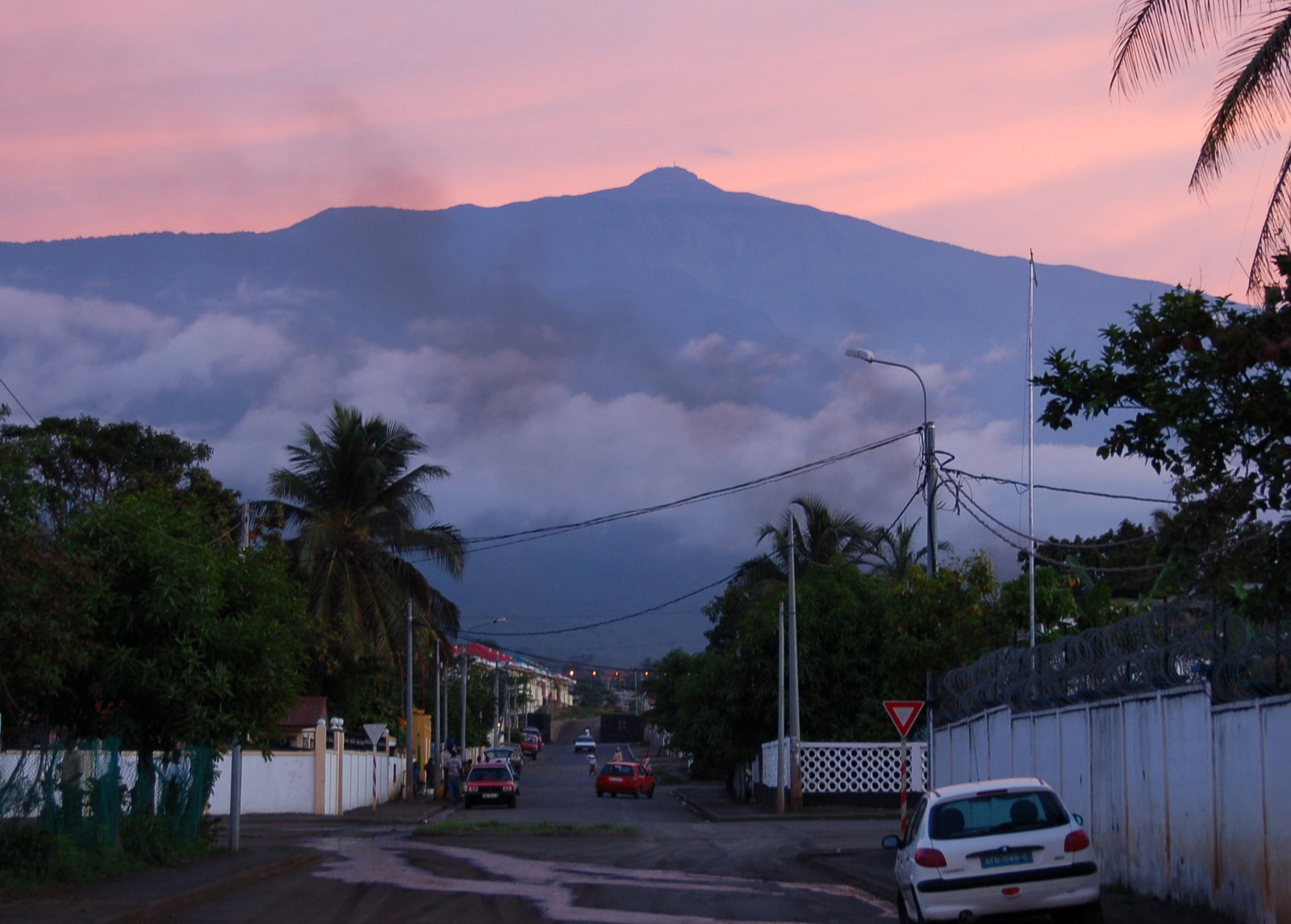
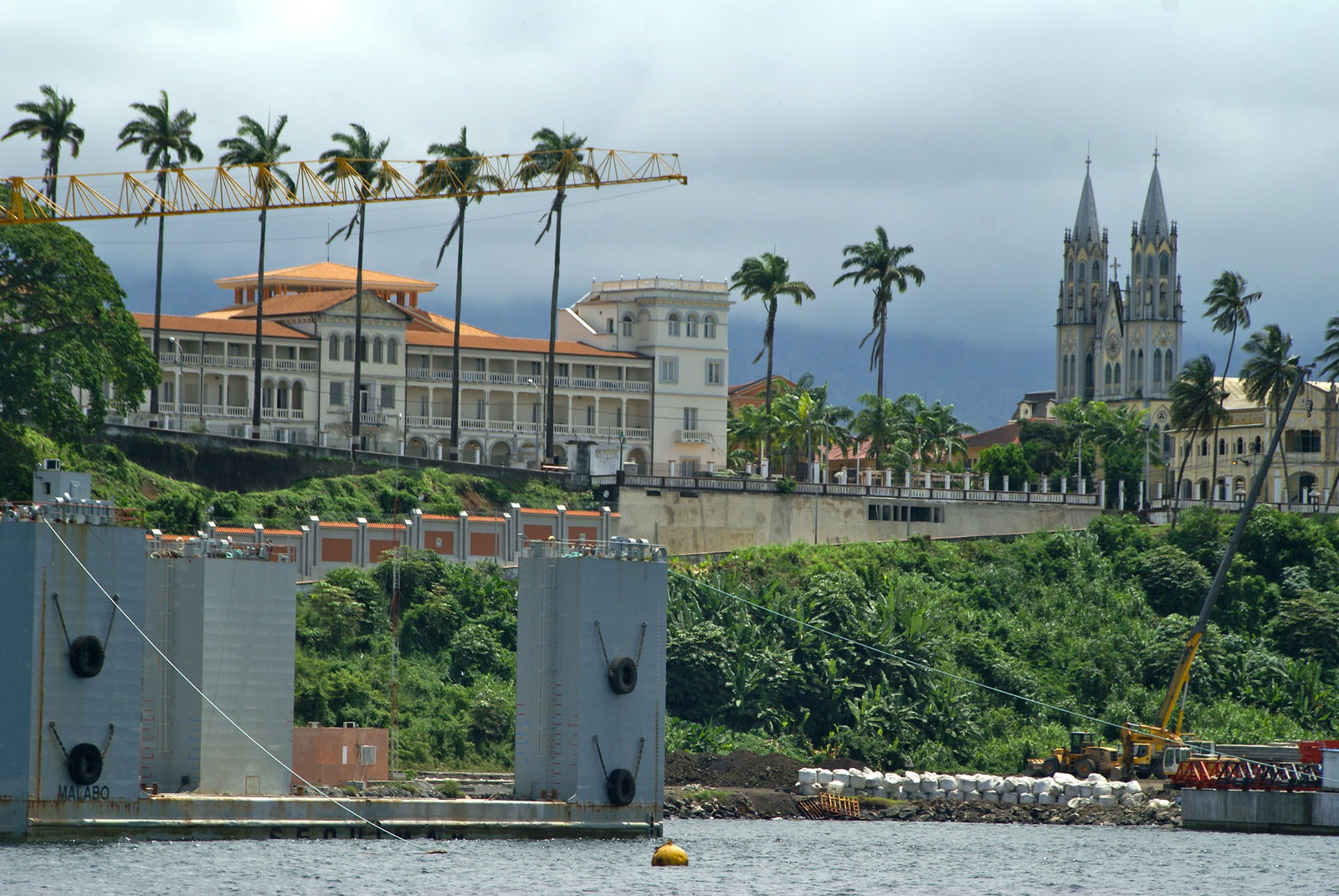
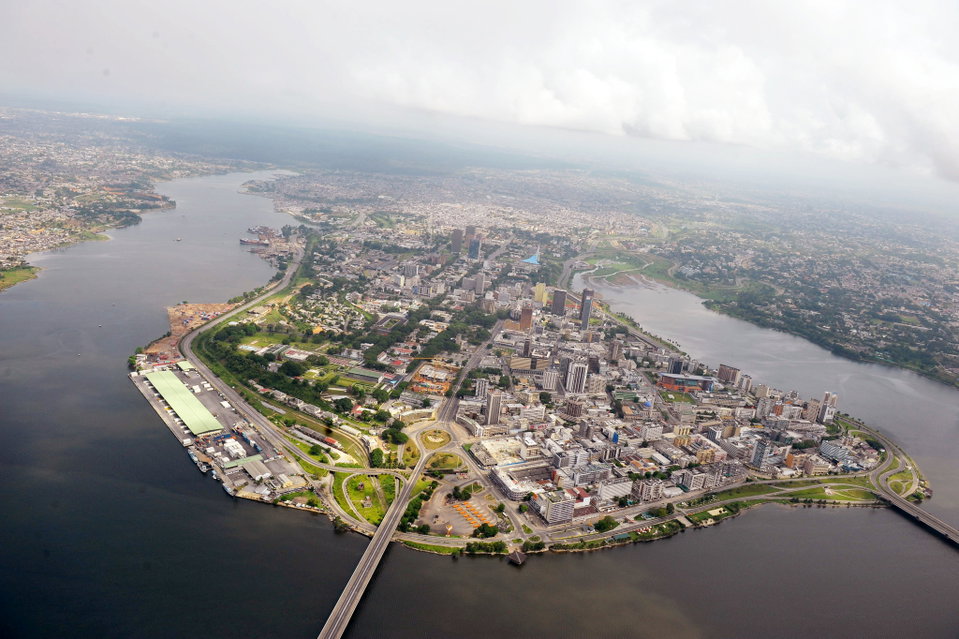
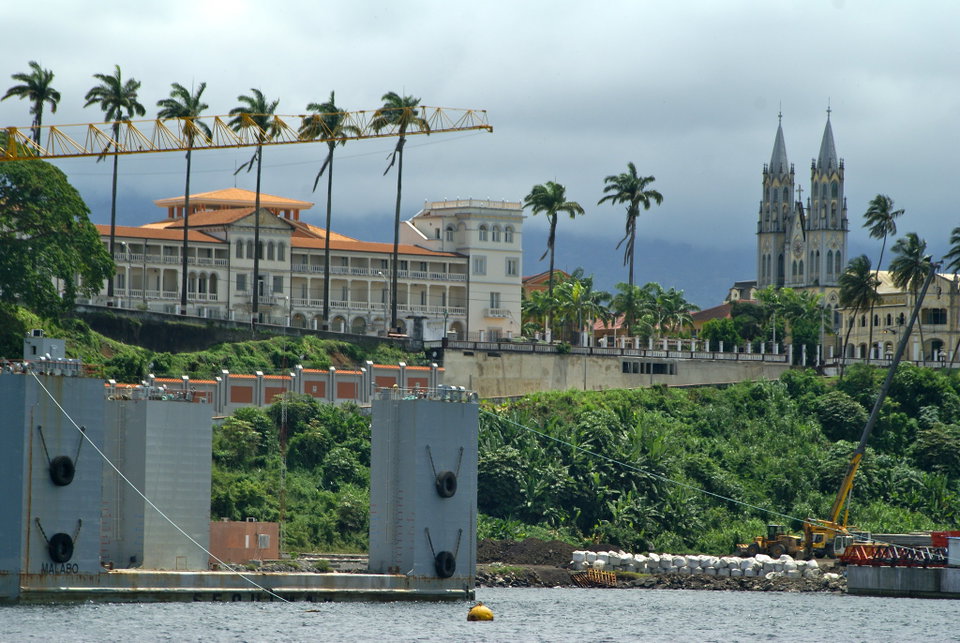
Malabo city waterfront with colonial-era cathedral and lush Bioko Island hills in the background

Destination guide

Malabo

Bioko Island, Gulf of Guinea · Equatorial Guinea

A colonial-era capital wrapped in rainforest on a volcanic island — West Africa's most unexpected city break.

Best season

December to February (dry season) for the least rainfall; June to August is drier but cooler

From Nairobi

Approximately 7–8 hours (usually via Addis Ababa or Douala)

Why visit Malabo?

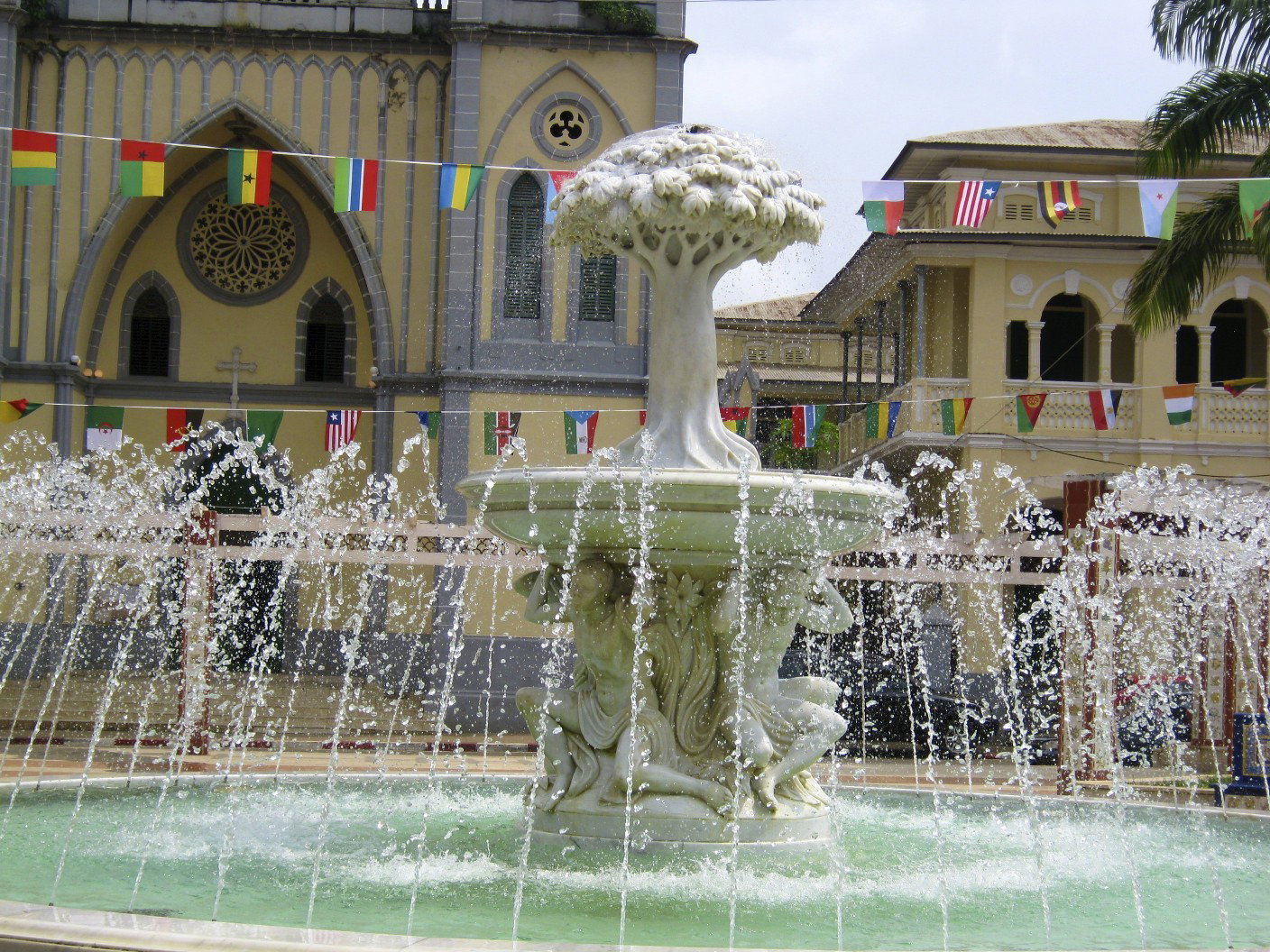
Malabo is one of Africa's least-visited capitals, and that scarcity is itself an attraction. The city's Spanish colonial core — centred on Plaza de la Independencia and the twin-towered Santa Isabel Cathedral — feels frozen in an earlier century, its pastel facades peeling romantically in the equatorial humidity.

Beyond the architecture, Bioko Island is a genuine wildlife haven. The island's southern forests shelter several primate species found nowhere else on Earth, including Preuss's monkey and the Bioko drill. Pico Basile, at 3,011 m, looms above the city and rewards the adventurous with cloud-forest hiking and sweeping views over the Gulf of Guinea.

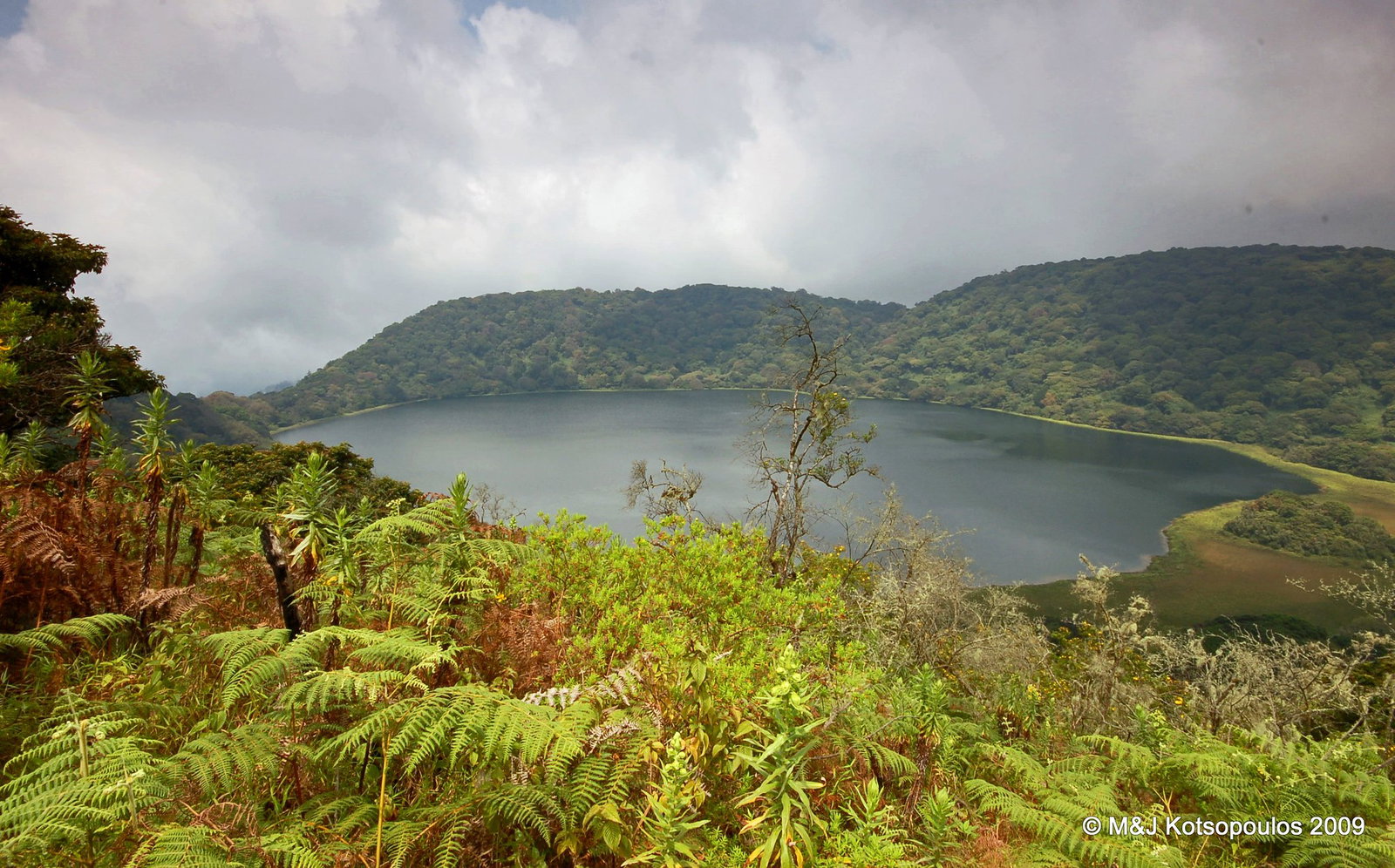
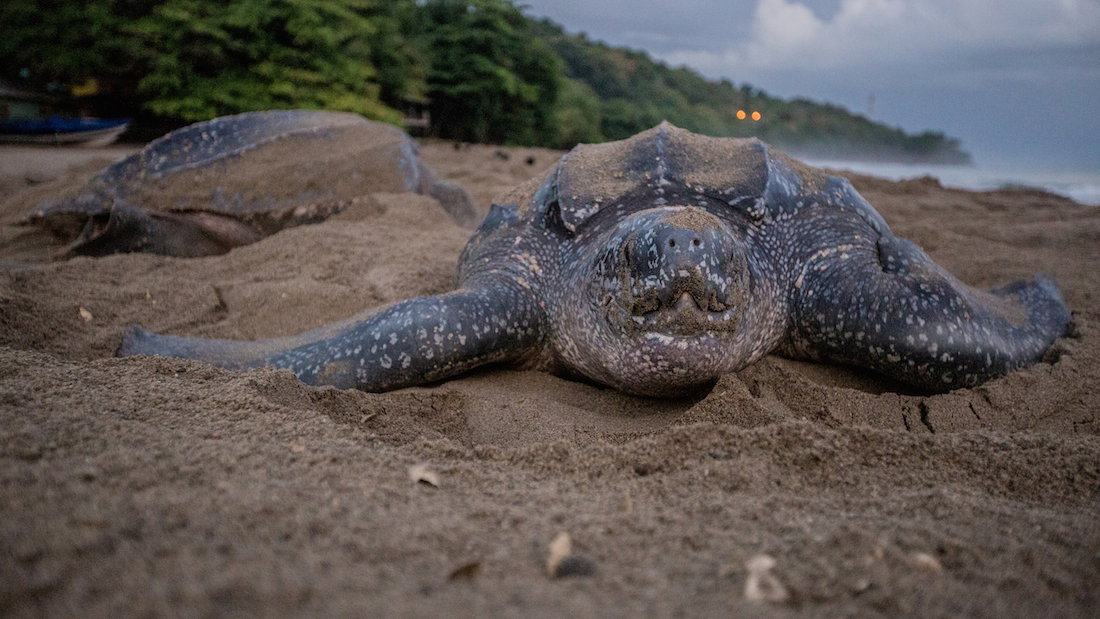
Malabo is also a gateway to the island's volcanic crater lakes — Lago Loreto and Lago Biao — and to black-sand beaches at Arena Blanca and Ureca, one of West Africa's most important leatherback turtle nesting sites. For travellers who appreciate off-the-beaten-path authenticity, Malabo delivers in abundance.

  • Santa Isabel Cathedral — one of the finest Spanish colonial churches in sub-Saharan Africa
  • Pico Basile volcano: hike to 3,011 m above the Gulf of Guinea
  • Bioko's southern forests shelter primates found nowhere else on Earth
  • Leatherback turtles nest at Ureca — one of the world's most important nesting beaches
  • Volcanic crater lakes a short drive from the city centre
  • A genuinely off-the-grid African capital with virtually no tourist crowds

Best for

Off-the-beaten-path adventurers, wildlife enthusiasts, colonial architecture lovers, birdwatchers

Trip style

Adventure, nature, culture, short city break

Known for

Spanish colonial architecture, Bioko Island rainforest, endemic primates, volcanic crater lakes, leatherback turtle beaches

Quick facts

Best time to visit

December to February (dry season) for the least rainfall; June to August is drier but cooler

Currency

Central African CFA franc (XAF). 1 USD ≈ 615 XAF (2025 rate).

Languages

Spanish (official), French (co-official), Fang, Bubi, Pidgin English

Visa summary

Visa required for most nationalities; apply in advance at an Equatorial Guinea embassy. Yellow fever vaccination certificate mandatory on arrival.

Flight time from Nairobi

Approximately 7–8 hours (usually via Addis Ababa or Douala)

Airport / arrival

Malabo International Airport (SSG) is 5 km from the city centre; taxis available, no metered cabs — agree fare before boarding.

Safety note

Petty theft in markets; avoid the port area after dark. Carry copies of all documents — police checkpoints are frequent.

Visa and entry

Look up entry rules by passport for travel to Equatorial Guinea on the Tsavaro visa checker.

Check visa requirements for Equatorial Guinea

Things to do

Explore Plaza de la Independencia & the Colonial QuarterCulture & Heritage

Explore Plaza de la Independencia & the Colonial Quarter

2–3 hours

Stroll the city's historic heart, anchored by the twin-towered Santa Isabel Cathedral (1916) and surrounded by Spanish colonial mansions. Early mornings are best before the heat builds.

Hike Pico BasileAdventure & Hiking

Hike Pico Basile

Full day

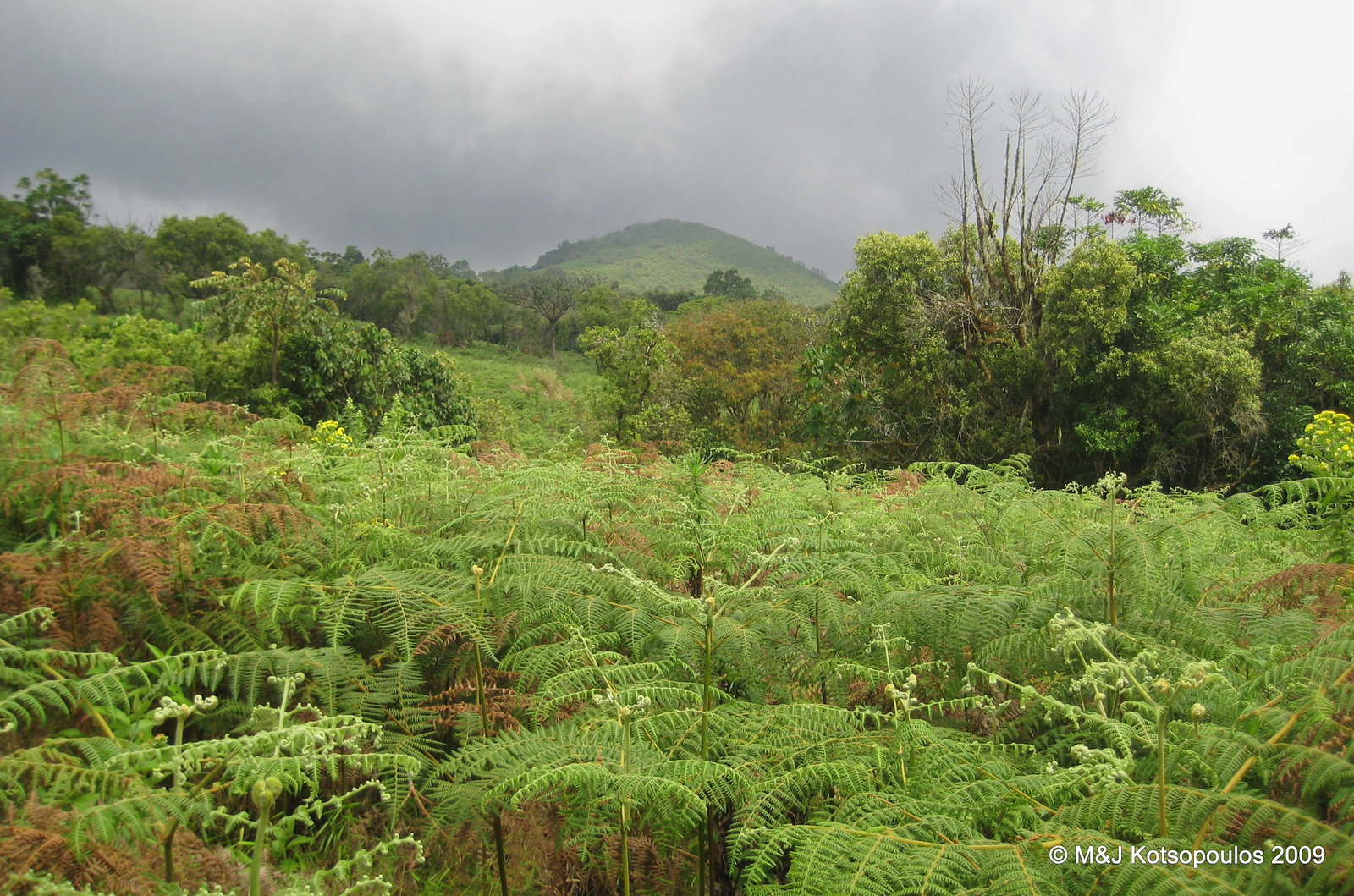
Equatorial Guinea's highest peak rises to 3,011 m and is accessible via a guided day hike from Malabo. Cloud forest, dramatic views, and montane birdlife reward those who make the climb.

Visit Lago Loreto & Lago Biao (Crater Lakes)Nature & Scenery

Visit Lago Loreto & Lago Biao (Crater Lakes)

Half to full day

Two volcanic crater lakes south of Malabo offer serene swimming and birdwatching. Lago Biao is set inside dense montane forest; the road requires a 4WD vehicle.

Wildlife Tracking in Bioko's Southern ForestsWildlife & Safari

Wildlife Tracking in Bioko's Southern Forests

Full day or overnight

The Bioko Biodiversity Protection Program leads guided excursions to spot endemic primates — drills, Preuss's monkeys, and red-eared guenons — in the island's protected southern forests.

Leatherback Turtle Nesting at Ureca BeachWildlife & Nature

Leatherback Turtle Nesting at Ureca Beach

Overnight trip

Between October and March, Ureca receives some of the highest densities of nesting leatherback turtles in the world. Access requires a 4WD or boat from Malabo; guided night visits are available.

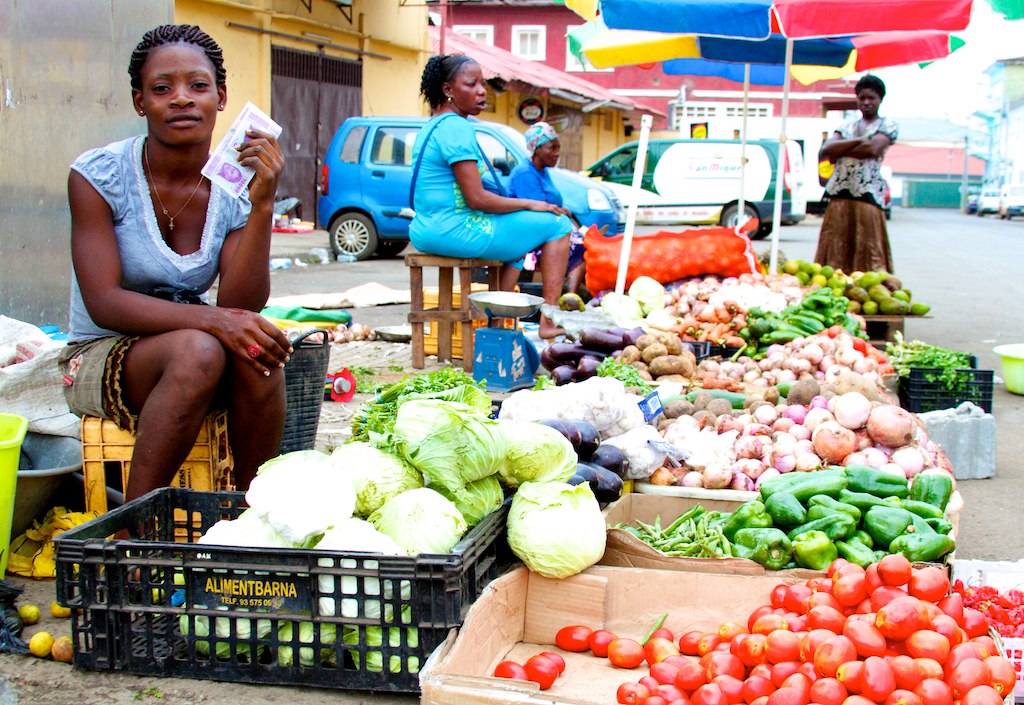
Malabo Market (Mercado Central)Local Life & Food

Malabo Market (Mercado Central)

1–2 hours

The central market overflows with fresh tropical fruit, bushmeat stalls, hand-carved wooden crafts, and everyday Equatoguinean life. Arrive before 9 am for the best atmosphere and produce.

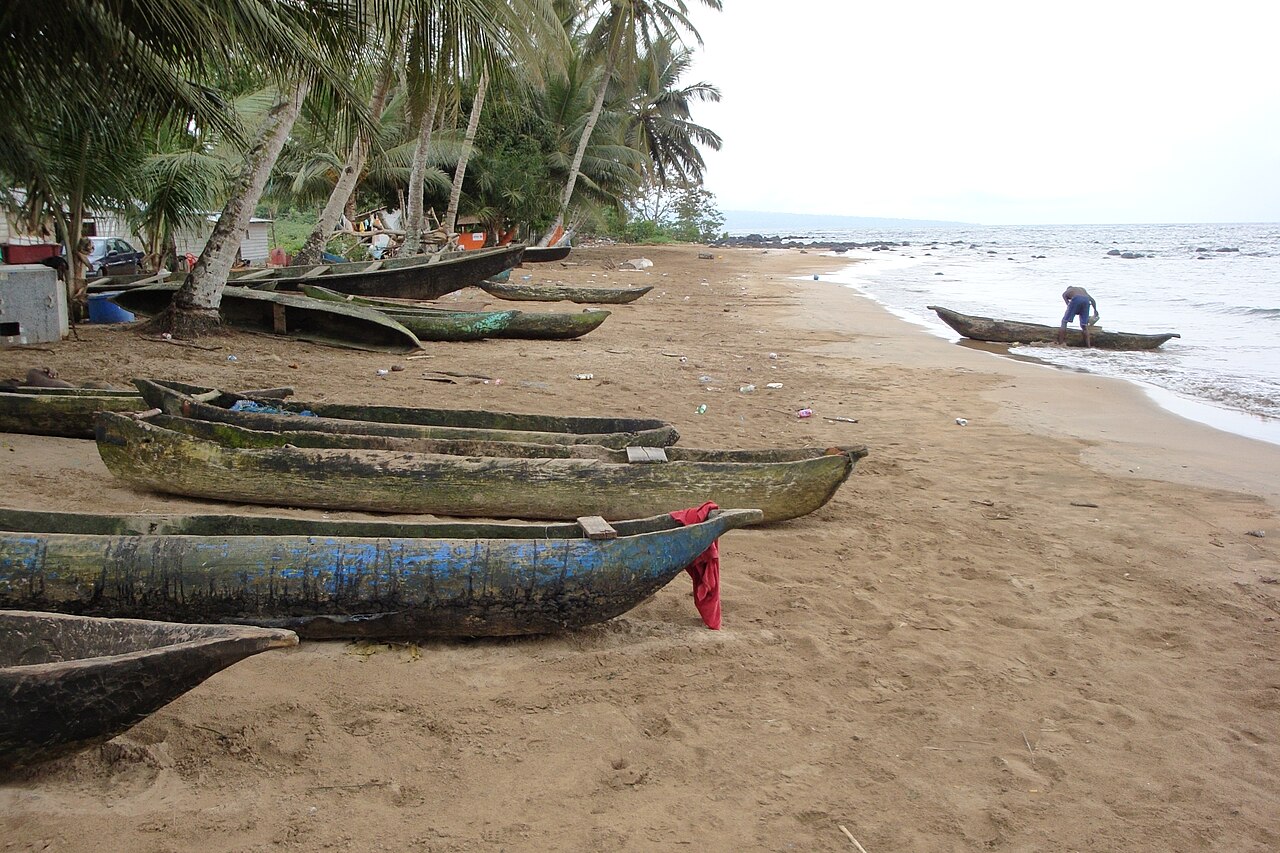
Arena Blanca BeachBeach & Relaxation

Arena Blanca Beach

Half day

A black-sand volcanic beach a short drive from the city, popular with locals on weekends. Calm waters, palm shade, and fresh grilled fish from beachside vendors.

Malabo National Park (Pico Basile National Park)Wildlife & Nature

Malabo National Park (Pico Basile National Park)

Half to full day

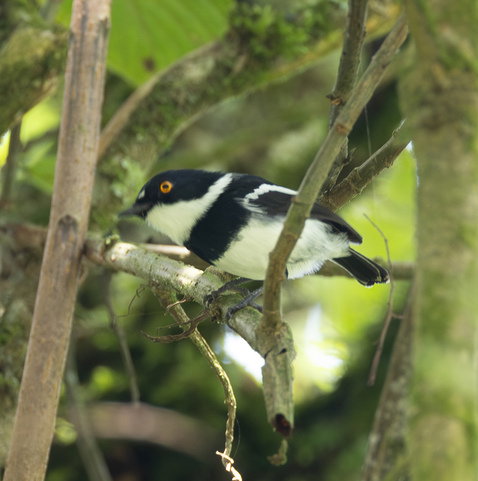
The national park encircling Pico Basile protects primary rainforest and is excellent for birdwatching — over 200 species recorded, including the endemic Bioko speirops.

Best time to visit Malabo

The best time to visit Malabo is December to February, when the dry season brings the lowest rainfall and the most reliable sunshine. Bioko Island is equatorial and receives rain year-round, but the short dry season (June to August) and the longer dry season (December to February) offer significantly drier conditions for hiking and wildlife excursions.

December–February (Long Dry Season): The driest and most comfortable months. Daytime temperatures hover around 28–30 °C. Ideal for hiking Pico Basile, visiting the crater lakes, and exploring the colonial city on foot. This is also the peak nesting season for leatherback turtles at Ureca beach (October–March).

June–August (Short Dry Season): Cooler and hazier, with less intense heat. Cloud cover on Pico Basile is more persistent, but wildlife viewing in the southern forests is excellent. Fewer visitors than December.

March–May & September–November (Wet Seasons): Heavy, sustained rainfall — often 400–600 mm per month. Roads to the south of the island can become impassable without specialist vehicles. Wildlife and birds remain active, but excursions require more planning. Not recommended for first-time visitors.

For turtle nesting at Ureca, visit between October and March regardless of rain — this is when leatherback activity peaks.

Is Malabo safe to visit?

Yes — Malabo is generally safe for tourists who take standard urban precautions. Violent crime against foreign visitors is rare; the more common issues are petty theft (pickpocketing in busy markets), opportunistic bag-snatching near the port, and frequent police checkpoint stops requiring document checks.

Key practical tips:

Carry certified copies of your passport and yellow fever certificate at all times — police checkpoints throughout Bioko Island regularly request these.

Avoid the port waterfront and Mercado Central after dark; both areas see higher petty crime at night.

Use hotel-recommended taxis or pre-agreed drivers rather than hailing unknown vehicles; there are no app-based ride services in Malabo.

The road to Ureca and southern Bioko requires a 4WD and ideally a local guide — roads can deteriorate rapidly, and mobile coverage is patchy.

Medically, take anti-malarial prophylaxis before arrival and ensure yellow fever vaccination is up to date (mandatory entry requirement). Bottled water only; tap water is not reliably safe to drink.

Equatorial Guinea has strict laws around photography of government buildings, military installations, and the presidential palace — do not photograph these, and always ask permission before photographing individuals.
Suggested itinerary

4 Days in Malabo & Bioko Island

This plan is built for an independent or small-group traveller using Malabo as a base. It assumes a moderate pace, a mid-range budget, and a willingness to hire local guides for forest and lake excursions. A 4WD rental or hired driver is strongly recommended from day two onwards.

Day 1

Arrive & Discover the Colonial City

Settle in and walk the colonial quarter at your own pace. Begin at Plaza de la Independencia to admire Santa Isabel Cathedral, then meander along Avenida de la Independencia. Stop into the small National Museum for context on Bioko's Bubi and Fang cultures. In the evening, try grilled fish and plantain at one of the harbour-side restaurants near the port.

Malabo — Arrive & Discover the Colonial City

Travel essentials

Getting around

Within Malabo, shared taxis (colour-coded) run fixed routes and are the cheapest option. Private taxis for the day can be hired through hotels — negotiate a daily rate (approx. XAF 30,000–50,000). For trips outside the city, a 4WD is essential; hire through local agencies or ask your accommodation. No reliable public transport serves the island's southern forest roads.

Typical costs

Malabo is expensive by West African standards, largely due to its oil-industry economy. Budget travellers will struggle below USD 80–100/day (guesthouse + meals + local transport). Mid-range hotels run USD 120–200/night. A restaurant meal costs USD 15–30; a cold beer USD 3–5. Park and guide fees for Pico Basile and wildlife excursions: USD 30–80 per person.

Culture and etiquette

Equatorial Guinea is predominantly Catholic; dress modestly when visiting churches. Spanish is the dominant official language — even basic Spanish phrases are warmly received. The Bubi people of Bioko have strong customary protocols around entering forest areas; always use a licensed local guide for forest excursions. Tipping is not obligatory but appreciated — 10% is appropriate in restaurants.

Safety and planning

Yellow fever vaccination is a mandatory entry requirement — carry the physical certificate. Take anti-malarial medication as prescribed before, during, and after travel. Comprehensive travel insurance including medical evacuation is strongly recommended given limited hospital facilities on Bioko. Register with your embassy on arrival for longer stays.

Connectivity

Mobile data is available via GETESA (the national provider); 4G coverage is reasonable in Malabo city but drops quickly outside urban areas. Buy a local SIM at the airport or in town with a copy of your passport. Hotel Wi-Fi exists at mid-range and upmarket properties but is often slow. VPN recommended for unrestricted internet access.

Payments

Cash is king in Malabo. The Central African CFA franc (XAF) is the official currency. ATMs exist but are unreliable — carry sufficient USD or EUR in cash to exchange at hotels or cambios. Major hotels and a handful of restaurants accept Visa; Mastercard acceptance is limited. Avoid carrying large amounts of cash visibly in markets.

Malabo travel FAQs

More destinations to explore

Malabo, Equatorial Guinea