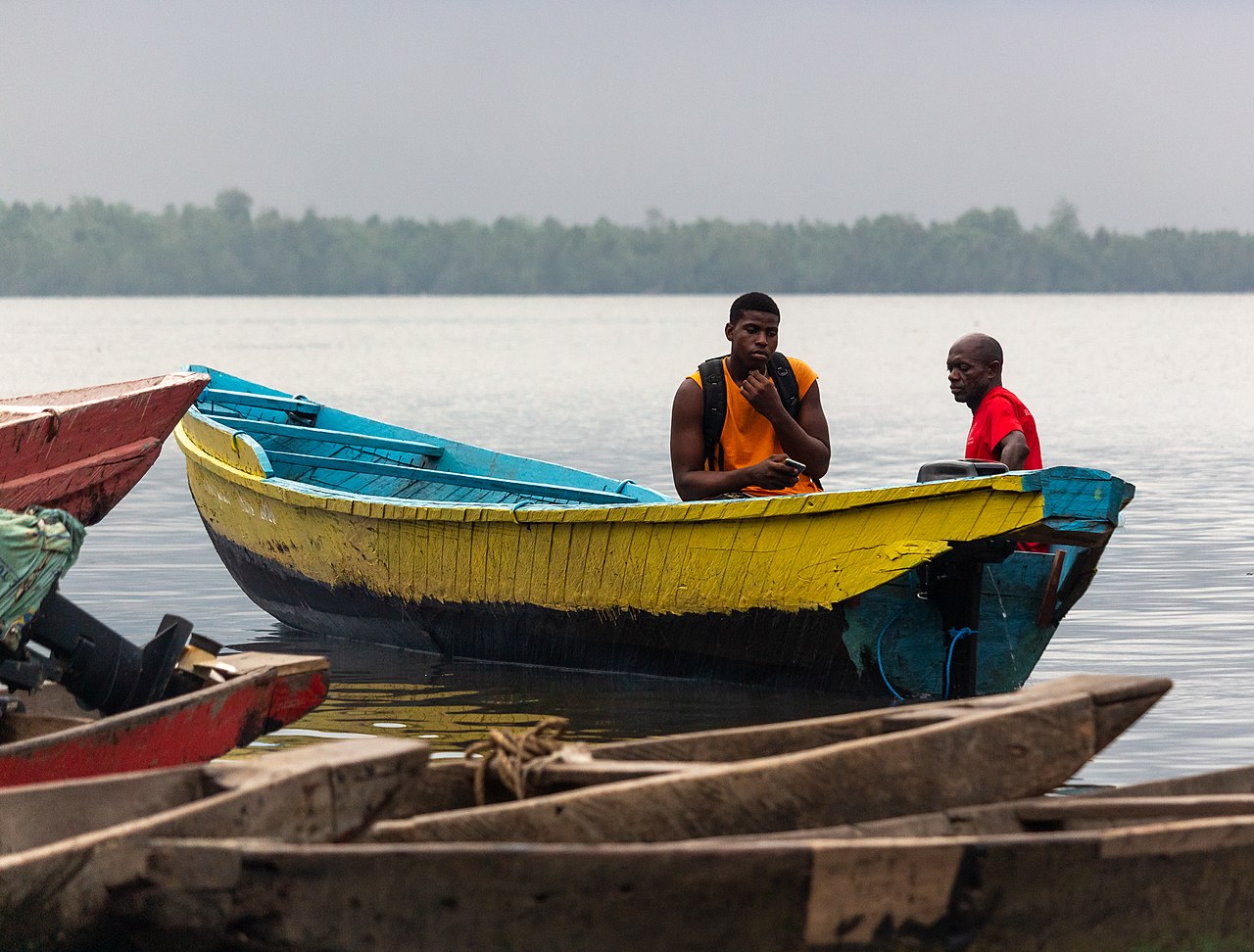
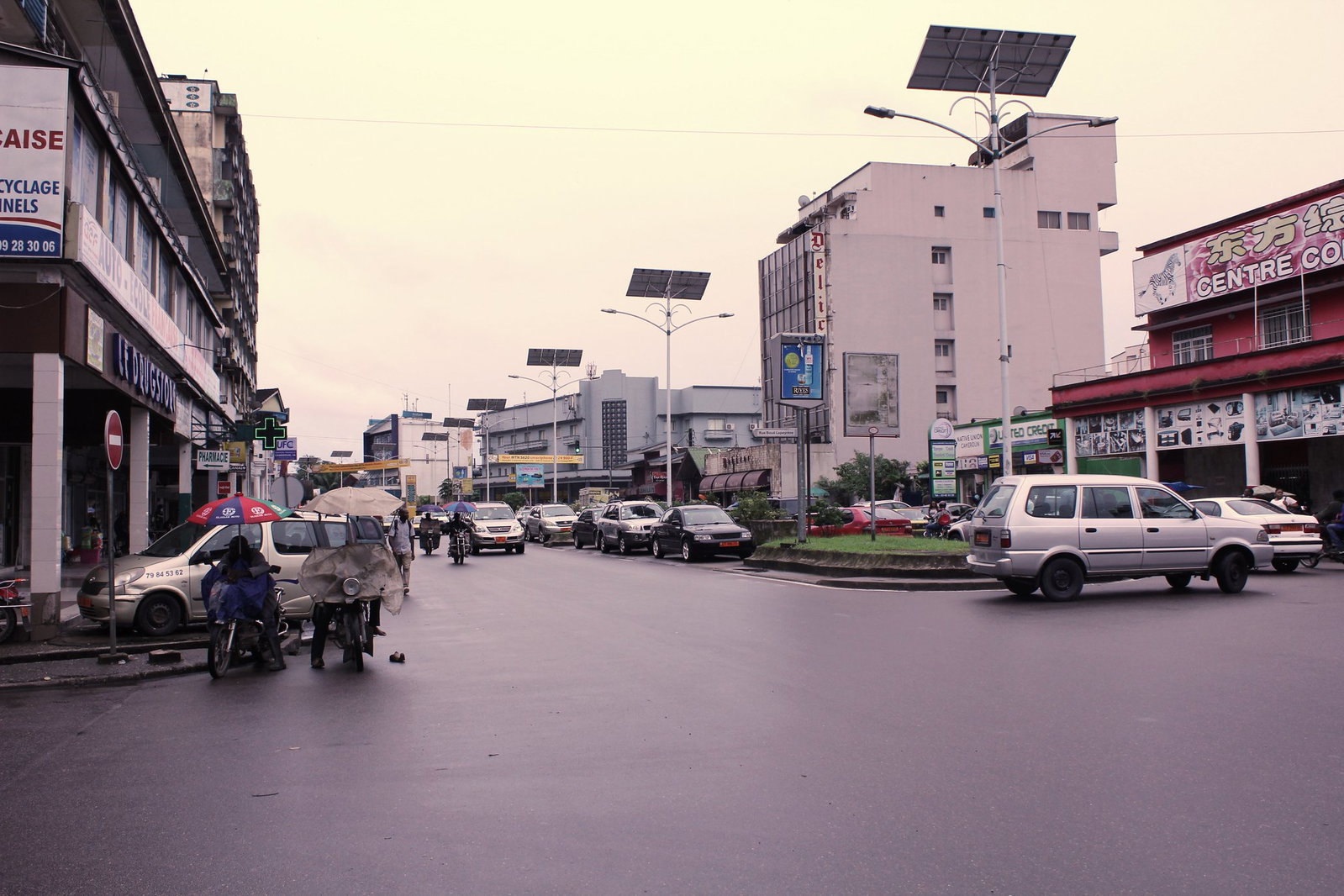
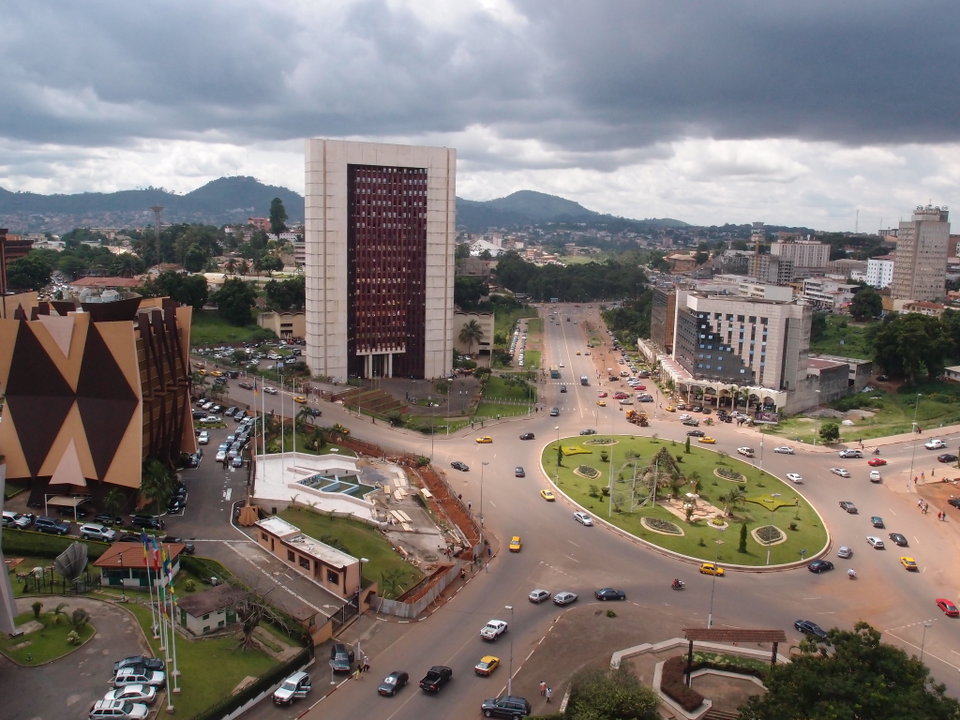
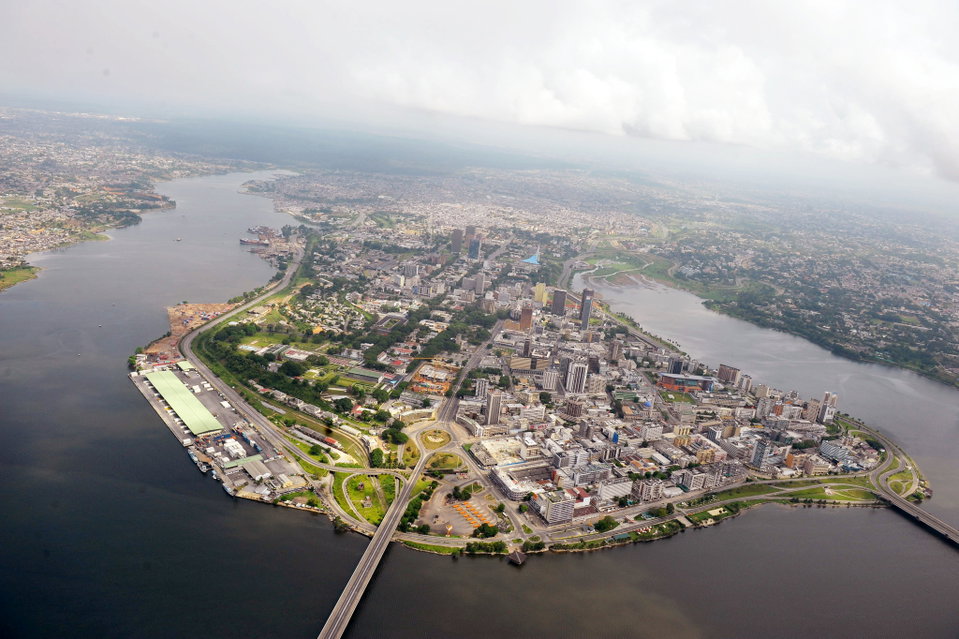
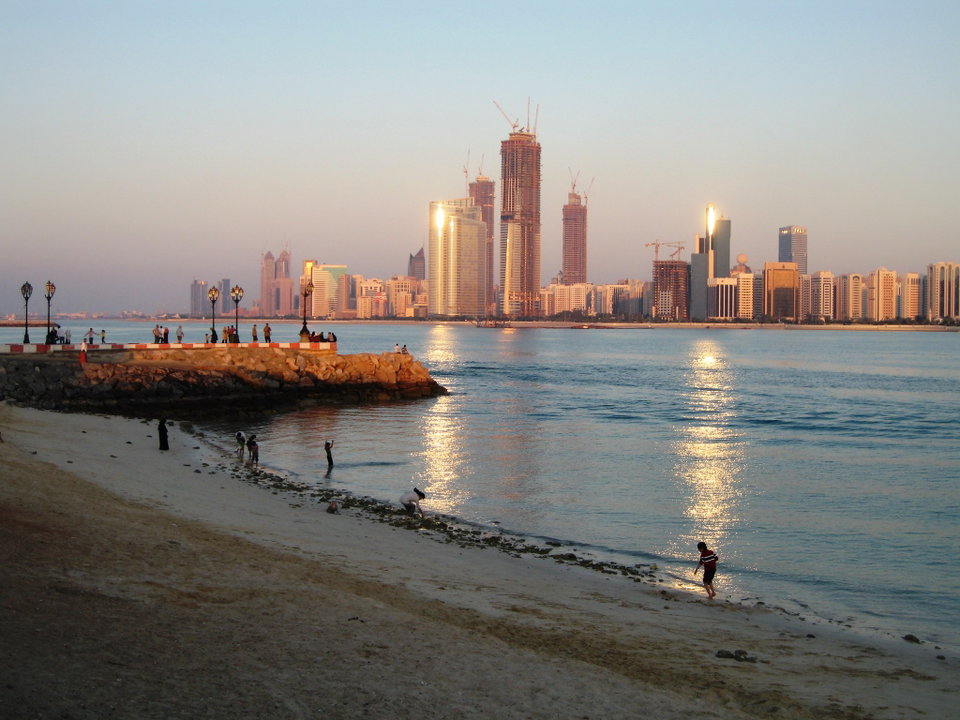
Douala skyline along the Wouri River at dusk, with cargo ships and city lights reflecting on the water

Destination guide

Douala

Littoral Region, Gulf of Guinea · Cameroon

Cameroon's commercial capital — a vibrant port city where West and Central Africa converge

Best season

November to February (dry season; cooler and easier to get around)

From Nairobi

Approx. 5–6 hours (via Addis Ababa or Kigali; no direct service)

Why visit Douala?

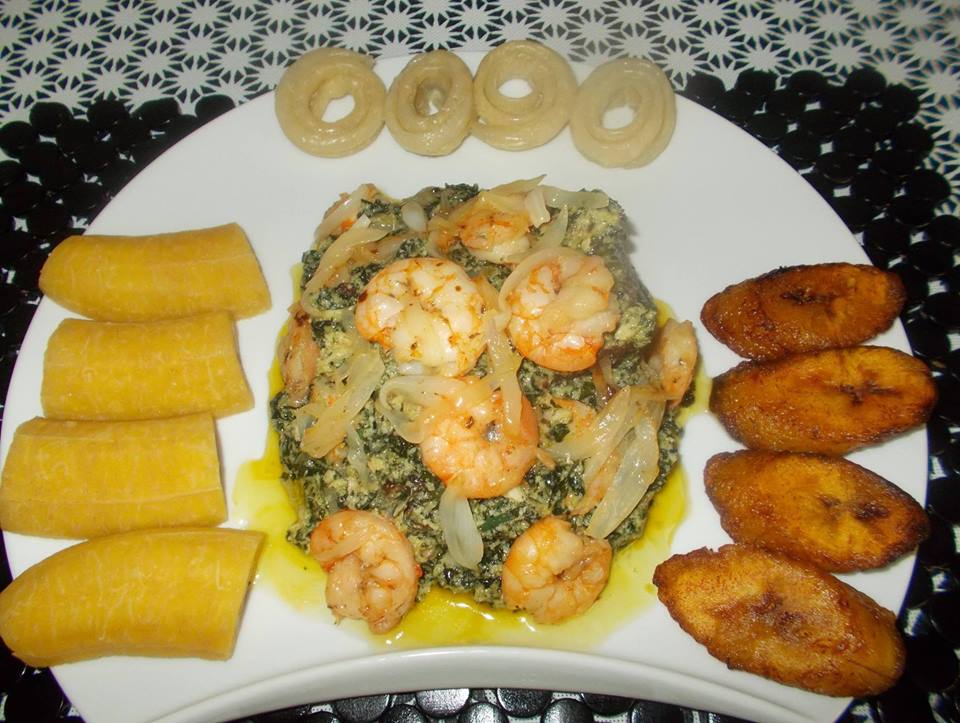
Douala rewards the curious traveller. As the continent's most important port between Lagos and Kinshasa, it hums with a raw commercial energy unlike anywhere else in Central Africa. The Bonanjo district preserves an impressive collection of German colonial architecture — a legacy of Kamerun, Germany's short-lived African empire. The Akwa district is the social heartbeat: open-air bars, live Makossa music, and restaurants serving ndolé (bitter-leaf stew) and grilled fish straight from the Wouri.

The city also punches above its weight culturally. The Doual'art urban arts foundation has turned Douala into a reference point for contemporary African art, commissioning large-scale public installations across the city. For shoppers, the Marché Central (Central Market) and Marché de Sandaga are sensory adventures stacked with fabrics, spices, and handcrafts.

Beyond the city, the Littoral coast offers black-sand beaches at Kribi just three hours south, while the foothills of Mount Cameroon — Africa's largest active volcano — are accessible within half a day.

  • Home to Makossa — the infectious Cameroonian rhythm that swept the world in the 1970s and '80s
  • Bonanjo's colonial quarter holds some of the finest German-era architecture in sub-Saharan Africa
  • Doual'art's city-wide public installations make the streets themselves a contemporary gallery
  • The Wouri River estuary offers evening boat trips past mangroves and cargo ships
  • Gateway to the Littoral coast, Mount Cameroon, and the rainforests of the south
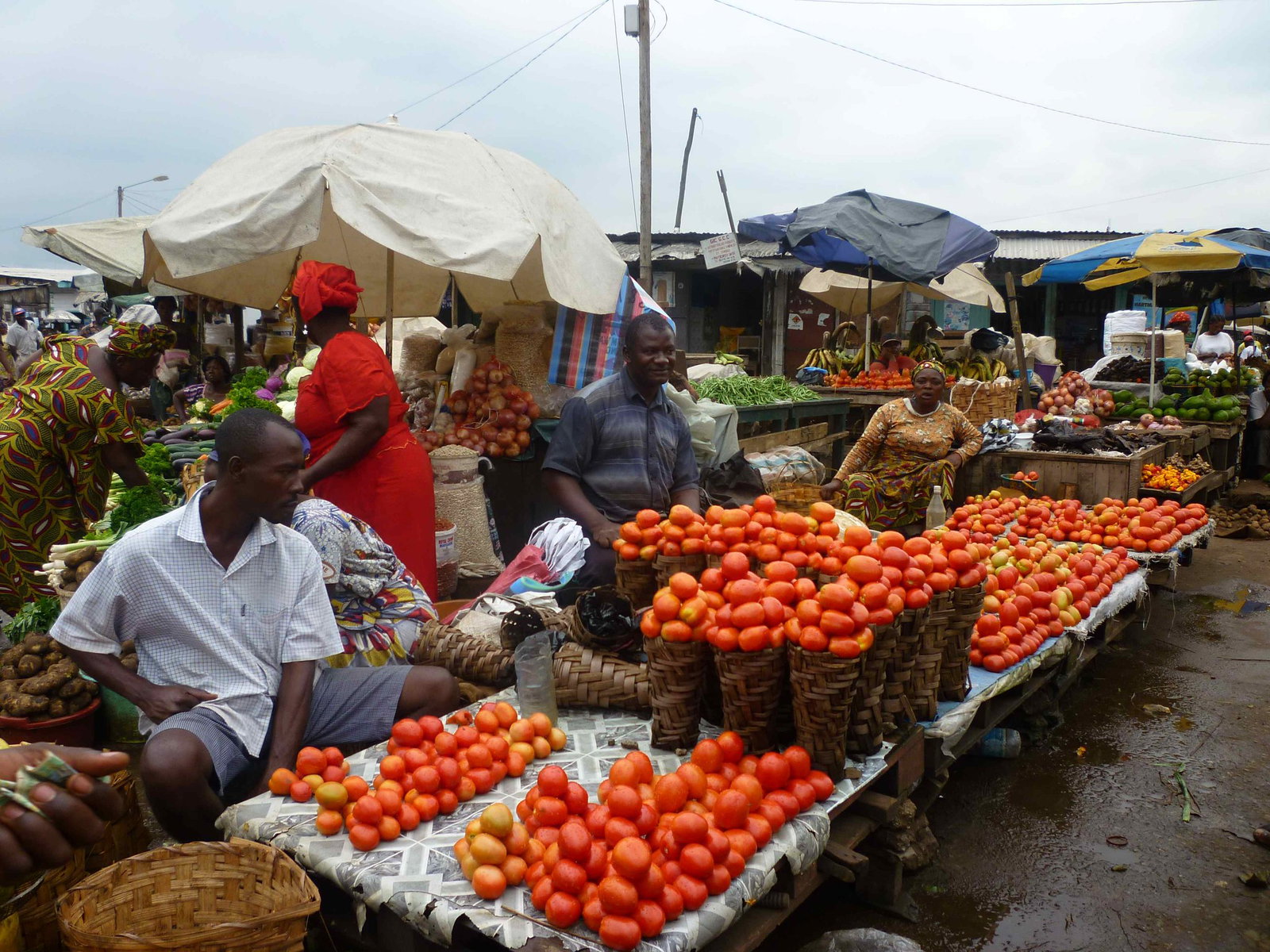
  • Marché de Sandaga is one of Central Africa's most vibrant open-air markets

Best for

Urban explorers, business travellers, foodies, contemporary-art enthusiasts, and travellers using Douala as a gateway to Cameroon

Trip style

City break, cultural immersion, gateway hub

Known for

Makossa music, ndolé cuisine, the Wouri River, colonial Bonanjo district, Doual'art public installations, Central African commerce

Quick facts

Best time to visit

November to February (dry season; cooler and easier to get around)

Currency

Central African CFA franc (XAF); 1 USD ≈ 610 XAF

Languages

French and English (Cameroon is bilingual); Camfranglais widely spoken

Visa summary

Visa required for most nationalities; e-visa available online before arrival. Yellow fever certificate mandatory.

Flight time from Nairobi

Approx. 5–6 hours (via Addis Ababa or Kigali; no direct service)

Airport / arrival

Douala International Airport (DLA) is 5 km from the city centre; taxis and ride-hail apps available. Allow extra time for immigration queues.

Safety note

Exercise standard big-city caution; avoid isolated areas after dark. The Littoral Region is stable — check current advisories for northern Cameroon.

Visa and entry

Look up entry rules by passport for travel to Cameroon on the Tsavaro visa checker.

Check visa requirements for Cameroon

Things to do

Explore the Bonanjo Colonial QuarterHeritage

Explore the Bonanjo Colonial Quarter

2–3 hours

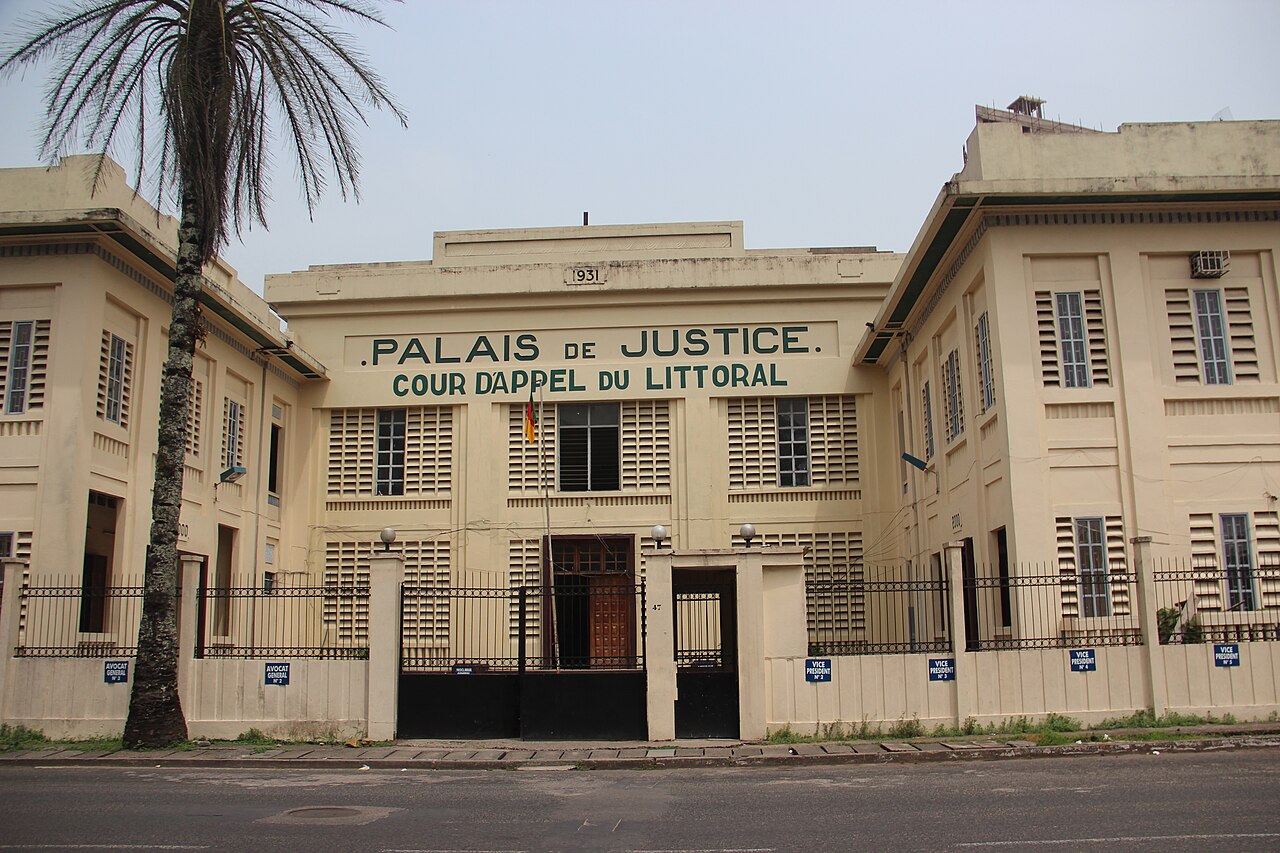
Walk the tree-lined avenues of Bonanjo — Douala's administrative and historic heart — to see the Palais de Justice, the former German Governor's residence (now the Préfecture), and the old trading houses along Boulevard de la Liberté. Best explored on foot in the cooler morning hours.

Wouri River Sunset CruiseNature & scenery

Wouri River Sunset Cruise

1.5–2 hours

Board a pirogue (dugout canoe) or small charter boat from the Bonanjo waterfront for a 90-minute cruise through the Wouri estuary's mangrove channels. Watch container ships navigate the river while the city's skyline turns gold at dusk.

Marché de Sandaga and Marché CentralMarkets & shopping

Marché de Sandaga and Marché Central

1–2 hours

Two of Central Africa's most energetic markets sit within walking distance of each other in Akwa. Sandaga specialises in fabrics, electronics, and street food; Marché Central piles high with spices, bush meat, dried fish, and Cameroonian crafts. Arrive early and keep your bag close.

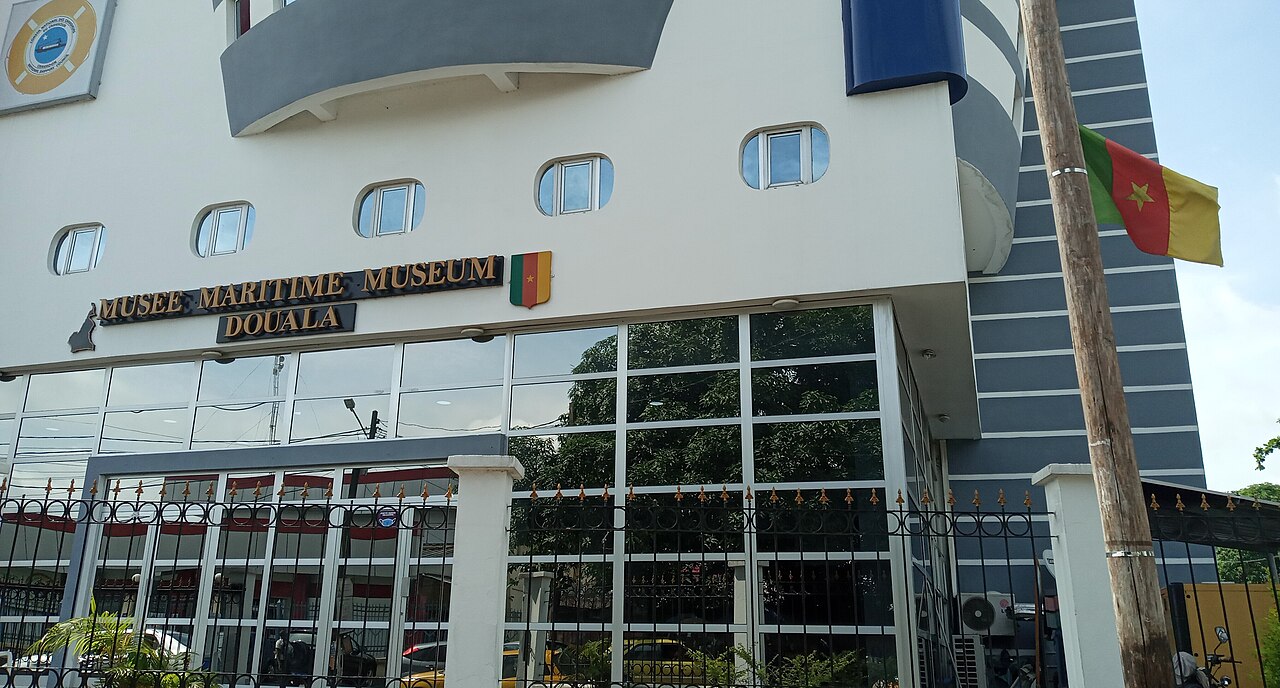
Musée de Douala (Ancien Palais Royal de Bell)Museums & history

Musée de Douala (Ancien Palais Royal de Bell)

1–1.5 hours

Housed in the restored 19th-century royal palace of the Bell dynasty — one of Douala's founding families — this small but rich museum holds royal artefacts, Sawa masks, and photographs tracing the city's history from a fishing village to a global port.

Day Trip to Kribi BeachDay trips

Day Trip to Kribi Beach

Full day or overnight

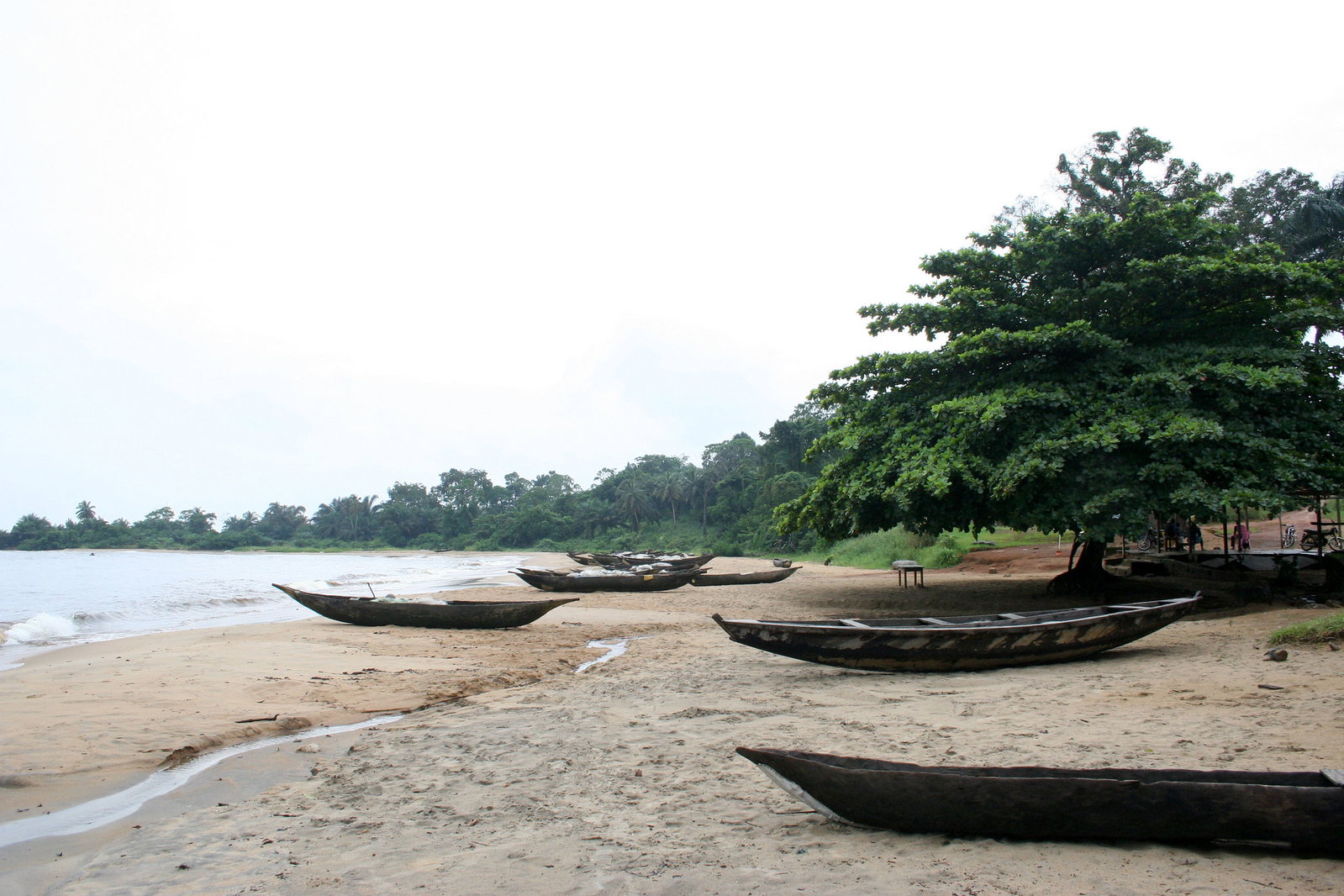
Three hours south of Douala on a decent highway, Kribi is Cameroon's most celebrated beach town — a stretch of white and gold sand backed by palm trees, with the Lobé River's waterfalls tumbling directly into the Atlantic. Fresh grilled lobster on the beach is a Kribi rite of passage.

Ndolé and Grilled Fish on the WaterfrontFood & drink

Ndolé and Grilled Fish on the Waterfront

1–2 hours

Douala's signature dish, ndolé — slow-cooked bitter leaves with groundnuts, crayfish, and often beef or prawns — is best eaten in a neighbourhood restaurant around Akwa or New Bell. Follow it with fresh grilled barracuda or tilapia from one of the riverside shacks along the Wouri.

Best time to visit Douala

The best time to visit Douala is November to February, during the dry season, when humidity is lower, skies are clearer, and roads — essential for day trips — are at their most passable. Temperatures hover between 24°C and 31°C year-round, so heat is constant, but the dry season makes the city noticeably more comfortable to explore on foot.

Douala has one of the highest annual rainfalls of any city in Africa, averaging around 4,000 mm per year, so rain is a factor in any month. The two main wet seasons run roughly March to June and August to October, with August being the heaviest month. During these periods, flooding can disrupt traffic, and day trips to Kribi or Limbe can involve difficult road conditions.

For those interested in music and culture, December and January see the city in full festive mode, with outdoor concerts and lively street scenes. If your priority is the Kribi beach or the Lobé waterfalls, aim for December to February when the roads are dry and the sea calmer.

Business travellers can visit any time of year — Douala does not slow down — but should factor in December holidays when some government offices and banks close.

Is Douala safe to visit?

Yes — Douala is generally safe for tourists and business travellers who take standard big-city precautions. The Littoral Region where Douala sits has remained stable, and the city receives a steady flow of expatriates, UN workers, and international business visitors year-round.

The main risks are opportunistic petty crime: pickpocketing in crowded markets (Sandaga, Marché Central), bag-snatching from car windows in slow traffic, and scams targeting visibly lost tourists. Avoid displaying expensive jewellery, cameras, or cash in busy areas. Use registered taxis or ride-hail apps (Yango is widely available) rather than flagging unmarked vehicles, especially at night.

After dark, stick to the main lit streets of Akwa and Bonanjo and avoid wandering into unfamiliar residential neighbourhoods alone. The areas around Bonabéri (across the Wouri Bridge) and parts of New Bell have higher crime rates and are best visited with a trusted local guide.

Importantly, Cameroon has an ongoing Anglophone crisis in the North West and South West regions — this does not affect Douala, but travellers should avoid those regions and check government travel advisories before visiting. Northern Cameroon near the Lake Chad basin also carries separate security risks unrelated to Douala.

Health-wise, yellow fever vaccination is mandatory for entry. Malaria prophylaxis is strongly recommended. Drink bottled or filtered water throughout your stay.
Suggested itinerary

3 Days in Douala: City, River & Culture

A mid-pace introduction to Douala designed for first-time visitors staying in the Akwa or Bonanjo districts. Budget mid-range (30–80 USD per day excluding accommodation). Day trips are included for those with extra time.

Day 1

Arrive, Settle, and Feel the Pulse of Akwa

Clear immigration at Douala International Airport and take a taxi or ride-hail to your hotel in Akwa — the city's social centre and the most convenient base. After freshening up, head to Boulevard de la Liberté for a street-food lunch: brochettes, fried plantain, and a glass of fresh pineapple juice.

Spend the afternoon exploring Akwa on foot: browse Marché de Sandaga, duck into the fabric shops, and pick up a batik cloth or two. As the sun begins to drop, find a rooftop bar or terrace with a view over the estuary. In the evening, follow the sound of music to a live Makossa spot for dinner and drinks — the night rarely starts before 10 pm here.

Douala — Arrive, Settle, and Feel the Pulse of Akwa

Travel essentials

Getting around

Taxis are the standard way to move around Douala — always agree on a fare before getting in, or use the Yango ride-hail app for metered pricing. Shared taxis (taxi-brousse) run fixed routes cheaply but are crowded. Motorcycle taxis (bendskin) are fast and cheap for short hops but carry higher road-safety risk. Car hire with a driver is recommended for day trips to Kribi or Limbe.

Typical costs

Budget travellers can get by on 20,000–35,000 XAF (30–55 USD) per day covering guesthouse, street food, and local transport. Mid-range visitors spending in international hotels and restaurants should budget 60,000–120,000 XAF (95–195 USD) per day. A bowl of ndolé with plantain costs around 1,500–2,500 XAF; a beer at a bar is 700–1,200 XAF; a taxi across town is 1,000–3,000 XAF.

Culture and etiquette

Cameroon is a deeply religious country — both Christian (majority in the south) and Muslim (majority in the north). Dress modestly when visiting markets, churches, or mosques. Greetings are important: always say bonjour before asking for anything. Bargaining is expected at markets but should be good-natured. Photography of government buildings, the port, and military installations is prohibited; always ask permission before photographing people.

Safety and planning

Register your trip with your country's embassy. Keep a colour photocopy of your passport and yellow fever certificate separately from the originals. Carry only the cash you need for the day. Use hotel safes for valuables. Have your hotel call a trusted taxi rather than hailing one from the street late at night. In a medical emergency, the Hôpital Général de Douala and Polyclinique de la Cité are the most reliable facilities.

Connectivity

Mobile coverage in Douala is good across the main networks: MTN Cameroon and Orange Cameroon. SIM cards are available at the airport and in shops across the city for around 1,000 XAF; data bundles are affordable. Most international hotels offer Wi-Fi; mid-range hotels vary. Power cuts (délestage) are common — carry a power bank.

Payments

Cash (XAF) is king in Douala. ATMs are available at major banks (SGC, Ecobank, Afriland First Bank) in Akwa and Bonanjo — Visa is more widely accepted than Mastercard. International hotels and upscale restaurants accept cards, but street food, markets, and most local restaurants are cash-only. Avoid ATM use after dark; use ATMs inside bank branches where possible.

Douala travel FAQs

More destinations to explore