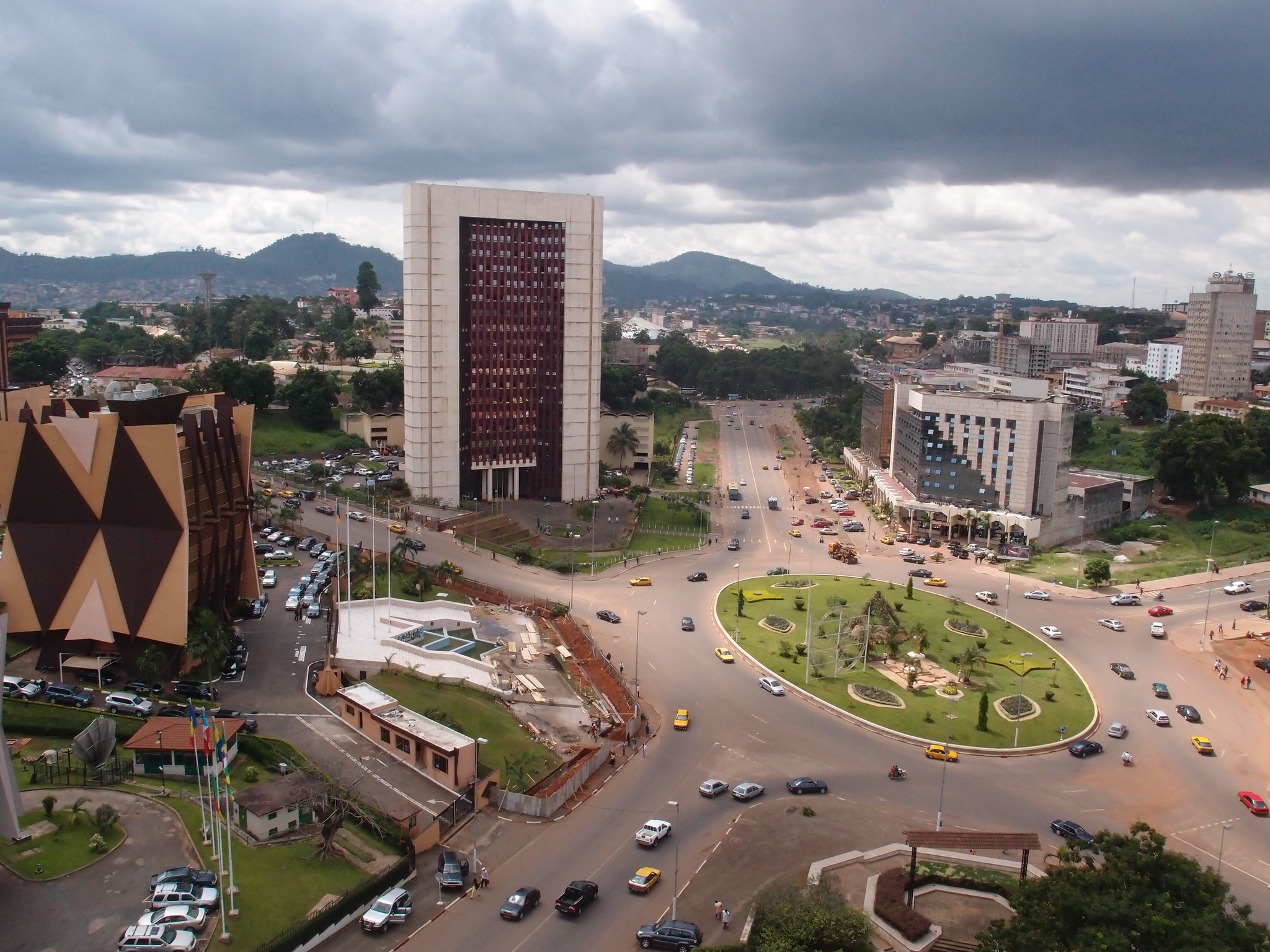
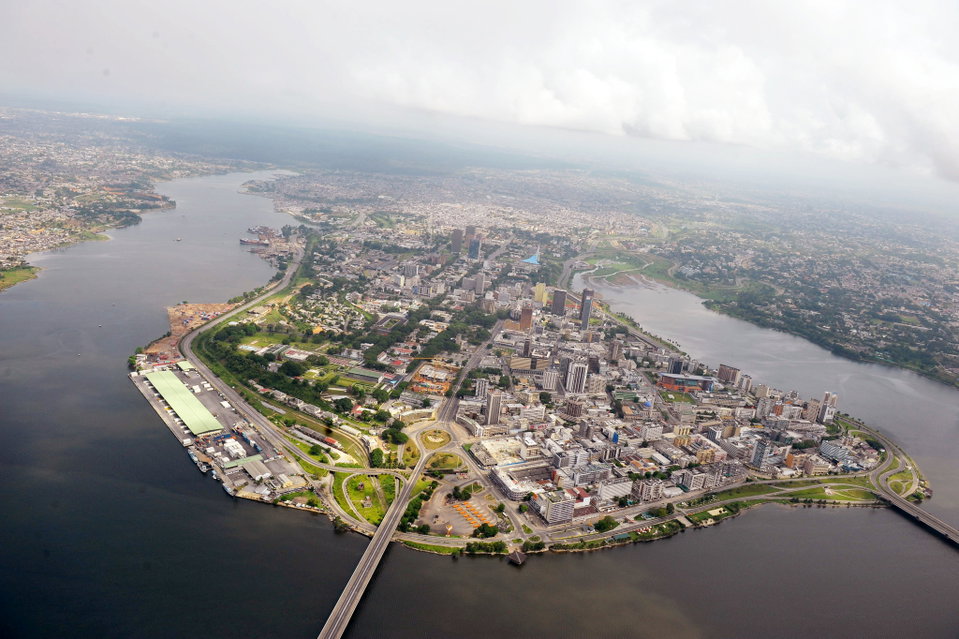
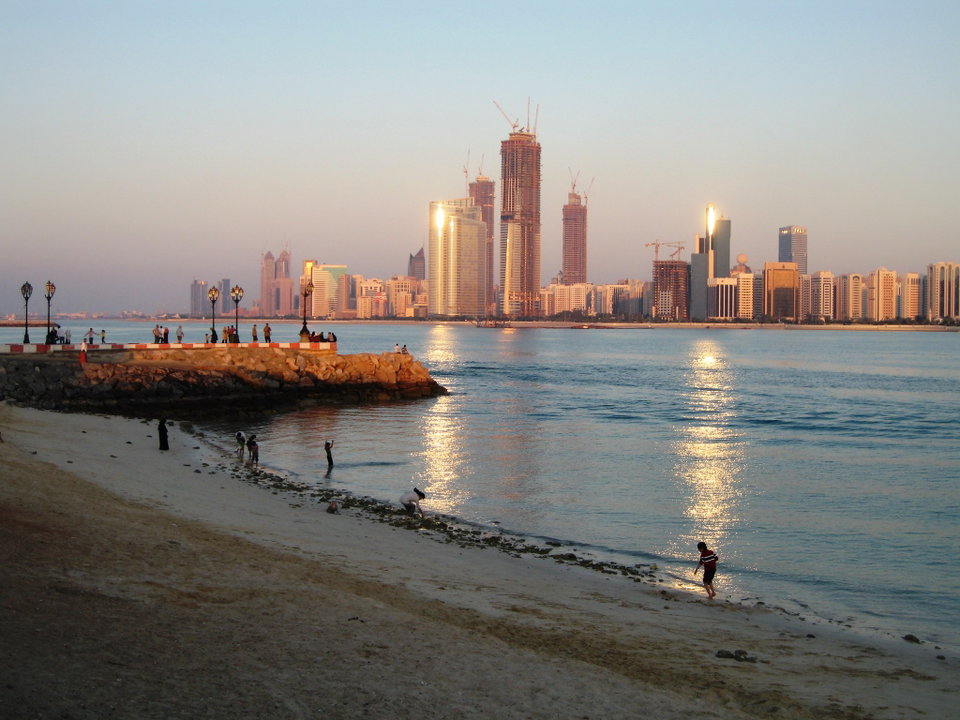
Aerial view of Yaoundé's green hills and cityscape at dusk, Cameroon

Destination guide

Yaounde

Central Africa · Cameroon

The City of Seven Hills — where culture, diplomacy, and tropical green collide

Best season

November to February (short dry season) and June to August (long dry season)

From Nairobi

Approx. 3 hr 30 min (direct), longer with connections via Addis Ababa or Lagos

Why Visit Yaoundé

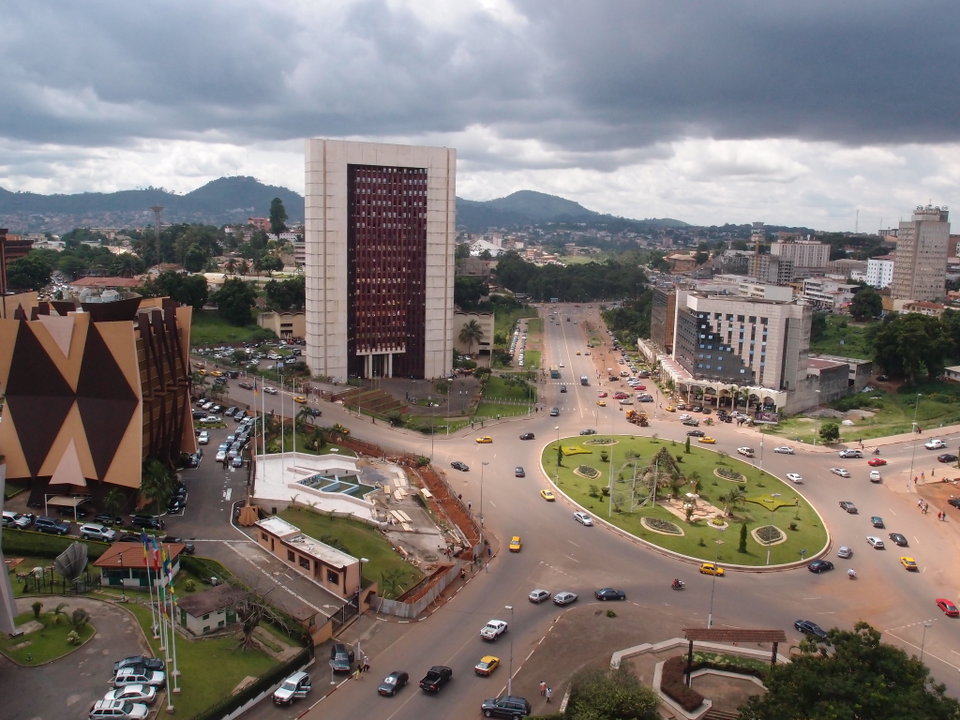
Yaoundé offers something rare in modern African travel: a capital city that feels genuinely lived-in rather than staged for tourism. Its seven hills are draped in tropical vegetation that bleeds into the city fabric — parks, botanical gardens, and forested ridgelines within minutes of the centre. The result is a surprisingly cool, visually dramatic urban landscape that rewards slow exploration on foot and by moto.

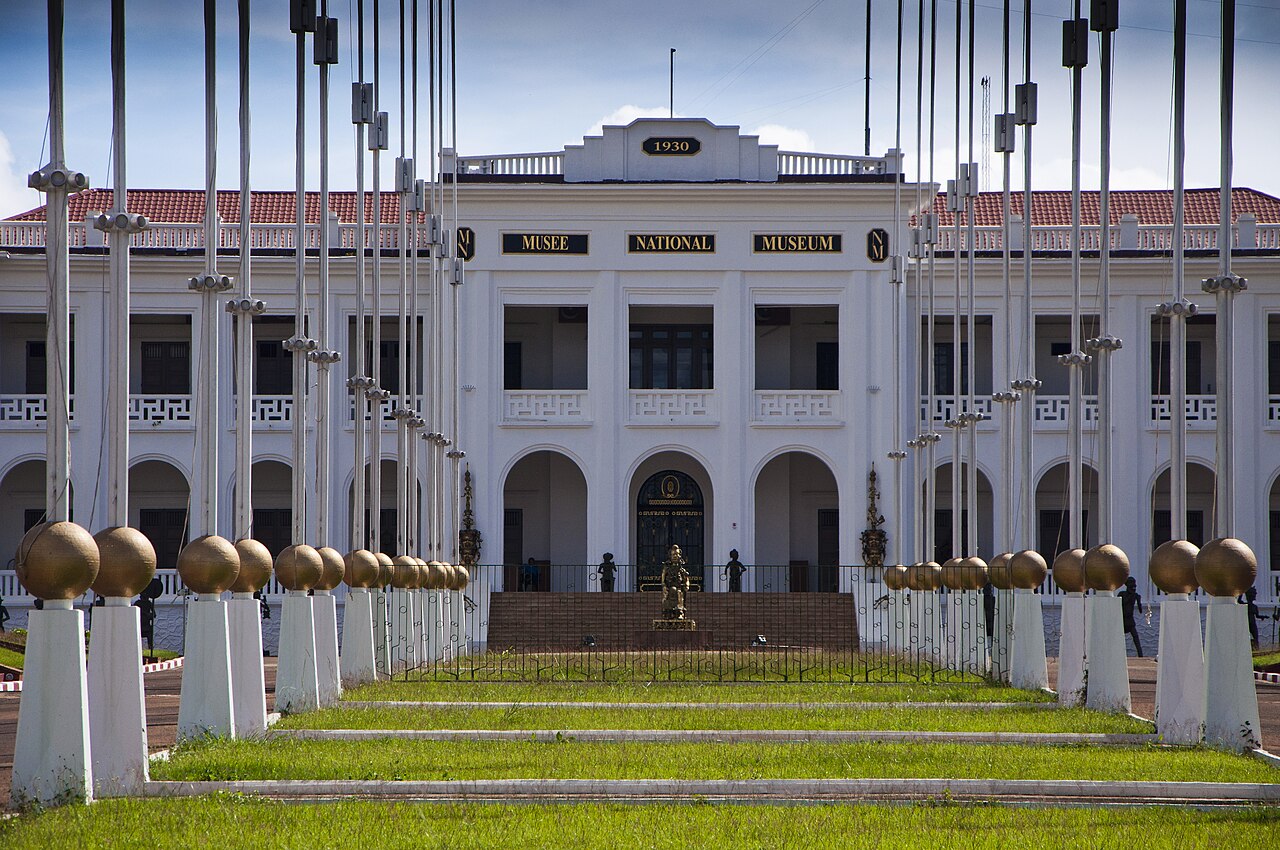
The city is home to some of Central Africa's finest cultural institutions: the National Museum of Yaoundé occupies the former presidential palace and holds an extraordinary collection of masks, bronzes, and traditional regalia. The Mvog-Betsi Zoo and Botanical Garden and the nearby Mefou Primate Sanctuary give wildlife lovers reasons to linger. Beyond the institutions, Yaoundé's neighbourhoods — Bastos, Nlongkak, Mvog-Ada — each have their own personality, from expat café culture to buzzing night markets.

For travellers using Cameroon as a base, Yaoundé is also the logical gateway: from here you are within easy reach of Bwindi-frontier primates at Dja Faunal Reserve (a UNESCO World Heritage Site), the volcanic crater lakes of the West Region, and the colonial architecture of Bafoussam.

  • Stand atop Mont Fébé for a panoramic sweep of the entire city draped across rolling green hills
  • Explore the National Museum's exceptional collection of Cameroonian masks, thrones, and bronze art in the old presidential palace
  • Taste soya brochettes, ndolé, and fresh pap at the bustling Marché du Mfoundi market
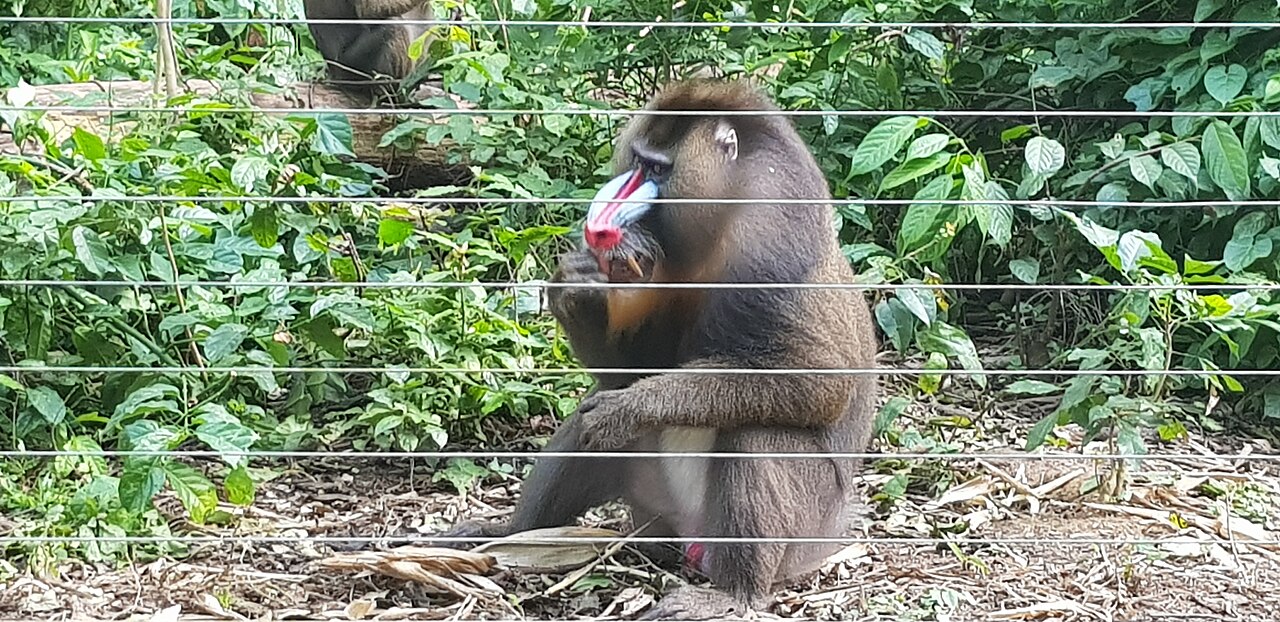
  • Track chimpanzees and gorillas at the nearby Mefou Primate Sanctuary, just 25 km from the city
  • Experience Yaoundé's legendary bar and music scene — the spiritual home of makossa and bikutsi rhythms
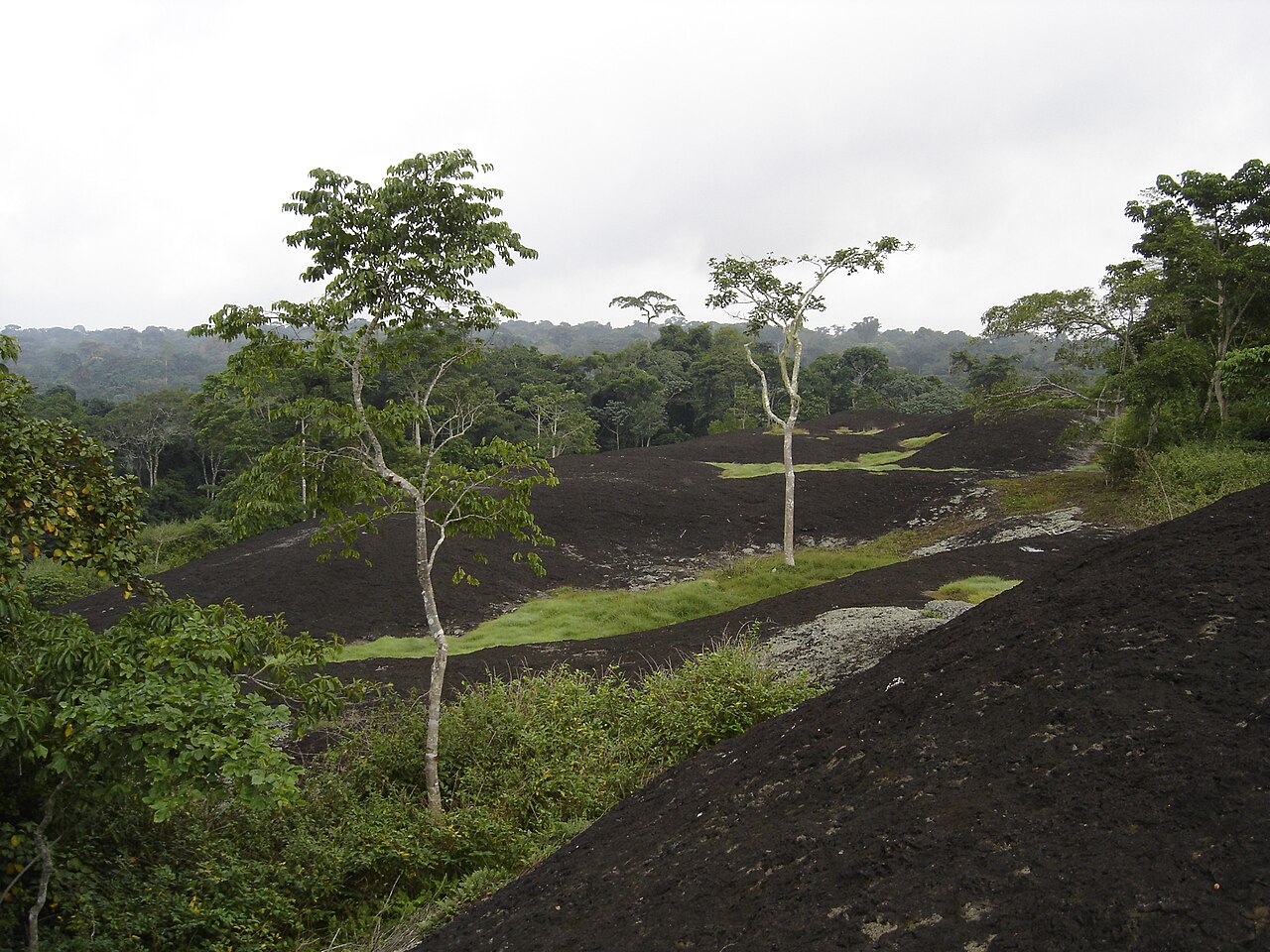
  • Day-trip to the Dja Faunal Reserve, a UNESCO World Heritage rainforest teeming with forest elephants and bongo antelopes

Best for

Culture seekers, urban explorers, history buffs, Central Africa first-timers, business travellers

Trip style

City break, cultural immersion, weekend escape, gateway hub

Known for

Seven-hills topography, National Museum, Dja Faunal Reserve access, vibrant nightlife, makossa music scene

Quick facts

Best time to visit

November to February (short dry season) and June to August (long dry season)

Currency

Central African CFA franc (XAF). 1 USD ≈ 600 XAF

Languages

French (dominant), English (official co-language), Ewondo and other local languages

Visa summary

Most nationalities require a visa. E-visa available online; single-entry tourist visa typically valid 30–90 days. Yellow fever vaccination certificate mandatory on arrival.

Flight time from Nairobi

Approx. 3 hr 30 min (direct), longer with connections via Addis Ababa or Lagos

Airport / arrival

Yaoundé Nsimalen International Airport (NSI) is 25 km south of the city centre; taxi or shared moto-taxi to town takes 30–45 minutes.

Safety note

Generally safe in tourist and central areas; exercise standard urban precautions at night and in crowded markets.

Visa and entry

Look up entry rules by passport for travel to Cameroon on the Tsavaro visa checker.

Check visa requirements for Cameroon

Things to do

National Museum of YaoundéCulture & History

National Museum of Yaoundé

2–3 hours

Housed in the former Palais de l'Unité, this is the country's premier cultural institution. The collection spans traditional royal regalia, ceremonial masks, bronze castings, musical instruments, and rotating contemporary exhibitions — an essential introduction to Cameroon's extraordinary ethnic diversity.

Mefou Primate SanctuaryWildlife

Mefou Primate Sanctuary

Full day

Run by Ape Action Africa, Mefou is one of the largest primate sanctuaries in Africa. Walking trails bring you face-to-face with habituated chimpanzees, gorillas, mandrills, and drills in a genuine rainforest setting — a life-changing experience just 25 km from the capital.

Dja Faunal Reserve Day TripWildlife & Nature

Dja Faunal Reserve Day Trip

Full day or overnight

A UNESCO World Heritage Site two to three hours south of Yaoundé, the Dja Reserve protects one of Africa's largest intact equatorial rainforests. Expert-guided walks reveal forest elephants, bongo antelopes, forest buffalo, and over 300 bird species in near-pristine jungle.

Best time to visit Yaounde

The best time to visit Yaoundé is during either of its two dry seasons: the short dry season from November to February, and the long dry season from June to August. Both windows offer the least rainfall, lower humidity, and reliable sunshine — ideal for sightseeing, outdoor walks, and day trips to the surrounding rainforest.

November to February (Short Dry Season): Temperatures sit between 19 °C and 29 °C — warm by day, pleasantly cool at night. December and January are the driest and most comfortable months overall, and coincide with lower hotel rates outside of the Christmas–New Year period.

June to August (Long Dry Season): Slightly cooler and the preferred season for wildlife excursions. The Dja Faunal Reserve is most accessible and the forest trails around Mont Fébé are at their driest.

March to May & September to October (Rainy Seasons): Yaoundé receives around 1,600 mm of rain annually, concentrated in two wet seasons. Heavy afternoon downpours can disrupt plans but rarely last all day; the city remains lush and green, prices drop, and the crowds thin. Travellers comfortable with tropical rain will find these months perfectly enjoyable — just pack a light poncho.

Yaoundé's elevation (750 m) keeps temperatures moderate year-round, so there is no truly bad time to visit — only wetter or drier.

Is Yaounde safe to visit?

Yes — Yaoundé is generally safe for tourists who take standard urban precautions and stay aware of their surroundings. As an administrative capital with a large diplomatic community, the city maintains a relatively calm security environment compared with many West and Central African urban centres.

Neighbourhood awareness: The Bastos, Nlongkak, and Centre-Ville (city centre) areas around major hotels and embassies are the safest zones for visitors. Exercise greater caution in outlying peripheral neighbourhoods, especially after dark.

Petty crime: Pickpocketing and bag-snatching in crowded markets (especially Marché du Mfoundi) and around taxi ranks are the most common incidents affecting tourists. Keep valuables secure, avoid displaying expensive phones or cameras openly, and use a money belt.

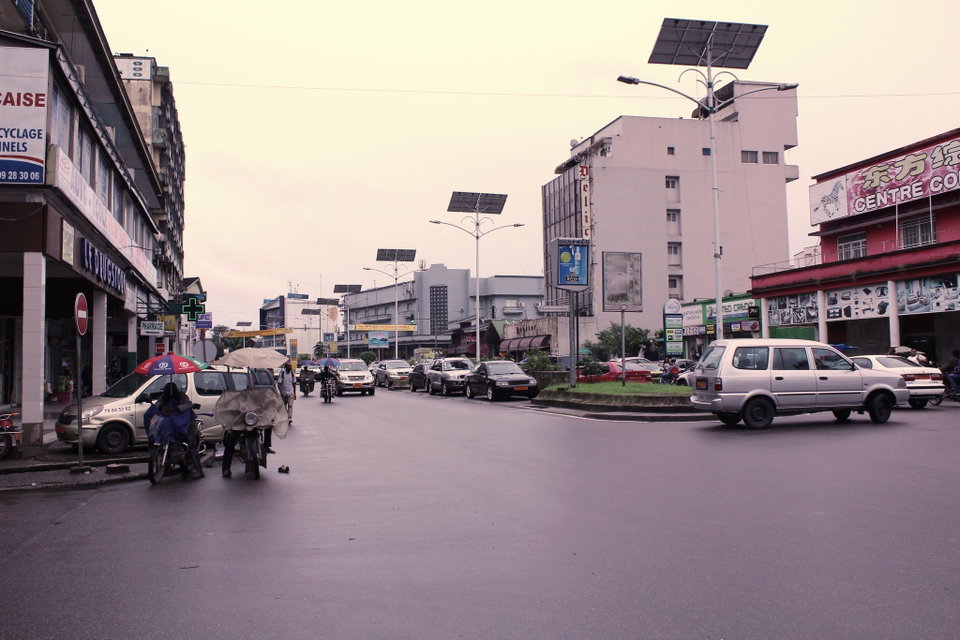
Transport: Avoid unregistered taxis at night. Use hotel-recommended taxis or ride-hailing apps (Yango operates in Yaoundé). Moto-taxis (bendskins) are ubiquitous and cheap but carry accident risk — negotiate the fare in advance and consider wearing your own helmet.

Health: Malaria is present year-round; take prophylaxis and use DEET-based repellent. A yellow fever vaccination certificate is mandatory for entry into Cameroon. Drink bottled or treated water only.

Emergencies: The French Embassy, US Embassy, and several major international hospitals are located in the Bastos district. Keep emergency numbers and your insurance provider's contact details accessible.

Overall, sensible precautions make Yaoundé a comfortable and rewarding city to explore independently.
Suggested itinerary

Yaoundé in 4 Days: Capital, Culture & Canopy

Four days is the sweet spot for Yaoundé — enough time to absorb the city's cultural institutions, savour its food and music scene, and escape into the surrounding rainforest for a wildlife encounter you won't forget.

Day 1

Arrival & the City of Seven Hills

Arrive at Nsimalen Airport and transfer to your hotel in the Bastos or Nlongkak district. After settling in, take an early evening walk along Avenue Kennedy to get a feel for the city's scale and rhythm. Dinner at one of Bastos' open-air grill houses — order ndolé (bitter-leaf stew with plantain) and fresh grilled soya brochettes, washed down with a cold Beaufort or 33 Export lager.

Yaounde — Arrival & the City of Seven Hills

Travel essentials

Getting around

Yaoundé's hills make it a challenging city to navigate on foot for long distances — taxis and moto-taxis (bendskins) are the primary modes of transport. Yellow shared taxis run fixed routes cheaply; for private hire, negotiate the fare before entering. Yango (a ride-hailing app similar to Uber) operates in the city and offers more transparency on pricing. Car hire with driver is recommended for day trips to Mefou or Dja Reserve.

Typical costs

Budget travellers can manage on USD 30–50 per day using local guesthouses, street food, and shared taxis. Mid-range visitors spending on international hotels, restaurant meals, and guided excursions should budget USD 80–150 per day. A plate of ndolé with plantain costs around 1,000–2,000 XAF (under USD 4); a local beer in a bar is 500–700 XAF. Guided day trips to Mefou Sanctuary or Dja Reserve typically cost USD 50–120 per person including transport.

Culture and etiquette

Cameroon is a warm and hospitable society. Greet people formally — a handshake and 'Bonjour' (or 'Good morning' in English-speaking contexts) goes a long way. Ask permission before photographing people or markets. Dress modestly when visiting religious sites (the Benedictine Monastery, mosques in the city centre). Tipping is not obligatory but appreciated — 5–10% at restaurants and rounding up taxi fares is customary.

Connectivity

Mobile data is widely available via MTN Cameroon and Orange Cameroon SIM cards, both sold at the airport and throughout the city. 4G coverage is reliable in central Yaoundé. Tourist SIMs can be purchased with a passport for a few hundred XAF; data bundles are inexpensive. Wi-Fi is available in most hotels and many cafés in the Bastos area.

Payments

Cash (XAF) is the dominant payment method. ATMs accepting Visa and Mastercard are available at major banks (Société Générale, Ecobank, UBA) in the city centre and Bastos district; carry a backup card. Credit card acceptance is limited to upmarket hotels and a small number of restaurants. Exchange euros or US dollars at banks or official bureaux de change for the best rates — avoid street money changers.

Yaounde travel FAQs

More destinations to explore