Yes — Agra is generally safe for tourists, and millions of international visitors travel there without incident every year. The key risks are nuisance-level rather than violent: aggressive touts, commission-based drivers, and overpriced rickshaws are the most common frustrations.
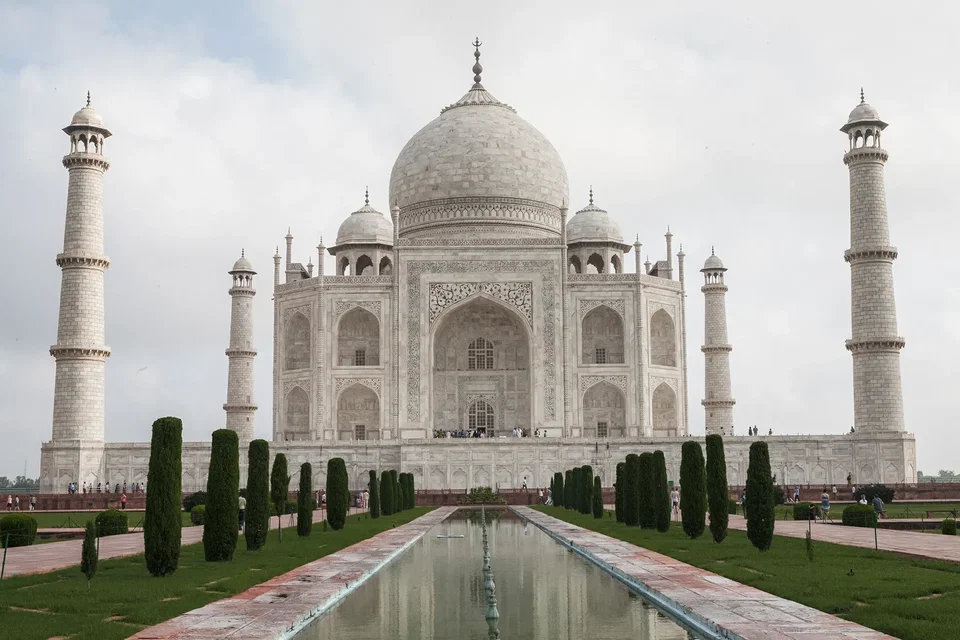
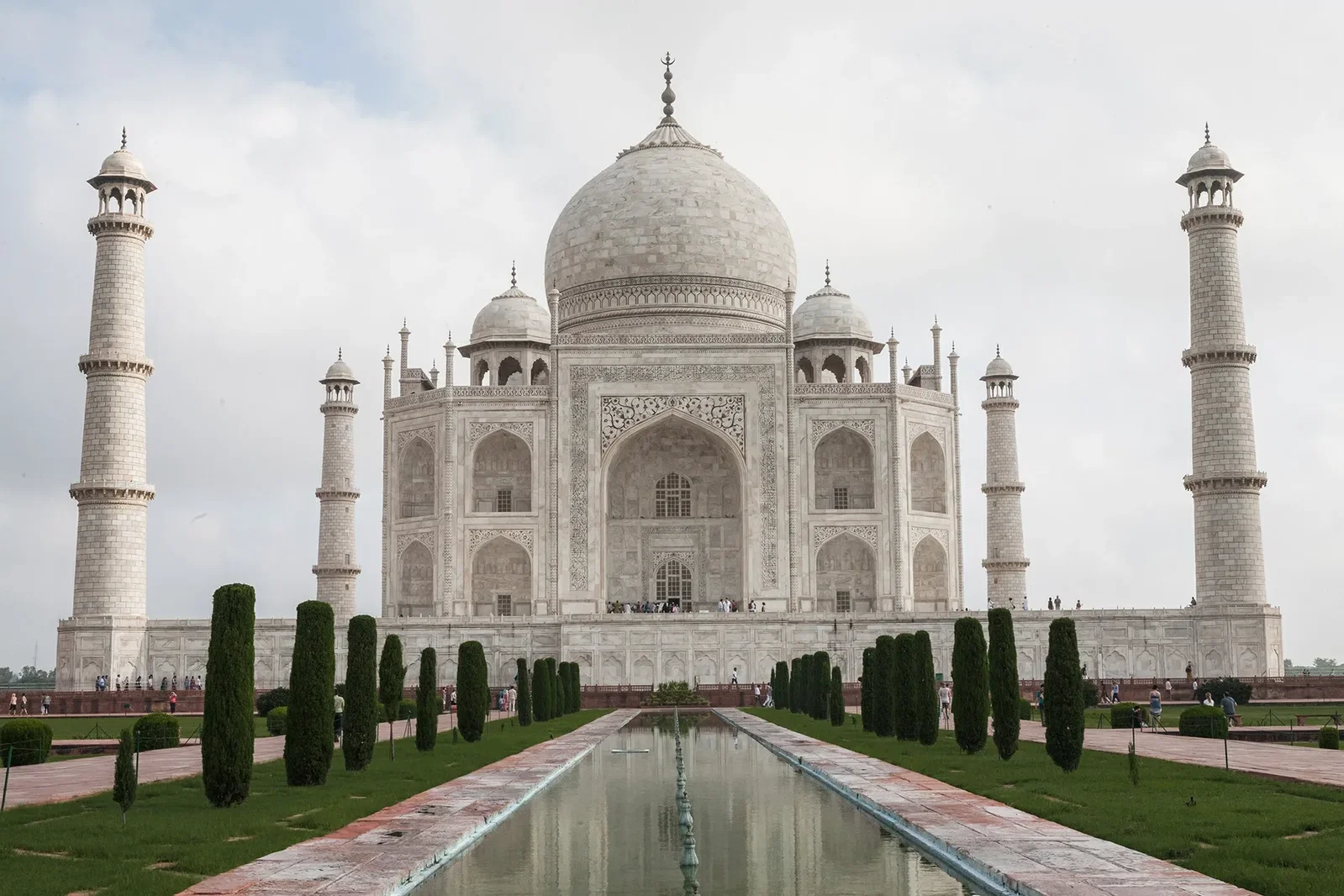
Around the Taj Mahal: The area immediately outside the gates — particularly the South and East gates — has a high concentration of touts who will approach offering 'free' guides, gem shops, or cheap hotels. A firm 'no thank you' and eye contact avoidance works well. Only hire guides through the Archaeological Survey of India kiosks inside the gates.
Transport: Use Ola or Uber app-based cabs within the city to avoid fare disputes. If using tuk-tuks or cycle rickshaws, agree the fare in INR before getting in. Avoid drivers who insist on taking you to 'recommended' shops — they receive commission and the detour is rarely worth it.
Food and water: Drink bottled or filtered water only. Street food from busy stalls is generally fine; avoid anything that looks like it has been sitting out in the heat.
For solo women travellers: Exercise normal urban caution — travel with a reputable guide or in groups for evening excursions, and use hotel-arranged transport after dark. Taj Ganj and the main tourist hotel strips are well-lit and active until late evening.
Health: Carry sun protection and stay hydrated, especially outside the October–March window. The Archaeological Survey prohibits smoking, eating, and drinking inside Taj Mahal complex — follow the rules and keep bags light.