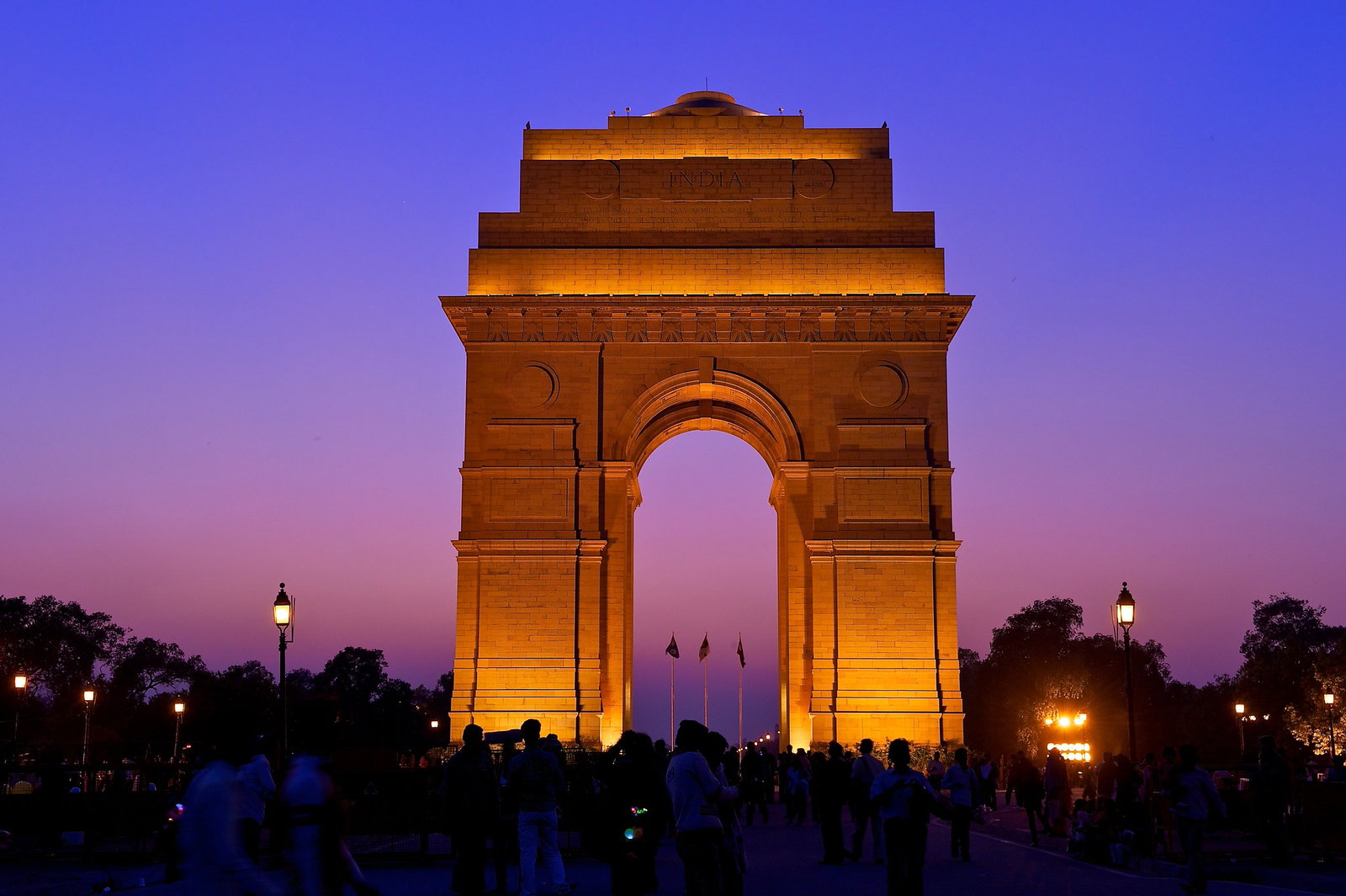
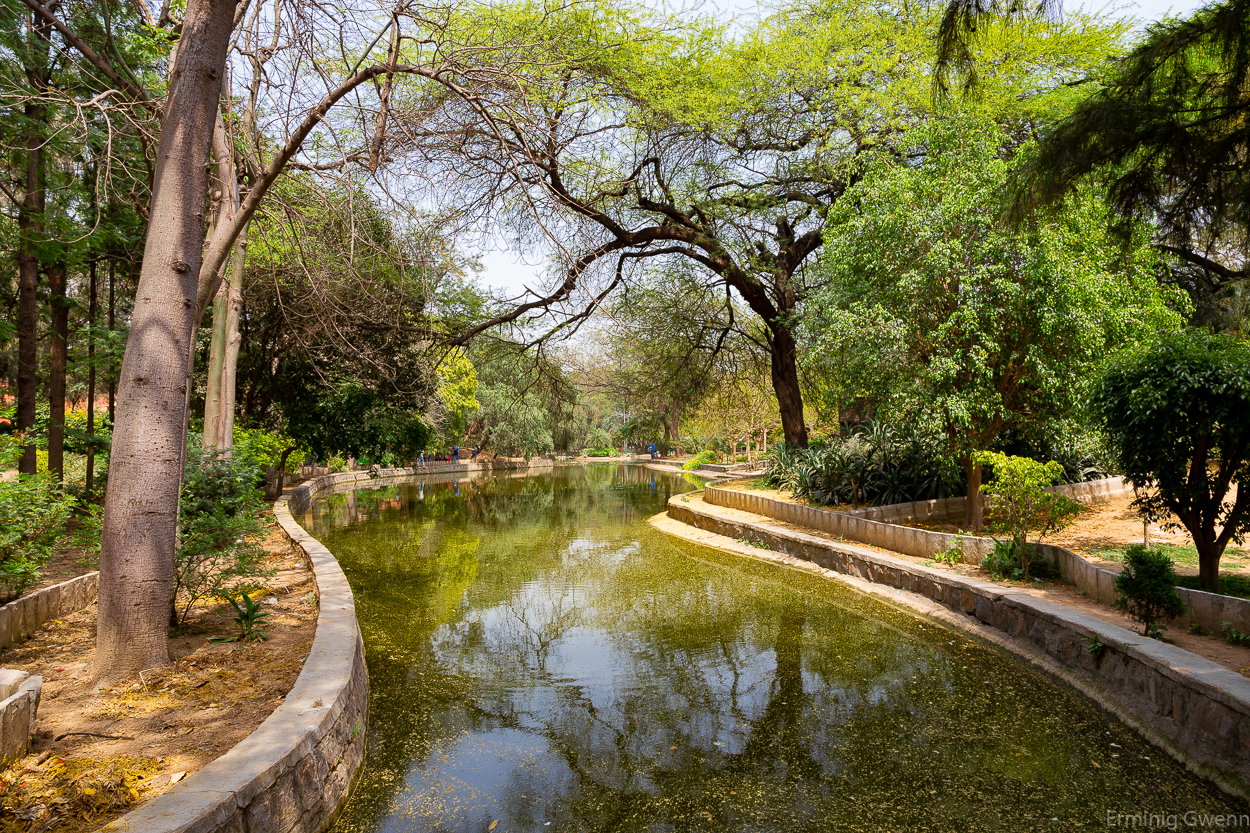
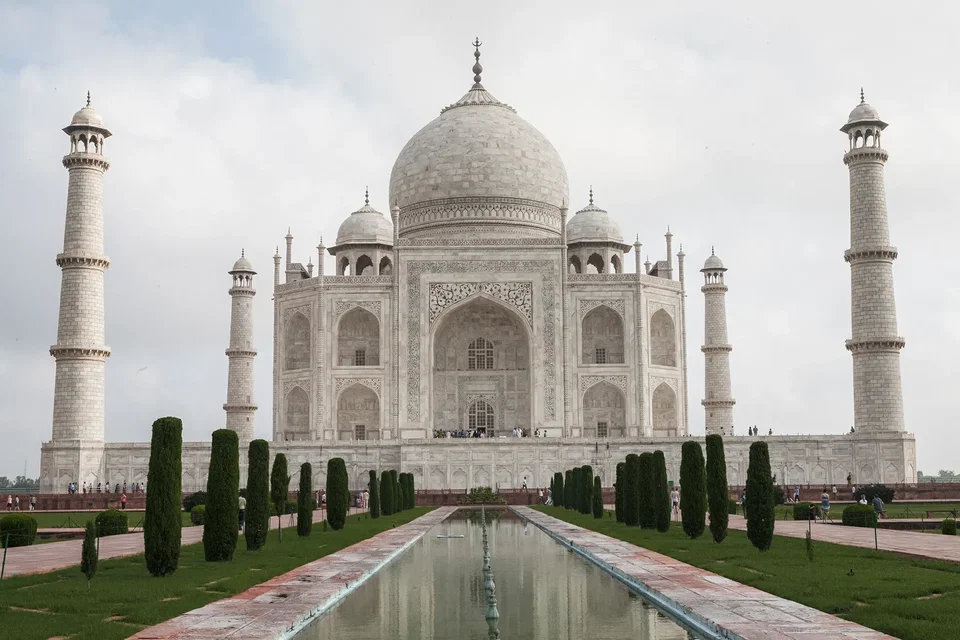
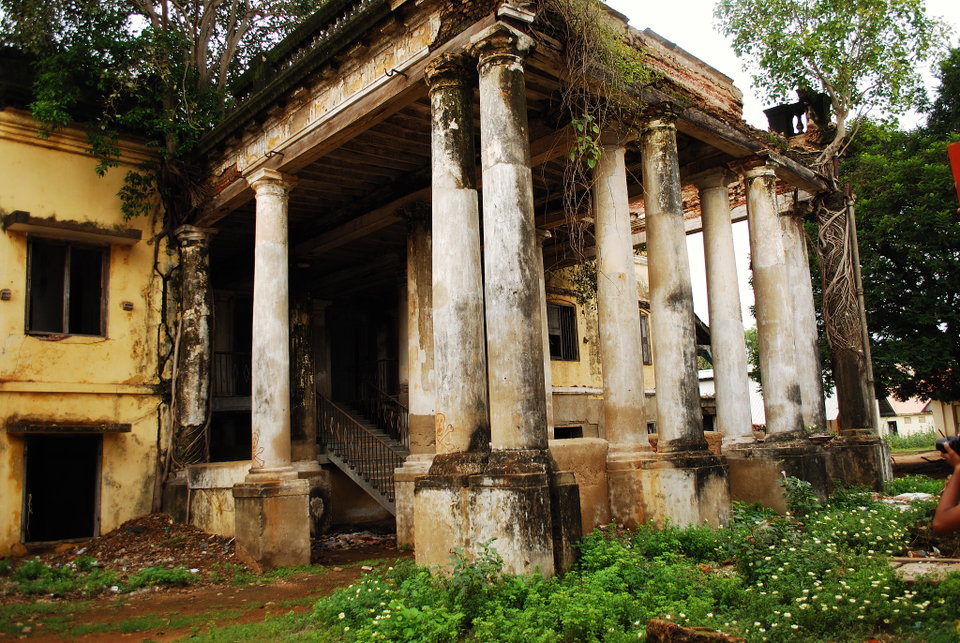
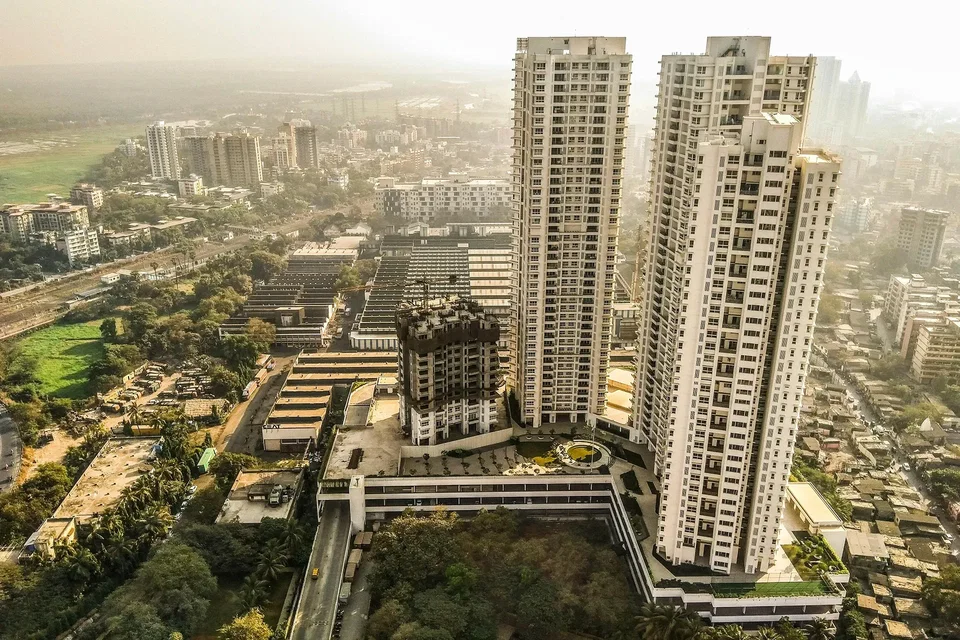
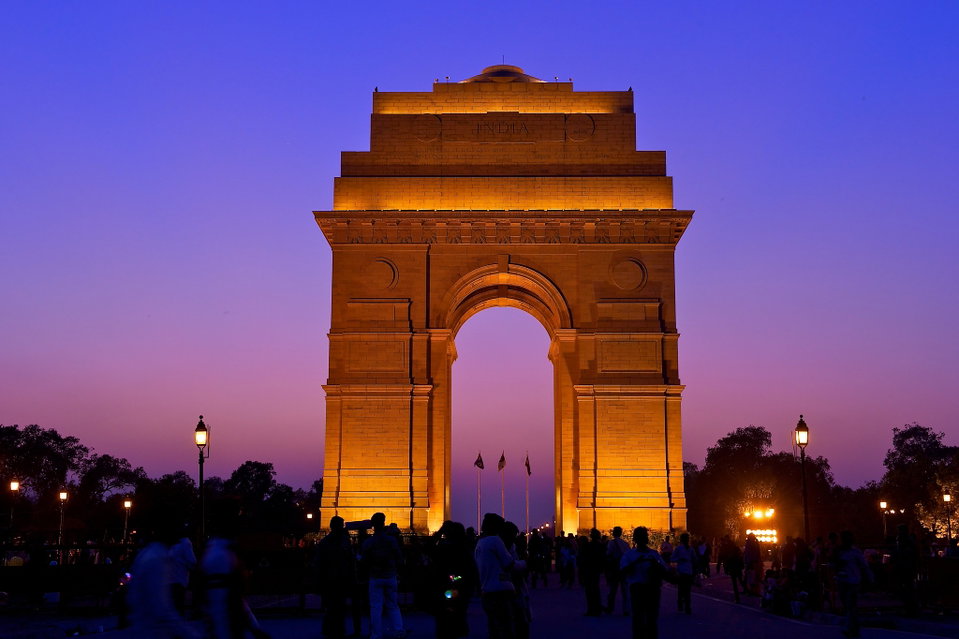
The iconic India Gate war memorial at dusk, framed by tree-lined Rajpath boulevard in New Delhi

Destination guide

New Delhi

Northern India · India

Millennia of empire, street food, and living history — all in one overwhelming, unmissable city

Best season

October to March, when temperatures are pleasant (15–28 °C); peak season is November–February. Avoid April–June (extreme heat, 40 °C+) and July–September (humid monsoon).

From Nairobi

Approximately 5–6 hours non-stop on direct services; 7–10 hours with a connection.

Why visit New Delhi?

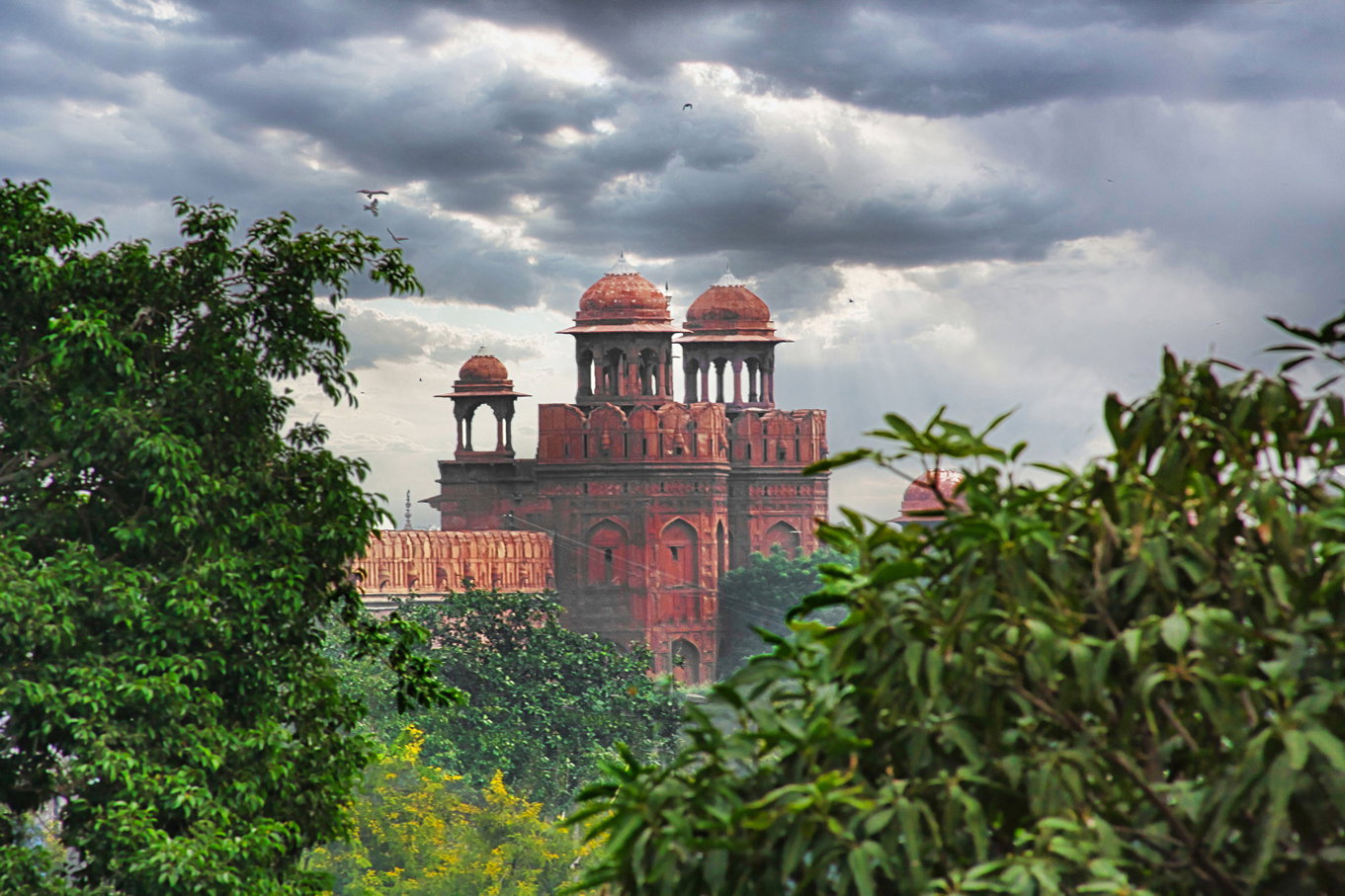
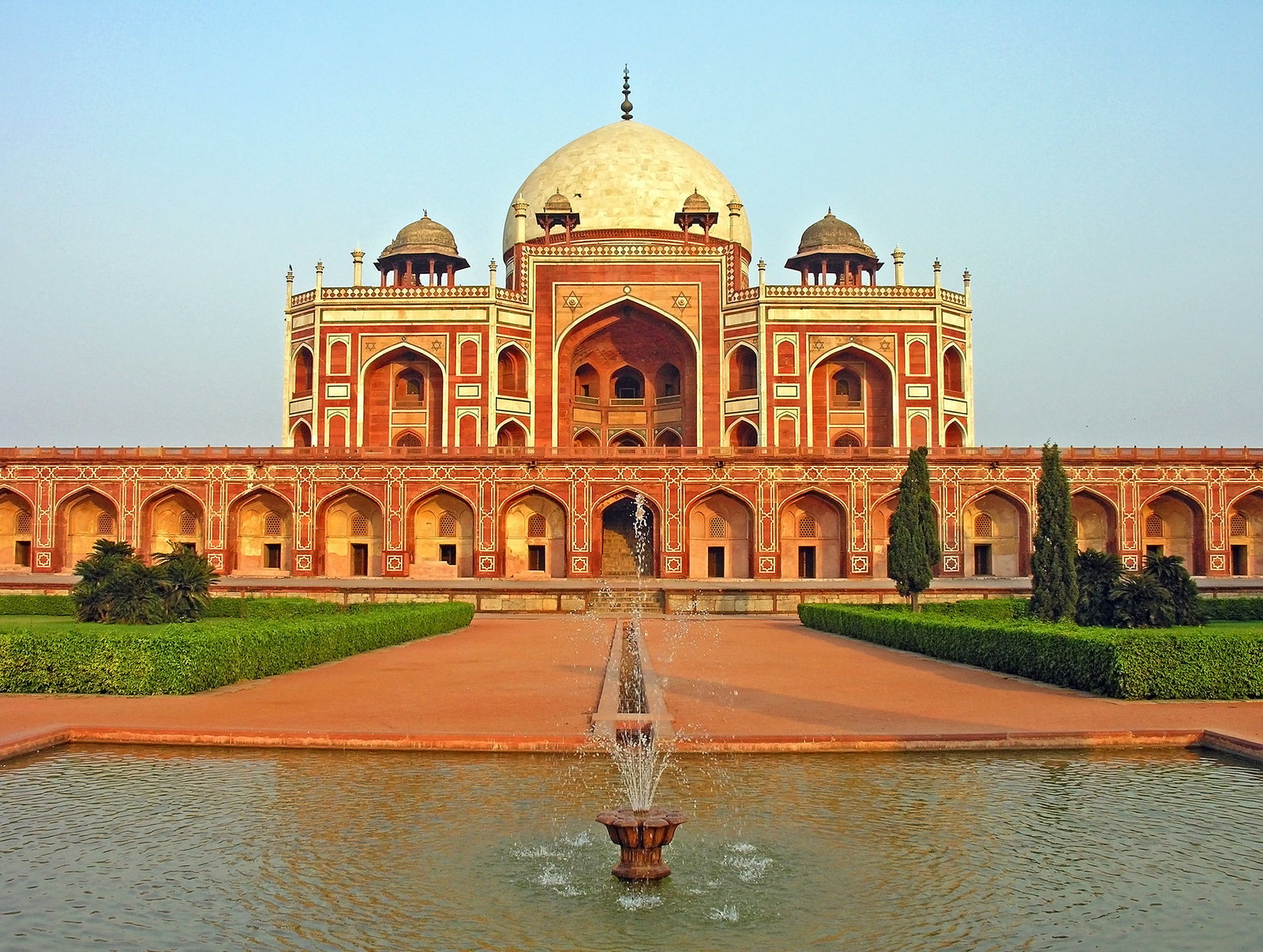
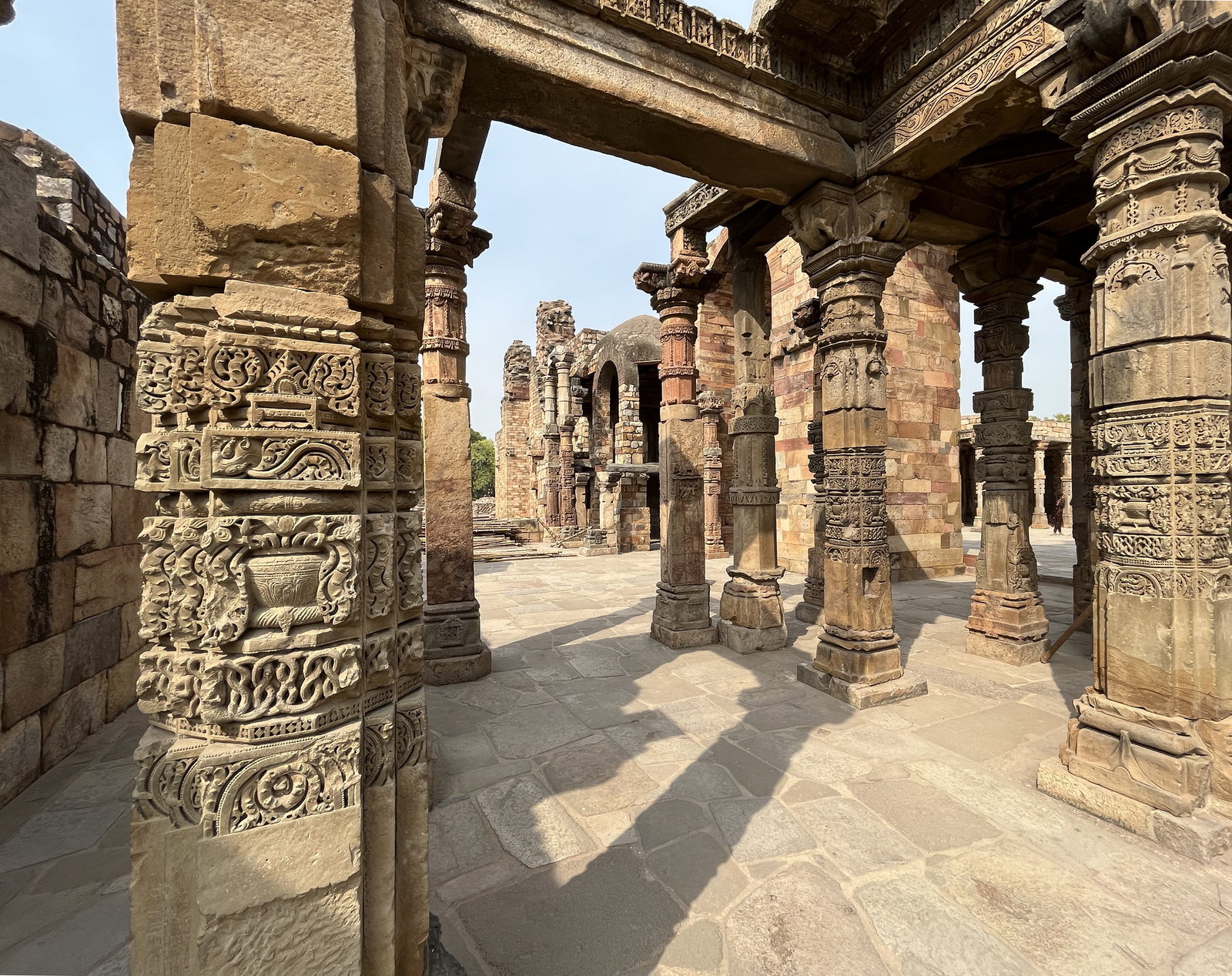
New Delhi is arguably the richest city on earth for layered history. Within its boundaries sit three UNESCO World Heritage Sites — Qutb Minar, Red Fort, and Humayun's Tomb — plus hundreds of mosques, step-wells, colonial boulevards, and medieval villages that most cities would kill for.

Beyond the monuments, Delhi is a food city of staggering range. Chandni Chowk's alleys have been feeding the city's sweet tooth since the Mughals built them; south Delhi's neighbourhood restaurants serve some of the subcontinent's best Dal Makhani and butter chicken; and the farm-to-table scene in Lodhi Colony keeps pace with any global capital.

For shoppers, Dilli Haat and the Hauz Khas boutiques offer craft-forward retail, while Lajpat Nagar and Sarojini Nagar are legendary for textiles and tailoring at extraordinary value. Delhi is also the gateway to Agra and Jaipur — the Golden Triangle — making it the logical anchor of any north India itinerary.

  • Three UNESCO World Heritage Sites within the city limits — Qutb Minar, Humayun's Tomb, and Red Fort
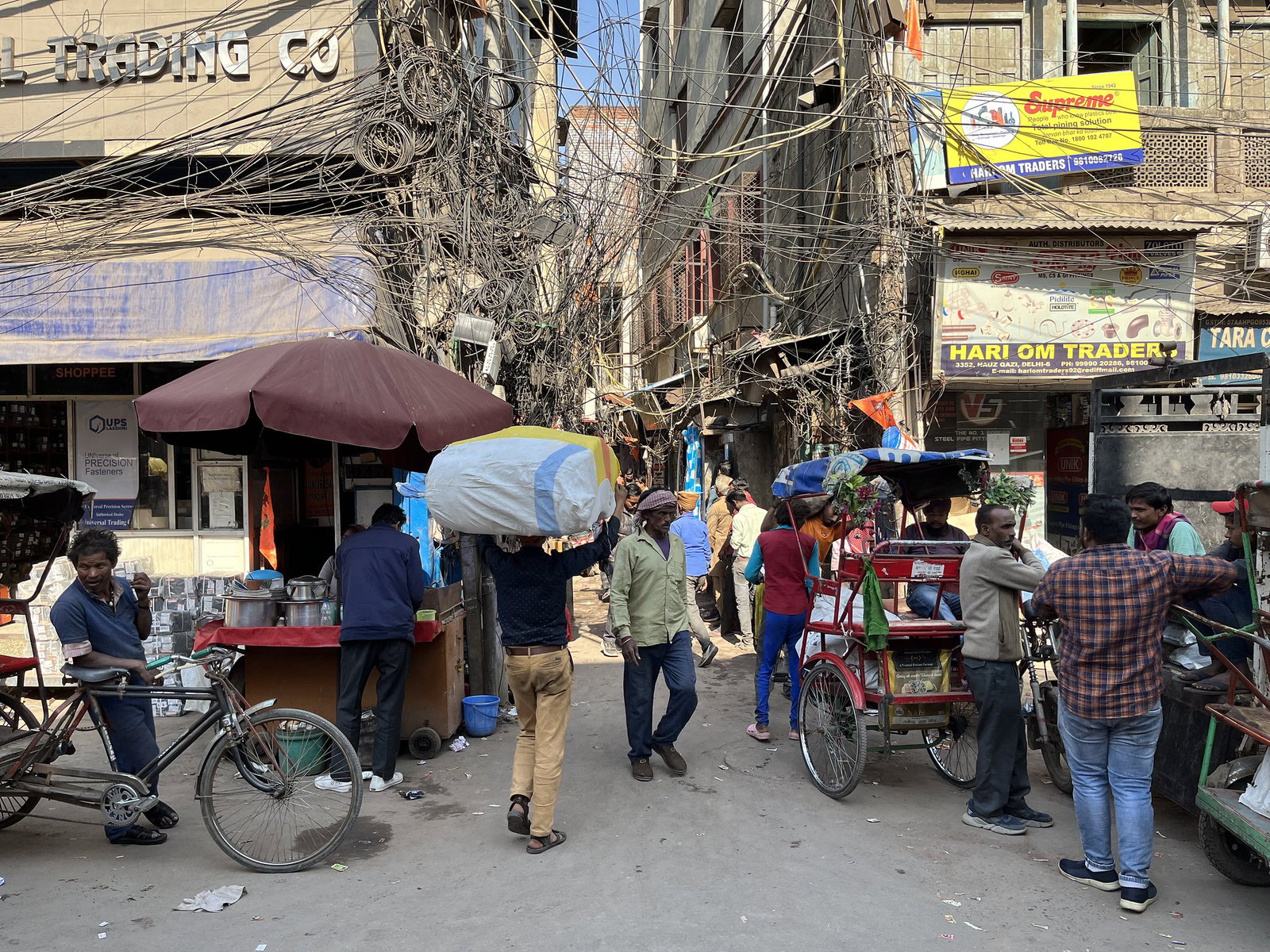
  • Chandni Chowk: one of Asia's oldest and most atmospheric street-food markets, unchanged in spirit since 1650
  • India Gate and Lutyens' Delhi — broad imperial boulevards designed to project the grandeur of the British Raj
  • A restaurant scene that spans roadside parathas to Michelin-quality modern Indian cuisine in a single city
  • The ideal base for day trips to Agra (Taj Mahal, 3 hrs) and Jaipur (5 hrs) on the Golden Triangle circuit
  • The Yamuna Biodiversity Park and Ridge Forest — surprising pockets of green in one of the world's densest cities

Best for

History lovers, first-time India visitors, foodies, architecture enthusiasts, and travellers building a Golden Triangle itinerary

Trip style

City break, cultural immersion, heritage trail

Known for

Mughal monuments, street food, India Gate, Lutyens' Delhi, Red Fort, bustling bazaars

Quick facts

Best time to visit

October to March, when temperatures are pleasant (15–28 °C); peak season is November–February. Avoid April–June (extreme heat, 40 °C+) and July–September (humid monsoon).

Currency

Indian Rupee (INR). 1 USD ≈ 83 INR (2024).

Languages

Hindi and English are widely spoken; Punjabi and Urdu also common.

Visa summary

Most nationalities require an Indian e-Visa (eTV), available online before travel. Passport must be valid for at least 6 months.

Flight time from Nairobi

Approximately 5–6 hours non-stop on direct services; 7–10 hours with a connection.

Airport / arrival

Indira Gandhi International Airport (DEL) is 16 km south-west of the city centre. The Airport Express Metro Line runs to New Delhi station in about 20 minutes.

Safety note

Generally safe for tourists in central and south Delhi; exercise normal caution in crowded markets. Women travellers should use app-based cabs (Ola/Uber) after dark.

Visa and entry

Look up entry rules by passport for travel to India on the Tsavaro visa checker.

Check visa requirements for India

Things to do

Explore Old Delhi and Chandni ChowkCulture & Food

Explore Old Delhi and Chandni Chowk

Half day

Wander the 17th-century bazaar streets radiating from Chandni Chowk, sample jalebis, parathas, and chai at century-old shops, visit the Jama Masjid (India's largest mosque), and take a cycle-rickshaw through the spice market.

Visit Red Fort (Lal Qila)Heritage

Visit Red Fort (Lal Qila)

2–3 hours

Walk the massive sandstone walls of Emperor Shah Jahan's 1648 fort, explore the Diwan-i-Aam and Diwan-i-Khas audience halls, and visit the in-complex museums on colonial and independence history. Evening sound-and-light show is highly recommended.

Humayun's TombHeritage

Humayun's Tomb

1.5–2 hours

This serene 1570 Mughal garden-tomb — the architectural precursor to the Taj Mahal — sits in beautifully restored charbagh gardens. A UNESCO World Heritage Site and one of India's most underrated monuments.

Qutb Minar ComplexHeritage

Qutb Minar Complex

1.5–2 hours

The 73-metre Qutb Minar is Delhi's oldest surviving minaret and its most recognisable landmark. The surrounding complex contains India's oldest mosque and a mysterious 1,600-year-old Iron Pillar that has never rusted.

India Gate and RajpathLandmark

India Gate and Rajpath

2 hours

Stroll or cycle along the 3-km ceremonial boulevard from Rashtrapati Bhavan to the India Gate war memorial — especially atmospheric at dusk when the gate is illuminated. The National War Memorial and nearby National Museum are excellent additions.

Lodhi GardenNature & Heritage

Lodhi Garden

1 hour

A 90-acre park scattered with 15th-century Sayyid and Lodi dynasty tombs, beloved by morning joggers, yoga groups, and history seekers alike. One of the most pleasant outdoor spaces in any Indian city.

Best time to visit New Delhi

The best time to visit New Delhi is October to March, when temperatures are comfortable and the air is clearest. November and February are the sweet spots — daytime highs hover around 20–25 °C, evenings are cool, and the city's parks and monuments are at their most inviting.

Winter (December–January) is pleasant for sightseeing but can bring dense fog that delays flights and trains, particularly in January. Pack a layer — nights can dip below 8 °C.

Spring (March–April) warms quickly; by late April the heat becomes serious. Summer (May–June) is brutal, with temperatures regularly exceeding 42 °C and occasional dust storms — not recommended unless you have no choice.

Monsoon (July–September) brings humidity and heavy downpours that can flood low-lying streets, but also lush greenery and dramatically fewer tourists. Prices drop and the city has a certain moody beauty.

Avoid major festival dates (Diwali in October/November, Holi in March) if you dislike crowds — or embrace them for an unforgettable cultural experience.

Is New Delhi safe to visit?

Yes — New Delhi is generally safe for tourists who take standard urban precautions. Millions of international visitors travel to Delhi each year without incident, and the central tourist areas (Connaught Place, Lutyens' Delhi, south Delhi neighbourhoods) are well-policed and well-lit.

Practical tips: Use Ola or Uber app-based cabs rather than hailing unmarked taxis, especially at night and from the airport. Keep a close eye on bags in crowded areas like Chandni Chowk and major railway stations, where pickpocketing does occur. Agree on fares before boarding auto-rickshaws if not using the meter.

Women travellers should be aware that street harassment can occur in certain areas; travelling in groups, dressing modestly in Old Delhi, and using app cabs after dark significantly reduces risk. The tourist police help desk at major monuments is a reliable first point of contact for any issue.

Food safety: stick to busy stalls with high turnover for street food; bottled or filtered water only. Delhi Belly is a real risk in the first few days — carry oral rehydration salts and go easy on the spice initially.

The air quality index (AQI) in Delhi can reach hazardous levels in November–December due to crop-burning season and winter inversions. Check AQI apps (IQAir, SAFAR) and carry an N95 mask if visiting during this window.
Suggested itinerary

4 Days in New Delhi: History, Food & Hidden Lanes

A moderate-pace itinerary based in central or south Delhi, mixing UNESCO monuments with neighbourhood exploration, street food, and one optional day-trip to Agra. Suits first-time visitors. Budget mid-range; most monuments cost INR 35–600 (foreigners) per entry.

Day 1

Old Delhi — Forts, Mosques & Mughal Streets

Start early at Red Fort before the crowds arrive. Walk the ramparts and explore the palace complex, then head into the lanes of Chandni Chowk for breakfast at a parathas stall in Paranthe Wali Gali. Visit Jama Masjid, climb its southern minaret for panoramic views, and explore the Kinari Bazaar spice market by cycle-rickshaw. Afternoon: Humayun's Tomb for the finest Mughal garden architecture in Delhi. Evening: dinner at a Nizamuddin dhaba or the Lodi restaurant in Lodhi Colony.

New Delhi — Old Delhi — Forts, Mosques & Mughal Streets

Travel essentials

Getting around

The Delhi Metro is fast, cheap, air-conditioned, and covers most tourist areas — it's the best way to navigate across the city. Ola and Uber are reliable and metered for point-to-point trips. Cycle-rickshaws are perfect for Old Delhi's lanes where cars can't go. Avoid auto-rickshaws without meters or a pre-agreed fare.

Typical costs

Budget traveller: USD 25–40/day (hostel dorm, street food, metro). Mid-range: USD 60–120/day (3-star hotel, sit-down restaurants, taxis). Luxury: USD 200+/day (heritage hotels, fine dining, private guides). Monument entry for foreigners: INR 35–600 per site. A full street-food lunch in Chandni Chowk: under USD 2.

Culture and etiquette

Remove shoes before entering mosques, temples, and Sikh Gurdwaras. Dress modestly (covered shoulders and knees) at all religious sites. Ask permission before photographing people. Bargaining is expected in bazaars but not in fixed-price shops. Tipping 10% is appreciated in restaurants; round up taxi fares.

Safety and planning

Register your travel with your embassy if staying more than two weeks. Keep digital and physical copies of your passport and visa. Travel insurance covering medical evacuation is strongly recommended. The nearest government hospital to tourist areas is AIIMS (South Delhi) and Lok Nayak Hospital (Old Delhi).

Connectivity

4G/5G connectivity is excellent. Buy an Airtel or Jio SIM at the airport arrivals hall (bring your passport copy and a passport photo). Tourist SIM packages with 1.5 GB/day for 28 days cost around INR 300–400. Free Wi-Fi is available at most metro stations and many cafes.

Payments

Cash (INR) is still king in markets, street stalls, and auto-rickshaws. ATMs are widely available; Citibank and HDFC ATMs have the fewest fees. UPI (Google Pay, PhonePe) is ubiquitous for locals; some vendors now accept it from foreign visitors with international cards. Major hotels and restaurants accept Visa and Mastercard.

New Delhi travel FAQs

More destinations to explore