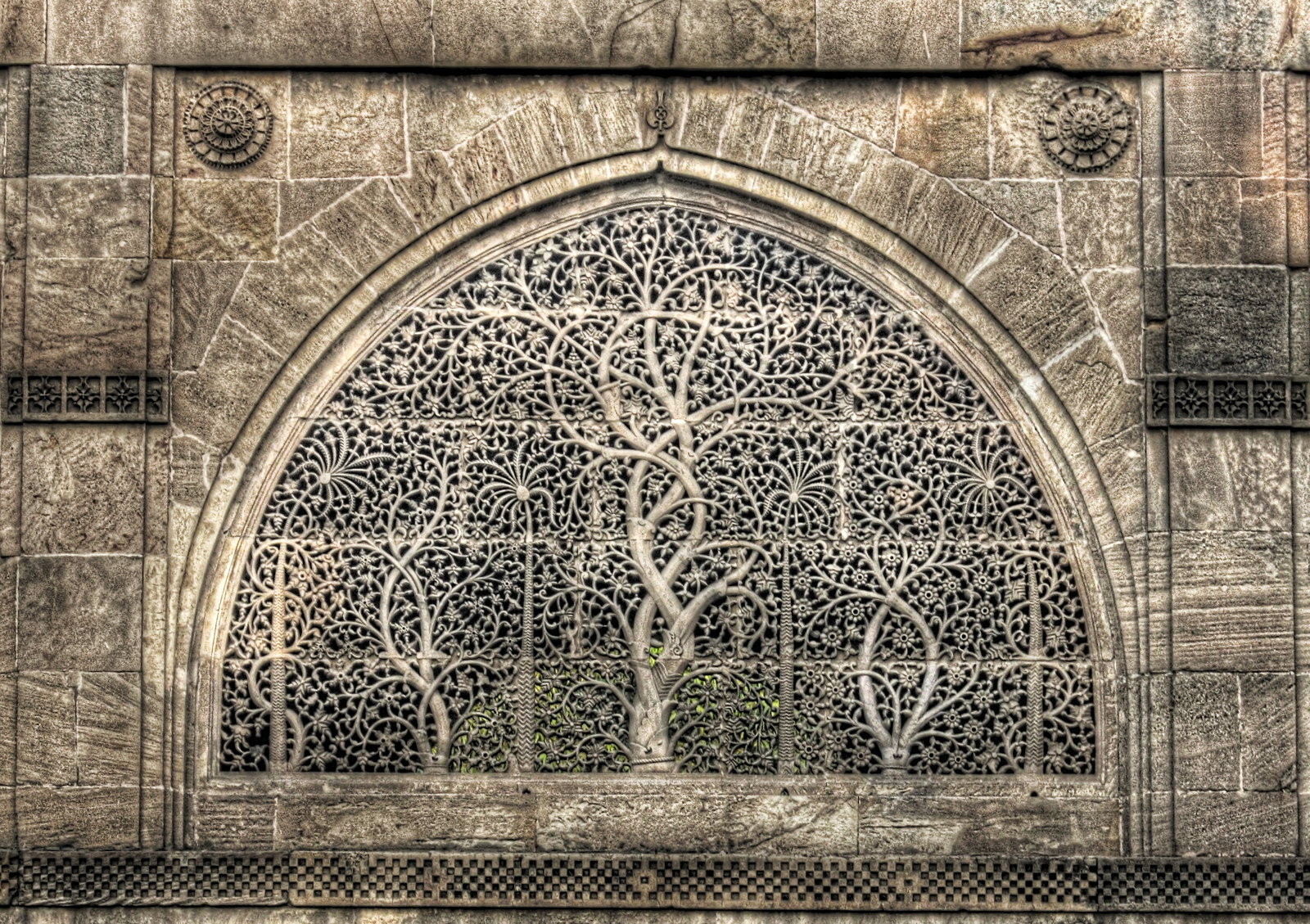
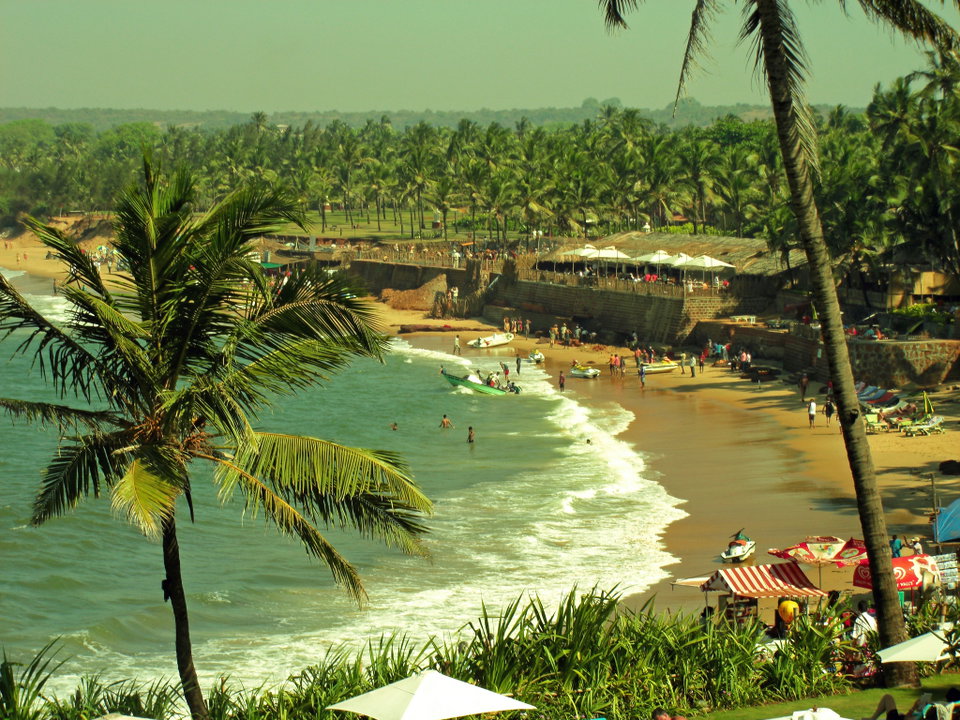
The ornate façade of Sidi Saiyyed Mosque with its famous stone jali lattice window, Ahmedabad

Destination guide

Ahmedabad

Gujarat, Western India · India

India's first UNESCO World Heritage City — where medieval havelis meet a booming modern skyline.

Best season

November to February — cool, dry days ideal for walking the old city and Heritage Walk.

From Nairobi

Approximately 5–6 hours direct or 8–12 hours with one stop (via Mumbai, Dubai, or Doha).

Why visit Ahmedabad?

Ahmedabad rewards curious travellers who dig beneath the surface. The UNESCO-listed walled city packs more architectural richness per square kilometre than almost anywhere in India — Sidi Saiyyed Mosque's stone jali windows, the subterranean geometry of Adalaj Step-well, and the intricate carvings of Hutheesing Jain Temple are highlights that rarely feel overrun with tourists.

The city's Gandhian heritage is equally compelling. The Sabarmati Ashram, where Mahatma Gandhi lived for 13 years and launched the Dandi Salt March, is one of the most historically charged sites in South Asia. CEPT University and the National Institute of Design give Ahmedabad a genuine design culture; the Calico Museum of Textiles is considered the finest textile museum in the world.

Then there is the food. Gujarat's famously meat-free cuisine reaches its peak in Ahmedabad — from the frenetic chaos of Manek Chowk's night market (the gold market by day, outdoor kitchen by night) to the refined thali at a family-run dhaba. Fafda-jalebi for breakfast is essentially a civic religion.

  • India's first UNESCO World Heritage City — the old walled city is a living museum of Islamic, Hindu, and Jain architecture.
  • Walk the Sabarmati Ashram on the banks of the Sabarmati River, where Gandhi planned the Salt March of 1930.
  • The intricate stone jali of Sidi Saiyyed Mosque is one of the most photographed architectural details in all of India.
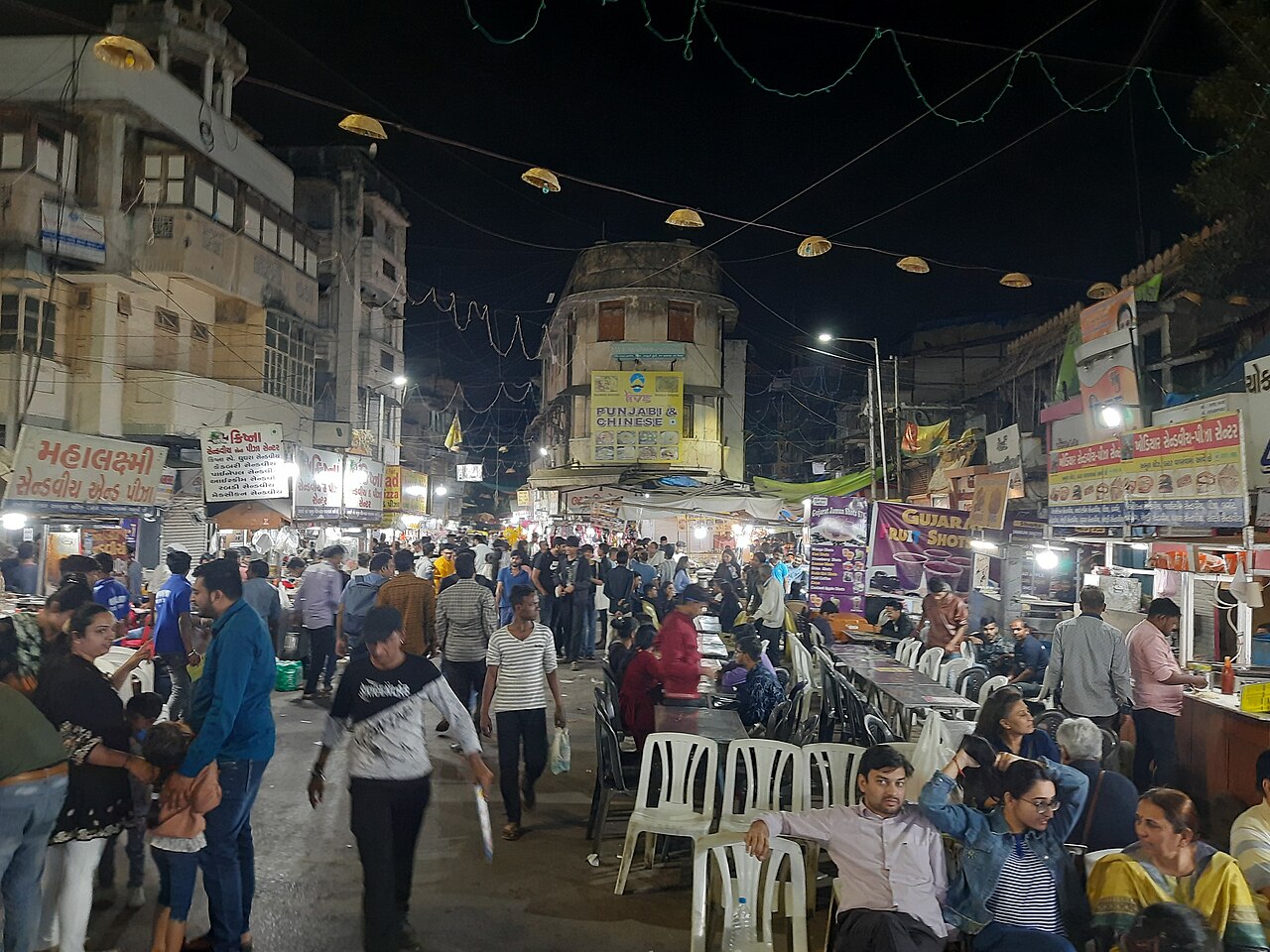
  • Manek Chowk transforms from a gold market by day into a sizzling outdoor food court by night — don't miss the sev puri and falooda.
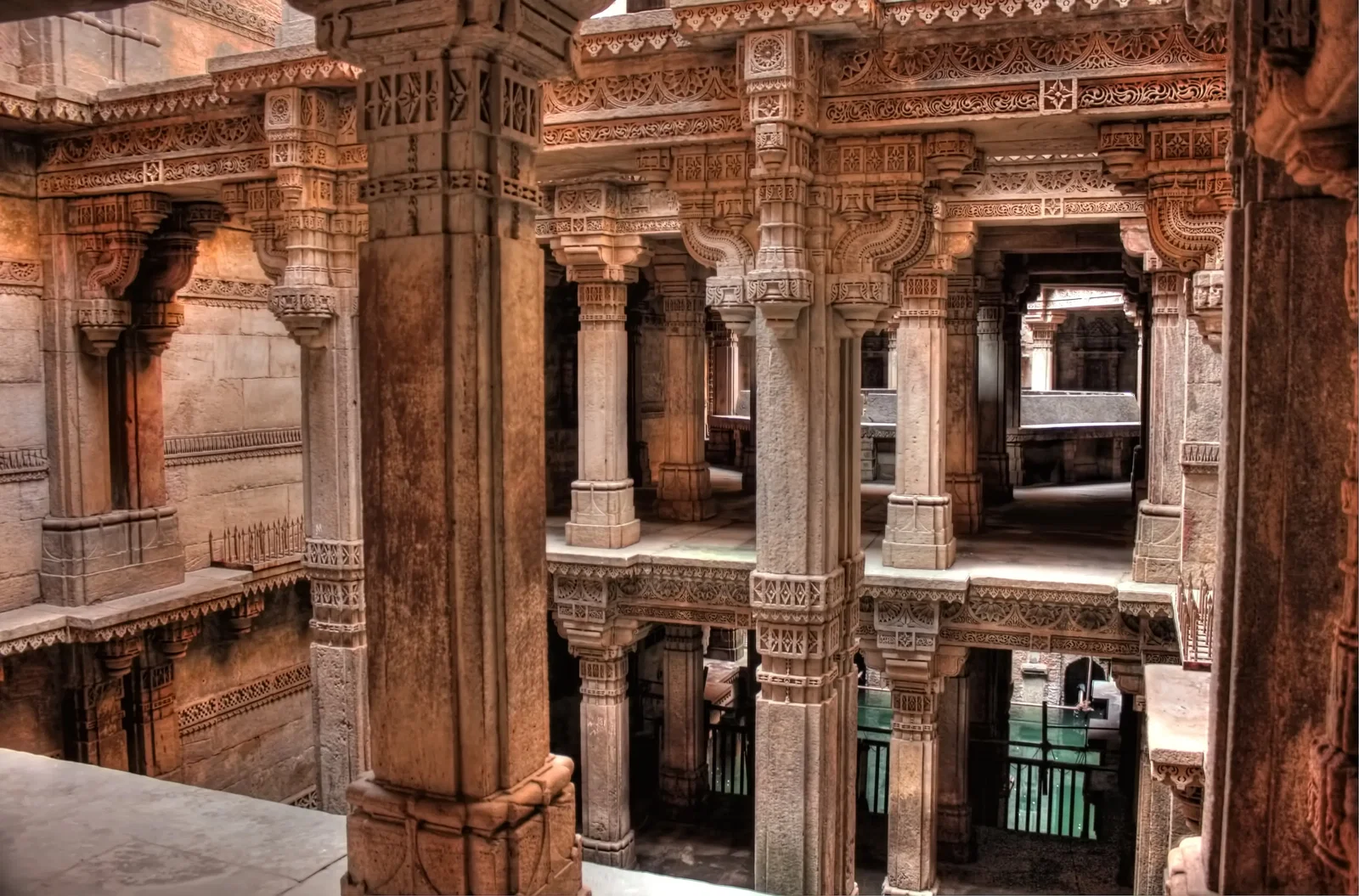
  • Adalaj Step-well is a five-storey subterranean marvel of Indo-Islamic architecture, 30 minutes from the city centre.
  • Gujarati vegetarian cuisine is among India's most celebrated — try a full thali experience before you leave.

Best for

Heritage architecture, Gandhian history, world-class vegetarian food, textile and craft shopping, design culture.

Trip style

Cultural city break, heritage deep-dive, food tourism, weekend from Mumbai or Delhi.

Known for

UNESCO World Heritage City status, Sidi Saiyyed Mosque jali windows, Sabarmati Ashram, Adalaj Step-well, Gujarati thali, Manek Chowk night market, textile and craft traditions.

Quick facts

Best time to visit

November to February — cool, dry days ideal for walking the old city and Heritage Walk.

Currency

Indian Rupee (INR). ATMs are plentiful; cards accepted at larger hotels and restaurants.

Languages

Gujarati (official); Hindi widely understood; English spoken in hotels, malls, and tourist sites.

Visa summary

Most nationalities require an Indian e-Visa (eTV), applied for online before travel. Typically approved in 3–5 business days.

Flight time from Nairobi

Approximately 5–6 hours direct or 8–12 hours with one stop (via Mumbai, Dubai, or Doha).

Airport / arrival

Sardar Vallabhbhai Patel International Airport (AMD) is 12 km north of the city centre. Pre-paid taxis, app cabs (Ola/Uber), and the metro are all available.

Safety note

Ahmedabad is generally safe for tourists. The old city lanes can be confusing at night — use a local guide or mapping app. Drink only bottled or purified water.

Visa and entry

Look up entry rules by passport for travel to India on the Tsavaro visa checker.

Check visa requirements for India

Things to do

Walk the UNESCO Walled City (Heritage Walk)Culture & Heritage

Walk the UNESCO Walled City (Heritage Walk)

2–3 hours

Join the free early-morning Heritage Walk (6 am daily) through the pol neighbourhoods — a guided stroll past carved havelis, courtyards, bird feeders, and neighbourhood temples that has run since 1997. Alternatively, explore the pols independently with an audio guide from the Ahmedabad Municipal Corporation.

Visit Sabarmati AshramHistory & Culture

Visit Sabarmati Ashram

1–2 hours

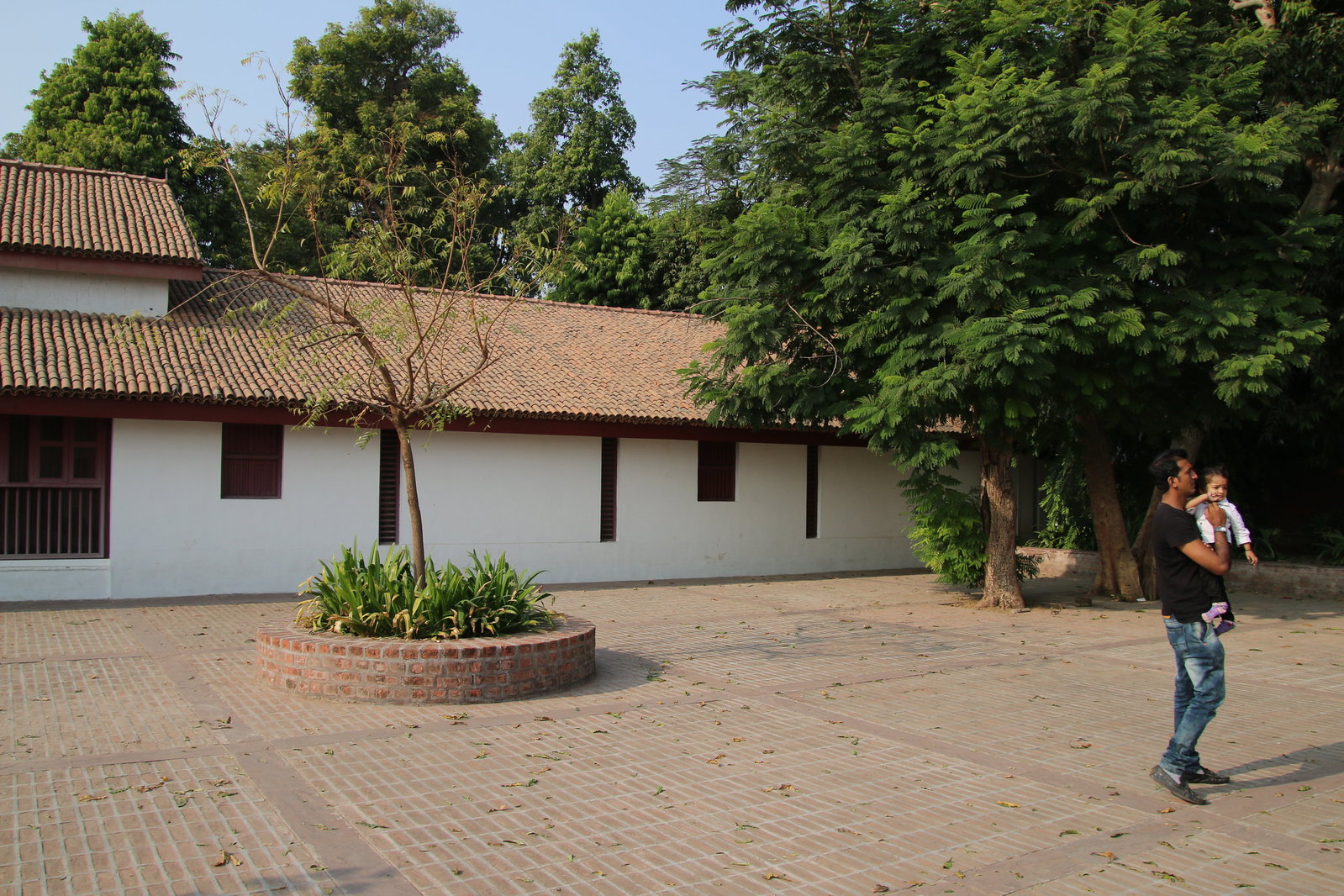
Gandhi's home from 1917 to 1930 sits peacefully on the western bank of the Sabarmati River. The Hridaya Kunj museum preserves his spinning wheel, letters, and personal quarters. The riverside lawns are ideal for a quiet hour of reflection.

Marvel at Sidi Saiyyed Mosque (Jali)Architecture & Heritage

Marvel at Sidi Saiyyed Mosque (Jali)

30–45 minutes

Built in 1573, this compact mosque's rear windows feature ten extraordinary stone jali screens — the Tree of Life panel is the city's most iconic image, reproduced in the logo of the Indian Institute of Management Ahmedabad (IIMA). Entry is free; visit early for the best light.

Explore Adalaj Step-well (Vav)Architecture & Heritage

Explore Adalaj Step-well (Vav)

1 hour (plus 30 min drive from city)

An outstanding example of Gujarat's ancient vav tradition, this five-storey step-well built in 1499 plunges into the earth in a symphony of carved pillars, balconies, and niches. It stays cool year-round and is beautifully lit in the morning hours.

Hutheesing Jain TempleSpiritual & Heritage

Hutheesing Jain Temple

45–60 minutes

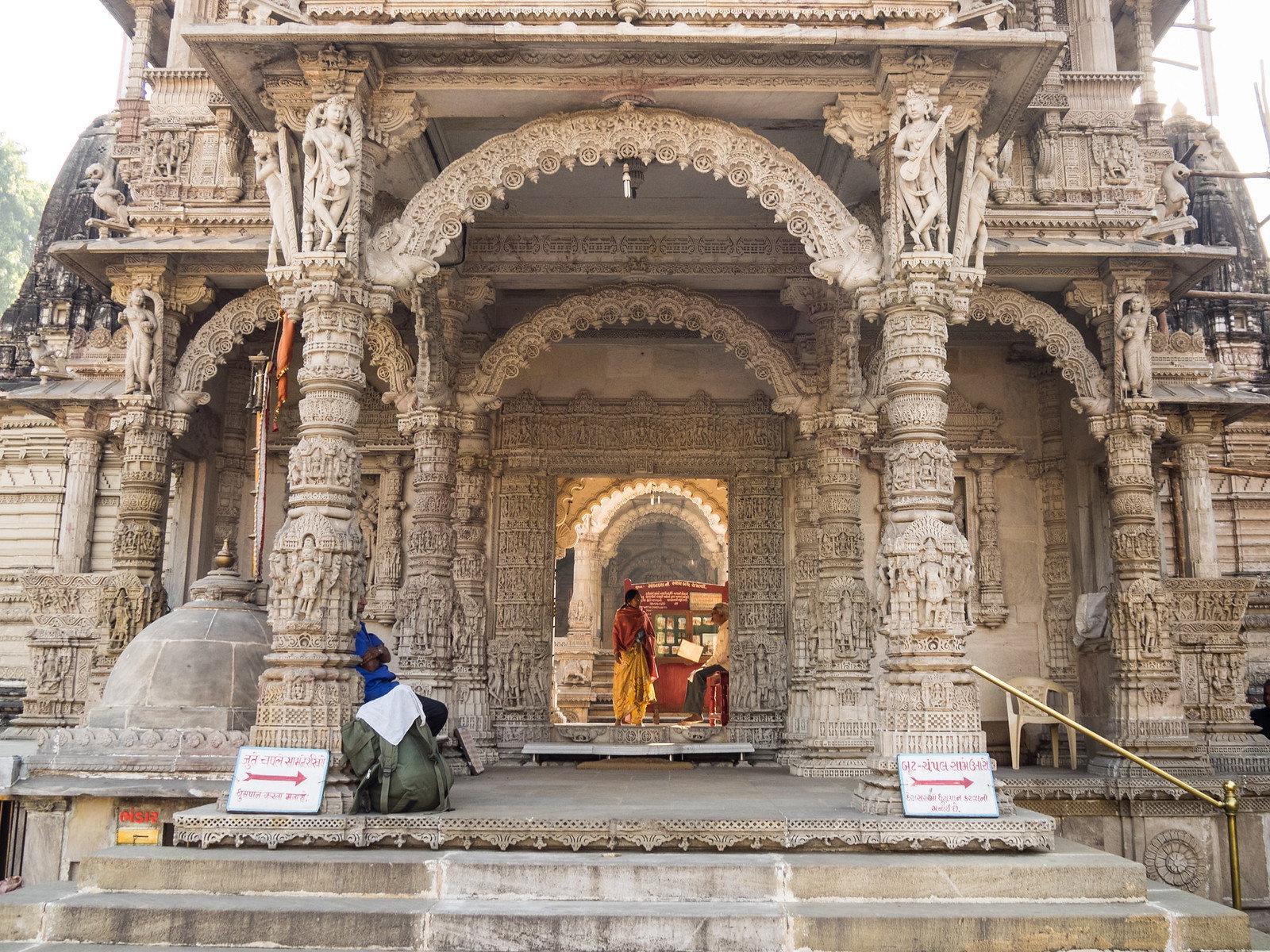
Built in 1848, this white marble temple dedicated to Dharmanatha is considered one of the finest examples of Jain temple architecture in Gujarat. The surrounding haveli complex, carved cloister walkways, and courtyard make it an extraordinarily photogenic site.

Night at Manek ChowkFood & Nightlife

Night at Manek Chowk

1.5–2 hours

As gold and silver traders pack up at dusk, street-food vendors colonise Manek Chowk's central square. Dig into pav bhaji, pizza-sandwiches (a local novelty), ice cream, and the city's legendary sev puri. Best visited after 9 pm when the atmosphere reaches full volume.

Best time to visit Ahmedabad

The best time to visit Ahmedabad is November to February, when temperatures are pleasant (15–28°C), skies are clear, and walking the old city is genuinely comfortable. This is peak season for good reason — the Heritage Walk is most enjoyable in the cool mornings, and major festivals like Uttarayan (International Kite Festival, 14 January) draw visitors from across the world.

March to May is increasingly hot, with April and May regularly exceeding 40°C. Sightseeing is still possible with early starts and afternoon breaks, but the heat is challenging for most visitors.

The monsoon (June to September) brings humidity and occasional flooding in the low-lying old city. Heritage sites remain open, the city turns green, and prices drop significantly. A handful of travellers enjoy the atmospheric, rain-washed streets.

October is a transitional shoulder month — heat easing, pre-Diwali festivities beginning, and good value before peak-season pricing returns. Navratri (September/October) is arguably the most spectacular time to visit if you can secure accommodation in advance — nine nights of garba dancing across the city is an unforgettable cultural spectacle.
Is Ahmedabad safe to visit?

Yes — Ahmedabad is generally safe for tourists, including solo travellers and women, and is considered one of India's more visitor-friendly cities. Petty crime (pickpocketing, bag-snatching) exists but is far less prevalent than in many larger Indian cities. The walled city's narrow lanes can feel disorienting after dark — use a mapping app or arrange a guide for evening excursions.

Practical tips: use Ola or Uber for metered, predictable transport rather than bargaining with unlicensed auto-rickshaws. Drink only bottled or filtered water. The city is a dry state (Gujarat has alcohol prohibition) — licensed hotel bars are the primary option; carry your hotel's contact details.

Ahmedabad has experienced communal tensions historically, but the day-to-day atmosphere for international tourists is calm and welcoming. Standard India-travel precautions apply: guard your passport, use hotel safes, and purchase comprehensive travel insurance before departure.

Suggested itinerary

3 Days in Ahmedabad: Heritage, Food & Culture

A comfortable, mid-paced itinerary based centrally in Ahmedabad, mixing UNESCO heritage walks, iconic monuments, and street-food evenings. Suits first-time visitors travelling independently or on a guided cultural tour. Budget band: mid-range (INR 3,000–8,000/day per person, excluding flights).

Day 1

The Walled City & Gandhian Soul

Start at 6 am with the free Heritage Walk, threading through the pol neighbourhoods of the old walled city — your guide will point out the intricately carved teak havelis, communal water troughs, and neighbourhood deities that make each pol unique.

After breakfast on the walk (hot jalebi and fafda from a street stall), visit Sidi Saiyyed Mosque before the tourist buses arrive. Spend time with the jali windows — the craftsmanship is extraordinary up close.

Cross the Ellis Bridge to the Sabarmati Ashram for the late morning. Walk Gandhi's modest rooms, watch a short film, and take a quiet moment by the river. Lunch at a nearby Gujarati thali restaurant — go unlimited.

Afternoon: explore Hutheesing Jain Temple and the surrounding old-city lanes. Evening dinner at Manek Chowk — arrive after 9 pm for the full atmosphere.

Ahmedabad — The Walled City & Gandhian Soul

Travel essentials

Getting around

Ahmedabad Metro (two lines now operational) connects the airport to the city centre and the western suburbs. App-based cabs (Ola, Uber) are reliable and cheap. Auto-rickshaws are ubiquitous — always insist on the meter or agree a price upfront. Bicycles can be rented for the old city. BRTS (Bus Rapid Transit System) is efficient for longer city routes.

Typical costs

Mid-range travellers can expect to spend INR 3,000–8,000 per day (roughly USD 35–95), covering a decent hotel, meals, cabs, and entry fees. Street-food meals cost INR 50–200; a full Gujarati thali at a sit-down restaurant runs INR 200–500. Entry to most heritage sites is INR 25–100 for foreign visitors. The Calico Museum is free but donation-based.

Culture and etiquette

Gujarat is a Hindu-majority state with strong Jain and Gandhian cultural influences. Alcohol is prohibited (except in licensed hotel bars with a permit). Remove shoes before entering temples and mosques. Dress modestly when visiting religious sites — cover shoulders and knees. Vegetarianism is the norm; many restaurants are entirely meat-free. Non-vegetarian food is available but limited in the old city.

Safety and planning

Purchase travel insurance covering medical evacuation before departure. Carry a digital and physical copy of your passport and visa. Register with your country's embassy if visiting for more than a week. The nearest major hospitals with international standards are Apollo and Sterling Hospitals on the western side of the city.

Connectivity

4G/5G is widely available. Buy a prepaid SIM at the airport (bring your passport) from Airtel or Jio — data is extremely cheap. Most mid-range and upscale hotels have reliable Wi-Fi. Cafes and co-working spaces in the western suburbs (SG Highway, Satellite area) offer good connectivity.

Payments

Cash (INR) is king in the old city markets and street-food stalls. UPI (Unified Payments Interface) is accepted at most mid-range restaurants and shops — international visitors can link some foreign cards to UPI apps. Major hotels and upscale restaurants accept Visa and Mastercard. ATMs are easy to find throughout the city.

Ahmedabad travel FAQs

More destinations to explore