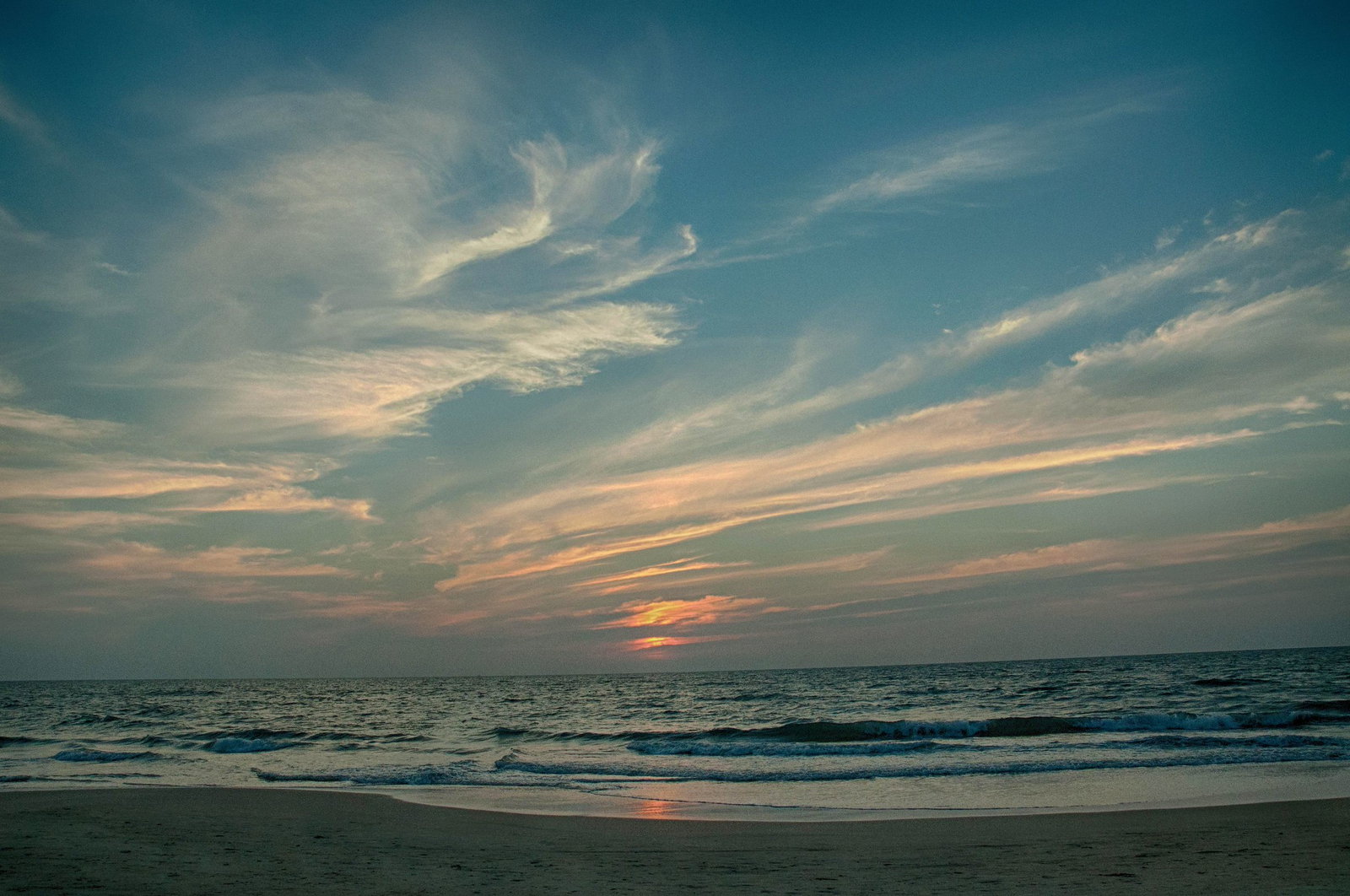
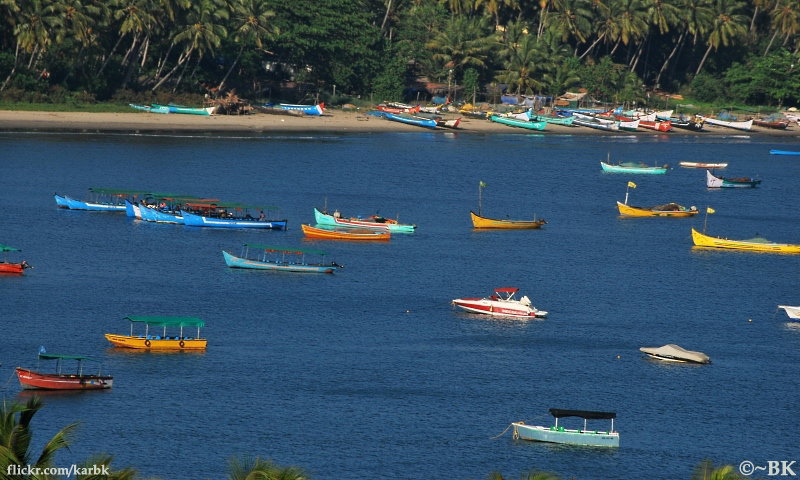
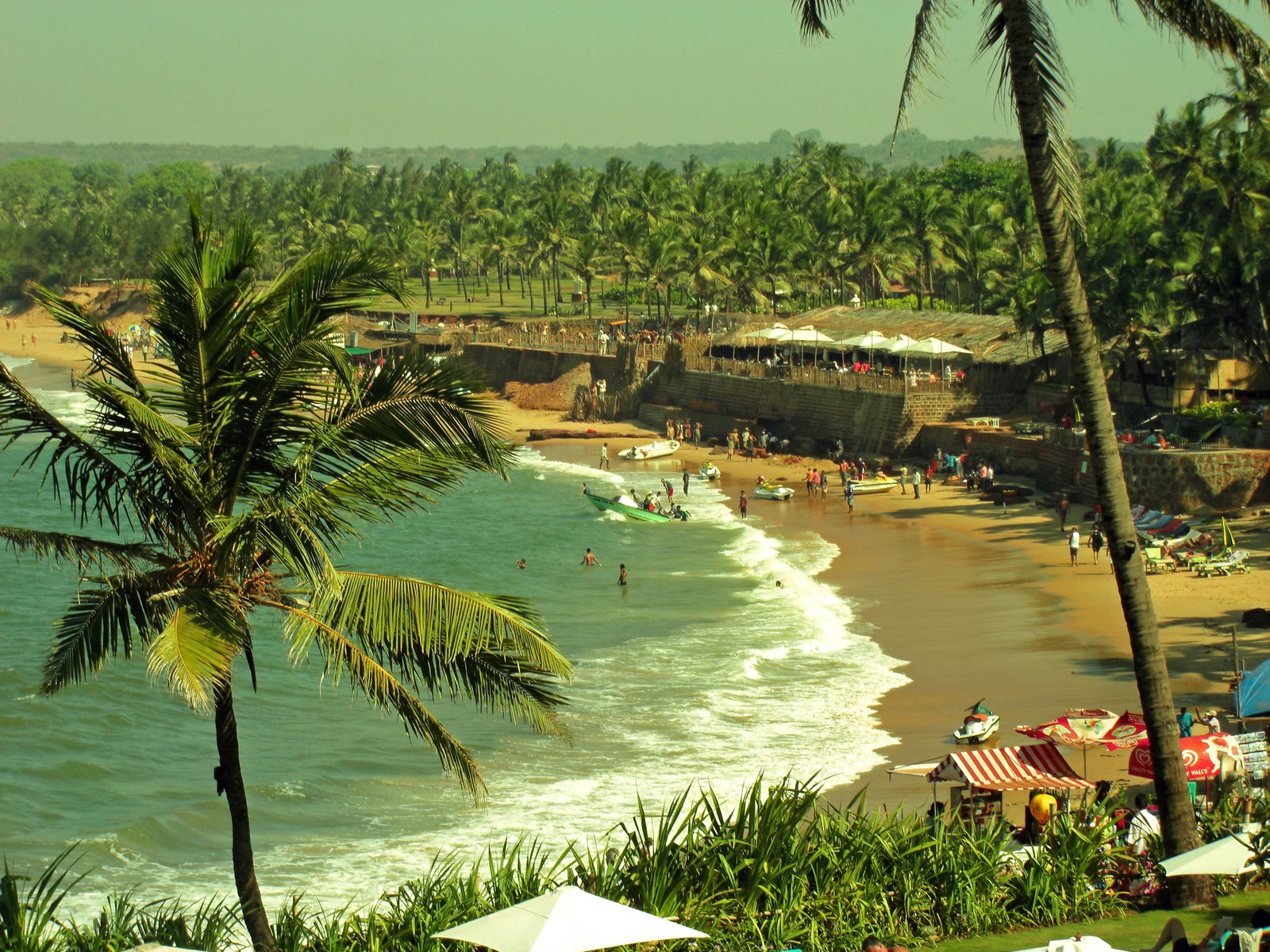
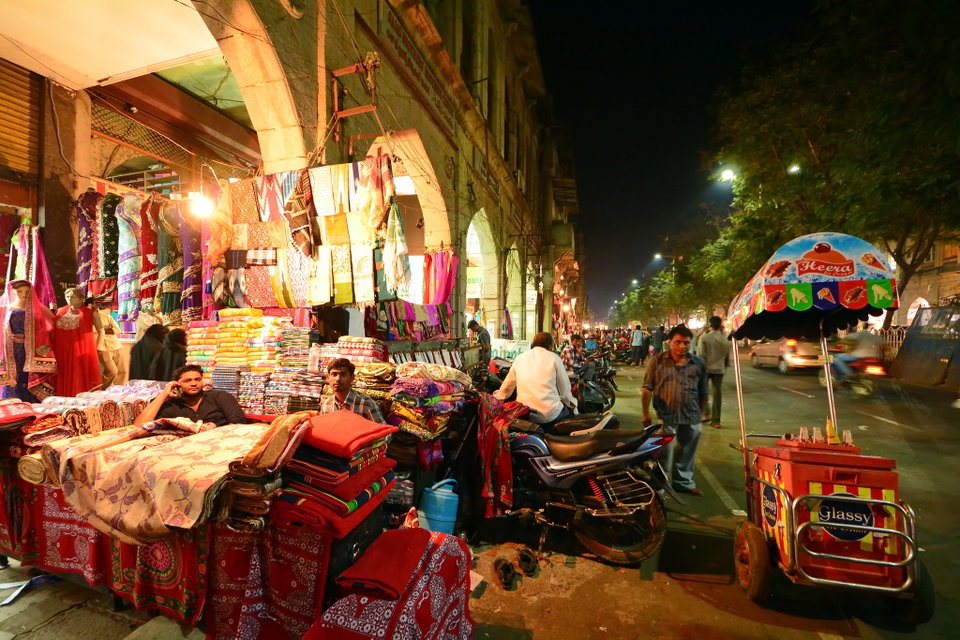
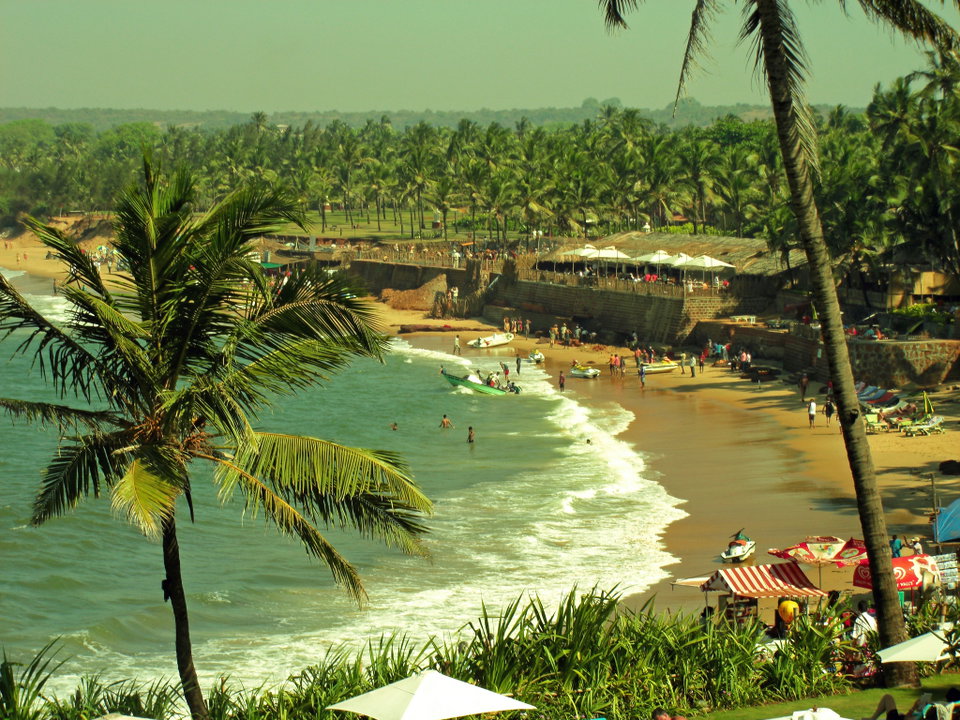
Golden sand beach in Goa lined with palm trees and colourful fishing boats at sunset

Destination guide

Goa

Konkan Coast, West India · India

India's sun-soaked coast — where spice trails, Portuguese tiles, and warm Arabian Sea waves meet.

Best season

November to February (peak dry season); October and March for fewer crowds and lower prices.

From Nairobi

Approximately 5–6 hours non-stop (Nairobi to Goa via charter or via Mumbai adds 1–2 hrs).

Why visit Goa?

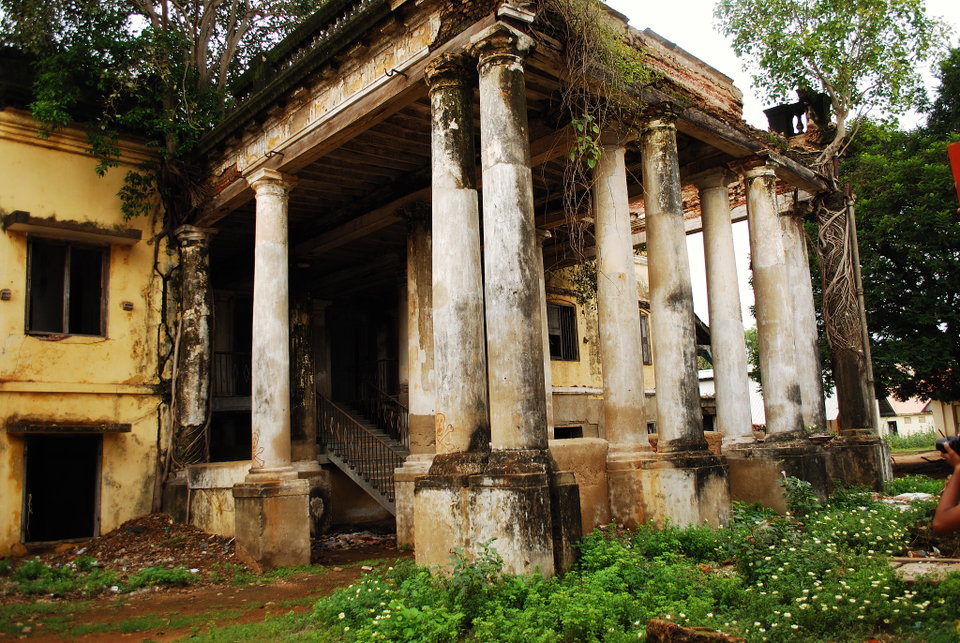
Goa is the rare destination that genuinely delivers something different to every traveller. Architecturally, it is unlike anywhere else in India — 450 years of Portuguese colonial rule left behind whitewashed cathedrals, azulejo-tiled mansions, and a Latin Quarter in Fontainhas that feels transplanted from Lisbon. Gastronomically, Goan cuisine is its own distinct universe: fish curry with kokum, pork vindaloo, bebinca layered desserts, and feni distilled from cashew apple or coconut sap.

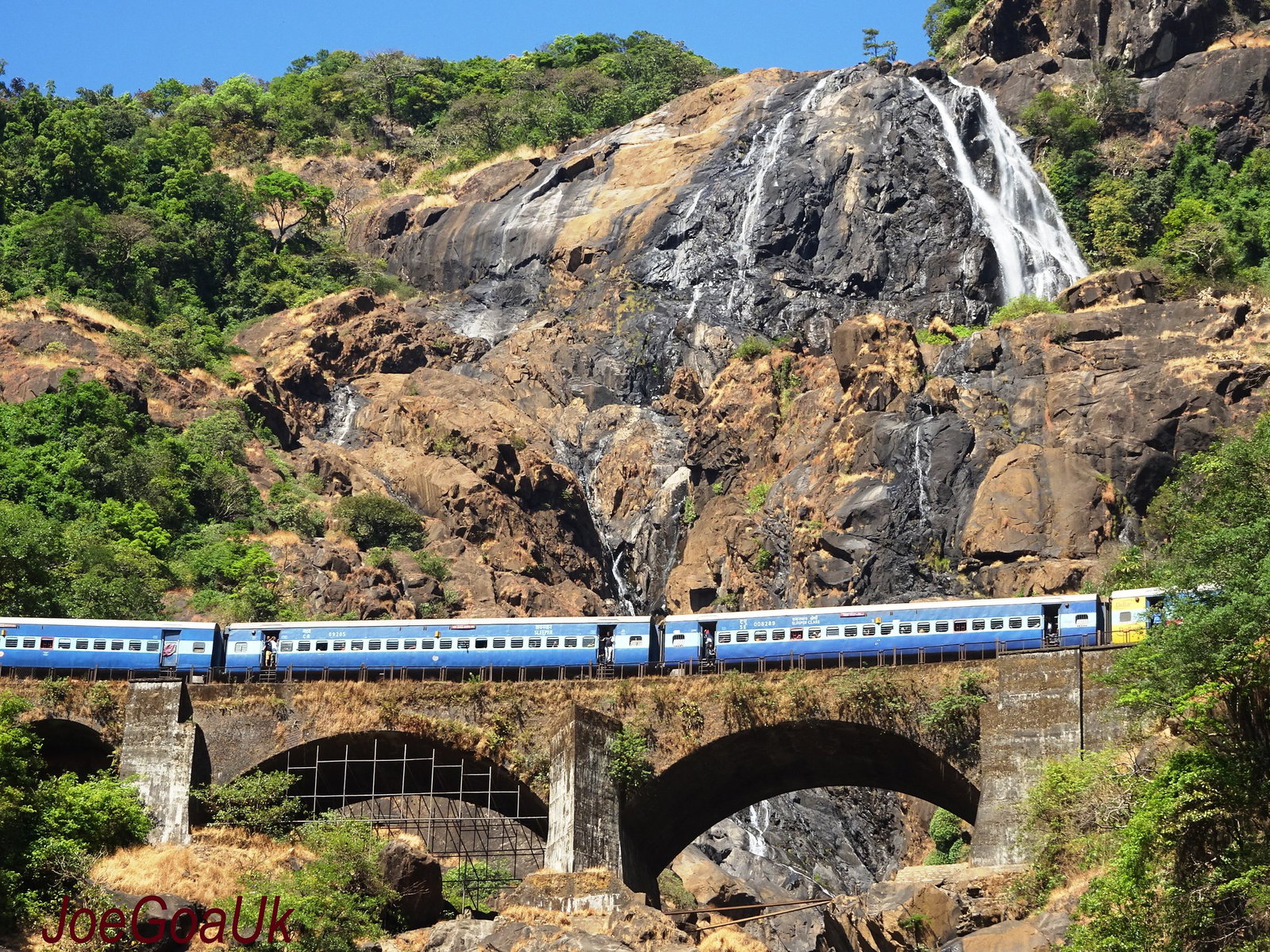
Nature lovers find rich rewards beyond the beaches. The Western Ghats rise sharply to the east, harbouring spice plantations, wildlife sanctuaries teeming with gaur and leopards, and thundering waterfalls like Dudhsagar that drop 310 metres in four tiers. In the dry season, the flat-water backwaters of Chorao and Divar islands slow everything down to a gentle paddle.

For many visitors, though, Goa is simply the best place in South Asia to do very little — to read a book on a sun-bed, order another kingfisher, and watch the fishing fleet come in at dusk.

  • 105 km of Arabian Sea coastline ranging from crowded party beaches to deserted coves.
  • UNESCO-listed Old Goa churches — Baroque masterpieces built when this was Portugal's 'Rome of the East'.
  • Goan cuisine: a unique fusion of South Asian spice and Portuguese technique found nowhere else.
  • Dudhsagar Falls — a 310-metre, four-tiered waterfall deep in the Western Ghats jungle.
  • Some of Asia's best electronic music festivals, including Sunburn and smaller boutique events, every December.
  • Yoga studios, Ayurveda centres, and wellness retreats concentrated in Anjuna, Arambol, and Morjim.

Best for

Beach lovers, culture seekers, foodies, nightlife enthusiasts, yoga retreaters, and budget travellers.

Trip style

Beach holiday, cultural city break, wellness retreat, adventure add-on

Known for

Arabian Sea beaches, Portuguese colonial architecture, seafood and Goan cuisine, electronic music festivals, yoga and Ayurveda retreats, Carnival, spice farms

Quick facts

Best time to visit

November to February (peak dry season); October and March for fewer crowds and lower prices.

Currency

Indian Rupee (INR). ATMs are widely available; USD and EUR can be exchanged at authorised dealers.

Languages

Konkani (official), Marathi, English, and Hindi are all widely understood in tourist areas.

Visa summary

Most nationalities require an Indian e-Visa, available online before travel. Citizens of a handful of nations qualify for visa-on-arrival. Check the Indian Bureau of Immigration for your passport.

Flight time from Nairobi

Approximately 5–6 hours non-stop (Nairobi to Goa via charter or via Mumbai adds 1–2 hrs).

Airport / arrival

Goa International Airport (Dabolim, GOI) handles most traffic. The new Mopa Greenfield Airport (GOX) north of Panaji opened in 2023 and serves additional carriers. Taxis and pre-paid cabs are available curbside; auto-rickshaws operate in town.

Safety note

Goa is generally safe for tourists. Petty theft on beaches and drink-spiking in clubs have been reported — keep belongings secured and stay alert at night.

Visa and entry

Look up entry rules by passport for travel to India on the Tsavaro visa checker.

Check visa requirements for India

Things to do

Explore Old Goa's Baroque ChurchesCulture & Heritage

Explore Old Goa's Baroque Churches

Half day

The UNESCO World Heritage church complex at Old Goa — including the Basilica of Bom Jesus, which holds St. Francis Xavier's relics — is one of the finest collections of Portuguese colonial religious architecture outside Europe. Allow half a day to walk between Se Cathedral, the Church of St. Francis of Assisi, and the smaller chapels nearby.

Beach-hop the North Goa CoastBeaches & Scenery

Beach-hop the North Goa Coast

Full day

Hire a scooter and ride the coastal road connecting Candolim, Calangute, Baga, Anjuna, Vagator, and Chapora. Each beach has its own character — family-friendly Candolim, market-busy Anjuna, cliff-top Vagator — and the legendary Chapora Fort overlooks it all. Sunset from the fort walls is unmissable.

Trek to Dudhsagar FallsNature & Adventure

Trek to Dudhsagar Falls

Full day (guided tour recommended)

One of India's tallest waterfalls, Dudhsagar ('sea of milk') on the Goa–Karnataka border roars most powerfully from July to October. In the dry season, jeep safaris and guided treks through Bhagwan Mahavir Wildlife Sanctuary reach the base. Swimming in the plunge pool is a highlight.

Spice Plantation TourFood & Nature

Spice Plantation Tour

Half day

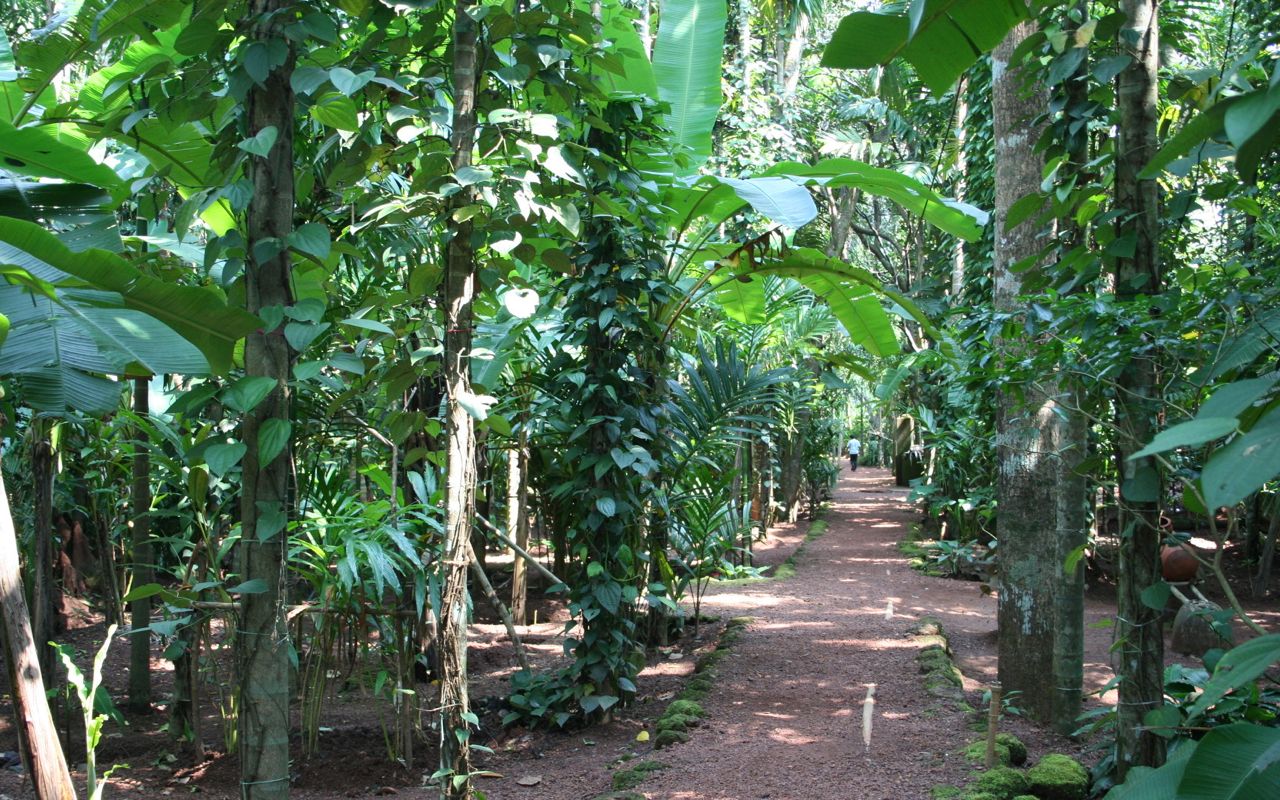
Goa's hinterland is carpeted with spice farms growing cardamom, vanilla, pepper, nutmeg, and cinnamon. Several plantations near Ponda — Sahakari, Tropical Spice Farm, Savoi — offer guided walks, elephant encounters, and a traditional Goan thali lunch under shade trees.

Wander Fontainhas, Panaji's Latin QuarterCulture & Heritage

Wander Fontainhas, Panaji's Latin Quarter

2–3 hours

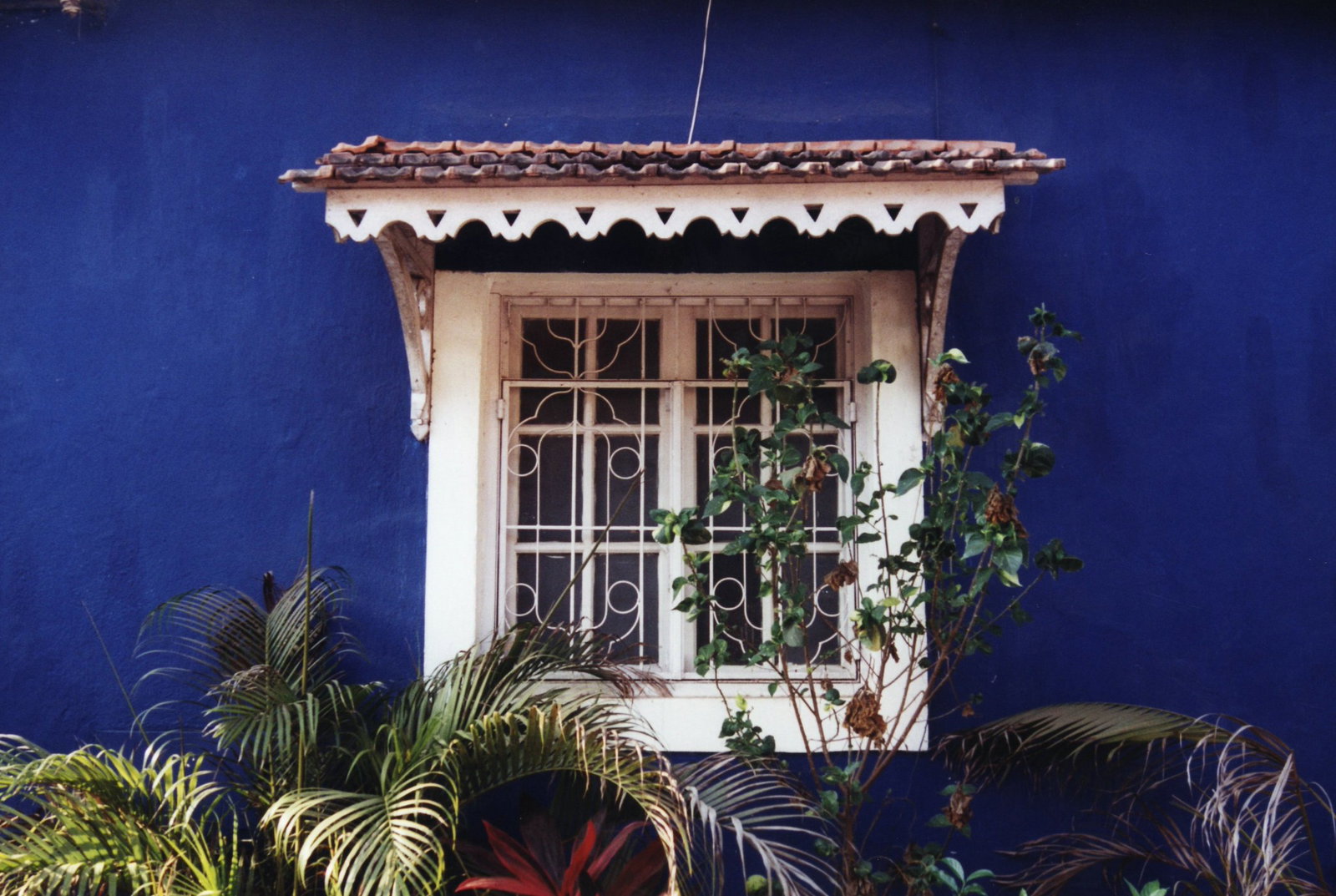
Panaji's old Portuguese quarter is a maze of narrow lanes, ochre and indigo facades, window grilles, and tiny Catholic chapels. The neighbourhood is best explored on foot; end at a café in the Altinho hill neighbourhood for views over the Mandovi River.

Sunset Cruise on the Mandovi RiverLeisure & Scenic

Sunset Cruise on the Mandovi River

1.5–2 hours

Evening river cruises depart from Panaji Jetty with live Goan folk music, dancing, and drinks. Longer options continue into the Cumbarjua Canal, where you might spot mugger crocodiles basking on mudflats at dusk.

Best time to visit Goa

The best time to visit Goa is November to February, when the weather is dry, warm, and breezy — daytime temperatures hover around 28–32°C, humidity is low, and the sea is calm and swimmable. December and January are peak season: beaches are buzzing, all beach shacks are open, and festivals like Sunburn and Goa Carnival (February) draw large crowds. Book accommodation well in advance and expect higher prices.

October and March are shoulder months that offer a genuine sweet spot — beaches are quieter, prices drop by 20–40%, and the weather remains mostly pleasant. A handful of shacks close by mid-March as the heat builds.

April and May are hot and increasingly humid (35–38°C), with many tourist businesses shutting down. June to September is the monsoon season: Goa receives 2,500–3,000 mm of rain, most beaches close, and the interior turns intensely, brilliantly green. A small niche of travellers specifically visits in July and August for the lush landscape, lower prices, and to see Dudhsagar Falls at full roar — but sea swimming is unsafe and beach activity is minimal. Yoga and Ayurveda retreats often run year-round and can be excellent value in the off-season.

Is Goa safe to visit?

Yes — Goa is generally safe for tourists, and it receives millions of domestic and international visitors each year without serious incident. That said, a handful of risks are worth knowing before you arrive.

Petty theft is the most common problem: beach bag snatching and pickpocketing in busy markets do occur, particularly in North Goa. Keep passports in your hotel safe and carry only the cash you need. Drink spiking has been reported at bars and clubs — accept drinks only from sealed bottles or those you watch being poured. Solo women travellers report that North Goa's nightlife areas can feel harassing late at night; travelling in groups and arranging hotel pick-up in advance reduces risk considerably.

Road safety is a genuine concern. Scooter accidents involving tourists — often due to unfamiliarity with driving on the left and unlit roads at night — are the single biggest cause of tourist hospital visits. Wear a helmet (legally required and readily available), avoid riding after dark, and never ride after drinking.

Current-related drowning is another preventable risk: the Arabian Sea has strong rip currents, especially in the shoulder season. Swim only at beaches with lifeguard flags, heed red-flag warnings, and don't swim alone at remote beaches.

Goa's police are generally accessible and there are tourist assistance desks at the airport and major towns. The local emergency number is 112.

Suggested itinerary

7 Days in Goa: Beaches, History & the Western Ghats

This plan is designed for a mid-range traveller based in North Goa for the first half and South Goa for the second, using a hired scooter for flexibility. It assumes arrival in the dry season (November–February) and mixes active days with genuine beach downtime.

Day 1

Arrive & Settle into North Goa

Land at Dabolim (GOI), grab a pre-paid taxi to your hotel in Candolim or Calangute, and decompress. An evening walk along Candolim beach leads naturally into a seafood dinner at a beach shack — try the fish thali or prawn balchão. End at a rooftop bar in Baga for your first Kingfisher.

Goa — Arrive & Settle into North Goa

Travel essentials

Getting around

Hired scooters (from INR 300–500/day) are the most practical and enjoyable way to explore Goa independently — international driving licences are accepted. App-based cabs (Rapido, Ola) operate in urban areas but not always on rural roads. Metered auto-rickshaws cover Panaji and Margao. Local KTC buses connect major towns cheaply. Ferries link several river islands and save significant road detours.

Typical costs

Goa spans a wide range. Budget travellers staying in beach huts and eating at shacks can manage on USD 30–40/day. Mid-range (boutique guesthouse, two meals out, scooter hire) runs USD 70–120/day. Luxury properties — and Goa has several world-class ones — start from USD 200/night. Beer at a beach shack costs INR 120–180; a full fish thali lunch INR 250–400.

Culture and etiquette

Goa is more relaxed than most of India but cultural courtesies still apply. Cover up when entering churches, temples, and mosques. Topless sunbathing is technically illegal in Goa, though widely practiced on certain beaches — use discretion. Bargaining is expected in markets but not in restaurants or shops with fixed prices. Goans are warm and hospitable; learning a word or two of Konkani (like 'Dev borem korum' — God bless you) goes down well.

Safety and planning

Travel insurance that covers scooter riding and water sports is strongly recommended. Carry a photocopy of your passport rather than the original when out. Drink only bottled or filtered water. Sunscreen (SPF 50+) and rehydration sachets are essential from November onwards. UK, EU, US, and Australian citizens should register with their embassy or consulate if staying longer than two weeks.

Connectivity

4G coverage from Airtel and Jio is strong across tourist areas and most of the coast. SIM cards are available at the airport with a copy of your passport and visa. Free Wi-Fi is offered at most hotels, cafés, and beach shacks. Remote beaches in South Goa and the Western Ghats interior can have patchy signal.

Payments

Cash (INR) is widely used, especially at beach shacks and markets. UPI (QR-code payments) is ubiquitous but requires an Indian bank account. Most mid-range and upscale restaurants, hotels, and larger shops accept Visa and Mastercard. ATMs are common in tourist areas — notify your bank before travel to avoid blocks on foreign transactions.

Goa travel FAQs

More destinations to explore