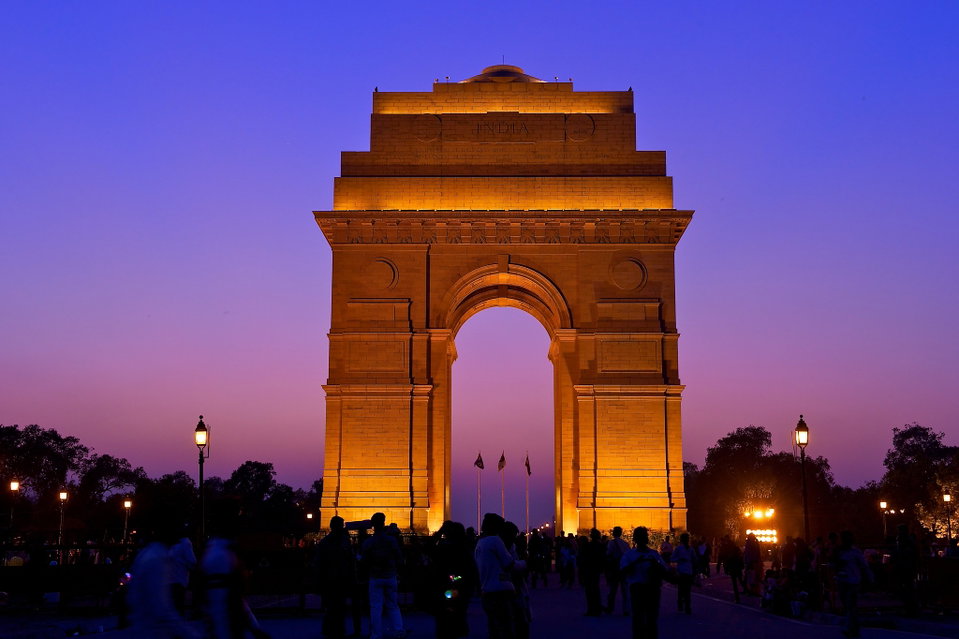
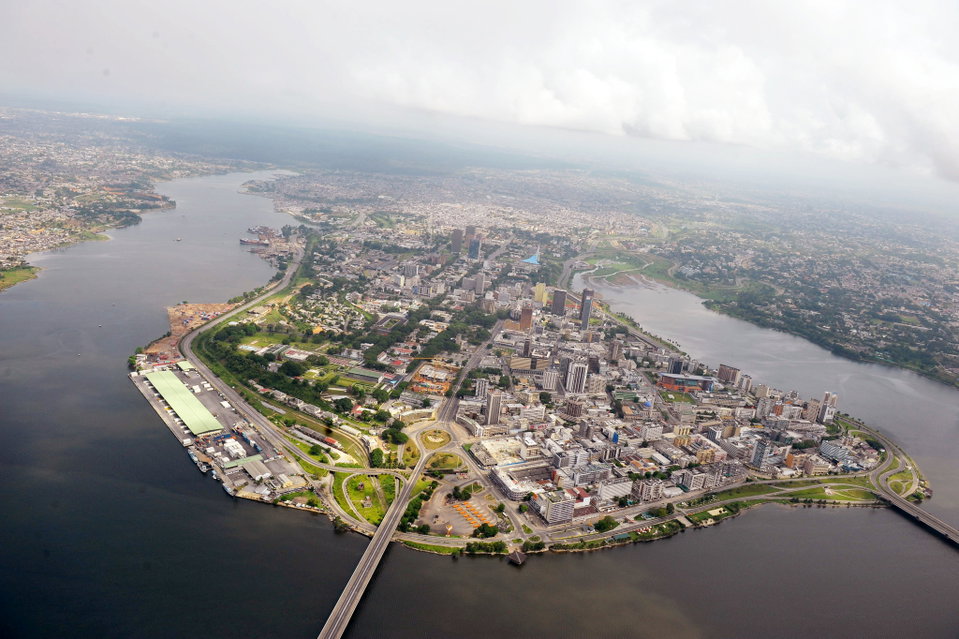
Marina Beach at sunrise with fishing boats and the Chennai skyline in the background

Destination guide

Chennai

Tamil Nadu, South India · India

South India's cultural capital — ancient temples, golden beaches, and a Carnatic heartbeat

Best season

November to February (cool and dry; festivals peak in December–January)

From Nairobi

Approximately 5–6 hours direct (IndiGo operates NBO–MAA nonstop); 8–12 hours via hubs such as Dubai or Mumbai

Why visit Chennai?

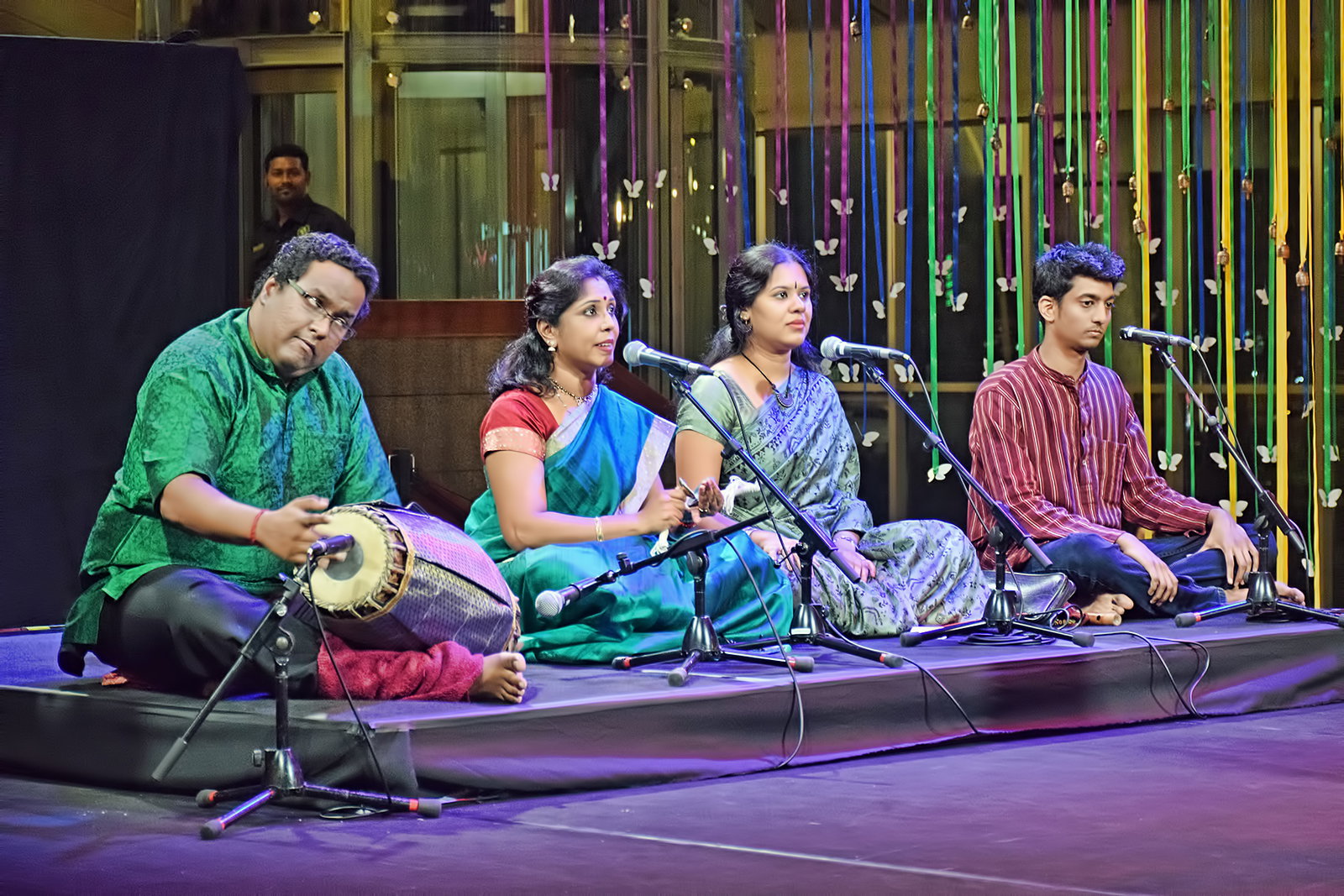
Chennai is India's oldest surviving colonial port city and the custodian of Dravidian culture at its most unfiltered. Unlike more tourist-worn Indian cities, it offers a genuinely lived-in experience: fishermen haul nets at dawn on Marina Beach while office workers eat idlis at roadside stalls, and during the December Music Season the city becomes the world capital of Carnatic classical music.

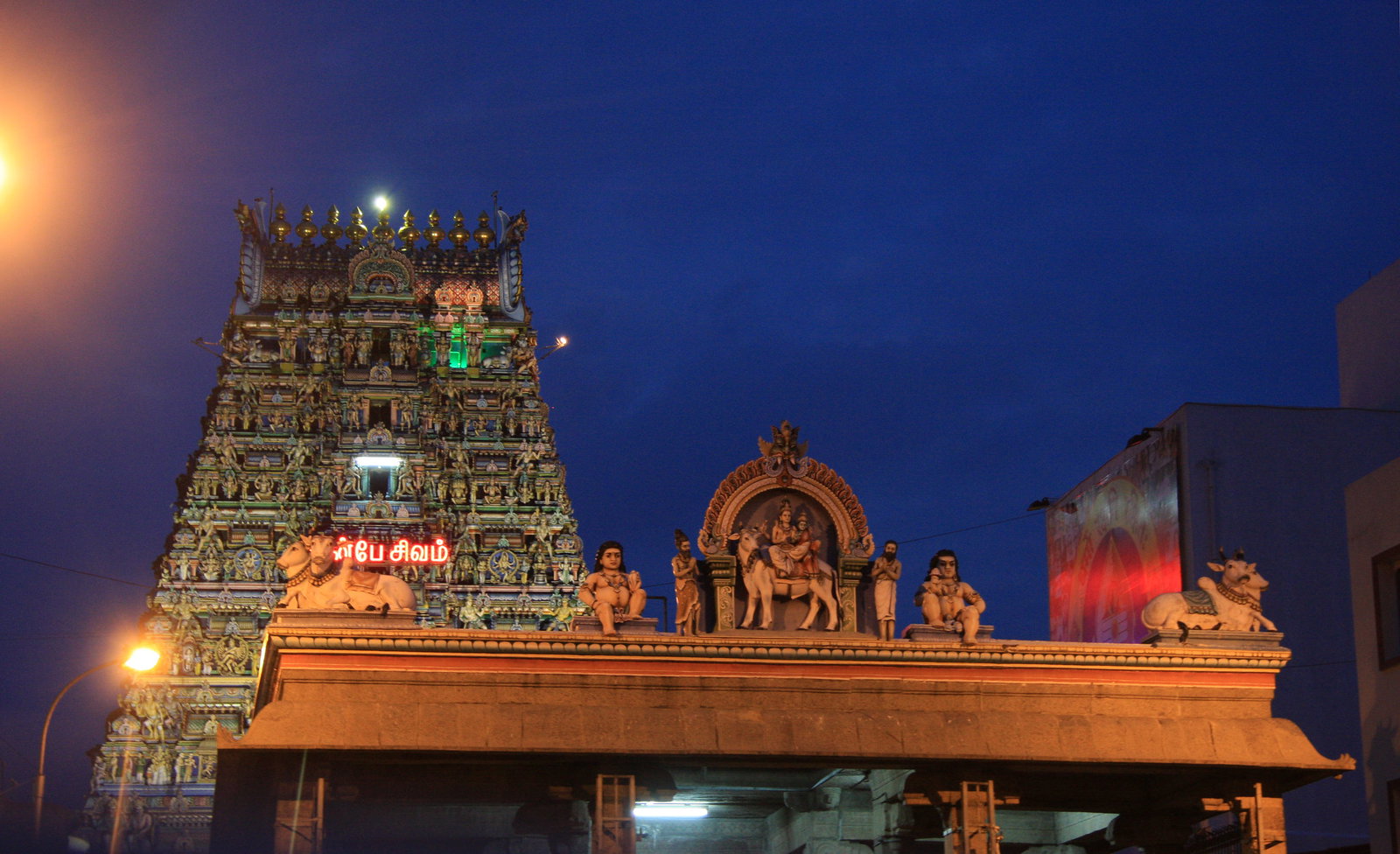
The temple architecture here is extraordinary — Kapaleeshwarar Temple in Mylapore dates to the 7th century and its gopuram (gateway tower) is a riot of painted stucco deities. Day trips reach Kanchipuram, one of India's seven sacred cities, and Mahabalipuram, a UNESCO-listed shore-temple complex carved from living rock.

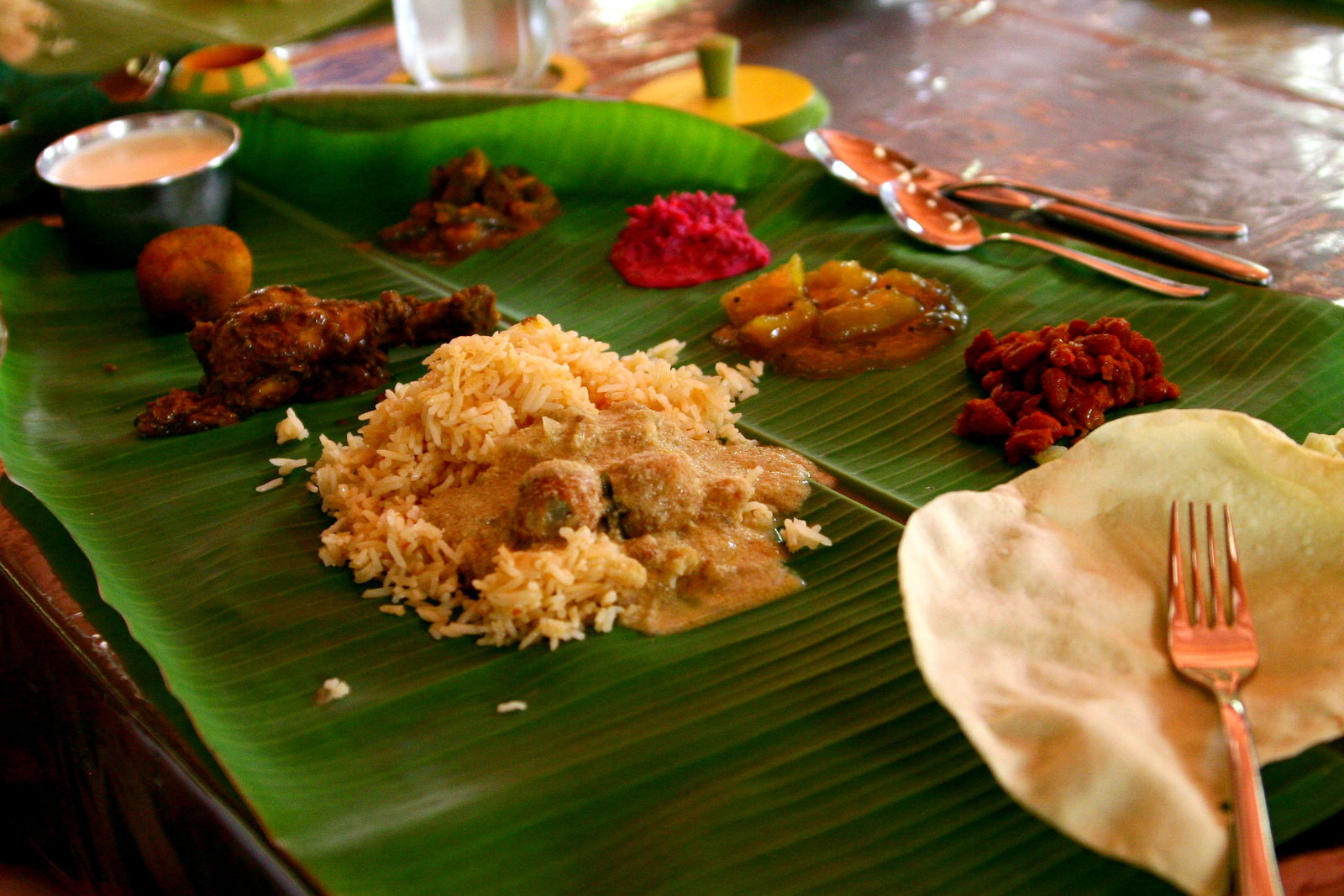
Chennai is also a practical base: food is some of India's safest and most delicious (try the pongal, filter coffee, and Chettinad chicken), infrastructure is improving fast with a growing metro network, and English is spoken more widely here than almost anywhere else in Tamil Nadu.

  • Stroll 13 km of Marina Beach — the world's second-longest urban beach — at dawn with the fishermen
  • Explore the painted gopurams of Kapaleeshwarar Temple in the ancient Mylapore neighbourhood
  • Day-trip to the UNESCO-listed Shore Temple at Mahabalipuram, carved from rock in the 7th century
  • Immerse yourself in the December Music Season — six weeks of non-stop Carnatic concerts
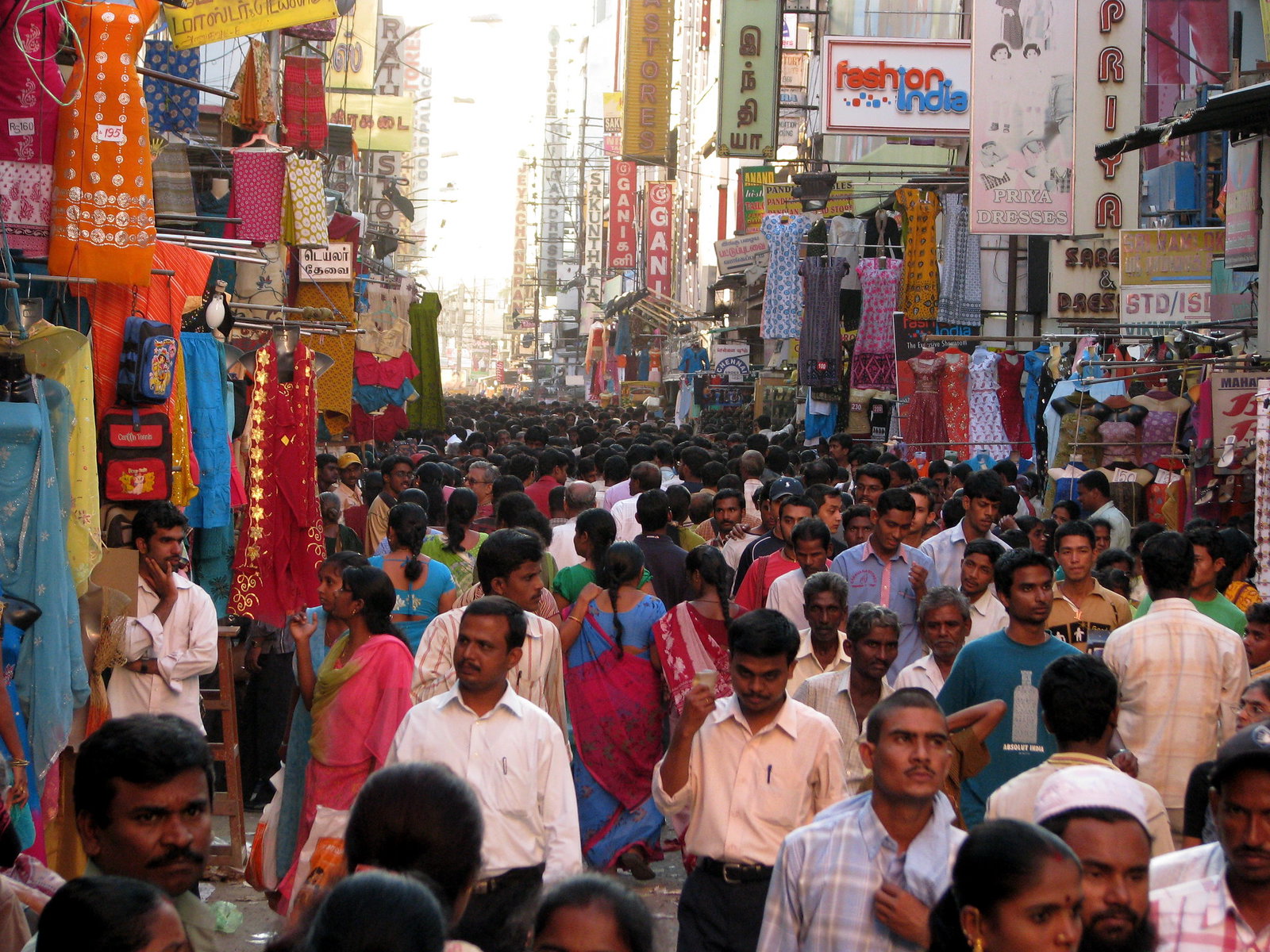
  • Shop for silk saris and antiques in the bazaars of T. Nagar and George Town
  • Taste filter coffee and Chettinad cuisine that South Indian food lovers travel across the country to reach

Best for

Temple-hopping, classical arts, South Indian cuisine, beach walks, colonial heritage, family travel

Trip style

Cultural city break, heritage tour, food safari, long-weekend getaway

Known for

Marina Beach, Dravidian temple architecture, Carnatic music, filter coffee, Kollywood (Tamil cinema)

Quick facts

Best time to visit

November to February (cool and dry; festivals peak in December–January)

Currency

Indian Rupee (INR)

Languages

Tamil (official); English widely spoken in hotels, restaurants, and business settings

Visa summary

Most nationalities require an Indian e-Visa, available online before travel. Apply at least 4 days in advance.

Flight time from Nairobi

Approximately 5–6 hours direct (IndiGo operates NBO–MAA nonstop); 8–12 hours via hubs such as Dubai or Mumbai

Airport / arrival

Chennai International Airport (MAA), Tirusulam — about 16 km south-west of the city centre. Metro Rail connects the airport to the city in roughly 30 minutes.

Safety note

Generally safe for tourists; standard urban precautions apply. Solo female travellers should use app-based cabs after dark.

Visa and entry

Look up entry rules by passport for travel to India on the Tsavaro visa checker.

Check visa requirements for India

Things to do

Walk Marina Beach at SunriseNature & Outdoors

Walk Marina Beach at Sunrise

1–2 hours

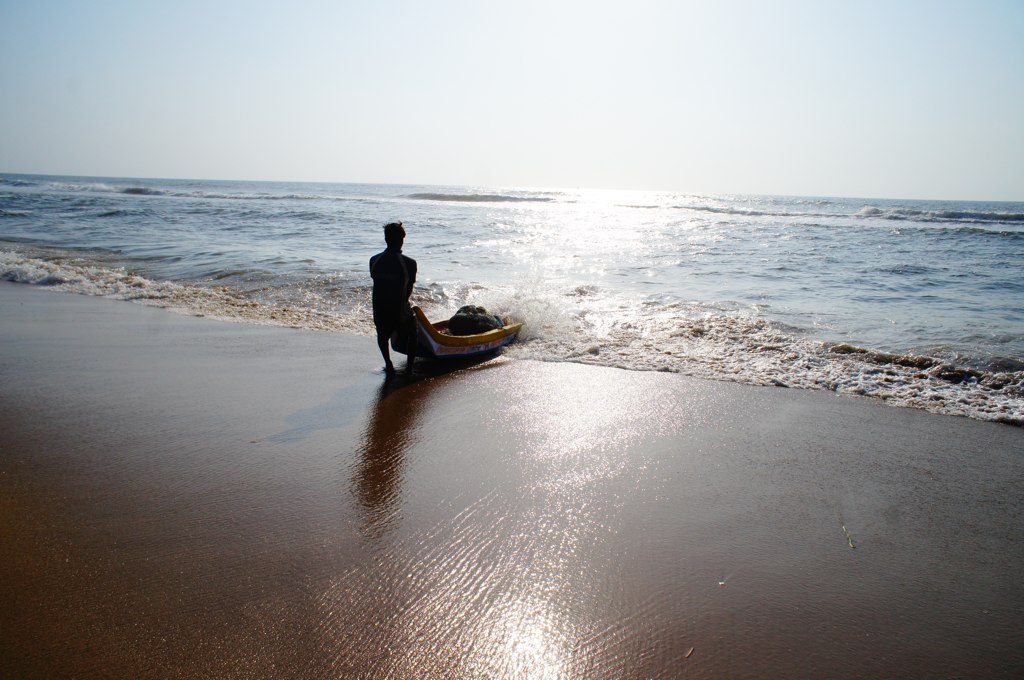
The 13-km stretch from Besse­ant Nagar to Fort St. George is one of the world's longest urban beaches. Arrive at dawn to watch outrigger fishing boats return with the catch, join locals doing yoga, or simply watch the city wake up against a pink sky.

Visit Kapaleeshwarar Temple, MylaporeCulture & Heritage

Visit Kapaleeshwarar Temple, Mylapore

1–2 hours

This 7th-century Shiva temple — rebuilt to its current form in the 16th century — is the beating heart of Chennai's Tamil Brahmin quarter. Its rainbow-hued gopuram towers over a sacred tank, and the morning puja is an assault on the senses in the best possible way. Dress modestly and remove shoes at the entrance.

Explore Fort St. George and the Colonial QuarterCulture & Heritage

Explore Fort St. George and the Colonial Quarter

Half day

Built by the British East India Company in 1644, Fort St. George is India's oldest surviving British fort. Inside, the Fort Museum holds original portraits, coins, and swords from early colonial Madras. The nearby High Court building — an Indo-Saracenic masterpiece — is worth seeing from the outside.

Carnatic Music & Bharatanatyam PerformancesArts & Culture

Carnatic Music & Bharatanatyam Performances

2–3 hours per show

Chennai's Sabha circuit hosts live classical music and dance year-round, peaking during the December Music Season (mid-December to mid-January). Sabhas like the Music Academy and Krishna Gana Sabha sell affordable tickets to world-class Carnatic concerts and Bharatanatyam recitals.

Shop in T. Nagar and Pondy BazaarShopping

Shop in T. Nagar and Pondy Bazaar

Half day

T. Nagar is Chennai's retail epicentre — Ranganathan Street is reportedly one of India's busiest shopping streets. Stock up on Kanchipuram silk saris at Nalli's or Kumaran Silks, browse gold jewellery, and pick up spices from the covered market. Pondy Bazaar next door is great for street food and everyday finds.

Eat Your Way Through Mylapore and AdyarFood & Drink

Eat Your Way Through Mylapore and Adyar

All day (grazing)

Chennai's food scene is best explored on foot: start with idli-sambar and filter coffee at Murugan Idli Shop, move on to a full Chettinad lunch at Ponnusamy Hotel, and end with a sunset sundal snack on the beach. The Adyar Ananda Bhavan chain (fondly called A2B) is perfect for South Indian sweets.

Best time to visit Chennai

The best time to visit Chennai is November to February, when temperatures drop to a pleasant 18–28 °C and humidity falls sharply. December and January are the peak cultural months — the city hosts the Chennai Music Season, one of the world's largest classical music festivals, alongside the Pongal harvest festival in mid-January.

March to May brings intense heat (up to 42 °C) and is best avoided unless you're comfortable with tropical summer conditions. June to September is the South-West Monsoon period — heavy rains can disrupt travel, though the city turns lush and hotel rates drop significantly. October and November see the North-East Monsoon, which can bring cyclonic weather and flooding; early November is generally manageable.

For the best overall experience — good weather, major festivals, and full cultural programming — target mid-November through late January.

Is Chennai safe to visit?

Yes — Chennai is generally considered one of India's safer major cities for tourists. Violent crime targeting visitors is rare, and the city has a comparatively conservative, community-oriented culture that tends to be hospitable toward foreigners.

Practical tips: Use Ola or Uber for all taxi journeys rather than unlicensed autos for longer trips (auto-rickshaws are fine for short hops but agree the fare upfront or insist on the meter). Keep copies of your passport and visa separately from originals. Be alert to common tourist scams such as unofficial 'guides' at temples who charge inflated fees.

Solo female travellers generally find Chennai safer than many Indian cities, but it is advisable to use app-based cabs after dark, dress modestly (especially near temples and markets), and stay in well-reviewed accommodation in areas like Nungambakkam, Adyar, or T. Nagar.

Cyclone season (October–December) occasionally brings severe weather — check India Meteorological Department alerts during the North-East Monsoon.
Suggested itinerary

4 Days in Chennai: Temples, Coast & Culture

This plan is designed for first-time visitors staying in central Chennai (Egmore or T. Nagar area). It assumes a comfortable pace with one UNESCO day trip and covers key cultural, culinary, and heritage highlights. Budget band: mid-range (INR 5,000–8,000/day per person, excluding flights).

Day 1

Arrive & Settle into Mylapore

Land at MAA, take the Metro into the city, and check in. Spend the afternoon wandering Mylapore's temple tank streets — visit Kapaleeshwarar Temple before the evening puja and watch the ritual from the courtyard.

Dinner at one of the old-school Brahmin messes nearby for an authentic thali. Stroll along Besant Nagar Beach (Elliot's Beach) in the evening for sundal (spiced chickpeas) from the beach hawkers.

Chennai — Arrive & Settle into Mylapore

Travel essentials

Getting around

Chennai's Metro Rail covers two main corridors and connects the airport to Egmore and Central station — clean, air-conditioned, and affordable (INR 10–60 per trip). Auto-rickshaws are ubiquitous for short hops; Ola and Uber operate reliably across the city. Suburban MRTS trains link beach-side neighbourhoods. For day trips along the East Coast Road, hire a car and driver through your hotel (INR 2,500–4,000 for a full day).

Typical costs

Budget travellers can get by on INR 2,500–3,500/day (guesthouses, local restaurants, public transport). Mid-range visitors spending on three-star hotels and sit-down meals should budget INR 5,000–8,000/day. A decent hotel room starts around INR 2,500–3,500; a full South Indian thali at a good restaurant costs INR 200–350; a craft beer or a coastal meal at a nicer restaurant runs INR 600–1,200.

Culture and etiquette

Remove shoes before entering temples and mosques — socks are fine and appreciated. Dress modestly at religious sites (cover shoulders and knees; many temples offer cloth wraps at the entrance for a small fee). Photography inside inner sanctums is usually prohibited. Tipping is appreciated but not mandatory: 10% at restaurants, INR 50–100 for hotel porters. Eating with your right hand is customary; the left hand is considered unclean in traditional contexts.

Safety and planning

Carry a photocopy of your passport and Indian e-Visa at all times. Drink only bottled or purified water. Tap water is unsafe. Insect repellent is advisable during the monsoon season. Travel insurance covering medical evacuation is strongly recommended. Apollo Hospitals and Fortis Malar are top-tier private hospitals if needed.

Connectivity

Chennai has excellent 4G/5G coverage city-wide. Purchase a prepaid SIM at the airport arrivals hall (Airtel, Jio, and Vi are the main networks) — you'll need your passport, a passport photo, and a local address. Unlimited data plans start from INR 300/month. Most hotels and cafes offer free Wi-Fi.

Payments

Cash (INR) is king for auto-rickshaws, street food, and markets. ATMs are plentiful (use those attached to major banks like SBI, HDFC, or ICICI). UPI payment (Google Pay, PhonePe) is widely accepted even at small vendors — ask your bank if your card supports international UPI. Visa and Mastercard are accepted at hotels, larger restaurants, and malls.

Chennai travel FAQs

More destinations to explore