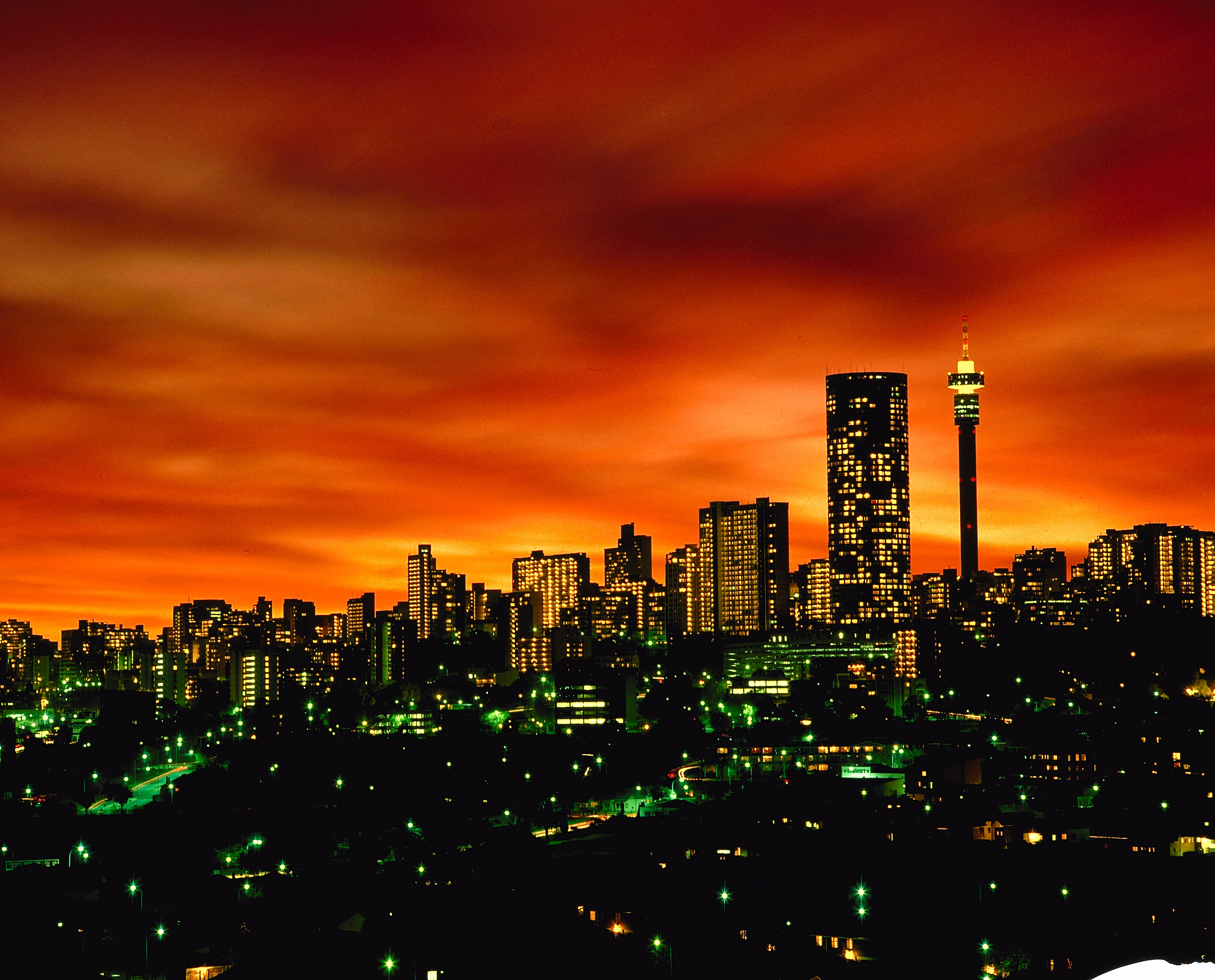
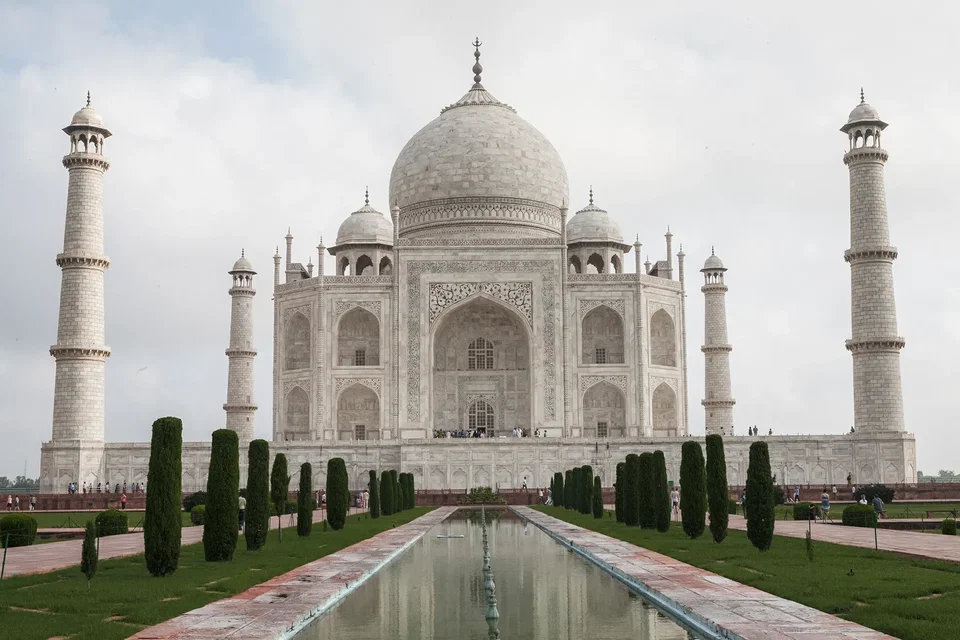
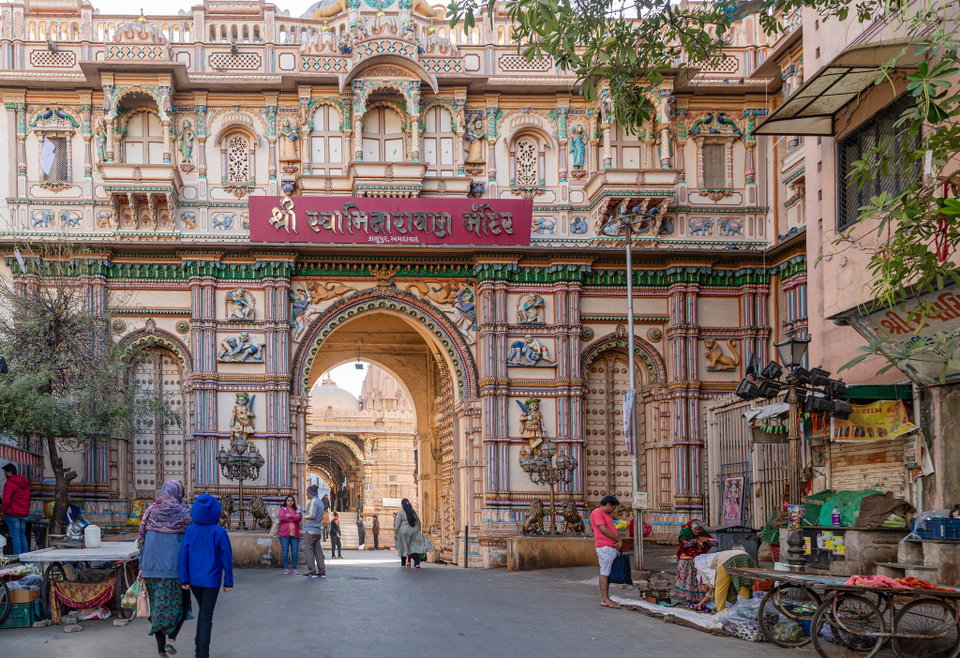
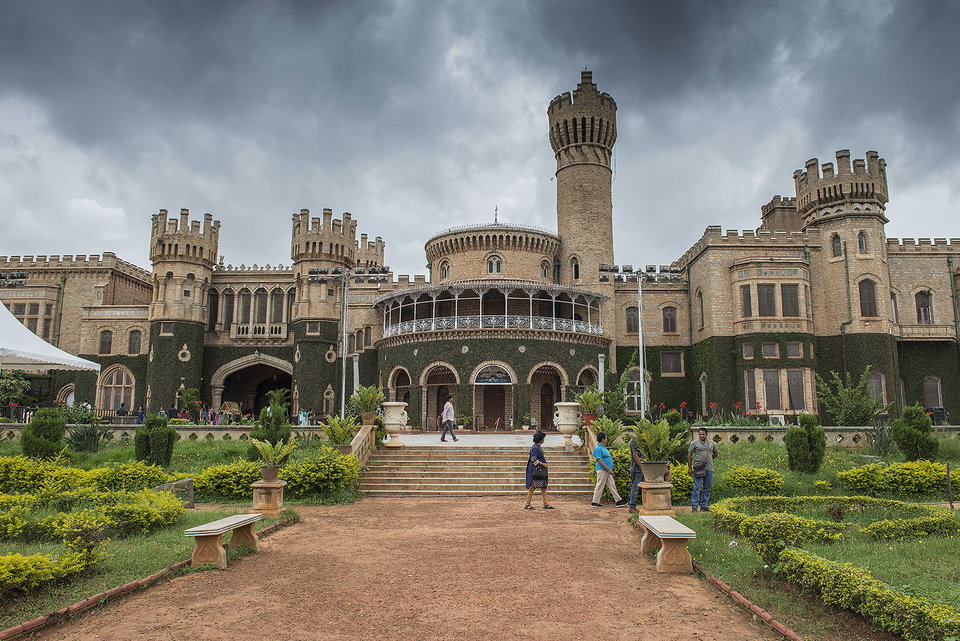
Mumbai skyline at dusk with the Gateway of India and Marine Drive illuminated along the Arabian Sea

Destination guide

Mumbai

South Asia · India

India's financial capital and Bollywood's home.

Best season

November to February (cool, dry, and clear — peak season). Avoid June–September unless you want to experience the dramatic monsoon.

From Nairobi

Approx. 5 hrs direct (Nairobi NBO → Mumbai BOM). Multiple daily connections via Kenya Airways, Air India, and IndiGo.

Why visit Mumbai?

Few cities in the world operate at Mumbai's pitch. The city compresses centuries of history — Koli fishing villages, Portuguese forts, British colonial grandeur, post-independence Modernism — into a single chaotic, exhilarating whole. Its street food alone is worth the flight: vada pav, pav bhaji, bhel puri, and Irani chai served in century-old cafés have earned a devoted global following.

Beyond the food, Mumbai rewards curiosity at every turn. The UNESCO-listed Chhatrapati Shivaji Maharaj Terminus is arguably the most ornate railway station on earth. Dharavi — one of Asia's largest informal settlements — hosts a thriving creative economy of leather-workers, potters, and recyclers. The Elephanta Caves, a short ferry ride across the harbour, contain 6th-century rock-cut Shiva sculptures of extraordinary power.

And then there is Bollywood. Mumbai produces more films annually than Hollywood, and the industry's energy is palpable everywhere from the neon-lit cinema halls of Dadar to the star-studded red carpets of Bandra. Come for a weekend and you'll still be planning your return trip on the flight home.

  • Watch the sun set behind the Gateway of India as fishing boats and ferries cross the harbour
  • Eat vada pav, pav bhaji, and bhel puri from the stalls that invented them
  • Ride a local train at rush hour — Mumbai's unofficial rite of passage
  • Take the ferry to Elephanta Island and stand inside 1,500-year-old rock-cut Shiva temples
  • Walk the Art Deco and Victorian precincts of Fort — a UNESCO World Heritage double act
  • Feel the electricity of a live Bollywood film shoot or studio tour in the suburbs

Best for

Urban explorers, food lovers, film & culture enthusiasts, history buffs, and first-time India visitors

Trip style

City break, cultural immersion, food tour, weekend escape

Known for

Gateway of India, Marine Drive, Bollywood, street food, colonial architecture, Elephanta Caves, Dharavi

Quick facts

Best time to visit

November to February (cool, dry, and clear — peak season). Avoid June–September unless you want to experience the dramatic monsoon.

Currency

Indian Rupee (INR). ₹1 ≈ 100 paise. ATMs widely available; cards accepted in most restaurants and hotels.

Languages

Marathi (official), Hindi, and English. English is broadly spoken in hotels, restaurants, and business districts.

Visa summary

Most nationalities require an e-Visa (eTV), obtainable online before travel. Citizens of a handful of countries qualify for visa-on-arrival at Chhatrapati Shivaji Maharaj International Airport.

Flight time from Nairobi

Approx. 5 hrs direct (Nairobi NBO → Mumbai BOM). Multiple daily connections via Kenya Airways, Air India, and IndiGo.

Airport / arrival

Chhatrapati Shivaji Maharaj International Airport (BOM) is 26 km north of the city centre. Pre-paid taxis, Uber, and the Mumbai Metro (Line 1 from Ghatkopar) connect the airport to most neighbourhoods.

Safety note

Generally safe for tourists. Petty theft in crowded areas warrants vigilance. Avoid isolated stretches at night and use metered/app-based taxis after dark.

Visa and entry

Look up entry rules by passport for travel to India on the Tsavaro visa checker.

Check visa requirements for India

Things to do

Gateway of India & Taj Mahal Palace Hotel

1–2 hours

Start at Mumbai's symbolic front door — the basalt arch built in 1924 to welcome King George V. The iconic Taj Mahal Palace Hotel faces it across the esplanade; even a lobby tea or a drink at the Sea Lounge is a Mumbai rite of passage.

Marine Drive (Queen's Necklace)

1–3 hours

The 3.6 km seafront promenade curves from Nariman Point to Chowpatty Beach in a sweeping Art Deco arc. Walk it at dawn for solitude, or at 10 pm when half of Mumbai comes out to breathe sea air and watch the city lights shimmer.

Chhatrapati Shivaji Maharaj Terminus (CST)

1 hour

This UNESCO-listed Victorian Gothic railway station — completed in 1888 and still the busiest in India — blends Venetian Gothic tracery with Mughal domes and a riot of gargoyles, peacocks, and statuary. The guided heritage gallery inside is excellent.

Elephanta Caves Day Trip

Half day

A one-hour ferry from the Gateway of India delivers you to Elephanta Island, home to a complex of 6th–8th century rock-cut Hindu temples. The centrepiece Trimurti — a three-faced, 6-metre Shiva — is among India's greatest sculptures. UNESCO World Heritage Site.

Dharavi Walking Tour

2–3 hours

Reputable operators (Reality Tours, Be The Local) offer responsible community walks through Dharavi, one of Asia's largest and most entrepreneurial urban neighbourhoods. See recycling workshops, pottery kilns, leather ateliers, and a bakery that supplies five-star hotels.

Chowpatty Beach & Street Food

2 hours

Chowpatty is Mumbai's living room: families, cricket games, and pony rides by day; bhel puri, sev puri, and kulfi vendors doing a roaring trade by evening. Combine with a sunset walk up Malabar Hill for views over the bay.

Chor Bazaar (Thieves' Market)

2 hours

Mumbai's most atmospheric flea market, in the Muslim quarter of Mutton Street, overflows with vintage Bollywood posters, antique furniture, chandeliers, cameras, and curios. Bargain hard and arrive before noon.

Bollywood Film City Studio Tour

3–4 hours

Film City in Goregaon is where the magic is made. Tour operators and the studio itself offer guided visits to working film sets, costume departments, and outdoor backlot towns. Book ahead — shooting schedules dictate what you can see.

Best time to visit Mumbai

The best time to visit Mumbai is November to February, when temperatures sit comfortably between 18°C and 32°C, humidity is low, and skies stay clear — ideal for sightseeing, ferry trips to Elephanta, and long walks along Marine Drive.

October and March are shoulder months: still pleasant, with occasional showers in October and rising heat by March. Hotel rates and flight prices are slightly lower than peak season.

April and May are hot and increasingly humid (35°C+), with the pre-monsoon air becoming hazy. Still manageable, but not the most comfortable time for outdoor activity.

June to September is monsoon season. Mumbai receives some of India's heaviest rainfall — over 2,400 mm annually, mostly in July — and flooding can disrupt transport and close some attractions. The Elephanta ferry is often cancelled on rough-sea days. That said, the monsoon has its own dramatic appeal: the city turns vivid green, street food vendors add warming dishes to their menus, and hotel rates drop significantly. Experienced India travellers often love Mumbai in the rain.

For festivals: Ganesh Chaturthi (August–September) is the city's biggest celebration — a 10-day street festival of extraordinary energy. Diwali (October–November) lights up every neighbourhood.

Is Mumbai safe to visit?

Yes — Mumbai is generally safe for tourists, including solo women travellers, and violent crime against visitors is rare. The city has a reputation as one of India's more relaxed and cosmopolitan urban environments. That said, standard big-city precautions apply throughout.

Petty theft and pickpocketing are the most common issues, particularly in crowded areas like CST, Dadar station, Crawford Market, and Chor Bazaar. Keep bags zipped and in front of you, and use a money belt for passports and large amounts of cash.

Transport safety: use Uber, Ola, or pre-paid taxi booths at the airport and major stations rather than unmarked vehicles. Mumbai's local trains are generally safe but extremely crowded during rush hours (8–10 am and 6–9 pm) — use the ladies' compartment if applicable, and keep belongings close.

Water & health: drink bottled or filtered water only. Street food from busy, high-turnover stalls is usually safe; avoid pre-cut fruit from roadside vendors in the monsoon season.

Areas to note: Dharavi is safe to visit on a reputable guided tour but not recommended for solo wandering. Avoid isolated stretches of beach (Versova, Juhu) after dark.

Emergency numbers: Police 100, Ambulance 108, Tourist Helpline 1363.
Suggested itinerary

Mumbai in 4 Days: Monuments, Markets & Monsoon Snacks

This plan uses South Mumbai (Colaba or Fort neighbourhood) as a base, keeping you within walking or short-taxi distance of the main heritage sites. It assumes a mid-range to upper-mid-range budget and a moderate pace with one early start. Day 4 is a flexible catch-up or a day trip option.

Day 1

Colaba, Fort & the Waterfront

Start at the Gateway of India just as the tourist crowds thin (before 9 am). Walk along the Colaba Causeway, dipping into antique shops and the Colaba Market. Mid-morning, stroll north through the Fort district's Victorian Gothic campus — the High Court, Rajabai Clock Tower, and the University of Mumbai are all within a few blocks. Lunch at Britannia & Co in Ballard Estate (Parsi berry pulao is non-negotiable). Afternoon: CST exterior, then the Chhatrapati Shivaji Maharaj Vastu Sangrahalaya (Prince of Wales Museum). End the day with a sunset drink at the Taj Mahal Palace Sea Lounge or the Harbour Bar.

Mumbai — Colaba, Fort & the Waterfront

Flights from Mumbai

Direct and connecting routes from Mumbai. Tap a city to see live fares and book with Tsavaro.

Travel essentials

Getting around

Mumbai's local train network (Western, Central, and Harbour lines) is the fastest way to travel north–south and is an experience in itself. Buy a tourist day pass or load an NCMC smart card. For cross-city and late-night travel, Uber and Ola are reliable and affordable. Black-and-yellow kaali-peeli taxis have meters but often require negotiation for meter use. Auto-rickshaws operate north of Mahim Creek only. The Mumbai Metro is expanding rapidly — Lines 2A and 7 now connect the western suburbs.

Typical costs

Budget travellers can get by on ₹2,000–3,500/day (dorm bed, street food, local trains). Mid-range travellers spending on boutique hotels, restaurant meals, and taxis should budget ₹8,000–15,000/day. A vada pav costs ₹15–25; a craft beer in a Bandra bar ₹350–500; a three-course dinner at a quality restaurant ₹1,500–3,500 per person.

Culture and etiquette

Remove shoes before entering temples, mosques, and many private homes. Dress modestly at religious sites (cover shoulders and knees). Ask before photographing people, especially in markets and Dharavi. Tipping is appreciated but not obligatory — 10% in restaurants is generous. The head-wobble is a yes, not a no.

Safety and planning

Carry photocopies of your passport separately from the original. Register with your embassy if staying more than two weeks. Travel insurance covering medical evacuation is strongly recommended — private hospital care is good but can be expensive for foreigners without cover.

Connectivity

4G LTE coverage is excellent across Mumbai. Buy a prepaid SIM (Airtel, Jio, or Vi) at the airport arrivals hall with your passport — tourist plans offering 1.5–2 GB/day for 28 days cost around ₹300–600. Free Wi-Fi is available at major railway stations and many cafés.

Payments

Cash (INR) is useful for street food, local markets, and auto-rickshaws. Credit and debit cards (Visa/Mastercard) are accepted at most hotels, restaurants, and larger shops. UPI (Google Pay, PhonePe) is ubiquitous among locals but requires an Indian bank account. ATMs are everywhere; international cards typically incur a ₹200–400 foreign transaction fee.

Mumbai travel FAQs

More destinations to explore