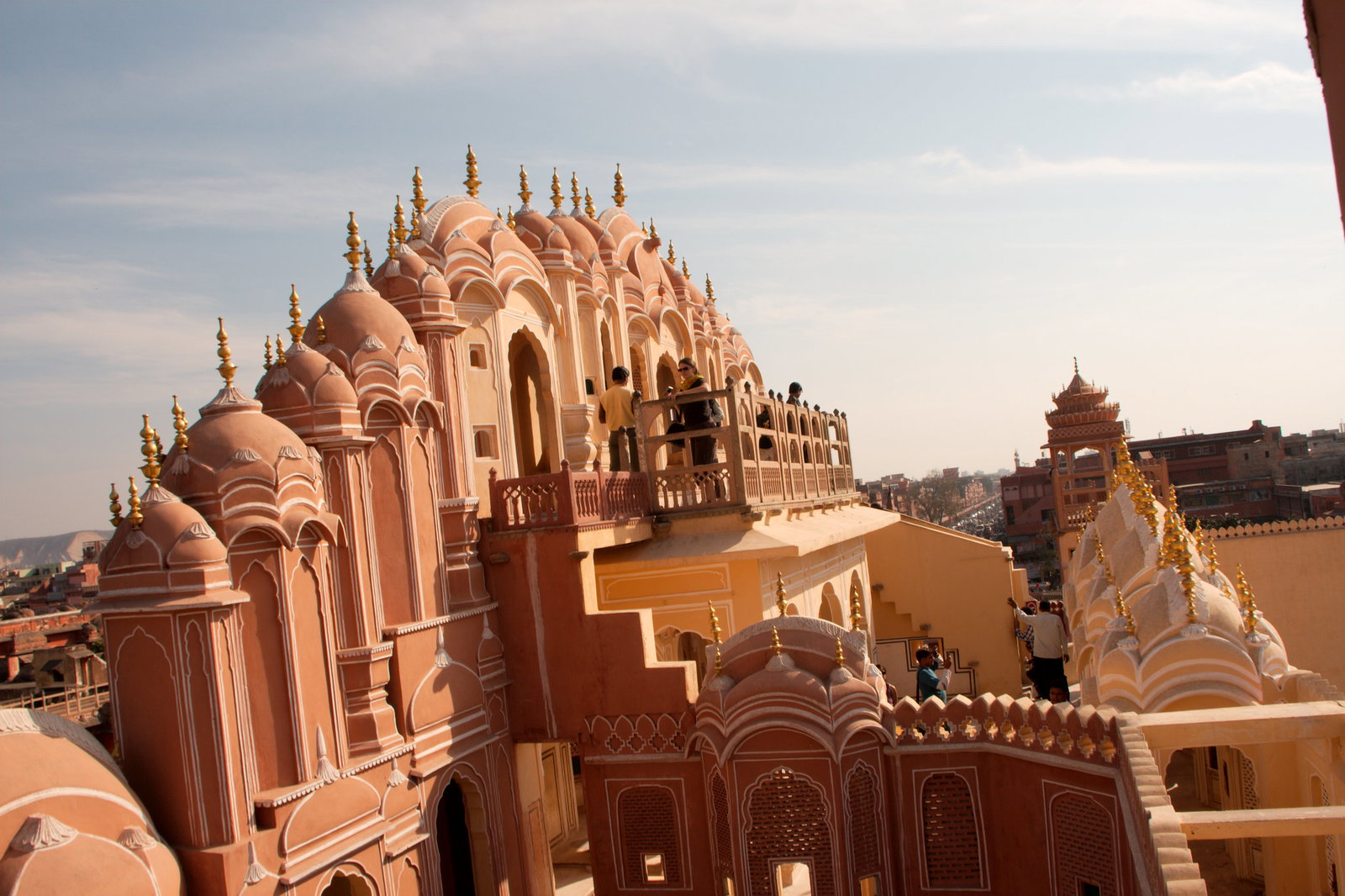
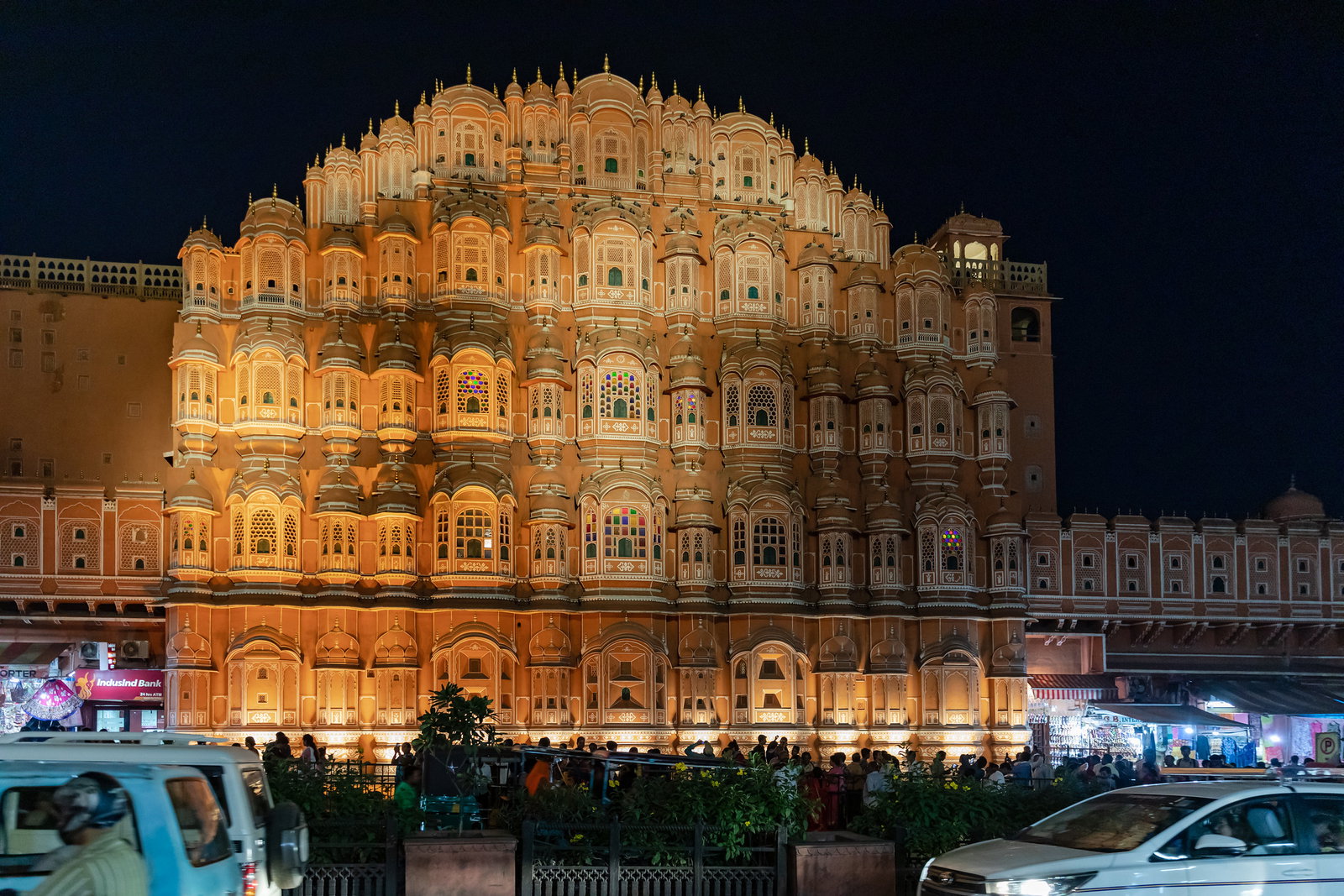
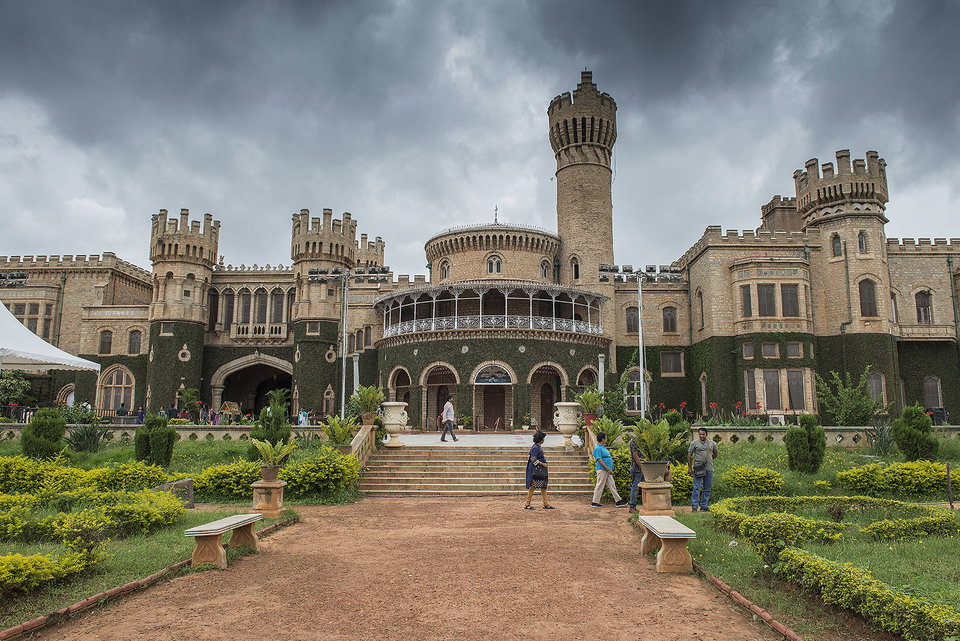
The iconic Hawa Mahal (Palace of Winds) glowing pink at sunrise in Jaipur, Rajasthan

Destination guide

Jaipur

Rajasthan · India

Rajasthan's Pink City — royal palaces, bazaars, and living heritage in one walled city

Best season

October to March (cool, dry winter season)

From Nairobi

Approx. 5–6 hrs via Delhi or Mumbai (no direct flights)

Why visit Jaipur?

Jaipur earns its place on almost every India itinerary for one simple reason: nowhere else in the subcontinent packs so much living, working heritage into a single walkable old city. The rose-coloured sandstone that gave the Pink City its nickname is not a tourist veneer — it is the actual building material of the bazaars, havelis, and temples that have lined Jaipur's streets since the 18th century.

Beyond the famous Amber Fort perched on a hillside north of the city, you'll find the Jantar Mantar astronomical observatory (a UNESCO World Heritage Site), the City Palace — still home to the royal family — and the photograph-ready Hawa Mahal façade. The old city's markets are equally rewarding: Johari Bazaar for gemstones, Bapu Bazaar for block-printed textiles, and Tripolia Bazaar for bangles and lac jewellery.

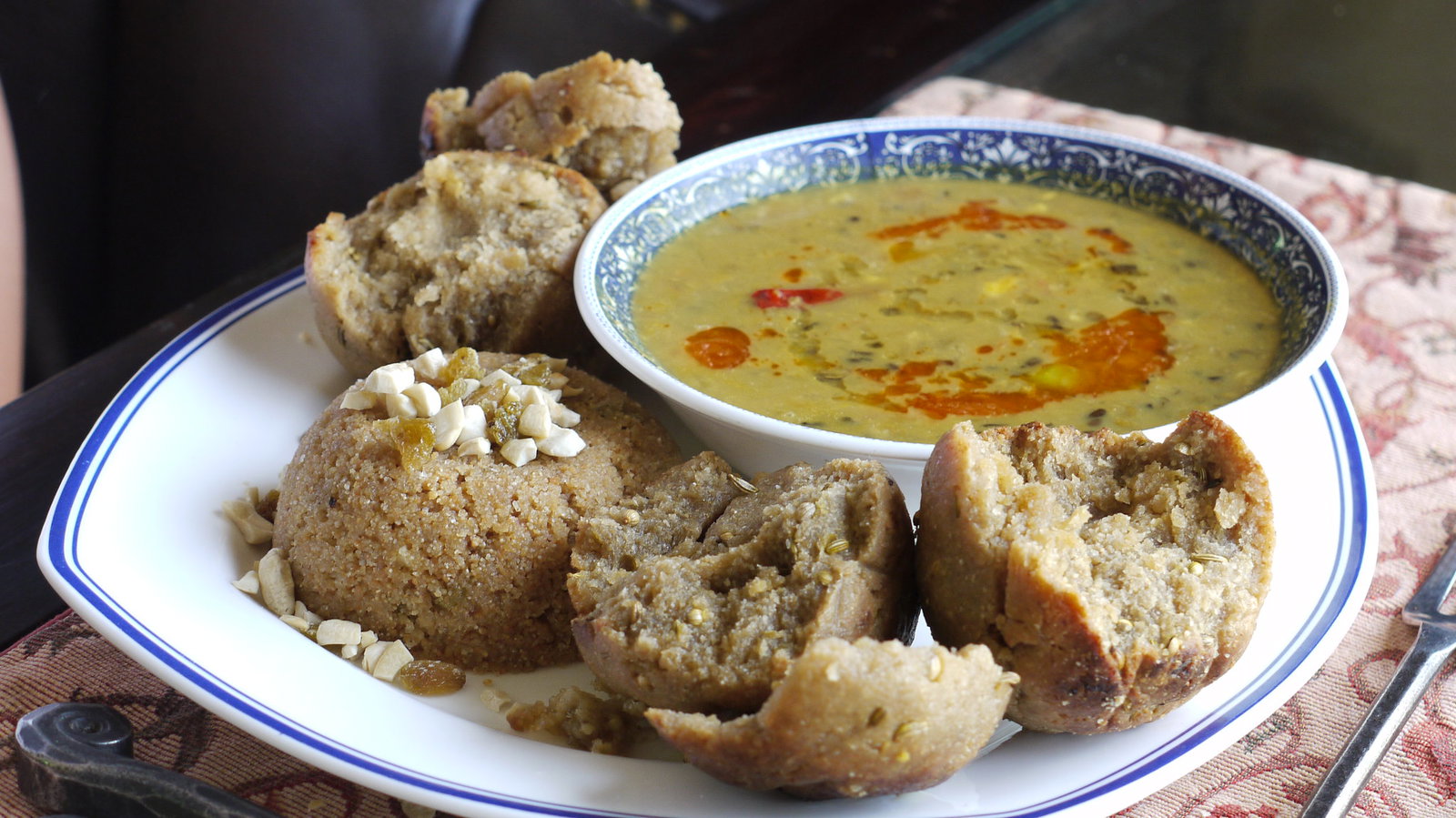
Jaipur is also a serious food destination. Dal baati churma, laal maas, and kachori are staples you'll find everywhere from rooftop restaurants overlooking the walled city to hole-in-the-wall chai stalls. Heritage hotels — many of them converted maharajas' palaces — mean even your accommodation can feel like a cultural experience.

  • Explore Amber Fort's mirrored Sheesh Mahal — one of India's most opulent interiors
  • Walk the pink-walled lanes of the old city at golden hour and watch the bazaars light up
  • Watch astronomers explain Jantar Mantar's 18 giant stone instruments, a UNESCO World Heritage Site
  • Shop Johari Bazaar for hand-cut gemstones sourced directly from Rajasthan's mines
  • Eat laal maas (fiery red mutton curry) at a rooftop restaurant overlooking the walled city
  • Spend a night in a heritage haveli or palace hotel converted from a maharaja's residence

Best for

History lovers, architecture enthusiasts, shoppers, foodies, first-time India visitors

Trip style

Cultural immersion, heritage, city break, photography

Known for

Amber Fort, Hawa Mahal, City Palace, Jantar Mantar, block-printing, gemstones, Rajasthani cuisine

Quick facts

Best time to visit

October to March (cool, dry winter season)

Currency

Indian Rupee (INR)

Languages

Hindi and Rajasthani; English widely understood in tourist areas

Visa summary

Most nationalities require an e-Visa (India Tourist eVisa), available online before travel

Flight time from Nairobi

Approx. 5–6 hrs via Delhi or Mumbai (no direct flights)

Airport / arrival

Jaipur International Airport (JAI) is 12 km from the city centre; prepaid taxis and app cabs available

Safety note

Generally safe for tourists; take normal precautions against petty theft and commission touts around major monuments

Visa and entry

Look up entry rules by passport for travel to India on the Tsavaro visa checker.

Check visa requirements for India

Things to do

Amber Fort & Maota LakeHeritage & History

Amber Fort & Maota Lake

Half day (3–4 hours)

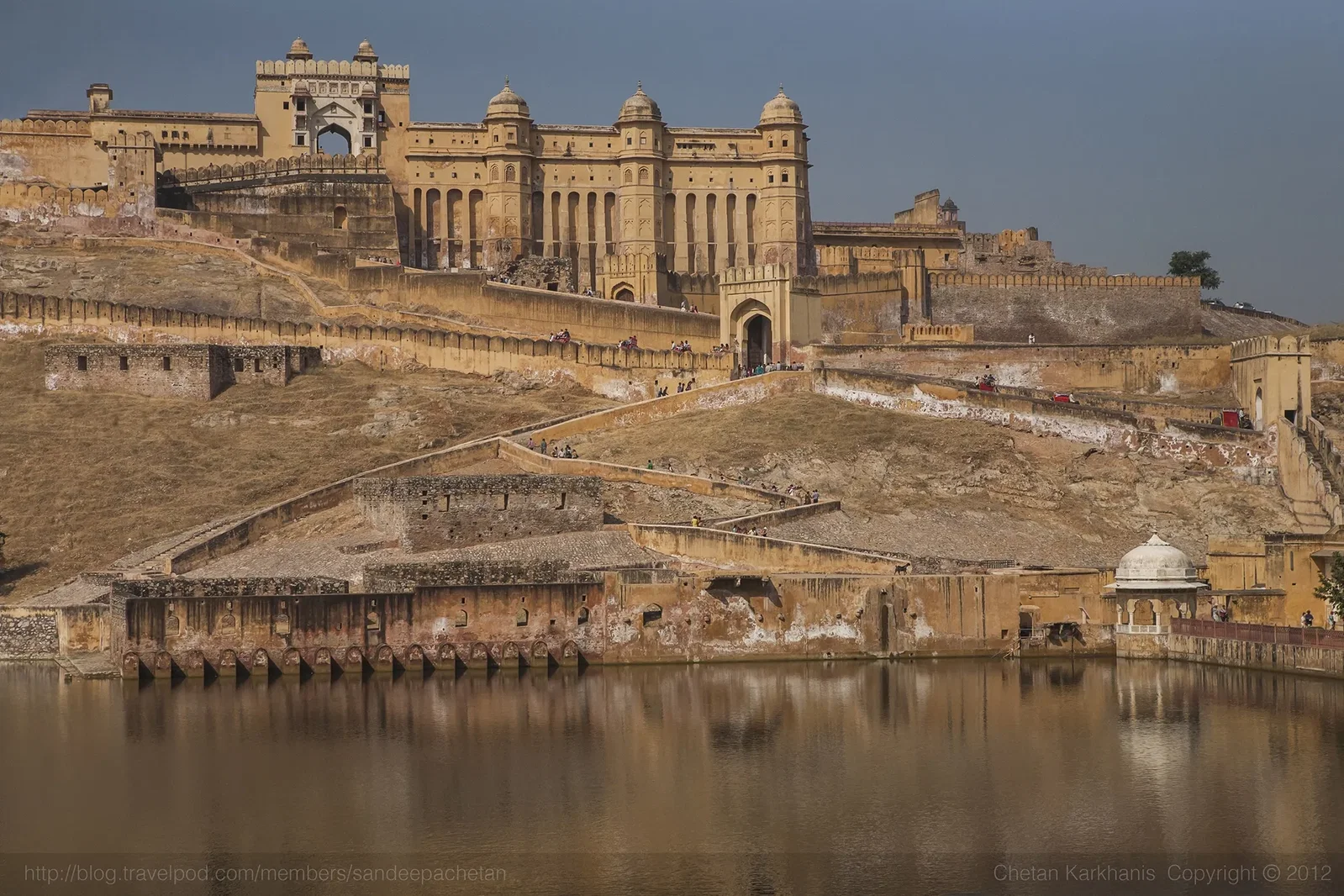
The hilltop fort-palace complex above Amer village is Jaipur's headline attraction. Wander through Ganesh Pol gate, the Diwan-i-Aam (Hall of Public Audiences), and the dazzling Sheesh Mahal (Hall of Mirrors). Arrive early to beat tour groups and catch the reflection of the fort in Maota Lake below.

Hawa MahalHeritage & History

Hawa Mahal

1–2 hours

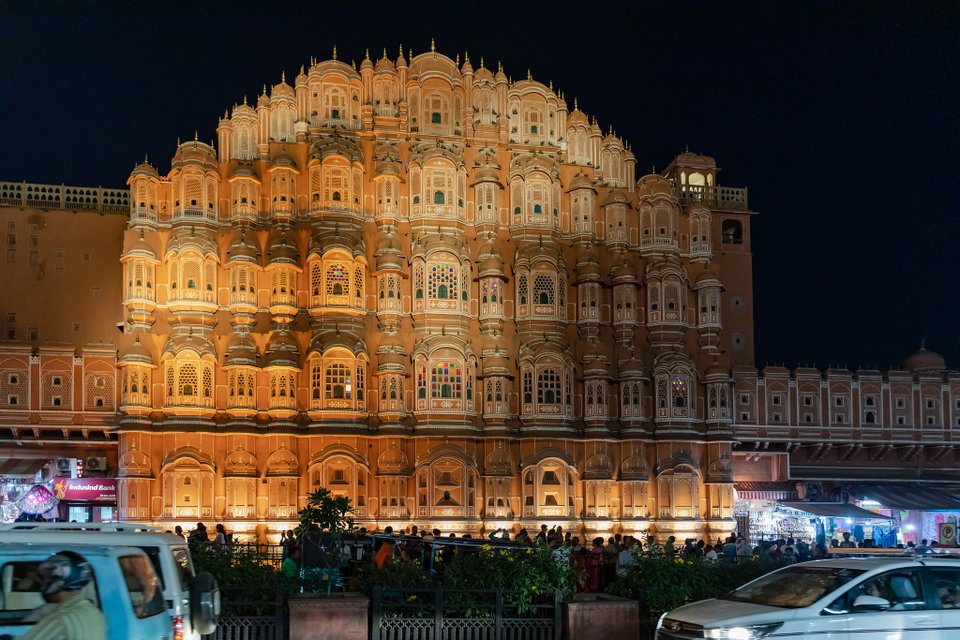
The 953-window façade of the Palace of Winds is Jaipur's most photographed icon. Built in 1799 so royal ladies could observe street life unseen, its honeycomb latticework is best shot from the rooftop café across the road at sunrise. The small museum inside is worth 30 minutes.

City Palace & Mubarak MahalHeritage & History

City Palace & Mubarak Mahal

2–3 hours

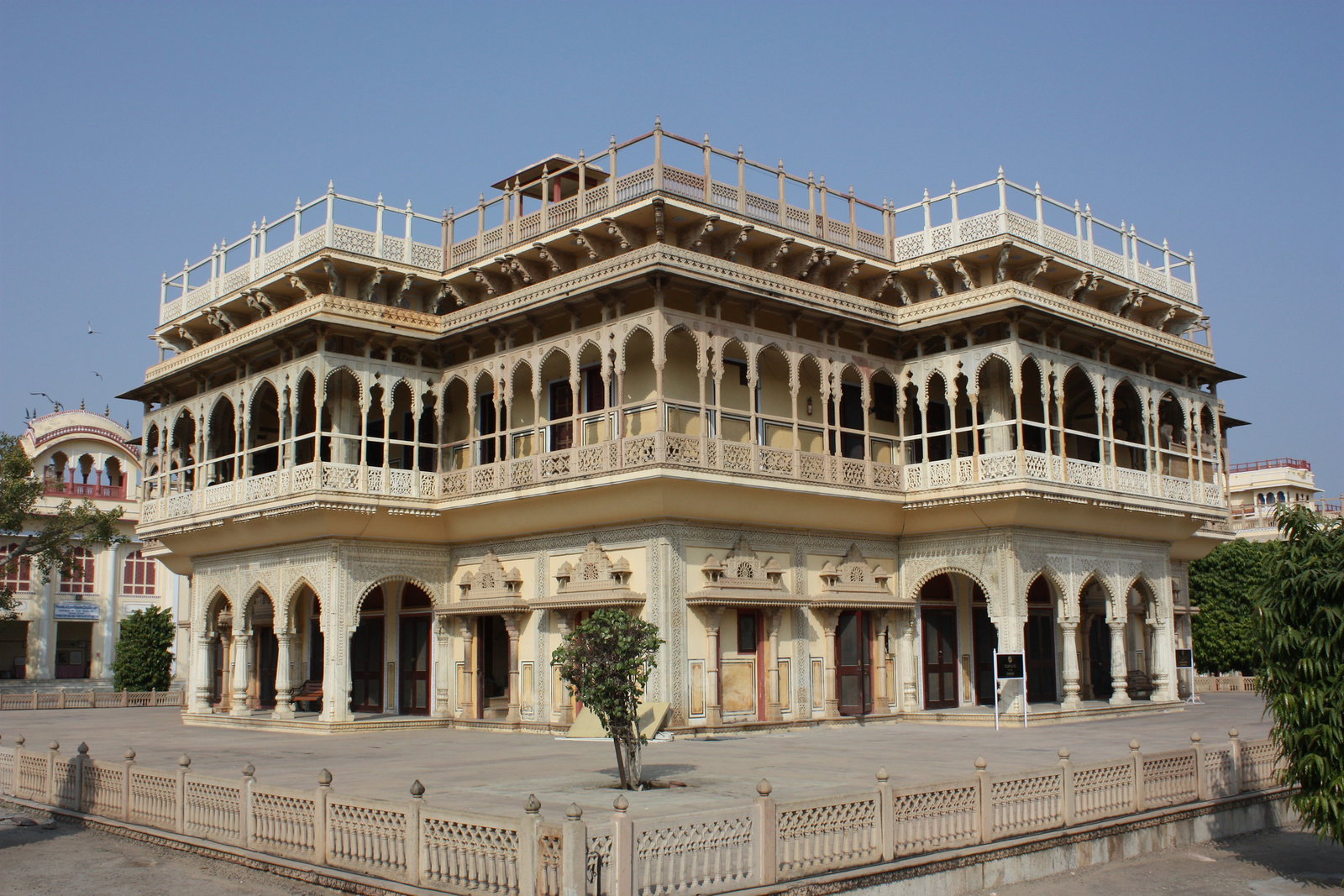
Still partially occupied by the Jaipur royal family, the City Palace complex houses a museum with royal costumes, weapons, and Mughal miniatures. The twin silver urns in the Diwan-i-Khas — the world's largest silver objects — are remarkable. Evening light shows run on select nights.

Jantar Mantar ObservatoryHeritage & History

Jantar Mantar Observatory

1–2 hours

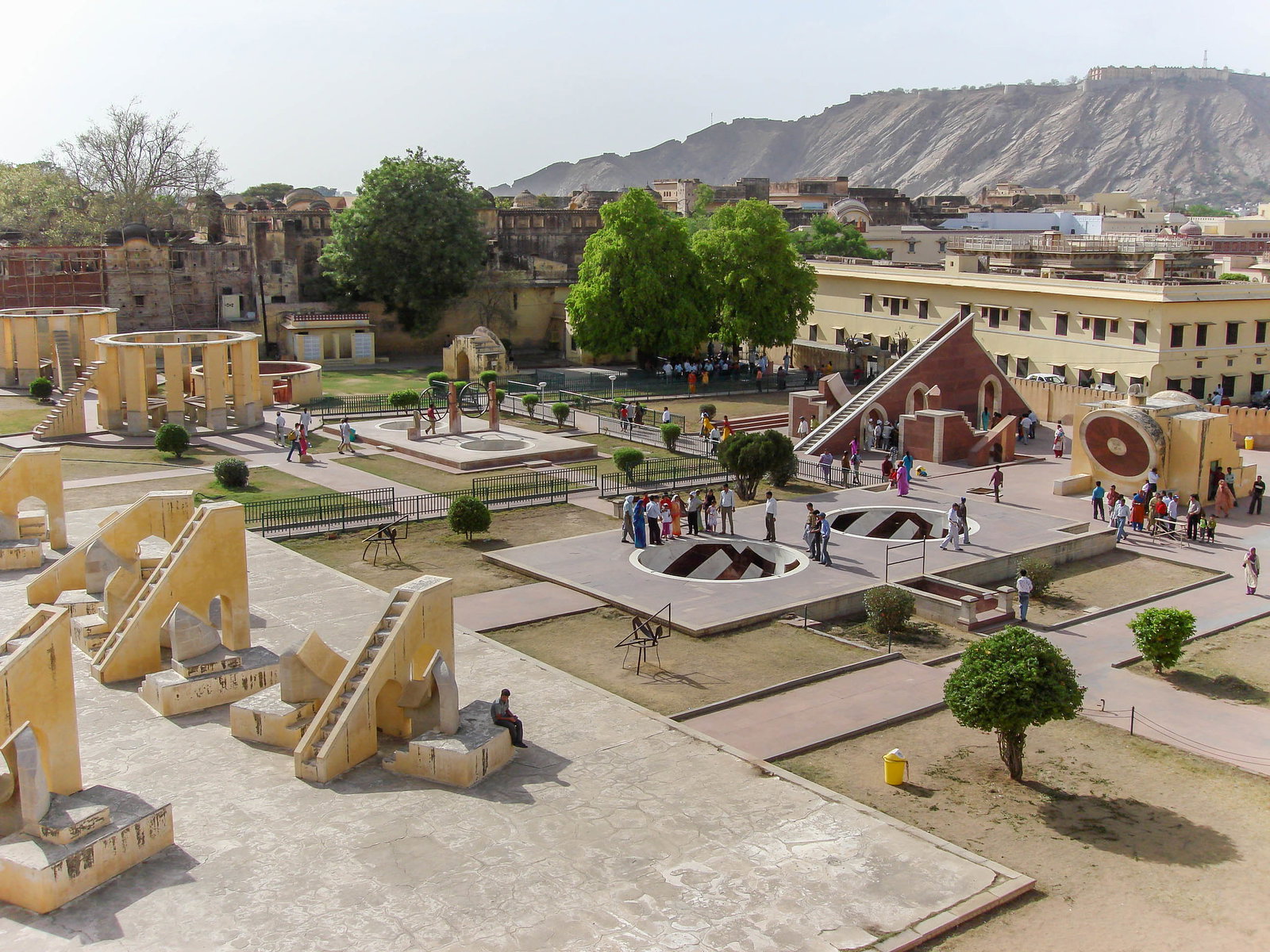
Maharaja Jai Singh II built this open-air astronomical observatory in 1734 with 18 large stone instruments designed to measure time, predict eclipses, and track stars. The Samrat Yantra (giant sundial) is accurate to two seconds. A UNESCO World Heritage Site and a genuinely mind-bending place.

Nahargarh Fort SunsetViews & Outdoors

Nahargarh Fort Sunset

2–3 hours (evening)

The 18th-century hilltop fort above the city offers the finest panoramic view of Jaipur's pink rooftops and, after dark, the illuminated Amber Fort in the distance. A rooftop bar-restaurant makes it a perfect sundowner spot. The drive up winds through scrub forest where you may spot nilgai.

Rajasthani Cooking Class & Street Food TourFood & Drink

Rajasthani Cooking Class & Street Food Tour

3–4 hours

Learn to make dal baati churma (lentils with baked wheat balls), ghewar (honeycomb sweet), and masala chai with a local cook, or join a guided street food walk through the old city sampling pyaaz kachori, rabri, and kulfi. Cooking schools near Bani Park neighbourhood run morning sessions with market visits.

Best time to visit Jaipur

The best time to visit Jaipur is October to March, when daytime temperatures sit between 15°C and 25°C — ideal for walking the old city, climbing forts, and exploring outdoor markets without heat stress.

October–November: Post-monsoon, the desert air is clear and temperatures drop from their summer peak. Diwali (usually October or November) transforms the city with lights and celebrations — a magical time to visit, though hotels book up fast.

December–January: The coolest months; nights can dip to 5–8°C so bring a light jacket. This is peak tourist season, meaning the best choice of guides, cultural performances, and festival events, but also the highest room rates.

February–March: Temperatures warm pleasantly. Holi (March) is celebrated with particular energy in Rajasthan — Jaipur's old city erupts in colour. Book accommodation well in advance for Holi week.

April–June: Summer heat climbs steeply, reaching 40–45°C in May and June. Sightseeing is possible but demanding; start every day before 9 am and rest midday. Prices drop significantly.

July–September: The monsoon brings humidity and occasional heavy rain to Jaipur (less intense than coastal India). The desert landscape turns green, heritage hotels offer low-season deals, and crowds thin dramatically — a hidden gem for budget-conscious travellers who can handle afternoon showers.
Is Jaipur safe to visit?

Yes — Jaipur is generally safe for tourists, including solo travellers and solo women, as long as you take straightforward urban precautions.

The biggest nuisance is commission touts: tuk-tuk drivers and guides who steer you toward gem shops, textile emporiums, or 'government-approved' stores where they earn a cut. Politely decline and book guides through your hotel or reputable online platforms.

Petty theft is uncommon but not unknown in crowded bazaars — use a crossbody bag and keep your phone and wallet secure in markets. Keep digital and physical copies of your passport, visa, and travel insurance.

Traffic in the old city is chaotic. Use app-based cabs (Ola, Uber) or pre-agreed auto-rickshaws rather than hailing random vehicles at tourist sites, especially after dark.

Food and water safety: drink only sealed bottled water or filter-purified water. Street food is generally fine if you choose busy stalls with high turnover; avoid salads and cut fruit at roadside stands.

Solo women travellers report Jaipur to be among the more comfortable cities in India, particularly in heritage hotels and the tourist zones of the old city. Stick to well-lit main streets after 10 pm and use app cabs for late-night returns.

Suggested itinerary

Jaipur in 3 Days: The Essential Pink City

A moderate-pace plan based in the old city (or nearby Bani Park) suitable for first-time visitors. Covers all major monuments, a half-day excursion, key markets, and evening dining. Budget to mid-range friendly; allows upgrades for palace-hotel nights.

Day 1

The Old City: Palaces & the Pink Bazaars

Start at Jantar Mantar when it opens (9 am) before crowds arrive — allow 90 minutes for the observatory. Walk two minutes to the City Palace complex and spend the morning in the museum and courtyards; the Diwan-i-Khas silver urns are unmissable.

Lunch on the rooftop of a café in the old city with views toward the Hawa Mahal. After lunch, cross the road to photograph the Hawa Mahal facade and explore the museum inside. Late afternoon: walk Johari Bazaar and Bapu Bazaar, stopping for chai and pyaaz kachori from a street stall.

Evening: rooftop dinner at one of the restaurants overlooking the illuminated Hawa Mahal. Try laal maas or dal baati churma.

Jaipur — The Old City: Palaces & the Pink Bazaars

Travel essentials

Getting around

Auto-rickshaws are the classic way to navigate the old city — agree a fare before you set off or insist on the meter. App-based cabs (Ola and Uber) operate reliably and are generally cheaper for longer trips to Amber or the airport. Cycle-rickshaws suit the narrow lanes of Johari Bazaar. Renting a private car with driver for a full day (approx. INR 1,500–2,500) is the most flexible option for fort-hopping.

Typical costs

Budget: INR 800–1,500/day (guesthouse, street food, auto-rickshaws). Mid-range: INR 3,000–7,000/day (boutique hotel, restaurant meals, private cab). Heritage/luxury: INR 15,000–50,000+/day at palace hotels such as Rambagh Palace or Samode Haveli. Monument entry fees for foreign nationals: Amber Fort INR 550, City Palace INR 700, Hawa Mahal INR 200, Jantar Mantar INR 200.

Culture and etiquette

Dress modestly when visiting temples and mosques — cover shoulders and knees. Remove shoes before entering religious sites. Ask permission before photographing people, especially women. Bargaining is expected in bazaars but not in fixed-price government emporiums. Tipping (10%) is appreciated at restaurants and for guides.

Safety and planning

Buy comprehensive travel insurance that covers medical evacuation. Carry a copy of your passport at all times; leave the original in your hotel safe. The tourist police helpline in Rajasthan is 1363. Nearest high-quality hospitals: Fortis Escorts and Mahatma Gandhi Hospital.

Connectivity

4G coverage is excellent across Jaipur. Buy a local SIM card at JAI airport (Airtel and Jio are reliable) with a short-term tourist data plan — usually INR 300–600 for 28 days of data. Free Wi-Fi is available in most mid-range and above hotels.

Payments

Cash (INR) is still king for street food, auto-rickshaws, and small bazaar stalls. ATMs are plentiful in the city centre; use bank-attached ATMs to minimise skimming risk. UPI payments are accepted at a growing number of shops and restaurants — some vendors display QR codes. Credit cards are accepted at heritage hotels, larger restaurants, and government emporiums.

Jaipur travel FAQs

More destinations to explore