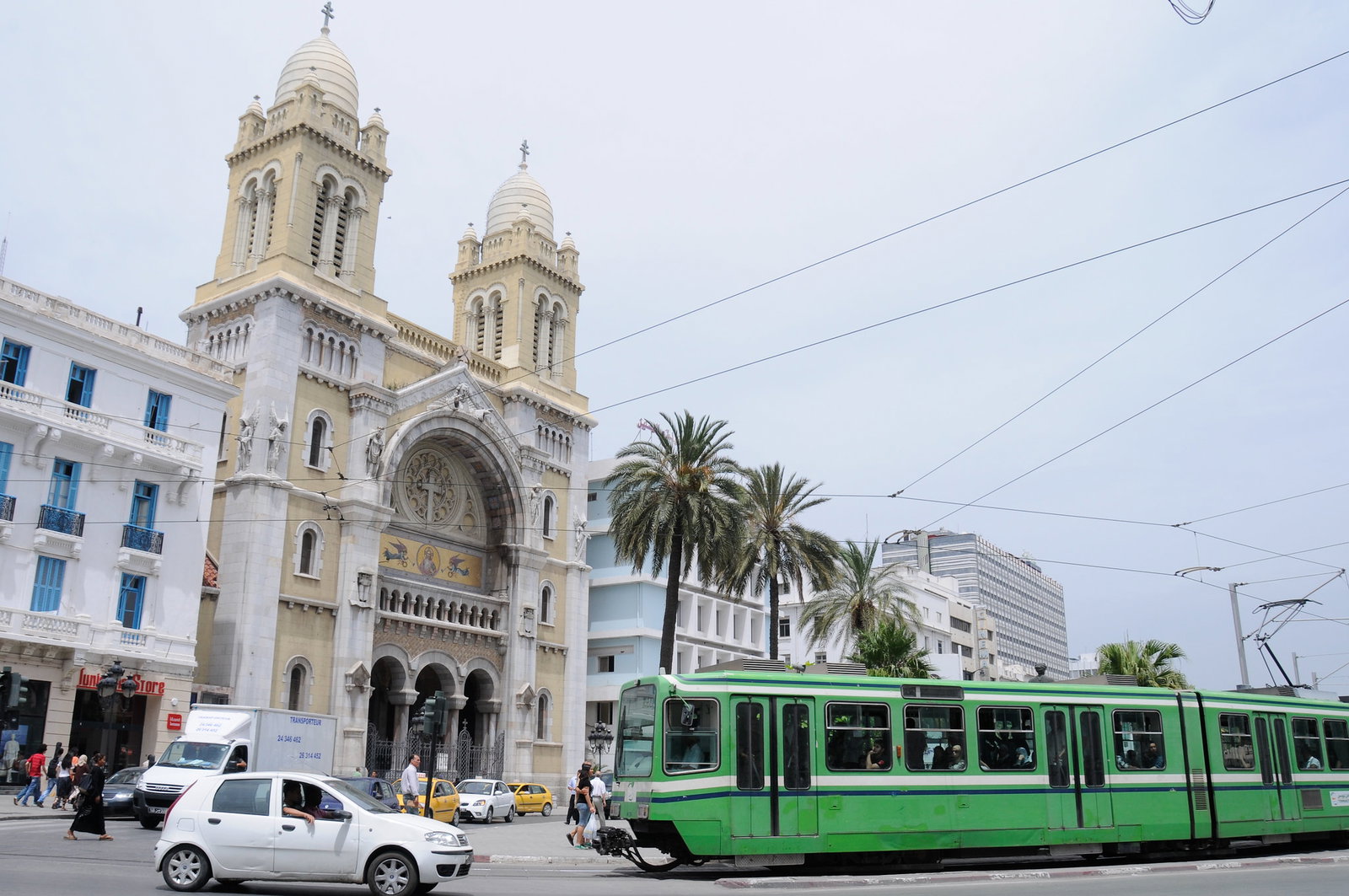
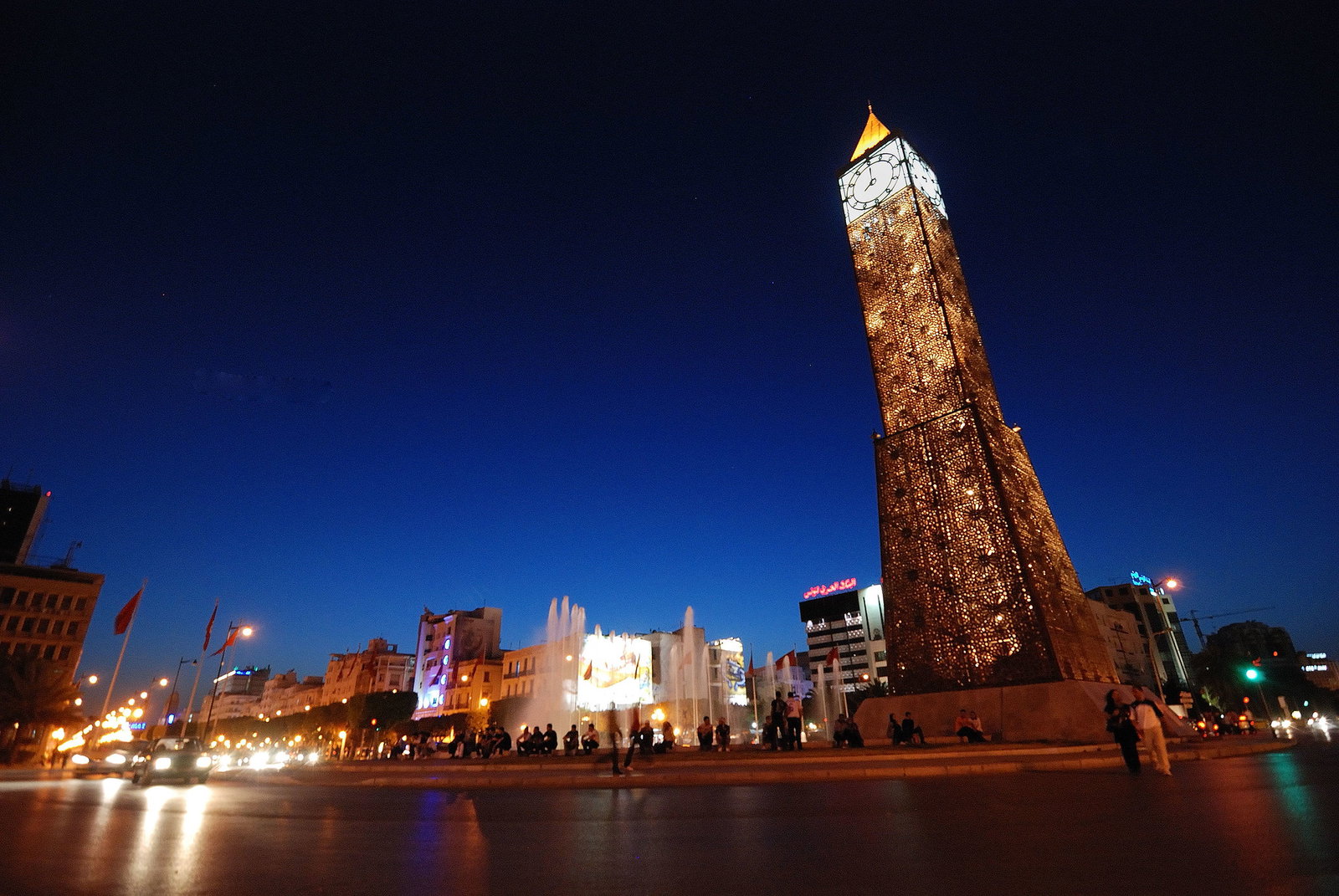
Yes — Tunis is generally safe for tourists, and the city sees hundreds of thousands of international visitors each year without serious incident. Tunisia maintains a visible security presence at major tourist sites, airports, and the Medina following past attacks, and the government has invested heavily in tourism security infrastructure.
Petty theft and scams: Pickpocketing and bag-snatching can occur in crowded souk areas and on busy boulevards. Keep valuables in a front-facing bag, avoid displaying expensive cameras or phones ostentatiously, and be alert in very narrow Medina alleyways after dark.
Scams: Friendly strangers offering unsolicited 'guided tours' sometimes lead tourists to carpet or souvenir shops where pressure to buy is high. Politely decline if you're not interested.
Transport: Licensed yellow taxis with meters are safe and affordable; always insist the meter is running. Ride-hailing apps (InDriver, Bolt) operate in Tunis as an alternative.
LGBTQ+ travellers: Same-sex relations are illegal under Tunisian law; LGBTQ+ travellers should exercise discretion in public.
Health: Tap water is technically treated but bottled water is recommended for visitors. Standard travel-health precautions apply.
Government travel advisories: Most Western governments advise normal or heightened caution in Tunis itself; check your government's latest advisory before travel, particularly regarding any regional security developments.
 Culture & History