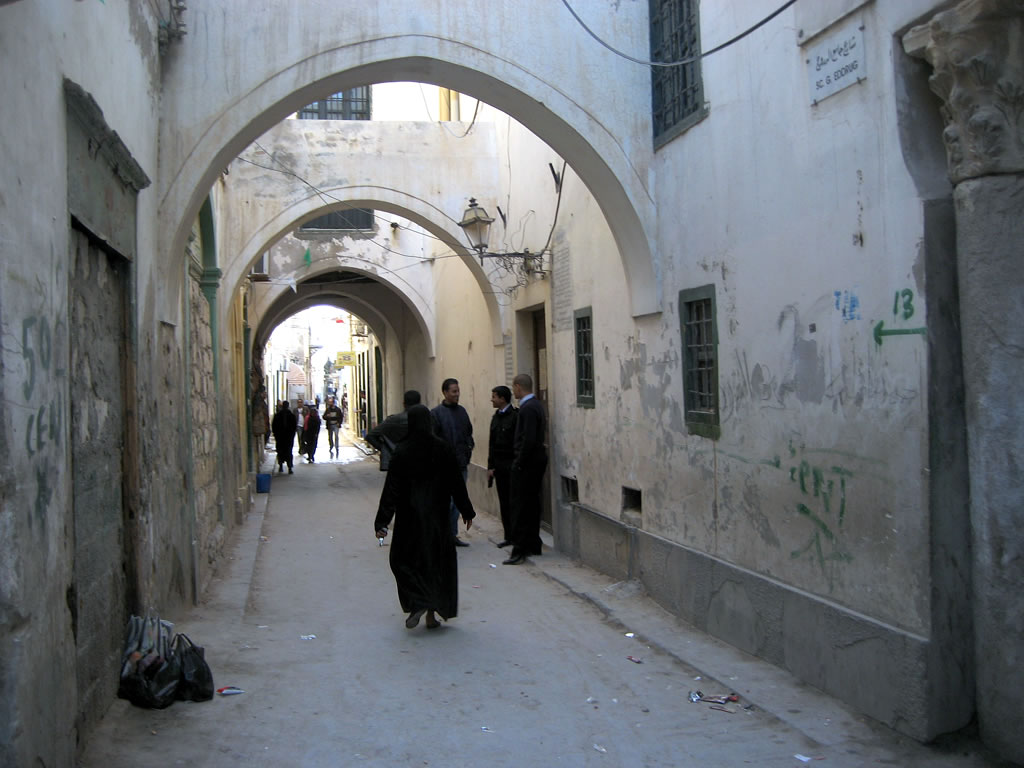
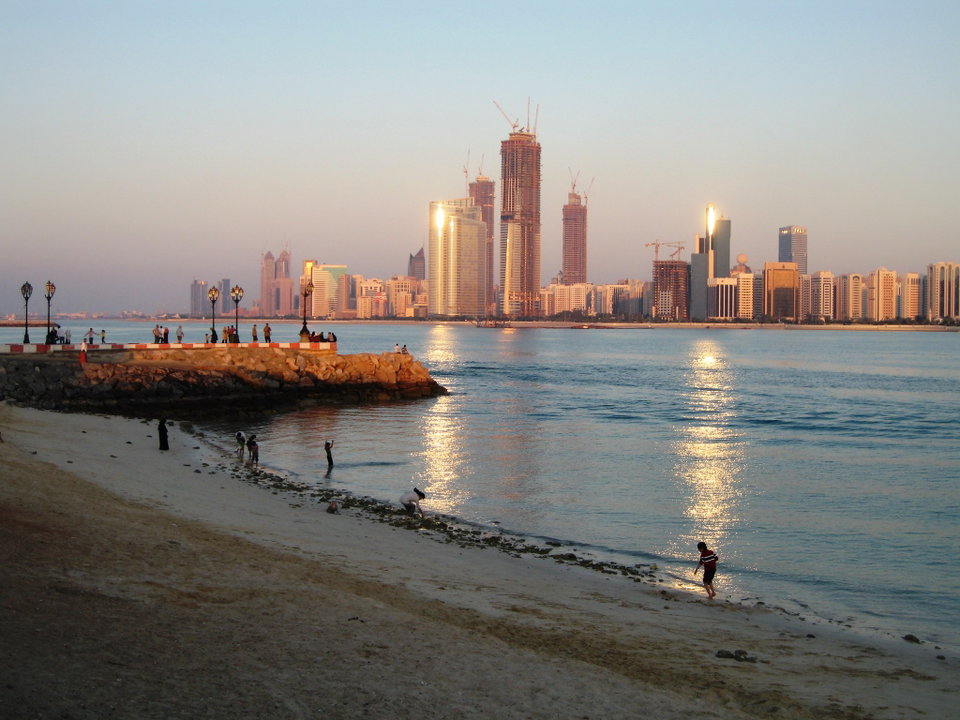
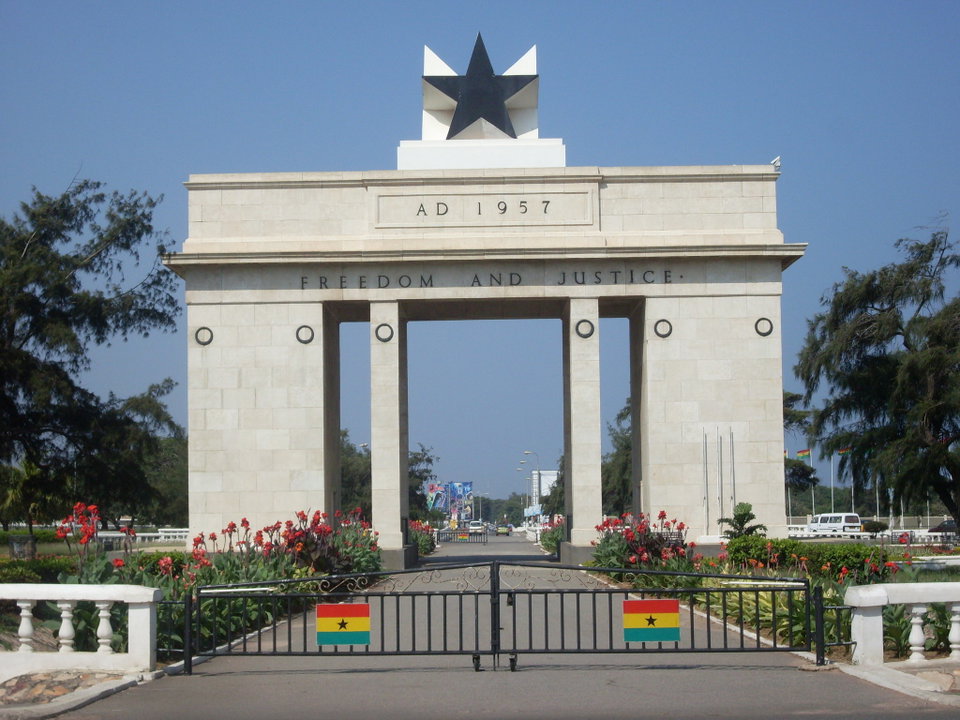
The arched arcades of the Medina of Tripoli at dusk, with the Red Castle silhouetted against an orange sky

Destination guide

Tripoli

Tripolitania, Northwest Libya · Libya

North Africa's harbour city — ancient medina, Roman ruins and a Mediterranean shore

Best season

October to April — mild Mediterranean temperatures (15–25 °C) ideal for sightseeing; summers are hot and dry (35 °C+)

From Nairobi

Approximately 5–6 hours (no direct service; connections via Cairo, Istanbul, Addis Ababa or Amman)

Why visit Tripoli?

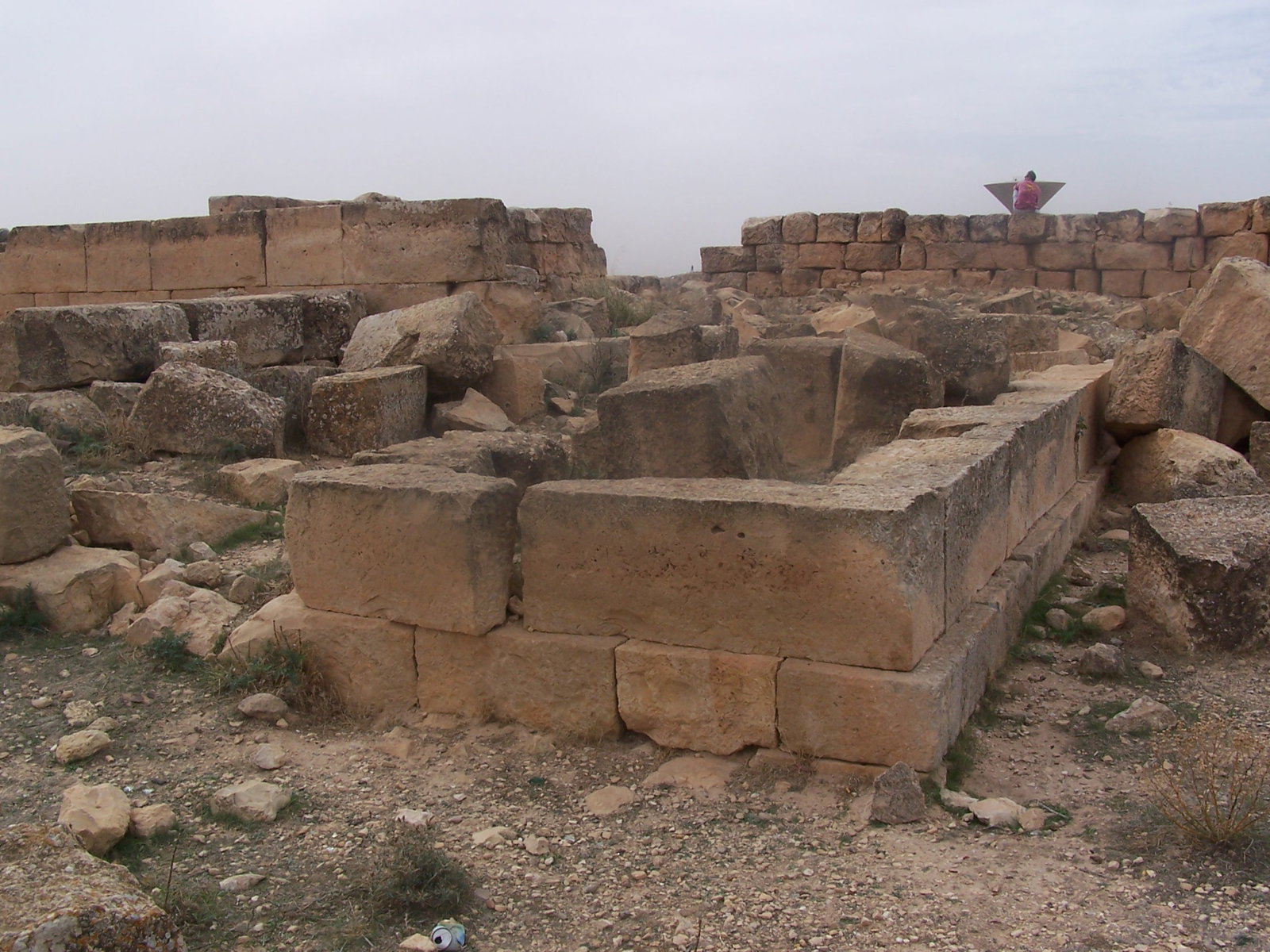
Few cities on the Mediterranean carry Tripoli's depth of layered history in such a compact, walkable core. The medina — one of the best-preserved in North Africa — unfolds in a maze of whitewashed alleys, Ottoman-era caravanserais, Andalusian-style courtyard houses and colonnaded Italian piazzas that speak to centuries of Phoenician, Roman, Arab, Spanish, Ottoman and Italian rule.

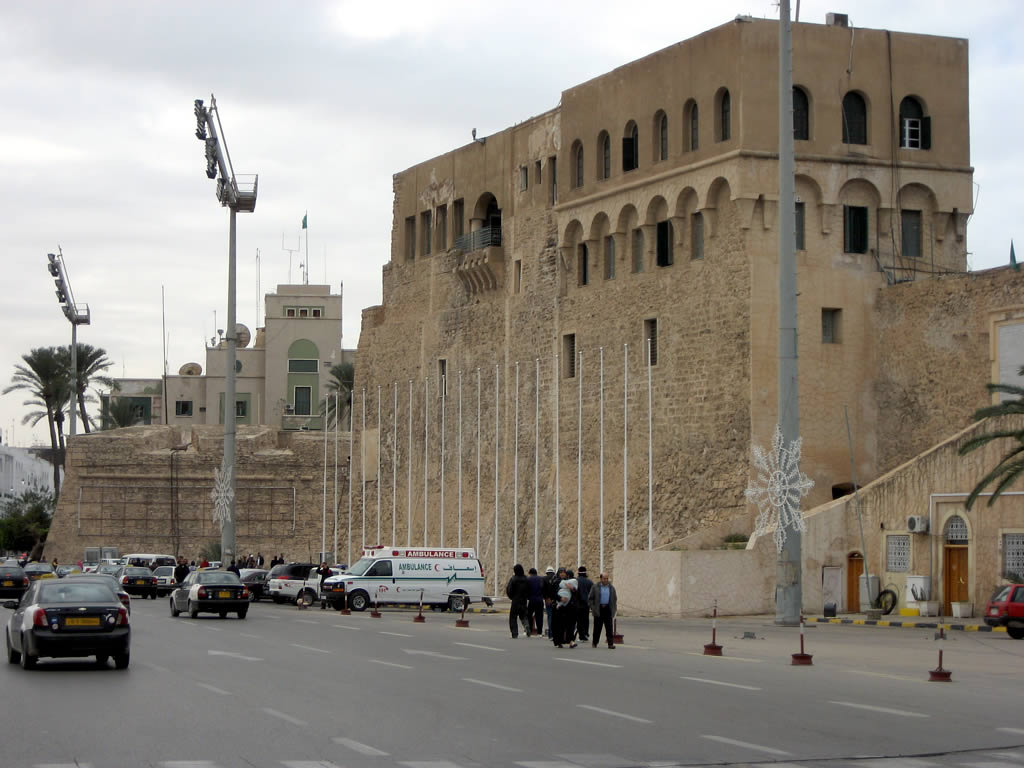
The Red Castle complex at the harbour edge is one of the most impressive fortress-museums on the continent, its galleries sweeping from Neolithic Libya through to the Gaddafi era. Day trips open doors to Leptis Magna, arguably the finest Roman city outside Rome itself, and to the remarkable prehistoric rock art of the Jebel Nafusa highlands an hour to the south.

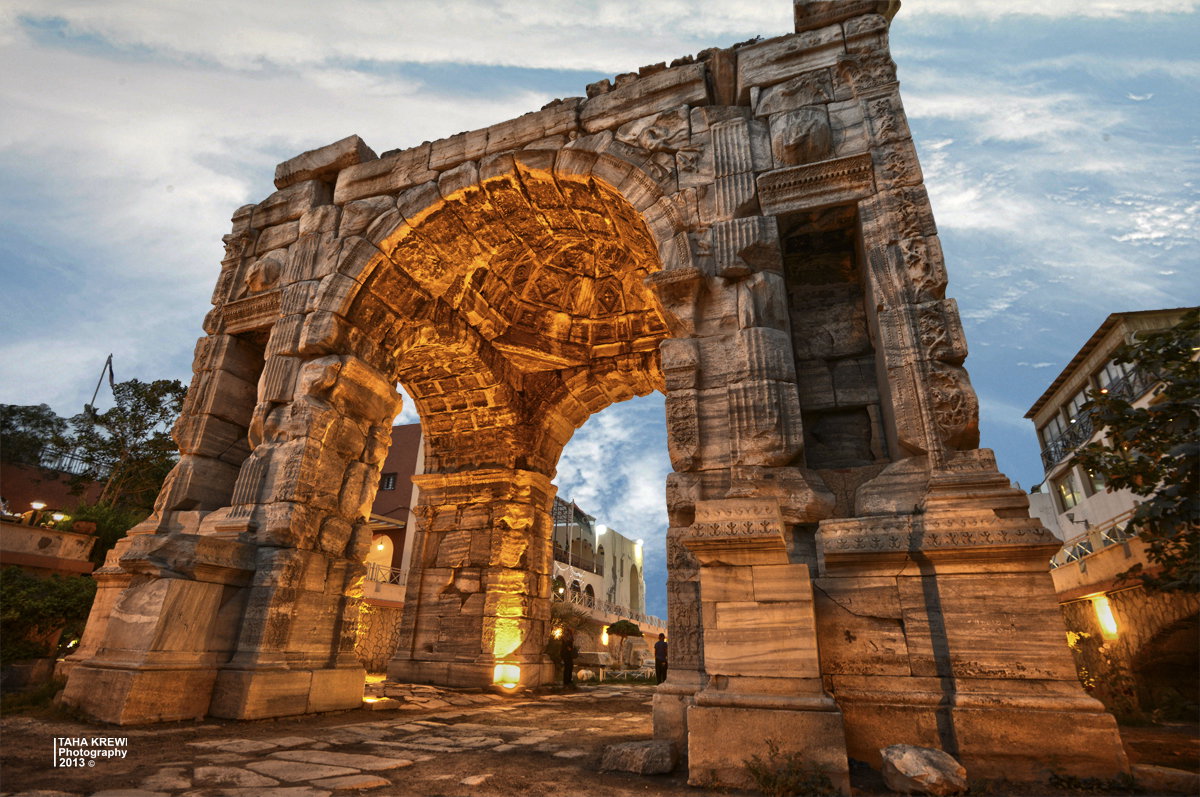
For travellers comfortable with frontier travel, Tripoli rewards with genuine curiosity-meeting-culture moments: tea with carpet merchants in the souk, fish grilled at the harbour market, sunsets over the Roman arch of Marcus Aurelius — virtually tourist-free.
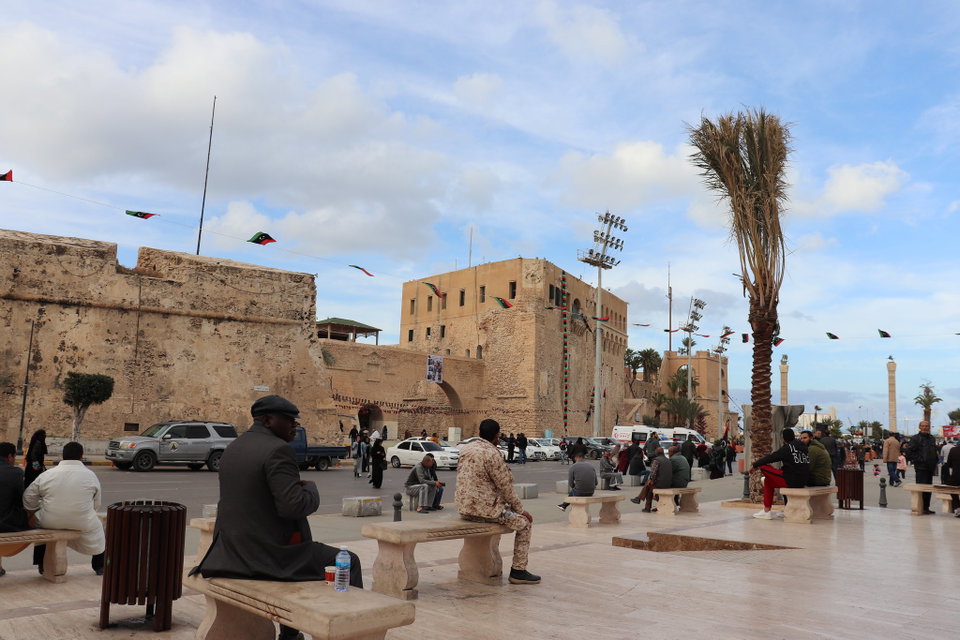
  • Walk 2,700 years of history inside the Red Castle's labyrinthine museum galleries
  • Duck through the Roman-era Arch of Marcus Aurelius in the heart of the living medina
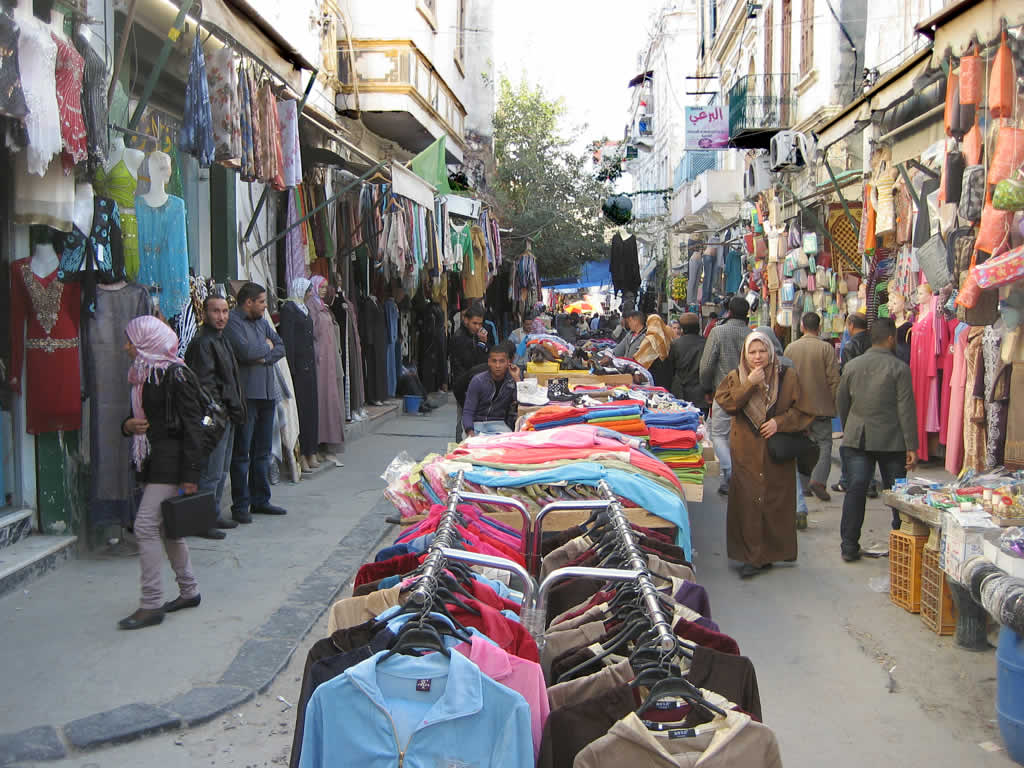
  • Haggle for Tuareg silver and handwoven carpets in souks unchanged for centuries
  • Day-trip to Leptis Magna — one of the world's best-preserved Roman cities
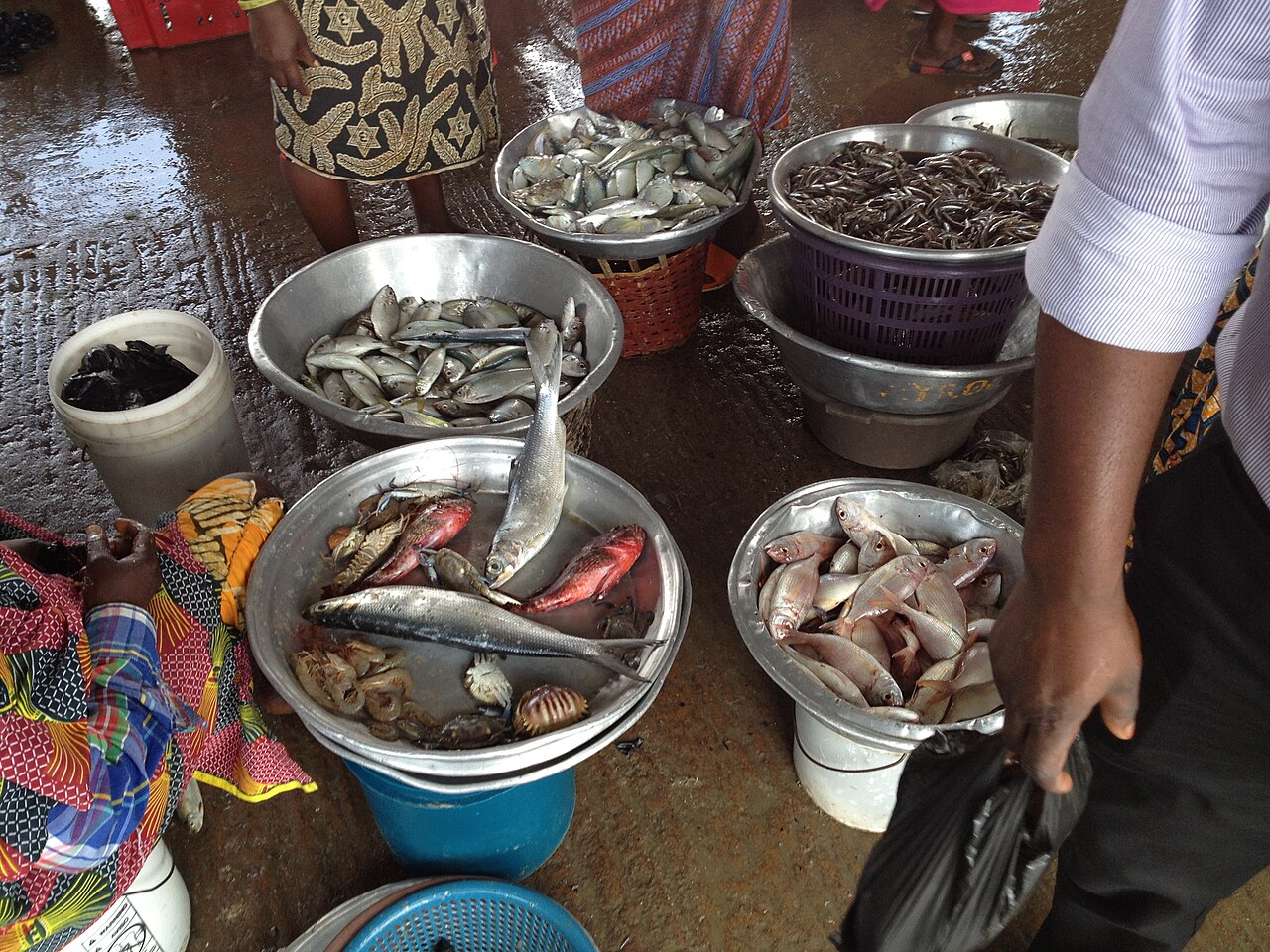
  • Watch trawlers unload at the fish market as the harbour glows gold at sunrise
  • Taste slow-cooked bazin, sharba soup and Libyan mint tea in a medina courtyard cafe

Best for

History enthusiasts, off-the-beaten-path adventurers, architecture lovers, cultural travellers

Trip style

Cultural immersion, heritage, day-trip base for Roman and Saharan sites

Known for

Red Castle (Saraya al-Hamra), the Old Medina, Arch of Marcus Aurelius, proximity to Leptis Magna

Quick facts

Best time to visit

October to April — mild Mediterranean temperatures (15–25 °C) ideal for sightseeing; summers are hot and dry (35 °C+)

Currency

Libyan Dinar (LYD). Cash economy — USD and EUR useful as backup. ATMs are unreliable; carry sufficient local currency.

Languages

Arabic (official). Some Italian and English spoken in hotels and by older traders in the medina.

Visa summary

Visa required for most nationalities. Obtain in advance through a Libyan embassy; a letter of invitation from a local contact or licensed tour operator is typically required. Check government travel advisories before planning.

Flight time from Nairobi

Approximately 5–6 hours (no direct service; connections via Cairo, Istanbul, Addis Ababa or Amman)

Airport / arrival

Mitiga International Airport (MJI) serves Tripoli, located ~9 km northeast of the city centre. Taxi or pre-arranged hotel transfer recommended.

Safety note

Libya has experienced political instability since 2011. Most Western governments advise against all but essential travel. Visitors should use a reputable licensed guide, register with their embassy and monitor advisories closely.

Visa and entry

Look up entry rules by passport for travel to Libya on the Tsavaro visa checker.

Check visa requirements for Libya

Things to do

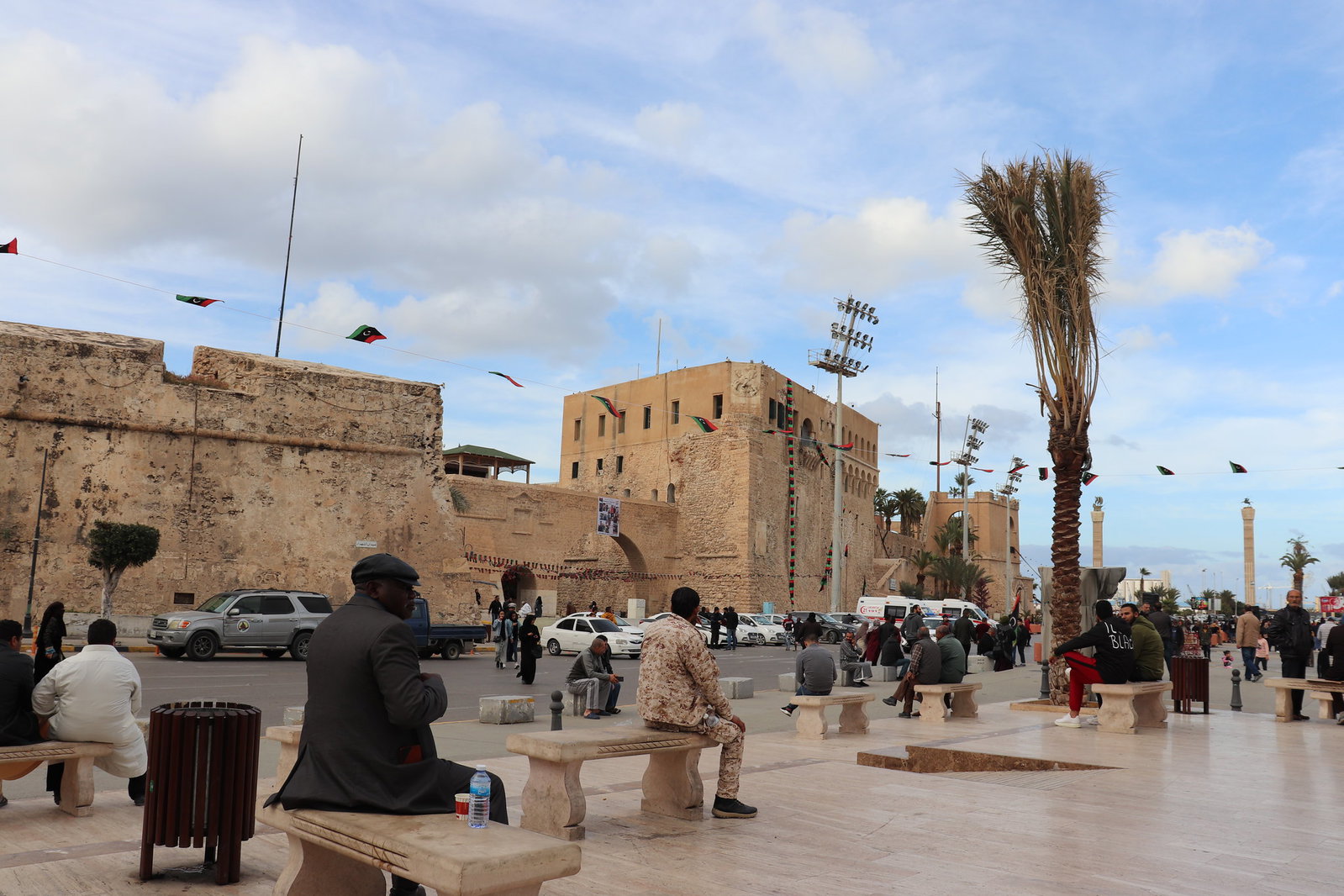
Explore the Red Castle (Saraya al-Hamra)Culture & History

Explore the Red Castle (Saraya al-Hamra)

2–3 hours

This 7th-century fortress rebuilt by the Ottomans and Spanish towers over the harbour and houses the National Museum of Libya. Its warren of rooms covers Berber, Phoenician, Roman, Islamic and modern Libyan history — allow at least two hours.

Wander the Old MedinaCulture & History

Wander the Old Medina

Half day

Tripoli's UNESCO-recognised medina is a living neighbourhood of Ottoman mosques (Gurgi Mosque, Karamanli Mosque), hammams, artisan workshops and spice markets. Hire a local guide to unlock the hidden courtyards.

Visit the Arch of Marcus AureliusHeritage

Visit the Arch of Marcus Aurelius

30–45 minutes

Libya's only intact Roman triumphal arch (AD 163) stands in the medina, framing minarets and washing lines in equal measure. Its carved reliefs of emperors and deities are remarkably detailed for their age.

Day trip to Leptis MagnaHeritage & Day Trips

Day trip to Leptis Magna

Full day

Drive 120 km east to the UNESCO World Heritage site of Leptis Magna — birthplace of Emperor Septimius Severus. The marble forum, theatre, colonnaded street and amphitheatre rival Pompeii in scale and are dramatically empty of crowds.

Shop the Gold and Copper SouksShopping & Local Life

Shop the Gold and Copper Souks

1–2 hours

The covered markets of the medina are organised by trade — goldsmiths, coppersmiths, leather workers and textile merchants each occupy their own lanes. Tuareg jewellery, camel-leather sandals and hand-knotted Berber rugs are the standout buys.

Harbour Fish Market at dawnFood & Local Life

Harbour Fish Market at dawn

1–2 hours

The working harbour beneath the Red Castle walls comes alive before sunrise when trawlers return with the night's catch. Vendors grill fresh seafood on charcoal stoves — the most atmospheric cheap breakfast in the city.

Jebel Nafusa highlands day tripNature & Day Trips

Jebel Nafusa highlands day trip

Full day

Head south to the Berber highlands, where fortified granaries (qasr) cling to cliff edges and rock paintings date back millennia. The town of Nalut and its ancient castle make a compelling half-day add-on.

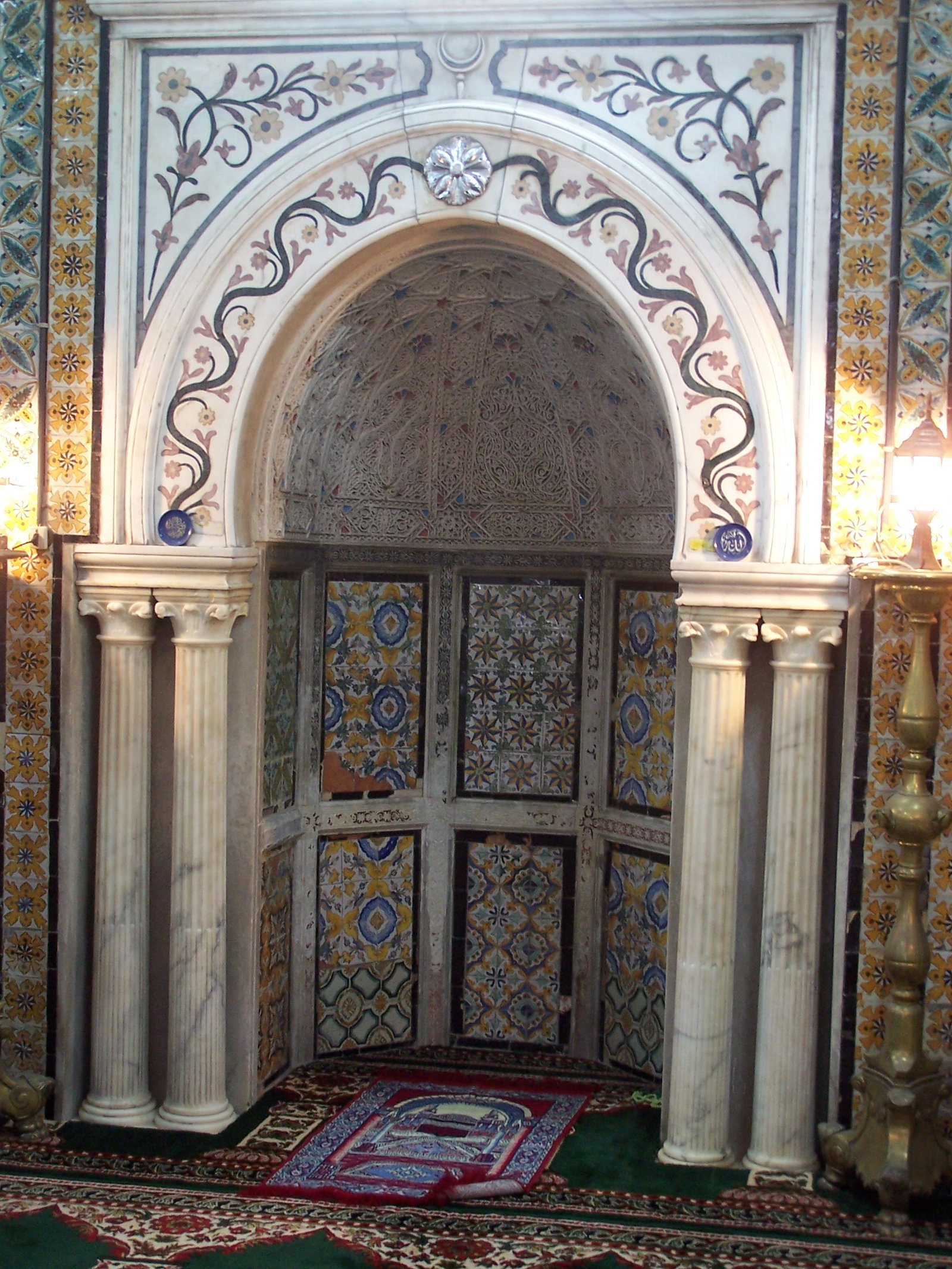
Gurgi MosqueCulture & Religion

Gurgi Mosque

30 minutes

Built in 1833 by a wealthy Tripolitanian merchant, the Gurgi Mosque is considered the finest Ottoman mosque in Libya, decorated with Italian marble, Moroccan tiles and an intricately carved mihrab. Non-Muslim visitors may enter outside prayer times with a local guide.

Best time to visit Tripoli

The best time to visit Tripoli is October to April, when Mediterranean temperatures sit between 15 °C and 25 °C — comfortable for walking the medina and day-tripping to Leptis Magna without the punishing summer heat.

October and November are warm, dry and sunny; January and February are the coolest months (nights can drop to 8–10 °C) but rain is rare and crowds are essentially nonexistent. March and April are ideal: warm days, wildflowers on the Jebel Nafusa and long evenings on the corniche.

May brings rising heat and the beginning of the ghibli — a hot, dust-laden wind from the Sahara that can reduce visibility for days at a time. June through September is peak summer: temperatures regularly exceed 35 °C, coastal humidity climbs and outdoor sightseeing becomes uncomfortable by midday. Most heritage sites offer no shade.

Ramadan timing shifts each year (lunar calendar); visiting during Ramadan means daytime restaurant closures but also the atmospheric spectacle of the medina coming alive after iftar.

Is Tripoli safe to visit?

Tripoli carries real security risks and most Western governments currently advise against all but essential travel to Libya, including the capital. That said, a small number of specialist tour operators run structured visits with vetted local guides, and travellers on those programmes report moving around the medina and heritage sites without incident.

Practical precautions matter enormously. Use only a licensed Libyan tour operator or a reputable international agency with active ground operations — never travel independently without local contacts. Register with your country's embassy before arrival, share your itinerary, and keep your travel documents and emergency cash in a hotel safe.

Stick to the medina, corniche and established tourist sites during daylight. Avoid demonstrations, government buildings and the airport road at night. Armed checkpoints are common; always carry your passport and move calmly.

The security picture can change quickly. Check your government's travel advisory 48–72 hours before departure and maintain contingency plans including an emergency evacuation contact.

Suggested itinerary

4 Days in Tripoli: Medina, Museums and Roman Ruins

A leisurely four-day plan based in the city centre, covering the medina and Red Castle on foot, with one full-day excursion to Leptis Magna and an optional half-day into the Jebel Nafusa. Assumes a private licensed guide for security and access. Budget: mid-range.

Day 1

Arrival & Harbour Quarter

Arrive at Mitiga Airport and transfer to your hotel. After settling in, take an evening stroll along the corniche — the Mediterranean seafront promenade — to the harbour. Watch the sun drop behind the Red Castle walls, then dine on grilled fish and bazin at a medina restaurant.

Tripoli — Arrival & Harbour Quarter

Travel essentials

Getting around

Within Tripoli, taxis (negotiate the fare before you get in) and private cars arranged through your hotel or guide are the practical options. Shared minibuses cover some routes but require local language skills to navigate. For day trips to Leptis Magna or Jebel Nafusa, a private vehicle with a licensed guide is strongly recommended.

Typical costs

Libya's economy is partly dollarised. Mid-range hotel rooms run USD 60–120 per night in Tripoli. A medina restaurant meal costs LYD 20–50 (USD 4–10). Guides for city tours typically charge USD 50–100 per day; Leptis Magna entry is nominal but guide fees and transport add up. Budget USD 100–180 per day all-in for a comfortable independent-ish visit.

Culture and etiquette

Libya is a conservative Muslim country. Dress modestly — shoulders and knees covered for both men and women; women should carry a headscarf for mosque visits. Photography of government buildings, military installations and checkpoints is strictly forbidden. Always ask permission before photographing people. Public consumption of alcohol is illegal.

Safety and planning

Travel with a licensed operator, share your itinerary with your embassy and keep emergency contacts (including evacuation services) saved offline. Carry a photocopy of your passport at all times and keep the original secure. Have contingency funds in USD or EUR in case banking infrastructure fails.

Connectivity

Libyan SIM cards (Libyana, Al-Madar) are available at the airport and in the city. Data speeds are modest and coverage can drop in the old medina. VPNs are useful for accessing some international sites. Hotel Wi-Fi is standard at mid-range properties but variable in quality.

Payments

Cash is king. The formal banking system is fragmented; ATMs frequently run out of notes or are offline. Bring sufficient USD or EUR to exchange on arrival through your hotel or a licensed exchange bureau. Credit cards are rarely accepted outside the top hotels.

Tripoli travel FAQs

More destinations to explore