 Adventure
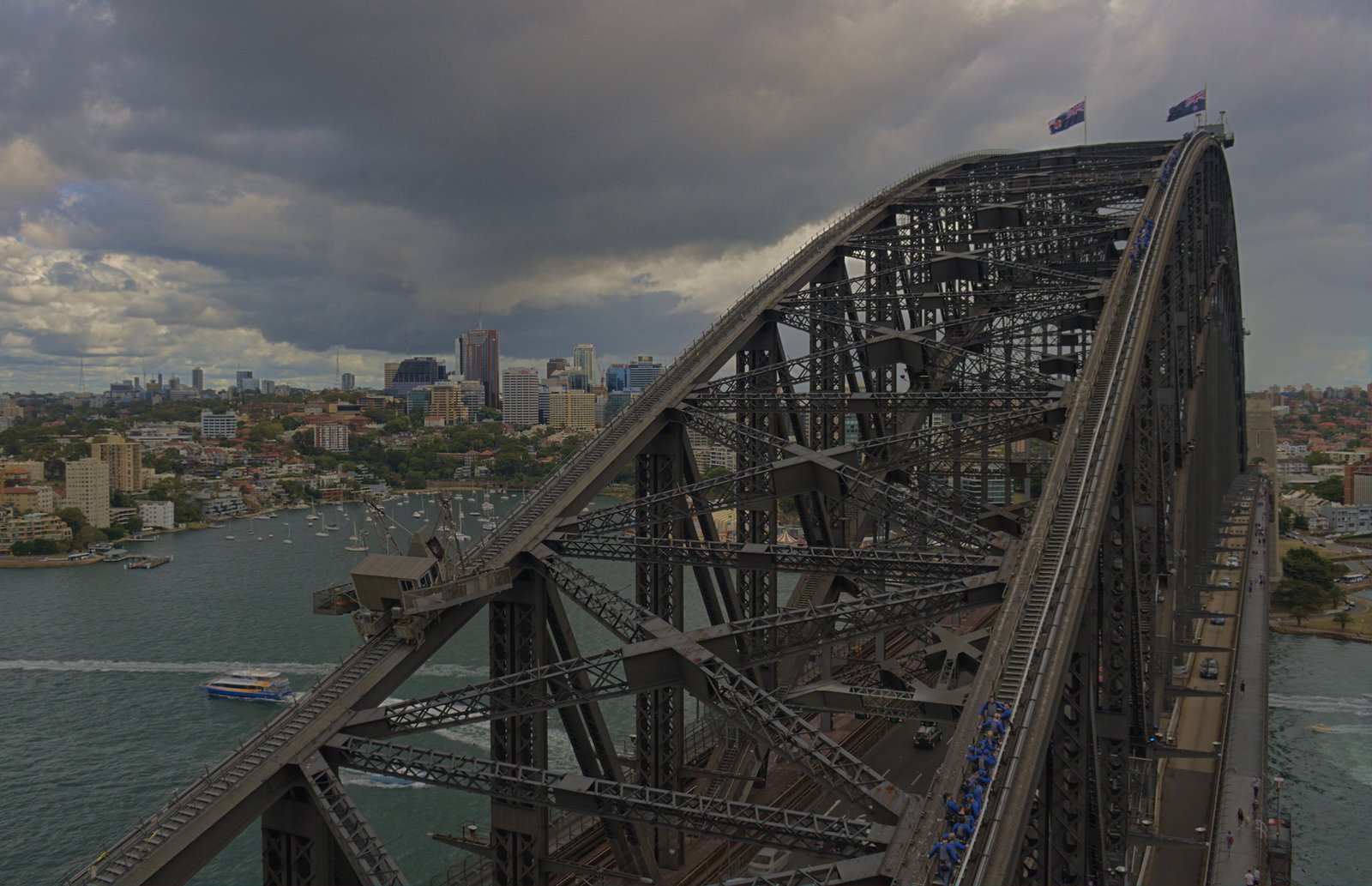
Sydney Harbour BridgeClimb
2.5–3.5 hours
Scale the arch of the iconic Harbour Bridge on a guided climb to reach the 134 m summit. Dawn, day, twilight, and night options suit every preference. One of Australia's most memorable experiences.
Destination guide
New South Wales, Eastern Australia · Australia
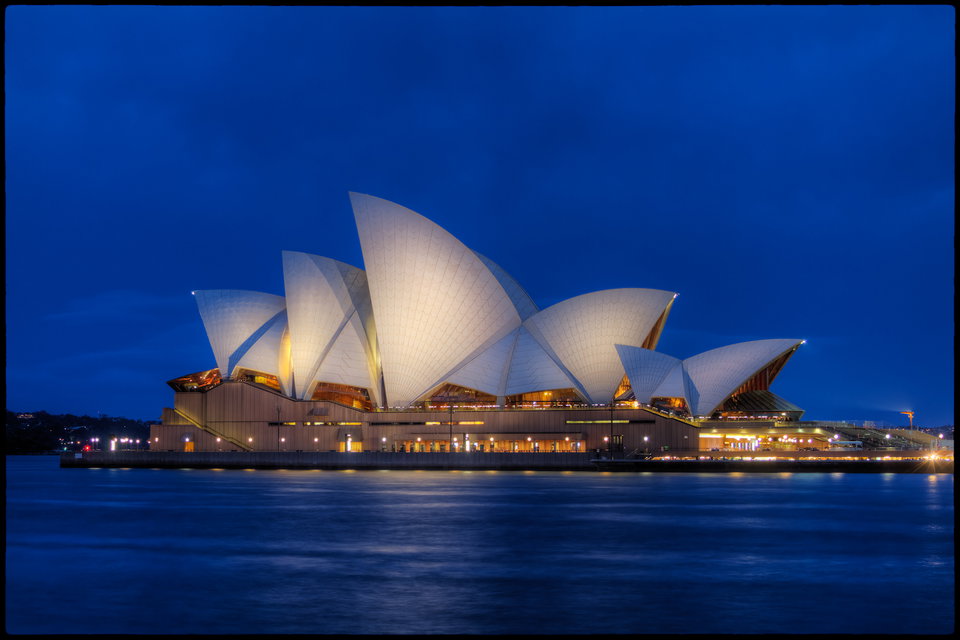
Harbour views, golden beaches, and a city that thrives outdoors year-round.
Best season
September–November (spring) and March–May (autumn) for mild weather and smaller crowds; December–February is peak summer with beach weather but higher prices.
From Nairobi
Approximately 16–19 hours via a single connection (Dubai, Singapore, or Doha are common hubs).
Few cities can match Sydney for sheer visual drama. The Harbour — 240 km of shoreline dotted with coves, national park headlands, and yacht-filled bays — is the city's living room, and almost every neighbourhood has a ferry stop or coastal trail that brings you to its edge.
Beyond the postcard landmarks, Sydney rewards curiosity. Surry Hills serves some of Australia's most creative small-bar scenes; Newtown is a leafy, bohemian strip of vintage stores and Thai restaurants; Barangaroo celebrates the city's Gadigal heritage with Indigenous art, guided walks, and waterfront dining. The dining culture is world-class — the city's multicultural mix of over 250 cultures has produced a food scene that punches above its weight in modern Australian, Japanese, and pan-Asian cuisines.
Nature is never far away. The Blue Mountains World Heritage area is 90 minutes by train, the Royal National Park begins at the southern suburbs, and the Northern Beaches offer 30 km of near-continuous sand. For families, solo adventurers, couples, and groups, Sydney almost always delivers.
Best for
Harbour experiences, beach life, food and wine, family travel, short regional day trips
Trip style
City break, beach holiday, adventure, cultural immersion
Known for
Sydney Opera House, Sydney Harbour Bridge, Bondi Beach, vivid harbour, multicultural food scene
Best time to visit
September–November (spring) and March–May (autumn) for mild weather and smaller crowds; December–February is peak summer with beach weather but higher prices.
Currency
Australian Dollar (AUD). ATMs widely available; cards accepted almost everywhere.
Languages
English (official). Mandarin, Cantonese, Arabic, and Vietnamese are widely spoken in suburban communities.
Visa summary
Most visitors need an Electronic Travel Authority (ETA, subclass 601) or eVisitor (subclass 651) visa applied for online before travel. Check the Australian Department of Home Affairs site for your nationality.
Flight time from Nairobi
Approximately 16–19 hours via a single connection (Dubai, Singapore, or Doha are common hubs).
Airport / arrival
Sydney Kingsford Smith Airport (SYD) is 8 km south of the CBD. The Airport Link train reaches Central Station in about 13 minutes. Taxis and rideshares are available from the ground-transport level.
Safety note
Sydney is one of the safest major cities in the world. Standard urban precautions apply — watch for pickpockets in busy tourist areas and keep an eye on belongings at the beach.
Visa and entry
Look up entry rules by passport for travel to Australia on the Tsavaro visa checker.
Check visa requirements for AustraliaAdventure2.5–3.5 hours
Scale the arch of the iconic Harbour Bridge on a guided climb to reach the 134 m summit. Dawn, day, twilight, and night options suit every preference. One of Australia's most memorable experiences.
 Culture
1–3 hours
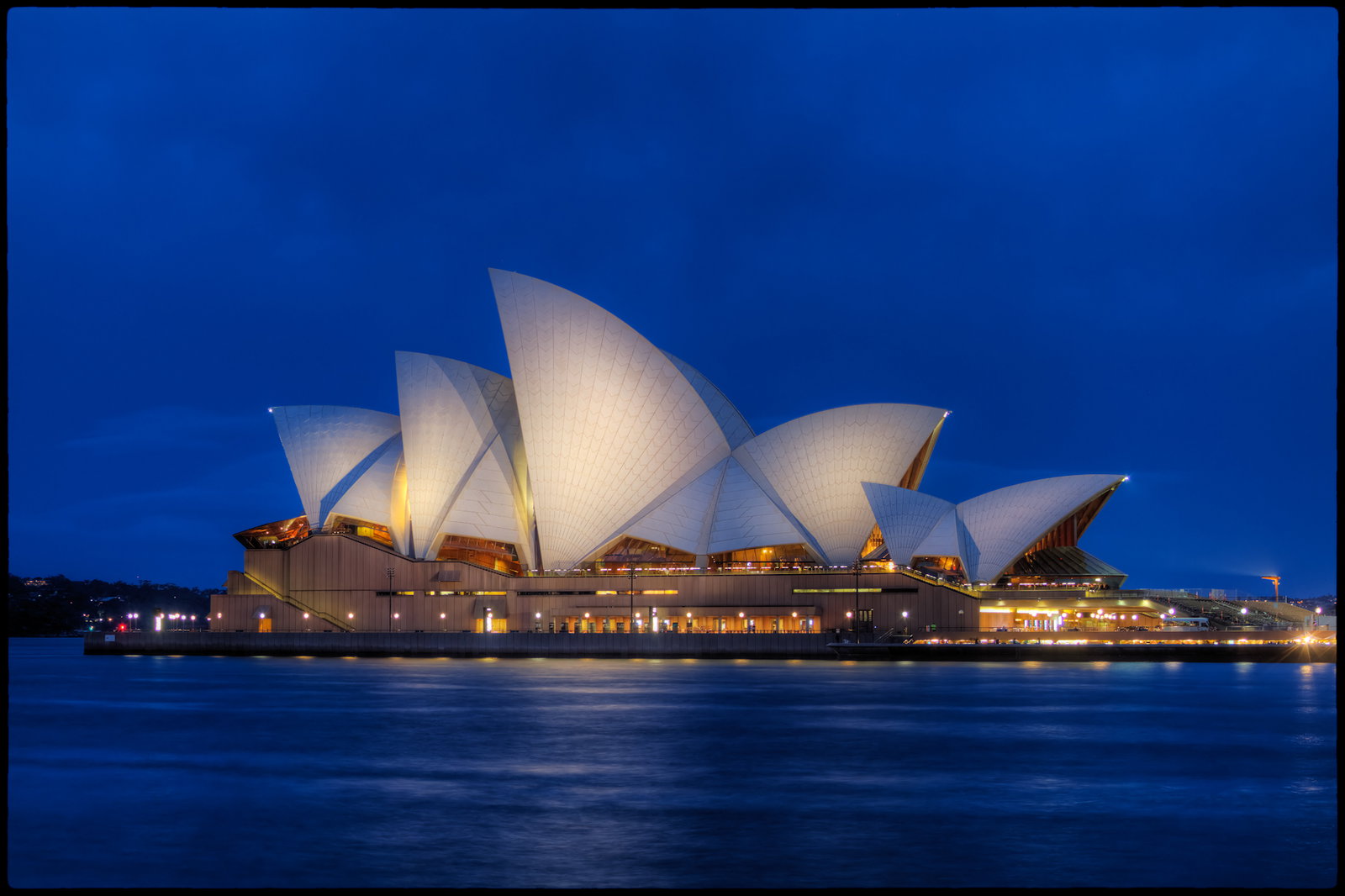
Take a backstage or architecture tour of Jørn Utzon's 1973 masterpiece, then stay for an evening performance by Opera Australia, the Sydney Symphony Orchestra, or a touring international act.
 Outdoors
2–3 hours
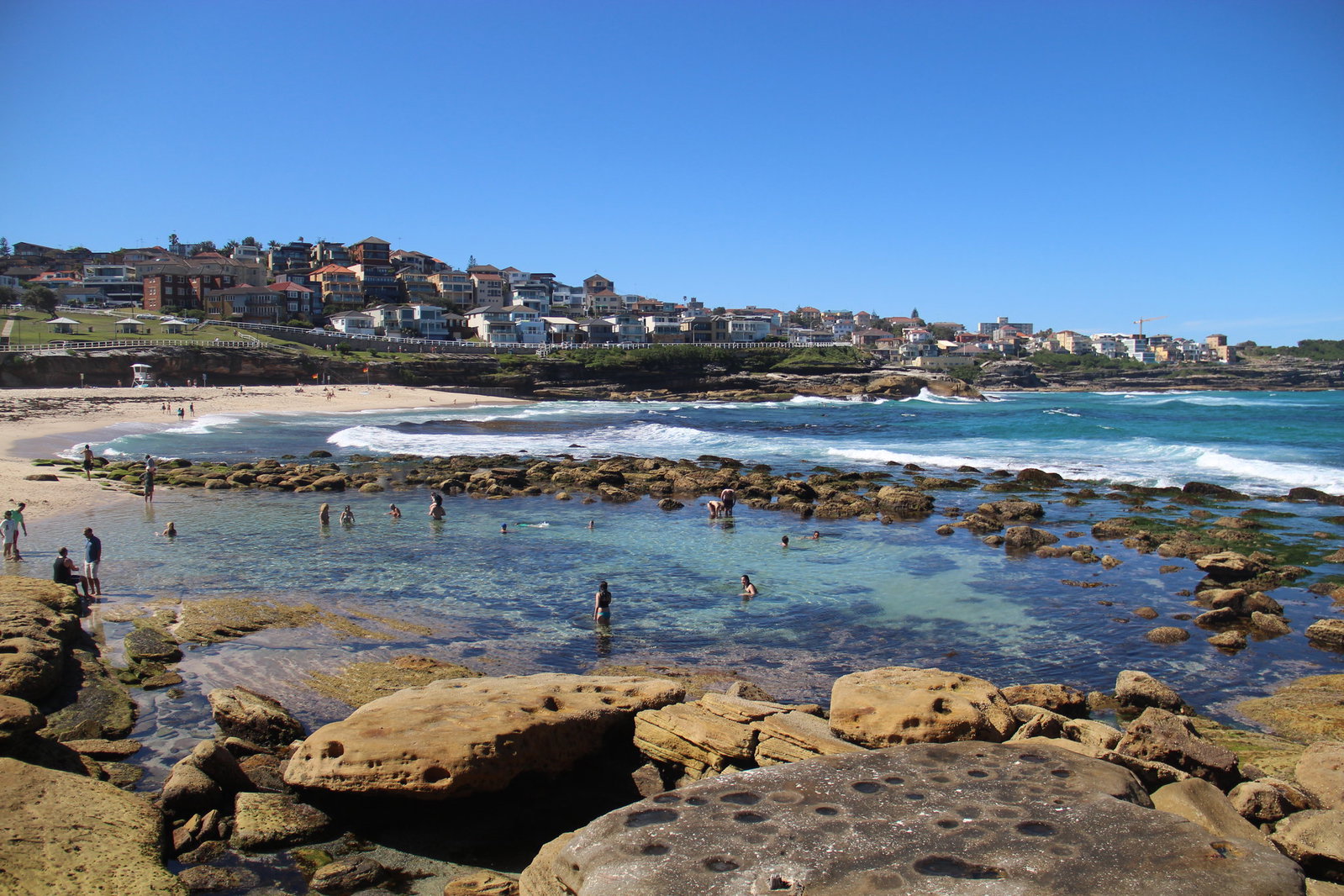
Follow the clifftop path south from Bondi Beach through Tamarama, Bronte, Clovelly, and Gordons Bay to Coogee. Spectacular ocean views, rock pools, and cafes at every bay.
 Outdoors
Half day
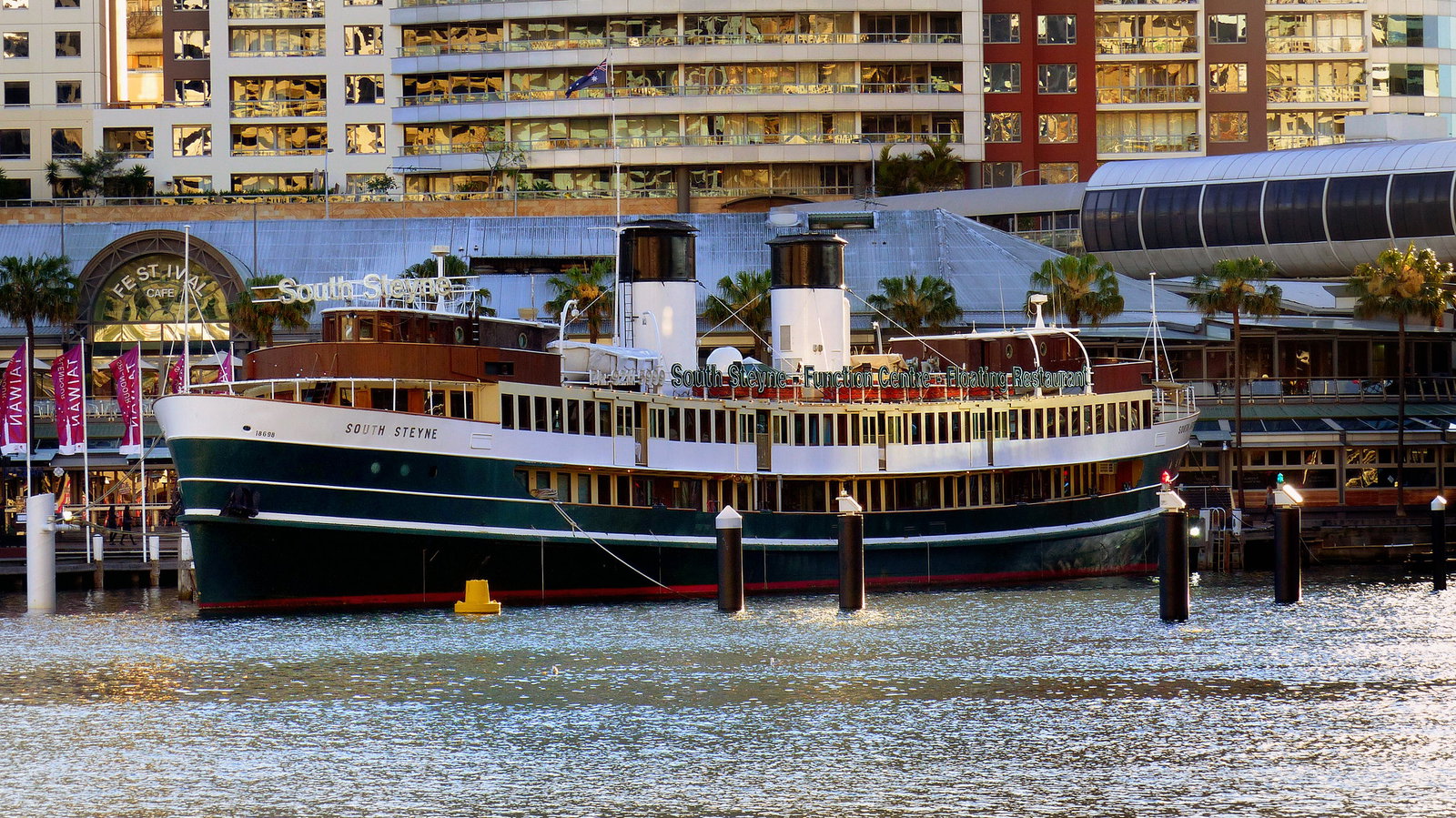
Board a regular Manly Ferry from Circular Quay for a 30-minute crossing past the Opera House and into the Heads. Manly offers surf beach, the Corso food strip, and kayaking on the inlet.
 Nature
Full day
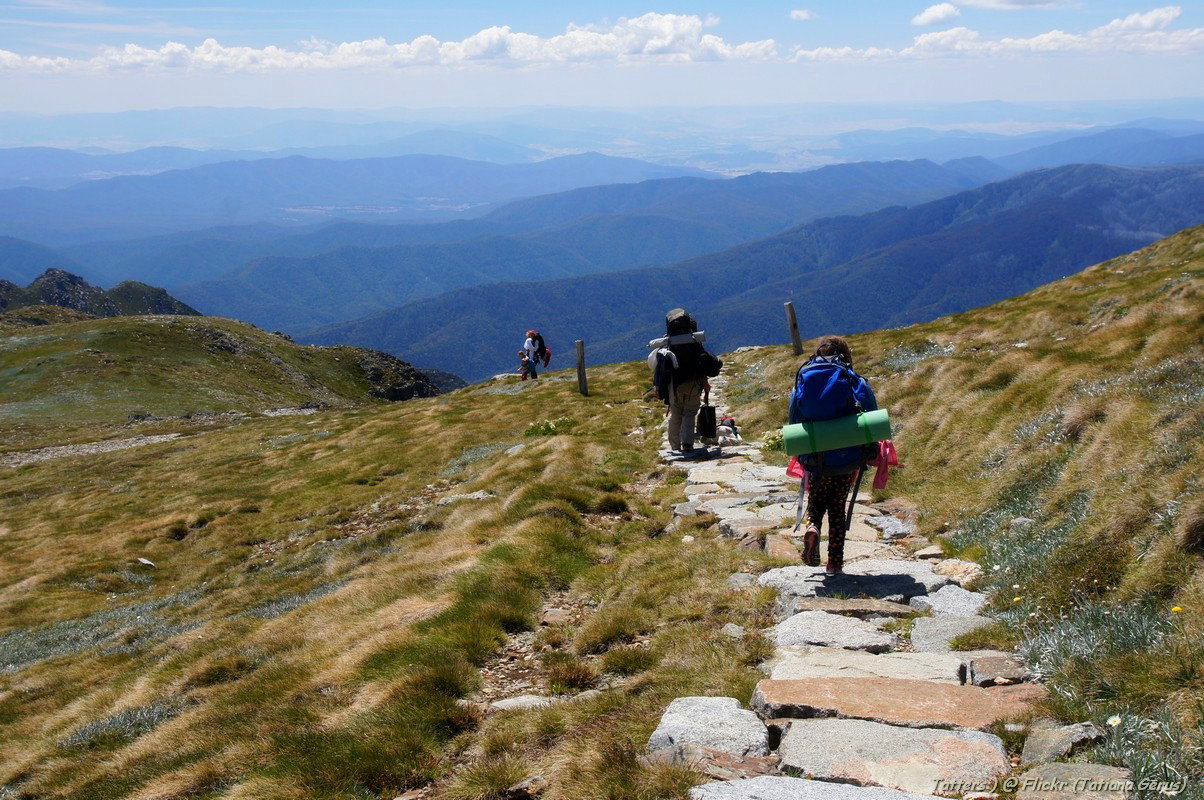
Ride the train to Katoomba (90 minutes from Central Station) for the Three Sisters rock formation, the Scenic Railway, and walks through ancient rainforest gorges in this UNESCO World Heritage area.
 Family
Half–full day
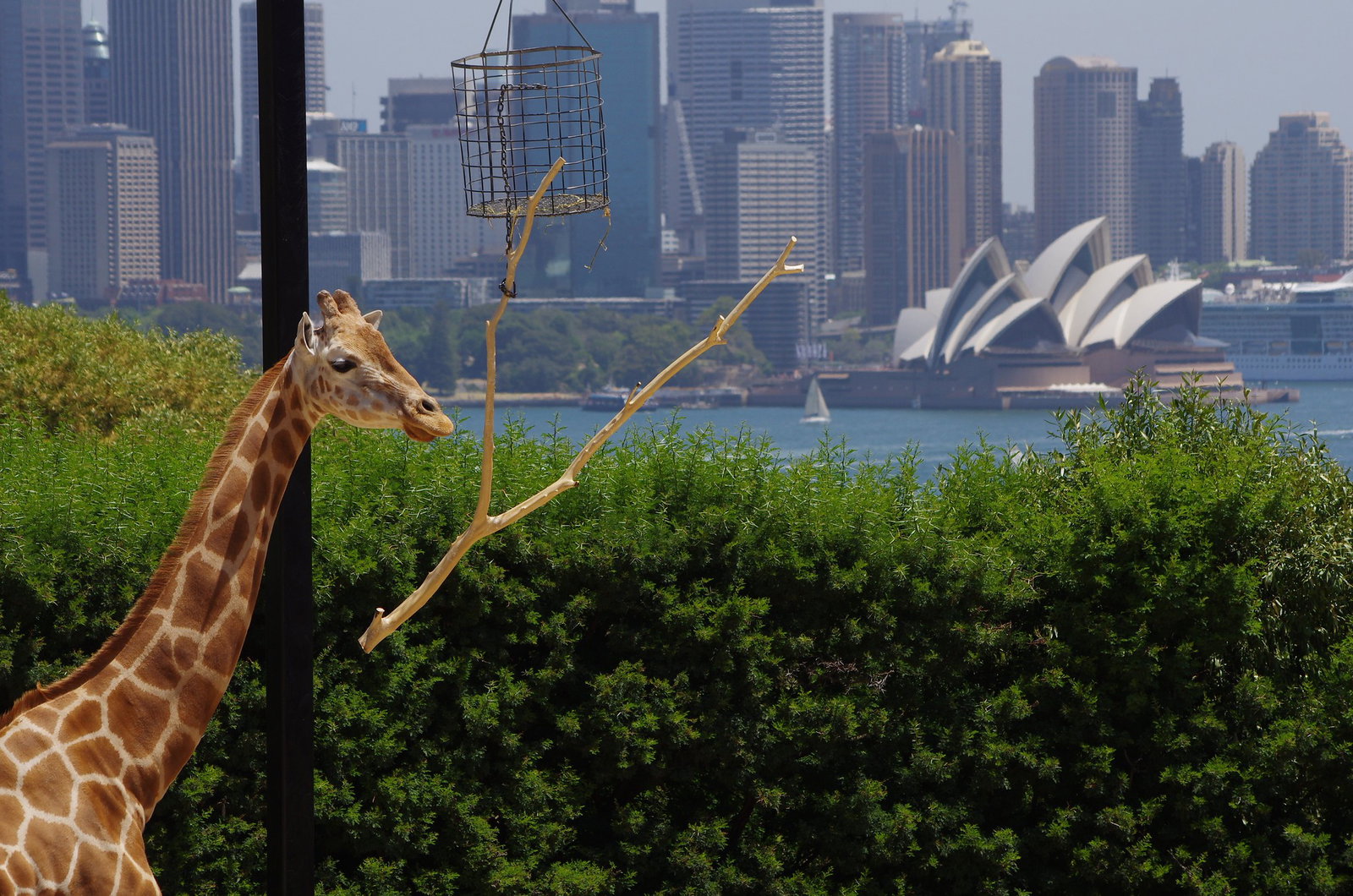
Australia's most famous zoo sits on a harbour headland with views back to the Bridge and Opera House. Home to koalas, wombats, giraffes, and over 4,000 animals; reached by a scenic ferry from Circular Quay.
The best time to visit Sydney is September to November (spring) or March to May (autumn), when temperatures are warm but not oppressive, rainfall is moderate, and the city is slightly less crowded than the peak summer school-holiday period.
Spring (September–November): Temperatures climb from around 18°C to 24°C. Jacaranda trees bloom purple across suburbs like Kirribilli and Newtown. Shoulder-season prices apply for most of October.
Summer (December–February): Sydney's busiest season. Temperatures regularly reach 26–32°C, sometimes higher. Beach days are glorious but coastal walks can be hot; the Christmas–New Year period sees iconic Harbour fireworks on 31 December. Book accommodation months in advance.
Autumn (March–May): Often considered the finest season — stable, sunny days in the low-to-mid 20s°C, the sea is still warm from summer, and the tourist rush has eased. Easter can push prices up briefly.
Winter (June–August): Sydney winters are mild by global standards — daytime temperatures rarely drop below 12°C — but it is the city's wettest season and ocean water cools to around 17°C. Good for budget travellers and those interested in whale watching (humpbacks migrate past the coast June–July).
Yes — Sydney is consistently ranked among the safest major cities in the world, and the vast majority of visitors experience no crime or safety issues whatsoever.
General crime: Violent crime against tourists is rare. Opportunistic theft (phone snatching, bag theft at beaches) does occur, particularly at Bondi Beach and busy ferry terminals. Keep valuables locked in your accommodation, and don't leave bags unattended on the sand.
Transport: The train, bus, and ferry network is safe at all hours, though standard caution applies late at night in the CBD entertainment district (King Street Wharf, Oxford Street). Rideshare and licensed taxis are reliable alternatives.
Ocean safety: Sydney's surf beaches can have strong rips. Always swim between the red-and-yellow flags patrolled by surf lifesavers — never outside them. Bluebottles (jellyfish) occasionally wash onto beaches in summer; rinse with seawater and apply heat if stung.
Outdoor hazards: Bushfire risk rises in summer in areas like the Blue Mountains. Check the NSW Rural Fire Service app before day trips. In parks, watch for Eastern Brown Snakes in long grass — they are venomous but shy; stay on marked trails.
Emergency services: Dial 000 for police, fire, or ambulance. Australia's public hospitals are excellent.
Suggested itinerary
A mid-pace itinerary based in the CBD or inner east, mixing iconic landmarks with neighbourhood wandering and one regional day trip. Suits first-time visitors travelling as a couple or small group on a mid-range budget (AUD 200–350 per person per day including accommodation).
Day 1
Arrive at Circular Quay and get your first live look at the Opera House and Harbour Bridge. Walk the short foreshore promenade to the Opera House for a guided tour, then loop back through the Rocks for lunch at a heritage sandstone pub. In the afternoon, stroll through the Royal Botanic Garden to Mrs Macquarie's Chair for the classic two-landmark harbour photo. Return to Circular Quay for dinner at one of the waterfront restaurants as the Bridge lights up.
Sydney's Opal card (a tap-on/tap-off transit smartcard) covers trains, buses, ferries, and light rail — load it at the airport or any convenience store. The Airport Link train gets you to the CBD in 13 minutes. Within the centre, most landmarks are walkable or a short ferry ride apart. Rideshare (Uber, Ola, DiDi) and taxis are plentiful. Car hire is worthwhile only for regional excursions.
Budget: AUD 100–150/day (hostel, self-catering, public transport). Mid-range: AUD 200–350/day (3-star hotel, cafe meals, paid attractions). Luxury: AUD 500+/day (harbour-view hotels, tasting-menu restaurants, private tours). A flat white coffee costs around AUD 5; a pub meal AUD 20–30; a BridgeClimb from AUD 174 (off-peak).
Australians are famously informal — first names are used immediately and small talk is genuinely friendly, not transactional. Tipping is not expected but rounding up or leaving 10% is appreciated for good restaurant service. Smoking is banned in most outdoor dining areas and public spaces. Indigenous culture deserves respect: ask before photographing sacred sites and engage with Aboriginal-led tours for an authentic perspective.
Take out comprehensive travel insurance before departure — Australia's healthcare costs are high for uninsured visitors. Carry a small first-aid kit for coastal walks. Download the Fires Near Me and Emergency+ apps for outdoor day trips. The sun is extremely strong year-round; SPF 50+ sunscreen, a hat, and UV-protective swimwear are essentials.
Sydney has excellent 4G and growing 5G coverage across the metro area. Optus and Telstra offer tourist SIM cards from AUD 30 for 30-day prepaid plans with generous data. Most cafes, hotels, and public libraries offer free Wi-Fi. The CBD has a free public Wi-Fi zone.
Australia is highly cashless — credit and debit cards (Visa, Mastercard, Amex) are accepted almost universally, including market stalls. Tap-and-pay (contactless) is the norm; many venues no longer accept cash at all. ATMs are widely available if you need AUD for smaller independent vendors.
Sydney, Australia