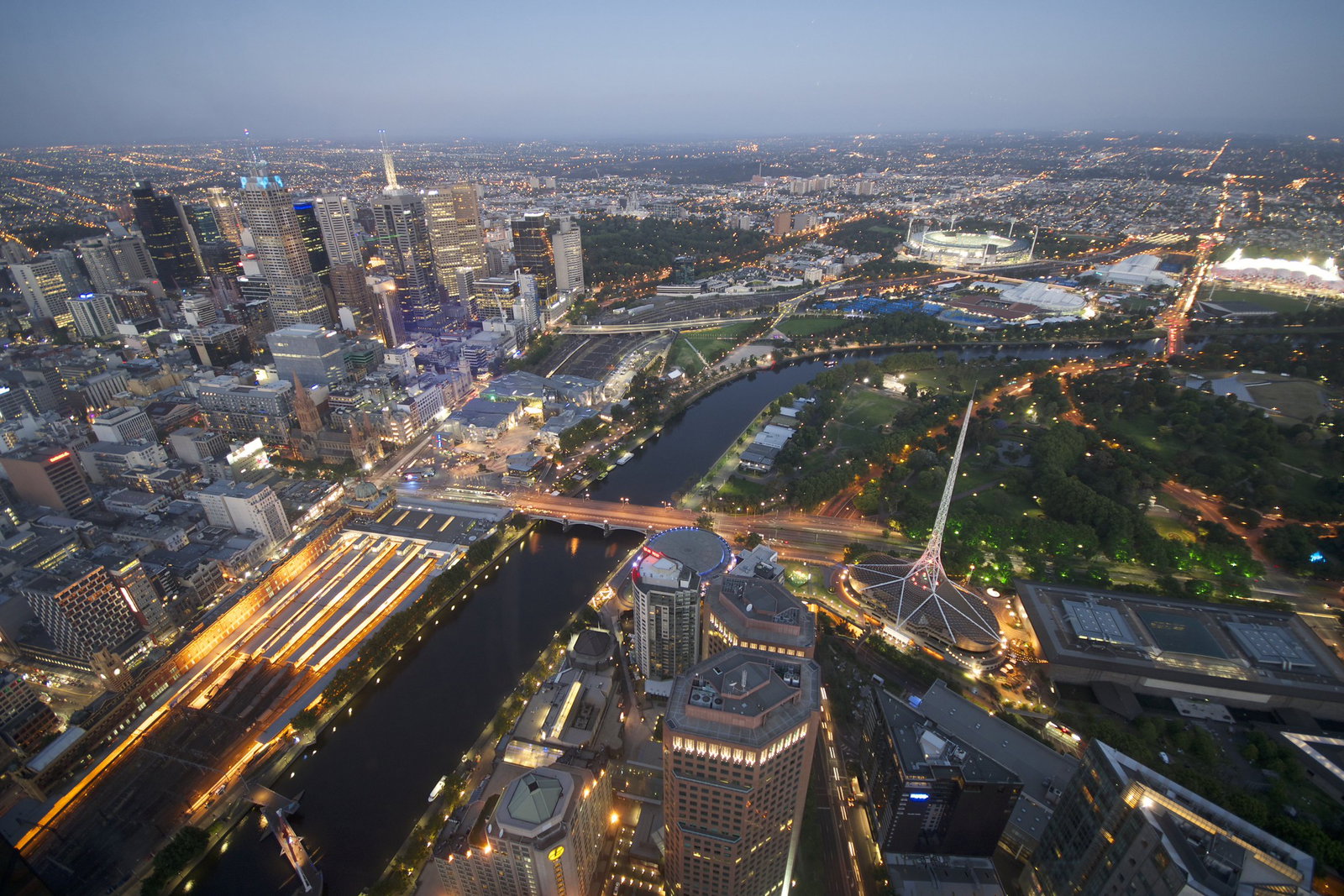
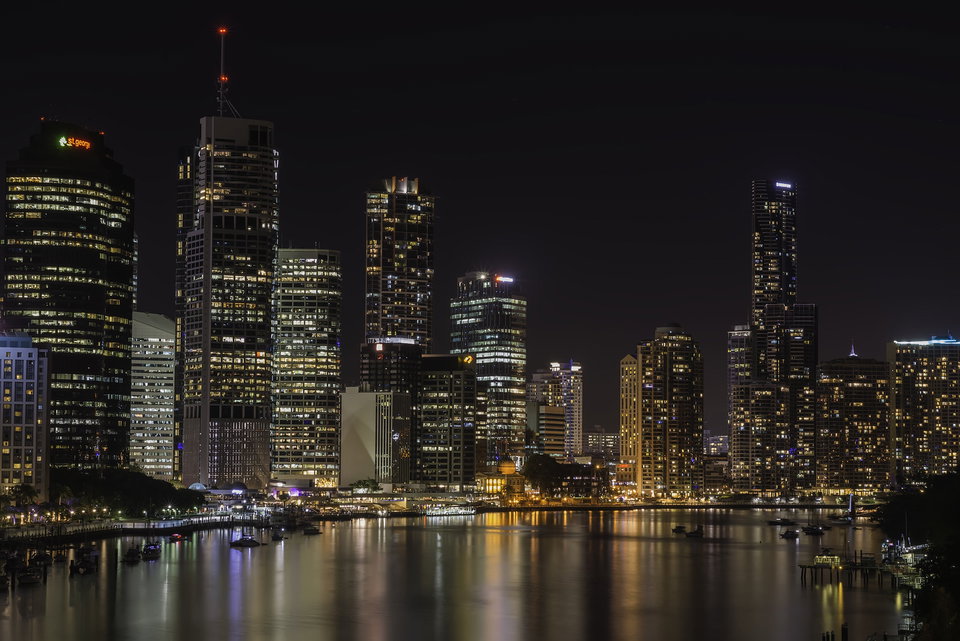
Melbourne city skyline reflected in the Yarra River at dusk, with the Southbank promenade lit up

Destination guide

Melbourne

Victoria, South-East Australia · Australia

Australia's cultural capital — laneways, coffee, sport, and world-class food

Best season

March to May (autumn) and September to November (spring) for mild weather and major events

From Nairobi

Approx. 14–16 hrs (usually via Dubai, Doha, or Singapore; no direct service)

Why visit Melbourne?

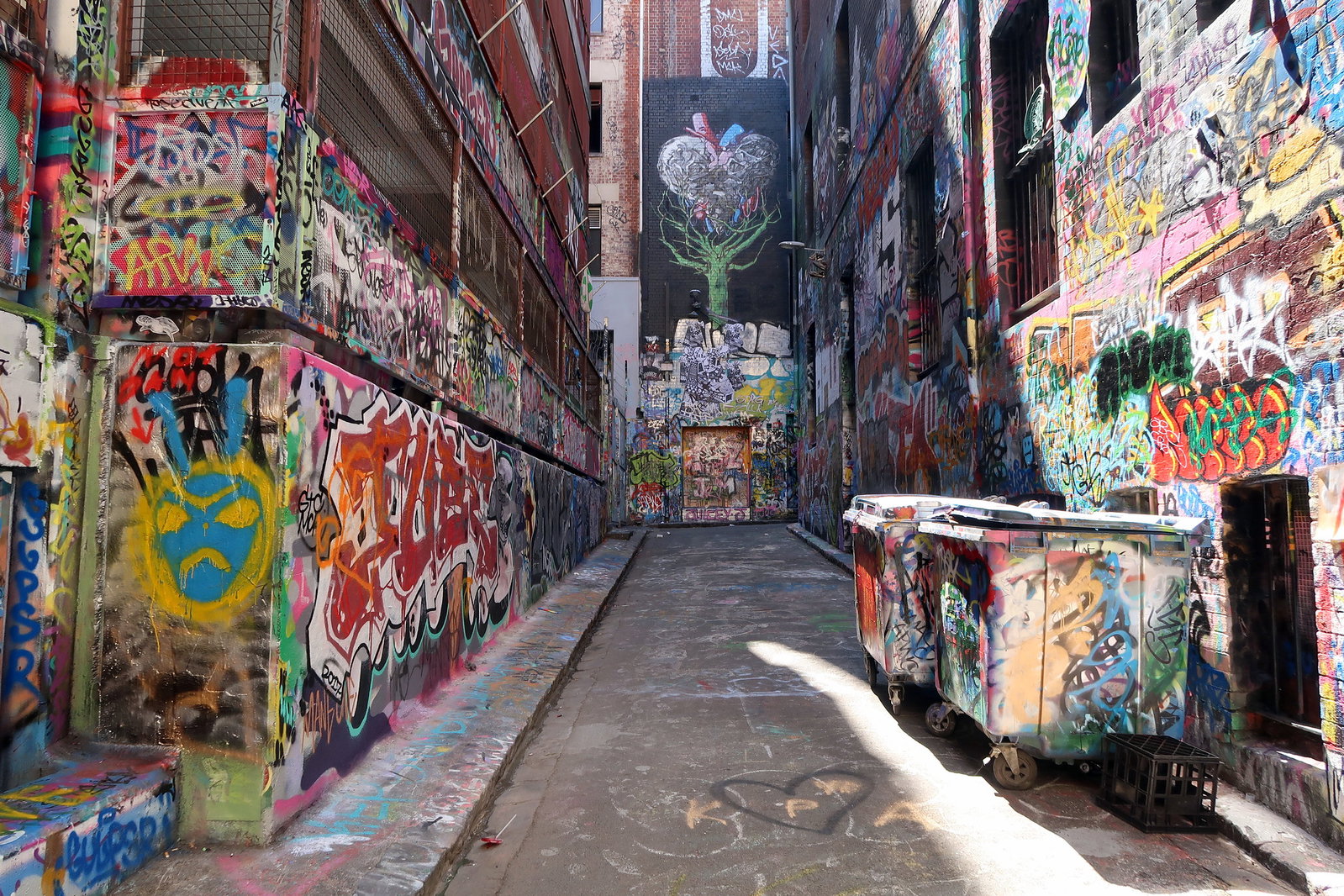
Melbourne earns its reputation as Australia's most liveable city through sheer variety. Its famous laneway culture — think hidden espresso bars, contemporary galleries, and boutique vinyl shops tucked between Flinders Lane and the CBD grid — rewards the curious walker. The food scene spans hawker-style Vietnamese in Footscray, Cantonese yum cha in Box Hill, wood-fired Neapolitan pizza in Fitzroy, and hatted fine-dining along Southbank, all underpinned by some of the world's best flat whites.

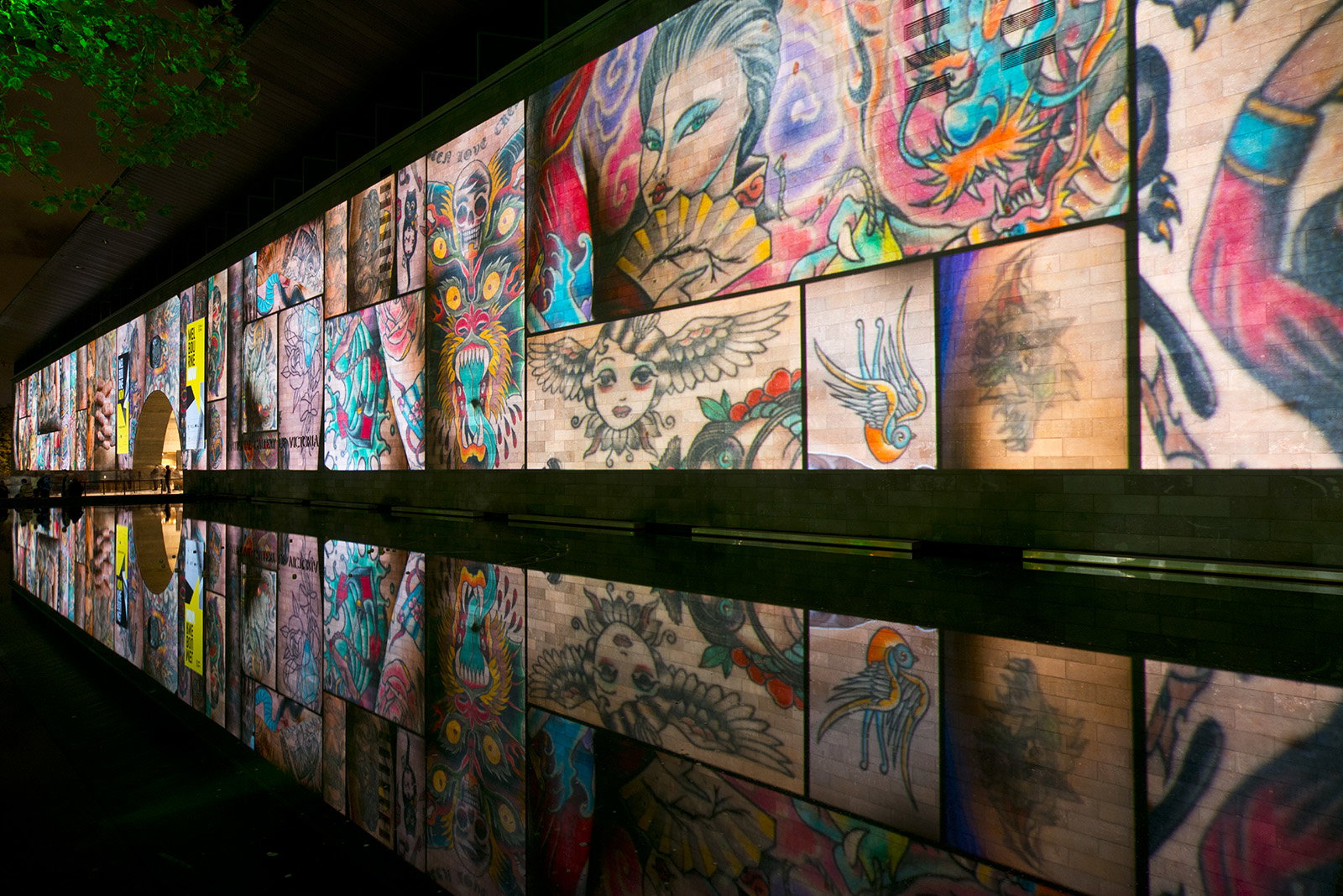
Beyond eating and drinking, Melbourne is a genuine arts city: the NGV International (the oldest public art museum in Australia), the Australian Centre for the Moving Image (ACMI), and a thriving live-music circuit that has produced more original bands per capita than almost anywhere on Earth keep the cultural calendar full year-round.

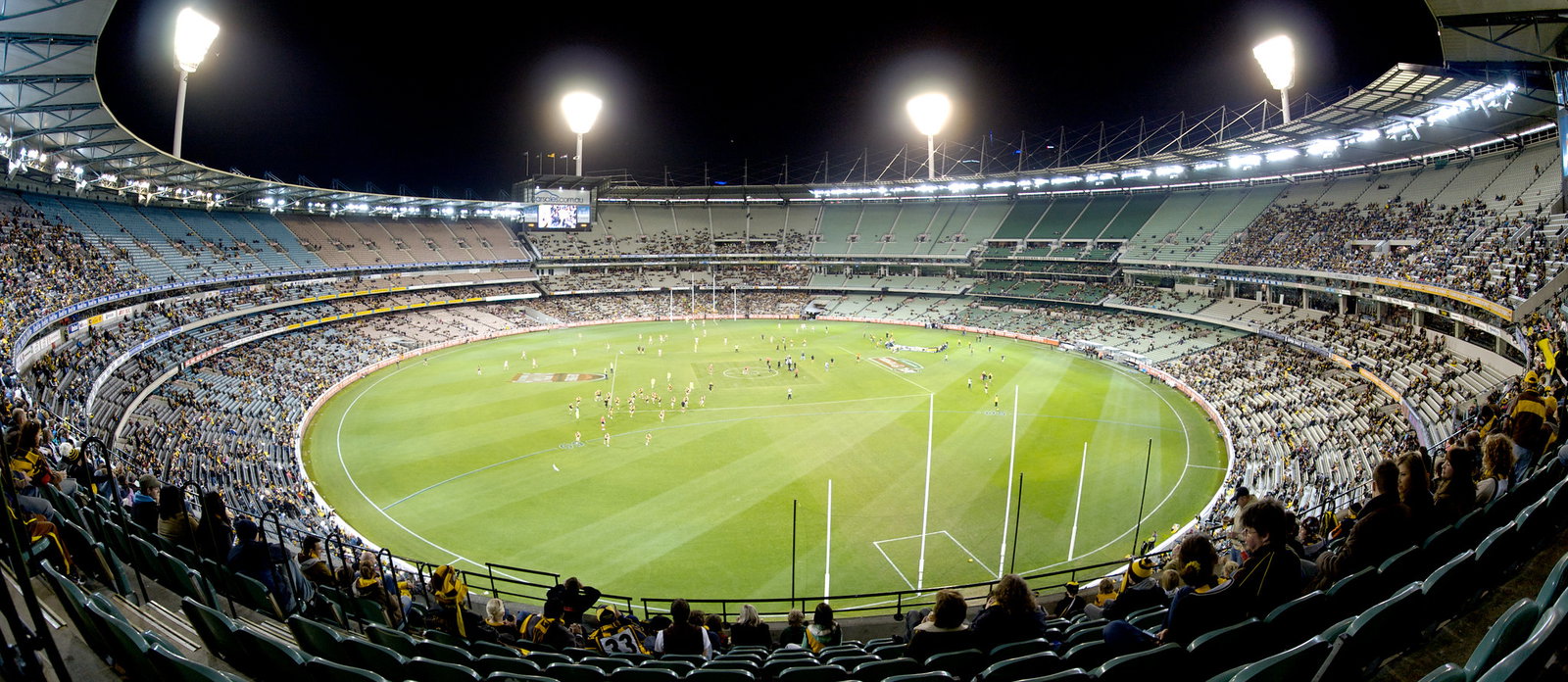
Sport is a religion here. The Melbourne Cricket Ground (MCG), seating 100,000+, hosts the Boxing Day Test and the AFL Grand Final. Rod Laver Arena draws the world's top tennis players every January for the Australian Open. And Albert Park turns into a Formula 1 circuit each March.

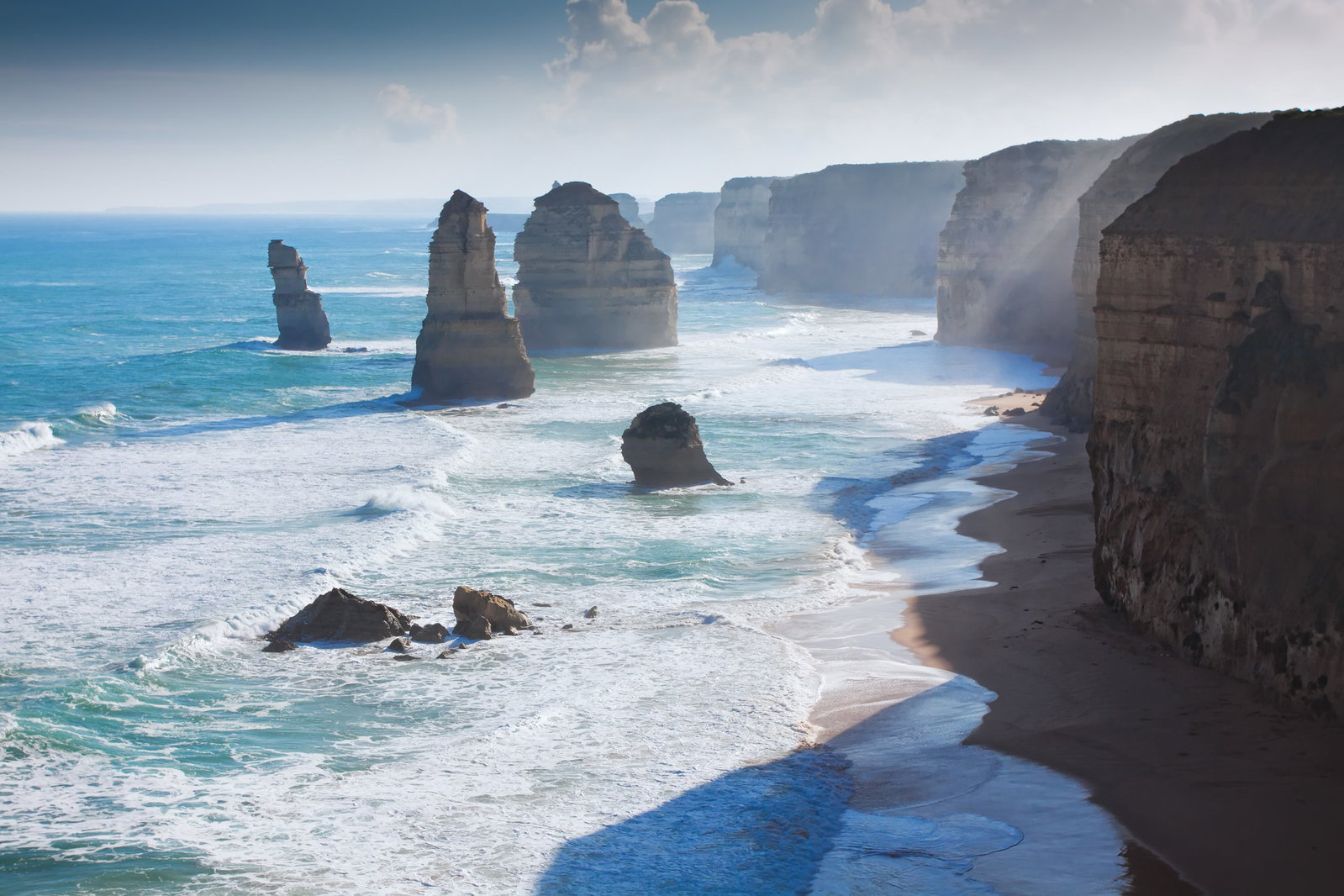
Day trips make the city an ideal base: the Great Ocean Road and its Twelve Apostles limestone stacks lie three hours south-west; Phillip Island's penguin parade is 90 minutes away; and the cool-climate Yarra Valley wineries are under an hour from the CBD.

  • Explore Hosier Lane's ever-changing street art — one of the world's most photographed laneways
  • Sip a flat white at a hidden espresso bar and join the city that set the global specialty-coffee standard
  • Catch a live match at the MCG — the spiritual home of Australian Rules football and cricket
  • Day-trip to the Great Ocean Road and stand beside the Twelve Apostles before the tour buses arrive
  • Browse the NGV International's free permanent collection, the largest in the Southern Hemisphere
  • Eat your way around the world in neighbourhoods like Fitzroy, Footscray, Richmond, and Carlton

Best for

Culture lovers, foodies, coffee snobs, sports fans, families, and city-break travellers

Trip style

City break, cultural immersion, food & wine, sports tourism, day-trip hub

Known for

Laneway café culture, world-class food scene, NGV art museum, AFL football, Australian Open tennis, street art in Hosier Lane, the Great Ocean Road day trip

Quick facts

Best time to visit

March to May (autumn) and September to November (spring) for mild weather and major events

Currency

Australian Dollar (AUD)

Languages

English (Australian)

Visa summary

Most nationalities need an Electronic Travel Authority (ETA) or eVisitor visa, obtained online before travel. Some passport holders qualify for a visa on arrival.

Flight time from Nairobi

Approx. 14–16 hrs (usually via Dubai, Doha, or Singapore; no direct service)

Airport / arrival

Melbourne Airport (MEL / Tullamarine) is 23 km north-west of the CBD. The SkyBus express coach (30–40 min) and taxis/rideshares connect to the city; a rail link is under construction.

Safety note

Generally very safe. Standard urban precautions apply in the CBD at night and around public transport hubs.

Visa and entry

Look up entry rules by passport for travel to Australia on the Tsavaro visa checker.

Check visa requirements for Australia

Things to do

Wander the CBD lanewaysCulture & Exploration

Wander the CBD laneways

Half day

Melbourne's grid of Victorian-era laneways — Degraves Street, Centre Place, Hardware Lane, Hosier Lane — is the city's beating heart. Espresso bars, bookshops, and galleries fill every nook. Allow a morning to get deliberately lost.

Visit the National Gallery of Victoria (NGV)Museums & Art

Visit the National Gallery of Victoria (NGV)

2–4 hours

Australia's oldest and most-visited art museum holds over 75,000 works spanning ancient to contemporary. The Great Hall's stained-glass ceiling and the free permanent collection alone justify the visit. Major ticketed exhibitions run year-round.

Day trip: Great Ocean RoadDay Trip & Nature

Day trip: Great Ocean Road

Full day (self-drive or guided tour)

One of the world's great coastal drives stretches 240 km along Victoria's south-west coast. Highlights include Bells Beach (surfing mecca), the seaside town of Lorne, and the Twelve Apostles limestone stacks at Port Campbell. Leave early to beat the crowds.

Catch a match at the Melbourne Cricket GroundSport

Catch a match at the Melbourne Cricket Ground

Half to full day

The MCG — 'the G' to locals — seats 100,024 and is the spiritual home of cricket and Australian Rules football. Attending a Big Bash, Boxing Day Test, or AFL final here is a bucket-list experience regardless of your sporting allegiance.

Explore the Queen Victoria MarketFood & Markets

Explore the Queen Victoria Market

2–3 hours

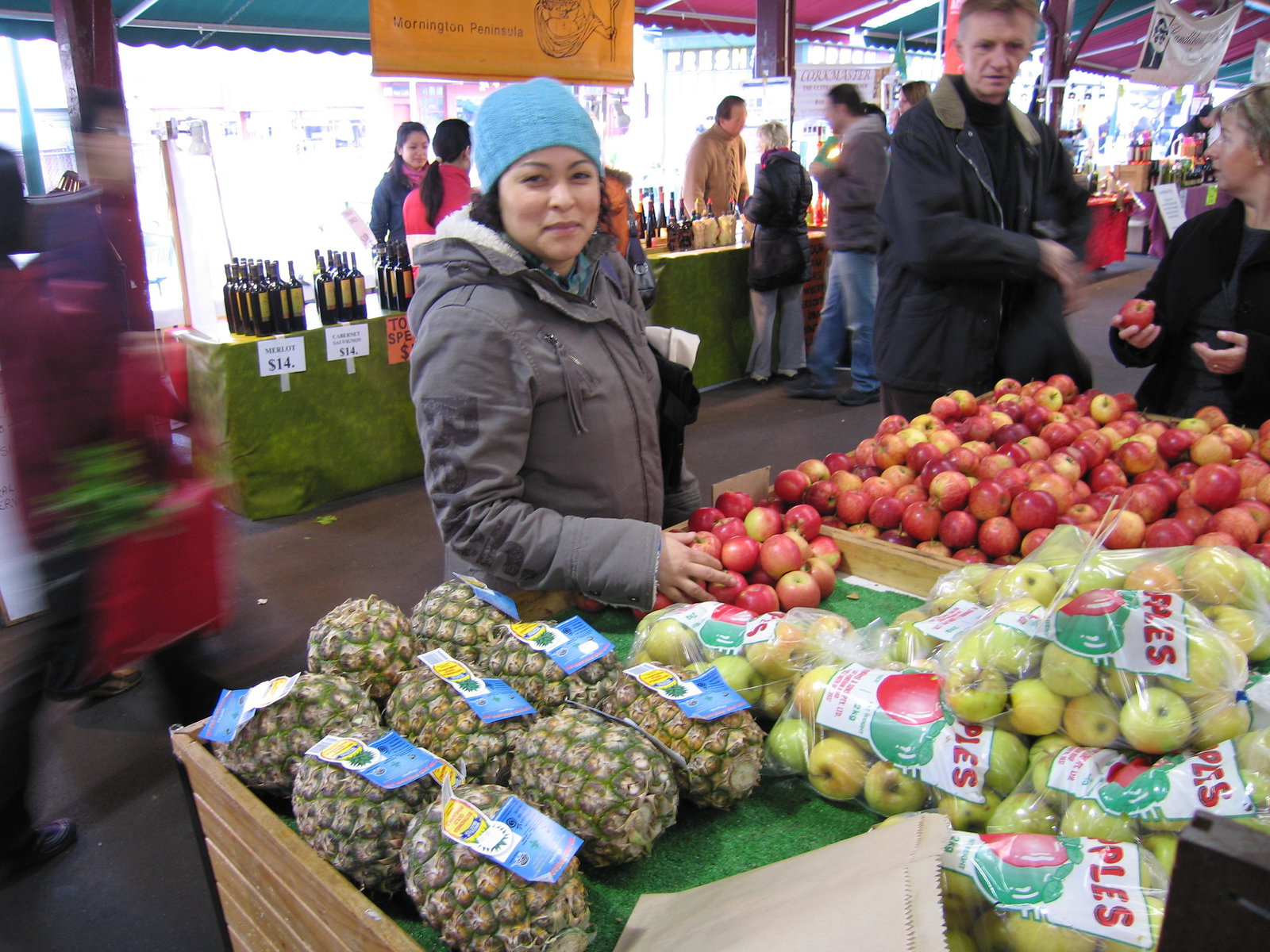
Open since 1878, the 'Vic Market' is the largest open-air market in the Southern Hemisphere. Come on weekday mornings for the freshest produce, or Saturday for street food and vintage finds. Summer and winter night markets add a festive dimension.

Yarra Valley wine & food day tripDay Trip & Food & Wine

Yarra Valley wine & food day trip

Full day

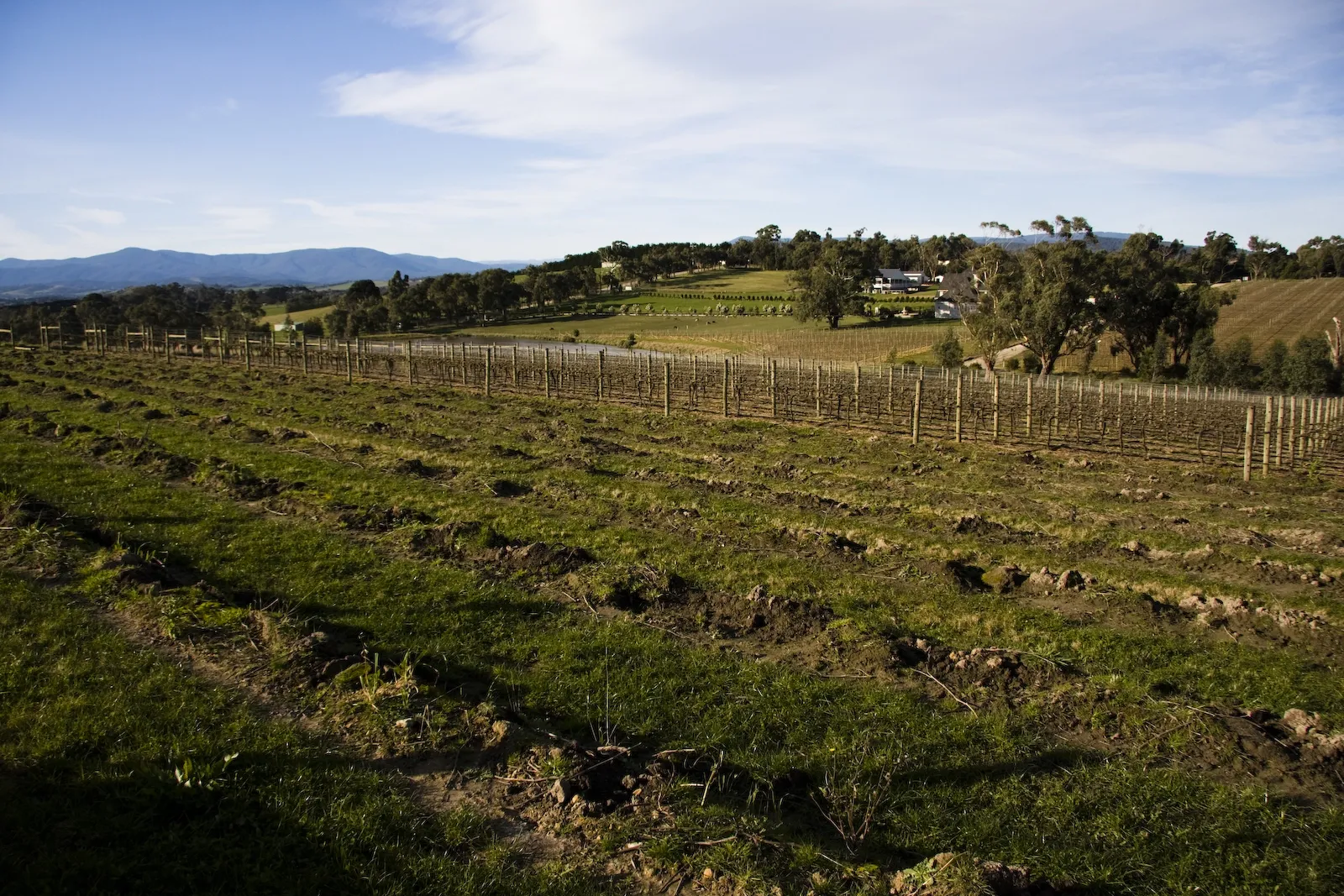
Under an hour from the CBD, the Yarra Valley is one of Australia's coolest-climate wine regions, producing excellent Pinot Noir and Chardonnay. Combine a cellar-door tasting trail with lunch at a winery restaurant and, optionally, a stop at the Healesville Sanctuary wildlife park.

Best time to visit Melbourne

The best time to visit Melbourne is during autumn (March to May) and spring (September to November), when temperatures are mild (15–23°C), skies are often clear, and the city's events calendar is at its busiest.

Autumn (March–May): The Australian Open wraps up in late January, but March brings the Formula 1 Australian Grand Prix at Albert Park. Autumn foliage colours the Yarra Valley and Dandenong Ranges. Temperatures are warm without summer humidity.

Spring (September–November): The AFL season climaxes with the Grand Final in late September (one of the world's great sporting occasions). Spring Racing Carnival — headlined by the Melbourne Cup in November — draws global visitors. Gardens bloom, outdoor dining peaks, and the city feels energised.

Summer (December–February): Temperatures average 25°C but can spike above 40°C during heatwaves, which can affect outdoor plans. Summer is peak season for beaches, outdoor concerts, and the Australian Open (January). Book accommodation well in advance.

Winter (June–August): Melbourne's winters are cool and rainy (8–14°C) but rarely severe. This is the low-tourism season with the best hotel rates. The city's café, bar, and live-music culture makes it an appealing urban destination year-round, and the NGV major winter exhibition is typically a highlight.

Is Melbourne safe to visit?

Yes — Melbourne is one of the safest major cities in the world for tourists. It consistently ranks in the top ten of the Economist Intelligence Unit's Global Liveability Index, and violent crime against visitors is rare.

CBD and transport: The city centre is well-lit and heavily foot-trafficked until late. As in any large city, be aware of your surroundings around major transport hubs (Flinders Street Station, Southern Cross Station) late at night, particularly on weekends. Keep valuables out of sight on trams and trains.

Neighbourhoods: Virtually all tourist areas — the CBD, Fitzroy, Collingwood, South Yarra, St Kilda, Carlton, Richmond — are safe to walk at night. Areas to be mildly cautious of after dark include stretches of Swanston Street late on Friday and Saturday nights.

Road safety: Drive on the left. Melbourne's tram network means you must stop behind trams when passengers board and alight (the 'safety zone' rule). Speed cameras and red-light cameras are widespread.

Nature and sun: UV levels are extremely high (often 10+) even on overcast summer days. Slip, slop, slap — use SPF 50+ sunscreen, a hat, and UV-protective clothing. If you swim at ocean beaches, check surf conditions and swim between the red-and-yellow flags.

Emergency number: 000 (police, fire, ambulance).
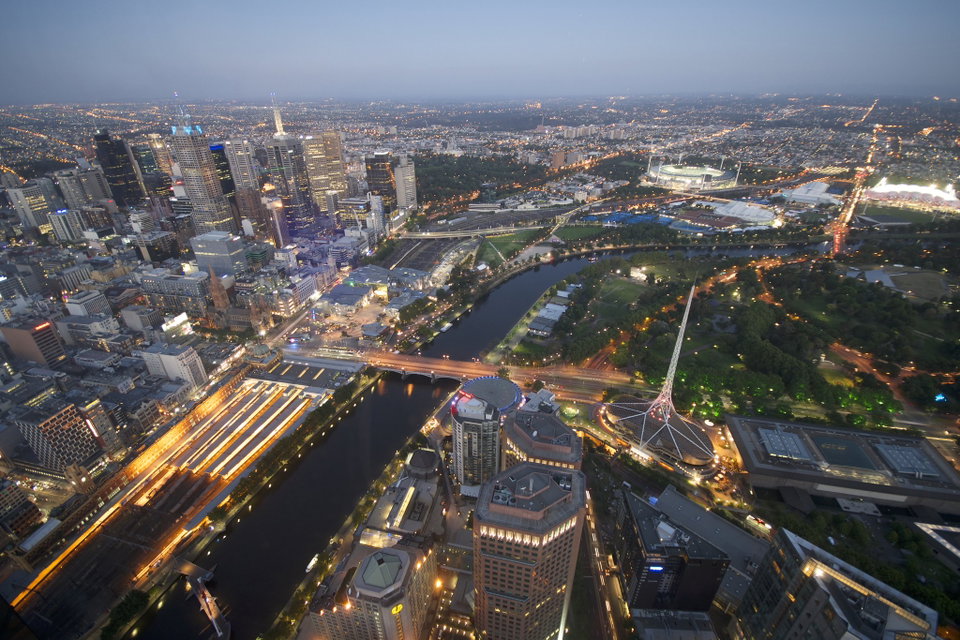
Suggested itinerary

Melbourne in 5 days: city culture, great food, and one epic road trip

This plan is based on a mid-range budget, staying in the CBD or inner suburbs (Fitzroy/South Yarra), with one full-day road trip. Public transport and walking cover most city days; a hire car or tour is needed for the Great Ocean Road.

Day 1

Arrive, orientate, and hit the laneways

Check in and walk south to Flinders Street Station — the city's social hub and its most-photographed building. Cross to Federation Square to get your bearings, then disappear into the laneway grid: Degraves Street for your first Melbourne flat white, Hosier Lane for street art, Centre Place for lunch. End the afternoon at the NGV International on St Kilda Road (free entry to the permanent collection), then walk along the Yarra to Southbank for dinner.

Melbourne — Arrive, orientate, and hit the laneways

Travel essentials

Getting around

Melbourne has an integrated public transport network (myki card) covering trams, trains, and buses. The tram network is the largest in the world and travel within the CBD Free Tram Zone is always free. Trains connect the CBD to inner suburbs and airport (SkyBus or taxi to MEL). Rideshares (Uber, Ola, DiDi) are widely available. Hire cars are best reserved for Great Ocean Road, Yarra Valley, and Phillip Island day trips.

Typical costs

Mid-range daily budget: AUD 150–250 per person (hostel dorm AUD 35–55/night; 3-star hotel AUD 150–250; café breakfast AUD 15–22; restaurant lunch AUD 20–35; dinner with wine AUD 60–100). Coffee: AUD 5–6. Public transport day cap: AUD ~10.60. Many major attractions (NGV permanent collection, Royal Botanic Gardens, State Library) are free.

Culture and etiquette

Australians are informal and egalitarian — first names are standard even in professional settings. Tipping is not expected but is appreciated for exceptional service (10% is generous). Queue etiquette is taken seriously: join the back of any line. Coffee culture is a local passion — ordering a 'latte' is fine, but prepare to have opinions about your local roaster.

Safety and planning

Australia has reciprocal Medicare health agreements with a handful of countries — check before travel. Comprehensive travel insurance is strongly recommended. Sun protection is essential year-round. Keep a photocopy or digital scan of your passport. Emergency: dial 000.

Connectivity

4G/5G coverage is excellent throughout Melbourne and most of Victoria. Free public Wi-Fi is available at Federation Square, the State Library, many cafés, and all major shopping centres. A local SIM (Telstra, Optus, or Vodafone) from the airport or any phone shop offers affordable short-term data plans.

Payments

Australia is largely cashless — tap-to-pay (Visa, Mastercard, Amex) is accepted almost everywhere, including market stalls. ATMs are widely available. International cards may attract a 1–3% foreign transaction fee; Wise, Revolut, or a travel money card avoids this. Sunday and public-holiday surcharges of 10–15% are standard at restaurants — this is legal and displayed on the menu.

Melbourne travel FAQs

More destinations to explore

Melbourne, Australia