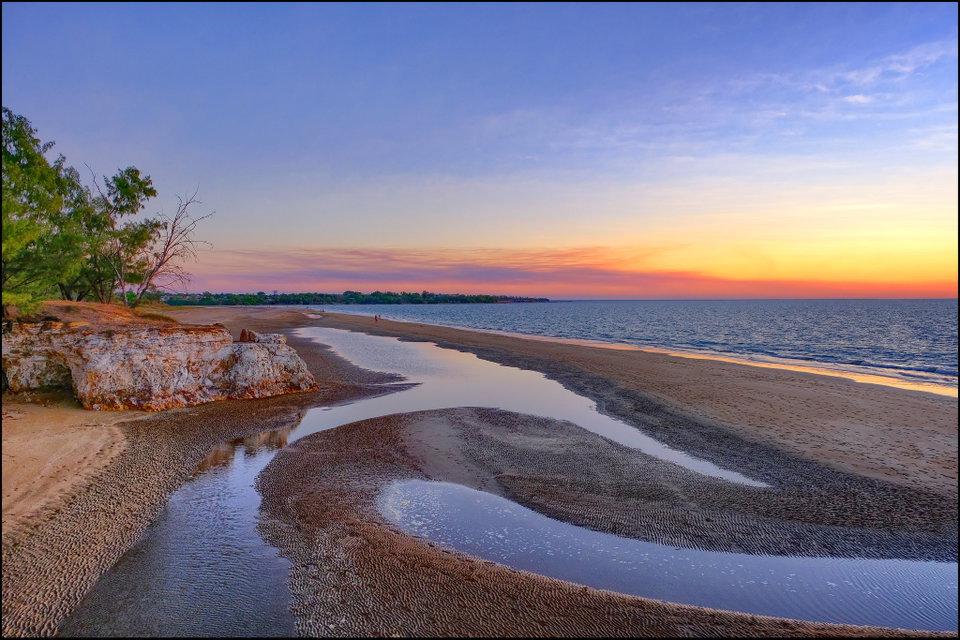
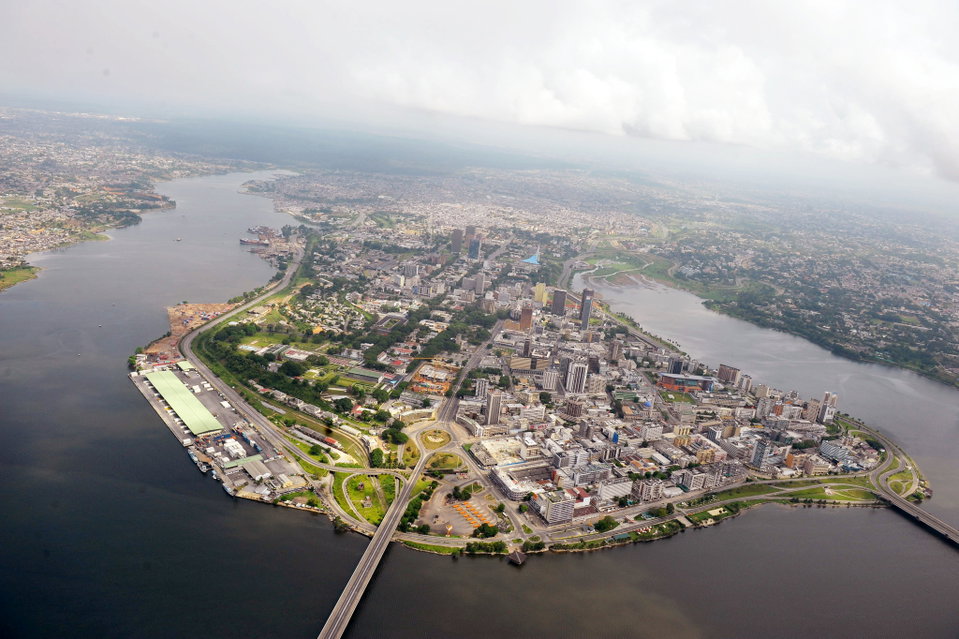
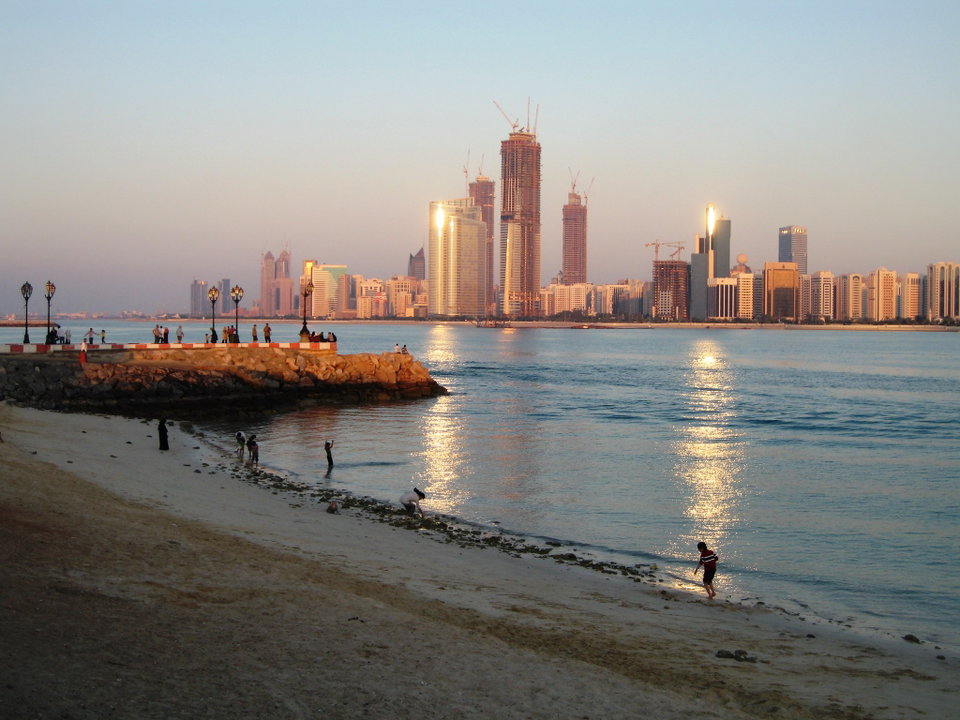
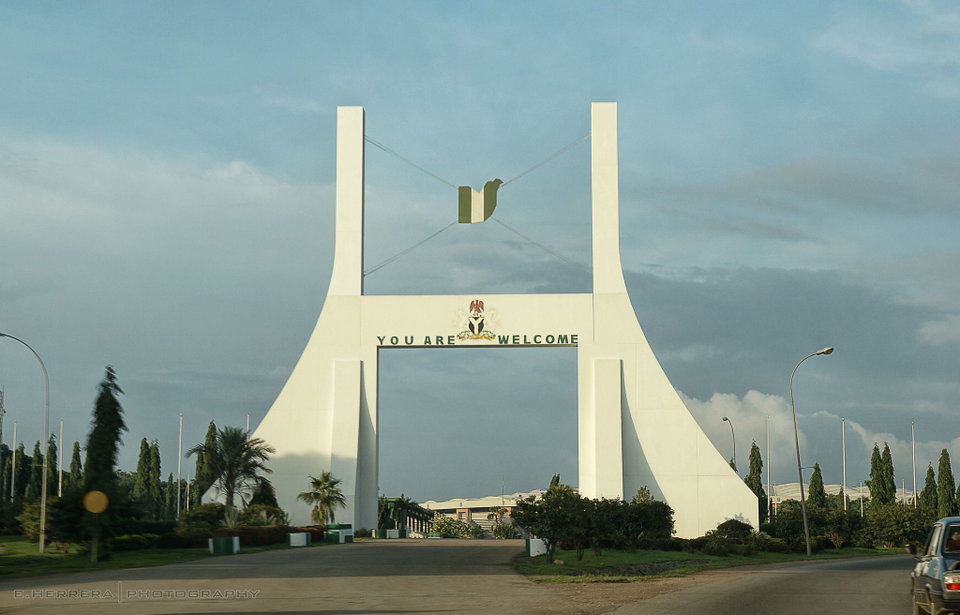
Aerial view of Canberra with Lake Burley Griffin in the foreground and Parliament House on Capitol Hill beyond

Destination guide

Canberra

Australian Capital Territory · Australia

Australia's purpose-built capital — world-class museums, lakeside parks, and a thriving food scene without the tourist crush.

Best season

March–May (autumn) for golden foliage and mild temperatures; September–October (spring) for Floriade festival and blooming gardens.

From Nairobi

Approximately 17–20 hours via a single stopover (typically Dubai, Singapore, or Kuala Lumpur) to Sydney or Melbourne, then a 35–50 min onward flight to Canberra Airport.

Why visit Canberra?

Few capitals in the world are so deliberately designed, and that intentionality shows: Canberra's geometry — streets radiating from the Parliamentary Triangle, Lake Burley Griffin at its heart — creates a city that is easy to read, easy to cycle, and visually striking from almost any vantage point.

The National Museum of Australia, the Australian War Memorial, the National Gallery of Australia (home to the southern hemisphere's largest art collection), and the National Portrait Gallery are all free to enter and of genuine world standard. Spread them across two days and you'll still want more time.

Beyond the institutions, Canberra has quietly grown one of Australia's most interesting food and drink scenes. The city's cool continental climate is perfect for pinot noir and riesling, and more than 30 cellar doors operate within an hour's drive. The Braddon and NewActon precincts buzz with independent cafés, share-plate restaurants, and craft breweries.

For outdoor enthusiasts, Namadgi National Park covers 46 percent of the ACT, offering everything from short nature walks to multi-day alpine hikes. Tidbinbilla Nature Reserve provides near-guaranteed wildlife spotting — kangaroos, wombats, and platypus — without the theme-park atmosphere.
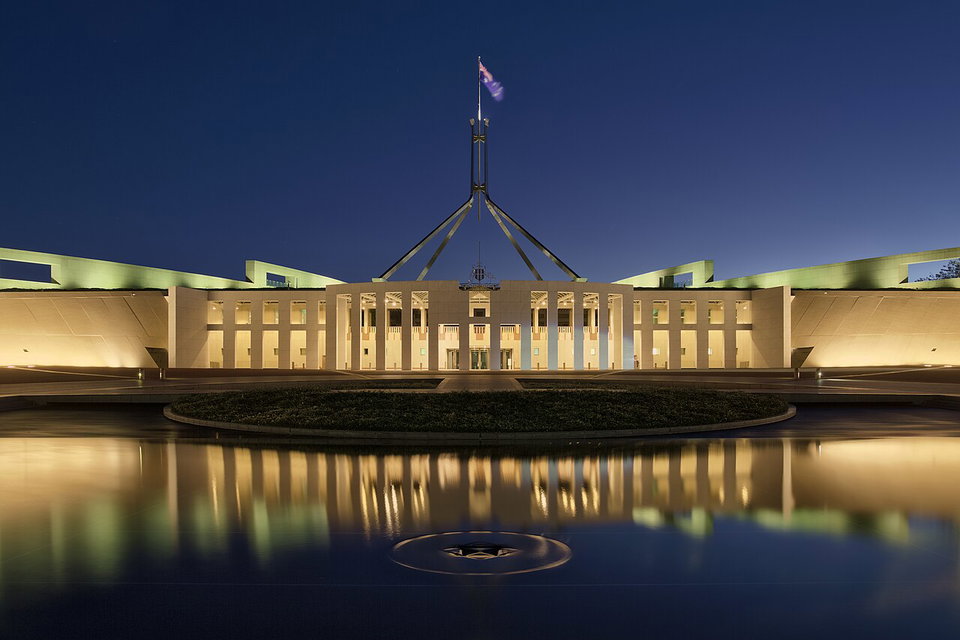
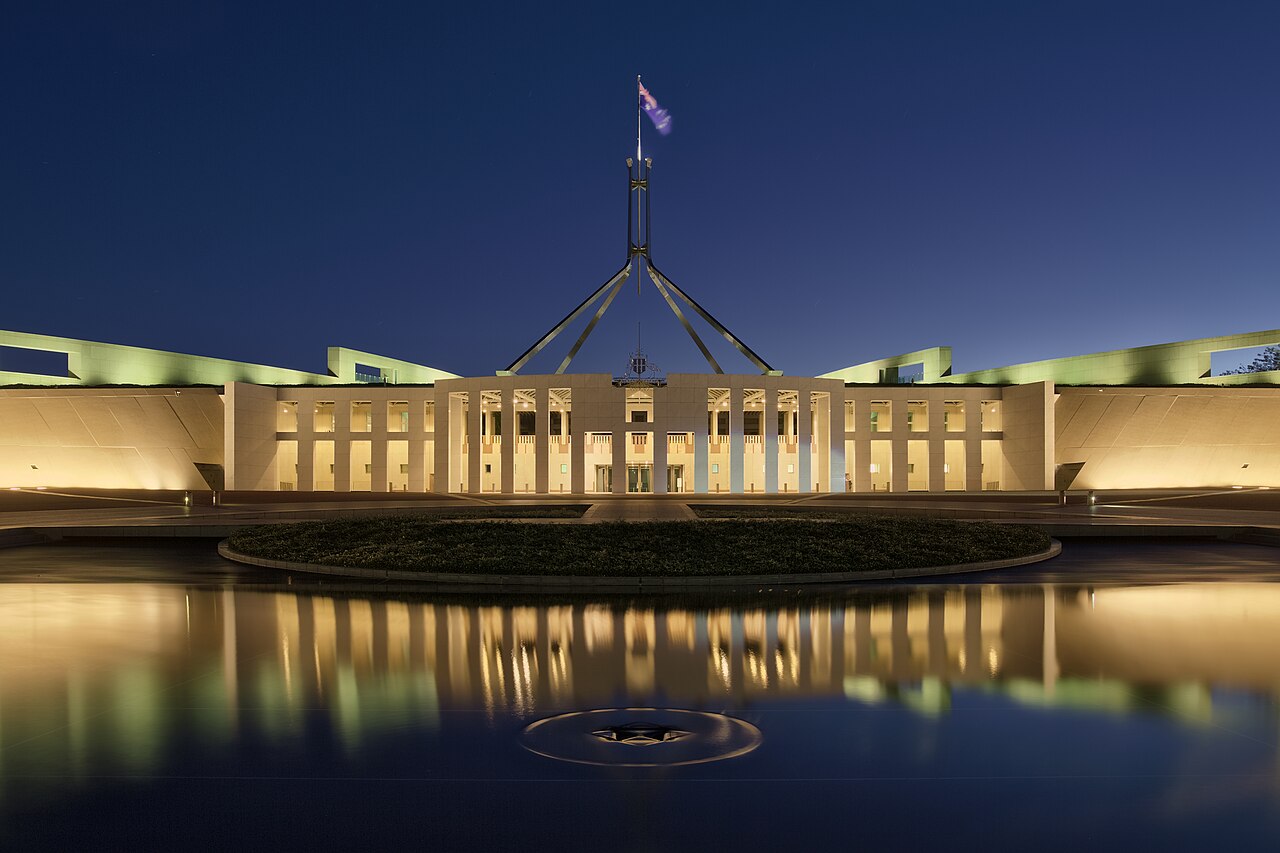
  • Free entry to the nation's finest museums and galleries — the National Gallery alone holds 170,000+ works.
  • Cycle or kayak around Lake Burley Griffin with Parliament House as your backdrop.
  • Over 30 cool-climate cellar doors within an hour's drive — world-class riesling and pinot noir.
  • Floriade, Australia's biggest flower festival, transforms Commonwealth Park every September–October.
  • Kangaroos graze on Parliament House lawns and in suburban parks — wildlife spotting needs no safari.
  • 46% of the ACT is protected national park, with alpine trails and Tidbinbilla's platypus pools just 40 minutes from the CBD.

Best for

History lovers, museum devotees, foodies, wine travellers, cycling enthusiasts, families, and anyone tired of paying a premium for beach-town crowds.

Trip style

Cultural city break, food and wine tour, family educational trip, weekend escape from Sydney or Melbourne.

Known for

Parliament House, the Australian War Memorial, National Gallery of Australia, Floriade festival, cool-climate wine region, Lake Burley Griffin cycling paths.

Quick facts

Best time to visit

March–May (autumn) for golden foliage and mild temperatures; September–October (spring) for Floriade festival and blooming gardens.

Currency

Australian Dollar (AUD)

Languages

English

Visa summary

Most visitors need an Electronic Travel Authority (ETA) or eVisitor visa, applied for online before departure. New Zealand citizens enter visa-free.

Flight time from Nairobi

Approximately 17–20 hours via a single stopover (typically Dubai, Singapore, or Kuala Lumpur) to Sydney or Melbourne, then a 35–50 min onward flight to Canberra Airport.

Airport / arrival

Canberra Airport (CBR) is 8 km from the city centre — about 15 minutes by taxi or rideshare. No direct rail link; taxis, Uber, and car hire are available curbside.

Safety note

Canberra consistently ranks among Australia's safest cities. Petty crime is low; standard urban awareness applies.

Visa and entry

Look up entry rules by passport for travel to Australia on the Tsavaro visa checker.

Check visa requirements for Australia

Things to do

Explore the Australian War Memorial

2–4 hours

One of the world's great war memorials, the AWM combines a moving commemorative courtyard with a vast museum tracing Australia's military history from colonial conflicts to Afghanistan. The Last Post Ceremony is held every evening at 4:55 pm — arrive 20 minutes early.

Visit the National Gallery of Australia

2–3 hours

The NGA holds the southern hemisphere's largest art collection — over 170,000 works spanning Indigenous Australian art, European masters, Asian decorative arts, and contemporary photography. The Aboriginal and Torres Strait Islander galleries are unmissable. Entry to the permanent collection is free.

Tour Parliament House

1–2 hours

Opened in 1988 and buried beneath Capitol Hill, Parliament House is an architectural marvel you can explore for free. Walk the public galleries, view the Great Hall tapestry, climb to the grass-covered roof for panoramic views, and — when Parliament is sitting — watch Question Time from the public gallery.

Cycle around Lake Burley Griffin

2–4 hours

The 35 km loop around Lake Burley Griffin is flat, beautifully landscaped, and lined with monuments, galleries, and parkland. Hire a bike from the City and Lakeside precincts or bring your own. The loop passes the Captain Cook Memorial Water Jet, Commonwealth Park, and the National Carillon.

Wine tasting in the Canberra District

Full day

The Canberra District wine region is one of Australia's best-kept secrets, producing exceptional riesling, shiraz, and pinot noir from high-altitude vineyards. Clonakilla, Mount Majura, and Nick O'Leary are must-visits. Most cellar doors are within 40–60 minutes of the CBD.

Wildlife spotting at Tidbinbilla Nature Reserve

Half to full day

Just 40 km from the city, Tidbinbilla is the easiest place in Australia to see platypus in the wild — head to the wetlands at dusk. The reserve also shelters koalas, wombats, eastern bettongs, and thousands of waterbirds. Entry is by vehicle fee; guided walks are available on weekends.

Floriade — Australia's biggest flower festival

2–4 hours

Every September and October, Commonwealth Park is blanketed with one million blooms in an extravagant display. Live music, food markets, and NightFest (evening illuminations) run alongside the gardens. Book accommodation well in advance — the city fills quickly.

Eat and drink in Braddon and NewActon

Evening

Braddon's Lonsdale Street strip and the NewActon precinct are Canberra's culinary heartland — independent cafés, acclaimed share-plate restaurants, rooftop bars, and craft breweries packed into walkable blocks. Don't miss Brodburger, Onzieme, and the Bentspoke Brewing taproom.

Best time to visit Canberra

The best time to visit Canberra is March to May (autumn) or September to October (spring).

Autumn (March–May) is widely considered the finest season: deciduous trees planted throughout the city's parks and avenues turn vivid gold and red, temperatures are comfortably cool (12–20°C), and the Canberra Balloon Spectacular fills the skies in March. It's the most photogenic time of year.

Spring (September–October) brings Floriade, Australia's largest flower festival, when Commonwealth Park erupts with one million tulips, daffodils, and seasonal blooms. Temperatures warm to 14–23°C and the city's outdoor café culture comes alive. Book accommodation 2–3 months ahead if you plan to visit during Floriade.

Summer (December–February) is hot (25–34°C) and occasionally smoky from bushfires in the surrounding ranges, but it's peak festival season and the long daylight hours suit outdoor activities. Accommodation is generally easier to find than in spring.

Winter (June–August) is cold — nights regularly drop to 0–2°C and frost is common — but the city's museums and galleries are uncrowded, and Canberra's restaurant scene doesn't slow down. The Snowy Mountains (2.5 hours south) offer skiing at Perisher and Thredbo, making winter a natural twin-centre option.

Is Canberra safe to visit?

Yes — Canberra is one of Australia's safest cities and is consistently ranked among the safest capitals in the developed world. Violent crime rates are very low, and the city's well-lit, walkable precincts mean solo and family travellers rarely encounter problems.

Petty theft (bag snatching, car break-ins) does occur but is uncommon by international standards. Keep valuables out of sight in parked cars, particularly at trailhead car parks near Namadgi National Park.

Bushfire smoke can be a seasonal hazard in summer and early autumn when fires burn in the surrounding ranges. Monitor the ACT Emergency Services Agency alerts and avoid outdoor exercise on days with poor air quality.

Wildlife awareness: kangaroos are abundant in suburban parks and on rural roads — reduce speed at dawn and dusk when driving outside the city. Venomous snakes and spiders exist in nature reserves; stick to marked paths and wear closed shoes on bush walks.

Canberra's public transport (the light rail and bus network) is safe and reliable. Rideshares (Uber and Ola) operate city-wide. Tap water is safe to drink throughout the ACT.

Suggested itinerary

Canberra in 4 Days: Capital, Culture & Cool-Climate Wine

This plan is designed for a first-time visitor based in the CBD, travelling at a relaxed cultural pace with one day trip. It suits budget-to-mid-range travellers (most major attractions are free) and uses a hire car or rideshare for the wine-region and Tidbinbilla days.

Day 1

The Parliamentary Triangle & Lake Burley Griffin

Start with a free tour of Parliament House, allowing time to climb the grass roof for your first panoramic view of the Burley Griffin plan laid out below. Walk down to the lake foreshore and hire a bike to ride the southern arc past the National Carillon and Kings Avenue Bridge.

After lunch at the Museum of Australian Democracy café (in the elegant old Parliament House), spend the afternoon in the National Portrait Gallery — small, beautifully curated, and never crowded. End the day with dinner in the Barton or Kingston precincts, within easy walking distance of most CBD hotels.

Canberra — The Parliamentary Triangle & Lake Burley Griffin

Travel essentials

Getting around

Canberra is a spread-out city and a hire car gives the most flexibility, especially for the wine region and Tidbinbilla. Within the CBD and inner suburbs, the light rail (connecting Gungahlin to the City Centre) and an extensive bus network (Transport Canberra) cover most tourist needs. Cycling is practical along the Lake Burley Griffin loop and inner-city paths. Rideshares (Uber, Ola) fill the gaps.

Typical costs

Canberra is mid-range by Australian standards. Budget travellers can do very well — most major museums and galleries are free. Hostel dorms from AUD 35/night; mid-range hotels AUD 160–250/night; boutique hotels AUD 280–450/night. Café lunches AUD 18–25; restaurant dinners AUD 55–90 per person with drinks. Cellar-door tastings typically AUD 10–20, often redeemable on wine purchase. Hire car from AUD 55/day.

Culture and etiquette

Australia has a relaxed, informal culture — first names are used immediately and tipping is appreciated but not expected (rounding up or 10% for excellent service is the norm). Canberra is notably multicultural for a smaller city, and Indigenous culture is accorded high respect; listen attentively to any Welcome to Country ceremony. Dress is smart-casual even at most upscale restaurants. BYO (bring your own wine) restaurants are common — check ahead.

Safety and planning

Purchase comprehensive travel insurance before departure. The Australian emergency number is 000 (police, fire, ambulance). For non-emergencies, contact the ACT Policing on 131 444. Register your trip with your country's foreign affairs department if travelling long-term. Carry sun protection year-round — UV levels are high even on cool days.

Connectivity

4G/5G mobile coverage is excellent throughout the CBD and inner suburbs. Telstra offers the widest rural coverage if you're venturing into Namadgi or the wine region. Free public Wi-Fi is available at Canberra Airport, the National Library, and most major cultural institutions. Hotel and hostel Wi-Fi is standard. Local SIMs are inexpensive and readily available at the airport and convenience stores.

Payments

Australia is largely cashless — credit and debit cards (Visa, Mastercard) are accepted almost everywhere, including farmers' markets and food trucks. Tap-to-pay (contactless) is ubiquitous. ATMs are plentiful in the CBD. Some cellar doors and rural farm stalls prefer cash; carry AUD 50–100 as backup when venturing into the wine region.

Canberra travel FAQs

More destinations to explore