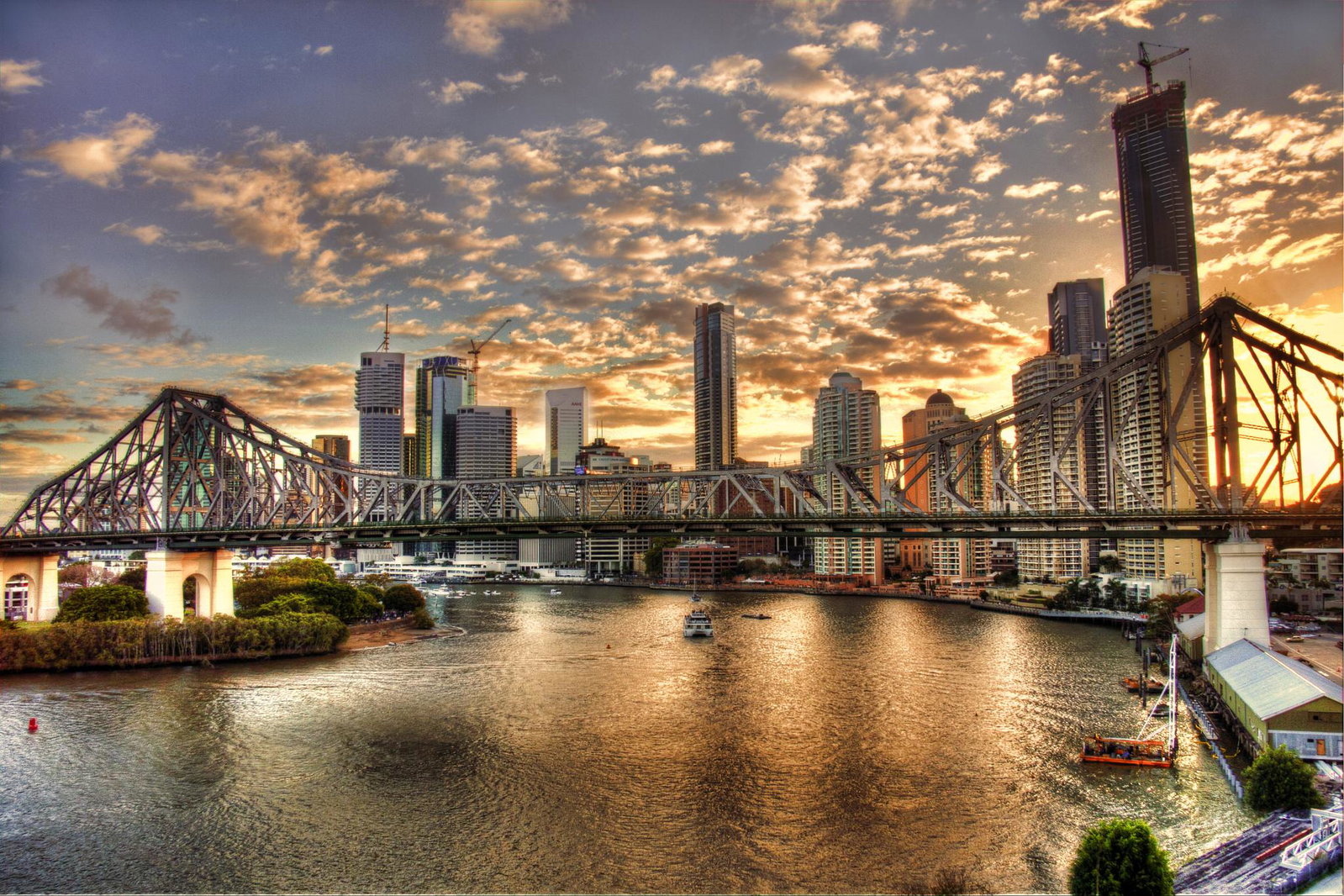
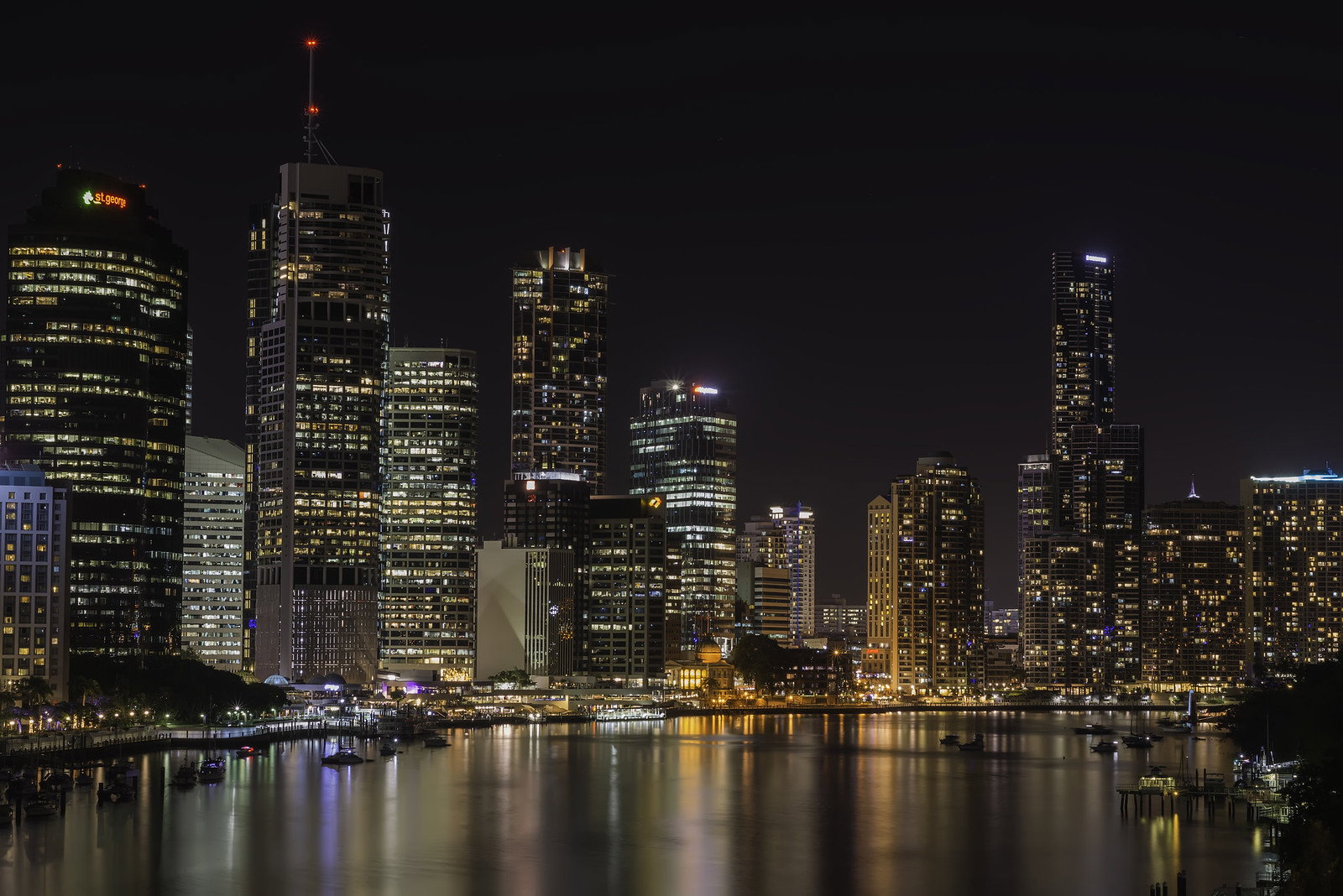
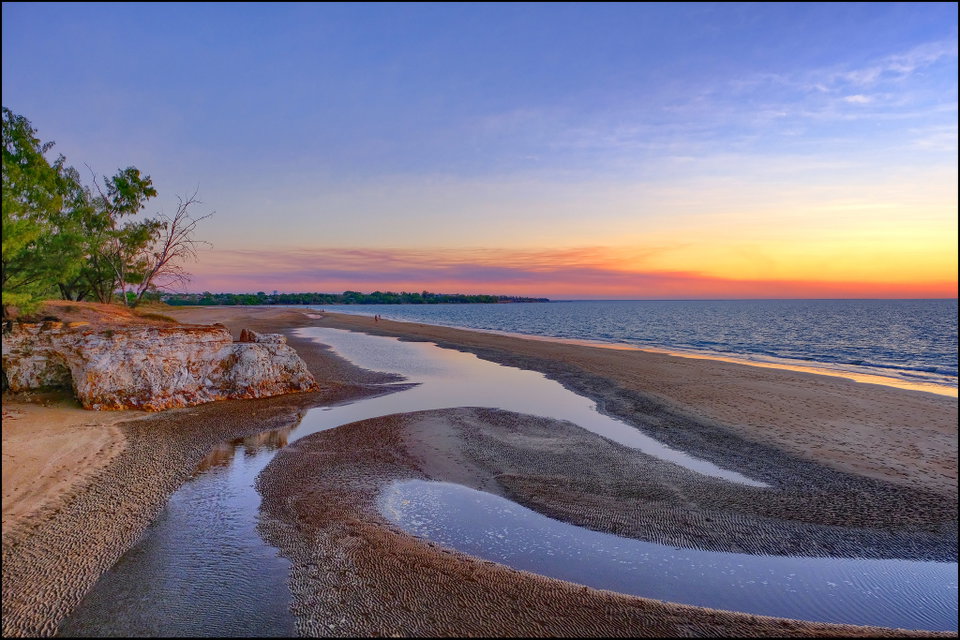
Brisbane city skyline reflected in the Brisbane River at dusk, with Story Bridge lit up in the background

Destination guide

Brisbane

South East Queensland · Australia

Sun-drenched river city with world-class food, culture, and easy access to the Gold and Sunshine coasts

Best season

June–September (dry season, 18–25 °C days, low humidity)

From Nairobi

Approximately 18–21 hours with one stop (e.g., Dubai, Singapore, or Doha)

Why visit Brisbane?

Brisbane has quietly become one of Australia's most exciting cities to visit. The transformation that began with the 2010s inner-city renewal is now complete: South Bank's beaches, galleries, and riverside walks are polished without feeling sterile, the Fortitude Valley and West End dining scenes rival Melbourne, and the city's subtropical setting means outdoor life never really stops.

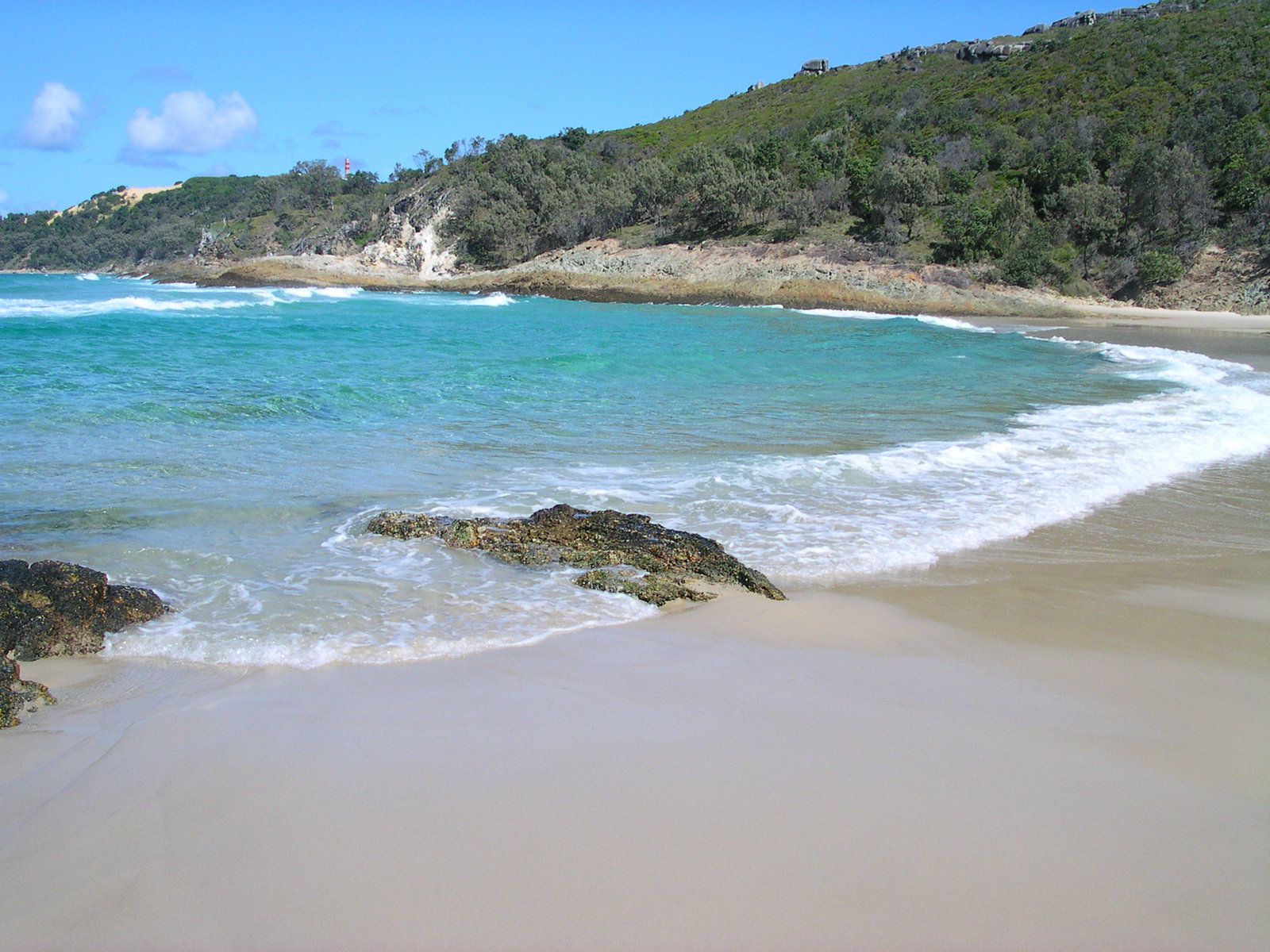
Beyond the city itself, Brisbane is the perfect base for South East Queensland. The Gold Coast's surf beaches are 80 km south; the Sunshine Coast's hinterland and Noosa are 100 km north; Moreton Island — where you can snorkel shipwrecks and hand-feed dolphins — is a 75-minute ferry ride away. Nowhere else in Australia gives you city culture, world-class beaches, and subtropical rainforest all within a long weekend.

The upcoming 2032 Olympics is already accelerating major investment, but the city is already a pleasure to navigate — compact enough to walk or cycle, with excellent public transport and a genuinely welcoming character.

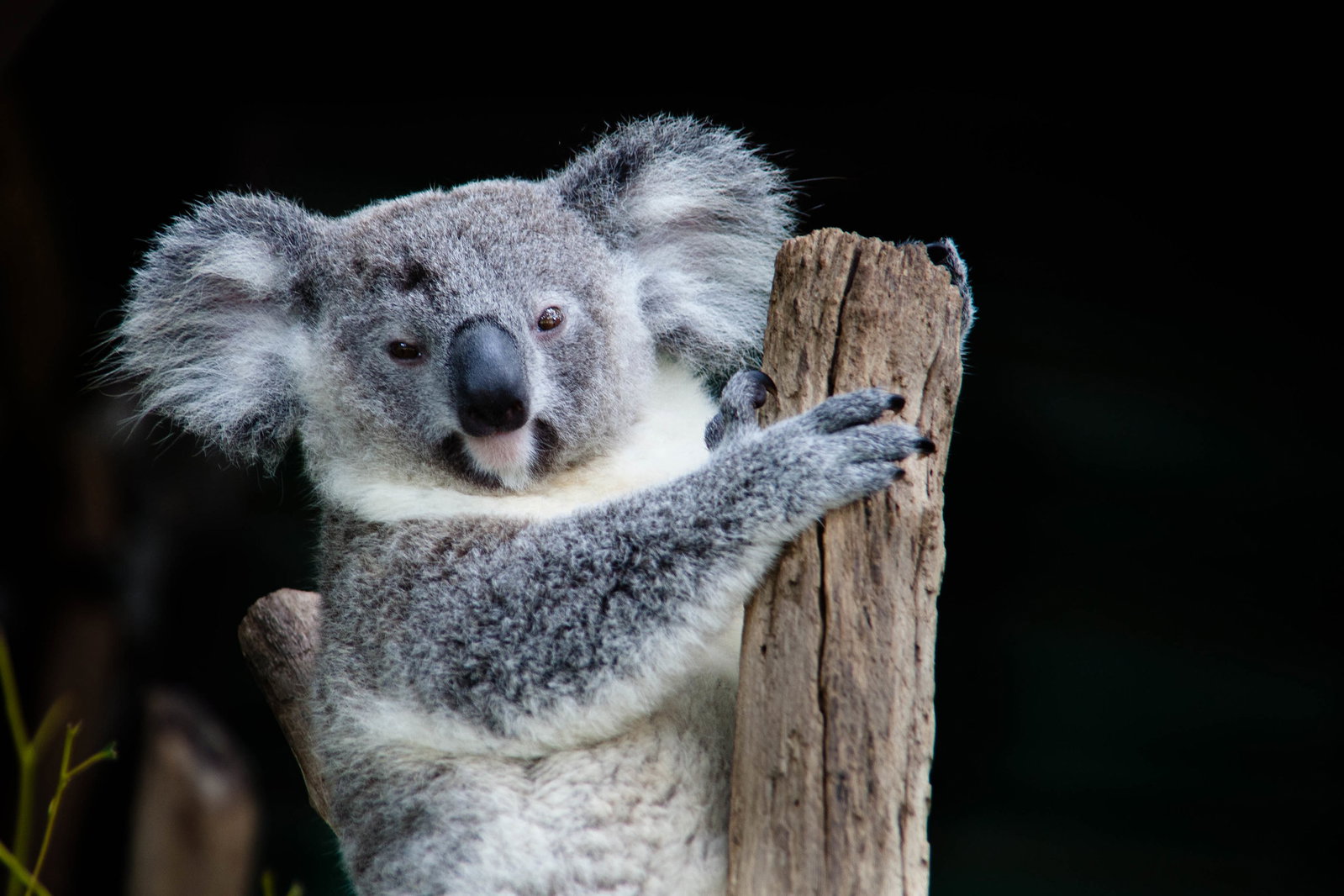
  • Pat a koala at Lone Pine, the world's largest koala sanctuary, just 20 minutes from the CBD
  • Walk, cycle, or kayak the Brisbane River loop — the city's living green spine
  • South Bank's Streets Beach is the only inner-city artificial beach in Australia
  • GOMA (Gallery of Modern Art) is the largest modern art museum in the southern hemisphere
  • Day-trip to Moreton Island to snorkel wrecks and feed wild dolphins at dusk
  • Gold Coast surf and Sunshine Coast hinterland are both under 90 minutes by road

Best for

City breakers, families, foodies, beach lovers who also want a cultural fix

Trip style

City + coast combo, short break, food & culture

Known for

South Bank Parklands, Story Bridge, GOMA, Lone Pine Koala Sanctuary, New Farm Park, subtropical climate

Quick facts

Best time to visit

June–September (dry season, 18–25 °C days, low humidity)

Currency

Australian Dollar (AUD)

Languages

English

Visa summary

Electronic Travel Authority (ETA) required for most passport holders; apply online before travel

Flight time from Nairobi

Approximately 18–21 hours with one stop (e.g., Dubai, Singapore, or Doha)

Airport / arrival

Brisbane Airport (BNE) is 14 km from the CBD; AirTrain connects to Central Station in about 20 minutes for AUD 19.45

Safety note

Very safe city overall; standard urban precautions apply around Fortitude Valley late at night

Visa and entry

Look up entry rules by passport for travel to Australia on the Tsavaro visa checker.

Check visa requirements for Australia

Things to do

Explore South Bank ParklandsCulture & Outdoors

Explore South Bank Parklands

Half day to full day

This 17-hectare riverside precinct packs in a swimming lagoon (Streets Beach), rainforest walk, outdoor markets, restaurants, and two major art institutions. It's free to enter and works equally well for a morning stroll or a full day out.

Visit GOMA — Gallery of Modern ArtCulture

Visit GOMA — Gallery of Modern Art

2–3 hours

Australia's largest modern and contemporary art gallery mounts world-class travelling exhibitions alongside a permanent collection strong on Australian, Pacific, and Asian art. The building itself — a sleek riverside structure — is worth a look.

Climb or walk the Story BridgeAdventure

Climb or walk the Story Bridge

2.5 hours

Brisbane's iconic cantilever bridge offers a guided climb to the summit (90 m above the river) with panoramic city and river views. Dawn and twilight sessions are especially popular. Book ahead.

Hug a koala at Lone Pine Koala SanctuaryWildlife

Hug a koala at Lone Pine Koala Sanctuary

Half day

The world's largest koala sanctuary houses more than 130 koalas, plus kangaroos, wombats, platypuses, and Tasmanian devils. You can hold a koala for a photo — one of the very few places in the world where this is permitted.

Day trip to Moreton IslandNature & Adventure

Day trip to Moreton Island

Full day

Jump on the Micat ferry (75 min) to reach one of the world's largest sand islands. Snorkel the Tangalooma wrecks, sandboard the mega-dunes, and return for the famous wild dolphin feeding at sunset.

Eat and drink your way through West End & Fortitude ValleyFood & Drink

Eat and drink your way through West End & Fortitude Valley

Evening or full day

West End is Brisbane's bohemian dining quarter — multicultural, unpretentious, full of Vietnamese bakeries, Ethiopian restaurants, and specialty coffee. Fortitude Valley (The Valley) is the nightlife and dining hub: everything from hatted restaurants to ramen bars open past midnight.

Best time to visit Brisbane

The best time to visit Brisbane is June through September, during the Southern Hemisphere's dry season. Days are warm and sunny (18–25 °C), humidity is low, and rainfall is minimal — perfect for outdoor activities, beach trips, and bushwalking. This is also when Moreton Island and the Gold Coast are at their most pleasant.

Spring (September–November) is excellent too: wildflowers bloom in surrounding national parks, temperatures start climbing, and crowds are thinner than peak winter. October and November see increasing humidity but still mostly clear skies.

Summer (December–February) is Brisbane's wet season — hot (28–32 °C), humid, and prone to afternoon thunderstorms and occasional cyclone-influenced downpours. It's not unpleasant for city-based travel, and the storms are usually brief, but outdoor and island activities can be disrupted. This is also peak domestic holiday season.

Autumn (March–May) is an underrated sweet spot: humidity drops, temperatures moderate to the mid-20s, and accommodation prices ease after summer. April and May are among Brisbane's most comfortable months.

Is Brisbane safe to visit?

Yes — Brisbane is one of Australia's safest major cities and is generally very welcoming to international tourists. Violent crime against visitors is rare, and the city consistently ranks well in global safety indices.

A few practical points to keep in mind:

Fortitude Valley (The Valley) can be rowdy on Friday and Saturday nights when the clubs close — take registered taxis or rideshares rather than walking alone in poorly lit areas late at night.

Leave valuables out of sight in parked cars; opportunistic theft from vehicles does occur, particularly near popular trailheads outside the city.

Brisbane's summer storms can be severe — follow Bureau of Meteorology alerts (bom.gov.au) and avoid being in open water or under trees during lightning storms.

Sun safety is serious in Queensland: the UV index regularly hits 11+ (extreme) even in winter. Wear SPF 50+, reapply every two hours, and cover up between 10 am and 3 pm.

The city's water, food, and medical infrastructure are to full Australian standards — no travel vaccinations are specifically required, and healthcare is excellent if needed.
Suggested itinerary

Brisbane in 5 Days: City, Coast & Wildlife

This plan is based in the CBD/South Bank corridor, uses public transport and one car-hire day, and suits a mid-range budget (AUD 150–250/person/day excluding flights). It mixes city culture with a Gold Coast beach day and a Moreton Island ferry trip.

Day 1

Arrive & settle into South Bank

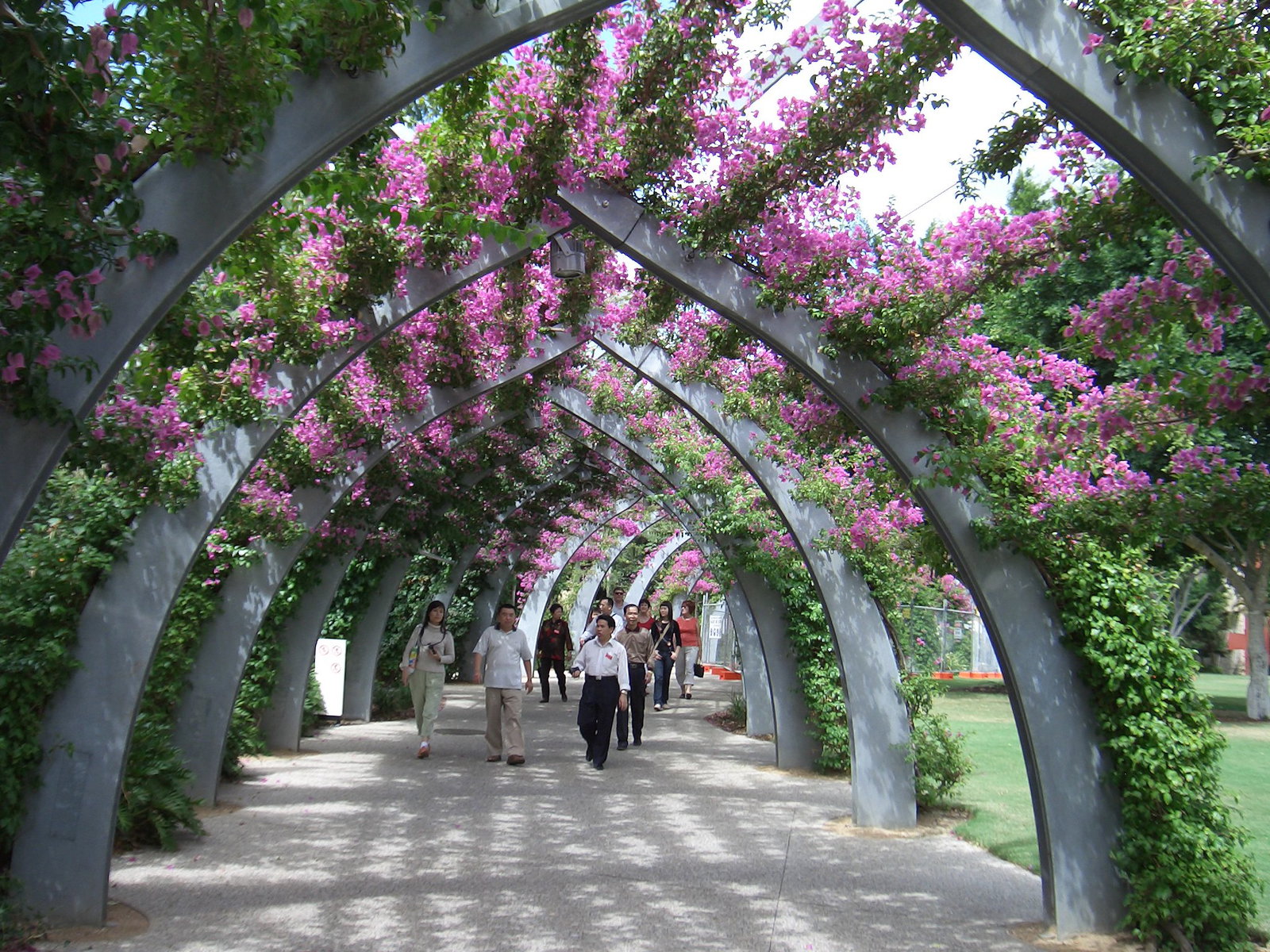
Land at BNE, take the AirTrain to Central Station, and check in. Spend the afternoon walking South Bank Parklands — dip in Streets Beach, stroll the Arbour boardwalk, and grab a flat white at one of the riverside cafes. In the evening, walk over the Goodwill Bridge to the West End for dinner. Try Gauge or Sono for an introduction to Brisbane's dining scene.

Brisbane — Arrive & settle into South Bank

Travel essentials

Getting around

Brisbane is compact and easy to navigate. The AirTrain connects the airport to the CBD (20 min, AUD 19.45 one-way). Within the city, TransLink's network of buses, trains, and the free CityHopper ferry covers most sights — load a go card (Opal-equivalent) for seamless travel. Cycling is excellent: Brisbane has over 2,000 km of bikeways and CityCycle hire stations throughout the inner city. Taxis and Uber are widely available. Hire a car for the Gold Coast or Sunshine Coast day trips.

Typical costs

Mid-range budget: AUD 150–250/person/day (accommodation AUD 80–150, meals AUD 20–50, activities AUD 20–60). A hostel dorm runs AUD 30–40; budget hotels AUD 100–140; boutique and 4-star hotels AUD 180–350. A flat white costs AUD 5, a pub meal AUD 20–30, a hatted-restaurant dinner AUD 80–150 per head with drinks.

Culture and etiquette

Australians are famously informal — first names from the first meeting, self-deprecating humour, and a dislike of pretension are all standard. Tipping is not mandatory but rounding up or leaving 10% at restaurants is increasingly common in Brisbane's finer establishments. Queuing is taken seriously. Smoking is prohibited in all indoor public spaces and most outdoor dining areas.

Safety and planning

Travel insurance is strongly recommended — Australian private hospital costs are significant for uninsured visitors. The national emergency number is 000. Download the Emergency+ app for GPS-accurate emergency calls. If hiring a car and venturing outside the city, let someone know your itinerary; mobile coverage can be patchy in hinterland areas.

Connectivity

4G and 5G coverage (Telstra, Optus, Vodafone) is excellent across Brisbane and the Gold Coast corridor. Buy a prepaid SIM at the airport or convenience stores — Telstra has the widest rural coverage. Free Wi-Fi is available throughout South Bank Parklands, the CBD's Queen Street Mall, and most cafes and accommodation.

Payments

Australia is largely cashless — card (Visa/Mastercard/Amex) and contactless/Apple Pay are accepted almost everywhere, including markets and food trucks. ATMs are widely available; international transaction fees apply. Currency exchange is available at the airport and CBD banks.

Brisbane travel FAQs

More destinations to explore