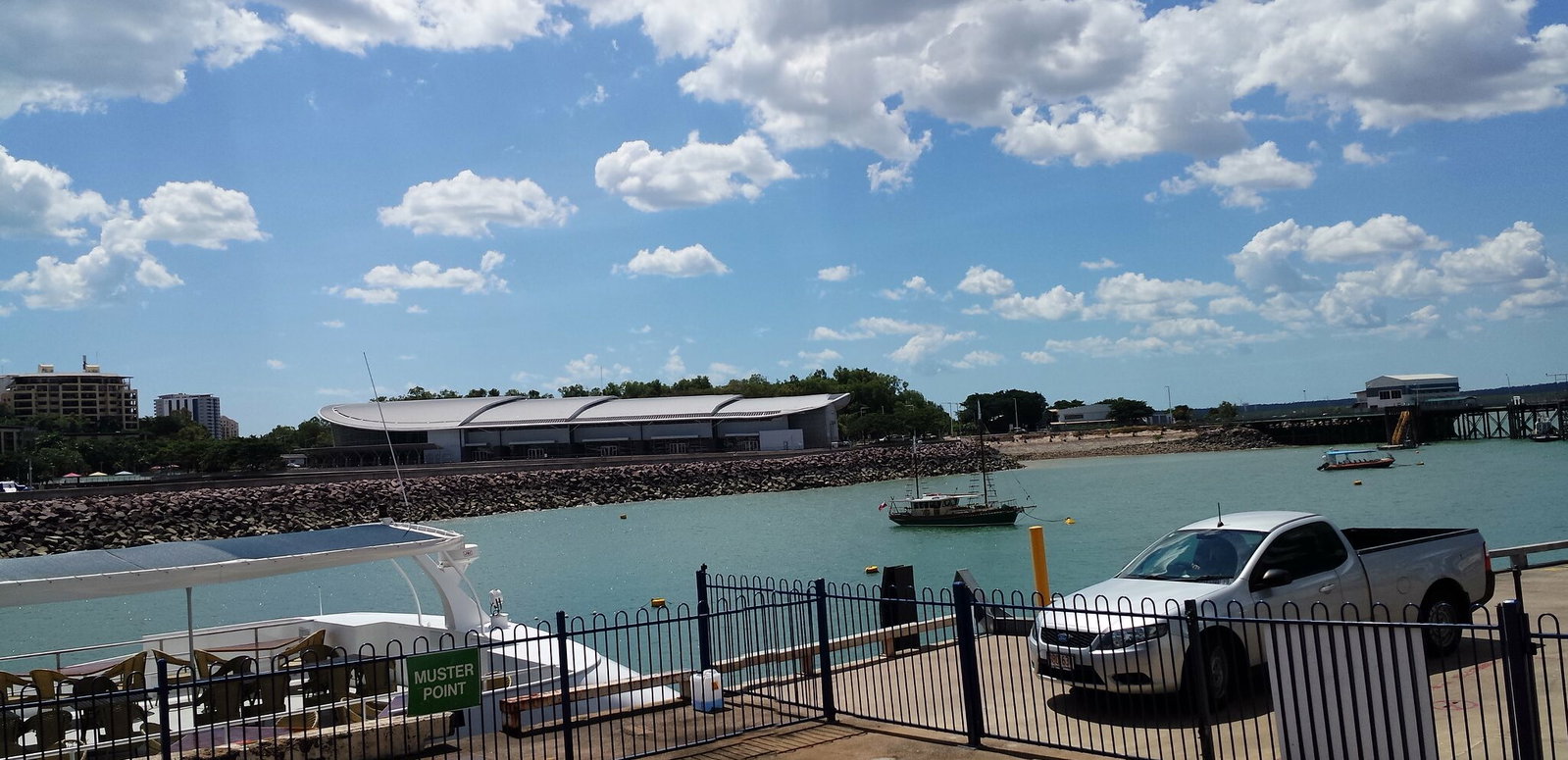
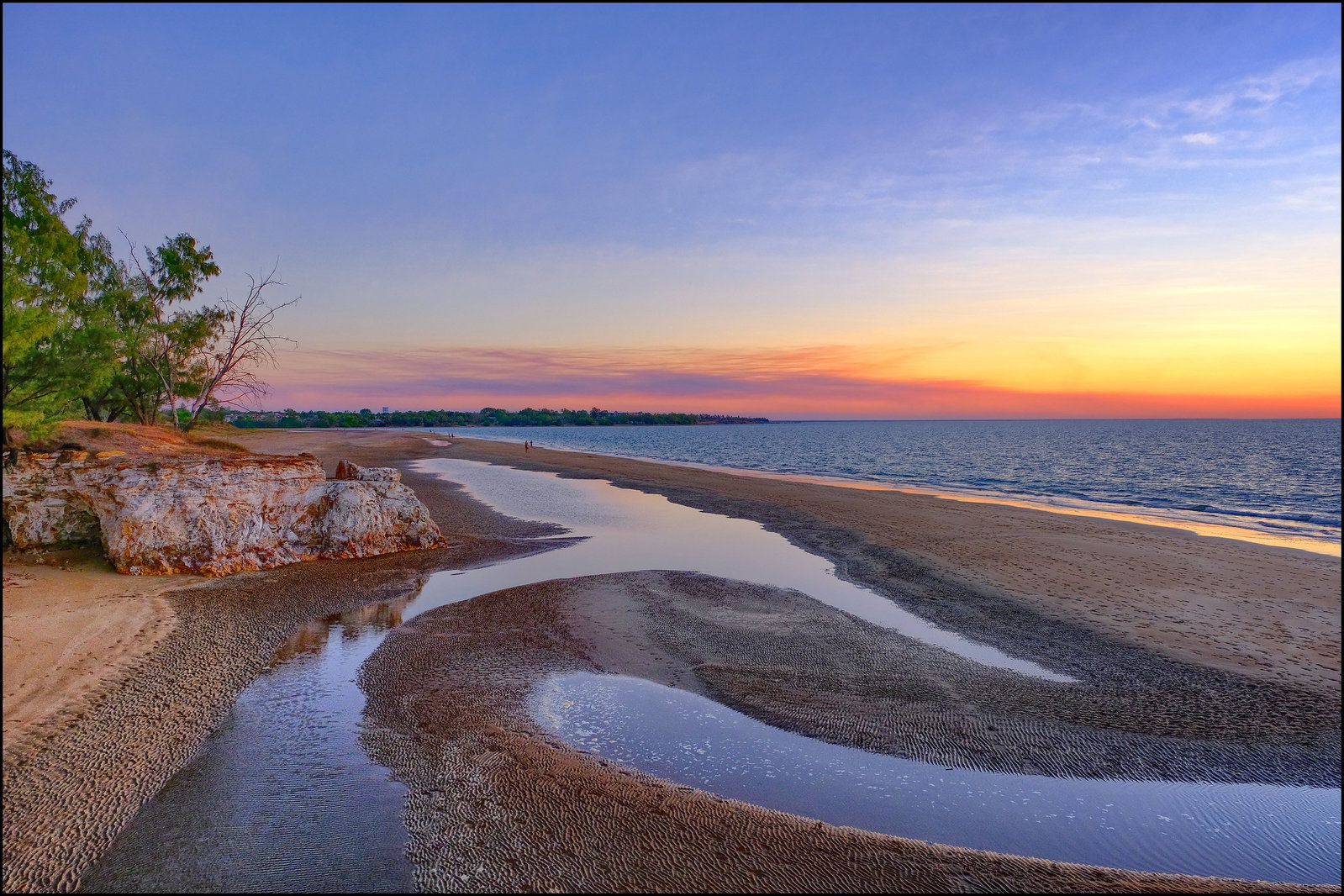
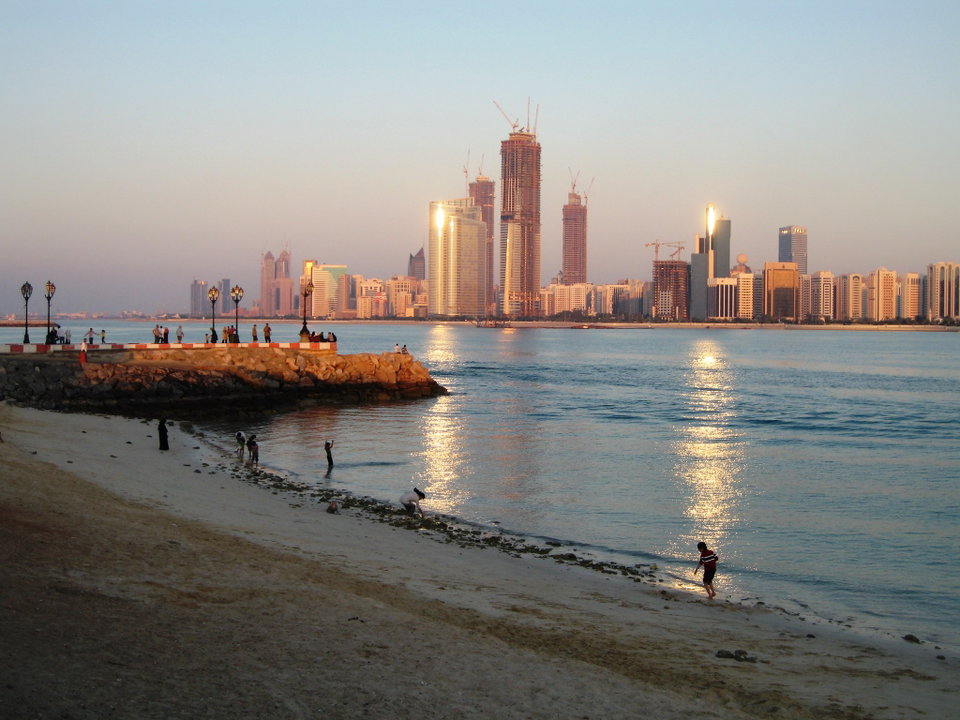
Darwin waterfront at sunset with vibrant orange skies reflected in the Timor Sea

Destination guide

Darwin

Northern Territory · Australia

Australia's tropical gateway — where the outback meets the sea

Best season

May to October (the Dry Season) — warm days, clear skies, and manageable humidity. Avoid the Wet Season (November to April) if you dislike heavy rain and road closures.

From Nairobi

Approximately 17–20 hours with at least one stop (typically via Singapore, Kuala Lumpur, or Dubai)

Why visit Darwin?

Darwin is Australia's most tropical city and its most culturally diverse — shaped by Aboriginal heritage, waves of Asian migration, and a frontier spirit born of isolation. It was rebuilt almost from scratch after Cyclone Tracy flattened it on Christmas Day 1974, giving it a modern, open-planned feel unusual for a capital city.

From Darwin you can be standing at the edge of Kakadu National Park — one of the world's great wilderness areas — in under two hours. The city itself rewards exploration: the waterfront precinct hosts sunset markets, fresh barramundi and laksa stalls, and free outdoor cinema. The Museum and Art Gallery of the Northern Territory is home to one of the finest collections of Aboriginal art in the world, as well as the sobering Cyclone Tracy exhibit.

Darwin's harbour and the surrounding wetlands teem with saltwater crocodiles, brolgas, jabiru storks, and spectacular bird life. Mindil Beach Sunset Market every Thursday and Sunday (April to October) is one of Australia's iconic open-air food events. For adrenaline seekers, jumping crocodile cruises on the Adelaide River and helicopter flights over Litchfield gorges are unforgettable.

  • Day-trip to Kakadu — UNESCO-listed wilderness packed with ancient rock art and billabongs
  • Watch the sun melt into the Timor Sea from Mindil Beach with a plate of fresh laksa
  • Cruise the Adelaide River and come face-to-face with wild saltwater crocodiles
  • Swim under spring-fed waterfalls in Litchfield National Park, free of crocs
  • Explore one of the world's richest collections of Aboriginal art at MAGNT
  • Snorkel the stunning reefs of the Tiwi Islands on a day trip by light plane

Best for

Wildlife encounters, outback day-trips, sunset markets, Aboriginal culture, and tropical adventure

Trip style

Adventure, nature, culture, family

Known for

Kakadu National Park access, saltwater crocodiles, Mindil Beach Sunset Market, Aboriginal art, Litchfield waterfalls

Quick facts

Best time to visit

May to October (the Dry Season) — warm days, clear skies, and manageable humidity. Avoid the Wet Season (November to April) if you dislike heavy rain and road closures.

Currency

Australian Dollar (AUD)

Languages

English (primary); many residents also speak Creole, Mandarin, Indonesian, and various Aboriginal languages

Visa summary

Australia requires an Electronic Travel Authority (ETA) or Tourist Visa (subclass 600) for most nationalities. Apply online before departure.

Flight time from Nairobi

Approximately 17–20 hours with at least one stop (typically via Singapore, Kuala Lumpur, or Dubai)

Airport / arrival

Darwin International Airport (DRW) is 15 km from the CBD. Taxis, rideshares (Uber), and shuttle buses are available. Most hotels offer transfers.

Safety note

Darwin is generally safe. Swim in designated areas only — crocodiles and box jellyfish are real hazards in and near the sea. Stay sun-safe and carry water when exploring the outback.

Visa and entry

Look up entry rules by passport for travel to Australia on the Tsavaro visa checker.

Check visa requirements for Australia

Things to do

Kakadu National Park day trip or overnightNature & Wildlife

Kakadu National Park day trip or overnight

1–3 days

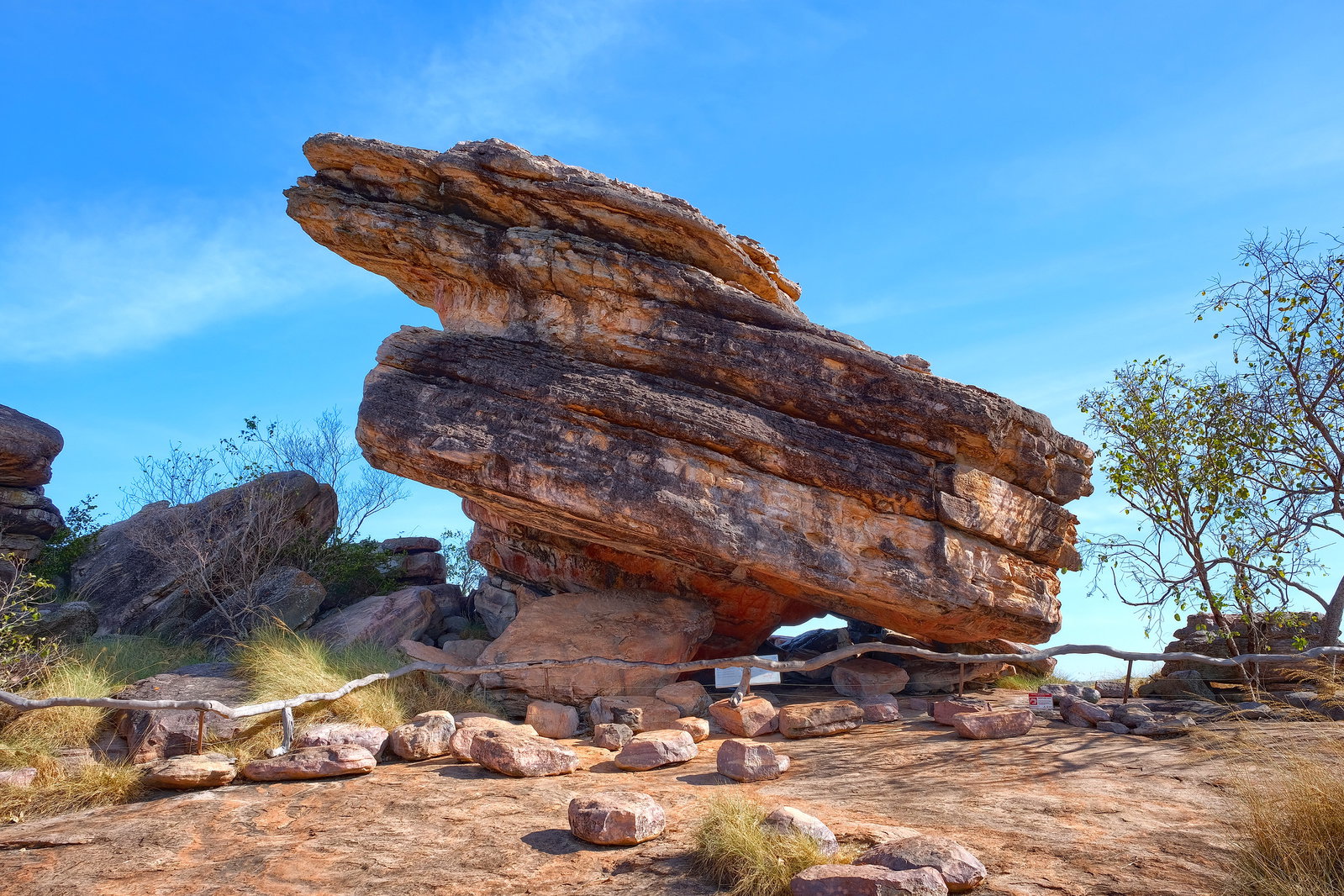
Australia's largest national park (and a dual UNESCO World Heritage Site) is just 1.5–2 hours from Darwin. See ancient Bininj/Mungguy rock art at Ubirr and Nourlangie, cruise Yellow Water Billabong for wildlife, and swim at natural rock pools. A full experience warrants two nights.

Litchfield National Park waterfallsNature & Adventure

Litchfield National Park waterfalls

Full day

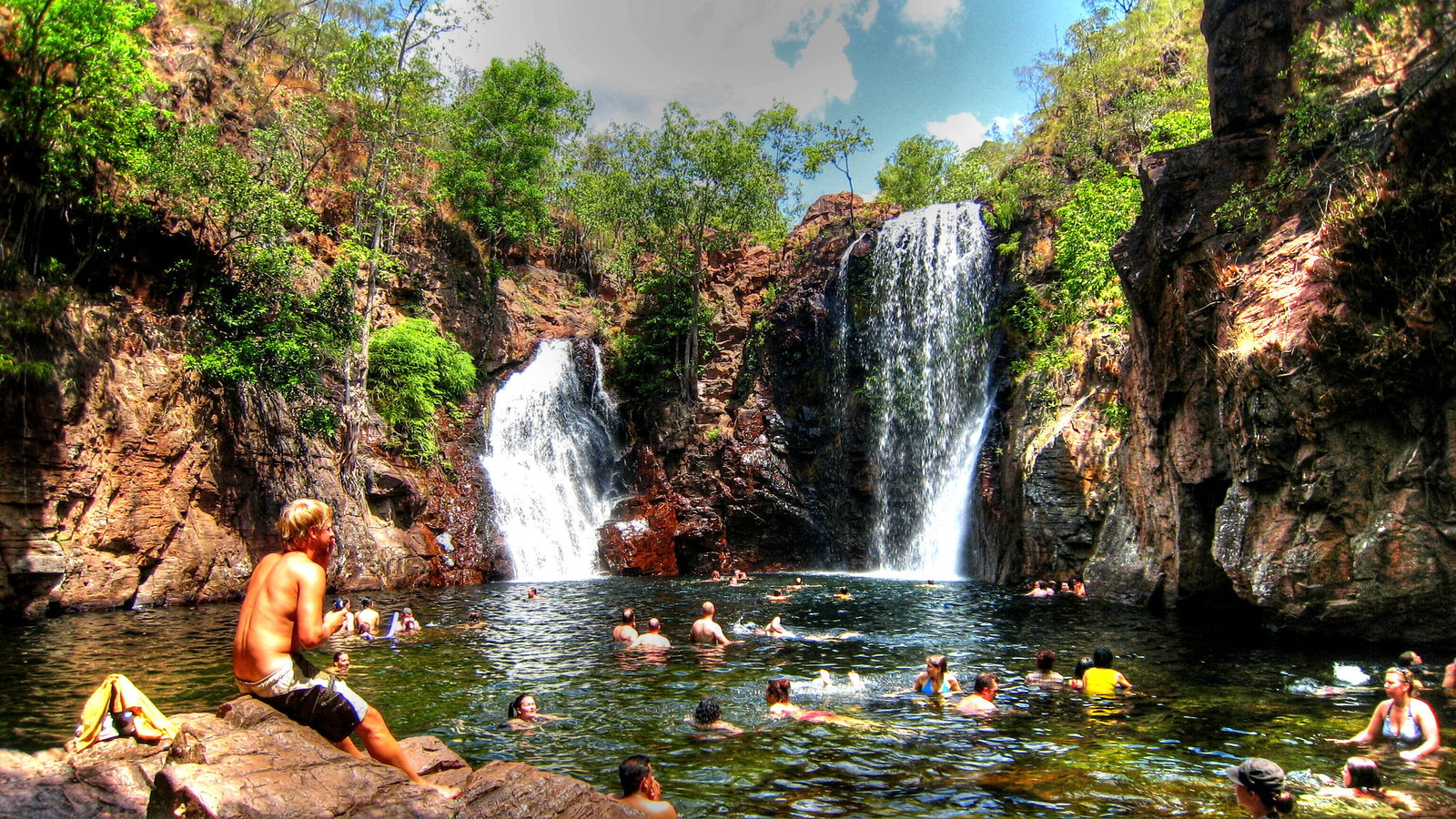
About 90 minutes south of Darwin, Litchfield is famous for its croc-free, spring-fed swimming holes beneath cascading waterfalls — Wangi, Florence, and Tolmer Falls are the standouts. Cathedral termite mounds and magnetic termite mounds add a surreal landscape element.

Adelaide River jumping crocodile cruiseWildlife

Adelaide River jumping crocodile cruise

2–3 hours

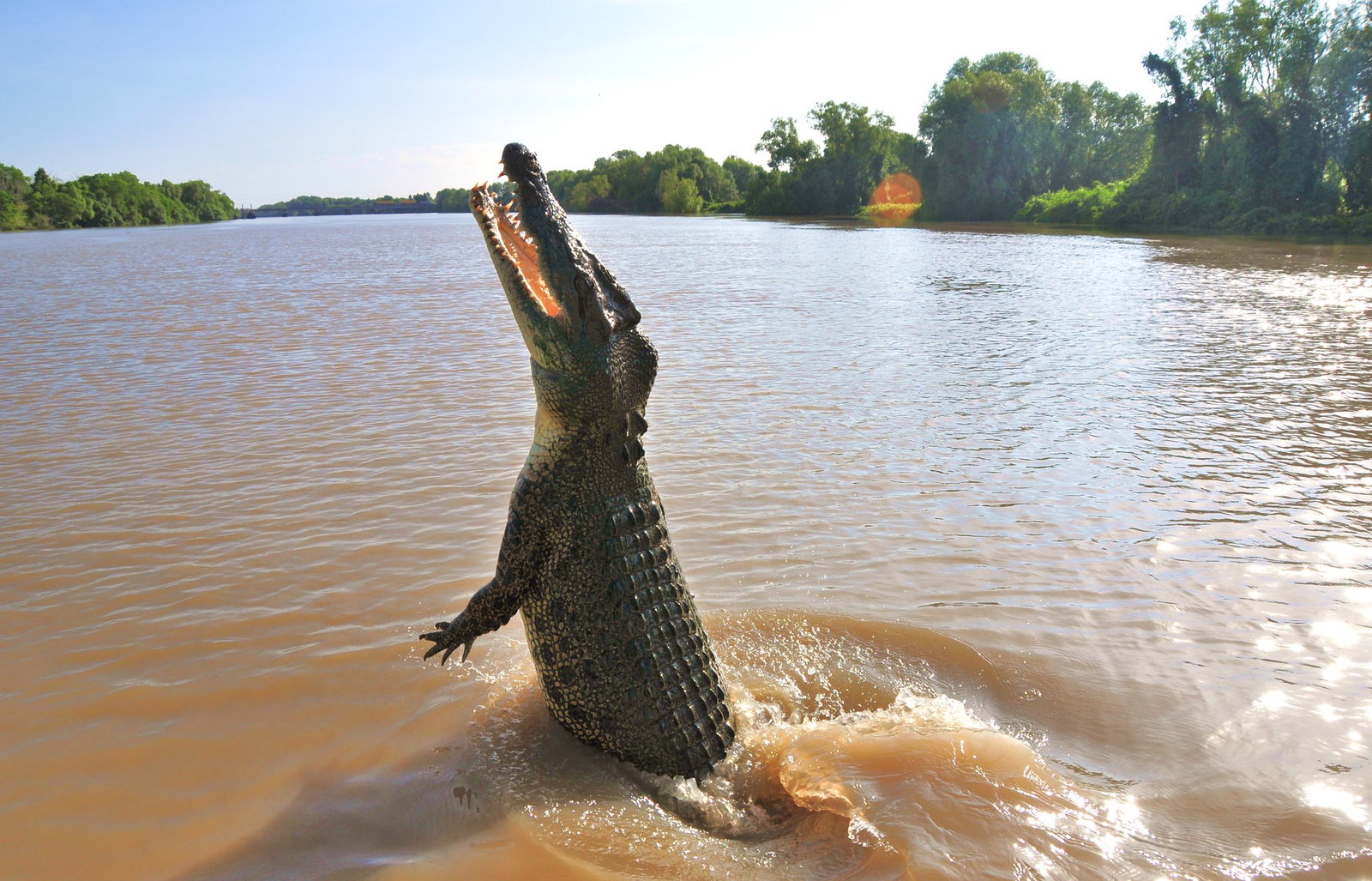
Join a boat tour on the Adelaide River (about 60 km from Darwin) to see wild saltwater crocodiles leap out of the water for dangled meat. It's thrilling, safe, and photographically spectacular — one of the Top End's signature experiences.

Mindil Beach Sunset MarketFood & Culture

Mindil Beach Sunset Market

2–3 hours

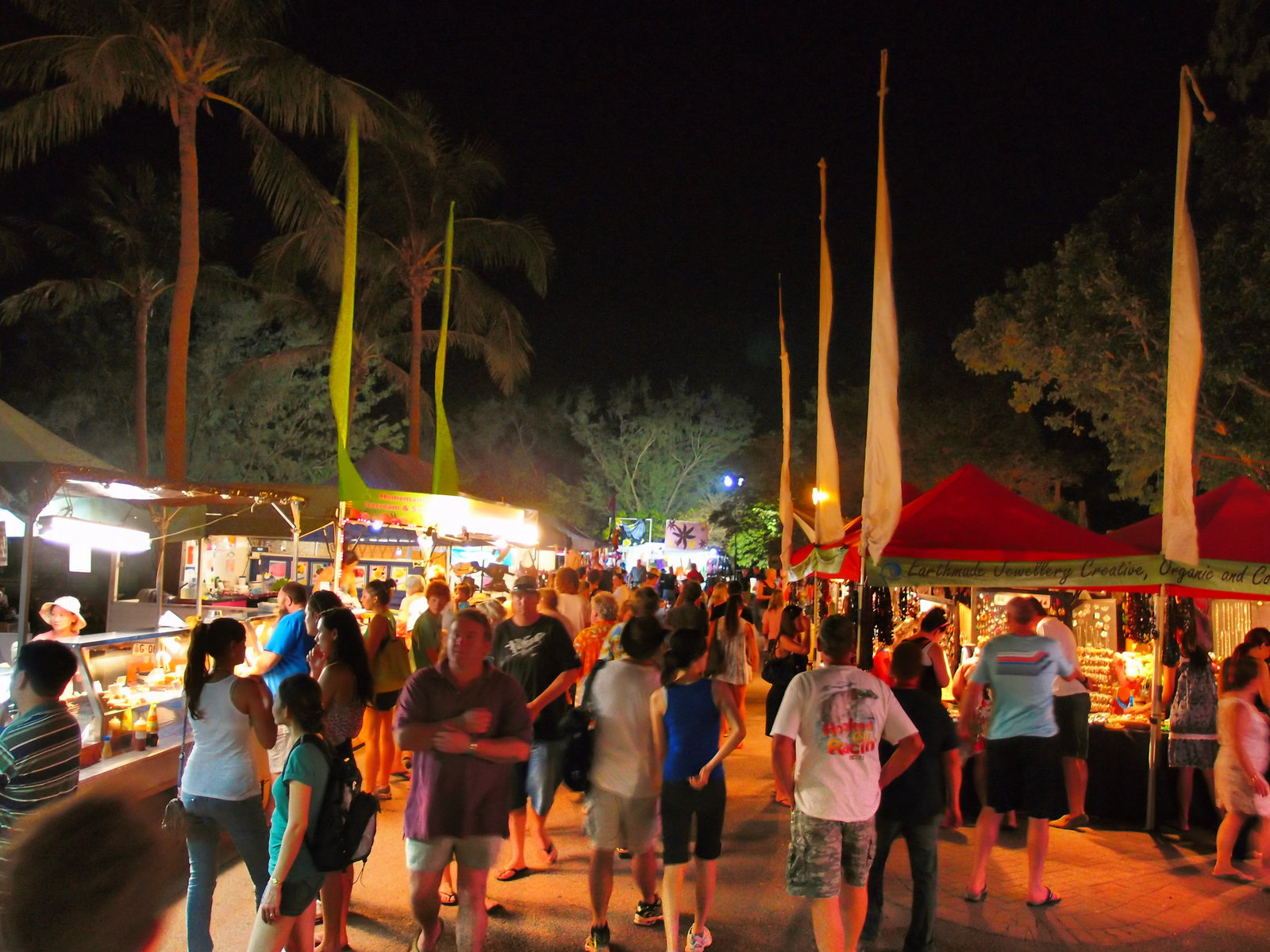
Every Thursday and Sunday evening during the Dry Season (April to October), over 200 stallholders line the beach selling food from across Southeast Asia, handmade crafts, and local art. Grab a barramundi fillet or a mango smoothie and watch the sun drop into the Timor Sea.

Museum and Art Gallery of the Northern Territory (MAGNT)Culture & History

Museum and Art Gallery of the Northern Territory (MAGNT)

2–3 hours

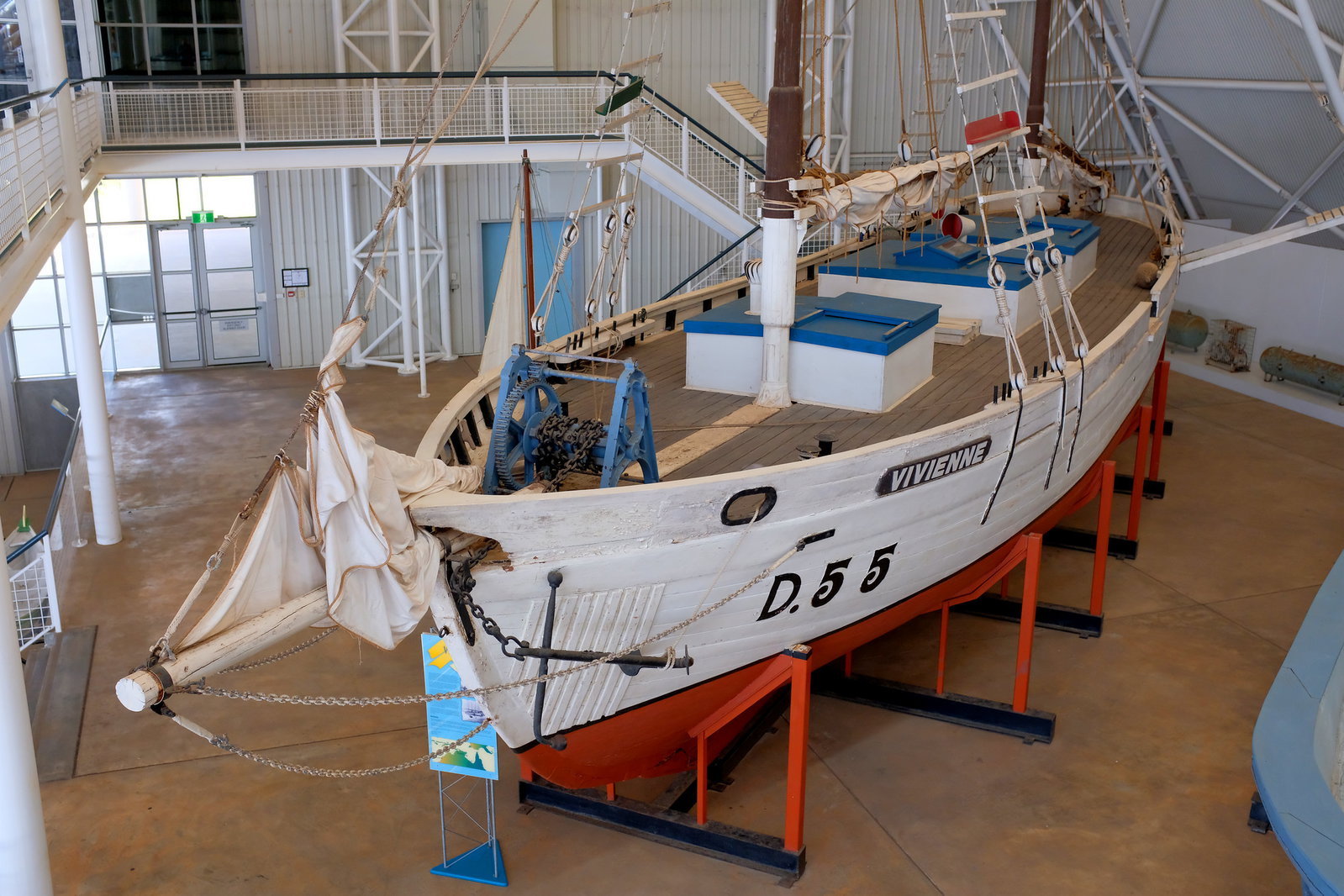
Home to an extraordinary collection of Aboriginal and Pacific Islander art, natural history, and the unmissable Cyclone Tracy exhibit — you can stand in a darkened room and listen to a recording of the storm that destroyed Darwin. Free entry.

Darwin Waterfront PrecinctLeisure & Dining

Darwin Waterfront Precinct

Half day

The revamped waterfront is Darwin's social hub — a wave lagoon for safe swimming, a recreation lagoon, an excellent weekend market, and some of the city's best restaurants. The precinct is walkable from the CBD and ideal for families.

Best time to visit Darwin

The best time to visit Darwin is May to October — the Dry Season — when days are warm and sunny (around 30°C), humidity is low, and there is virtually no rain. This is peak season for outdoor markets, national park access, and wildlife watching.

May to June: Ideal shoulder months — national parks are accessible, waterholes are full from the Wet, wildflowers are out, and tourist numbers are still manageable.

July to August: Peak season. The most comfortable weather and the best time for Kakadu (Yellow Water Billabong is at its most spectacular). Book accommodation early, especially in Jabiru and Darwin city hotels.

September to October: Still pleasant but getting hotter. The 'build-up' (pre-monsoon humidity) begins in October. Kakadu's Ubirr and Nourlangie rock art sites are at their most dramatic.

November to April (Wet Season): The monsoon brings heavy afternoon downpours, spectacular electrical storms, flooding roads, and intense humidity. Some Kakadu roads close entirely. That said, the landscape is brilliantly green, waterfalls are at full force, and tourist prices drop significantly. Experienced travellers who don't mind the heat often love this period for its raw, dramatic beauty.

Is Darwin safe to visit?

Yes — Darwin is generally safe for tourists, and most visits are trouble-free. The city has a relaxed, friendly atmosphere, and standard Australian safety standards apply throughout. However, there are a few specific hazards that every visitor must take seriously.

Crocodiles: This is the single most important safety message. Saltwater (estuarine) crocodiles inhabit Darwin Harbour, the rivers, coastal wetlands, and many waterways across the Top End. Never swim in, walk close to, or wade into any body of water outside designated safe swimming areas unless you have confirmed it is croc-free. Always heed 'No Swimming — Crocodiles' signs.

Marine stingers: Box jellyfish and irukandji jellyfish can be present in the sea from October to May. Swim only in stinger-netted enclosures during the Wet Season.

Heat and sun: Temperatures regularly exceed 35°C, and the UV index is extreme. Carry water at all times, wear a hat and sunscreen, and avoid exertion during midday hours when exploring the outback.

Petty crime: As in any city, keep an eye on valuables, especially around Mitchell Street at night. The CBD is generally safe after dark.

Safety resources: Australia's emergency number is 000. The NT Parks and Wildlife Service posts current crocodile warnings at park entrances and on their website.
Suggested itinerary

3 Days in Darwin: Tropical City & Top End Highlights

This itinerary is designed for a first-time visitor staying in central Darwin, travelling at a relaxed pace, and using a hire car or guided day-tours for out-of-city trips. Budget is mid-range — comfortable hotels, good local restaurants, and one or two paid tours.

Day 1

Settle In, Waterfront & Sunset Market

Start with breakfast at the Darwin Waterfront Precinct, then spend the morning exploring the Museum and Art Gallery of the Northern Territory — the Aboriginal art galleries and Cyclone Tracy exhibit alone are worth an hour each. Have lunch at Pee Wee's at the Point for harbour views and fresh barramundi.

In the afternoon, walk through the CBD and visit Crocosaurus Cove for your first up-close saltwater crocodile encounter. If it's Thursday or Sunday, head to Mindil Beach Sunset Market in the early evening — get there by 6 pm to snag a prime spot on the grass as the sun sets at around 7 pm. Eat your way through the Asian food stalls for dinner.

Darwin — Settle In, Waterfront & Sunset Market

Travel essentials

Getting around

Darwin's CBD is walkable, but most attractions outside the city require a car. Hire cars are widely available at the airport and from the CBD. Tour operators run well-organised day trips to Litchfield, Kakadu, and Adelaide River for those who prefer not to self-drive. Rideshare (Uber) and taxis cover the city centre. Bus routes are limited for tourists.

Typical costs

Darwin is moderately expensive by Australian standards. Budget travellers can expect AUD 80–120/day (hostels, self-catering, markets). Mid-range visitors spend AUD 200–350/day (3-star hotel, meals at casual restaurants, one guided tour). Upscale options exist from AUD 400+/day. Kakadu park entry costs AUD 40/person (valid 14 days). Hire cars start around AUD 60–80/day.

Culture and etiquette

Darwin is one of Australia's most multicultural cities — treat everyone with openness and respect. When visiting Aboriginal communities or cultural sites, always ask before photographing people and follow posted guidelines. In Kakadu, some sacred sites are closed to visitors — observe these restrictions. Remove shoes when entering mosques or temples in Darwin's multicultural suburbs. Tipping is not expected in Australia, though appreciated for excellent service.

Safety and planning

Always check crocodile and swimming safety warnings before entering any waterway — the NT Government posts real-time alerts. When hiking in the outback, carry at least 3 litres of water per person, tell someone your plans, and bring a charged phone. Comprehensive travel insurance that covers medical evacuation is strongly recommended for remote park visits.

Connectivity

Darwin has solid 4G/5G coverage in the city and main towns. Coverage becomes patchy in Kakadu and drops out entirely in very remote areas. Telstra has the broadest rural coverage in the NT. Free Wi-Fi is available in most hotels, cafes, and the Darwin waterfront. International SIMs can be purchased cheaply at the airport.

Payments

Australia is largely card-friendly — tap-to-pay (Visa/Mastercard/Apple Pay) works in almost all shops, restaurants, and tour operators. Cash is useful for Mindil Beach Market stalls and very remote roadhouses. ATMs are widely available in the CBD. Currency exchange is available at the airport and at Travelex in the city.

Darwin travel FAQs

More destinations to explore